Pharma & GLP-1 · 21 May 2026
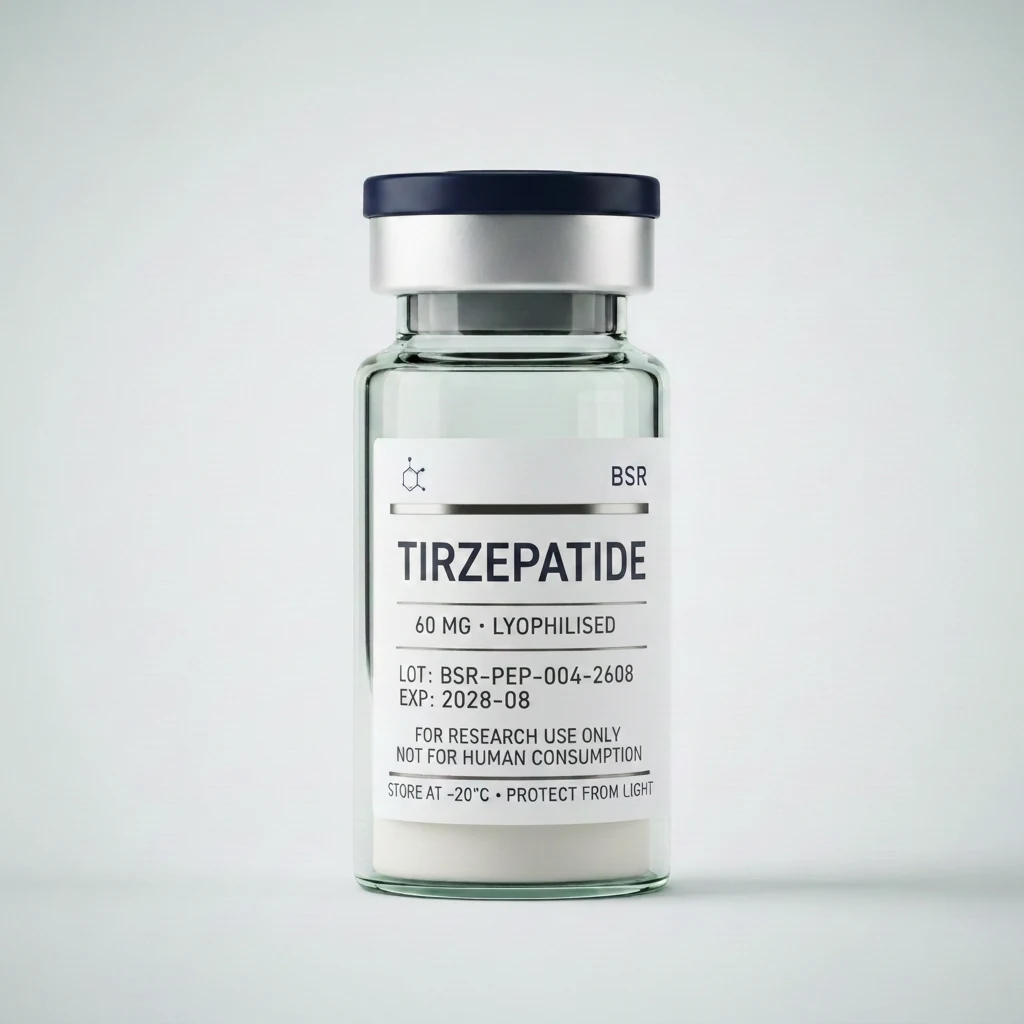
EASO's 2026 Living Algorithm Separates Tirzepatide and Semaglutide by Indication — With MASH Data Sharpening the Divide
The European Association for the Study of Obesity has published its first update to its GLP-1 pharmacotherapy framework, drawing a clearer evidence-based distinction between tirzepatide and semaglutide. Tirzepatide now sits above semaglutide for total body weight loss, while semaglutide is the only agent currently supported for liver fibrosis improvement — a split with direct implications for research strategy as Novo Nordisk advances its MASH programme into EASL 2026.
8 sources cited
Key takeaways
- The European Association for the Study of Obesity (EASO) published the first update to its obesity pharmacotherapy algorithm in Nature Medicine this month, presented at the European Congress on Obesity (ECO 2026) in Istanbul, 12–15 May 2026.
- Tirzepatide is now placed above semaglutide for total body weight loss, with the update authors citing narrowed uncertainty around head-to-head estimates.
- For MASH resolution, both drugs are positioned equivalently. For liver fibrosis improvement — a newly separated sub-domain — semaglutide is currently the only agent supported in the algorithm.
- Novo Nordisk announced on 19 May that it will present a further portfolio of semaglutide/MASH data at the EASL Annual Congress in Barcelona, 27–30 May.
- The bifurcation in clinical positioning has practical consequences for which GLP-1 research tools laboratories are likely to prioritise in metabolic and hepatology programmes over the next 12–24 months.
Background: a "living" framework reaches its first update
When EASO published the first version of its pharmacological obesity treatment algorithm in Nature Medicine in October 2025, it committed to an annual update cycle, explicitly to allow fresh randomised controlled trial (RCT) data to be incorporated as it emerged. The initial framework, now revised, incorporated evidence up to 31 January 2025; the 2026 update draws on 62 RCTs contributing to a revised meta-analysis, including six newly eligible primary studies and a series of linked or secondary publications.
The updated framework was unveiled in Istanbul at ECO 2026, where EASO placed tirzepatide ahead of semaglutide for weight loss while positioning both for MASH resolution and semaglutide alone for improvement in liver fibrosis.
The algorithm is explicitly structured around complications rather than a simple rank-ordering by weight-loss efficacy. According to Barbara McGowan, professor of obesity medicine at Guy's and St Thomas' NHS Foundation Trust in London, who presented the update, the framework is designed to help clinicians match medications to patients' weight-loss goals and obesity-related complications, "rather than rank drugs from best to worst or dictate a fixed prescribing sequence."
Weight loss: tirzepatide's lead becomes clearer
As the evidence base has expanded, the relative separation between tirzepatide and semaglutide has become clearer, consistent with the head-to-head evidence from SURMOUNT-5 that provided a direct clinical comparison between the two agents.
In the updated algorithm, tirzepatide is maintained above semaglutide 2.4 mg in the total body weight loss domain, with increased confidence in the relative ordering within the time horizons studied, as uncertainty around the estimates has narrowed.
Where weight loss is the primary goal in people living with obesity without complications, the evidence is described as now stronger for tirzepatide compared to semaglutide and other options.
The update also incorporates complication-specific positioning for tirzepatide. For tirzepatide, evidence from SURMOUNT-OSA demonstrating improvements in obstructive sleep apnoea further broadens the clinical rationale for its use across the complication landscape.
The liver domain: semaglutide recovers ground
The most consequential revision in the 2026 update concerns the management of metabolic dysfunction-associated steatohepatitis. Whereas the 2025 algorithm treated liver disease as a single domain, the 2026 version separates MASH resolution from liver fibrosis improvement.
The most substantive change for complications management relates to MASH in people living with obesity. MASH is a progressive stage of MASLD characterised by inflammation, liver fibrosis, and excess liver fat, which can advance to cirrhosis or liver cancer. The phase 3 ESSENCE trial of semaglutide in MASH with fibrosis stage F2–F3 without cirrhosis has now reported, providing evidence on both resolution of steatohepatitis and changes in liver fibrosis stage.
The updated algorithm now recommends either semaglutide or tirzepatide for MASH remission, but only semaglutide for improvement of liver fibrosis staging, as the evidence is currently stronger for semaglutide for this indication.
For liver fibrosis improvement, semaglutide is the only drug currently supported in the algorithm, reflecting more mature evidence from the ESSENCE trial; tirzepatide's fibrosis data are less mature and come largely from non-primary fibrosis endpoints in existing trials. The EASO authors are careful to note, however, that this reflects data maturity rather than a definitive therapeutic advantage for semaglutide.
As McGowan explained, semaglutide's positioning for fibrosis reflects the maturity and quality of the available data: "That does not mean tirzepatide cannot ultimately show benefit."
Novo Nordisk moves to extend semaglutide's hepatology case at EASL 2026
The EASO update coincides with a significant push from Novo Nordisk to broaden the semaglutide evidence base in liver disease. On 19 May 2026, the company announced a comprehensive portfolio of new data to be presented at the EASL Annual Congress in Barcelona, 27–30 May, centred on MASH.
MASH, the more advanced and inflammatory form of MASLD, can progress to cirrhosis, liver failure, and liver cancer, and is now among the leading causes of liver transplantation in the Western world; globally, nine out of 10 cases are estimated to be undiagnosed.
According to the company's announcement, data to be presented at EASL will include new subgroup analyses from the ESSENCE programme — among them, the first dedicated data in a Japanese MASH population and analyses in women in menopause. Novo Nordisk has described the EASL presentation as building on ESSENCE's earlier demonstration that semaglutide significantly reduced liver inflammation and fibrosis in MASH, with the aim of reinforcing breadth of clinical applicability across diverse patient groups.
"Our clinical data presented at EASL 2026, led by semaglutide, reflect our continued commitment to ensuring that people living with MASH receive timely evidence-based care," said David Ørsted, vice president of Global Medical Affairs Obesity and MASH at Novo Nordisk.
The ECO 2026 consensus statement: integration of GLP-1s with lifestyle support
Alongside the algorithm update, a consensus statement from obesity and dietitian societies was issued at ECO 2026. The statement called for incretin-based obesity therapies such as GLP-1 receptor agonists to be integrated with dietetic, psychological, and functional support, rather than deployed as stand-alone treatments.
Looking ahead, the algorithm authors stated that future updates may incorporate broader patient populations, oral agents, additional clinical endpoints, and more detailed safety and tolerability measures as evidence evolves. The explicit mention of oral agents is notable: orforglipron (Eli Lilly's oral small-molecule GLP-1, approved in the United States as Foundayo) and the oral formulation of semaglutide are both conspicuously absent from the current algorithm, owing to the cut-off date for evidence inclusion. Their incorporation in future versions will be a significant development for the field to monitor.
Implications for research procurement
The sharpening distinction between tirzepatide and semaglutide by indication — rather than simply by weight-loss efficacy — has practical relevance for laboratories running metabolic or hepatology research programmes. Research groups studying MASH mechanisms and fibrosis pathways now have a stronger evidence-supported rationale for prioritising semaglutide in hepatic models, while those focused on adiposity, glycaemia, or sleep apnoea phenotypes will find the tirzepatide evidence base increasingly well-characterised.
The EASO framework's intent is clinical guidance, but its systematic, GRADE-based methodology also provides a reliable secondary evidence map for preclinical and translational research teams assessing which GLP-1 compound best aligns with a given mechanistic hypothesis. As Novo Nordisk's EASL presentation adds further MASH subgroup data to the semaglutide dossier, the evidence base underpinning this split is likely to deepen further before the EASO's next scheduled annual update.
All BSR Intelligence articles are prepared for research-procurement professionals. Compounds discussed are referenced in the context of approved pharmaceutical indications and clinical trial programmes. Nothing in this article constitutes clinical, medical, or investment advice.
Research-grade material, HPLC verified, certificate of analysis with every order.
The week's Intelligence in one email, every Friday morning.
Regulatory moves, trial readouts, supply-chain news. No product pitches. Unsubscribe in one click.
More in Pharma & GLP-1
Lilly at EASD 2026: Retatrutide's TRIUMPH-2 Phase 3 Readout, Foundayo's Lancet Cardiovascular Data, and What eloraTZP Signals for the Next Generation of Incretin Combinations
01 Oct 2026
Novo Nordisk Licenses Hengrui's Once-Weekly Oral GLP-1/GIP Dual Agonist HRS-1596 in a Deal Worth Up to $2.6 Billion
30 Sep 2026
CagriSema's FDA Decision Window: What Novo Nordisk's Dual-Peptide Obesity Combination Means for Researchers and UK Access
27 Sep 2026