Research Pipeline · 15 May 2026
Foundayo (Orforglipron) Sustains Most Injectable GLP-1 Weight Loss in Phase 3b Switch Trial, New Data Show
A Phase 3b trial published in Nature Medicine on 12 May 2026 shows that patients who switched from injectable tirzepatide or semaglutide to once-daily oral orforglipron (Foundayo) retained 75–79% of their prior weight loss over 52 weeks. The data, presented simultaneously at the European Congress on Obesity, add clinical depth to an already-approved drug and sharpen the debate over whether oral small-molecule GLP-1 agonists can serve as maintenance therapy after injectable induction.
12 sources cited
Key takeaways
- The ATTAIN-MAINTAIN Phase 3b trial, published 12 May 2026 in Nature Medicine, demonstrates that switching from injectable tirzepatide or semaglutide to once-daily oral orforglipron preserves 74.7% and 79.3% of prior body weight reduction, respectively, versus 49.2% and 37.6% with placebo.
- Orforglipron (brand name Foundayo) was approved by the FDA on 1 April 2026 as the first small-molecule oral GLP-1 receptor agonist for obesity — and the first new molecular entity cleared under the Commissioner's National Priority Voucher programme.
- The results underscore a structural asymmetry: switching from a dual GIP/GLP-1 agonist (tirzepatide) to a single GLP-1 agonist (orforglipron) produces more weight regain than transitioning between two single GLP-1 agonists.
- Cardiometabolic benefits — including improvements in blood pressure, cholesterol, triglycerides, and blood glucose — were largely preserved across both cohorts.
- The data are relevant to research laboratories investigating GLP-1 receptor pharmacology, incretin maintenance protocols, and the comparative biology of mono- versus dual-agonism.
Trial design and primary results
The ATTAIN-MAINTAIN trial, published 12 May in Nature Medicine, showed that switching to the once-daily orforglipron pill addresses the challenge of maintaining weight loss after injectable GLP-1 therapy. Patients in the Phase 3b trial maintained approximately 75–80% of their weight loss and health benefits — including reductions in waist circumference, blood pressure, blood sugar, triglycerides, and cholesterol levels — and participants tolerated the oral medication well, with mild to moderate gastrointestinal side effects.
The double-blind, placebo-controlled trial randomised participants previously treated with tirzepatide (cohort 1, n = 205) or semaglutide (cohort 2, n = 171) during the SURMOUNT-5 study to once-daily oral orforglipron or placebo.
On the primary endpoint, the contrast with placebo was statistically significant in both arms:
- Patients who switched from tirzepatide to orforglipron maintained a mean 74.7% of their body weight reduction from the SURMOUNT-5 trial, compared with those in the placebo group, who maintained a mean 49.2% of their weight loss.
- Patients who switched from semaglutide to orforglipron maintained a mean 79.3% of their body weight reduction, compared with the placebo arm which maintained a mean 37.6% of their weight loss.
In absolute terms, across the 52 weeks of ATTAIN-MAINTAIN, participants treated with orforglipron gained an average of 5 kg in the tirzepatide group and an average of 1 kg in the semaglutide group.
Nearly 44% of orforglipron-treated participants sustained at least 80% of their initial weight loss, more than doubling the 16% observed with placebo.
Across both cohorts, cardiometabolic improvements that had occurred during SURMOUNT-5 were maintained to the end of ATTAIN-MAINTAIN, including improvements in cholesterol profiles, blood pressure, and blood glucose control.
Mechanistic interpretation
The differential retention between the two cohorts was anticipated from pharmacological first principles. Tirzepatide acts on two targets — GIP and GLP-1 receptors — leading to greater initial weight loss, which may also translate to regaining more weight after switching to orforglipron. Semaglutide and orforglipron both act on the same single GLP-1 receptor target, so patients transitioning between them may maintain weight loss more effectively, albeit from a lower initial reduction baseline.
The investigators predicted that patients would experience more weight regain on average when transitioning off high doses of the dual agonist tirzepatide to the single agonist orforglipron than when transitioning from the single agonist semaglutide to orforglipron. The data confirmed this prediction. The authors note that maintaining extremely large weight losses may be harder biologically, and that dual-acting oral GLP-1 compounds are not yet available but are anticipated in the future.
Orforglipron, a once-daily oral nonpeptide GLP-1 receptor agonist, has demonstrated weight loss efficacy, improvements in cardiometabolic risk factors, and a safety profile generally similar to injectable GLP-1 receptor agonists. The ATTAIN-MAINTAIN data extend that comparability into the maintenance context.
Regulatory background: Foundayo's accelerated approval
The FDA approved Foundayo (orforglipron) on 1 April 2026 under the Commissioner's National Priority Voucher (CNPV) pilot programme. Issued 50 days after filing — and 294 days before the application's original PDUFA date of 20 January 2027 — this represented a historic milestone as the first new molecular entity approved under the programme, and the fastest approval of a new molecular entity since 2002.
Foundayo is approved for use in combination with a reduced-calorie diet and increased physical activity to reduce excess body weight and maintain weight reduction long term in adults with obesity or adults with overweight in the presence of at least one weight-related comorbid condition.
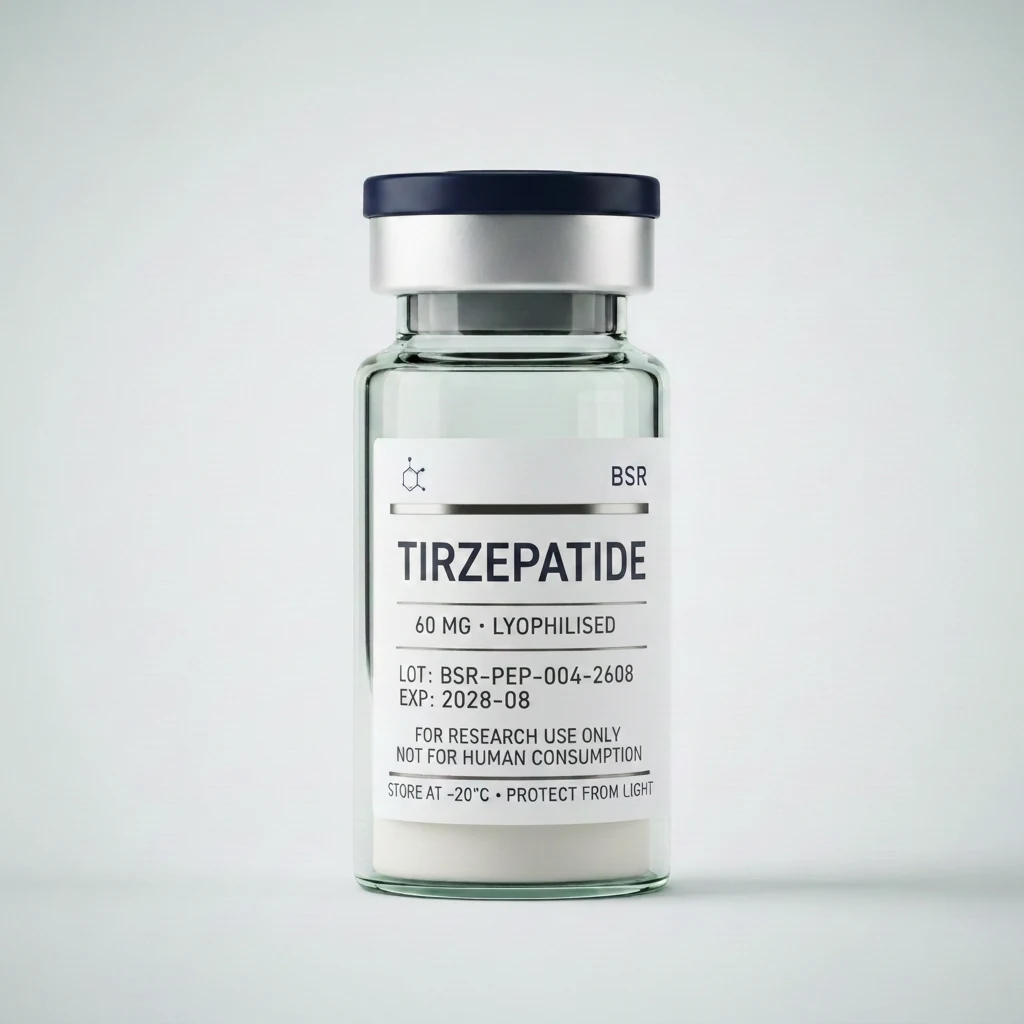
Foundayo contains orforglipron, a small-molecule (non-peptide) GLP-1 receptor agonist that works by binding to and activating GLP-1 receptors in the brain regions that regulate appetite and caloric intake. Unlike semaglutide or tirzepatide, it is not itself a peptide, and therefore carries different supply-chain and stability characteristics that are relevant to research procurement.
Eli Lilly has submitted orforglipron for approval in more than 40 countries and plans to launch in each market shortly after regulatory clearance. A submission to European and UK regulators is underway, though no EMA or MHRA decision has been issued as of the date of this briefing.
Competitive context: two oral GLP-1 products now on the US market
ATTAIN-MAINTAIN arrives into a market where two distinct oral GLP-1 formulations already hold US approval.
Novo Nordisk's Wegovy pill — once-daily oral semaglutide 25 mg — was approved by the FDA on 22 December 2025 as the first oral GLP-1 receptor agonist therapy approved for weight management. In the OASIS 4 trial, oral semaglutide 25 mg demonstrated 16.6% mean weight loss when treatment was adhered to. The weight loss achieved with the Wegovy pill is described by Novo Nordisk as similar to that of injectable Wegovy 2.4 mg.
Foundayo achieved comparable weight loss on its primary trials: in the ATTAIN-1 trial, participants taking the highest dose who completed treatment lost an average of 27.3 pounds, a 12.4% reduction in body weight, compared with 2.2 pounds with placebo.
The two products differ in formulation type: oral semaglutide is a peptide requiring specific dosing conditions, whereas orforglipron is a small-molecule oral GLP-1 receptor agonist that does not require injection or fasting for administration. Researchers studying GLP-1 receptor biology should note that these two oral agents, whilst targeting the same receptor, have structurally and pharmacokinetically distinct profiles.
Retatrutide: the next generation taking shape
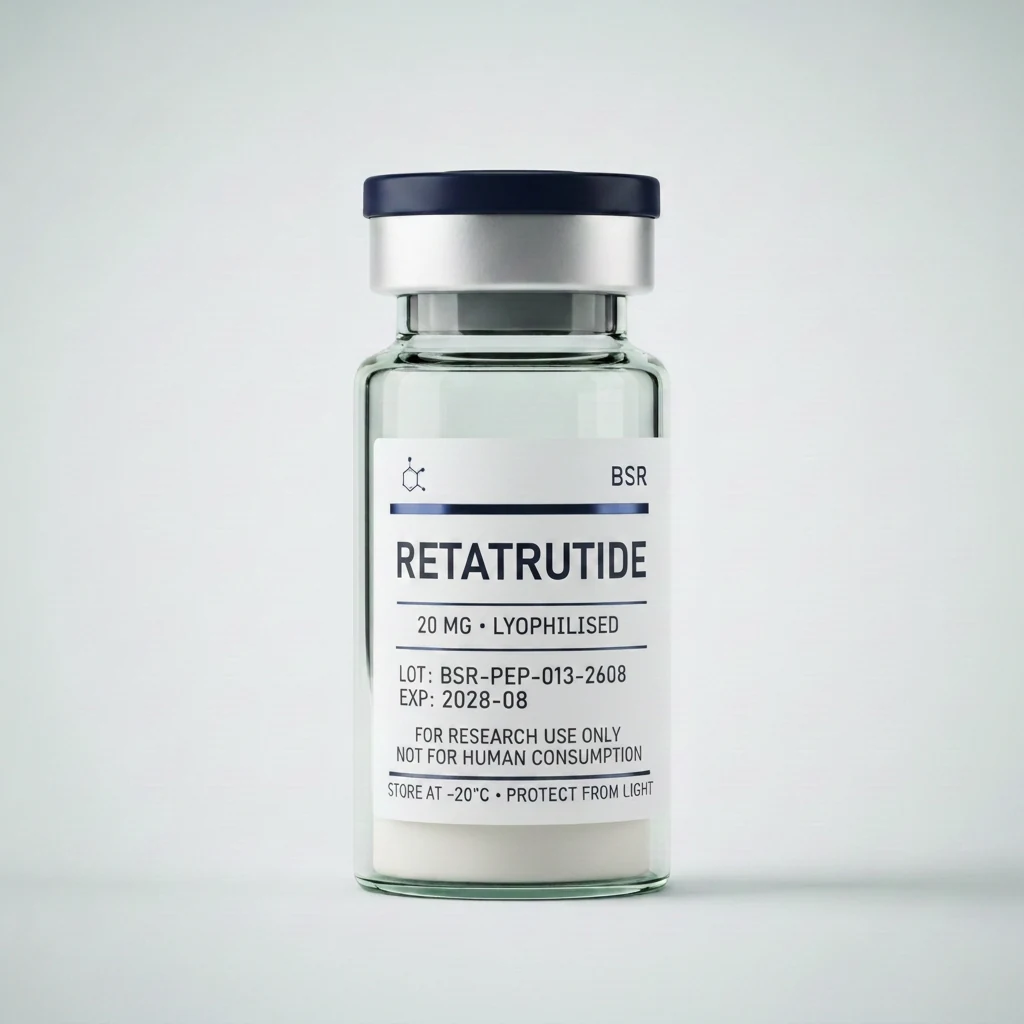
In parallel, retatrutide — known informally as the "triple G" drug — works by mimicking three hunger-regulating hormones: GLP-1, GIP, and glucagon, rather than just one or two like existing treatments. This mechanism appears to produce more potent effects on appetite and satiety.
Eli Lilly has reported that retatrutide cleared its first late-stage trial on Type 2 diabetes patients. The drug lowered haemoglobin A1c by an average of 1.7% to 2% across different doses at 40 weeks compared with placebo, meeting the study's main goal. Lilly has not yet filed for approval of retatrutide for obesity or diabetes; the company expects to report findings from seven additional Phase 3 trials by the end of the year.
The TRIUMPH-5 study will provide data for a direct comparison between tirzepatide and retatrutide for weight loss — a readout that will clarify whether the greater efficacy seen in retatrutide's Phase 3 obesity trial (up to 28.7% weight loss in TRIUMPH-4) translates across diverse patient populations.
Implications for research procurement
For laboratories engaged in GLP-1 receptor pharmacology and incretin research, the ATTAIN-MAINTAIN dataset introduces several considerations:
-
Receptor agonism depth matters for maintenance. The loss of GIP co-agonism when downstepping from tirzepatide to orforglipron is associated with measurable, if modest, additional weight regain. This is a useful in-vivo signal for researchers studying receptor-specific contributions to appetite regulation.
-
Oral small-molecule vs. peptide probes. Orforglipron's classification as a nonpeptide GLP-1 agonist means it behaves differently as a research tool than semaglutide or tirzepatide. Researchers should distinguish these two categories when designing receptor binding, selectivity, or downstream signalling assays.
-
Cardiometabolic endpoints as secondary markers. The preservation of cardiometabolic improvements across cholesterol, blood pressure, and glycaemic control suggests these biomarkers can serve as secondary endpoints in oral GLP-1 research protocols, complementing primary weight-change measures.
-
Regulatory trajectory for EMA and MHRA. No UK or EU approval of Foundayo has been announced. Research-use procurement in the UK operates under MHRA's research-use-only framework, and no change to that position has been reported in relation to either orforglipron or the ATTAIN-MAINTAIN findings.
The ATTAIN-MAINTAIN trial (NCT06584916) was sponsored by Eli Lilly and Company. The lead author, Dr Louis J. Aronne, is a disclosed paid consultant and advisory board member to the sponsor. Full disclosures are reported in the original Nature Medicine publication.
Research-grade material, HPLC verified, certificate of analysis with every order.
The week's Intelligence in one email, every Friday morning.
Regulatory moves, trial readouts, supply-chain news. No product pitches. Unsubscribe in one click.
More in Research Pipeline
Beyond Semaglutide and Tirzepatide: What a September 2026 Systematic Review Reveals About the Next Wave of GLP-1 Peptide Candidates
25 Sep 2026
Thymosin Alpha-1 (Zadaxin): The Thymic Peptide With Genuine Clinical Approval in 35 Countries, a Contested US Compounding Status, and No MHRA Licence
23 Sep 2026
Peptide-Drug Conjugates Move Closer to the Clinic: TwoStep Therapeutics' FDA IND Clearance and the Emerging PDC Landscape
19 Sep 2026