Regulatory & Policy · 04 May 2026
Peptide industry briefing — March to early May 2026
The single biggest story of 2026 is the RFK-led reclassification moving 14 peptides off the FDA's banned list. Compounded GLP-1s are dying. Mainstream attention is at an all-time high. Counterfeit product remains the trust gap that defines this market.
30 sources cited
Key takeaways
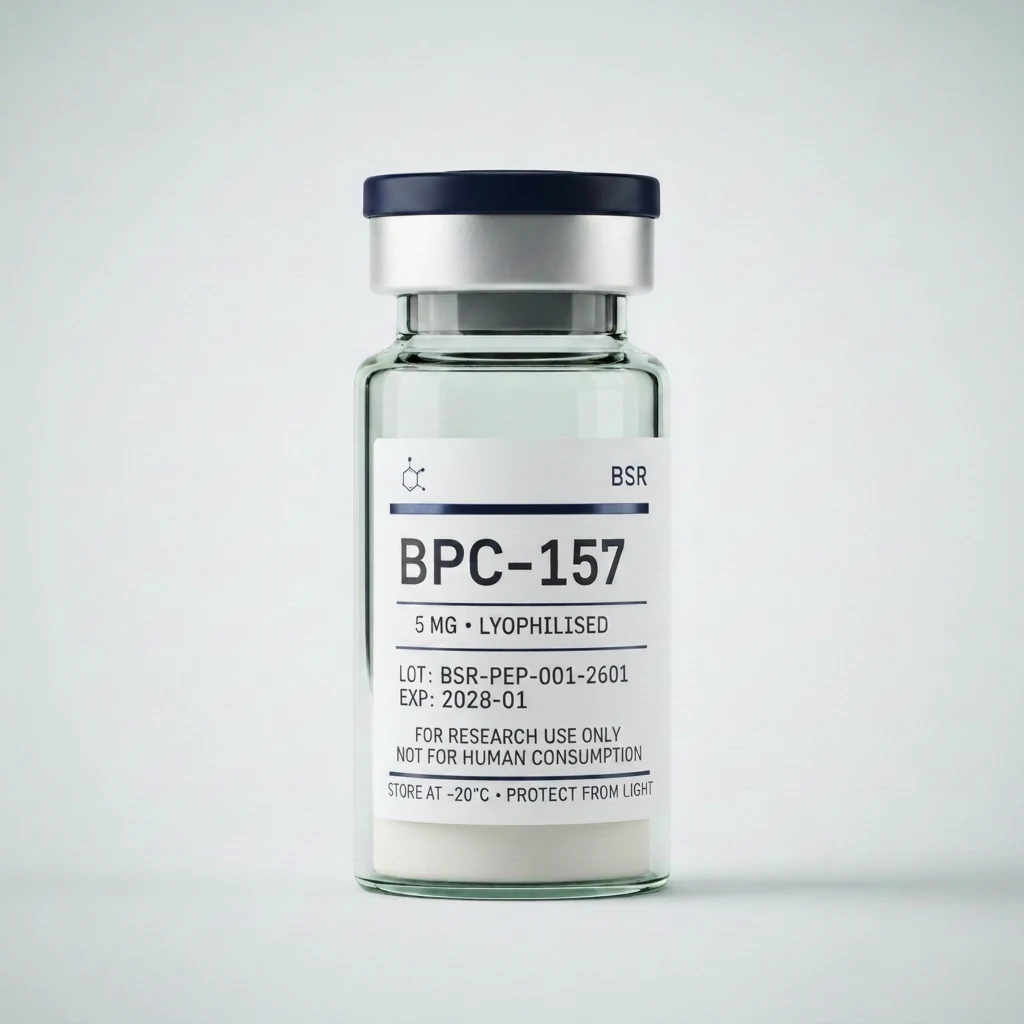
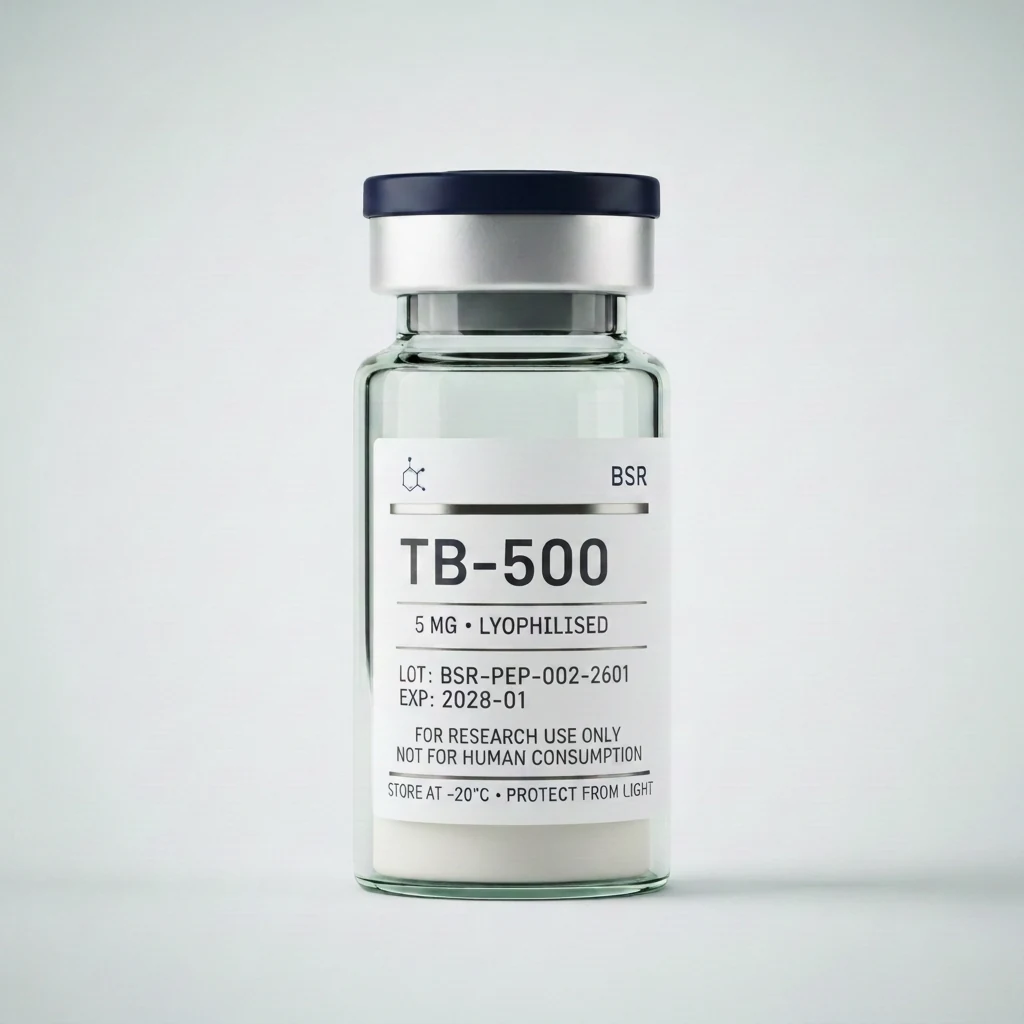
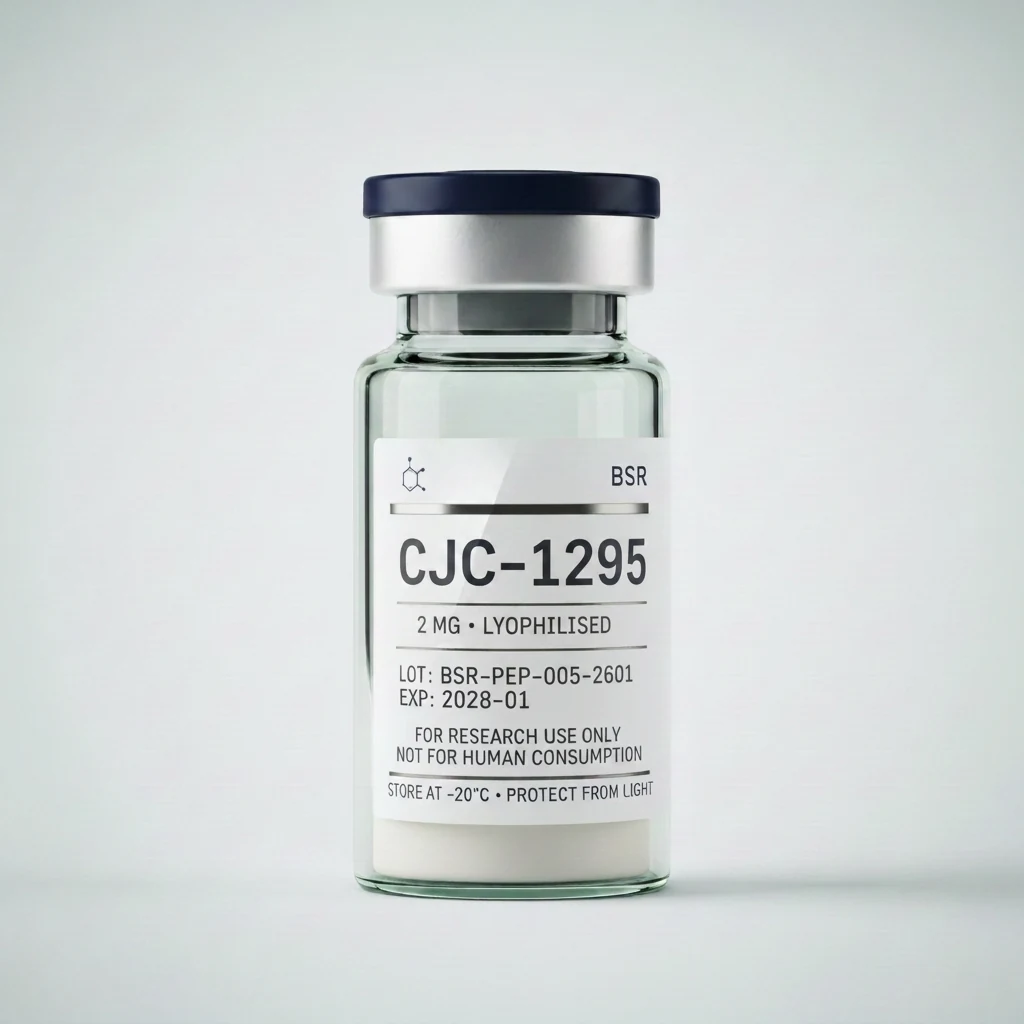
- The single biggest story of 2026: HHS Secretary RFK Jr. announced on 27 Feb 2026 that ~14 of the 19 peptides the FDA banned from compounding in late 2023 (BPC-157, TB-500, CJC-1295, Ipamorelin, Thymosin α-1, GHK-Cu, AOD-9604 and others) will move back from Category 2 to Category 1. The FDA's Pharmacy Compounding Advisory Committee meets 23–24 July 2026 to formally rule. (BioPharma Dive, PeptideJournal)
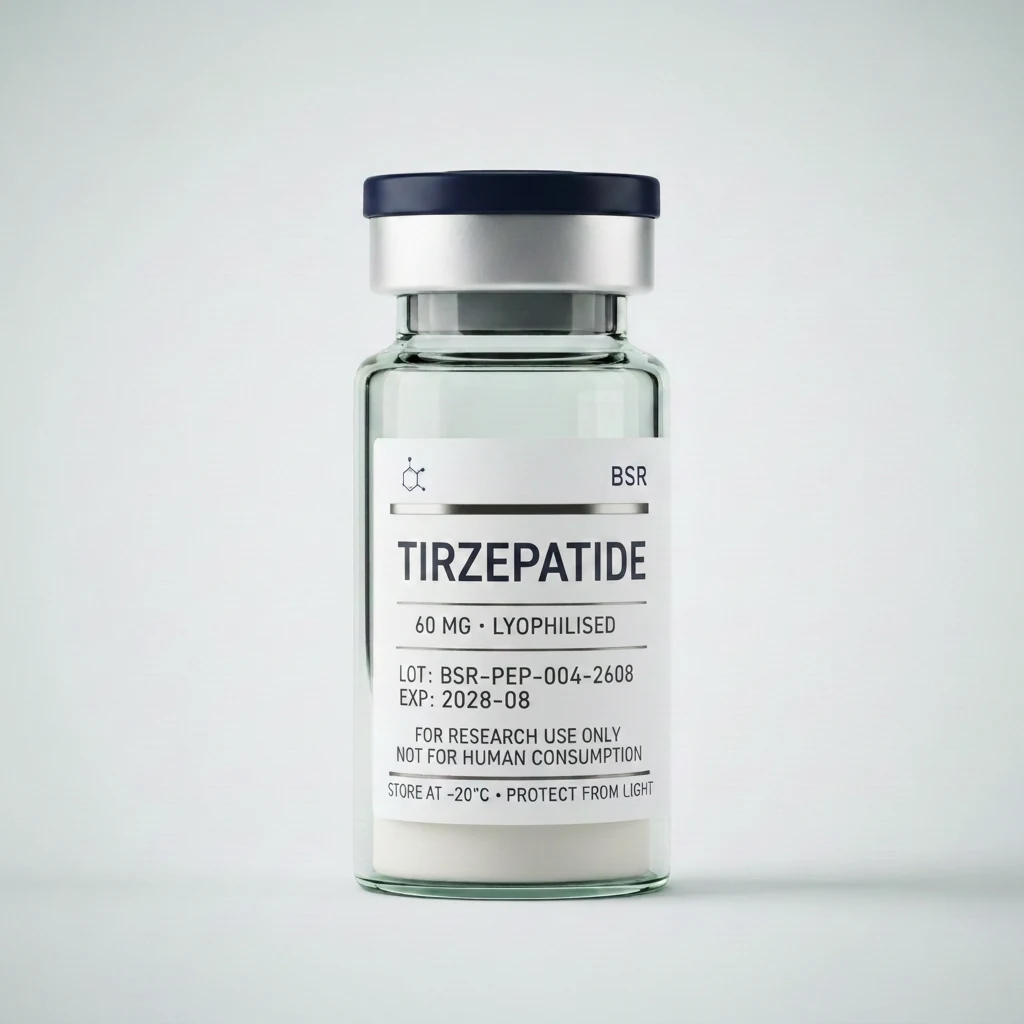
- Compounded GLP-1s are dying. FDA proposed excluding semaglutide, tirzepatide and liraglutide from the 503B Bulks List; comment period closes 29 June 2026. Compounded shipments of semaglutide are down 90% YoY, tirzepatide 34%. (Pharmacy Times, Safe Medicines)
- Mainstream attention is at an all-time high. Major coverage from STAT News, MIT Tech Review, Scientific American, Eric Topol's Substack and WBUR all in the last 8 weeks. The Huberman/Rogan effect is real.
- Counterfeit product is the industry-defining trust gap. A widely-cited 2018 falsification analysis found purity as low as 5–75% in supposedly research-grade product, with lead concentrations 10× safety limits. New scams (e.g. CORE PEPTIDES, flagged Jan 2026) keep appearing.
- UK position has not changed. MHRA framework unchanged: research-use-only with no therapeutic claims = lawful. Enforcement of mis-marketed products is increasing. No new UK legislation pending.
Regulatory & policy
United States — the RFK reclassification
- 27 Feb 2026: HHS Sec. RFK Jr. publicly committed to moving 14 of 19 peptides off the FDA's Category 2 ("substances with significant safety risks") list. Companies began withdrawing nominations; effective date 23 April 2026. (Amanecia Health, Modern Clinician)
- The FDA's Pharmacy Compounding Advisory Committee meets 23–24 July 2026 to formally consider reclassification. Until then, no Federal Register rule has changed. (Open Loop Health)
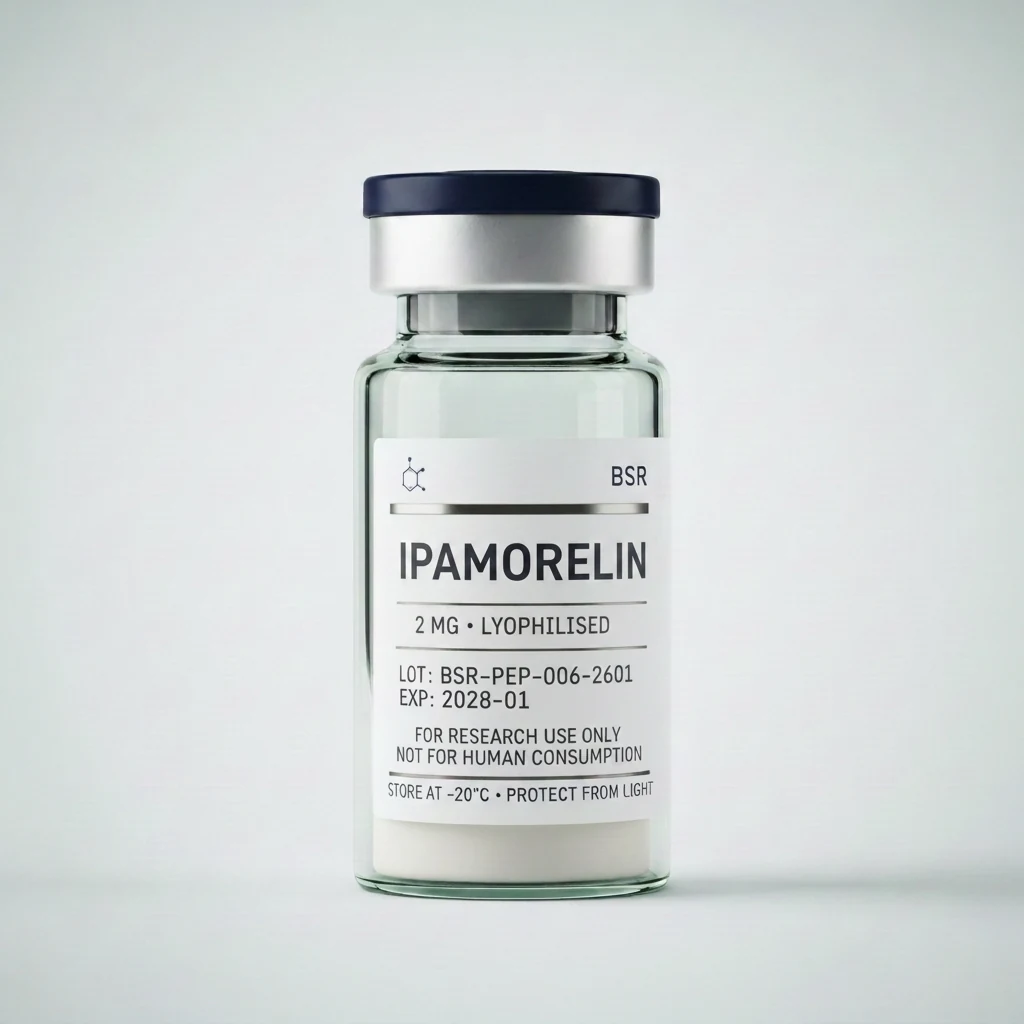
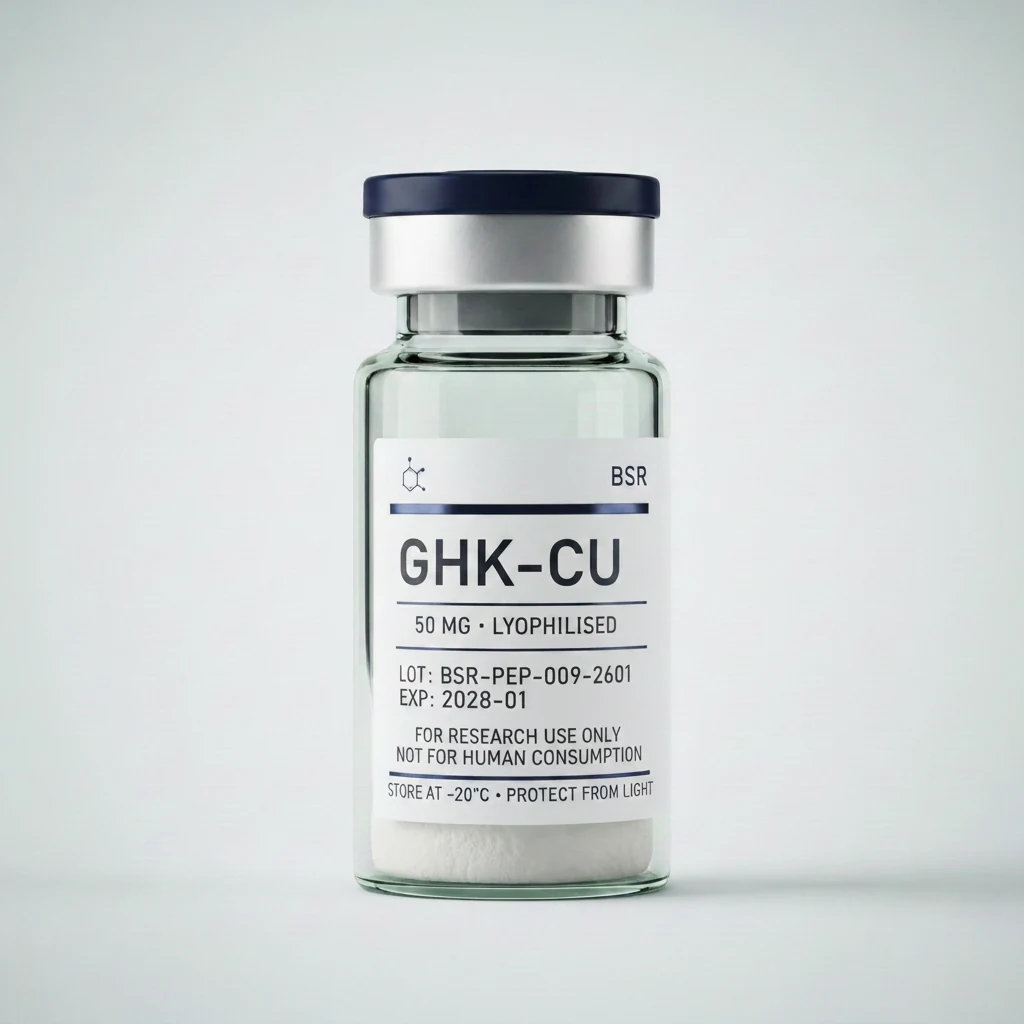
- Peptides expected to return to Category 1: BPC-157, TB-500, CJC-1295, Ipamorelin, Thymosin α-1, GHK-Cu, AOD-9604. (Elite NP)
- Critical caveat: this is reclassification for compounding, not FDA approval as a drug.
United States — GLP-1 compounding clampdown
- FDA proposed excluding semaglutide, tirzepatide and liraglutide from the 503B Bulks List — comment period through 29 June 2026. (Pharmacy Times)
- Tirzepatide shortage resolved Dec 2024; semaglutide Feb 2025. Compounded copies are no longer permitted under federal law. (FDA)
- 455+ adverse event reports for compounded semaglutide, 320+ for tirzepatide reported to FDA by early 2025. (FDA safety alert)
United Kingdom — MHRA
- Most research peptides remain unscheduled under the Misuse of Drugs Act 1971. Lawful to supply for research-use-only with no therapeutic claims. (Tide Labs, Astra Labs)
- MHRA enforcement of mis-marketed products is increasing. Labelling, COA publication and accurate research-use disclaimers are more important than ever. (Lab Grade Peptides)
- No new UK-specific legislation announced for 2026.
GLP-1 pharma — the Big Money story
- Eli Lilly → Centessa Pharmaceuticals, $7.8B (March 2026) — strengthens Lilly's peptide-linked CNS pipeline including orexin-targeting therapies. (OpenPR)
- Novo Nordisk → Vivtex partnership, up to $2.1B (Feb 2026) — oral delivery tech for peptide and biologic drugs. Oral GLP-1 is the next battleground.
- Novartis → Unnatural Products licensing deal, up to $1.7B (Feb 2026) — macrocyclic peptide therapeutics for cardiovascular disease.
- Lilly $6.5B Houston manufacturing plant — API for orforglipron (oral GLP-1) and other peptide pipeline.
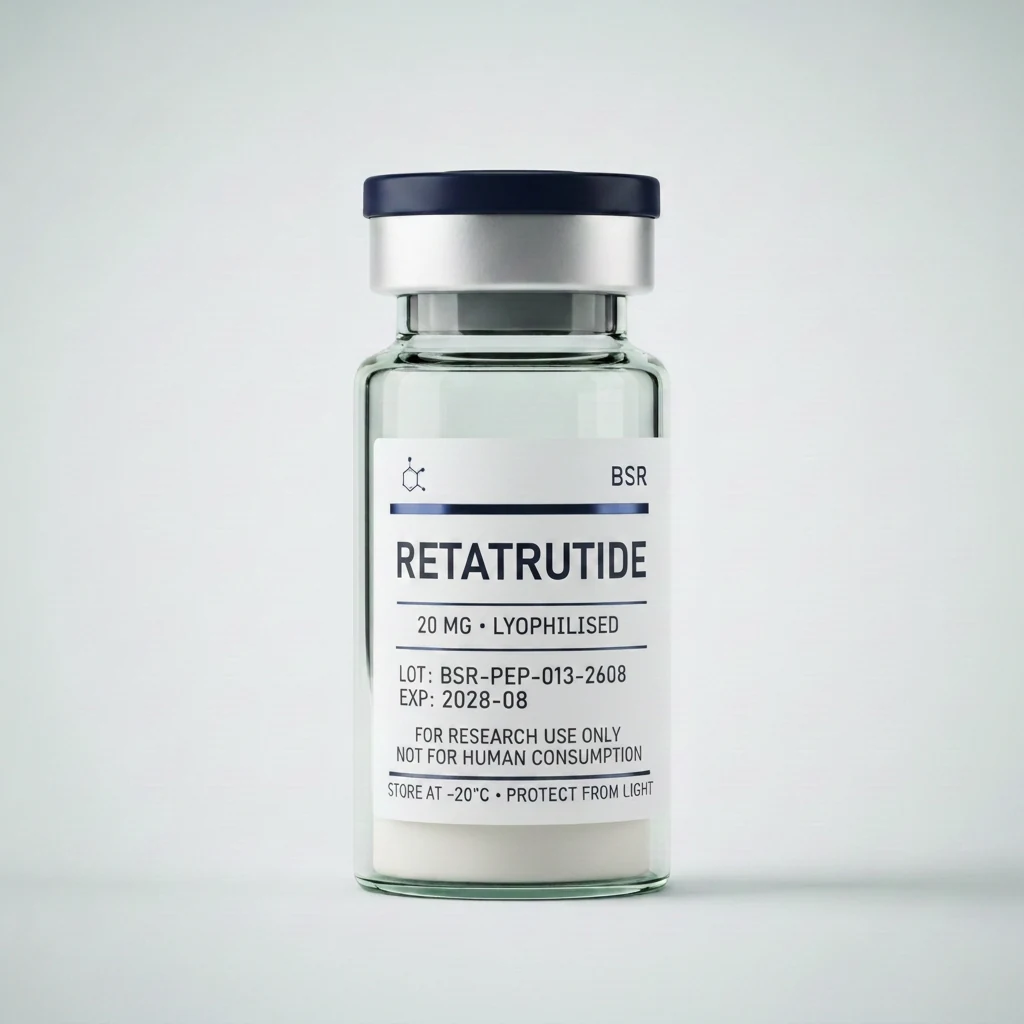
- Retatrutide still has seven additional Phase 3 trials to run through 2026 — no FDA submission yet, no compoundable pathway. (PeptideDeck)
- Market size: global peptide therapeutics ~$164B in 2026, projected ~$295B by 2033 (8.7% CAGR). (BusinessWire / ResearchAndMarkets)
Research peptide pipeline — what's actually known
Honest summary: clinical evidence in humans for the popular research peptides remains thin.
- BPC-157 — almost all data still comes from a single Croatian research group; rodent evidence for tendon/ligament/muscle healing via angiogenesis. STAT News did a Feb 2026 piece headlined "BPC-157: The peptide with big claims and scant evidence". (STAT)
- TB-500 — found to accelerate dormant tumour growth and disrupt immune response in animal experiments. (Scientific American)
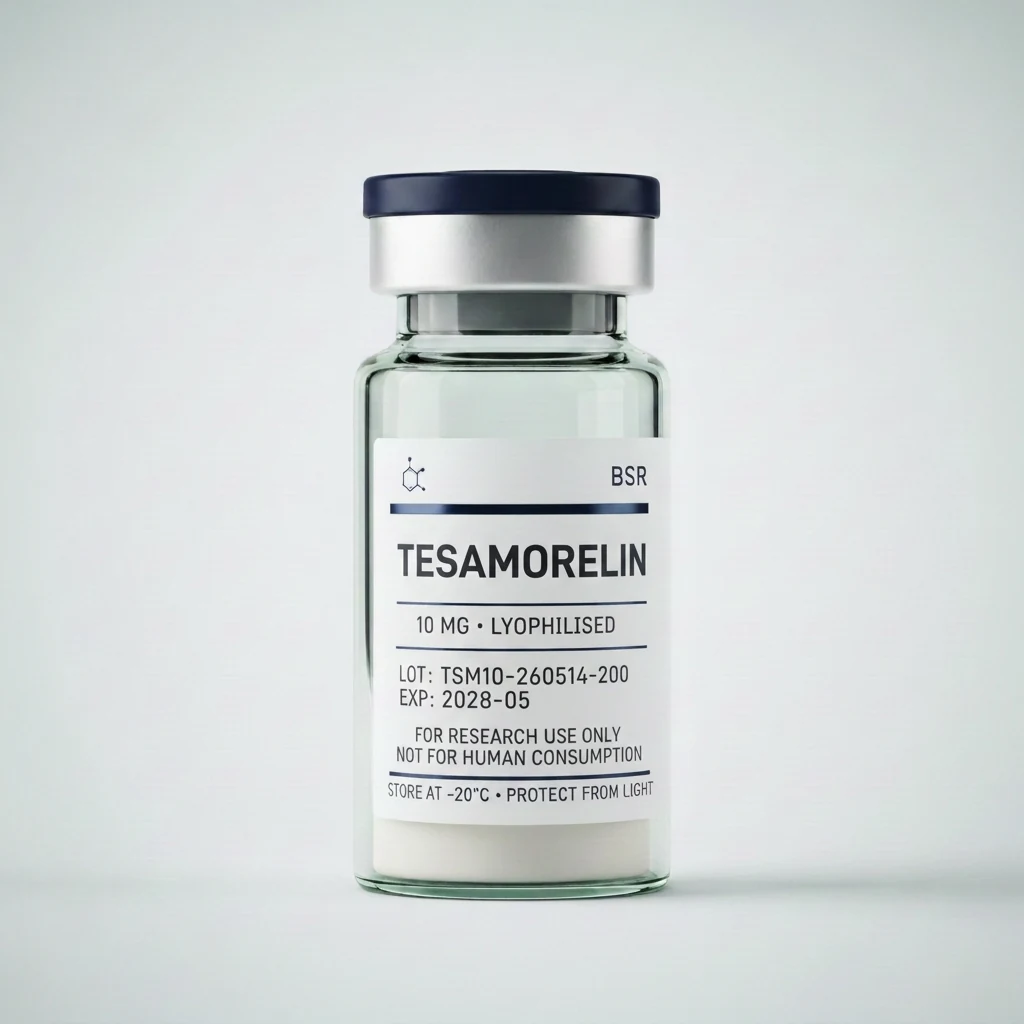
- CJC-1295 / Ipamorelin / Tesamorelin (GH-related) — carry potential cancer risk per recent reviews.
- Thymosin α-1 — already an approved drug in some jurisdictions for hepatitis B and immune modulation; strongest evidence base of the popular research peptides.
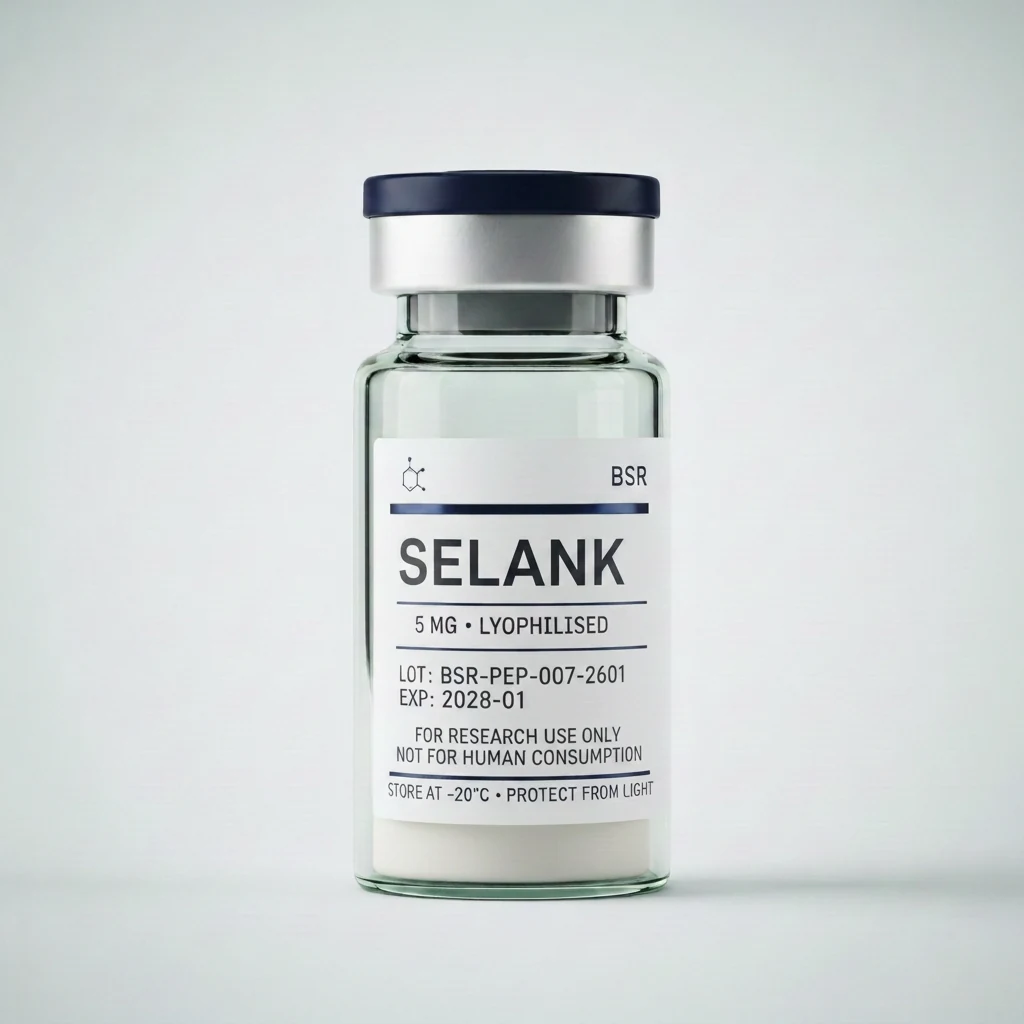
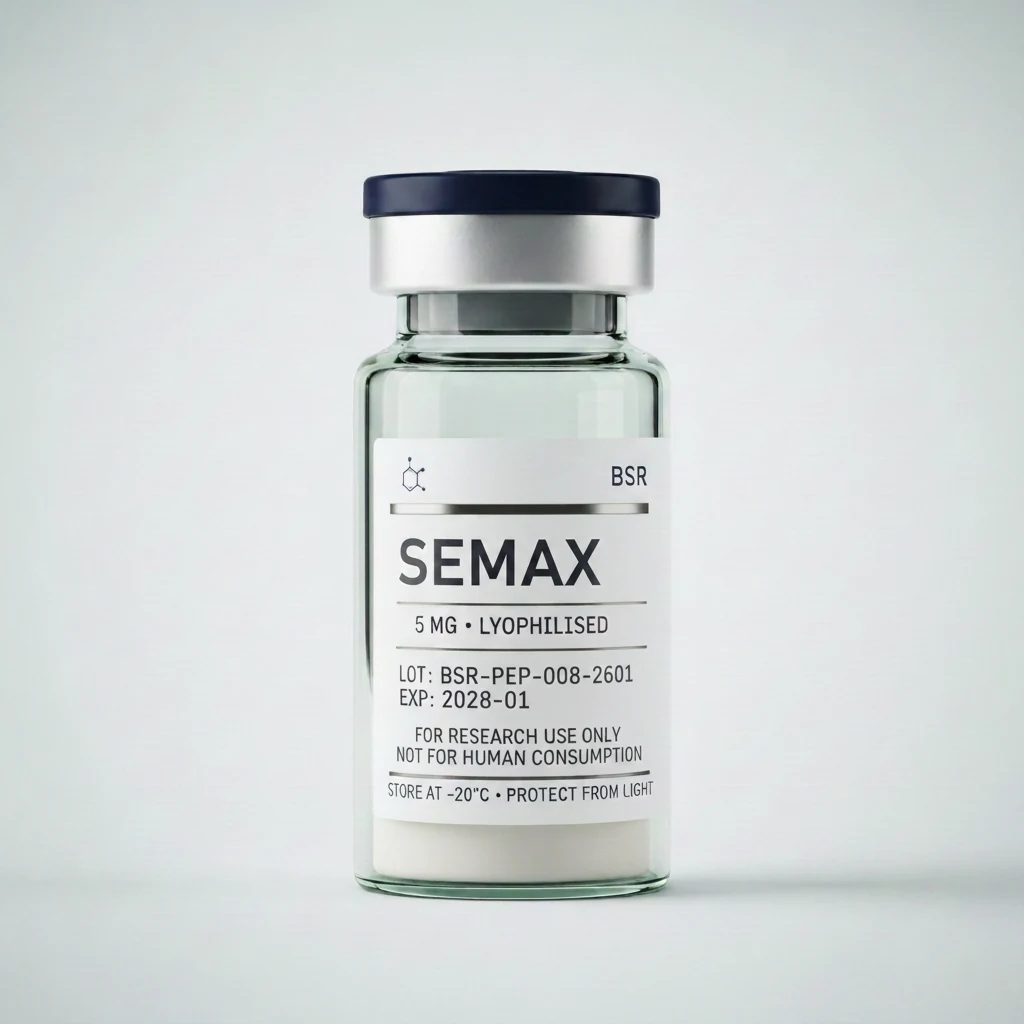
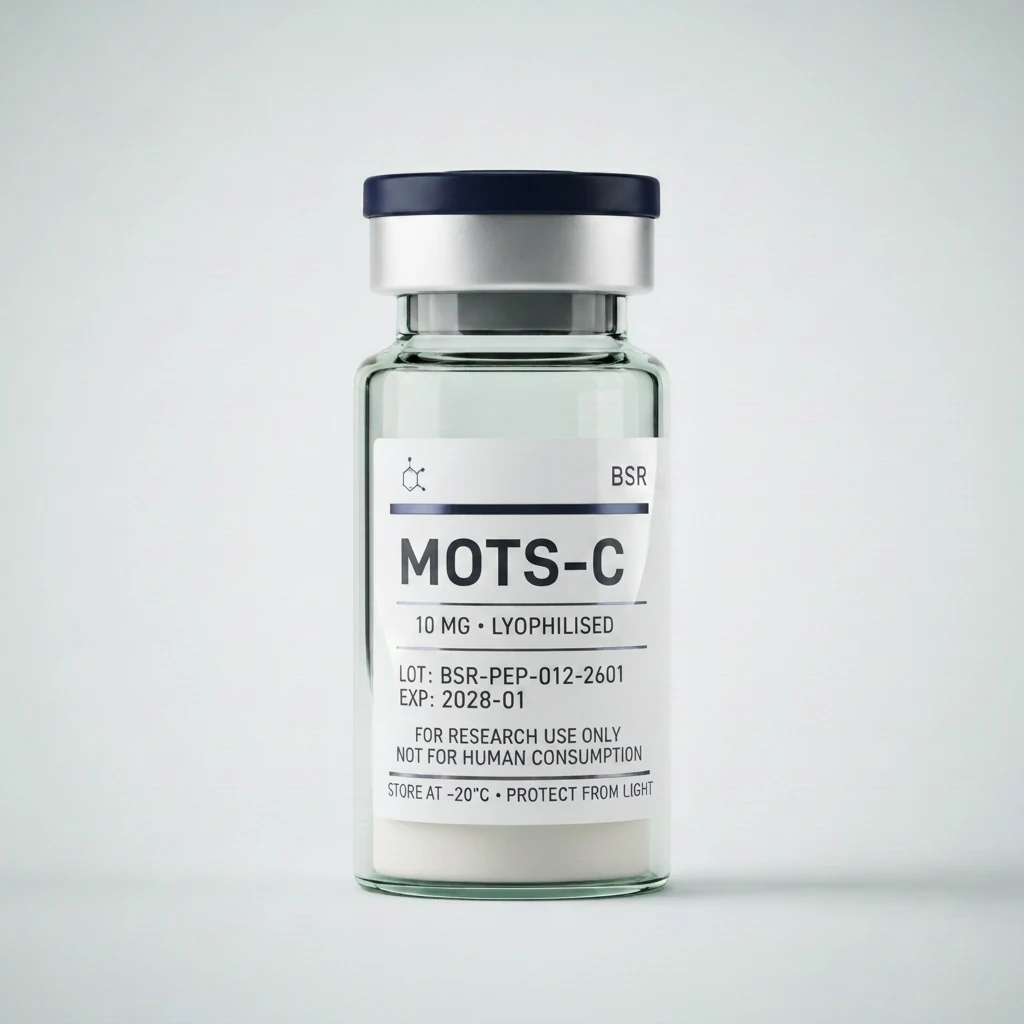
- MOTS-c / Epitalon / Selank / Semax — primarily preclinical interest; community attention high, clinical evidence sparse.
- New comprehensive review: Safety and Efficacy of Approved and Unapproved Peptide Therapies for Musculoskeletal Injuries and Athletic Performance (Dec 2025, indexed PubMed). (PubMed)
Industry & community trends
- The community is on Reddit and X. r/Peptides is the de facto trading post. Buyers are sourcing directly from Chinese factories — see WBUR coverage and GV Wire on tech-world biohackers.
- Mainstreaming via podcasts — Andrew Huberman, Joe Rogan and Peter Attia adjacents are all driving demand. Audience knows the names but not the supply chain.
- NYC biohacker meetups where attendees inject novel peptides at weekly gatherings (per WBUR).
- "Best of" roundup posts like Outliyr's 13 Legit Top Peptide Companies Review 2026 drive significant SEO traffic.
Reputational risks the market is grappling with
- Counterfeit / impure product — 2018 falsification analysis found purity 5–75% with lead concentrations 10× safety limits.
- Fake Certificates of Analysis — many Chinese-sourced products ship with COAs that don't match the actual contents.
- Active scams — "CORE PEPTIDES" flagged as a scam Jan 2026 (lost $500 via Cash App, no recourse).
- Compounded GLP-1 dosing errors — 455+ adverse event reports for semaglutide alone. The harm narrative bleeds across to research peptides in the public mind.
- Influencer hype crashes — anything Huberman or Rogan-driven can flip from "miracle" to "dangerous" with a single STAT article. Happened to BPC-157 in February.
This briefing is published by BSR — Biotech Scientific Research. We supply third-party verified research peptides to UK and international laboratories. All compounds are supplied for research and laboratory use only; not for human consumption. Briefings are updated daily and sourced inline.
Research-grade material, HPLC verified, certificate of analysis with every order.
The week's Intelligence in one email, every Friday morning.
Regulatory moves, trial readouts, supply-chain news. No product pitches. Unsubscribe in one click.
More in Regulatory & Policy
Two Months After the PCAC Vote: Where BPC-157, TB-500, Semax and Three Other Peptides Stand on the Road to the 503A Bulks List
24 Sep 2026
Eight Days Left: FDA's 17 Revised Draft Peptide Guidances and What the Withdrawn 2021 Framework Means for Generic Developers
20 Sep 2026
After the PCAC Vote: The Three Legal Steps Between a Committee Recommendation and Lawful Peptide Compounding
10 Sep 2026