Pharma & GLP-1 · 01 Sep 2026
CagriSema: The Amylin–GLP-1 Combination With an FDA Decision Due in Q4 2026, a Mixed Trial Record, and No MHRA Pathway Announced
Novo Nordisk's CagriSema — a fixed-dose weekly injection combining semaglutide and the long-acting amylin analogue cagrilintide — is awaiting an FDA decision in the fourth quarter of 2026. The compound produced up to 22.7% weight loss in pivotal trials but failed to demonstrate non-inferiority against tirzepatide in a head-to-head study. No MHRA or EMA regulatory pathway has been announced for the UK or EU.
14 sources cited
Key takeaways
- Novo Nordisk's CagriSema (cagrilintide 2.4 mg + semaglutide 2.4 mg, once-weekly subcutaneous) has an FDA decision expected in Q4 2026, based on the REDEFINE 1 and REDEFINE 2 pivotal trials.
- In REDEFINE 1, the drug produced approximately 22.7% weight loss at 68 weeks — among the highest placebo-controlled results reported for an approved or near-approved obesity agent.
- The REDEFINE 4 open-label trial failed to demonstrate non-inferiority against tirzepatide 15 mg at 84 weeks, a result that clouds the competitive positioning.
- No MHRA or EMA submission for weight management has been confirmed; UK access, if approved in the US, would require a separate licensing process followed by NICE appraisal.
- Higher-dose combinations and the REDEFINE 11 trial remain in development, suggesting Novo Nordisk views the current formulation as a first iteration rather than a final product.
What CagriSema is
CagriSema is a first-in-class fixed-dose combination of two distinct mechanisms. CagriSema contains cagrilintide 2.4 mg — a long-acting amylin analogue — and the GLP-1 receptor agonist semaglutide 2.4 mg, administered as a once-weekly subcutaneous injection. The combination is investigational and, as of the date of publication, is not approved in the US or EU.
Amylin is a pancreatic hormone co-secreted with insulin that suppresses glucagon, slows gastric emptying, and reduces caloric intake. Cagrilintide is a long-acting synthetic analogue of that hormone, engineered for once-weekly dosing compatibility with semaglutide. The rationale for combining the two agents is mechanistic complementarity: cagrilintide and semaglutide work together to induce weight loss by reducing hunger, increasing feelings of fullness, and thereby helping people eat less and reduce their calorie intake. Amylin and GLP-1 pathways act at partially distinct receptor populations, and preclinical work suggested additive satiety signalling.
If approved, CagriSema would become the first injectable GLP-1 receptor agonist and amylin analogue combination treatment.
The REDEFINE programme: what the trials showed
CagriSema has been studied as a treatment for adults with overweight or obesity in the REDEFINE phase 3 clinical development programme, which consists of two pivotal phase 3 trials.
REDEFINE 1 — the primary registration trial — was a 68-week, randomised, double-blind, placebo- and active-controlled study. REDEFINE 1 spanned 68 weeks and included 3,417 adult participants, without diabetes, with obesity or overweight and suffering from one or more obesity-related complications. The trial compared CagriSema against semaglutide alone, cagrilintide alone, and placebo. In Phase 3 clinical trials, CagriSema helped adults without diabetes lose up to 22.7% of their body weight over 68 weeks, and adults with type 2 diabetes lose up to 15.7%.
REDEFINE 4 introduced a more competitive test. REDEFINE 4 was an 84-week open-label phase 3 trial investigating CagriSema (cagrilintide 2.4 mg + semaglutide 2.4 mg) compared to tirzepatide 15 mg, both administered once-weekly and subcutaneously; the trial did not meet its primary endpoint of showing non-inferiority on weight loss compared to tirzepatide 15 mg at 84 weeks.
The Phase III REDEFINE 4 trial (NCT06131437) failed to meet its primary endpoint of demonstrating non-inferiority on weight loss for CagriSema compared to Zepbound after 84 weeks. That result is commercially significant: in the Phase III trial, patients had superior weight loss with Zepbound compared to CagriSema.
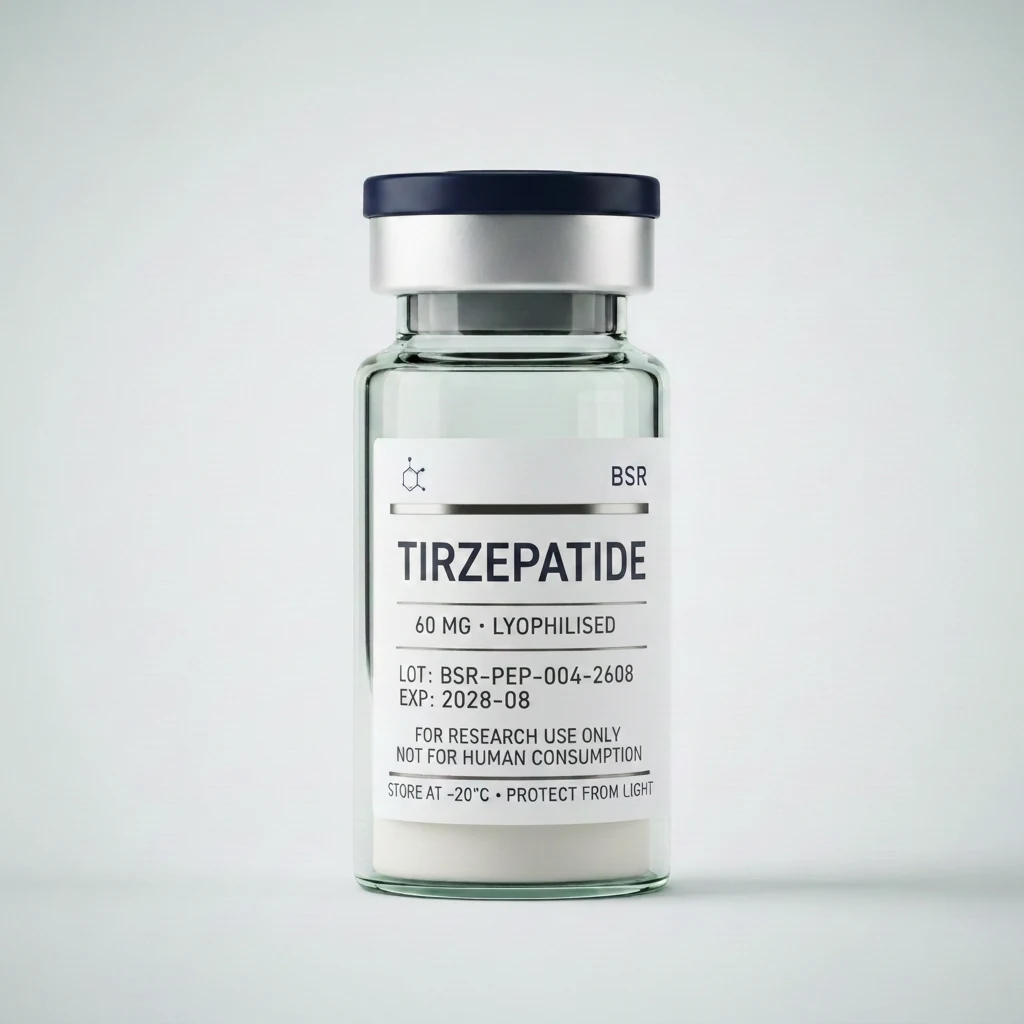
For context on where tirzepatide sits in the current efficacy hierarchy, in the SURMOUNT-5 head-to-head trial, tirzepatide produced greater average weight loss than semaglutide (approximately 20% vs 14%) over 72 weeks in adults with obesity or overweight plus weight-related comorbidities.
The competitive data position CagriSema as superior to semaglutide monotherapy but not to tirzepatide at the doses tested. Novo Nordisk's response has been to invest in higher-dose combinations. The REDEFINE 11 phase 3 trial, exploring CagriSema's full weight-loss potential in obesity, is expected to report data during the first half of 2027, while initiation of a phase 3 higher-dose CagriSema trial is planned for the second half of 2026.
Regulatory pathway: US
On 18 December 2025, Novo Nordisk announced the submission of a New Drug Application (NDA) to the FDA for once-weekly CagriSema (cagrilintide 2.4 mg and semaglutide 2.4 mg) injection, to be used with a reduced-calorie diet and increased physical activity, to reduce excess body weight and maintain weight reduction long term in adults with obesity or overweight in the presence of at least one weight-related comorbid condition. The NDA was based on results from REDEFINE 1.
Novo Nordisk's own regulatory pipeline table, filed with the US SEC as a Form 6-K in Q2 2026, confirms a US decision for CagriSema is expected in Q4 2026. As of July 2026, neither the agency nor Novo Nordisk had publicly confirmed a PDUFA date. Under standard FDA review timelines of 10 to 12 months from an NDA submitted in December 2025, company guidance points to a decision in the fourth quarter of 2026, consistent with the standard ten to twelve month clock; the immediate milestone in the CagriSema FDA review is the PDUFA action date, expected in Q4 2026.
Observers will watch for any FDA request for additional information, the possible scheduling of an advisory committee, and the agency's reading of the combined gastrointestinal profile. The gastrointestinal tolerability profile of GLP-1 receptor agonists — nausea, vomiting, diarrhoea — is well-documented; how amylin co-administration interacts with that profile in a regulatory review will be of interest to clinicians assessing prescribing appropriateness.
UK and EU outlook
Outside the United States, Novo Nordisk has not confirmed a European Medicines Agency submission for weight management, and no MHRA pathway has been announced for the United Kingdom, where NICE appraisal and NHS access decisions would follow any licence.
For UK research-procurement professionals this is a material consideration. The UK pathway for a novel obesity injectable — whether or not it receives US approval in Q4 2026 — would typically require an MHRA Marketing Authorisation application, followed by a NICE technology appraisal that would determine whether the drug qualifies for NHS commissioning. Given the experience with oral semaglutide (Wegovy pill), which gained US approval in December 2025 before the MHRA confirmed an equivalent licence, the lag between US approval and UK availability for next-generation GLP-1 class agents is a recurring pattern. Research institutions procuring peptide standards for analytical reference work should anticipate that CagriSema-grade reference material will not be commercially available in the UK on a licensed basis in the near term.
Competitive context and what the Q4 decision means for the GLP-1 landscape
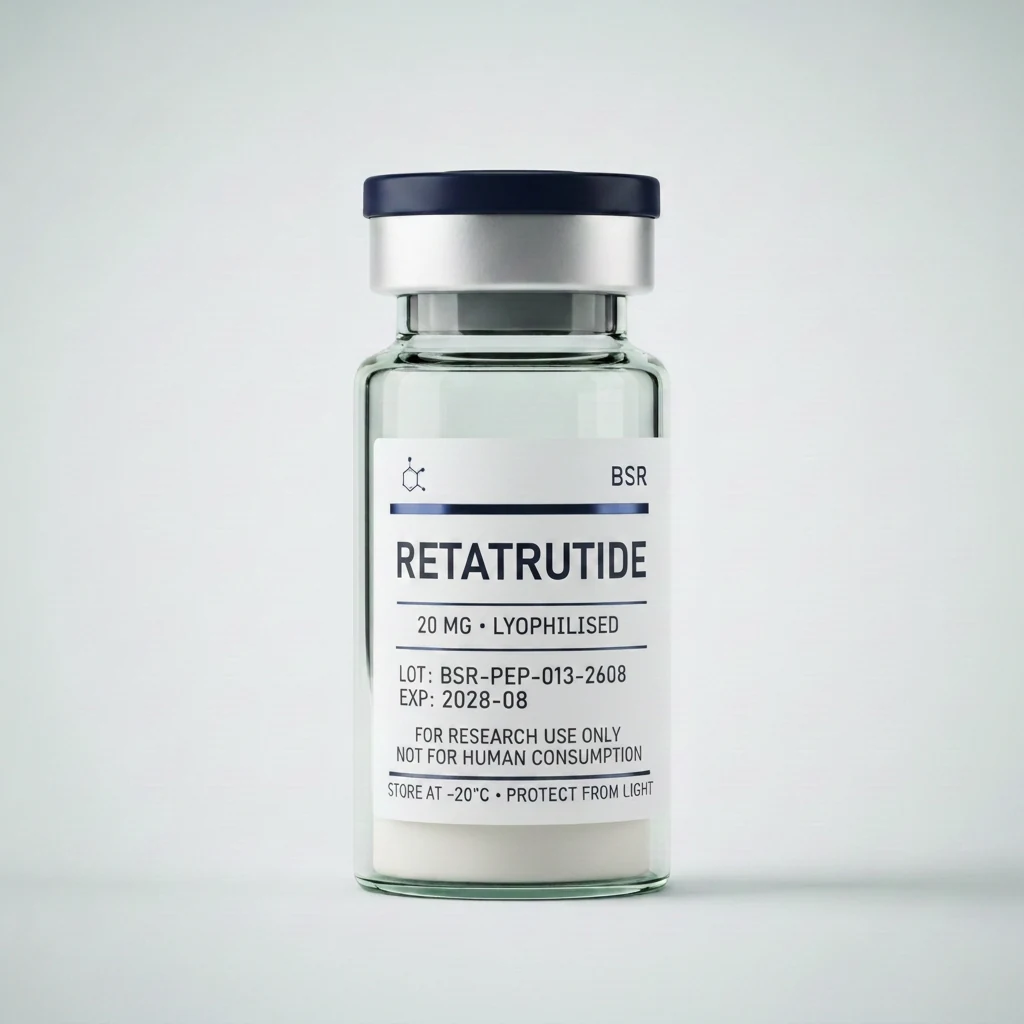
The GLP-1 class has moved rapidly. The GLP-1 agonist clinical pipeline in 2026 is defined by a single trend: each new mechanism pushes weight loss higher — beginning with semaglutide near 15%, advancing to tirzepatide near 21%, and now reaching the triple agonist retatrutide above 28%, while oral pills and monthly injectables crowd in behind them.
CagriSema's position in that staircase is broadly competitive with tirzepatide on a placebo-controlled basis, but the head-to-head miss in REDEFINE 4 is an obstacle to premium market positioning. The outcome of the CagriSema FDA review will indicate whether combination therapy becomes the next standard in obesity care, or whether single-molecule agents continue to define the field.
If the FDA approves CagriSema in Q4 2026, it would become the first licensed combination of a GLP-1 receptor agonist and an amylin analogue — a mechanistic advance regardless of comparative efficacy against tirzepatide. It would also increase competitive pressure on Novo Nordisk's existing semaglutide portfolio by offering patients a more potent intra-company alternative. This comes as Novo Nordisk is losing market dominance to Eli Lilly.
For laboratories sourcing peptide APIs and reference standards, the approval or rejection of CagriSema is a secondary consideration relative to the question of whether regulatory-grade cagrilintide reference material will be required for quality-assurance work. That demand signal will emerge only after a positive FDA decision triggers commercial launch preparations.
Summary
CagriSema represents a genuine mechanistic advance in obesity pharmacology — the first fixed-dose combination of two complementary satiety pathways in a single weekly injection. Its pivotal data are robust on a placebo-controlled basis, and the FDA decision in Q4 2026 is an imminent catalyst. However, the failure to demonstrate non-inferiority against tirzepatide in REDEFINE 4 introduces uncertainty about commercial positioning, and the absence of any confirmed MHRA or EMA submission means UK access remains speculative. Research procurement teams should monitor the Q4 2026 FDA decision date and any subsequent Novo Nordisk announcements regarding ex-US regulatory strategy.
Research-grade material, HPLC verified, certificate of analysis with every order.
The week's Intelligence in one email, every Friday morning.
Regulatory moves, trial readouts, supply-chain news. No product pitches. Unsubscribe in one click.
More in Pharma & GLP-1
Novo Nordisk Bets €1.165 Billion on Atomic-Layer Deposition to Convert Semaglutide Into a Once-Quarterly Injectable
08 Oct 2026
Lilly at EASD 2026: Retatrutide's TRIUMPH-2 Phase 3 Readout, Foundayo's Lancet Cardiovascular Data, and What eloraTZP Signals for the Next Generation of Incretin Combinations
01 Oct 2026
Novo Nordisk Licenses Hengrui's Once-Weekly Oral GLP-1/GIP Dual Agonist HRS-1596 in a Deal Worth Up to $2.6 Billion
30 Sep 2026