Regulatory & Policy · 29 May 2026
FDA Moves to Close 503B Compounding Pathway for GLP-1 Peptides — What the April Proposal Means Before the June Comment Deadline
On 30 April 2026, the FDA proposed formally excluding semaglutide, tirzepatide, and liraglutide from the 503B Bulk Drug Substances List, citing no clinical need for outsourcing facilities to compound these agents. The public comment window closes 29 June 2026 — and the implications extend well beyond US compounders to research procurement teams tracking GLP-1 supply integrity globally.
12 sources cited
Key takeaways
- On 30 April 2026, the FDA proposed formally excluding semaglutide, tirzepatide, and liraglutide from the 503B Bulk Drug Substances List on a finding of "no clinical need."
- The public comment period runs through 29 June 2026 via the Federal Register docket; if finalised, 503B outsourcing facilities would be permanently barred from bulk-compounding these agents under any circumstance.
- The proposal does not directly affect 503A compounding pharmacies, but those facilities lost their primary legal basis when the shortages were resolved in 2024–25.
- A concurrent phase 3b clinical trial (ATTAIN-MAINTAIN, published 12 May 2026 in Nature Medicine) provides new evidence that oral orforglipron (Foundayo) can serve as a maintenance step after injectable GLP-1 therapy — a finding that further reduces the regulatory rationale for compounded alternatives.
- Research procurement teams should note that grey-market GLP-1 reference materials sourced from unregistered bulk suppliers carry heightened enforcement risk in this environment.
Background: how compounded GLP-1s reached 30% of US supply
When semaglutide was added to the FDA's drug shortage list in 2022 and tirzepatide shortly thereafter, sections 503A and 503B of the Federal Food, Drug, and Cosmetic Act together opened the door for compounding pharmacies to prepare copies of both agents. The shortage listing permitted 503A compounders and 503B outsourcing facilities to compound from the active ingredient, even for products that were "essentially a copy" of an approved product. Compounding of GLP-1 medications quickly became a substantial industry, as pharmacies and telehealth firms offered these medications at substantially lower prices than the branded products.
At their peak, compounded GLP-1s reportedly reached roughly 30% of US supply — a significant proportion for a category technically operating outside the standard new drug approval pathway.
The regulatory landscape began to shift when the FDA resolved the tirzepatide shortage in December 2024 and the semaglutide shortage in February 2025, establishing phased enforcement deadlines for compounders to wind down operations. The Outsourcing Facilities Association filed federal lawsuits challenging both determinations, but courts denied preliminary injunctions in each case, and the enforcement deadlines held.
The April 2026 proposal: what it does and does not do
On 30 April 2026, the FDA announced it is proposing to exclude semaglutide, tirzepatide, and liraglutide from the 503B Bulks List, finding no clinical need for outsourcing facilities to compound these drugs from bulk substances. The 503B Bulks List identifies bulk drug substances that outsourcing facilities may use in compounding under section 503B of the FD&C Act. In most cases, outsourcing facilities cannot compound using bulk drug substances unless the substance appears on that list, or the compounded drug is on the FDA's drug shortage list at the time of compounding, distribution, and dispensing.
The practical consequence is significant. Currently, tirzepatide and semaglutide do not appear on either the 503B Bulks List or the drug shortage list. The significance of this proposal is that it would close one of the few remaining legal avenues for 503B outsourcing facilities to resume large-scale compounding of these drugs. If finalised, semaglutide, tirzepatide, and liraglutide would be formally excluded from the 503B Bulks List on a finding of no clinical need, meaning outsourcing facilities could not compound these drugs even in the event of a future shortage — absent a new shortage determination.
The FDA drew an explicit line between clinical need and economic need. The agency clarified that supply-related issues such as backorders are not what the statute means by clinical need, because shortage compounding already has its own separate pathway under different rules.
The comment deadline is firm: the FDA is inviting interested parties to submit comments electronically through the docket by 29 June 2026. The agency will consider submitted comments before making a final determination.
What the proposal does not cover
503A compounding pharmacies — state-licensed pharmacies that prepare medications pursuant to individual patient prescriptions — operate under a separate statutory framework. Section 503A pharmacies compound drugs pursuant to individual patient-specific prescriptions under state board of pharmacy oversight. They do not rely on the 503B Bulks List to authorise their compounding activities, and the proposed exclusion has no independent legal effect on their operations. However, this does not mean 503A pharmacies may freely compound these GLP-1 medications. The removal of semaglutide and tirzepatide from the FDA's drug shortage list in 2025 already eliminated the primary legal basis that had permitted 503A pharmacies to compound drugs that are "essentially a copy" of the commercially available branded products.
Safety data cited in the agency's posture
As of early 2025, the FDA had received more than 455 adverse event reports linked to compounded semaglutide and more than 320 reports associated with compounded tirzepatide, many involving dosing errors from patients self-administering incorrect doses from multidose vials — some of which required hospitalisation.
FDA import records and warning letters show that some compounders ordered bulk ingredients from non-FDA-registered suppliers. Independent quality testing of these materials is hindered by the lack of a US Pharmacopeia reference standard for semaglutide and tirzepatide. Unapproved drug combinations have added further complexity: some compounders mixed semaglutide or tirzepatide with substances such as NAD+ or B vitamins, and an Eli Lilly study identified chemical impurities in tirzepatide compounded with vitamin B12, characterising these as unapproved drugs with uncertain safety.
Orforglipron: a new oral option that reshapes the clinical-need argument
The FDA's position that no clinical need exists for compounded alternatives is supported, in part, by the expanding availability of approved oral GLP-1 formulations. Orforglipron (brand name Foundayo) is the first small-molecule GLP-1 weight loss pill developed by Eli Lilly. It received FDA approval on 1 April 2026 in the United States. Orforglipron is the first oral, small-molecule (non-peptide) GLP-1 receptor agonist. Unlike semaglutide tablets (Rybelsus), which use the absorption enhancer SNAC and have strict food-and-water dosing requirements, orforglipron is a true small molecule with conventional oral pharmacokinetics.
Fresh evidence published in Nature Medicine on 12 May 2026 adds clinical weight to the sequential oral strategy. The ATTAIN-MAINTAIN trial showed that switching to the once-daily orforglipron pill may provide an alternative to help maintain weight loss for patients who had previously been treated with injectable GLP-1s. In the phase 3b trial, 205 patients taking tirzepatide and 171 patients taking semaglutide were randomised to take orforglipron or placebo daily for a year. Patients who switched from tirzepatide to orforglipron maintained a mean 74.7% of their body weight reduction compared with those in the placebo group, which maintained a mean 49.2% of their weight loss. Patients who switched from semaglutide maintained a mean 79.3% of their body weight reduction compared with a mean of 37.6% in the placebo arm.
Experts commenting for the Science Media Centre noted that a sequential strategy — potent injectable treatment to induce weight loss followed by maintenance with an oral GLP-1 receptor agonist — could be a realistic alternative to improve adherence, acceptability and scalability, although the trial does not yet demonstrate superiority to continuing injectable treatment.
For UK research-procurement teams, it is worth noting that orforglipron is not yet approved in the UK by the MHRA, and a UK launch is anticipated but subject to MHRA regulatory review, likely in late 2026 or into 2027. Eli Lilly has submitted orforglipron for regulatory review in over 40 countries, planning to launch in each country shortly after approval.
Implications for research procurement
The progressive closure of the compounded GLP-1 supply chain carries several practical signals for laboratories sourcing GLP-1 reference materials and analogues:
-
Bulk API provenance risk rises. Online sites sell substances claiming to be semaglutide, tirzepatide, and experimental drugs such as retatrutide, often sourced from foreign factories not registered with the FDA. These chemicals have no established pedigree, and supplement and peptide vendors sometimes label them for "research use only." The FDA's escalating enforcement posture means that receiving laboratories, not only vendors, may face scrutiny.
-
Adverse-event documentation requirements. State pharmacy boards in Florida, Texas, and California have opened formal investigations into several high-volume 503A compounding pharmacies producing semaglutide and tirzepatide preparations at scale, following clusters of adverse events linked to specific batches and concerns about whether operations dispensing nationally are operating within statutory scope. Research labs conducting investigator-led studies with GLP-1 analogues should ensure supplier documentation is current and complete.
-
503B finalisation timeline. The public comment window closes 29 June 2026. If the FDA proceeds with finalisation, the rule would represent what Pharmacy Times describes as a complete closure of the bulk-compounding pathway for these three agents, "regardless of future market conditions." Research-supply agreements dependent on compounding-derived semaglutide or tirzepatide should be reviewed before that deadline.
-
Parallel peptide PCAC process proceeds separately. The 503B proposal is distinct from the Pharmacy Compounding Advisory Committee (PCAC) meeting scheduled for 23–24 July 2026 at FDA's White Oak campus, which will evaluate seven other peptides — including compounds outside the GLP-1 class — for possible inclusion on the 503A Bulks List. The PCAC will consider seven peptides for potential inclusion on the Section 503A Bulk Drug Substances List, with indications under review ranging from ulcerative colitis and wound healing to opioid withdrawal, cerebral ischaemia, and insomnia. Those proceedings represent a separate, and in some respects opposite, regulatory trajectory: potential expansion of compounding access for non-approved peptides, running in parallel with the contraction of access for established GLP-1 agents.
Summary
The FDA's April 2026 proposal is the most consequential single regulatory action in the compounded GLP-1 market since the shortage removals of 2024–25. It draws a bright statutory line between clinical need and affordability, signals that the enforcement-discretion era is permanently closed, and removes the last theoretical pathway by which bulk-scale compounding could resume. With a comment deadline of 29 June 2026 and a PCAC meeting for other peptides scheduled for July, the second half of 2026 will be a period of sustained regulatory activity — one that research-procurement professionals in the UK and across Europe should monitor closely, even though the direct legislative reach of these US proposals does not extend to MHRA-governed supply chains.
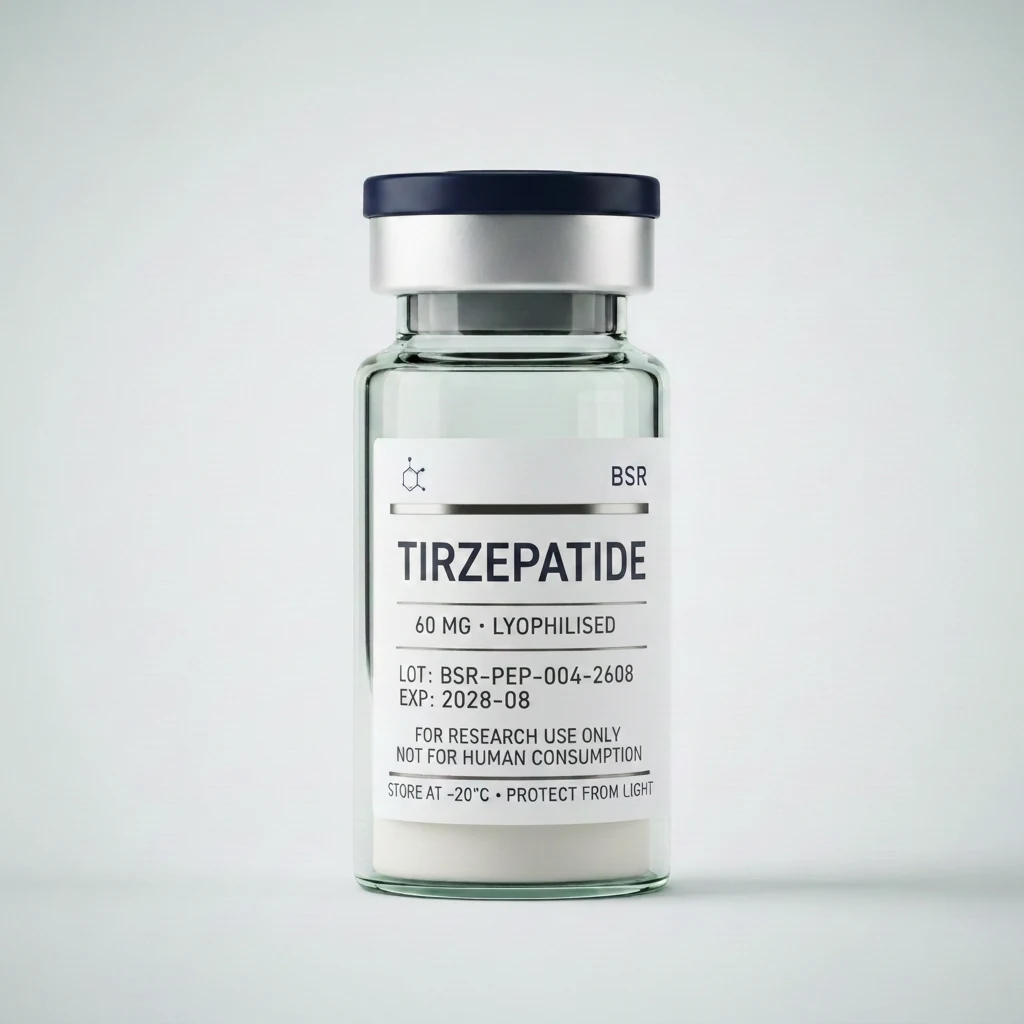
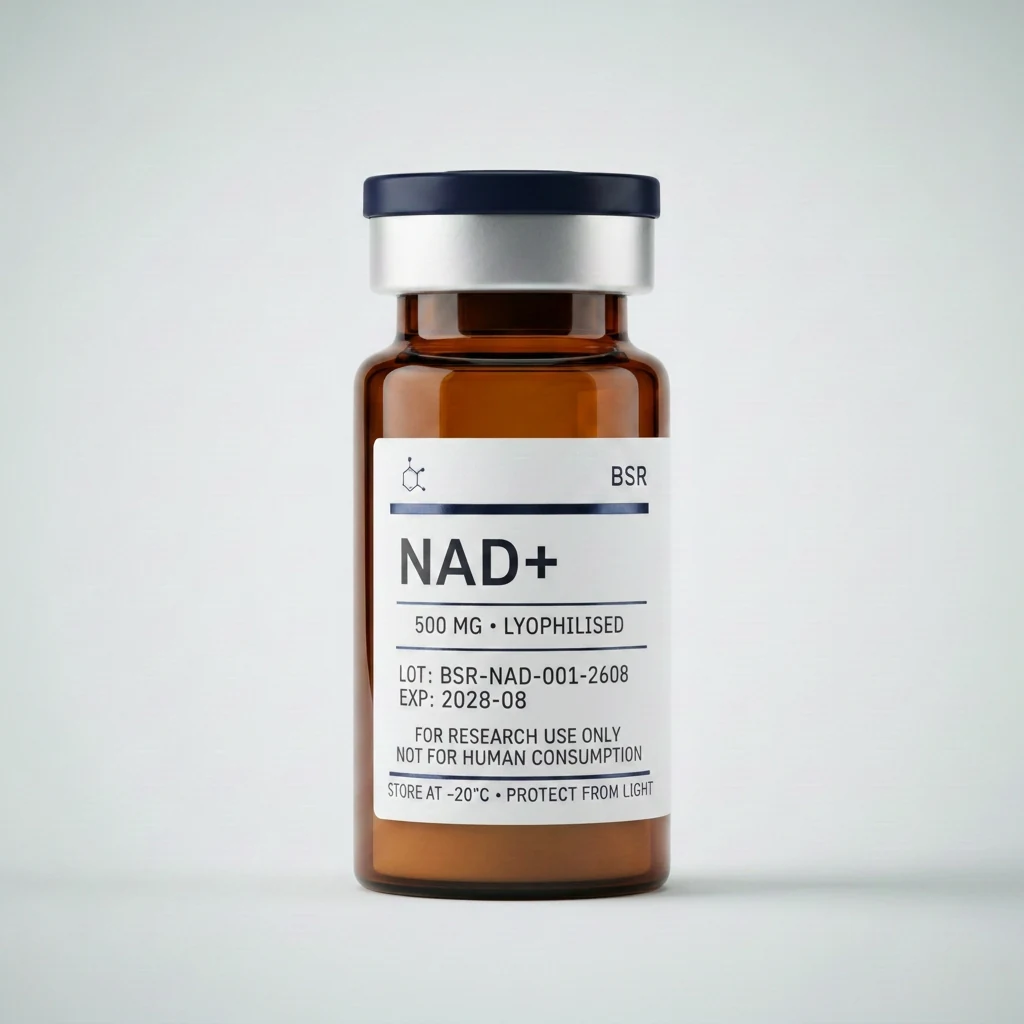
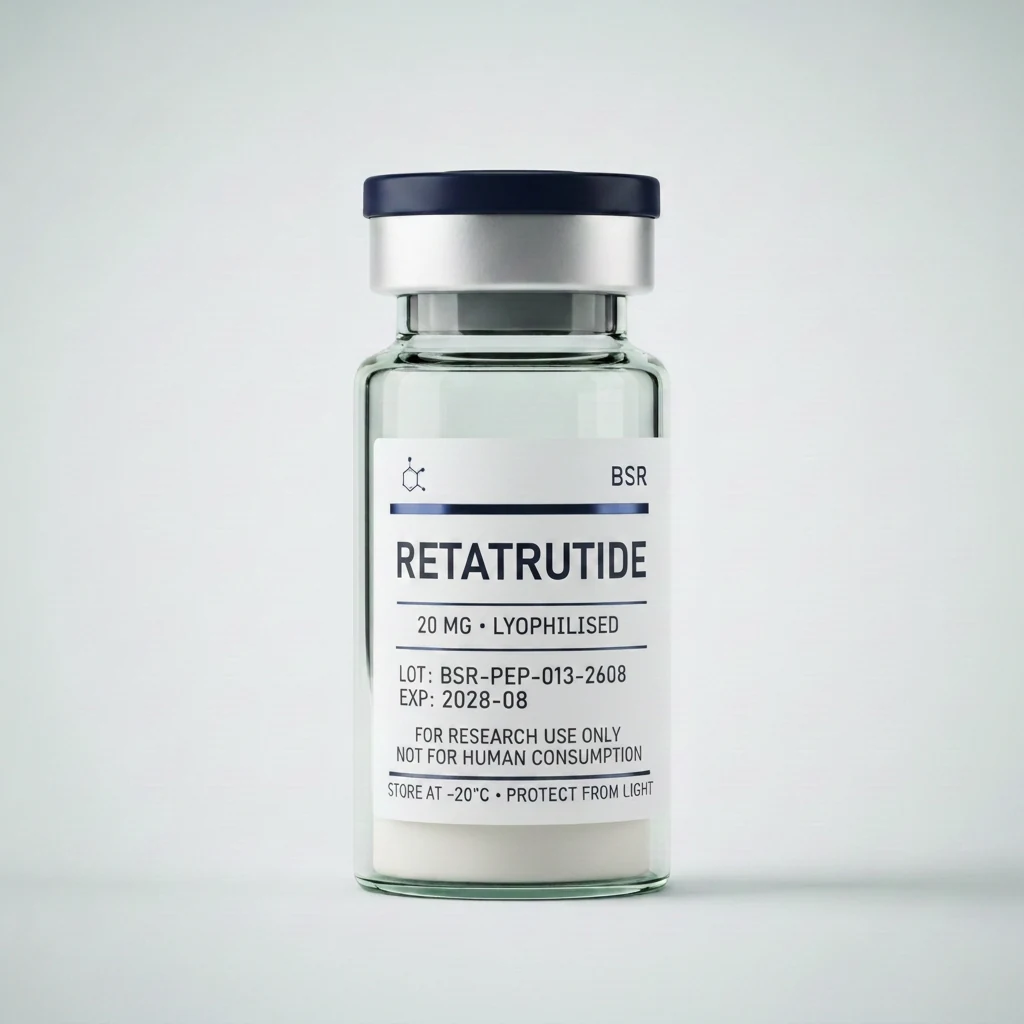
Research-grade material, HPLC verified, certificate of analysis with every order.
The week's Intelligence in one email, every Friday morning.
Regulatory moves, trial readouts, supply-chain news. No product pitches. Unsubscribe in one click.
More in Regulatory & Policy
One Amino Acid, Three High Stakes: What the Seventh Circuit's Pending Retatrutide Ruling Means for Exclusivity, Medicare Pricing, and Compounding Access
12 Oct 2026
FDA Career Scientists Formally Oppose Administration's Interim Peptide Dispensing Plan — and What the Internal Split Means for Research Procurement
11 Oct 2026
HHS Stopgap Plan for Restricted Peptides: What the Reported Enforcement-Discretion Proposal Means for Research Procurement
09 Oct 2026