Regulatory & Policy · 01 Jun 2026
The PCAC July 2026 Hearing: What the Four Day-One Peptides — BPC-157, TB-500, KPV, and MOTS-c — Need to Prove Before the Review
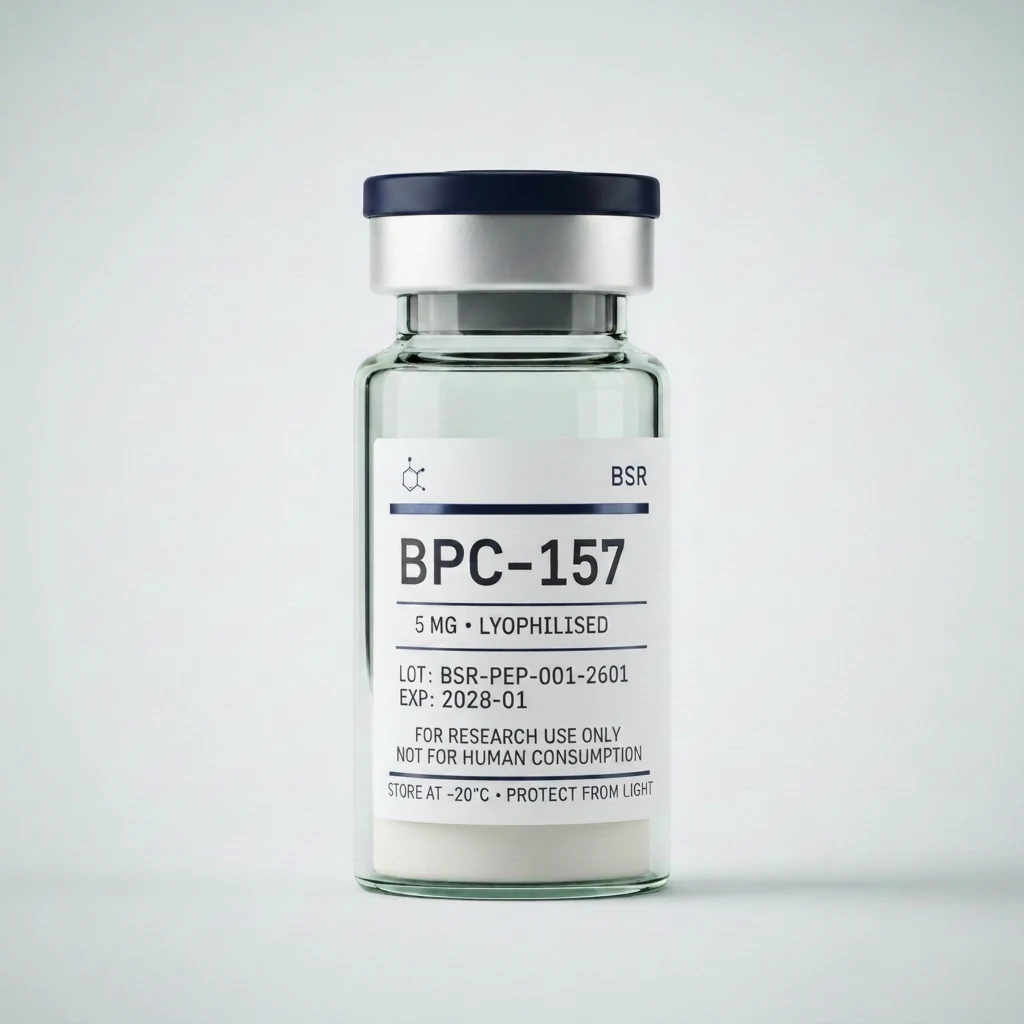
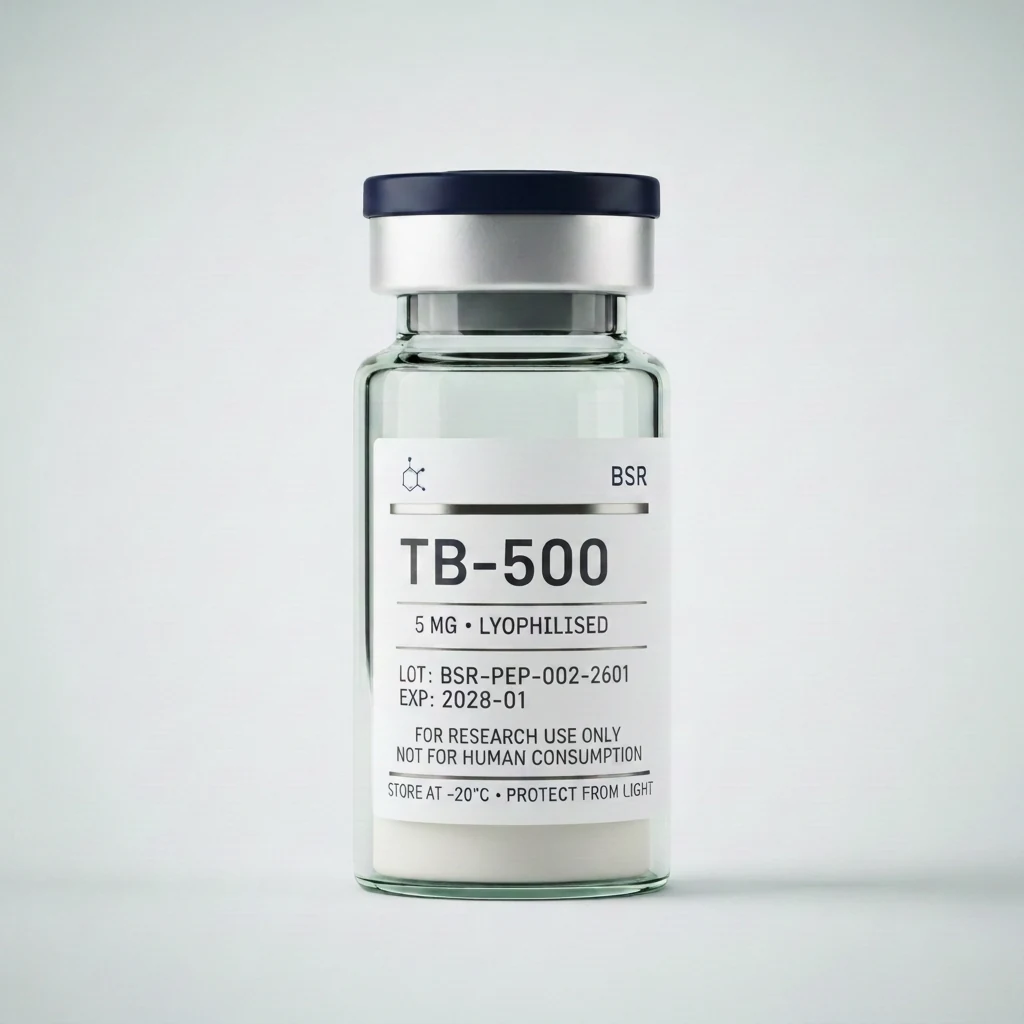
On 23 July 2026 the FDA's Pharmacy Compounding Advisory Committee will evaluate BPC-157, TB-500, KPV, and MOTS-c for potential inclusion on the Section 503A Bulk Drug Substances List. With the oral-testimony registration deadline on 30 June and the cut-off for comments reaching the committee on 9 July, procurement teams have weeks — not months — to understand what is at stake.
14 sources cited
Key takeaways
- The FDA's Pharmacy Compounding Advisory Committee (PCAC) meets 23–24 July 2026 at its White Oak Campus in Silver Spring, Maryland, to evaluate seven peptides for the Section 503A Bulk Drug Substances List.
- Day one, 23 July, covers BPC-157, KPV, TB-500, and MOTS-c. Day two, 24 July, covers Emideltide (DSIP), Semax, and Epitalon.
- Two near-term deadlines apply to any party wishing to influence the process: 30 June 2026 is the deadline to register for oral testimony; 9 July 2026 is the cut-off for written comments to be transmitted directly to committee members ahead of the meeting.
- A positive PCAC recommendation would not immediately authorise compounding; formal notice-and-comment rulemaking would still be required before any substance is added to the 503A list.
- The evidence base for all four Day-1 compounds is predominantly preclinical, raising the question of how the committee will weigh it against the 503A evaluation criteria.
Background: how the current review came about
The regulatory pathway to this hearing runs through two separate events. In September 2023 the FDA placed approximately 17 peptides into Category 2 of the 503A Bulk Drug Substances framework, citing immunogenicity risks, limited human safety data, and contamination concerns linked to unregulated manufacturing. According to Foley & Lardner's regulatory commentary, in the past the FDA had declined to add these substances to the bulk compounding list because of safety and/or efficacy concerns.
That position shifted materially in April 2026. According to the Orrick law firm's regulatory analysis, on 15 April 2026 the FDA updated its 503A bulk substance categories, providing notice that it would remove 12 peptide bulk drug substances from Category 2 — the category reserved for substances identified as raising significant safety concerns — within seven calendar days, following the withdrawal of their nominations. Simultaneously, the agency published a Federal Register Notice announcing the PCAC would convene at public meetings on 23–24 July 2026.
As Orrick noted, removal from Category 2 does not by itself place any substance on the 503A bulks list or into Category 1 — the peptides now occupy a regulatory grey area until the PCAC meets and the FDA takes final action.
This regulatory activity follows public statements by HHS Secretary Robert F. Kennedy Jr., who indicated in February 2026 that the administration intended to broaden lawful compounding access to a range of peptides that had been restricted under the previous administration.
The PCAC evaluation framework
According to the FDA's advisory committee calendar entry for the meeting, on 23 July 2026 the Committee will discuss BPC-157-related bulk drug substances (free base and acetate), KPV-related bulk drug substances (free base and acetate), TB-500-related bulk drug substances (free base and acetate), and MOTS-c-related bulk drug substances (free base and acetate).
The Lengea Law commentary on the process sets out the four factors the committee typically examines: the physical and chemical characterisation of the substance; safety issues raised by its use in compounding; available evidence of effectiveness for the specific use nominated; and historical use of the substance in compounding, including any references in the medical literature.
PeptideClarity's regulatory tracker notes that PCAC's vote is advisory and non-binding — the FDA can decide differently from what PCAC recommends — and that the full process from referral to final rulemaking typically takes a year or longer. The recent track record is instructive: according to the same source, PCAC voted against adding CJC-1295, Ipamorelin, AOD-9604, and Thymosin Alpha-1 at meetings held in October and December 2024.
The four Day-1 compounds: evidence and nominated indications
BPC-157 (Body Protection Compound 157) — nominated for wound and injury
According to the FDA.gov committee calendar, BPC-157 is being evaluated for wound and injury indications. The compound is a synthetic 15-amino-acid peptide derived from a protective protein found in human gastric juice. PubMed records the pharmacokinetics paper by He and colleagues (2022, Frontiers in Pharmacology) as providing the first formal pharmacokinetic characterisation in rats and dogs, reporting rapid metabolism into small peptide fragments that entered normal amino acid pathways.
The evidence profile presents a distinctive concentration risk. A STAT News/Undark investigation published in February 2026 identified that almost all existing data on BPC-157 comes from a single group of researchers in Croatia, noting that in rodents the substance promotes new blood vessel growth and reduces inflammation, enhancing healing in tendons, ligaments, and muscle. A December 2025 scoping review by McGuire and colleagues noted that all published studies report positive effects, raising questions about publication bias. As of early 2026, only three human studies had been published on BPC-157, a narrow base for any committee evaluation.
TB-500 (Thymosin Beta-4 fragment) — nominated for wound healing
According to the Peptide Clarity regulatory tracker, BPC-157 was removed from Category 2 effective 22 April 2026 and is scheduled for PCAC review on 23 July 2026, and the same applies to TB-500. According to PeptideWiki's summary of the meeting notice, TB-500 is a synthetic fragment of Thymosin Beta-4, a naturally occurring 43-amino-acid protein involved in cell migration, blood vessel formation, and wound healing, with research focusing on cardiac tissue repair, inflammation reduction, and accelerated recovery from soft tissue damage.
TB-500 carries a complication not shared by some of its peers on the agenda: according to PeptideDosing Protocols, MOTS-c appears on the 2026 WADA Prohibited List; TB-500 carries a comparable anti-doping designation. The BodyWorks clinic summary of the FDA action notes that TB-500 is listed as a banned substance by international sports authorities, which may be a consideration the committee weighs when assessing whether normalising its compounding status would raise public-health concerns.
GlobalRPH's November 2025 clinical review characterised both BPC-157 and TB-500 as "promising yet preliminary" and stressed "the urgent need for standardised, large-scale clinical trials and robust safety monitoring."
KPV — nominated for inflammatory bowel conditions
KPV is a tripeptide derived from alpha-melanocyte stimulating hormone (α-MSH) and is being reviewed for anti-inflammatory, including gut-inflammatory, applications. The Foley & Lardner summary of the PCAC agenda notes the specific indications under review include ulcerative colitis and wound healing. The BodyWorks summary records that the FDA noted limited human exposure data for KPV at the time of its earlier Category 2 designation. KPV's small molecular size and potential oral bioavailability have attracted preclinical interest, but published human trials remain absent from the accessible literature at this stage.
MOTS-c — nominated for obesity and osteoporosis
MOTS-c occupies a structurally unusual position: it is encoded within mitochondrial DNA, making it one of the first identified mitochondrial-derived peptides. The nominated indications — obesity and osteoporosis — are clinically significant, and the PCAC will be evaluating them against a body of research that is predominantly murine. Lee and colleagues (2015, Cell Metabolism) showed MOTS-c reduced obesity and insulin resistance in mice on a high-fat diet; Reynolds and colleagues (2021, Nature Communications) demonstrated running-capacity improvement across mouse age groups; and a 2024 systematic review and meta-analysis published in PubMed Central identified a relationship between MOTS-c levels, metabolic homeostasis, and protection against insulin resistance, while noting that studies reported inconsistent correlations across different population characteristics.
Kong and colleagues (2025) demonstrated that MOTS-c prevents pancreatic islet cell senescence in aged mice, and found that circulating MOTS-c levels are significantly lower in type 2 diabetes patients compared with healthy controls. The HealingMaps MOTS-c profile notes that its long-term human safety has not been fully characterised, which is typical for compounds at this stage of evaluation. MOTS-c is also named on the 2026 WADA Prohibited List under section S4.4.1 (AMPK activators), according to the PeptideDosing Protocols guide.
What a positive recommendation does — and does not — mean
A point requiring emphasis for procurement teams: according to the Lengea Law briefing, the PCAC's role is advisory; it provides recommendations to the FDA but does not make binding decisions. If the FDA concludes that a substance is appropriate following the PCAC recommendation, it must initiate a formal rulemaking process before any substance is added to the 503A Bulks List. PeptideClarity estimates the full process — referral through final rulemaking — typically takes a year or longer.
A further distinction matters for UK research labs: according to the Loti Labs regulatory guide, substances not on the 503A Bulks List or explicitly on the Category 2 list exist in a distinct position within the Research Use Only sector. FDA compounding rules govern clinical use within the United States; they do not directly determine the legal status of peptides procured under research-use-only frameworks in the UK, where MHRA oversight applies independently.
Deadlines and participation
Three dates govern participation in the July review process. Written comments submitted by 9 July 2026 will be provided directly to committee members ahead of the meeting. The deadline to register for oral testimony at the meeting is 30 June 2026. Comments submitted after 9 July but before the 22 July docket closure will still be considered by the FDA but will not be transmitted directly to committee members. The active docket number is FDA-2026-N-2979.
A second PCAC meeting, scheduled before the end of February 2027, will review five additional compounds: GHK-Cu, Melanotan II, Cathelicidin (LL-37), Dihexa acetate, and Mechano Growth Factor Pegylated (PEG-MGF).
Procurement implications for UK research labs
For UK-based research-procurement professionals, several immediate considerations apply.
Supply continuity. Regardless of the PCAC outcome, these peptides remain available from research-use-only suppliers under their existing frameworks. A positive recommendation would not change UK regulatory status overnight; it would signal that the US evidence review found the safety profile and evidence base sufficient for limited clinical compounding, which may in turn influence MHRA's approach over a longer horizon.
Sourcing quality standards. If the compounds eventually move to compounding-eligible status in the US, API sourcing requirements will tighten: the Orrick analysis notes that pharmacies will need to source pharmaceutical-grade API from FDA-registered manufacturers, accompanied by valid certificates of analysis. Labs with existing procurement processes built around high-purity, third-party-verified material are better positioned regardless of which direction the committee votes.
Evidence base monitoring. The PCAC background materials — which the FDA is required to publish at least two business days before the meeting — will constitute the most current regulatory synthesis of safety and efficacy evidence for each compound. These materials are likely to be of direct value to lab directors reviewing procurement decisions for BPC-157, TB-500, KPV, and MOTS-c ahead of and after the hearing.
Research-grade material, HPLC verified, certificate of analysis with every order.
The week's Intelligence in one email, every Friday morning.
Regulatory moves, trial readouts, supply-chain news. No product pitches. Unsubscribe in one click.
More in Regulatory & Policy
One Amino Acid, Three High Stakes: What the Seventh Circuit's Pending Retatrutide Ruling Means for Exclusivity, Medicare Pricing, and Compounding Access
12 Oct 2026
FDA Career Scientists Formally Oppose Administration's Interim Peptide Dispensing Plan — and What the Internal Split Means for Research Procurement
11 Oct 2026
HHS Stopgap Plan for Restricted Peptides: What the Reported Enforcement-Discretion Proposal Means for Research Procurement
09 Oct 2026