Research Pipeline · 10 Jun 2026
GLP-1 Receptors and Oncology: What the ASCO 2026 Evidence Cluster Means for Research Procurement
A cluster of five real-world studies presented at the 2026 American Society of Clinical Oncology Annual Meeting has elevated GLP-1 receptor agonists as a serious subject of oncology research, with signals across metastatic progression, breast cancer prevention, and immune checkpoint inhibitor outcomes. For research-procurement teams, the findings point to growing demand for characterised GLP-1 peptide material beyond metabolic applications.
12 sources cited
Key takeaways
- Five independent real-world analyses presented at the 2026 American Society of Clinical Oncology (ASCO) Annual Meeting in Chicago suggest GLP-1 receptor agonists may reduce metastatic progression across several solid tumour types.
- In four of seven cancers studied — lung, breast, colorectal, and liver — patients receiving GLP-1 drugs were 38–50% less likely to progress to stage IV disease compared with those receiving DPP-4 inhibitors, according to a propensity-matched analysis from Cleveland Clinic.
- A separate University of Pennsylvania cohort study linked GLP-1 receptor agonist use to approximately 30% lower breast cancer incidence in overweight women.
- A third analysis reported a 34% reduction in mortality across six cancer types in GLP-1 users.
- All findings derive from observational data; prospective randomised trials have been called for but not yet initiated.
- Proposed mechanisms extend beyond weight loss and include direct anti-inflammatory effects, modulation of the tumour microenvironment, and interaction with immune checkpoint pathways.
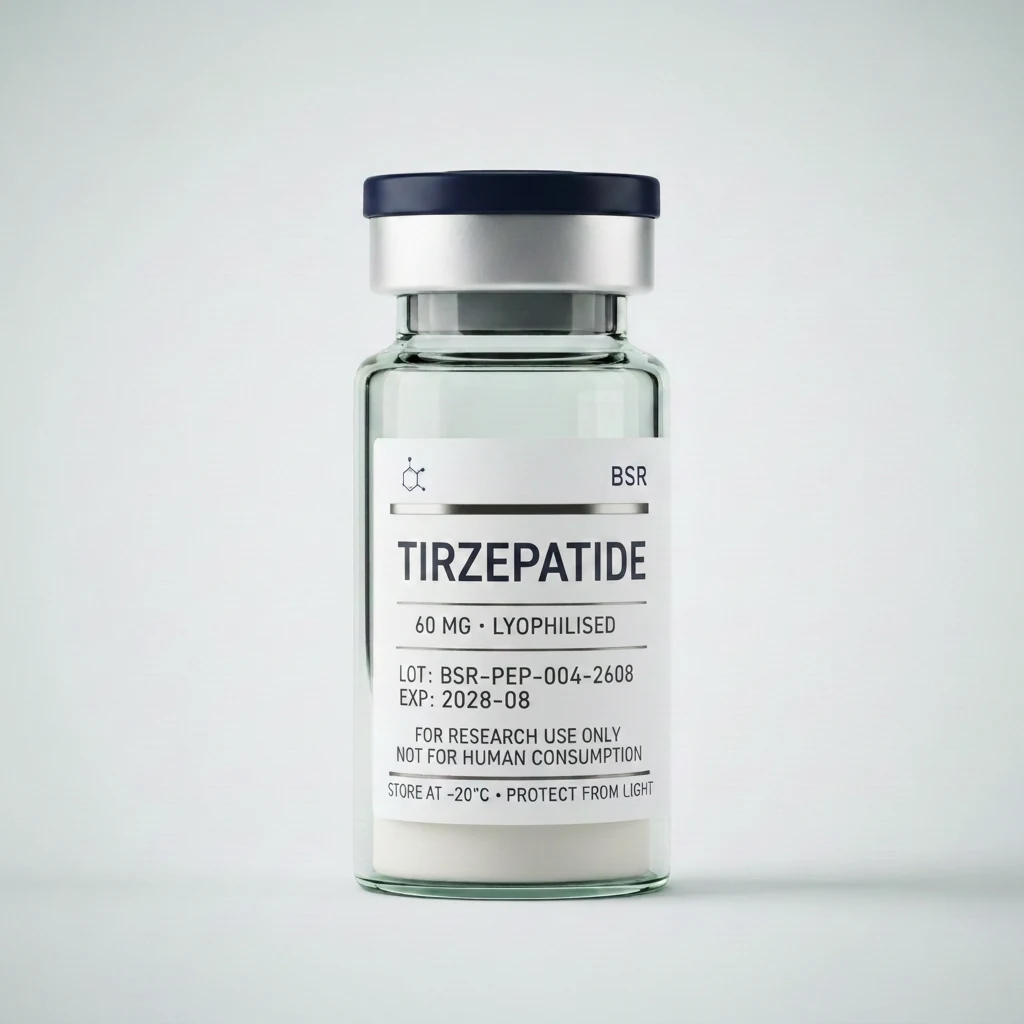
- The oncology signal is generating new demand for high-purity, well-characterised semaglutide, tirzepatide, and liraglutide reference material for mechanistic research.
Background: why ASCO 2026 matters for GLP-1 research
GLP-1 receptor agonists have until now occupied a well-defined research niche: glycaemic control, obesity, cardiovascular risk, and, most recently, metabolic dysfunction-associated steatohepatitis (MASH). The ASCO 2026 annual meeting in Chicago — held 29 May to 2 June 2026 — shifted that framing substantially. A cluster of five real-world studies presented at the meeting is poised to reshape how oncology teams think about GLP-1 receptor agonists in the context of cancer prevention, progression, and immunotherapy outcomes.
GLP-1 drugs' potential use in preventing or controlling cancer was a major theme among the research presented at the meeting, with ASCO highlighting four studies, some of which were published in its affiliated Journal of Clinical Oncology.
The convergence is notable not because any single study is definitive, but because independent research teams using different databases and methodologies reached broadly compatible signals. Experts note the latest data is still far from being able to conclude that GLP-1s are effective treatments for cancer; the analyses used retrospective medical databases that did not capture relevant nuances such as a patient's comorbidities, or exercise and eating habits. That caveat should be prominent in any research design drawing on these signals.
The progression study: seven solid tumours
The most widely cited of the five analyses, led by Mark David Orland MD at the Taussig Cancer Institute, Cleveland Clinic, examined metastatic progression across seven obesity-related cancers. The study used real-world data to compare the effects of GLP-1 drugs and DPP-4 inhibitors on cancer progression for breast adenocarcinoma, prostate adenocarcinoma, non-small cell lung cancer, colorectal adenocarcinoma, hepatocellular carcinoma, renal cell carcinoma, and pancreatic adenocarcinoma, examining whether patients taking GLP-1 drugs were less likely to progress to metastatic disease. The study included the health records of 12,112 people from the TriNetX database with one of those cancers at stage I, II, or III.
In four of the seven cancer types — lung, breast, colorectal, and liver — patients taking GLP-1s were 38% to 50% less likely to progress to stage IV disease compared with those taking gliptins. In the remaining three types — prostate, pancreatic, and kidney — patients taking GLP-1s also had fewer instances of metastasis than the control group.
"Our study found that use of GLP-1 drugs, compared to DPP-4 inhibitors and other antidiabetic drugs, was associated with a meaningful reduction in cancer progression across 4 solid tumour types. It provides early evidence that future studies are worth pursuing," said lead author Orland.
Breast cancer prevention: the 111,000-patient cohort
A second presentation, from Elizabeth McDonald MD PhD at the University of Pennsylvania Perelman School of Medicine, specifically examined primary prevention. New retrospective data presented at ASCO 2026 suggests that GLP-1 receptor agonists may significantly reduce the incidence of breast cancer. The study found that women using these medications were approximately 30% less likely to develop the disease than those who did not. Researchers analysed health records from 111,646 women between the ages of 45 and 80 who had a body mass index (BMI) of 25 or higher.
A fifth real-world analysis examined GLP-1 receptor agonist use in patients with breast cancer receiving systemic therapy, including those on combination endocrine therapy and CDK4/6 inhibitor regimens. Preliminary data indicated that the addition of GLP-1 receptor agonists to this regimen was associated with a 30% reduction in mortality risk in patients with hormone receptor–positive, HER2-negative metastatic breast cancer.
Survival reduction across six cancer types
A separate analysis presented by Jessica Paulus ScD, Vice President of Real-World Research at Ontada, examined overall survival. The research showed a 34% reduction in mortality among patients with six cancer types — including breast, prostate, colorectal, hepatocellular, and renal cell carcinoma — who received GLP-1 receptor agonists.
Proposed mechanisms: beyond weight loss
Researchers and commentators have been careful to note that the benefits seen in these analyses are unlikely to be attributable solely to weight reduction. Some of the research suggests a mechanism that goes beyond weight loss. GLP-1 drugs could be working on inflammation, a key driver linked to tumour development; chronic inflammation can create conditions that help cancers take root and spread. Because GLP-1 receptors are found throughout the body — not just in the gut and pancreas — activating them appears to dampen inflammation through multiple pathways, such as by acting on immune cells and endothelial cells, or by influencing body-wide inflammatory cascades.
Three additional pathways are under active investigation, according to researchers cited at the meeting. The insulin/IGF-1 pathway is one: obesity and insulin resistance produce chronic hyperinsulinemia, and both insulin and IGF-1 are potent mitogens that directly promote the proliferation, survival, and metastasis of cancer cells; GLP-1 receptor agonists improve insulin resistance, easing off this pathway.
At the preclinical level, mechanistic work has pointed towards the tumour microenvironment. In murine lung and liver cancer models, liraglutide substantially decreased circulating neutrophil extracellular trap markers, downregulated NETs and reactive oxygen species in the tumour microenvironment, and reduced NET formation by inhibiting ROS. Liraglutide also enhanced the anti-tumoral efficiency of PD-1 inhibition in these models.
One of the more clinically actionable findings from ASCO 2026 was the emerging signal that GLP-1 drugs may improve the effectiveness of immune checkpoint inhibitors. Checkpoint inhibitors work by releasing the brakes on T cells so they can attack tumours; they are now standard of care for multiple cancer types, but they work better in some patients than others, and the difference often comes down to the tumour microenvironment.
Separately, published preclinical work in 2026 has also explored whether modulation of the GLP-1 receptor may enhance T-cell-mediated antitumour responses in colorectal cancer models.
What the data does not yet show
The drugs' effects on cancer are in very early stages of research. Every study presented at ASCO 2026 used retrospective real-world databases, which carry inherent confounders. These were observational studies, not clinical trials; they are compelling but not yet definitive.
Researchers presenting at ASCO 2026 explicitly called for randomised trials to test GLP-1 drugs as cancer prevention agents, particularly in high-risk breast cancer populations. Investigators also stated they want to perform randomised controlled trials of GLP-1 drugs in people with cancer, which would provide stronger evidence for the connection between GLP-1s and cancer progression.
More trials are now starting to look at how GLP-1s might influence chronic inflammation or immunosuppression, both of which might contribute to cancer growth. Oncologist Coral Omene at Rutgers Cancer Institute plans to follow 40 breast cancer patients starting tirzepatide, measuring blood samples and tracking changes in cancer markers, and biopsying participants' abdominal fat cells every six months to see how those respond.
Procurement implications for UK research laboratories
For procurement teams sourcing GLP-1 peptide material for in vitro or in vivo oncology research programmes, several practical considerations follow from the ASCO 2026 data:
Reference compound diversity. The ASCO studies drew on multiple GLP-1 agents — semaglutide, tirzepatide, liraglutide, dulaglutide, lixisenatide, and pramlintide. Mechanistic research will likely require access to individual compounds rather than a class-level proxy. Procurement frameworks that currently cover only the two dominant branded agents (semaglutide and tirzepatide) may need broadening.
Purity and characterisation standards. Oncology research programmes, particularly those examining the tumour microenvironment or combination regimens with checkpoint inhibitors, will demand material with well-documented HPLC purity profiles, mass spectrometry confirmation, and lot-to-lot consistency certificates. Standard Certificates of Analysis from general-purpose peptide suppliers may not meet the documentation bar required for publication in journals such as the Journal of Clinical Oncology.
Regulatory status of research-grade material in the UK. In the United Kingdom and European Union, research peptides including those not approved as medicines are available exclusively for laboratory and research purposes. GLP-1 compounds that are FDA-approved medicines — semaglutide, tirzepatide, liraglutide — sit in a different regulatory category in the UK than purely experimental peptides; procurement teams should confirm that their supplier's documentation clearly specifies intended use as research-only and that no medicinal claims accompany the material.
Timeline sensitivity. If the prospective trials called for at ASCO 2026 advance into design and ethics approval over the next 12–18 months, demand for GLP-1 peptide material characterised specifically for oncology models could accelerate. Establishing preferred-supplier relationships and quality agreements with capable manufacturers now may reduce lead-time risk later.
Summary
The ASCO 2026 data does not establish GLP-1 receptor agonists as oncology treatments; the evidence base remains observational and confounded. However, the consistency of signals across independent analyses covering more than 120,000 patients — and the plausibility of the proposed mechanisms involving inflammation, the insulin/IGF-1 axis, and the tumour microenvironment — is sufficient to justify expanded mechanistic research programmes. Procurement professionals supporting oncology research units should anticipate rising demand for characterised GLP-1 peptide material and should review supplier capability accordingly.
Research-grade material, HPLC verified, certificate of analysis with every order.
The week's Intelligence in one email, every Friday morning.
Regulatory moves, trial readouts, supply-chain news. No product pitches. Unsubscribe in one click.
More in Research Pipeline
Thymosin Alpha-1: What 35 Countries of Clinical Use and a Lopsided PCAC Vote Mean for Research Access in 2026
07 Oct 2026
Viking Therapeutics Initiates Oral Maintenance Dosing Study for VK2735: What the GLP-1/GIP Dual Agonist's Two-Part Programme Tells Researchers About the Weight-Regain Problem
06 Oct 2026
GHK-Cu: What a Fresh Diabetic Wound Study and a Recruiting Phase 2 Trial Mean for the Copper Peptide's Research Standing
03 Oct 2026