Pharma & GLP-1 · 01 Jun 2026
Orforglipron's ATTAIN-MAINTAIN Data Clarifies the Sequential GLP-1 Strategy — and Redraws Research Priorities for Peptide Labs
The ATTAIN-MAINTAIN trial, published in Nature Medicine on 12 May 2026, shows that switching from injectable GLP-1s to oral orforglipron (Foundayo) preserved roughly 75–80% of prior weight loss over 52 weeks. For research-procurement teams, the data crystallises a new sequential treatment paradigm — and raises pointed questions about which peptide and non-peptide reference compounds will be in demand next.
8 sources cited
Key takeaways
- Orforglipron (Foundayo) received FDA approval on 1 April 2026 as the first oral, non-peptide GLP-1 receptor agonist — structurally distinct from all injectable GLP-1 peptides currently in research use.
- The phase 3b ATTAIN-MAINTAIN trial, published in Nature Medicine (12 May 2026), demonstrated that switching from tirzepatide or semaglutide to once-daily orforglipron preserved approximately 75–80% of prior weight loss over 52 weeks.
- Because orforglipron is a small molecule rather than a peptide, its approval expands GLP-1 research beyond peptide chemistry — but also sharpens demand for injectable peptide reference standards used to characterise the sequential regimen.
- For UK research procurement, the principal practical implication is a likely uptick in demand for semaglutide and tirzepatide research-grade material as investigators probe the mechanistic basis of the sequential strategy.
What orforglipron is — and is not
Orforglipron, branded Foundayo and developed by Eli Lilly, is a novel non-peptide glucagon-like peptide-1 (GLP-1) receptor agonist for the treatment of adults with obesity or overweight, and is the first oral agent in its class that can be taken without fasting or water restrictions.
The structural distinction matters acutely for research labs. Semaglutide (Ozempic, Wegovy) is a sequence of 31 amino acids with a molecular weight of 4,114 g/mol, whereas orforglipron has a molecular weight of 883 g/mol — a reduction of roughly 80%. Orforglipron is the first oral, small-molecule (non-peptide) GLP-1 receptor agonist. Unlike semaglutide tablets (Rybelsus), which use the absorption enhancer SNAC and have strict food-and-water dosing requirements, orforglipron is a true small molecule with conventional oral pharmacokinetics.
This means orforglipron is not subject to the peptide-compounding restrictions that have dominated UK and US regulatory discussion in 2026. It entered the market via a standard new drug application pathway. The FDA approved Foundayo under the Commissioner's National Priority Voucher pilot programme, issued 50 days after filing — and 294 days before the application's PDUFA date of January 2027 — making it the first new molecular entity approved under the programme.
The ATTAIN-MAINTAIN trial: design and results
The critical research question ATTAIN-MAINTAIN addressed was not efficacy from baseline, but maintenance of prior weight loss after transition from an injectable GLP-1. This is described as "the first study of its type looking at longer-term maintenance with an oral GLP-1 after taking an injectable."
In the ATTAIN-MAINTAIN trial, 205 patients taking tirzepatide and 171 patients taking semaglutide were randomised to take orforglipron or placebo daily for a year. Results differed meaningfully between the two prior-injectable cohorts.
Patients who switched from tirzepatide to orforglipron maintained a mean 74.7% of their body weight reduction from the SURMOUNT-5 trial compared with those in the placebo group, which maintained a mean 49.2%. Patients who switched from semaglutide to orforglipron maintained a mean 79.3% of their body weight reduction, compared with the placebo arm, which maintained a mean 37.6%.
Patients maintained about 75–80% of their weight loss and associated health benefits, including reduced waist circumference and improvements in blood pressure, blood sugar, triglycerides and cholesterol levels. Participants also tolerated the oral medication well, with mild to moderate gastrointestinal side effects.
The divergence in outcomes between the two cohorts follows a mechanistic logic that carries research implications. Tirzepatide acts on two targets in the body, leading to greater initial weight loss, which may also translate to regaining more weight after switching to orforglipron. Semaglutide and orforglipron act on the same single target, so the semaglutide group may have maintained weight loss better after switching, though they started with a less dramatic weight loss.
How experts are interpreting the data
Commentary collected by the Science Media Centre following publication was broadly positive but drew attention to methodological caveats. Key limitations include: the trial was not compared against continuing semaglutide or tirzepatide; the population was drawn solely from the United States; it was a selected cohort of patients who had already tolerated and responded to incretins; it did not include patients with diabetes; and the follow-up period was only one year.
From a clinical strategy standpoint, the trial was described as crystallising a plausible sequential approach. The most practical implication is that a sequential strategy — potent injectable treatment to induce weight loss followed by maintenance with an oral GLP-1 receptor agonist — could be a realistic alternative to improve adherence, acceptability and scalability, although it does not yet demonstrate superiority to continuing the injectable treatment.
UK-specific access economics also feature in the commentary. Injectable GLP-1 medications such as semaglutide (Wegovy) and tirzepatide (Mounjaro) produce superior weight loss compared with other weight loss medications but are expensive, limiting their long-term applicability both for private purchasers and the NHS. Newer oral medications such as orforglipron (Foundayo) are significantly cheaper to manufacture, but do not tend to produce the same level of weight loss seen with injectable medications.
The paper was sponsored by Eli Lilly, which manufactures both orforglipron and tirzepatide. Lead author Dr Louis Aronne, director of the Comprehensive Weight Control Center at Weill Cornell Medicine, is a paid consultant and advisory board member for Eli Lilly, a disclosure noted in the published record.
Procurement implications for UK research labs
For procurement teams at UK academic and commercial laboratories, three practical questions flow from these developments.
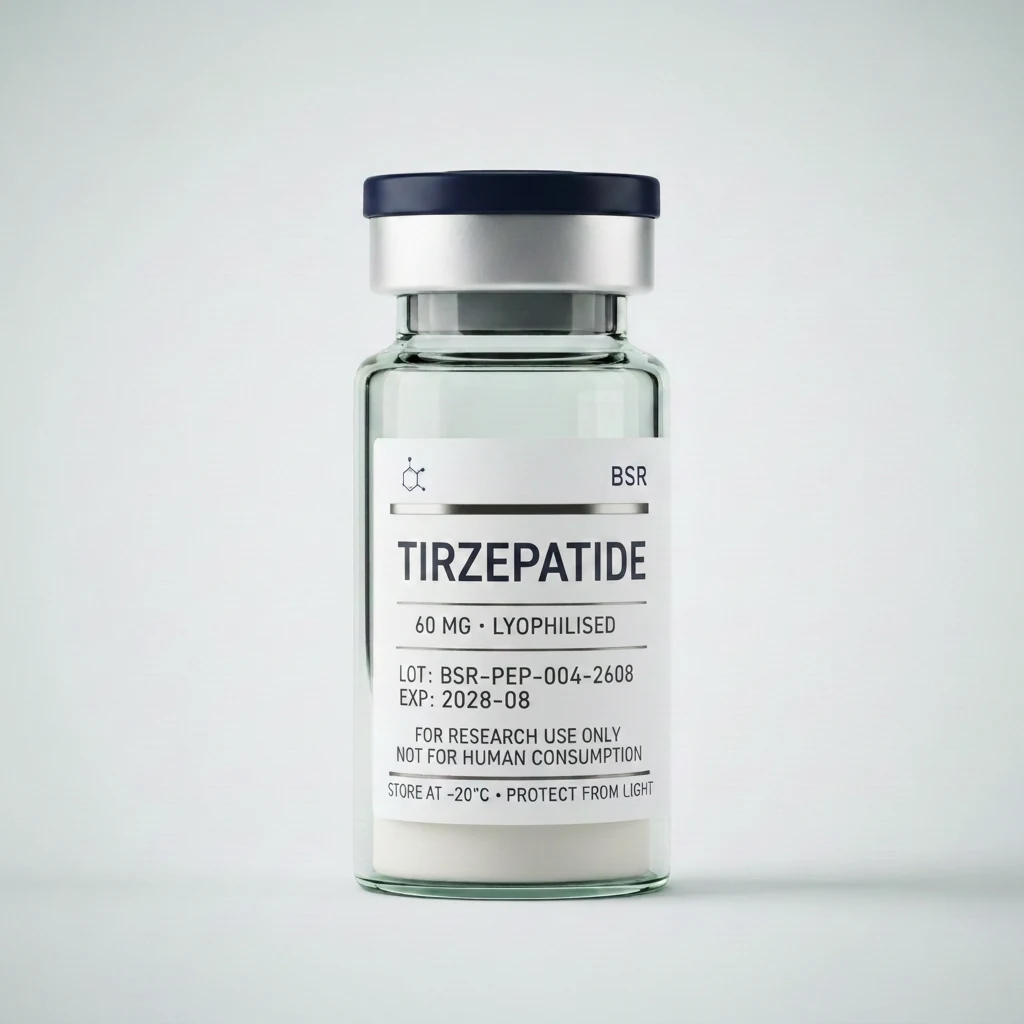
Reference compound demand. The ATTAIN-MAINTAIN design requires that investigators studying the sequential paradigm have access to characterised semaglutide and tirzepatide reference material. As the sequential strategy moves from trial to clinical guideline discussions — particularly given NHS cost pressures flagged by commentators — in vitro and mechanistic work on the induction-phase agents is likely to intensify. Research-grade semaglutide and tirzepatide material should be sourced from suppliers who can provide full Certificates of Analysis with HPLC purity data and mass spectrometry confirmation, given the regulatory scrutiny on these compounds' identity and purity.
Orforglipron as a research tool. Suppliers are already offering orforglipron for research use only. Because it is a small molecule, orforglipron does not face the same compounding-pharmacy restrictions as peptide GLP-1s, and sourcing research-grade material is governed by standard small-molecule supplier frameworks rather than the peptide-specific regulatory landscape. Labs investigating GLP-1 receptor pharmacology, particularly receptor occupancy and downstream signalling in the context of sequential dosing, will need both the peptide-based agonists and the small-molecule agonist available in appropriately characterised form.
Downstream demand signals from the macrocyclic peptide sector. The broader context for GLP-1 research investment remains strong. Beijing-based Syneron Bio closed a USD 150 million Series B financing round in late March 2026 to advance its macrocyclic peptide drug discovery platform, with the round co-led by an unnamed international life sciences fund, Decheng Capital, and CDH VGC. Syneron Bio's pipeline is built on the Synova platform, an AI-driven macrocyclic peptide discovery engine. The AstraZeneca partnership, structured around access to Synova for discovery of macrocyclic peptide candidates in chronic diseases, carries potential milestone payments of up to USD 3.4 billion. Deals of this scale signal sustained institutional appetite for novel peptide scaffolds — including those targeting metabolic pathways — and typically translate into preclinical research demand across the supply chain.
The non-peptide GLP-1 and what it changes — and does not — for peptide researchers
It is worth being precise about scope. Orforglipron's approval does not reduce the research relevance of peptide-based GLP-1 agonists. Semaglutide and tirzepatide remain the approved, dominant clinical agents for initial weight induction; they are the molecules generating the most adverse event data, the most mechanistic literature, and — under ATTAIN-MAINTAIN's design — the necessary prior-treatment conditions for the sequential strategy. Demand for high-quality peptide reference standards for these compounds is therefore not diminished by the arrival of a small-molecule maintenance option.
What the ATTAIN-MAINTAIN data does change is the framing: the GLP-1 therapeutic pathway is now increasingly understood as multi-agent and sequential rather than monotherapy. That framing drives a need for comparative mechanistic research on how peptide and non-peptide GLP-1 receptor agonists interact with receptor biology differently — a question that is likely to sustain demand for both classes of research material over the medium term.
Dual-acting oral GLP-1s are not yet available, but they are expected in the future. When they arrive, the same procurement logic will apply: characterised reference standards for each agent in the new combination will be needed to underpin both basic receptor pharmacology and safety profiling work.
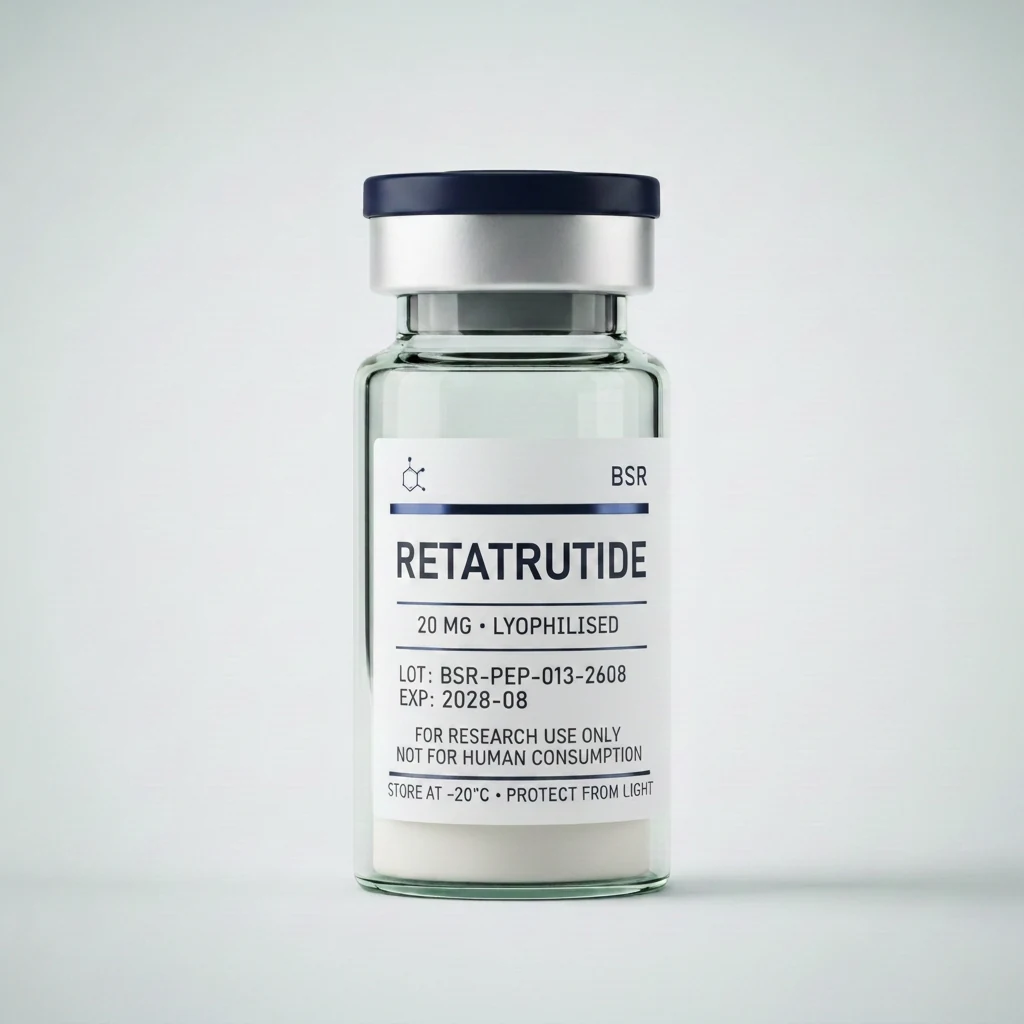
Labs should review their forward procurement plans against the trial timeline: further ATTAIN-MAINTAIN analyses, the diabetes indication launch for orforglipron expected to follow the obesity launch in Q4 2026, and the ongoing retatrutide Phase 3 programme will each generate waves of follow-on mechanistic research requiring peptide and non-peptide reference material.
Sources: FDA press announcement — Foundayo approval | Foundayo prescribing information — FDA.gov | ATTAIN-MAINTAIN trial — Weill Cornell Medicine | Science Media Centre expert reaction | Eli Lilly investor release | Pharmacy Times — orforglipron approval | Syneron Bio Series B — BioSpace | Syneron Bio Series B detail — AllSci
Research-grade material, HPLC verified, certificate of analysis with every order.
The week's Intelligence in one email, every Friday morning.
Regulatory moves, trial readouts, supply-chain news. No product pitches. Unsubscribe in one click.
More in Pharma & GLP-1
Novo Nordisk Bets €1.165 Billion on Atomic-Layer Deposition to Convert Semaglutide Into a Once-Quarterly Injectable
08 Oct 2026
Lilly at EASD 2026: Retatrutide's TRIUMPH-2 Phase 3 Readout, Foundayo's Lancet Cardiovascular Data, and What eloraTZP Signals for the Next Generation of Incretin Combinations
01 Oct 2026
Novo Nordisk Licenses Hengrui's Once-Weekly Oral GLP-1/GIP Dual Agonist HRS-1596 in a Deal Worth Up to $2.6 Billion
30 Sep 2026