Pharma & GLP-1 · 27 Jul 2026
Retatrutide Clears Two More Phase 3 Trials — Lilly Targets BLA Filing in Q1 2027
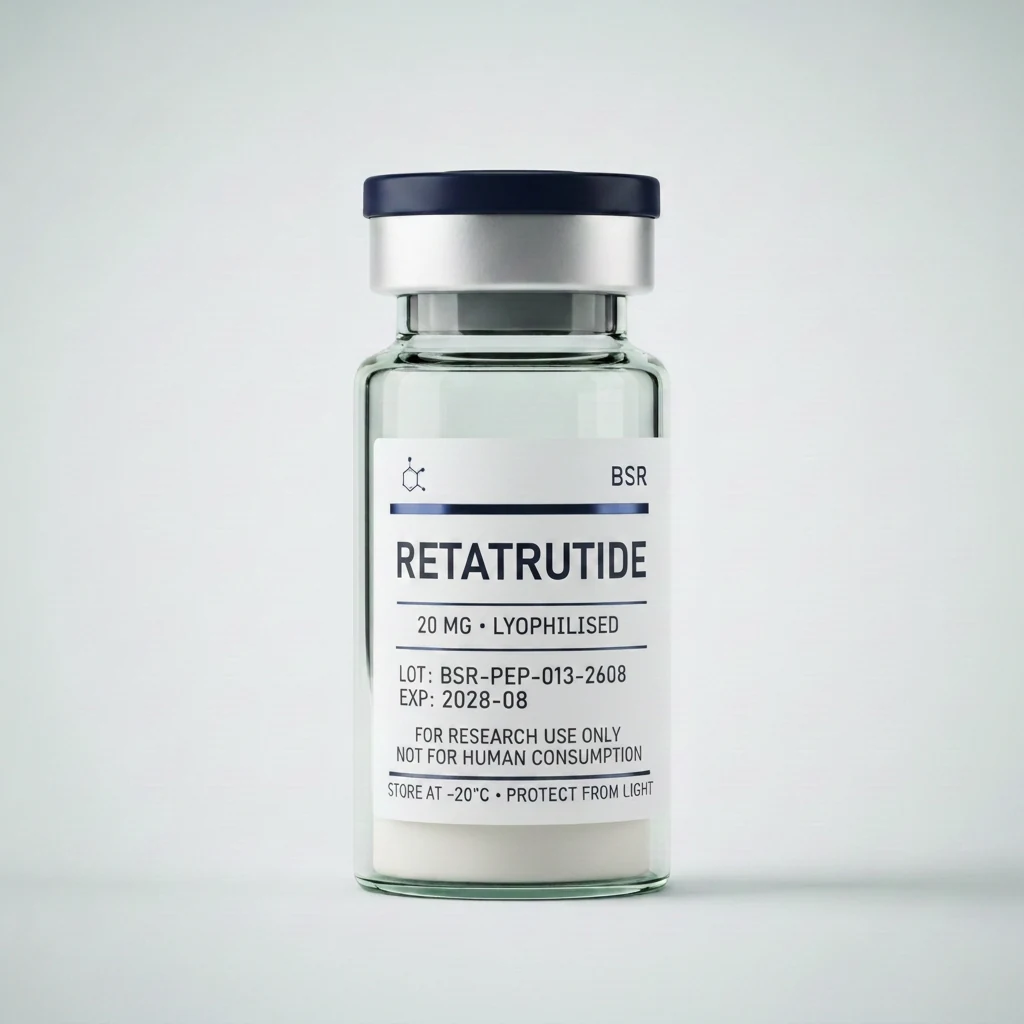
Eli Lilly announced positive topline results from TRIUMPH-2 and TRIUMPH-3 on 23 July 2026, completing the pivotal data package for retatrutide across five Phase 3 studies. The triple-agonist peptide delivered up to 20.8% weight loss in adults with type 2 diabetes and up to 22.6% in those with established cardiovascular disease. A biologics licence application to the FDA is now planned for Q1 2027.
10 sources cited
Key takeaways
- Lilly announced positive topline results from TRIUMPH-2 and TRIUMPH-3 on 23 July 2026, completing the core pivotal Phase 3 data package for retatrutide.
- TRIUMPH-2 showed up to 20.8% mean weight loss in adults with obesity or overweight and type 2 diabetes at 80 weeks; TRIUMPH-3 showed up to 22.6% in adults with severe obesity and established cardiovascular disease.
- The TRIUMPH-3 cardiovascular event data were directionally favourable but did not reach statistical significance, reflecting lower-than-anticipated event rates in both arms.
- Lilly confirmed it plans to submit a Biologics Licence Application (BLA) to the FDA in Q1 2027, with a possible regulatory decision in late 2027 under priority review.
- Retatrutide remains investigational; no prescription pathway is open in any jurisdiction as of the date of this briefing.
What retatrutide is and why it differs from earlier GLP-1 agents
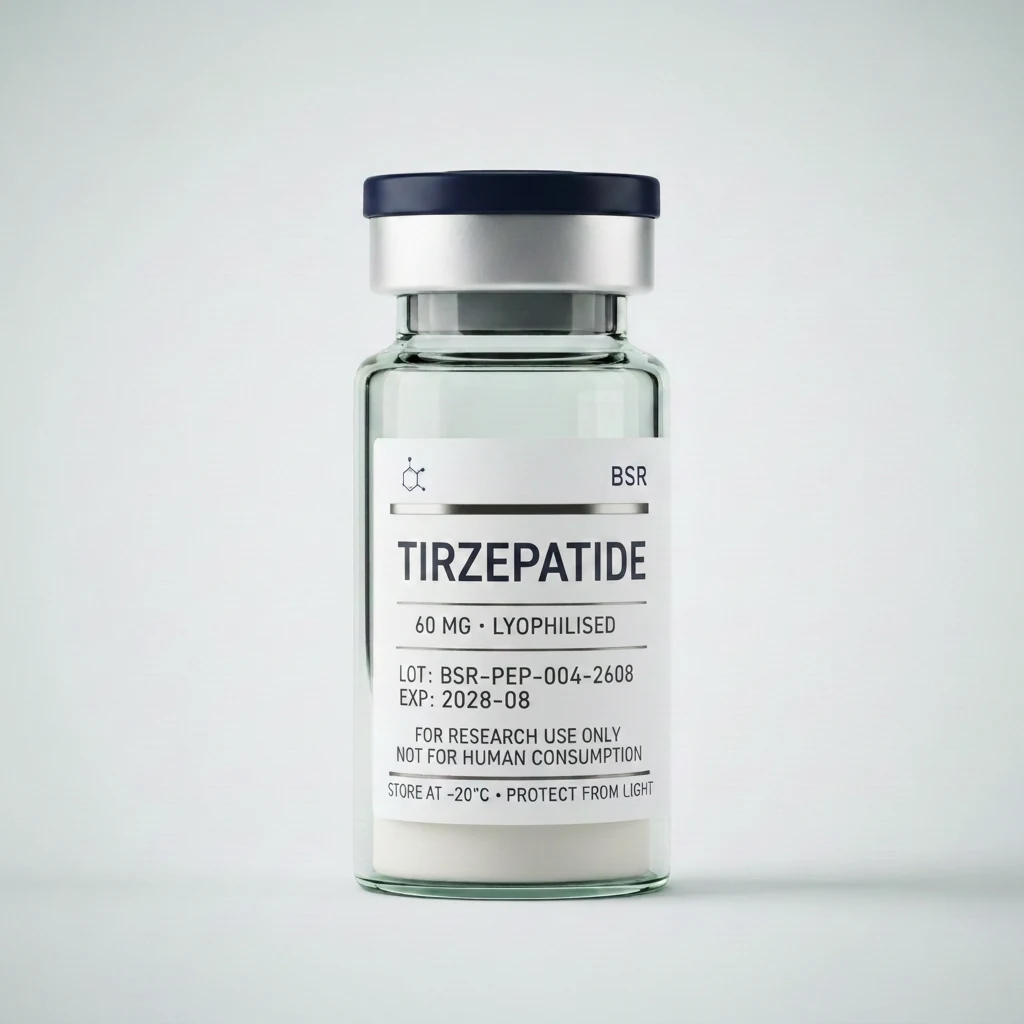
Retatrutide is a once-weekly injectable peptide that activates three hormone receptors simultaneously: the glucose-dependent insulinotropic polypeptide (GIP) receptor, the glucagon-like peptide-1 (GLP-1) receptor, and the glucagon receptor. Retatrutide is an investigational, once-weekly, triple hormone receptor agonist which activates the body's receptors for GIP, GLP-1, and glucagon. The addition of glucagon receptor agonism distinguishes it from tirzepatide, which targets only GIP and GLP-1 receptors, and is the mechanism posited to drive greater energy expenditure and the higher weight-loss figures observed across the TRIUMPH programme.
The GLP-1 agonist clinical pipeline in 2026 is defined by a single trend: each new mechanism pushes weight loss higher. The class began with semaglutide near 15%, advanced to the dual agonist tirzepatide near 21%, and now reaches the triple agonist retatrutide above 28%, while oral pills and monthly injectables crowd in behind.
TRIUMPH programme: the accumulation of five positive studies
The TRIUMPH Phase 3 clinical development programme was designed to evaluate retatrutide across several high-burden populations. The programme is evaluating the safety and efficacy of retatrutide for the treatment of patients with obesity or overweight, moderate-to-severe obstructive sleep apnoea and obesity, and knee osteoarthritis pain across four global registrational trials. The programme, which began in 2023, has enrolled more than 5,800 participants.
The first major milestone came in May 2026, when TRIUMPH-1 data were released. In TRIUMPH-1, participants on 12 mg retatrutide lost an average of 70.3 lbs (28.3%) over 80 weeks, with 45.3% of participants achieving ≥30% weight loss, a level long associated with bariatric surgery. Individuals with a baseline BMI ≥35 who participated in a study extension continued to lose weight, achieving up to an average of 85.0 lbs (30.3%) weight loss at 104 weeks.
The results from TRIUMPH-2 and TRIUMPH-3, announced on 23 July 2026, extend that picture into two higher-risk groups where weight loss tends to be harder to achieve.
TRIUMPH-2: obesity with type 2 diabetes
Lilly announced positive topline results from two additional Phase 3 trials of retatrutide, with the investigational triple hormone receptor agonist meeting the primary endpoint in adults with obesity and type 2 diabetes. In TRIUMPH-2, adults with obesity or overweight and type 2 diabetes lost up to a mean 49.6 lb, or 20.8%, at 80 weeks with retatrutide.
The findings are notable because both trials enrolled patients with obesity and high cardiometabolic risk — groups commonly managed in primary care. TRIUMPH-2 focused on adults with type 2 diabetes, a population in whom weight loss can be more difficult.
The commercial significance of this readout extends beyond the clinical headline. Unlike some earlier diabetes-specific designs, TRIUMPH-2 is a weight management basket trial where participants also have type 2 diabetes. A combined obesity-and-diabetes indication on the label matters commercially: diabetes coverage by Medicare and most commercial insurers is substantially broader than obesity-only coverage.
TRIUMPH-3: severe obesity with established cardiovascular disease
In TRIUMPH-3, adults with severe obesity and established cardiovascular disease, with or without type 2 diabetes, lost up to a mean 55.8 lb, or 22.6%, at 80 weeks.
TRIUMPH-3 enrolled 1,949 adults and demonstrated 21.6%–22.6% mean weight loss with 9–12 mg versus 3.2% with placebo, plus substantial improvements in lipids, blood pressure, hsCRP, and waist circumference.
The cardiovascular risk-factor data were notably strong. The 12 mg dose delivered average reductions in triglycerides, non-HDL cholesterol, and high-sensitivity C-reactive protein of 37%, 16.5%, and 51.2%, respectively.
However, the cardiovascular outcomes picture was less definitive. MACE-5 HR was 0.82 (95% CI, 0.55–1.22) and MACE-3 HR was 1.12 (95% CI, 0.64–1.96), reflecting low event rates and no statistical significance. Lilly attributed this to the trial enrolling a healthier-than-expected population, resulting in fewer major adverse cardiac events than the statistical plan required to demonstrate a significant difference. Full cardiovascular outcomes data will come from the separate TRIUMPH-CVOT study, which remains ongoing.
Regulatory trajectory: BLA in Q1 2027
The results bring the total number of positive Phase 3 studies for retatrutide to five, with Lilly saying it plans to submit a biologics licence application for US approval in the first quarter of 2027.
Lilly stated it now has "the clinical data package to support global submissions for retatrutide as a potential treatment for obesity, knee osteoarthritis pain and obstructive sleep apnoea."
Under standard FDA review timelines, a BLA filed in Q1 2027 would be eligible for a regulatory decision in late 2027 or early 2028. The topline data suggest retatrutide may offer substantial weight reduction and metabolic improvement if approved. However, the agent remains investigational, detailed results have not yet been presented at a medical meeting or published in a peer-reviewed journal, and cardiovascular outcomes remain under study.
Implications for the research supply chain
For research-procurement professionals, retatrutide's regulatory timeline has a direct bearing on the compounding landscape. The FDA updated its safety communication regarding unapproved GLP-1 products in June 2026 and reported 990 adverse events linked to compounded semaglutide and over 730 for compounded tirzepatide, while explicitly warning that investigational drugs like retatrutide cannot be legally compounded.
That prohibition will remain in place throughout the BLA review period. On 30 April 2026, the FDA took the step of proposing to permanently exclude semaglutide, tirzepatide, and liraglutide from the 503B Bulks List — the list of ingredients that large-scale compounding facilities are legally permitted to use. If that change is finalised, it would close the last legal pathway for most compounded GLP-1s. A similar exclusion for retatrutide, should it receive approval, would be expected to follow automatically, given that approved peptide drug substances are ineligible for 503A compounding.
The TRIUMPH data also shift the competitive baseline against which research organisations evaluating GLP-1 mechanisms must now calibrate. Retatrutide at 12 mg weekly currently produces the largest weight loss of any published Phase 3 GLP-1-class compound, exceeding tirzepatide and semaglutide at comparable timepoints. Whether that efficacy advantage translates into a commercially meaningful differentiation from tirzepatide — already the standard of care in many markets — will be central to the pre-launch debate over pricing and positioning.
Detailed trial data from TRIUMPH-2 and TRIUMPH-3 have not yet been published in peer-reviewed journals; the topline results cited here are drawn from the Lilly press release issued 23 July 2026. Research professionals should await full data presentations before drawing definitive conclusions about the magnitude of individual endpoints.
Research-grade material, HPLC verified, certificate of analysis with every order.
The week's Intelligence in one email, every Friday morning.
Regulatory moves, trial readouts, supply-chain news. No product pitches. Unsubscribe in one click.
More in Pharma & GLP-1
Novo Nordisk Bets €1.165 Billion on Atomic-Layer Deposition to Convert Semaglutide Into a Once-Quarterly Injectable
08 Oct 2026
Lilly at EASD 2026: Retatrutide's TRIUMPH-2 Phase 3 Readout, Foundayo's Lancet Cardiovascular Data, and What eloraTZP Signals for the Next Generation of Incretin Combinations
01 Oct 2026
Novo Nordisk Licenses Hengrui's Once-Weekly Oral GLP-1/GIP Dual Agonist HRS-1596 in a Deal Worth Up to $2.6 Billion
30 Sep 2026