Industry & Community · 25 Jul 2026
Samsung Biologics Bids $1.8 Billion for Swiss Peptide CDMO PolyPeptide Group in Korea's Largest-Ever Pharma Deal
Samsung Biologics launched an all-cash public tender offer of CHF 1.46 billion ($1.8 billion) for Switzerland's PolyPeptide Group on 20 July 2026 — the largest biopharmaceutical M&A transaction in South Korean history. The deal brings a 70-year-old peptide CDMO, six GMP-certified manufacturing sites, and direct exposure to GLP-1 API demand under Samsung Biologics' roof, and signals how urgently global CDMO operators are moving to secure peptide manufacturing capacity ahead of a projected $29…
22 sources cited
Key takeaways
- Samsung Biologics announced an all-cash public tender offer of CHF 1.46 billion (approximately $1.8 billion) for PolyPeptide Group AG on 20 July 2026, the largest M&A deal in South Korean pharmaceutical and biotech history.
- PolyPeptide, founded in 1952 and listed on the SIX Swiss Exchange, operates six GMP-certified manufacturing sites across Sweden, Belgium, France, the United States, and India, and has a track record of producing more than 1,000 therapeutic peptides.
- The strategic rationale centres on securing peptide API manufacturing capacity as demand for GLP-1-class obesity and diabetes treatments continues to rise; the global peptide CDMO market is projected to grow at roughly 20% per annum to around $29 billion by 2035.
- PolyPeptide's largest shareholder has already committed to tender its 55.65% stake; the transaction requires acceptance of at least two-thirds of shares and is expected to close by end of 2026.
The transaction
South Korea's Samsung Biologics announced on Monday that it had made an all-cash bid of CHF 1.46 billion ($1.8 billion) for Switzerland's PolyPeptide Group, which specialises in peptide-based active pharmaceutical ingredients. Under the terms of the public tender offer, shareholders will receive CHF 44.31 per share — a 6.1% premium over PolyPeptide's last unaffected closing price and 40% above the level at which acquisition rumours first emerged in the market.
The acquisition represents the largest biopharmaceutical M&A deal in South Korean history, Samsung Biologics said. The transaction was approved at a Samsung Biologics board meeting on 17 July 2026. The largest shareholder, Draupnir Holding B.V., has committed to tendering its entire 55.65% stake; for the offer to succeed at least 66.7% of total issued shares must be tendered, and the company intends to complete all acquisition procedures by end of December 2026.
PolyPeptide's board unanimously recommended the offer. J.P. Morgan is acting as exclusive financial adviser to Samsung Biologics, with O'Melveny & Myers LLP and Schellenberg Wittmer Ltd serving as legal advisers. Once the offer is successfully completed, Samsung Biologics intends to pursue a squeeze-out of any remaining minority shares and to delist PolyPeptide from the SIX Swiss Exchange, at which point PolyPeptide would become a wholly owned subsidiary.
Who is PolyPeptide Group?
Since 1952, when PolyPeptide began commercial peptide production in Malmö, Sweden, the company has accumulated deep technical experience by manufacturing over 1,000 peptides in GMP quality. It was spun off from the peptide division of Ferring Pharmaceuticals in 1996 and is headquartered in Baar, Switzerland.
PolyPeptide Group is a focused CDMO for peptide- and oligonucleotide-based active pharmaceutical ingredients. The company oversees the entire process from peptide API process development through to clinical sample production and commercial manufacturing, operating six manufacturing facilities across five countries — the United States, Belgium, France, Sweden, and India — and employing roughly 1,500 people.
The company is noted for eco-friendly manufacturing technology that substantially reduces organic solvent usage during peptide production, offering advantages in both production efficiency and cost. Its manufacturing capabilities include solid-phase peptide synthesis (SPPS), enabling production of a wide range of therapeutic peptides, vaccine peptides, and peptide APIs.
In 2025, PolyPeptide recorded sales of €389.3 million, up 15.6% from the prior year; EBITDA grew 84.4% year-on-year to €46.8 million. Its broad portfolio carries significant exposure to metabolic diseases, including GLP-1.
Strategic rationale: securing peptide API capacity
The acquisition significantly broadens Samsung Biologics' manufacturing portfolio by adding peptide-based active pharmaceutical ingredients, a rapidly expanding market fuelled by soaring demand for obesity and diabetes treatments, including GLP-1 therapies.
Samsung Biologics had previously built its position around large-scale antibody drugs and antibody-drug conjugates. The company said combining its large-scale biologics manufacturing capabilities with PolyPeptide's expertise will create an end-to-end multi-modality CDMO platform spanning antibodies, antibody-drug conjugates, and peptide therapeutics.
CEO John Rim stated: "The acquisition reinforces our long-term growth strategy by broadening our service portfolio into peptides, including GLP-1 therapies, while further expanding our geographic reach across the United States, Europe and India."
The peptide CDMO market is expected to grow from approximately $5.52 billion in 2026 at a compound annual growth rate of 20.3%, reaching around $29 billion by 2035, with 62–64% of developers relying on outsourcing due to the complexity of peptide synthesis processes. According to Grand View Research, the global peptide therapeutics market was valued at $140.9 billion in 2025 and is forecast to reach up to $294.6 billion by 2033.
Manufacturing footprint and operational implications
With the acquisition, Samsung Biologics immediately gains six production and research sites across five countries and approximately 1,500 specialist personnel. Key locations include Malmö (Sweden), Braine (Belgium), Torrance and San Diego (USA), Strasbourg (France), and Ambernath (India).
Combined with Samsung Biologics' existing factories in Songdo (Incheon, Korea) and Rockville (Maryland, USA), the enlarged group will operate a production network spanning Korea, the United States, Europe, and India.
The planned acquisition extends beyond adding capacity; it lays the foundation for Samsung Biologics' next phase of growth, supported by a strong pipeline of active peptide projects that includes a deep late-stage portfolio. The company intends to maximise operational synergies by combining its accumulated know-how in large-scale facility design with PolyPeptide's peptide process technology, and plans to review additional expansion of peptide production capacity in line with future market growth.
Samsung Biologics expects to secure stable revenue immediately after the acquisition by inheriting PolyPeptide's existing CDMO order contracts.
For research procurement teams, the ownership change at PolyPeptide is unlikely to disrupt existing contractual supply arrangements during the transition period; the tender offer structure and anticipated closing timeline mean day-to-day operations should continue under existing management while regulatory approvals are obtained across multiple jurisdictions.
Market context: pressure to consolidate peptide manufacturing
The Samsung–PolyPeptide transaction does not occur in isolation. The broader peptide therapeutics investment environment has intensified markedly in 2026. Peptide therapeutics venture deal volume in Q1 2026 reached $2.8 billion across 47 disclosed transactions, with investor focus shifting from pure-play GLP-1 exposure toward diversified peptide platform companies with multi-indication potential.
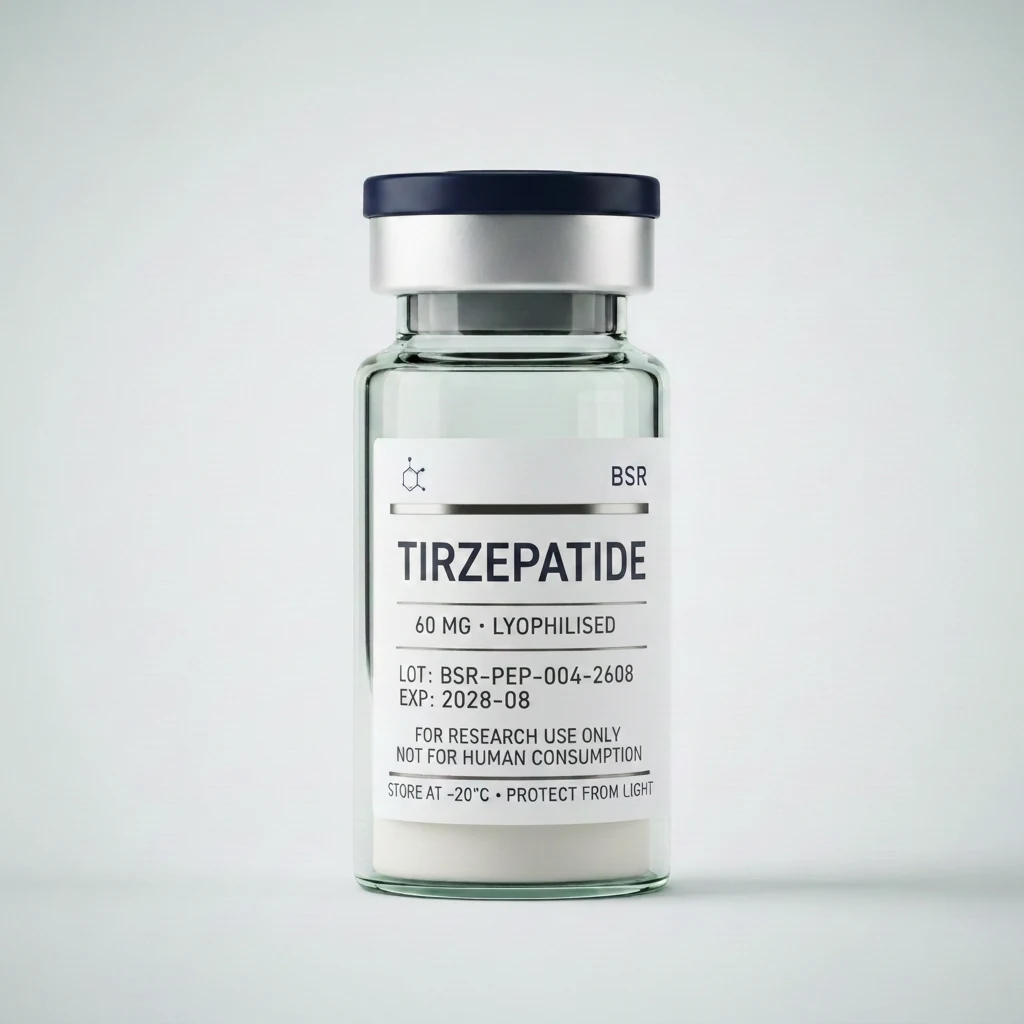
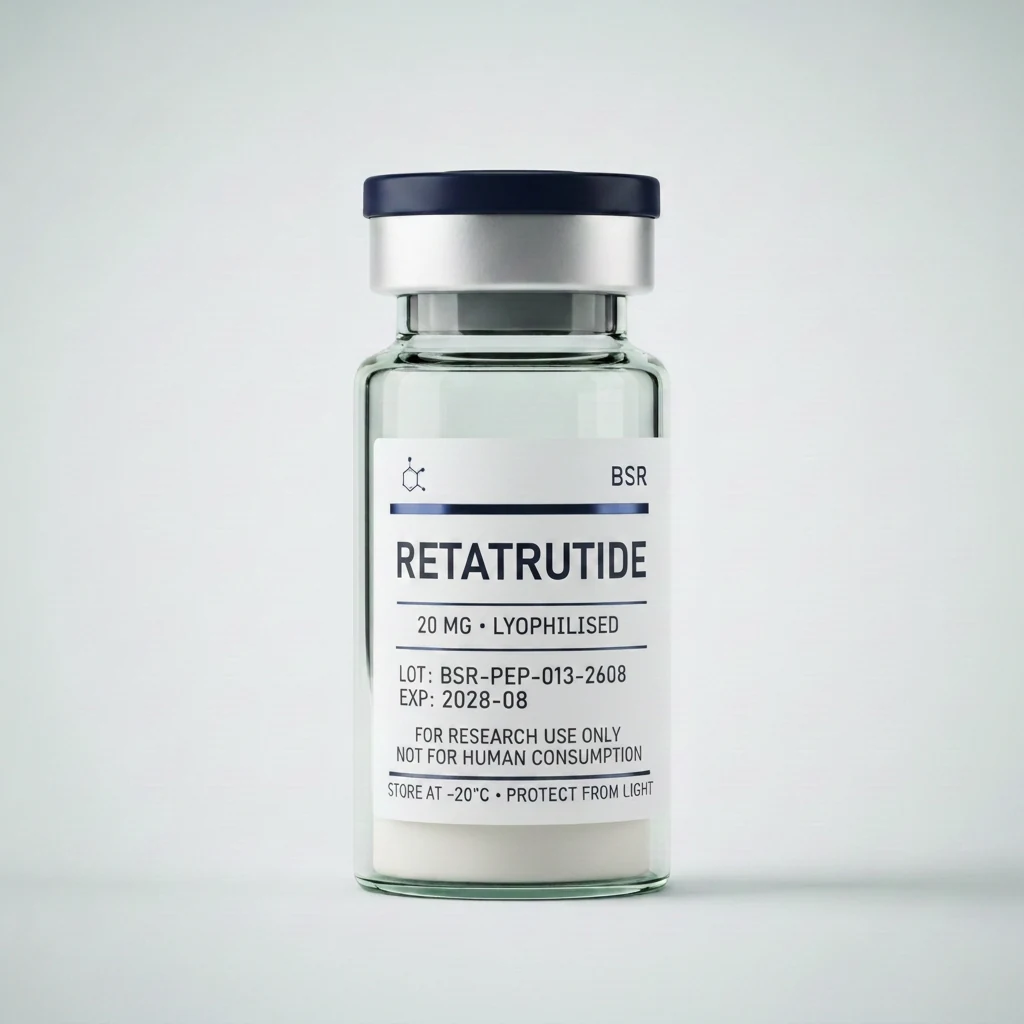
The GLP-1 agonist clinical pipeline in 2026 is defined by escalating efficacy: the class moved from semaglutide at roughly 15% average weight loss, to the dual agonist tirzepatide at around 21%, and now reaches the triple agonist retatrutide above 28%, while oral pills and monthly injectables crowd in behind them. Each successive generation requires peptide API at commercial scale, sustaining pressure on CDMO capacity.
In April 2026, the FDA approved orforglipron, the first oral small-molecule, non-peptide GLP-1 receptor agonist for weight management. While orforglipron is a small molecule and therefore outside peptide API manufacturing, the approval underscores the competitive urgency driving branded manufacturers and their CDMO partners to expand capacity before the treatment landscape shifts further.
Separately, the FDA is simultaneously tightening the regulatory environment for compounded GLP-1s: on 30 April 2026, the FDA took the sweeping step of proposing to permanently exclude semaglutide, tirzepatide, and liraglutide from the 503B Bulks List, a move that, if finalised, would eliminate the last legal pathway for most compounded GLP-1 products and concentrate commercial production further among licensed branded and CDMO suppliers.
Implications for the peptide research supply chain
For UK research laboratories procuring peptide reference materials and research-grade APIs, the consolidation of the CDMO landscape carries practical significance. As large-scale contract manufacturers align capacity with GLP-1 commercial production, manufacturing capacity for non-GLP-1 research peptides may face increased scheduling pressure. Procurement teams should monitor whether PolyPeptide's existing partnerships — which span pre-clinical through commercial supply — are maintained, expanded, or renegotiated under Samsung Biologics' ownership.
PolyPeptide CEO Juan Jose Gonzalez described the deal as creating "a formidable new partner to lead the next phase of growth in the peptide CDMO market." Whether the enlarged organisation continues to serve smaller research and clinical-stage clients with the same flexibility as before will be a key question for procurement professionals to assess as the transaction progresses toward its anticipated December 2026 close.
Samsung Biologics shares slipped 1.3% in early Monday trading, a reaction analysts attributed to short-term concerns over the scale of the cash outlay rather than any strategic objection to the deal.
Research-grade material, HPLC verified, certificate of analysis with every order.
The week's Intelligence in one email, every Friday morning.
Regulatory moves, trial readouts, supply-chain news. No product pitches. Unsubscribe in one click.
More in Industry & Community
Samsung Biologics Clears the PolyPeptide Threshold: What the Tender Offer Result Means for Peptide API Supply Chains
18 Oct 2026
REX Peptide ETF Launches on Nasdaq: What the First Dedicated Peptide Equity Vehicle Signals About Sector Capital and Research-Supply Dynamics
14 Oct 2026
Multiplexed LC-HRMS for Nine GLP-1 Receptor Agonists: What a New Validated Method Means for Peptide Quality Control in Research Labs
13 Oct 2026