Industry & Community · 25 Jul 2026
The Oral GLP-1 Race in 2026: What the Shift from Peptide Injections to Small-Molecule Pills Means for the Research Supply Chain
The MHRA approved the first oral GLP-1 tablet for weight loss in June 2026, and the FDA followed with orforglipron (Foundayo) — the first non-peptide small-molecule GLP-1 — in April. Head-to-head trial data now favour the small-molecule entrant on both glycaemic control and weight loss, raising structural questions for peptide API manufacturers and research-grade suppliers about where future demand will concentrate.
12 sources cited
Key takeaways
- On 11 June 2026, the MHRA licensed oral semaglutide (Wegovy tablet, 25 mg) as the UK's first oral GLP-1 receptor agonist approved for weight management, opening private prescribing immediately.
- In April 2026, the FDA approved orforglipron (brand name Foundayo) — the first non-peptide, small-molecule oral GLP-1 receptor agonist — for chronic weight management; it requires no food or water restrictions.
- Phase 3 ACHIEVE-3 head-to-head data, published in The Lancet in February 2026, show orforglipron delivered superior glycaemic control and roughly 73% greater relative weight loss than oral semaglutide at matched doses over 52 weeks, albeit with a higher discontinuation rate due to gastrointestinal adverse events.
- The structural divergence between peptide-based GLP-1s and non-peptide small molecules carries implications for API manufacturing, cold-chain logistics, and long-term peptide research-reagent demand that procurement professionals should monitor.
From injection to tablet: the regulatory milestones
The injectable GLP-1 receptor agonists semaglutide and tirzepatide have dominated cardiometabolic prescribing since 2022, accumulating roughly $132 billion in combined global sales in 2025. Oral dosing has been pursued for years, but two 2026 approvals mark a genuine inflection.
In the United Kingdom, the MHRA approved oral semaglutide 25 mg (Wegovy tablet) for weight management on 11 June 2026, making it the first oral GLP-1 receptor agonist licensed for obesity in the UK. Rybelsus — the 7 mg and 14 mg oral semaglutide formulation — had been available for type 2 diabetes since 2019 but carried no weight-loss indication. The Wegovy pill is now available to UK patients privately on prescription; NHS access is subject to a separate NICE cost-effectiveness review, with the injectable formulations having taken years to reach broad NHS formulary inclusion. As of July 2026, the pattern for the tablet is expected to mirror that trajectory.
Across the Atlantic, the FDA approved orforglipron in April 2026 under the brand name Foundayo for chronic weight management in adults with obesity or with overweight plus at least one weight-related condition. This was a structurally distinct event: orforglipron is a non-peptide, small-molecule GLP-1 receptor agonist — unlike semaglutide, which is a peptide that must be protected from gastric degradation and therefore carries specific administration restrictions. Orforglipron can be taken any time of day without food or water restrictions and, as a small molecule, is considerably easier to manufacture at scale than peptide-based agents.
In the UK, orforglipron remains under MHRA review as of July 2026, with a UK launch anticipated in late 2026 or into 2027, subject to regulatory approval. Eli Lilly has submitted the compound for review in over 40 countries. NHS prescribing is unlikely before 2027 at the earliest, pending a separate NICE assessment following any MHRA decision.
ACHIEVE-3: what the head-to-head data show
The clearest clinical signal for procurement professionals to understand is the ACHIEVE-3 trial, a Phase 3, 52-week, randomised, open-label head-to-head comparison of orforglipron against oral semaglutide in adults with type 2 diabetes inadequately controlled on metformin. The trial enrolled 1,698 participants across four active treatment arms: orforglipron 12 mg and 36 mg, against oral semaglutide 7 mg and 14 mg.
At 52 weeks, orforglipron 36 mg reduced HbA1C by 2.2% from a baseline of 8.3%, compared with a 1.4% reduction with oral semaglutide 14 mg. Weight loss outcomes also favoured orforglipron: participants receiving orforglipron 36 mg lost 9.2% of body weight (approximately 19.7 lb), compared with 5.3% (approximately 11.0 lb) with oral semaglutide 14 mg — representing a 73.6% greater relative weight loss at matched high doses. Detailed results were published in The Lancet.
Tolerability, however, qualified these findings. Treatment discontinuation rates due to adverse events were 8.7% for orforglipron 12 mg and 9.7% for orforglipron 36 mg, compared with 4.5% for oral semaglutide 7 mg and 4.9% for oral semaglutide 14 mg. Gastrointestinal adverse events — nausea, diarrhoea, vomiting, dyspepsia — were more frequent with orforglipron, particularly during dose escalation. A separate analysis published in July 2026 found that approximately 59% of participants on orforglipron reported gastrointestinal symptoms, compared with 37–45% on oral semaglutide, possibly related to the more prominent daily peak drug concentrations associated with orforglipron's pharmacokinetic profile.
The net picture, according to published commentary, is that in a crowded and competitive market, long-term adherence — shaped as much by tolerability as by efficacy — is likely a critical differentiator. Eli Lilly plans to file for FDA approval of orforglipron in type 2 diabetes in 2026, adding a second indication to the obesity approval already in place.
The pipeline context: efficacy staircase and what lies beyond
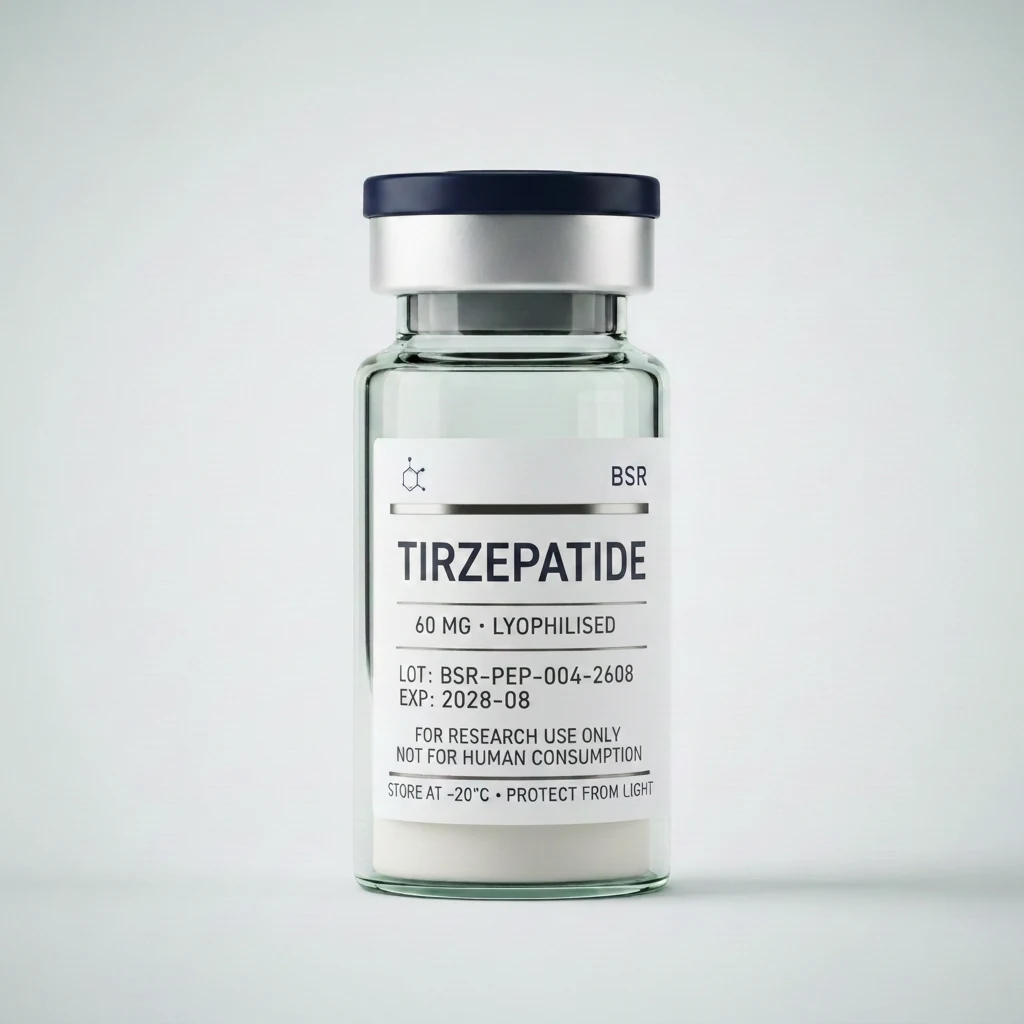
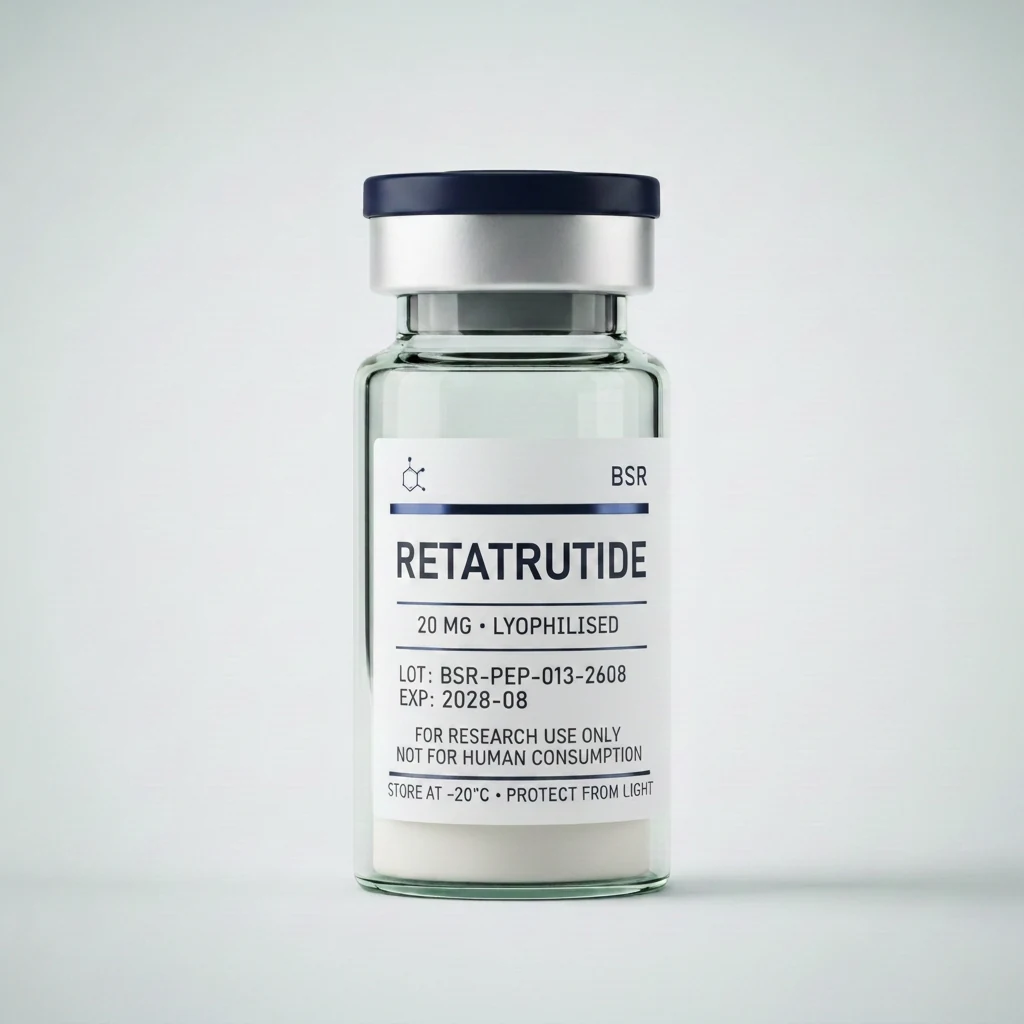
It is worth locating the oral entrants within the broader GLP-1 pipeline. The GLP-1 agonist class has progressed from semaglutide at roughly 15% average weight loss to the dual agonist tirzepatide at approximately 21%, to the triple agonist retatrutide above 28%. Oral agents trade peak efficacy for access: orforglipron at the top dose produced approximately 12% weight loss at 72 weeks, trailing the leading injectables, but its significance is about access rather than maximum efficacy.
The ATTAIN-MAINTAIN switch-trial data also matter clinically. In the ATTAIN-MAINTAIN trial, switching from injectable tirzepatide to oral orforglipron preserved 74.7% of weight loss over a year; switching from injectable semaglutide preserved 79.3%. This positions orforglipron as a maintenance option for patients who achieve initial weight loss on injectables and wish to transition to oral dosing — a clinically meaningful niche for NHS pathway planners.
Structural implications for the peptide research supply chain
The rise of small-molecule GLP-1 agents such as orforglipron introduces a structural divergence that procurement professionals at peptide research organisations should factor into medium-term planning.
Manufacturing chemistry. Orforglipron's non-peptide architecture means it is synthesised through conventional small-molecule chemistry rather than solid-phase peptide synthesis (SPPS). It does not require the specialised peptide API manufacturing capacity — including SPPS reactors, HPLC purification trains, and lyophilisation suites — that semaglutide, tirzepatide, and retatrutide demand. The capacity crunch that drove the Samsung Biologics bid for PolyPeptide (announced 20 July 2026) reflects demand for peptide API manufacturing, which orforglipron-class molecules do not require. If non-peptide small-molecule GLP-1s capture a significant share of the obesity market, some of the anticipated long-term demand for peptide CDMO capacity may not materialise to the degree the market currently prices in.
Cold-chain and stability. Peptide GLP-1 agents require refrigerated distribution and precise reconstitution conditions. As a small molecule, orforglipron does not share these constraints, simplifying logistics and potentially reducing cost-of-goods. Research organisations evaluating GLP-1 receptor biology using peptide-based tool compounds should note that the mechanistic parallels between peptide and small-molecule agonists remain intact — both act at the GLP-1 receptor — but the receptor pharmacology of small molecules may differ in ways relevant to preclinical model selection.
Compounding market pressure. The FDA's April 2026 proposal to formally exclude semaglutide, tirzepatide, and liraglutide from the 503B Bulks List — finding no clinical need for outsourcing facilities to compound these agents from bulk substances — removes the last regulatory pathway for large-scale compounding of approved GLP-1 peptides. If finalised, this proposal would prohibit 503B outsourcing facilities from compounding these agents from bulk substances under any circumstances, regardless of future market conditions. This reduces the addressable market for research-grade semaglutide and tirzepatide API in the US, whilst the UK market for licensed product is served exclusively through Novo Nordisk and Eli Lilly's authorised supply chains.
Research reagent demand. For laboratories studying GLP-1 receptor biology, metabolic regulation, or screening compounds for incretin activity, the practical implication is that peptide-based GLP-1 tool compounds retain scientific relevance regardless of the commercial shift. However, procurement leads should anticipate continued regulatory scrutiny of sourcing channels and ensure that any GLP-1 peptide used in research settings is procured with full documentation of synthesis origin, Certificate of Analysis, and purity confirmation by mass spectrometry or HPLC — the standards the FDA's compounding enforcement actions have made increasingly important to demonstrate.
Outlook
The 2026 oral GLP-1 landscape is genuinely bifurcated: a peptide-based tablet (oral semaglutide 25 mg) now licensed in the UK and US for obesity, and a small-molecule entrant (orforglipron/Foundayo) FDA-approved and under MHRA review, with superior Phase 3 efficacy on glycaemic endpoints but a tolerability gap to close. Eli Lilly has submitted orforglipron for regulatory review in over 40 countries, suggesting the MHRA decision is a matter of timing rather than probability.
For research-procurement professionals, the headline is straightforward: the GLP-1 class is no longer synonymous with peptide chemistry, and that distinction has supply-chain, regulatory, and scientific implications that will compound over the next two to three years.
Research-grade material, HPLC verified, certificate of analysis with every order.
The week's Intelligence in one email, every Friday morning.
Regulatory moves, trial readouts, supply-chain news. No product pitches. Unsubscribe in one click.
More in Industry & Community
Samsung Biologics Clears the PolyPeptide Threshold: What the Tender Offer Result Means for Peptide API Supply Chains
18 Oct 2026
REX Peptide ETF Launches on Nasdaq: What the First Dedicated Peptide Equity Vehicle Signals About Sector Capital and Research-Supply Dynamics
14 Oct 2026
Multiplexed LC-HRMS for Nine GLP-1 Receptor Agonists: What a New Validated Method Means for Peptide Quality Control in Research Labs
13 Oct 2026