Regulatory & Policy · 11 Oct 2026
FDA Career Scientists Formally Oppose Administration's Interim Peptide Dispensing Plan — and What the Internal Split Means for Research Procurement
FDA drug centre staff have publicly stated they will not recommend allowing temporary compounding of unapproved peptides, placing career scientists in direct opposition to a Trump administration plan reported on 7 October 2026. The institutional fault line now visible inside the agency has immediate implications for how quickly — and through which channel — restricted peptides could re-enter legitimate supply.
9 sources cited
Key takeaways
- The Trump administration is reported to be preparing a plan that would allow certain previously restricted peptides to be sold temporarily while federal officials complete new rulemaking, according to a Washington Post report published 7 October 2026, citing two anonymous sources.
- Within 24 hours, Citeline's Pink Sheet reported that FDA drug centre staff stated they would not recommend allowing temporary compounding of unapproved peptides, arguing the move raises patient safety concerns and weakens the drug approval process.
- The Alliance for Pharmacy Compounding (APC) has formally requested interim enforcement discretion for state-licensed compounding pharmacies, paired with specific patient-protection conditions.
- Legal counsel cautions that the PCAC recommendations adopted in July 2026 do not make six peptides immediately available; notice-and-comment rulemaking is still required and could take one to two years.
- Safety organisations ECRI and ISMP have warned that gaps in safety and efficacy data for the peptides in question remain unresolved.
- The same political dynamic is now attracting the grey-market stem cell sector, which is lobbying the FDA for analogous concessions, signalling that the peptide deregulation debate may widen further.
The administration plan and what is known
The Washington Post reported on 7 October 2026 that the Trump administration is crafting plans that would allow the temporary sale of certain previously restricted peptides while federal health officials work on new regulations. According to the report, such a move would allow some compounding pharmacies to dispense certain peptides marketed as new medical treatments and wellness products, even though the claims for what they treat have not been fully safety tested.
Crucially, the plan remained unannounced at time of writing. Its timing is unclear, it could still change, and it is not known which peptides would be included. Sources said federal officials are seeking guardrails around the policy, and HHS did not comment.
The Alliance for Pharmacy Compounding has been among the most active industry voices. The APC has asked the FDA for interim enforcement discretion, which would let state-licensed compounding pharmacies prepare the drugs for patients with a prescription, and has called for conditions that include enhanced patient disclosures, serious adverse event reporting, and data collection on peptide use. In its own statement, the APC described this as a preferable alternative to illicit markets.
The FDA staff response
The most significant development for procurement professionals is the formal internal resistance within the agency. FDA drug centre staff stated they will not recommend allowing temporary compounding of unapproved peptides, and said the move to allow compounding of some unapproved peptide products raises patient safety concerns and weakens the drug approval process.
This is not a minor technical disagreement. The PCAC meeting of 23–24 July 2026 already exposed the same fault line: in a highly unusual move, the FDA committee voted against FDA staff's own advice, recommending that six peptides be added to a list that will allow certain specialty pharmacies to dispense them. FDA scientists said there is not enough evidence on the peptides' safety and effectiveness, but the agency's Pharmacy Compounding Advisory Committee — which was reshaped with wellness clinic physicians before the meeting — voted in July to recommend six of the seven.
Safety groups ECRI and ISMP warned after the PCAC vote that gaps in safety and efficacy data remain unresolved. One committee member's comment from the July meeting captures the concern that persists: "I'm concerned that we're responding to a market-induced demand rather than a decision based in solid science," said Dr. Elizabeth Rebello, executive director of anesthesiology, critical care, and pain medicine at the University of Texas MD Anderson Cancer Center.
The legal position: rulemaking timelines have not shortened
Whatever political momentum sits behind the enforcement-discretion plan, the administrative law requirements are unchanged. PCAC's recommendation that six peptides be added to the 503A Bulks List does not make those peptides immediately available for lawful compounding. The FDA must still decide whether to adopt the recommendations and complete the required rulemaking process, which could take one to two years.
Legal analysts have consistently underlined what that means in practice. These substances currently exist in a regulatory grey zone. They are no longer designated as posing a "significant safety risk," but they have not been affirmatively authorised for compounding under Section 503A or FDA guidance. Compounders who interpret removal from Category 2 as implicit permission to compound do so at considerable enforcement risk.
The enforcement-discretion mechanism is the administration's apparent attempt to bridge that gap — but it is not without precedent and carries its own risks. One analysis suggests that resistance within the FDA and its CDER branch to following the PCAC recommendation may itself be triggering the enforcement discretion option. In other words, the administration may be reaching for an extra-statutory tool precisely because the normal pathway through CDER is stalled.
Simultaneous pressure from a new front: stem cells
The peptide deregulation story has now attracted a second sector seeking similar treatment. Peptides gained legitimacy at the FDA after being embraced by the MAHA movement, and advocates hope stem cell treatments will follow the same path. At PepMed 2026, a conference held by the American Academy of Peptide Medicine, one stem cell entrepreneur told STAT News that he expected FDA roundtables on the topic before year-end, though the FDA declined to confirm any such events were imminent.
Advocates for grey-market stem cell therapies are intensifying their lobbying efforts at the FDA, seeking regulatory concessions that mirror the recent policy shifts granted to peptide treatments. Unlike peptides, which are often synthesised in controlled laboratory environments, many grey-market stem cell treatments involve the extraction, manipulation, and re-injection of biological materials, a process that carries inherent risks of contamination and unpredictable biological behaviour.
The stem cell push is relevant to peptide procurement professionals because it illustrates that the enforcement-discretion mechanism, if applied to peptides, could rapidly become a template for other unregulated therapeutic categories — potentially complicating the FDA's ability to maintain a coherent regulatory posture across biologics and small molecules alike.
Implications for UK and European research procurement
UK researchers and laboratory procurement officers operate in a different regulatory environment, but the US situation matters for several reasons. First, a large proportion of research-grade peptides reaching UK facilities originate from US-registered or China-based suppliers whose products reflect US regulatory conditions. Second, if the enforcement-discretion plan does proceed, a short-term expansion of compounded peptide supply in the US market could affect grey-market pricing and availability globally — not necessarily in a direction favourable to quality assurance.
The developments underscore the importance for peptide businesses, compounding pharmacies, and practitioners to closely monitor FDA rulemaking, enforcement activity, and litigation as the regulatory landscape continues to evolve.
For UK laboratories, the practical conclusion is straightforward: the US regulatory debate is moving rapidly at the political level, but the legal framework for authorised compounding has not changed and is unlikely to change within the next twelve months. Sourcing decisions made on the assumption that enforcement discretion equates to legal authorisation carry procurement and compliance risk. Procurement officers should request up-to-date Certificates of Analysis and confirm supplier compliance with applicable UK and EU regulations irrespective of any US enforcement-discretion announcements that may follow.
What to watch next
- Whether HHS or the FDA Commissioner formally announces an enforcement-discretion policy — and, if so, which specific peptides are named and under what conditions.
- Whether CDER staff resistance escalates into any form of documented refusal or inter-agency dispute record that could affect the legal defensibility of any enforcement-discretion instrument.
- The timeline for notice-and-comment rulemaking on the six PCAC-recommended peptides: any Federal Register publication of a proposed rule would mark the first concrete step toward legally authorised compounding.
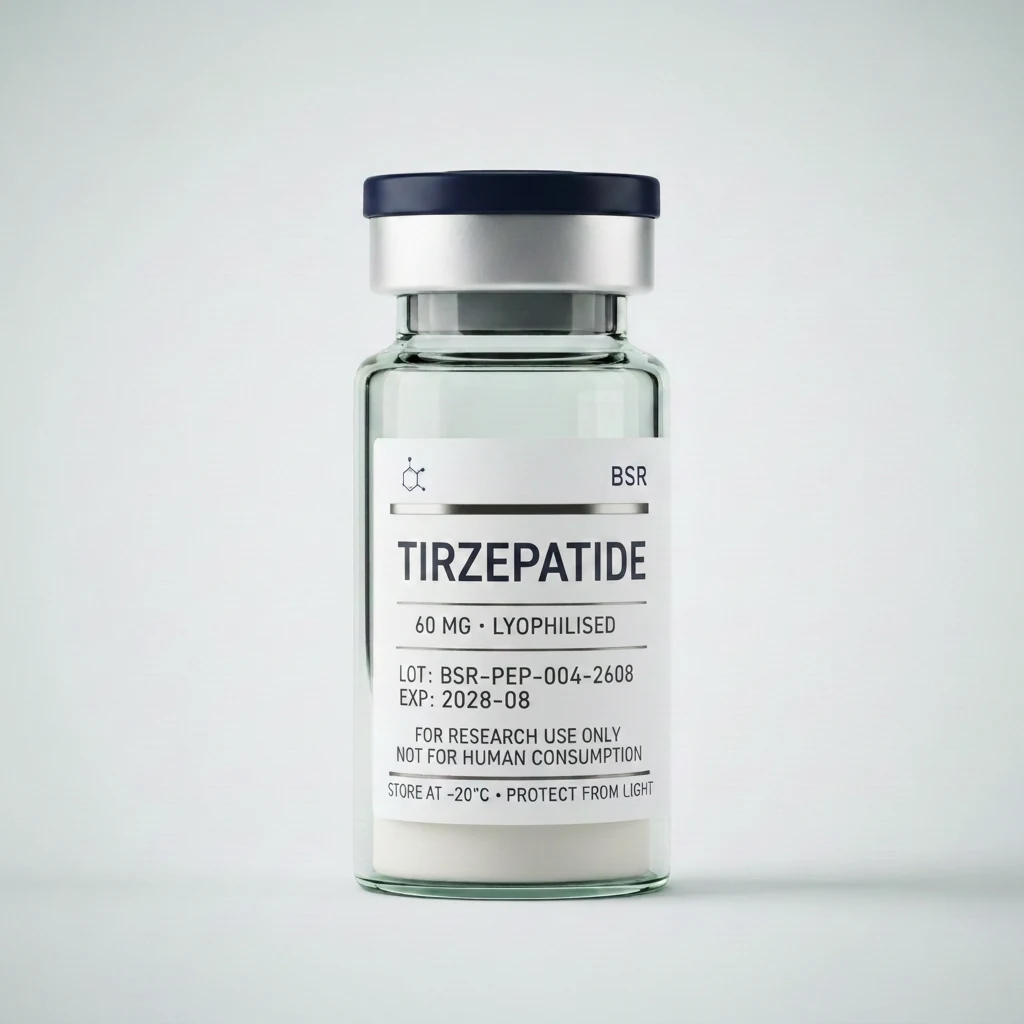
- Whether the FDA's posture on compounded GLP-1 products — where it has already proposed to formally exclude semaglutide, tirzepatide, and liraglutide from the 503B bulks list — is used as precedent or counter-argument in the peptide enforcement-discretion debate.
Research-grade material, HPLC verified, certificate of analysis with every order.
The week's Intelligence in one email, every Friday morning.
Regulatory moves, trial readouts, supply-chain news. No product pitches. Unsubscribe in one click.
More in Regulatory & Policy
One Amino Acid, Three High Stakes: What the Seventh Circuit's Pending Retatrutide Ruling Means for Exclusivity, Medicare Pricing, and Compounding Access
12 Oct 2026
HHS Stopgap Plan for Restricted Peptides: What the Reported Enforcement-Discretion Proposal Means for Research Procurement
09 Oct 2026
After the PCAC Vote: What the Six-Peptide 503A Recommendation Means in Practice — and How Long the Road to Legal Compounding Remains
05 Oct 2026