Regulatory & Policy · 09 Oct 2026
HHS Stopgap Plan for Restricted Peptides: What the Reported Enforcement-Discretion Proposal Means for Research Procurement
The Trump administration is reported to be crafting a stopgap that would allow certain previously restricted peptides to be sold temporarily through compounding pharmacies while formal rulemaking proceeds — a development with direct implications for research procurement, supply chain integrity, and the ongoing FDA enforcement posture on GLP-1 combination products.
13 sources cited
Key takeaways
- The Trump administration is reported to be preparing a stopgap measure that would permit compounding pharmacies to dispense certain previously restricted peptides on a temporary basis while the FDA completes formal rulemaking, according to a Washington Post report published 7 October 2026.
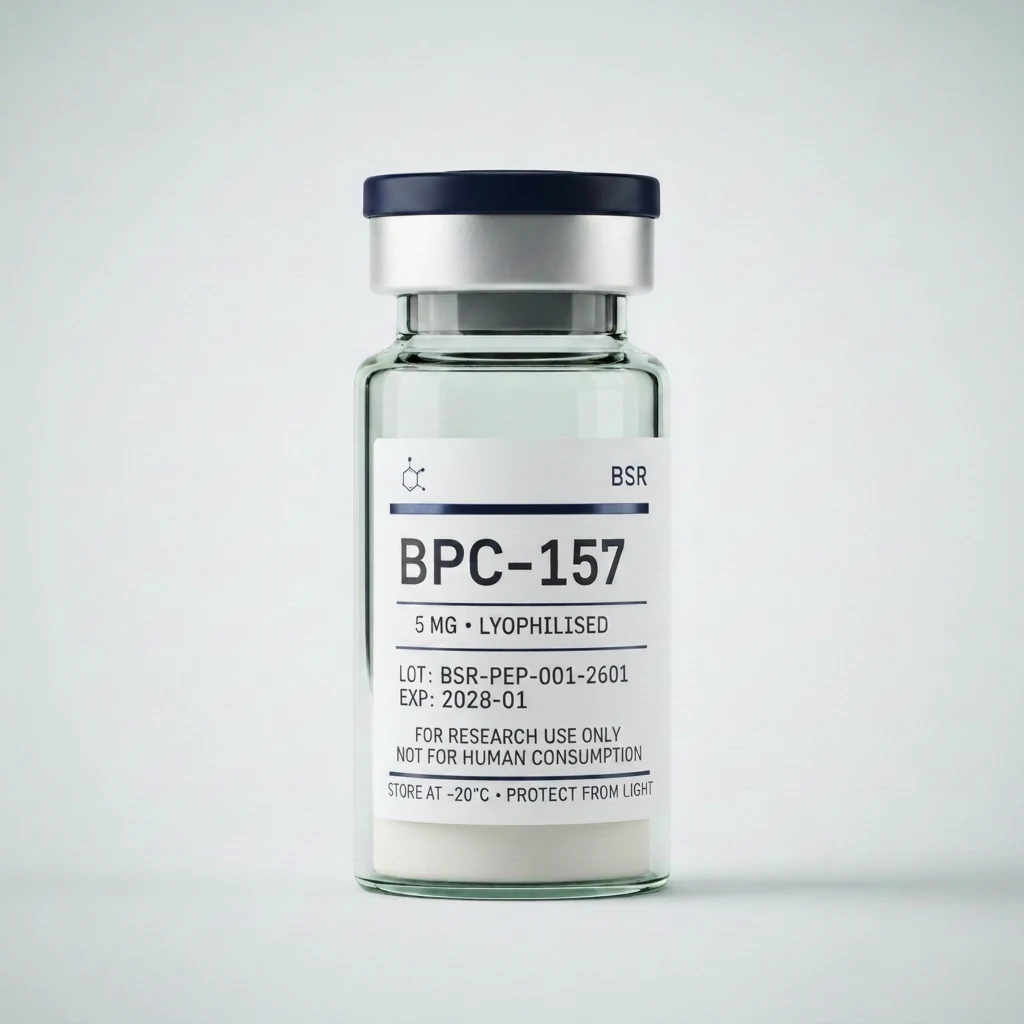
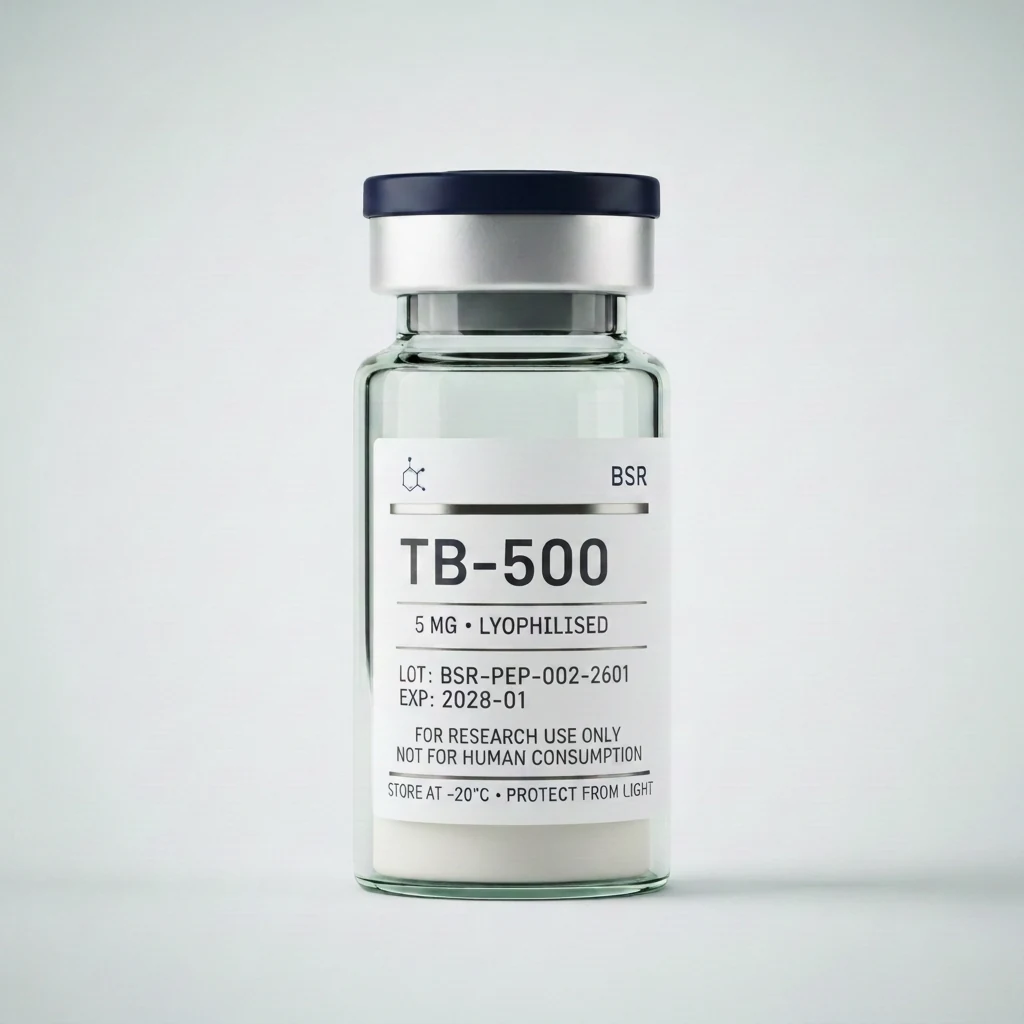
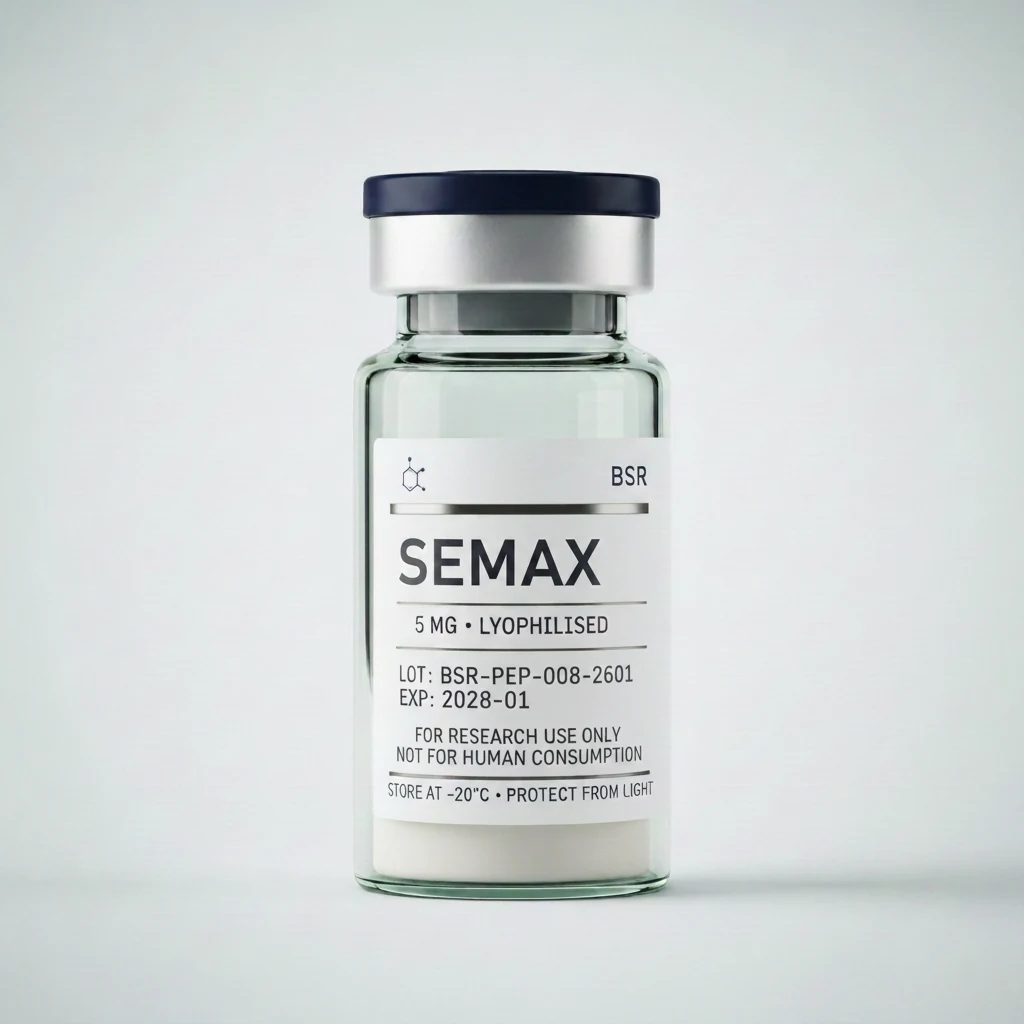
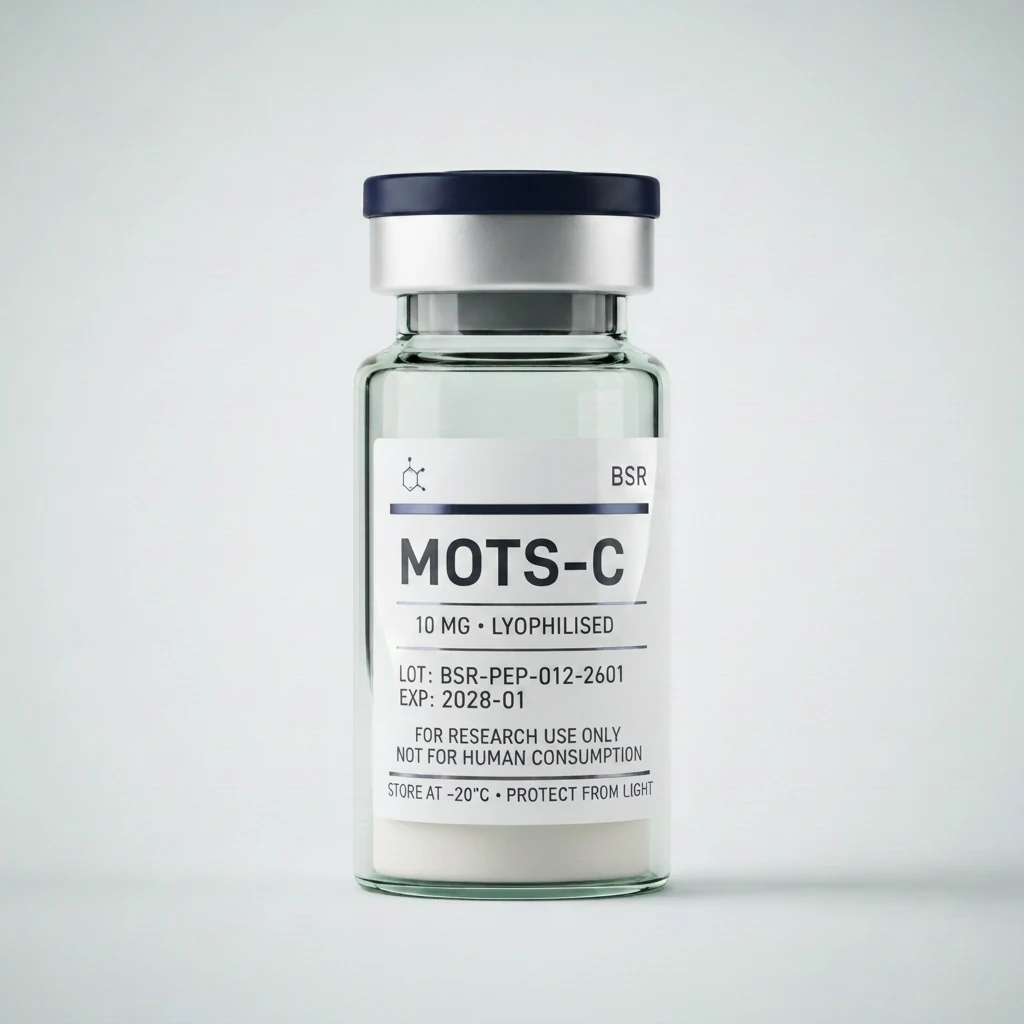
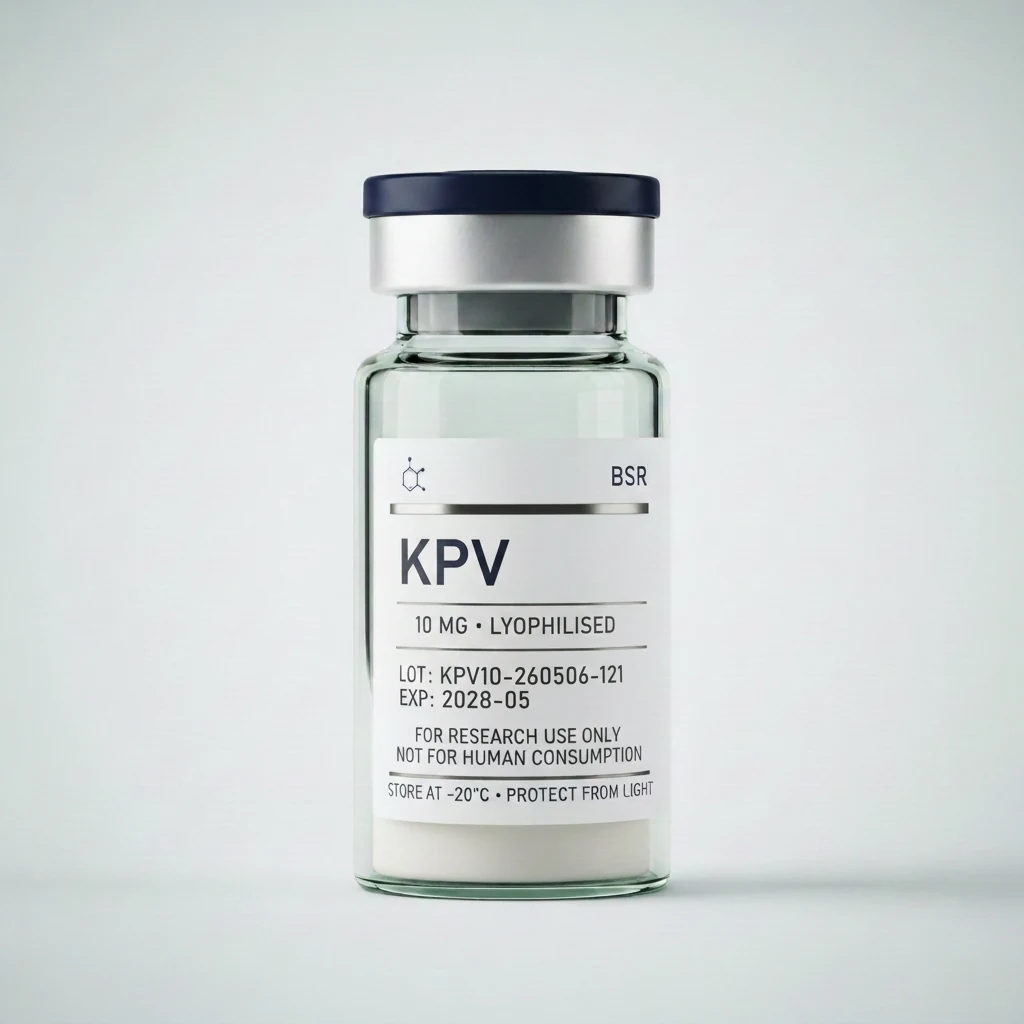
- Seven peptides — BPC-157, KPV, TB-500, MOTS-c, Emideltide (DSIP), Semax, and Epitalon — were the subject of the July 2026 PCAC hearing; six received favourable advisory votes. The stopgap would allow dispensing of some subset while rulemaking proceeds.
- The plan has not been formally announced, its timing remains uncertain, and it is not yet known which specific peptides would be included or what guardrails would apply.
- FDA enforcement on compounded GLP-1 products — semaglutide, tirzepatide, liraglutide — is simultaneously moving in the opposite direction, with a proposed rule to permanently exclude these agents from the 503B Bulks List.
- Chinese peptide API supplier Chengdu Shengnuo Biopharmaceutical remains under FDA Import Alert 66-40, a supply disruption relevant to any US compounder sourcing GLP-1 peptide active pharmaceutical ingredients.
The reported stopgap: what is known and what is not
As of the morning of 9 October 2026, the most consequential development in the US peptide regulatory landscape is a report by The Washington Post, confirmed in substance by Becker's Hospital Review and cited by STAT News, that the administration is preparing a bridging mechanism to permit the temporary sale of certain previously restricted peptides through compounding pharmacies.
The specifics remain limited. The Washington Post report, citing two people familiar with the matter who requested anonymity, states that the plan has not been publicly announced and that timing is unclear — meaning it could still change. According to Becker's Hospital Review, it is also not yet known which peptides would be included, and officials are seeking guardrails such as enhanced patient disclosures, mandatory adverse-event reporting, and data collection on peptide use.
The mechanism most discussed in legal and industry commentary is interim enforcement discretion — a posture in which the FDA signals it will not take action against pharmacies compounding specified substances while formal rulemaking proceeds. Scott Brunner, chief executive of the Alliance for Pharmacy Compounding, is reported to have formally requested this from the FDA, proposing conditions that include enhanced patient disclosures, adverse-event reporting and data collection. His public position is that channelling demand through regulated pharmacies is preferable to the persistence of illicit-market supply.
Regulatory context: where the seven peptides stand
The backdrop to the stopgap discussion is the FDA Pharmacy Compounding Advisory Committee (PCAC) hearing of 23–24 July 2026. According to Polsinelli, an FDA Federal Register notice published on 16 April 2026 identified the seven peptides under review for possible 503A bulks-list inclusion: BPC-157, KPV, TB-500, MOTS-c, Emideltide (DSIP), Semax, and Epitalon.
The PCAC voted to recommend adding six of the seven — BPC-157, KPV, TB-500, MOTS-c, Semax, and Epitalon — to the Section 503A Bulk Drug Substances List. BPC-157 passed by a margin of 8–6 with one abstention; Emideltide (DSIP) was the only compound voted down, on a 7–6 margin. The votes are advisory and non-binding.
A critical point for procurement professionals is that this advisory step has not altered the legal status of any of these substances. As Frier Levitt partner Edgar J. Asebey noted in a Peptides Business Wire interview published 6 October 2026, the FDA must still decide whether to adopt the recommendations and complete a formal rulemaking process expected to take one to two years. The Independent Institute noted that more than two months after the July vote, the FDA has not opened the rulemaking that would formally change the list.
Under current policy, removal from Category 2 does not, on its own, authorise compounding or bring a substance within the interim enforcement discretion framework applicable to Category 1 substances. The six peptides with favourable PCAC votes therefore remain in a regulatory grey zone absent a formal FDA announcement of enforcement discretion.
The divergence: peptide compounding vs GLP-1 compounding
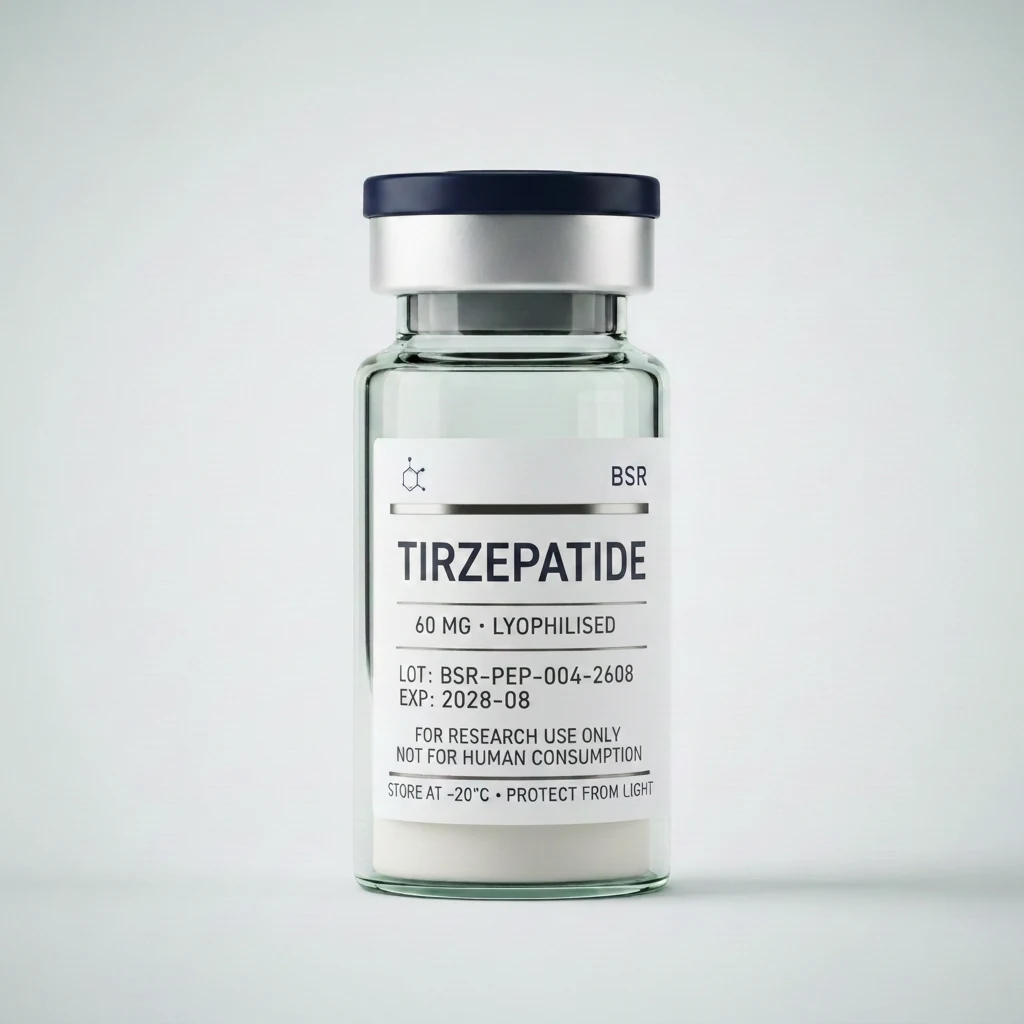
Procurement teams should note the pronounced divergence in regulatory direction between the broader peptide category and GLP-1 compounding. Pharmacy Times reports that the FDA has proposed to formally exclude semaglutide, tirzepatide, and liraglutide from the 503B outsourcing facility bulks list — the mechanism governing which active pharmaceutical ingredients large-scale compounding operations may use. That proposed rule would permanently close the 503B pathway for these GLP-1 agents.
The FDA has also increased scrutiny of compounded GLP-1 combination products, with Asebey describing recent enforcement as targeting those "manufacturing essential copies, not responding to specific prescriptions." Safety data cited by Pharmacy Times include more than 455 semaglutide and more than 320 tirzepatide adverse-event reports in the FDA system, including dosing errors with multidose vials and counterfeit supply.
The contrast is striking: the administration is considering expanded access for unapproved wellness peptides via a stopgap while simultaneously moving to permanently restrict compounding of the most commercially significant peptide drug class.
China supply chain: Shengnuo import ban persists
A separate development with potential supply chain relevance for US compounders remains ongoing. Chengdu Shengnuo Biopharmaceutical Co., Ltd. was placed on FDA Import Alert 66-40 on 19 September 2026, following eight observations documented in a Form FDA 483 issued after an on-site inspection in August. The inspection findings covered critical quality attribute identification, contamination control capabilities, and quality system governance.
Shengnuo, listed on the Shanghai Stock Exchange under ticker 688117.SS, is a manufacturer of GLP-1 peptide APIs including semaglutide and tirzepatide. The company has committed to suspending all peptide API sales and shipments to the US market until the alert is lifted. In the first half of 2026, US sales represented 32.83% of the company's total revenue, amounting to approximately CNY 167 million; the announcement triggered an 18.61% share-price decline.
This case should be read alongside the FDA's broader import alert expansion of May 2026, which added 38 foreign peptide API manufacturers to the Import Alert 66-40 programme, covering facilities in China, India, and South Korea collectively responsible for an estimated 30% of the injectable peptide API supply entering the US market annually. Facilities on the list are subject to automatic detention at the border without physical examination, which effectively bars commercial use of their products pending resolution of quality concerns.
What this means for UK and European research procurement
From the perspective of UK laboratory procurement teams, the US regulatory trajectory is relevant context rather than direct obligation. MHRA rules govern the import and use of peptide research materials into the United Kingdom, and UK research-use-only supply chains are not directly affected by FDA enforcement actions against US compounders. However, several knock-on effects merit monitoring:
- API pricing and availability. Import alerts on Chinese API manufacturers reduce supply available to US buyers and can redirect product towards European markets, affecting lot availability and pricing for research-grade peptide suppliers that draw on the same upstream sources.
- Documentation standards. The FDA's repeated findings around contamination control, heavy metal testing, and falsified Certificates of Analysis (Form FDA 483 observations at Shengnuo) are a reminder that procurement due diligence on supplier CoA documentation is material regardless of jurisdiction. Third-party HPLC and mass-spectrometry confirmation of purity remain the most reliable quality assurance tools available to research labs independently of supplier claims.
- Research use only delineation. The ongoing US debate about what constitutes lawful compounding versus research-use-only supply of the same molecules is relevant to how UK suppliers present and label products. Buyers should be alert to changes in supplier categorisation driven by upstream regulatory developments.
What to watch next
The most actionable near-term signal will be whether the FDA publishes any formal communication — a guidance document, Federal Register notice, or enforcement policy update — that puts the reported stopgap on an official footing. Without such a document, the reported plan carries no legal weight, and the PCAC-recommended peptides remain in grey-zone status. The Frier Levitt assessment that formal rulemaking could take one to two years is the most credible public estimate of the timeline to any permanent change.
On the GLP-1 side, the public comment period on the proposed 503B exclusion rule for semaglutide, tirzepatide, and liraglutide closed earlier in 2026; a final rule is anticipated, though no publication date has been confirmed.
Research-grade material, HPLC verified, certificate of analysis with every order.
The week's Intelligence in one email, every Friday morning.
Regulatory moves, trial readouts, supply-chain news. No product pitches. Unsubscribe in one click.
More in Regulatory & Policy
One Amino Acid, Three High Stakes: What the Seventh Circuit's Pending Retatrutide Ruling Means for Exclusivity, Medicare Pricing, and Compounding Access
12 Oct 2026
FDA Career Scientists Formally Oppose Administration's Interim Peptide Dispensing Plan — and What the Internal Split Means for Research Procurement
11 Oct 2026
After the PCAC Vote: What the Six-Peptide 503A Recommendation Means in Practice — and How Long the Road to Legal Compounding Remains
05 Oct 2026