Regulatory & Policy · 05 Oct 2026
After the PCAC Vote: What the Six-Peptide 503A Recommendation Means in Practice — and How Long the Road to Legal Compounding Remains
The FDA's Pharmacy Compounding Advisory Committee backed BPC-157, TB-500, KPV, MOTS-c, Semax, and Epitalon for the 503A Bulks List in July 2026 — overriding its own staff. Three months on, legal compounding status has not changed, and formal rulemaking is expected to run at minimum eight to 24 months. This briefing maps the procedural steps still ahead and what they mean for UK research procurement.
12 sources cited
Key takeaways
- At its July 23–24, 2026 meeting, the FDA's Pharmacy Compounding Advisory Committee (PCAC) recommended BPC-157, KPV, TB-500, MOTS-c, Semax, and Epitalon for the 503A Bulks List — overriding staff scientists who had recommended against all seven substances on the docket.
- Every vote was narrow; all six passed over the objection of FDA's career reviewers, who cited insufficient characterisation, limited human efficacy data, and unassessed immunogenicity.
- PCAC recommendations are non-binding. Legal compounding under Section 503A requires the FDA to complete formal notice-and-comment rulemaking, a process that typically runs eight to 24 months and that the agency has not yet initiated.
- The sole rejection was emideltide (delta sleep-inducing peptide, DSIP), which failed 6–7.
- For UK research-procurement teams, none of the six substances has moved from "research-use only" to any regulated therapeutic status as a result of the vote. Sourcing requirements and due-diligence obligations are unchanged.
What the PCAC voted on — and how it voted
The FDA's Pharmacy Compounding Advisory Committee convened for two days on 23–24 July 2026, at the agency's White Oak campus, to consider whether seven peptide substances should be recommended for inclusion on the Section 503A Bulk Drug Substances List. A recommendation in favour would send a formal signal that a substance is appropriate for compounding pharmacies to use in preparing individualised medications under a valid prescription.
FDA staff briefing documents, entered under docket FDA-2025-N-6895, had recommended against adding all seven compounds, citing insufficient characterisation, little or no human efficacy data for the proposed routes, incomplete safety data, and unassessed immunogenicity. The committee overrode that position on six of the seven.
The Day 1 votes proceeded as follows:
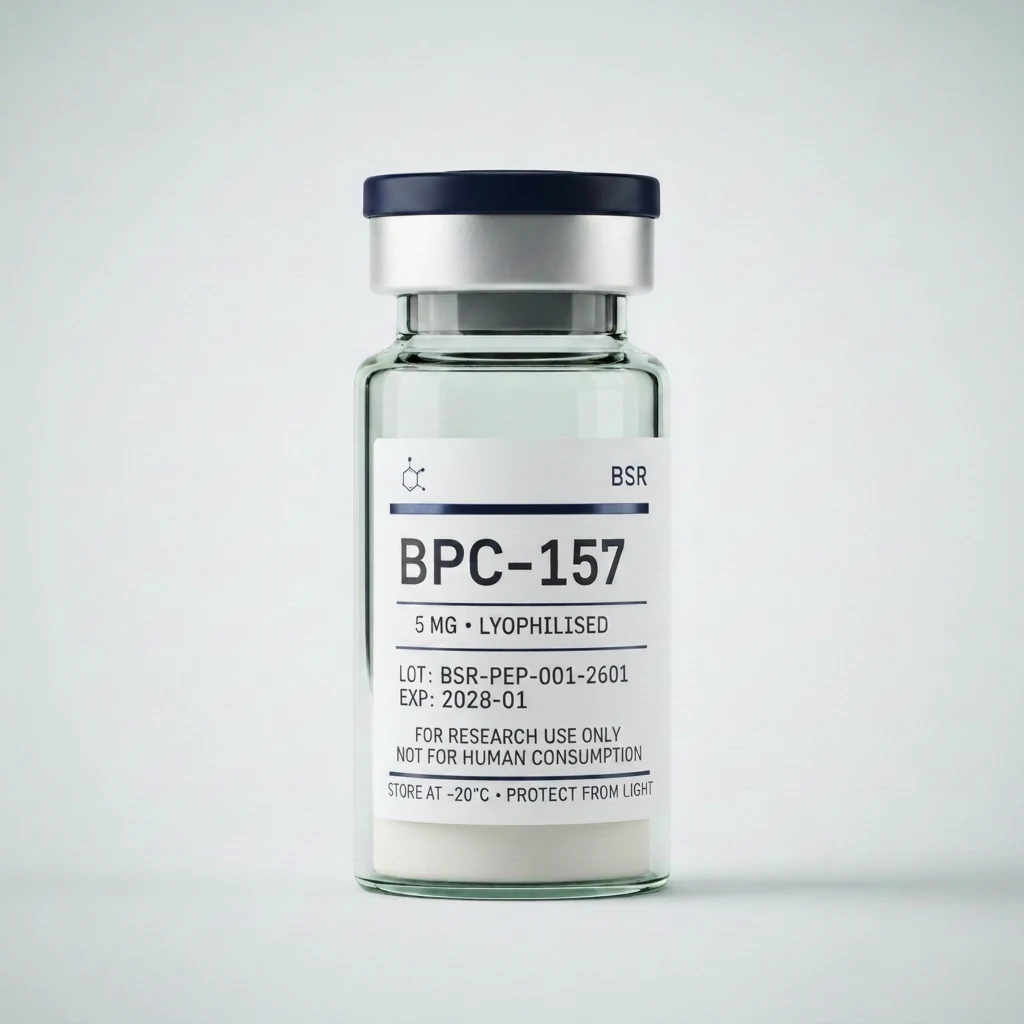
- BPC-157 (evaluated for ulcerative colitis, Crohn's disease, coeliac disease, and tendonitis): recommended 8–6 with one abstention.
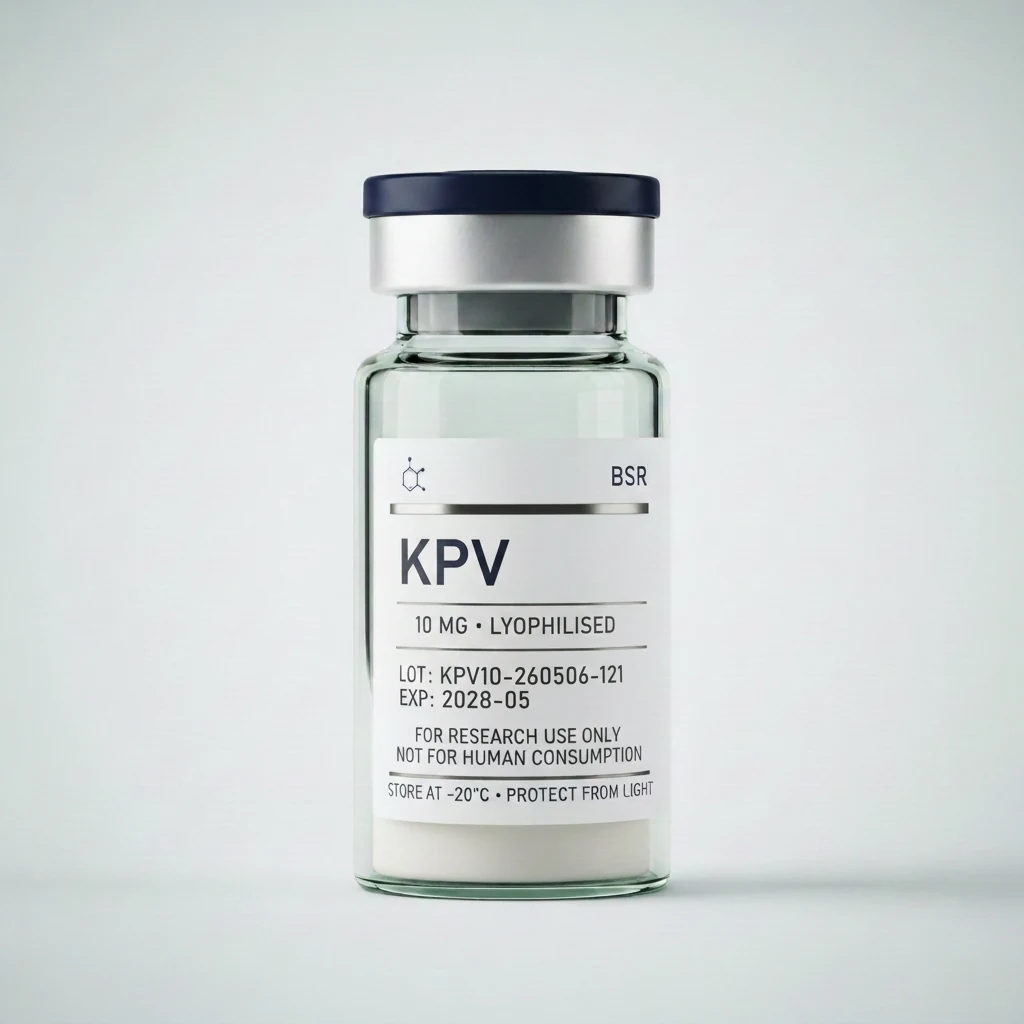
- KPV (wound healing and inflammatory conditions): recommended 8–6 with one abstention.
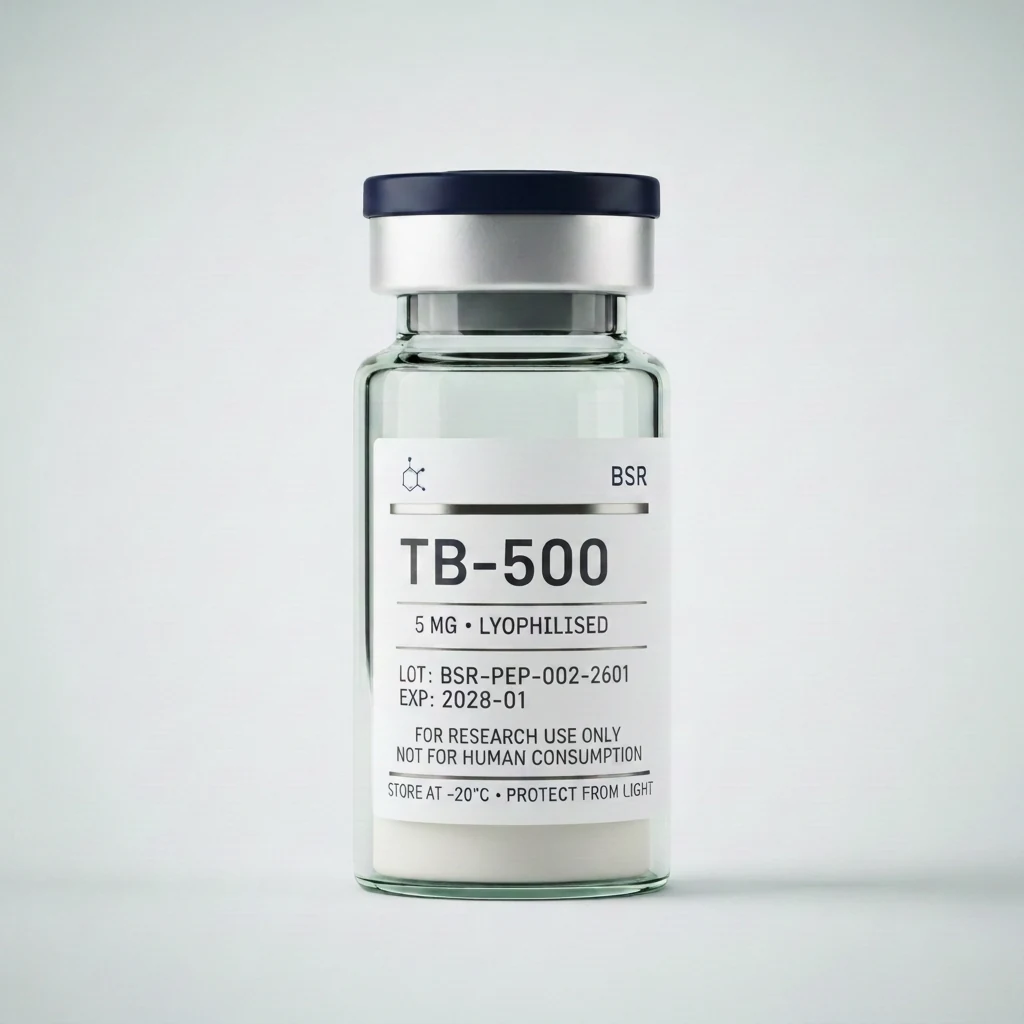
- TB-500 (tissue repair and recovery): recommended 8–6 with one abstention.
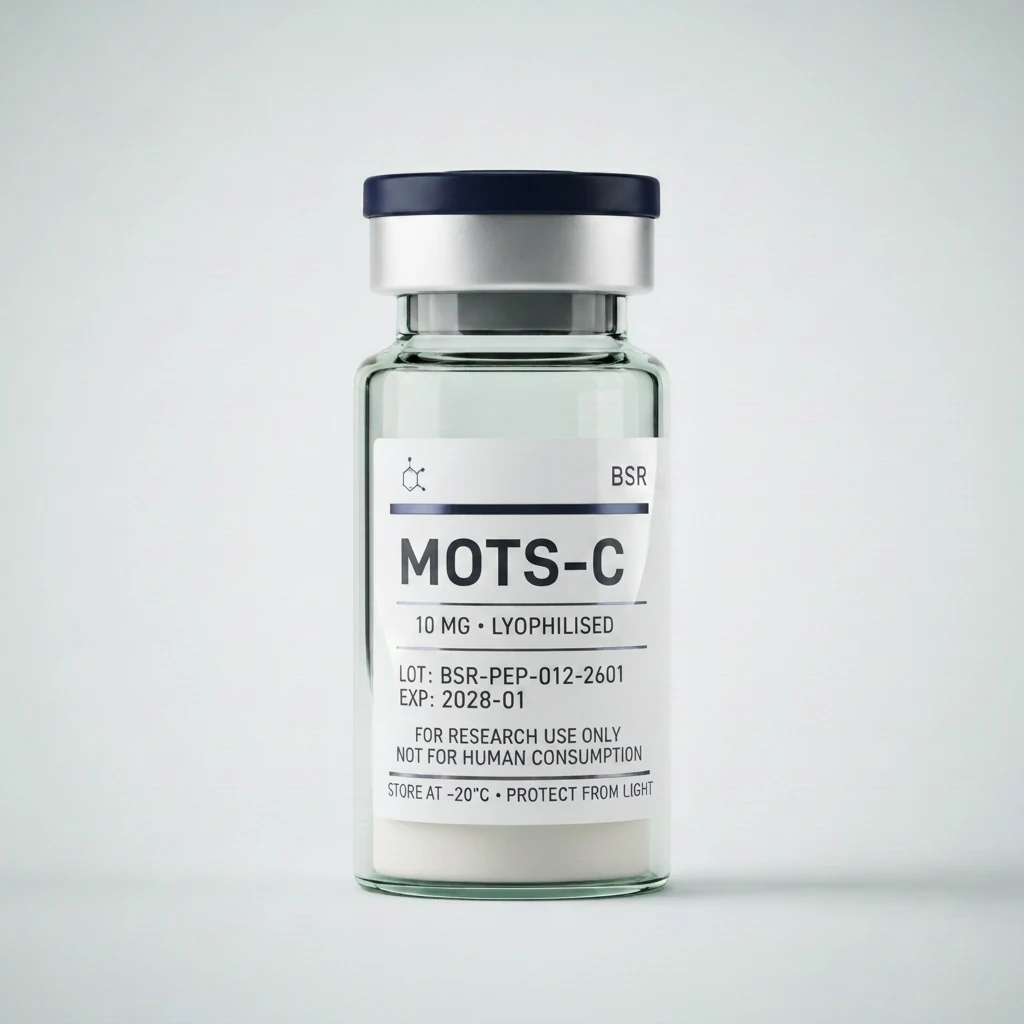
- MOTS-c (insulin resistance, obesity, osteoporosis, and longevity): recommended 7–5 with two abstentions.
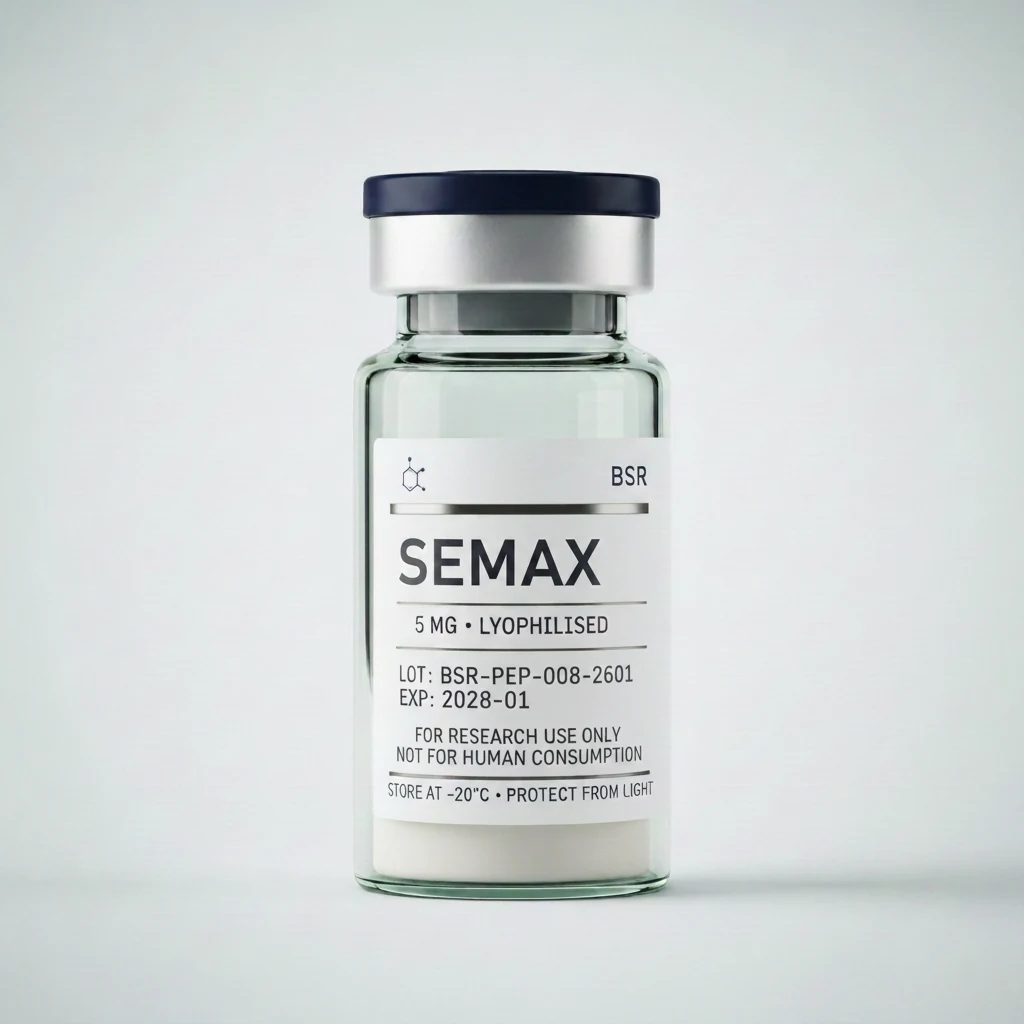
On Day 2, Semax and Epitalon were each cleared by similarly tight margins. Emideltide, reviewed for opioid withdrawal, chronic insomnia, and narcolepsy, was voted down 6–7, the meeting's sole rejection.
Contemporary accounts noted that every margin was supplied in part by eight temporary members newly added to the committee, and that the committee's reconstitution had drawn conflict-of-interest scrutiny, with increased representation from clinicians and businesses involved in prescribing, producing, or promoting peptides.
What a 503A recommendation does — and does not — change
The distinction between an advisory vote and a rule change is the most consequential point for research-procurement professionals to understand.
Under Section 503A of the Federal Food, Drug, and Cosmetic Act, compounding pharmacies may only use bulk drug substances that meet one of three criteria: the substance has a United States Pharmacopeia or National Formulary monograph; it is a component of an FDA-approved drug product; or it appears on the 503A Bulks List. For BPC-157, TB-500, and the other five recommended peptides, the third pathway — formal Bulks List inclusion — is the only viable route, since none has a USP monograph and none is a component of an approved drug.
PCAC serves an advisory role, and the FDA retains the authority to ultimately decide whether a substance is placed on the 503A Bulks List. Congress did not give the committee final regulatory authority. The FDA is not legally required to adopt any recommendation made by its advisory committee.
Accordingly, pharmacies should not interpret the favourable votes as authorisation to begin compounding BPC-157, KPV, TB-500, MOTS-c, Epitalon or Semax. FDA officials said the agency would consider the more than 2,000 comments it had received, along with additional information submitted by peptide makers and clinicians, as it formulates its final rule.
Formal rulemaking under the Administrative Procedure Act requires the FDA to publish a proposed rule, open a comment period, consider responses, and publish a final rule. This process typically runs eight to 24 months, meaning that even on an optimistic timeline, formal 503A Bulks List inclusion would be unlikely before late 2027.
Secretary of Health and Human Services Robert F. Kennedy Jr. must also formally approve the substances' addition to the 503A Bulks List, introducing a further political variable into the process.
The Category 2 distinction: what changed earlier in 2026
The July 2026 PCAC meeting must be understood in the context of an earlier regulatory step. Earlier in 2026, these peptides were removed from Category 2 — a restricted status — making them eligible for the committee to review. That removal was itself preceded by a February 2026 announcement from the Department of Health and Human Services that indicated several substances, including BPC-157, TB-500, and Thymosin alpha-1, might return to Category 1 eligibility.
Category 2 removal is a necessary precondition for 503A review — but it is not equivalent to legal compounding access. What the reclassification means is that licensed, qualified compounding pharmacies will eventually be permitted to prepare them — for patients under physician supervision, with a valid prescription, from compliant and quality-controlled sources — but only once rulemaking is complete.
Researchers should note that Category 2 removal has no bearing on the "research-use only" channel through which most UK laboratory procurement of these peptides currently occurs.
The regulatory signal: what it means for the broader field
The July 2026 meeting is, by any historical measure, an unusual outcome. The PCAC had rarely, if ever, voted against FDA staff's written recommendation, and this was the largest bloc of favourable peptide recommendations in a single PCAC session to date.
The wider policy context was visible at PepMed 2026, the inaugural congress of the American Academy of Peptide Medicine, held in Washington DC on 17–18 September. STAT News reported today that the stem cell industry is watching the FDA's approach to peptides closely, with some regenerative medicine entrepreneurs treating the PCAC outcome as a template for seeking parallel regulatory engagement for unapproved cell therapies. The stem cell industry sees the FDA's tentative embrace of peptides as its chance to get a foot in the door, a read that underscores how consequential observers consider the July votes to be — even while the underlying legal status of all six compounds remains unchanged.
Implications for UK research procurement
From a UK research-procurement standpoint, the PCAC vote has no direct regulatory effect. The MHRA does not follow US compounding rules, and none of the six peptides holds a marketing authorisation in Great Britain or Northern Ireland. Their status under UK law — as unlicensed substances available strictly for in-vitro or non-clinical research purposes — is unaffected by US advisory committee proceedings.
Procurement teams sourcing BPC-157, TB-500, KPV, MOTS-c, Semax, or Epitalon for legitimate laboratory research should continue to apply standard due-diligence criteria: reviewing Certificates of Analysis for purity confirmation by HPLC and mass spectrometry, confirming that material is supplied and labelled for research use only, and verifying that suppliers hold appropriate quality management accreditation.
The rulemaking process to watch is the FDA's proposed and final rule on 503A Bulks List inclusion. Until a final rule is published and effective in the United States, and until any MHRA parallel position is articulated, the research-use designation governs UK laboratory procurement. The PCAC vote is best read as a directional indicator — significant in the context of US domestic compounding policy — rather than a change in the regulatory baseline that UK laboratories operate under today.
Sources cited in this briefing include AJMC, the National Community Pharmacists Association, McDermott Will & Emery, Frier Levitt, Buchanan Ingersoll & Rooney PC (BIPC), Modern Peptide Science, the Clinical Peptide Institute, TrueEval, Pharmacy Times, the American Academy of Peptide Medicine (AAPM), and STAT News.
Research-grade material, HPLC verified, certificate of analysis with every order.
The week's Intelligence in one email, every Friday morning.
Regulatory moves, trial readouts, supply-chain news. No product pitches. Unsubscribe in one click.
More in Regulatory & Policy
Two Months After the PCAC Vote: Where BPC-157, TB-500, Semax and Three Other Peptides Stand on the Road to the 503A Bulks List
24 Sep 2026
Eight Days Left: FDA's 17 Revised Draft Peptide Guidances and What the Withdrawn 2021 Framework Means for Generic Developers
20 Sep 2026
After the PCAC Vote: The Three Legal Steps Between a Committee Recommendation and Lawful Peptide Compounding
10 Sep 2026