Regulatory & Policy · 10 Sep 2026
After the PCAC Vote: The Three Legal Steps Between a Committee Recommendation and Lawful Peptide Compounding
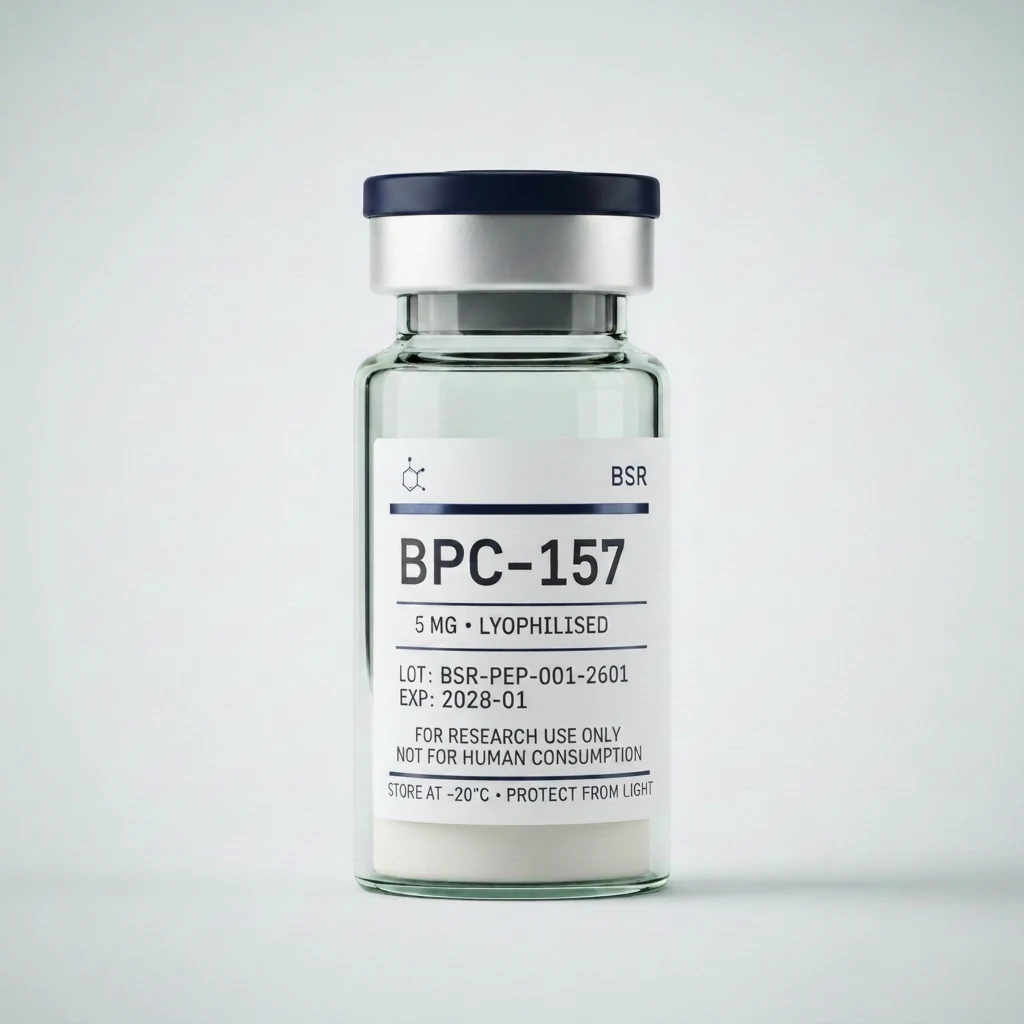
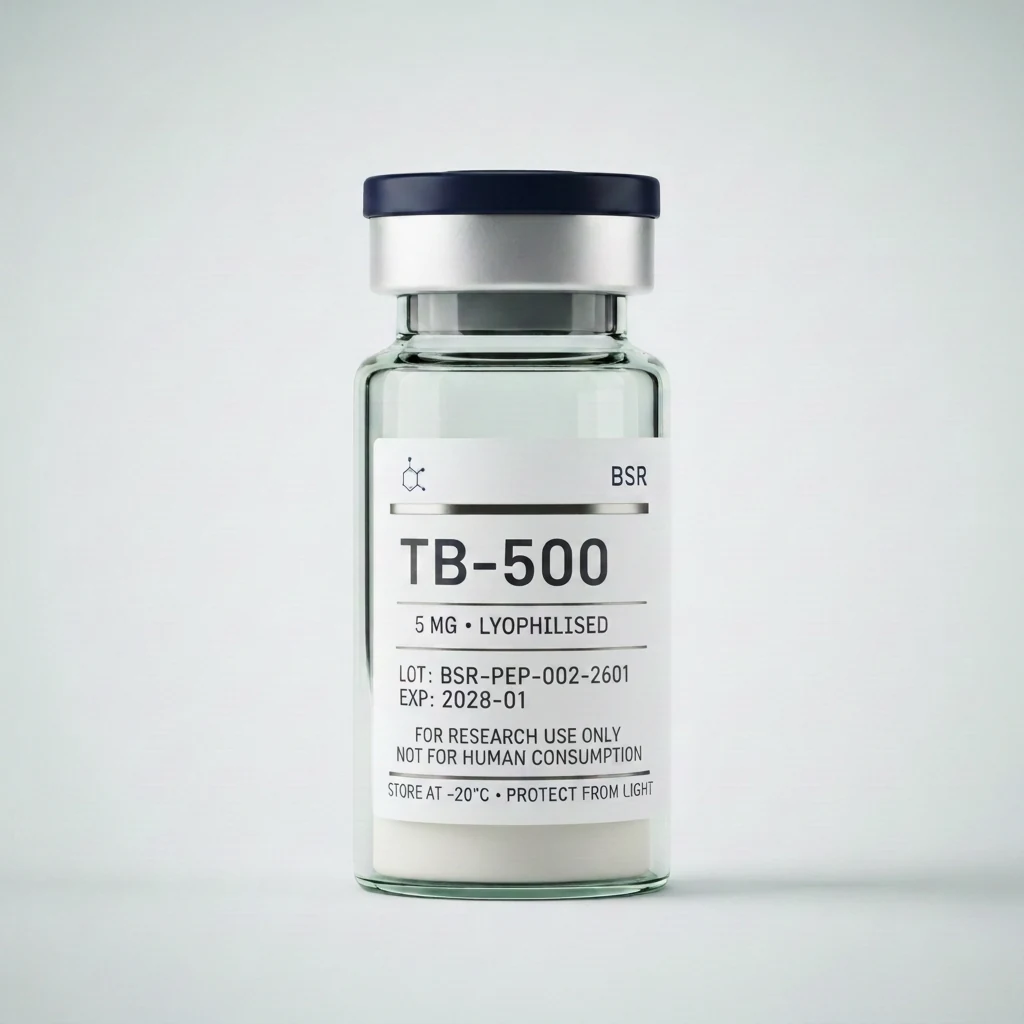
The FDA's Pharmacy Compounding Advisory Committee recommended six peptides — including BPC-157, KPV, TB-500, and MOTS-c — for the 503A Bulks List in July 2026. But a committee recommendation is not compounding authorisation. This briefing maps the three distinct legal events that must follow before a pharmacy may lawfully compound these substances, and what the timeline means for UK research procurement.
12 sources cited
Key takeaways
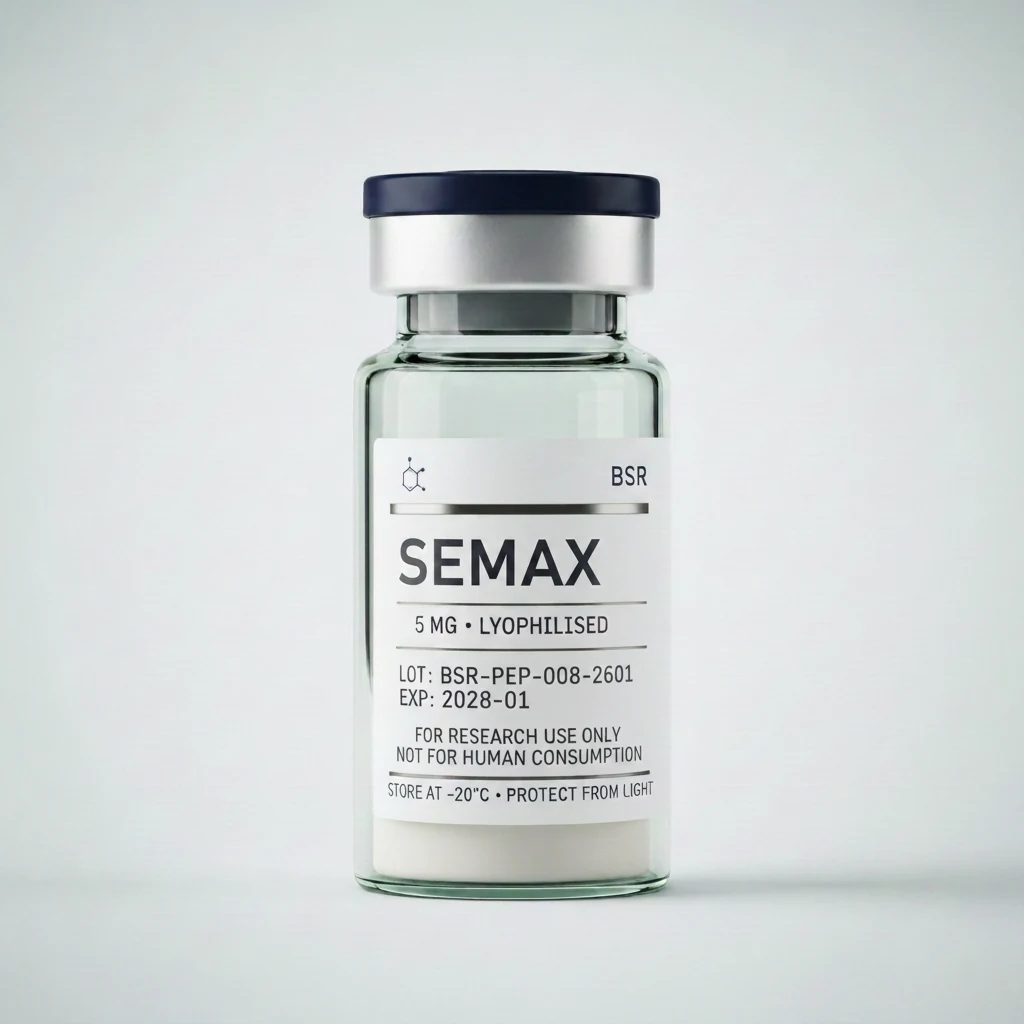
- The FDA's Pharmacy Compounding Advisory Committee (PCAC) recommended six peptides — BPC-157, KPV, TB-500, MOTS-c, Epitalon, and Semax — for the Section 503A Bulk Drug Substances List at its 23–24 July 2026 meeting, overruling the written recommendation of FDA career scientists.
- A PCAC recommendation is non-binding and does not authorise compounding. Formal notice-and-comment rulemaking must follow, a process that typically takes twelve to twenty-four months or longer under standard administrative procedure.
- Enforcement discretion — a policy under which the FDA signals it will not take action against pharmacies compounding a listed substance while rulemaking proceeds — remains the critical near-term question, and has not yet been formally extended to any of the six peptides.
- None of the six peptides holds a marketing authorisation from the MHRA, and the US rulemaking outcome has no direct bearing on their status in the United Kingdom.
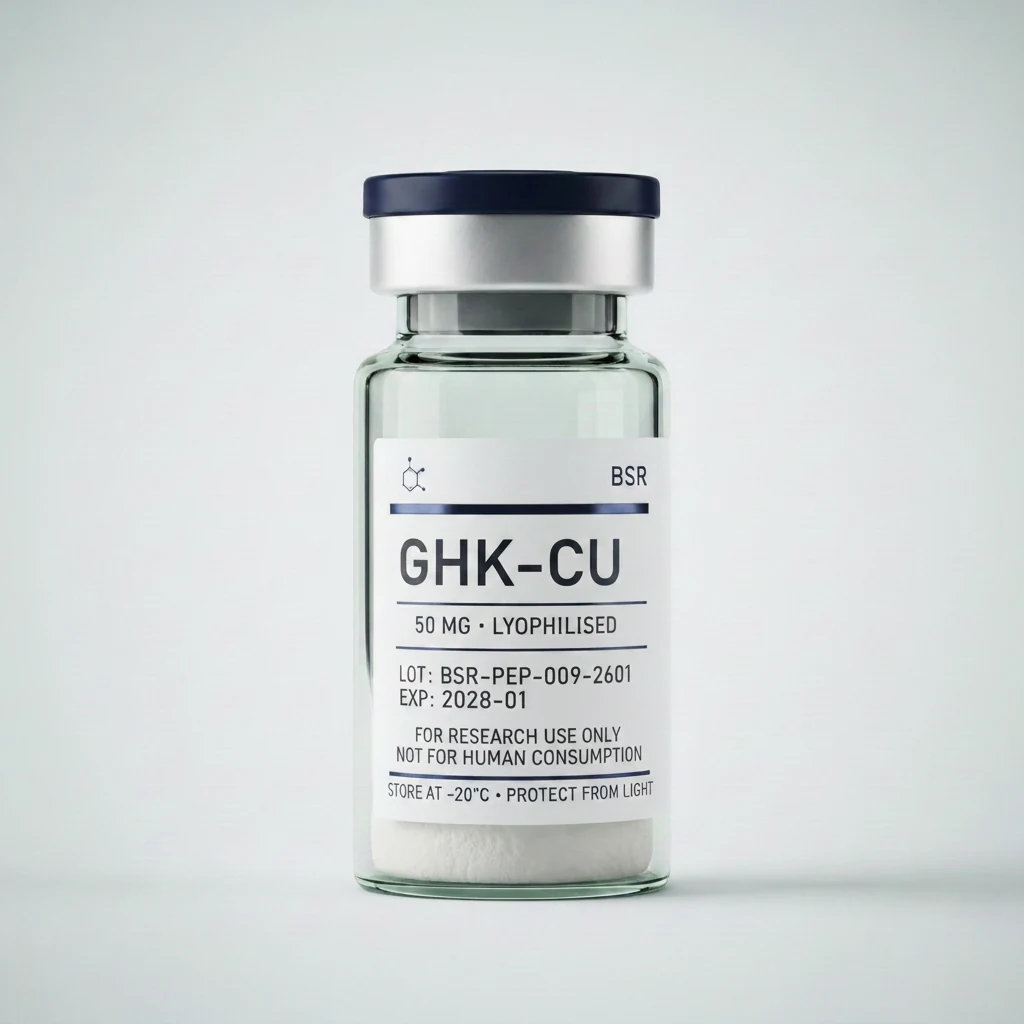
- A second PCAC meeting is scheduled before February 2027 to review five further peptides: GHK-Cu, Melanotan II, Cathelicidin (LL-37), Dihexa acetate, and PEG-MGF.
Background: the July 2026 PCAC meeting
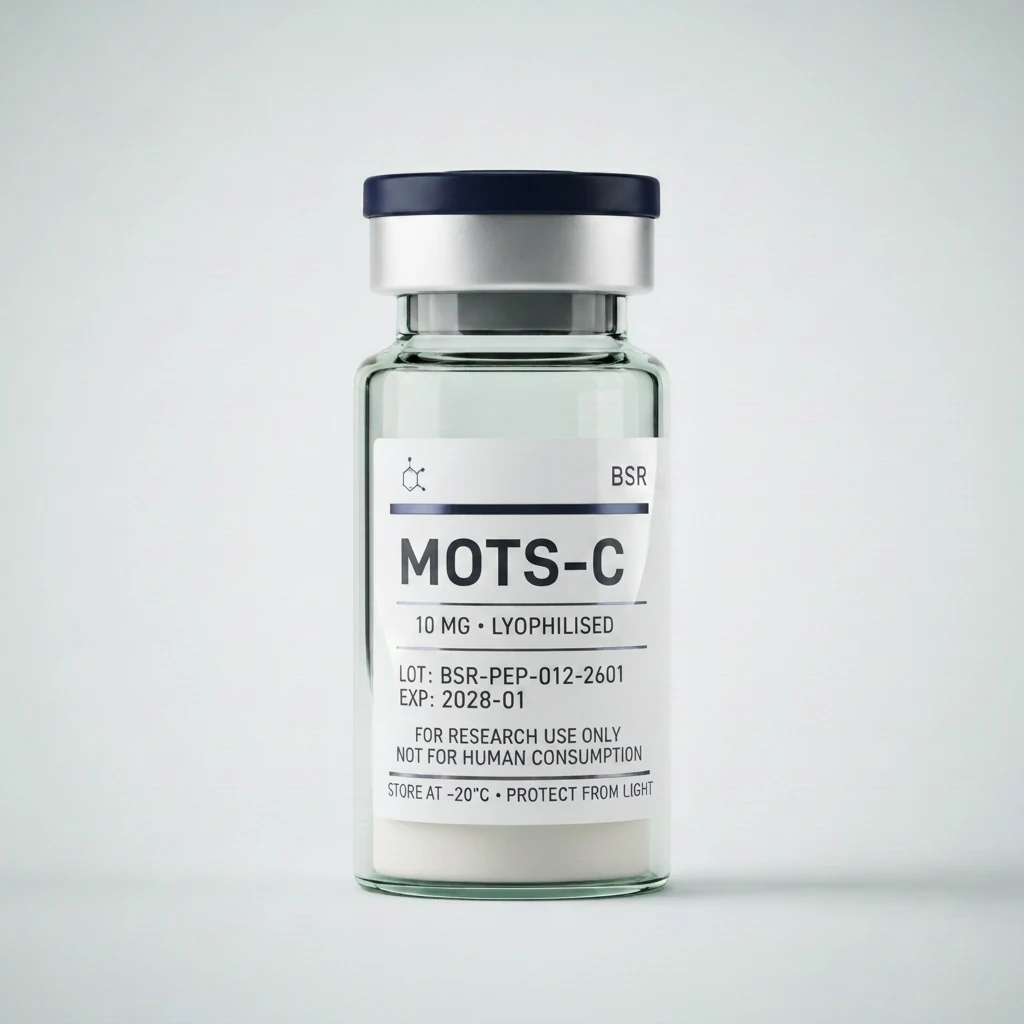
On 23 and 24 July 2026, the FDA convened its Pharmacy Compounding Advisory Committee at its White Oak Campus in Silver Spring, Maryland, to evaluate seven peptides for potential inclusion on the Section 503A Bulk Drug Substances List: BPC-157, KPV, TB-500, MOTS-c, Emideltide (DSIP), Semax, and Epitalon.
The meeting attracted significant attention. According to Orrick's pre-meeting analysis, the public docket — FDA-2025-N-6895 — had received approximately 1,860 comments by the time proceedings opened, making it one of the more heavily commented compounding dockets in recent years.
FDA's own career scientists had prepared briefing documents recommending against inclusion for all seven peptides, citing inadequate chemical characterisation, insufficient or absent human clinical trial data, and safety signals including immunogenicity concerns and FAERS adverse event reports for BPC-157. The agency's staff also flagged that MOTS-c and TB-500 carry World Anti-Doping Agency prohibitions. The committee nonetheless voted in favour of recommending six of the seven substances, rejecting only Emideltide.
According to NCPA's post-meeting summary, the votes were as follows:
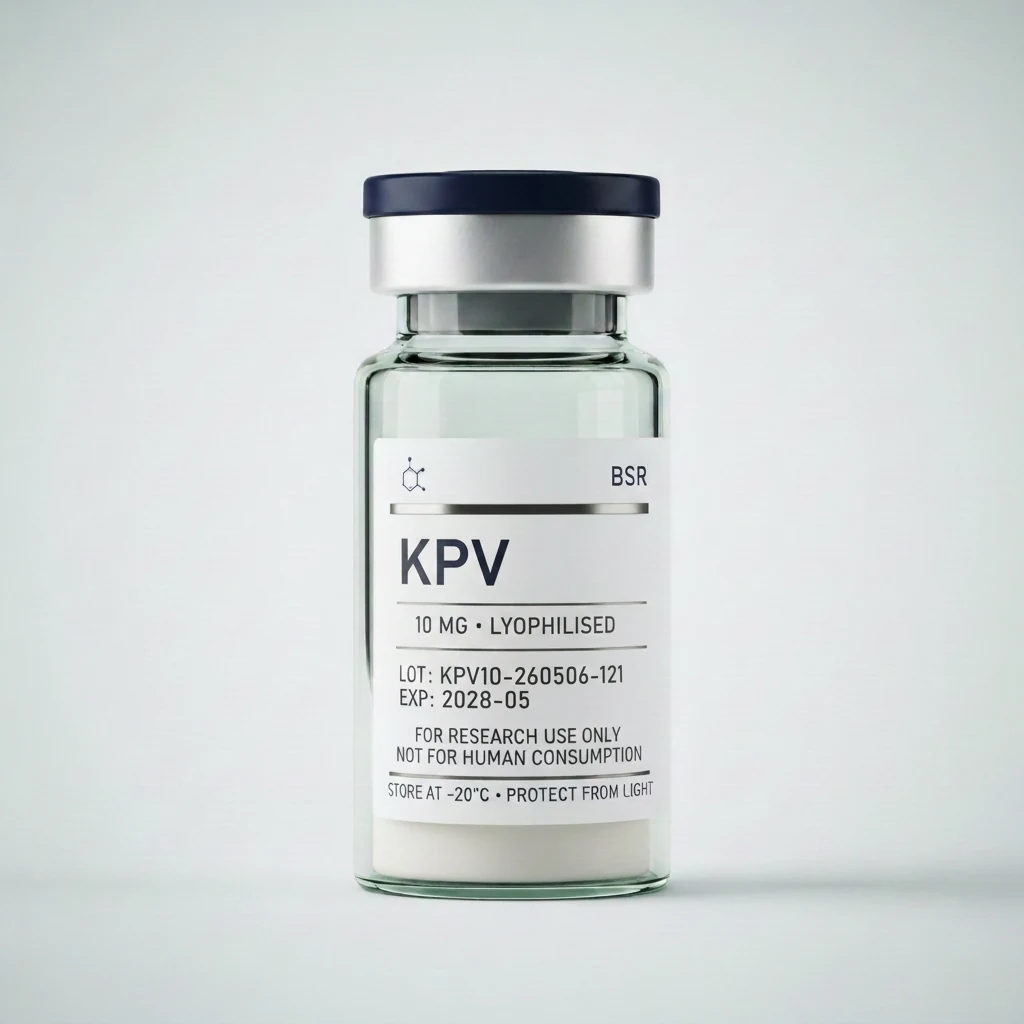
- BPC-157, KPV, and TB-500: each recommended 8–6, with one abstention
- MOTS-c: recommended 7–5, with two abstentions
- Epitalon: recommended 7–4, with one abstention
- Semax: recommended 8–5, with one abstention
- Emideltide: rejected 7–6, with one abstention
Legal observers described the outcome as remarkable, noting that a PCAC had rarely if ever voted against FDA staff's written recommendation to this degree. The conflict reflects the broader political context: HHS Secretary Robert F. Kennedy Jr. has publicly signalled support for expanded peptide access, placing committee members between agency scientists and administration priorities.
The three legal events: why the vote is not the finish line
Industry commentary since the meeting has converged on one corrective message — the market has consistently conflated three legally distinct events. Understanding each is essential for any organisation making procurement decisions based on US regulatory signals.
Event 1: Removal from Category 2
Category 2 of the FDA's interim 503A bulk substances framework is the designation the agency applies to substances it has determined present "significant safety concerns." Inclusion in Category 2 effectively prohibits compounding under Section 503A.
On 15 April 2026, the FDA removed the seven peptides from Category 2 after the underlying nominations for 503A inclusion were formally withdrawn — a procedural trigger under FDA's own rules. This removal happened before the PCAC vote. Critically, removal from Category 2 does not, on its own, authorise use of a substance in compounding, nor does it bring a substance within the FDA's interim enforcement discretion policy, which currently applies only to substances in Category 1.
Event 2: The PCAC recommendation
The July votes constitute the second event. A PCAC recommendation is advisory only. The FDA is not bound by the panel's recommendations, and any change to the 503A Bulks List requires a formal rulemaking process. The recommendation is a necessary procedural prerequisite — changes to the list that bypass PCAC review would face legal vulnerability — but it is emphatically not an authorisation to compound.
AJMC noted that legal compounding of these substances "remains prohibited absent FDA acceptance and completion of proposed and final rulemaking." Nothing that was unlawful to compound before 23 July became lawful on 24 July.
Event 3: Notice-and-comment rulemaking
For any substance to be formally added to the 503A Bulks List under 21 CFR § 216.23, the FDA must undertake notice-and-comment rulemaking: the agency publishes a proposed rule describing which substances it intends to add, a public comment period follows (typically 60–90 days), and the FDA then publishes a final rule. Under standard timelines, this process can take more than a year — and according to McDermott Law's post-meeting analysis, the formal addition could occur in 2027 or extend into a multi-year process.
The FDA has completed Section 503A final rulemaking for only approximately ten substances to date, which indicates how slow and resource-intensive the process is.
The enforcement discretion question
Between the PCAC recommendation and the conclusion of rulemaking, the FDA possesses a significant intermediate tool: enforcement discretion. This is a policy statement — not a rule — under which the agency signals it will not take action against pharmacies compounding a given substance while the formal process plays out.
Enforcement discretion has recent precedent in the GLP-1 context: compounded semaglutide and tirzepatide were permitted to flow through the shortage period on a similar basis. If the FDA or Secretary Kennedy extends comparable discretion to the six PCAC-recommended peptides — for example, by adding them to the interim Category 1 framework used for 503B outsourcing facilities — pharmacies could compound them earlier than the rulemaking clock would otherwise allow.
McDermott Law notes that the FDA "is expected to exercise some form of informal enforcement discretion in the interim," and that Secretary Kennedy may add substances to Category 1 on an interim basis or issue statements signalling discretion pending final rulemaking. As of the date of this briefing, no such statement had been published. Until it is, the prudent course for compounders is to compound conservatively, document thoroughly, and resist the temptation to treat a committee endorsement as agency authorisation.
What the FDA's own scientists said — and why it matters for research evidence
It is worth recording what FDA career reviewers found when they assessed these substances, because their analysis provides the most systematic published evaluation of the human evidence base.
Recurring concerns included: inconsistent naming conventions and missing quality data; no human clinical data at all for KPV, TB-500, and MOTS-c; and only small, poorly controlled studies for BPC-157 and Semax. FDA staff cited the absence of universally accepted chemical definitions and formulas as a core barrier, noting that without them, basic identity, quality, and comparability cannot be reliably assessed — which in turn undermines any meaningful safety and effectiveness evaluation.
Independent peer-reviewed literature echoes this position. A 2026 narrative review published in MDPI Pharmaceutics (doi: 10.3390/ph18050625) found that BPC-157 "has no approved formulation, no validated dosing regimen, and no completed Phase II clinical trial" despite over three decades of preclinical research. A separate PMC-indexed narrative review of BPC-157 for musculoskeletal applications (PMC12446177) concluded that the human evidence base remains "inadequate to support clinical recommendations."
The PCAC's decision to recommend inclusion despite these gaps reflects a policy judgement about patient access and the weighting of preclinical evidence, not a scientific finding that human safety or efficacy has been established.
Implications for UK research procurement
The PCAC vote and subsequent US rulemaking have no direct regulatory effect in the United Kingdom. According to Peptide Library's 2026 MHRA regulatory guide, all of the peptides voted on at the July meeting — BPC-157, KPV, TB-500, MOTS-c, Epitalon, and Semax — are classified as unlicensed medicines under the Human Medicines Regulations 2012, and none holds a marketing authorisation from the MHRA. Semaglutide and tirzepatide remain the only peptide-class compounds with full MHRA marketing authorisations.
Under UK law, a substance may be classified as a medicine either if it is presented as treating or preventing disease, or if it has pharmacological, immunological, or metabolic effects when administered to humans. This creates a regulatory ambiguity for peptides sold as research chemicals: suppliers who sell only for genuine laboratory research use — with no claims of human application — currently operate in a space of limited enforcement, though that position is not guaranteed.
Research procurement professionals should also note that the MHRA has been increasing scrutiny of peptide clinics and online suppliers offering unapproved injectable peptides, and that any shift in US enforcement posture could inform how UK regulators prioritise their own activity.
What comes next
- Enforcement discretion: the most consequential near-term development to watch is whether the FDA issues any statement extending discretion to the six PCAC-recommended peptides while rulemaking proceeds.
- Proposed rule: the FDA's publication of a proposed rule would open the next public comment period and provide the clearest signal of which peptides the agency intends to add to the list and on what terms.
- February 2027 PCAC meeting: five further peptides — GHK-Cu, Melanotan II, Cathelicidin (LL-37), Dihexa acetate, and PEG-MGF — are scheduled for PCAC review before the end of February 2027. GHK-Cu in particular is already in active use in cosmetic formulations and has been the subject of published human skin-biology research, potentially giving it a stronger characterisation dossier than the July cohort.
- MHRA posture: no corresponding UK review process has been announced, and the MHRA has not indicated plans to create a compounding-analogue pathway for research peptides.
For procurement professionals sourcing research-grade peptides, the practical position is unchanged from before the July vote: all six recommended substances remain unapproved, uncharacterised to regulatory standards, and procurable only as research-use materials with the attendant due diligence requirements — verified Certificate of Analysis, independent purity testing, and documented chain of custody.
Research-grade material, HPLC verified, certificate of analysis with every order.
The week's Intelligence in one email, every Friday morning.
Regulatory moves, trial readouts, supply-chain news. No product pitches. Unsubscribe in one click.
More in Regulatory & Policy
Safety Group Challenges PCAC Integrity as Peptide Access Policy Sits at the White House: What the PSM Citizen Petition Means for the Regulatory Outlook
25 Oct 2026
Peptide Interim Access Policy Enters White House Review: What the OIRA Submission and This Week's OMB Meeting Mean for Research Procurement
19 Oct 2026
One Amino Acid, Three High Stakes: What the Seventh Circuit's Pending Retatrutide Ruling Means for Exclusivity, Medicare Pricing, and Compounding Access
12 Oct 2026