Regulatory & Policy · 21 Aug 2026
FDA's Proposed 503B Exclusion of Compounded GLP-1s: What the NPRM Means, Where the Rule Stands, and What Research Suppliers Need to Know
The FDA's April 2026 notice of proposed rulemaking would permanently bar 503B outsourcing facilities from bulk-compounding semaglutide, tirzepatide, and liraglutide. The public comment period has closed and a final rule is pending — a development that stands in sharp contrast to the July PCAC votes favouring expanded access to non-GLP-1 peptides.
9 sources cited
Key takeaways
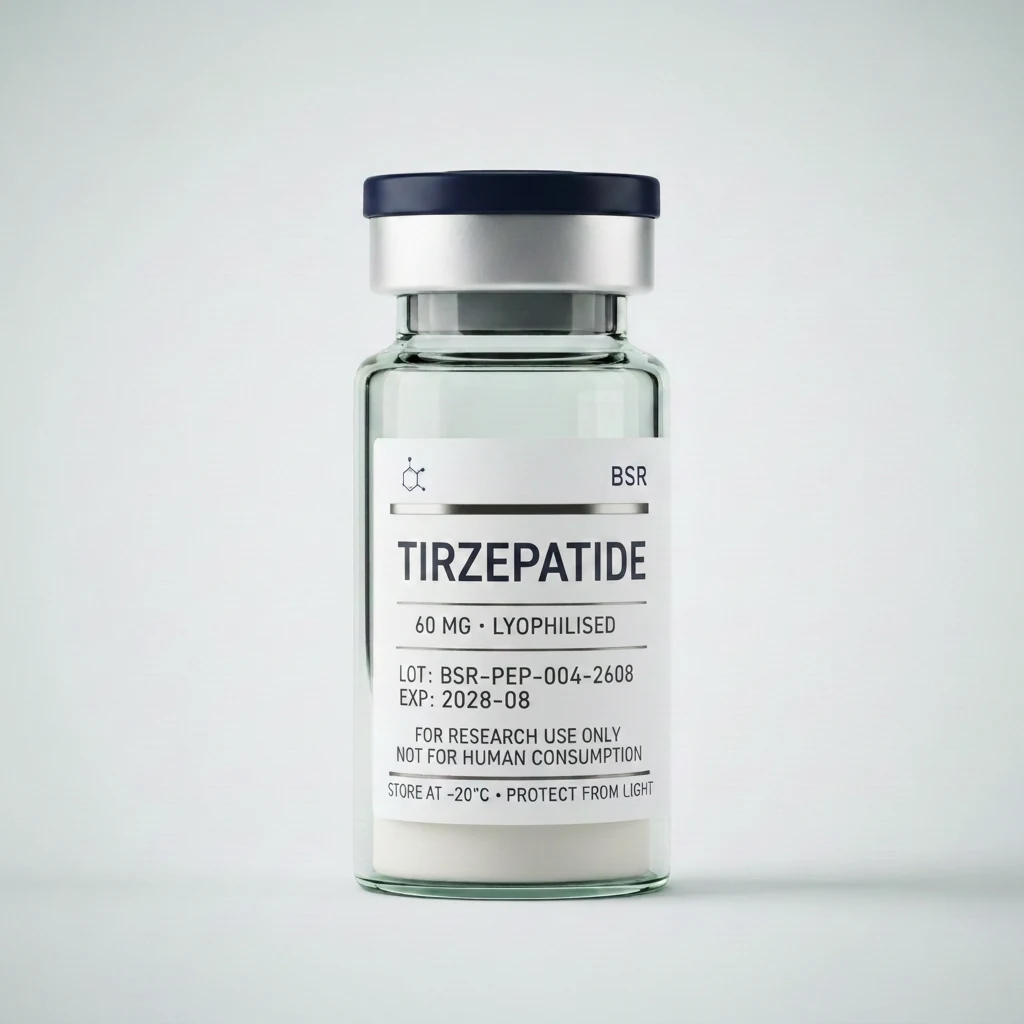
- On 30 April 2026, the FDA issued a notice of proposed rulemaking (NPRM) to formally exclude semaglutide, tirzepatide, and liraglutide from the 503B Bulks List, finding no clinical need for outsourcing facilities to compound these agents from bulk substances.
- The public comment period closed 29 June 2026; the agency is now evaluating submissions before issuing a final determination.
- If finalised, the rule would permanently foreclose bulk-API compounding of these three GLP-1 receptor agonists by 503B outsourcing facilities — even in the event of a future shortage designation.
- The proposed exclusion applies only to 503B outsourcing facilities. Patient-specific, prescription-driven 503A compounding pharmacies operate under a distinct statutory framework and are not directly affected by this NPRM, though they face their own access constraints.
- This action runs in the opposite direction to the July 2026 PCAC votes, in which FDA's advisory committee recommended expanded compounding access for six non-GLP-1 research peptides — illustrating that the FDA's posture on compounding varies significantly by compound class and evidence base.
Background: 503B outsourcing and the GLP-1 shortage era
Under Section 503B of the Federal Food, Drug, and Cosmetic Act, registered outsourcing facilities — large-scale compounding operations subject to current good manufacturing practice (cGMP) — may produce drugs from bulk active pharmaceutical ingredients (APIs) provided those substances appear on the 503B Bulks List, or the drug is on the FDA's shortage list at the time of compounding and distribution.
Semaglutide and tirzepatide shortages drove unprecedented 503B activity from roughly 2022 onwards. According to analysts tracking the market, compounded GLP-1s reached approximately 30% of US supply at their 2024 peak, with the shortage framework providing the principal legal basis for outsourcing-facility production. Tirzepatide came off the FDA's official drug shortage list in December 2024, and semaglutide followed in February 2025, eliminating the shortage-based pathway for compounding. As of 1 April 2026, the FDA confirmed that semaglutide and tirzepatide do not appear on the 503B Bulks List and are not on the shortage list, closing the two principal lawful routes for bulk API compounding at outsourcing facilities.
What the NPRM proposes
On 30 April 2026, the FDA announced it was proposing to exclude semaglutide, tirzepatide, and liraglutide from the 503B Bulks List, finding no clinical need for outsourcing facilities to compound these drugs from bulk drug substances. The determination of "no clinical need" is a statutory standard based on patient safety and medical necessity, not affordability or access to branded product — a distinction the agency has explicitly restated in response to public criticism.
If finalised, the rule would prohibit 503B outsourcing facilities from compounding these agents from bulk substances under any circumstances, regardless of future market conditions. That last qualifier is significant: unlike the shortage-era enforcement discretion, which was always time-limited, a formal 503B exclusion on clinical-need grounds would remain in force even if manufacturer supply tightened again. Courts previously denied preliminary injunction motions brought by the Outsourcing Facilities Association challenging FDA's shortage determinations, and related wind-down deadlines remained in effect.
What prompted the action: safety concerns
Patient safety data played a material role in the agency's posture. By early 2025, the FDA had received more than 455 adverse event reports linked to compounded semaglutide and more than 320 reports associated with compounded tirzepatide, many involving dosing errors from patients self-administering.
Quality and formulation concerns compounded the picture. Some outsourcing facilities and 503A pharmacies have used chemically distinct salt forms — such as semaglutide sodium — rather than the base compound whose safety and efficacy were established in clinical trials. These salt forms have not been independently evaluated in humans. Furthermore, a 2026 study found that when tirzepatide is compounded with vitamin B12, the two substances can chemically bond, forming a new molecule not found in the FDA-approved formulation. Many compounders routinely add B12 or other co-ingredients — glycine, carnitine, niacinamide — for commercial differentiation, but these combinations are largely untested in clinical trials.
The 503A boundary: what this rule does not change
Procurement professionals should note a crucial distinction. The proposed exclusion applies specifically to 503B outsourcing facilities, not 503A compounding pharmacies. Section 503A pharmacies compound pursuant to individual, patient-specific prescriptions under state board of pharmacy oversight and do not rely on the 503B Bulks List. Accordingly, the NPRM has no independent legal effect on 503A operations.
However, this does not mean 503A pharmacies can freely compound GLP-1 agents. 503A pharmacies must still satisfy the bulk-substance requirements of Section 503A, including the requirement that a bulk substance be on the 503A Bulks List, have a USP/NF monograph, or be a component of an FDA-approved drug. Semaglutide and tirzepatide meet the last criterion in their approved forms, but questions around salt-form equivalence and patient-specific prescription requirements continue to constrain practical 503A access.
Where the rule stands now: post-comment period
The FDA invited interested parties to submit comments electronically through the docket by 29 June 2026. That window has now closed. The agency is evaluating submissions before making a final determination. No target date for the final rule has been publicly confirmed as of the date of this briefing.
Notice-and-comment rulemaking under the Administrative Procedure Act does not impose a statutory deadline on finalisation, meaning the rule could take several additional months or longer to complete. The agency's proposal signals, however, that large-scale compounding of these agents has no regulatory future under the current interpretation of the clinical-need standard.
Contrast with the PCAC peptide votes
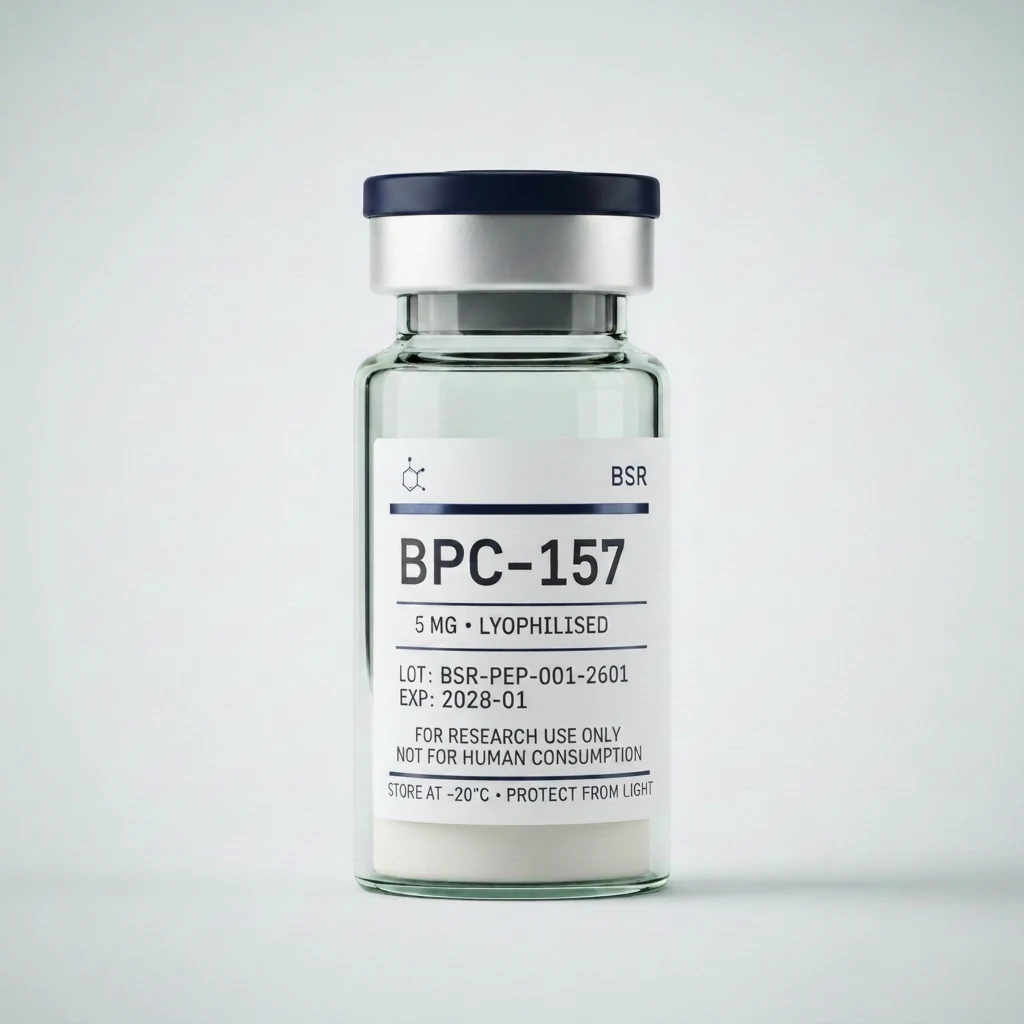
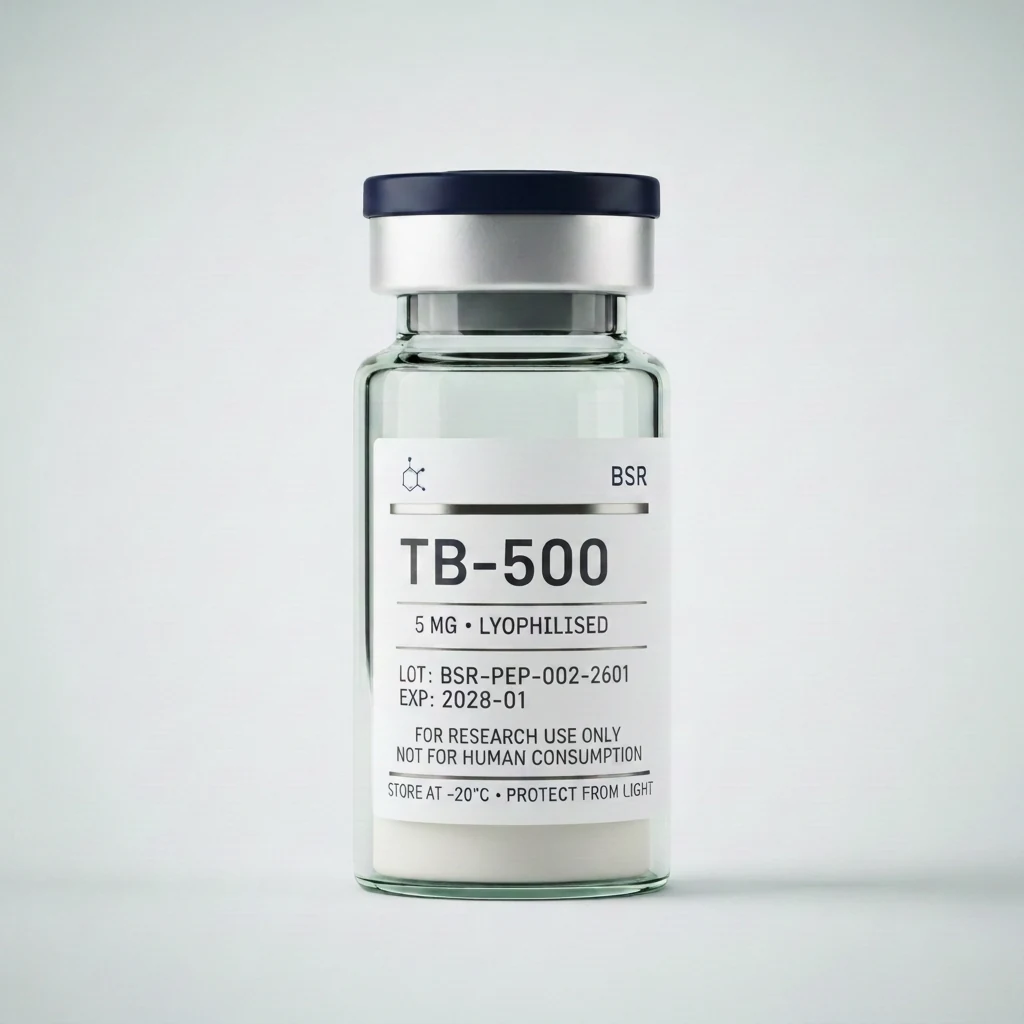
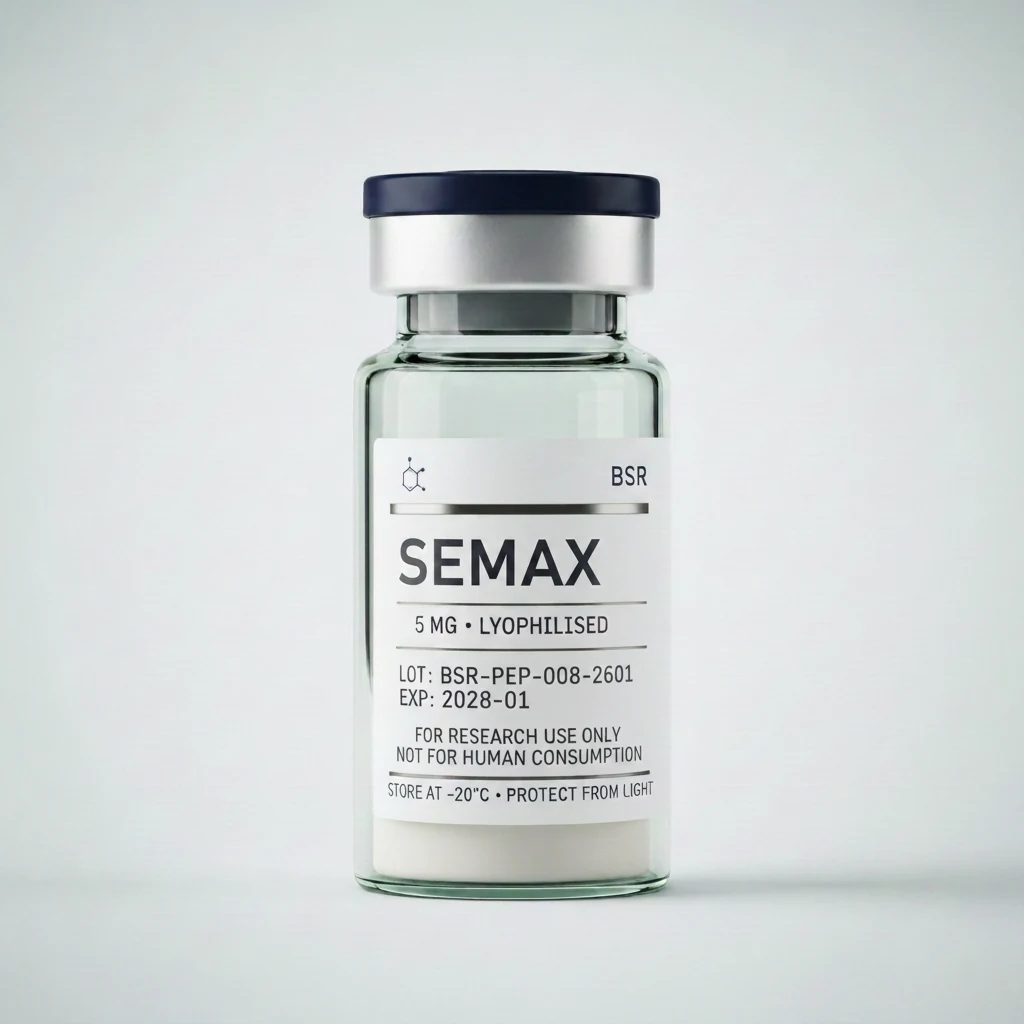
The GLP-1 rulemaking trajectory stands in notable contrast to the FDA's simultaneous handling of other research peptides. At the July 23–24, 2026 PCAC meeting, the advisory committee voted to recommend adding BPC-157, KPV, TB-500, MOTS-c, Epitalon, and Semax to the 503A Bulks List — a step toward expanded compounding eligibility for those compounds. The agency rejected only emideltide/DSIP.
The divergence illustrates a key structural point: the FDA evaluates compounding eligibility on a compound-by-compound basis, weighing the presence of approved alternatives, the safety signal profile, and the clinical-need evidence for each substance separately. GLP-1 agents now have multiple approved branded formulations — including injectable semaglutide, injectable tirzepatide, oral semaglutide, and orforglipron (Foundayo), the first non-peptide oral GLP-1 receptor agonist, which received FDA approval on 1 April 2026 — that the agency can point to as meeting clinical need without compounding. The non-GLP-1 research peptides reviewed in July lack any approved equivalents, which shifts the benefit–risk calculus.
A second PCAC meeting is scheduled before the end of February 2027 to review GHK-Cu, Cathelicidin LL-37, Dihexa acetate, Melanotan II, and PEG-MGF — five further compounds that will face the same evidence scrutiny.
Implications for research-procurement professionals
For UK research laboratories sourcing GLP-1 peptide reference standards or analogues, the NPRM has no direct legal effect: MHRA oversight of research-use-only (RUO) supply in Great Britain operates under a distinct framework. Nonetheless, the US rulemaking matters for several reasons:
- Supply-chain signal: Tighter US enforcement typically precedes MHRA attention to the same compounds. Procurement teams should document RUO intent and ensure suppliers hold appropriate MHRA registration.
- Purity and identity documentation: The salt-form issue identified in compounded GLP-1 preparations — semaglutide sodium versus semaglutide free base, for instance — is relevant to Certificate of Analysis scrutiny. Research buyers should confirm that mass spectrometry data in COAs matches the intended molecular entity, not a salt form derivative.
- Price and availability of reference standards: As large-scale US compounding volumes contract, some intermediate-quality API sources that fed the compounded market will exit. This may affect the pricing of research-grade GLP-1 peptide materials, though the impact on cGMP-certified reference standards used in academic research is expected to be limited.
- Regulatory literacy: The 503A/503B distinction is frequently conflated in trade press and supplier documentation. Understanding that the NPRM addresses only outsourcing-facility (503B) bulk production helps laboratories assess supplier claims accurately.
This briefing reflects publicly available regulatory documents and press reporting as of 21 August 2026. It does not constitute legal advice. Laboratories should consult qualified regulatory counsel for jurisdiction-specific compliance guidance.
Research-grade material, HPLC verified, certificate of analysis with every order.
The week's Intelligence in one email, every Friday morning.
Regulatory moves, trial readouts, supply-chain news. No product pitches. Unsubscribe in one click.
More in Regulatory & Policy
One Amino Acid, Three High Stakes: What the Seventh Circuit's Pending Retatrutide Ruling Means for Exclusivity, Medicare Pricing, and Compounding Access
12 Oct 2026
FDA Career Scientists Formally Oppose Administration's Interim Peptide Dispensing Plan — and What the Internal Split Means for Research Procurement
11 Oct 2026
HHS Stopgap Plan for Restricted Peptides: What the Reported Enforcement-Discretion Proposal Means for Research Procurement
09 Oct 2026