Regulatory & Policy · 24 Sep 2026
Two Months After the PCAC Vote: Where BPC-157, TB-500, Semax and Three Other Peptides Stand on the Road to the 503A Bulks List
The FDA's Pharmacy Compounding Advisory Committee recommended six peptides for 503A inclusion in July 2026 — but the votes were non-binding, FDA staff opposed all seven, and formal rulemaking has not yet begun. This briefing maps the full regulatory journey still ahead and what it means for procurement professionals today.
12 sources cited
Key takeaways
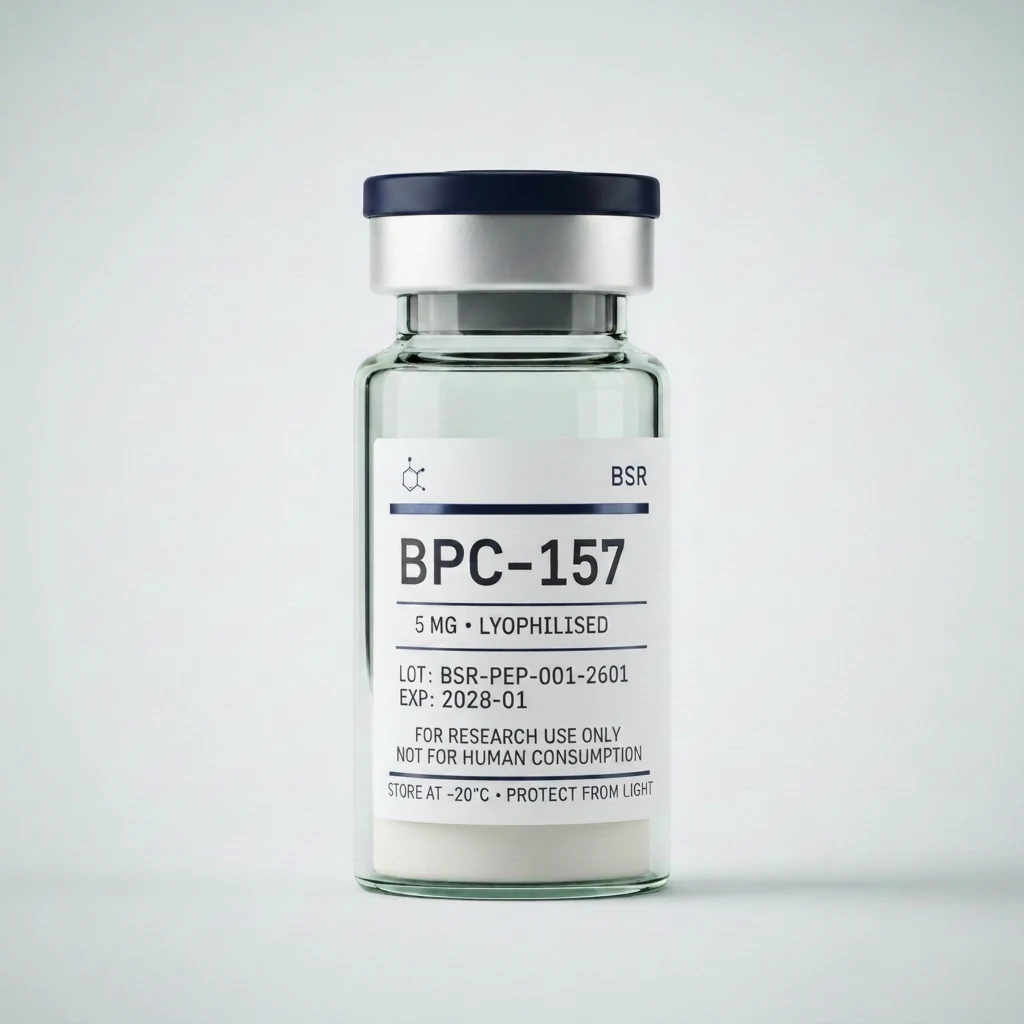
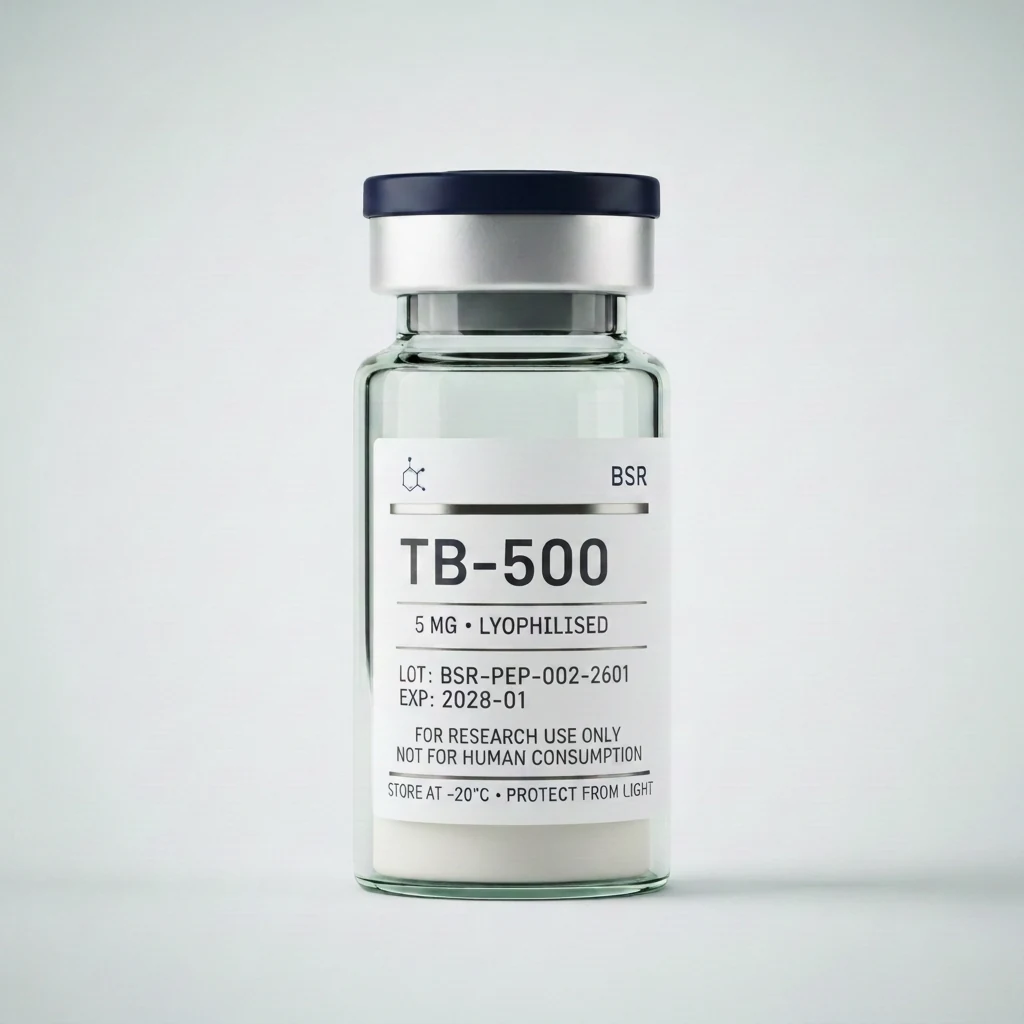
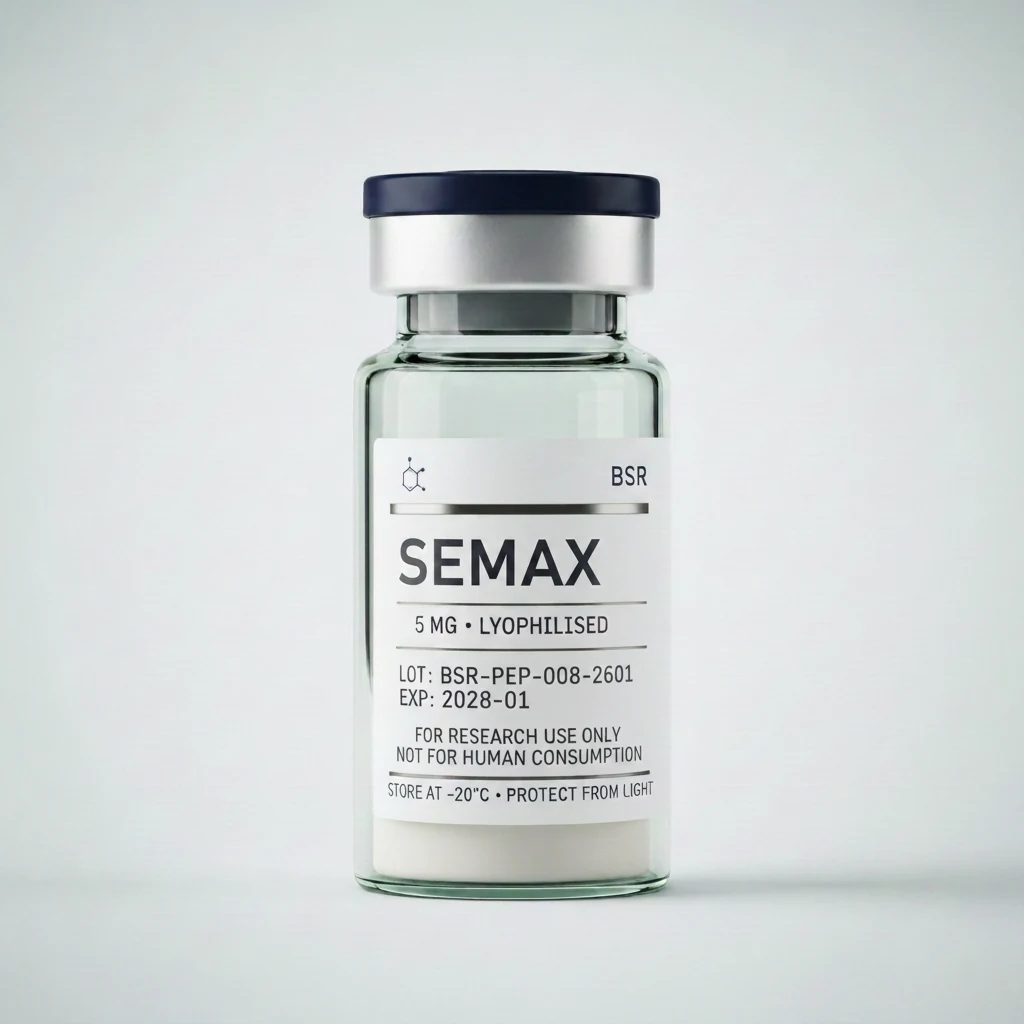
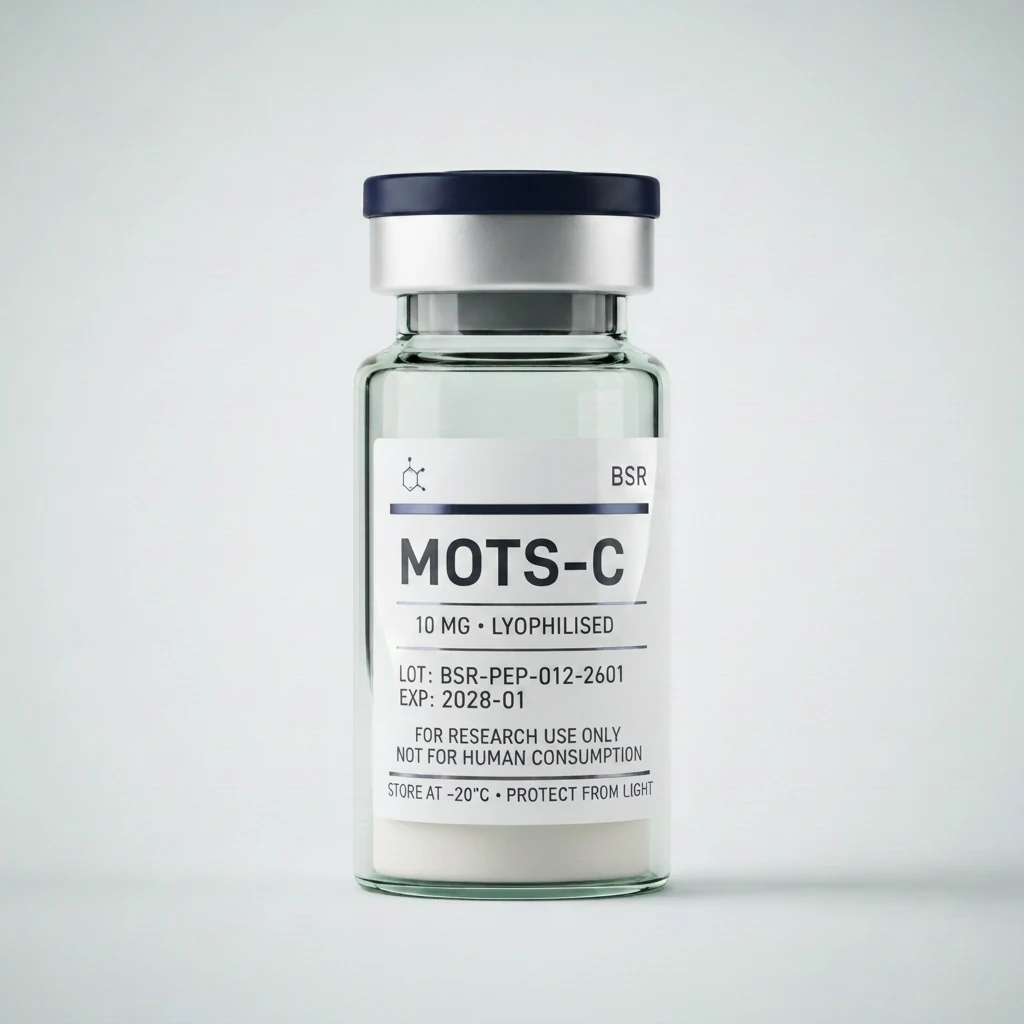
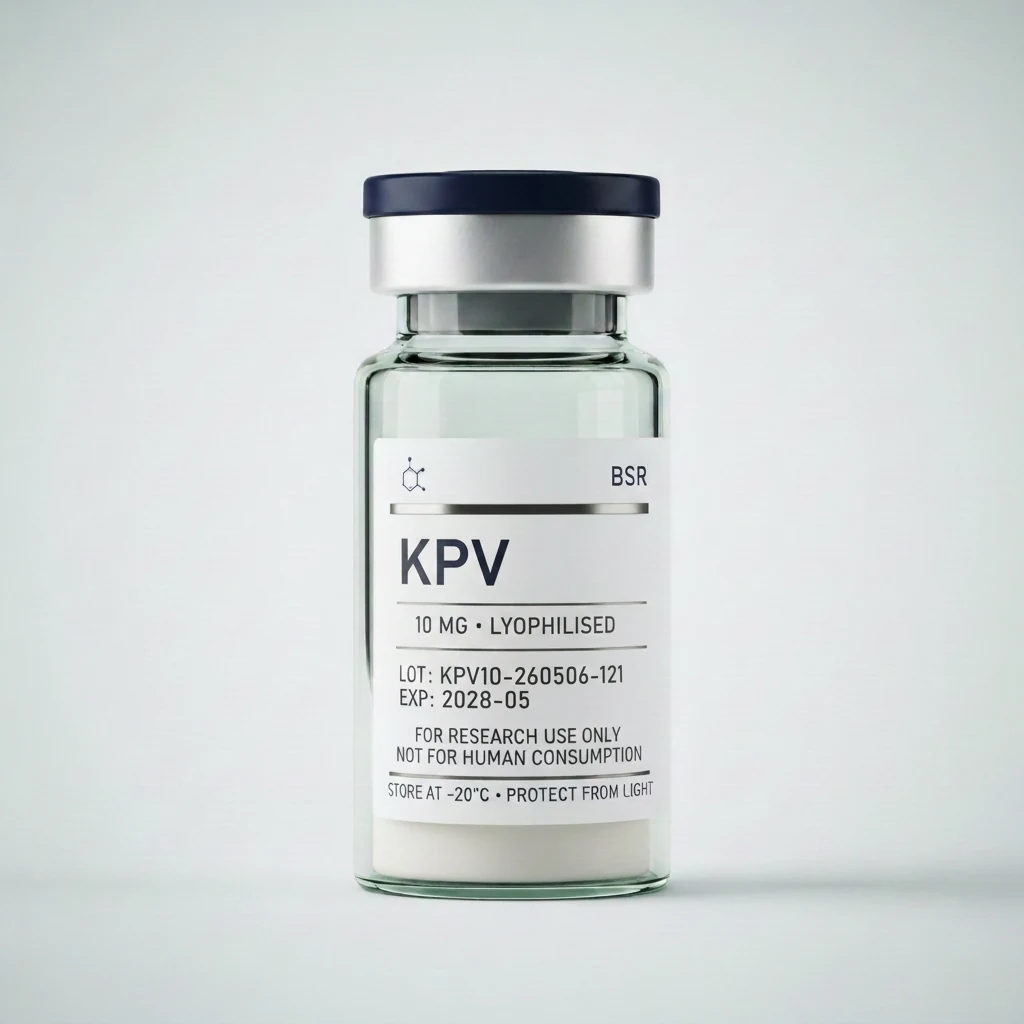
- On 23–24 July 2026, the FDA's Pharmacy Compounding Advisory Committee (PCAC) recommended six of seven reviewed peptides for potential inclusion on the Section 503A Bulk Drug Substances List: BPC-157, KPV, TB-500, MOTS-c, Epitalon, and Semax.
- The votes are non-binding advisory recommendations; they do not alter the legal status of any peptide or authorise compounding pharmacies to begin producing them.
- Critically, FDA scientific staff recommended against adding all seven substances — placing the committee and agency staff in direct disagreement on all six favourable votes.
- Formal notice-and-comment rulemaking has not yet been initiated as of 24 September 2026. Until a final rule is published, prior restrictions remain in place for 503A compounding.
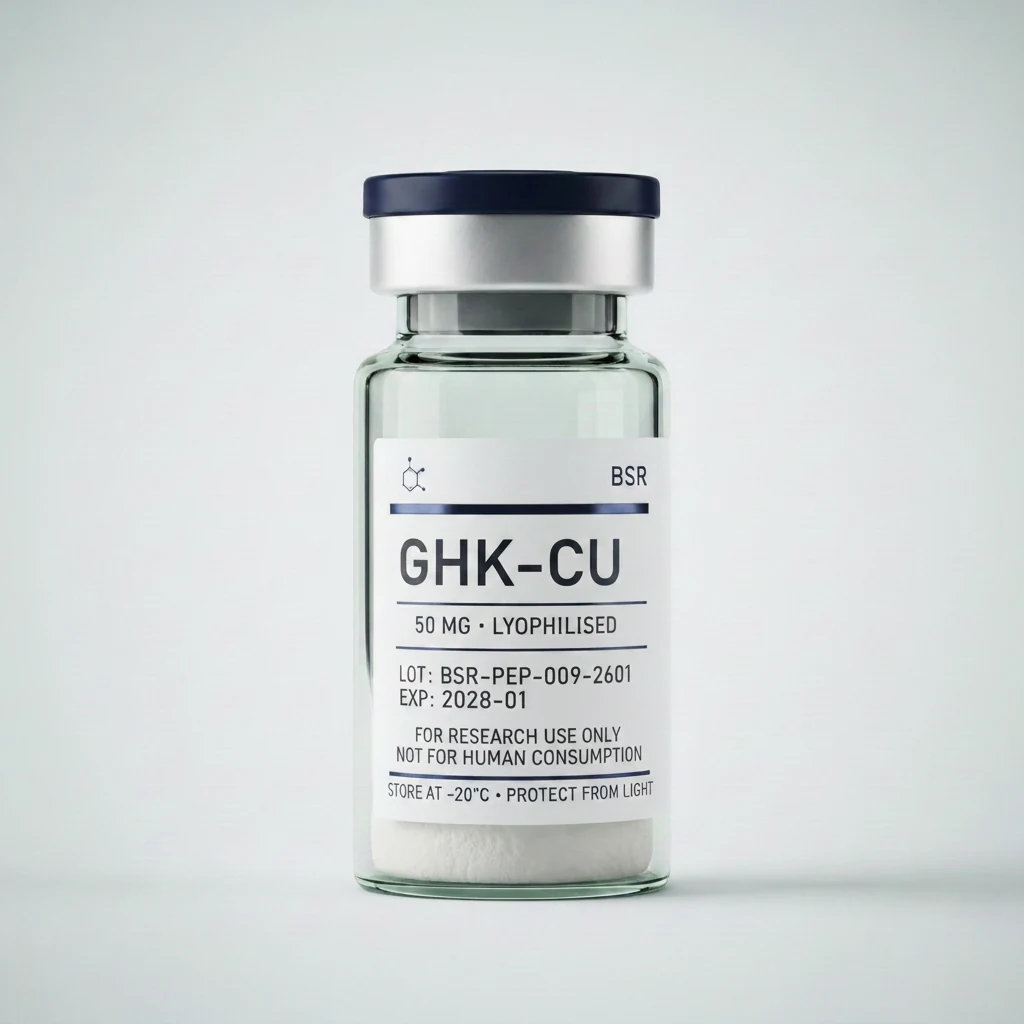
- A second PCAC meeting is scheduled before the end of February 2027 to review five additional peptides: GHK-Cu (injectable), Melanotan II, Cathelicidin (LL-37), Dihexa acetate, and Pegylated Mechano Growth Factor (PEG-MGF).
- Analysts at Leerink Partners have estimated that telehealth sales of compoundable peptides could approach $2.2 billion in 2027 if authorisation proceeds — context for why the rulemaking timeline is commercially sensitive.
Background: how the July meeting came about
The current regulatory moment traces to a chain of actions spanning three administrations. In late 2023, the Biden administration placed 19 peptides into a "Category 2" designation, citing concerns about significant safety risks and insufficient human data, effectively prohibiting compounding pharmacies from preparing them. The category system — used to sort substances nominated for the 503A Bulks List — is not itself a statutory classification but rather an administrative enforcement position.
On 27 February 2026, HHS Secretary Robert F. Kennedy Jr. announced on the Joe Rogan Experience that the administration intended to reclassify most of the 19 Category 2 peptides, signalling support for restoring a compounding pathway. That statement was not, in itself, a formal regulatory action.
On 15 April 2026, the FDA confirmed that 12 peptides would be removed from Category 2, effective 23 April 2026, following the withdrawal of their original nominations. Substances included BPC-157, TB-500, MOTS-c, GHK-Cu (injectable), Semax, and PEG-MGF. The same announcement scheduled the July PCAC meeting and opened public docket FDA-2025-N-6895. Removal from Category 2 lifted a specific "do-not-compound" posture but did not affirmatively authorise compounding; it placed each substance into a transitional status pending formal evaluation.
What the July meeting decided — and what it did not
During the 23–24 July 2026 meeting, the PCAC considered seven peptide bulk drug substances for potential inclusion on the 503A Bulks List. The meeting was the first formal, public, evidence-based scientific review most of these peptides had received. Nominators presented supporting data, independent experts evaluated the evidence, and the committee voted on each substance for a specific proposed use.
Six substances were recommended for inclusion on the 503A Bulks List in both free-base and acetate form: BPC-157, KPV, TB-500, MOTS-c, Epitalon, and Semax. Emideltide (DSIP) was the lone exception and was recommended against inclusion. BPC-157 received the closest vote, 8 yes, 6 no, with one abstention, reflecting meaningful disagreement among committee members.
Nonetheless, the July 2026 votes substantially advanced the regulatory discussion surrounding these peptides, but the votes themselves did not amend the 503A Bulks List. This point is widely misunderstood in online commentary. A PCAC recommendation does not place a substance on the bulks list, does not approve a drug product, and does not authorise compounding.
A further complication is significant. The favourable recommendations were particularly notable because FDA scientific staff had recommended against adding all seven substances. FDA retains responsibility for determining which substances ultimately appear on the 503A Bulks List and is not legally required to adopt every — or any — recommendation made by its advisory committee. That divergence between committee and staff positions means the rulemaking outcome is genuinely uncertain.
The rulemaking pathway: four steps still outstanding
The process from PCAC recommendation to lawful compounding involves several sequential steps, none of which has yet been initiated as of the date of this briefing:
-
FDA reviews recommendations. The agency evaluates the PCAC's advice alongside its own staff analysis, USP consultation, and the statutory criteria set out in 21 CFR 216.23, which include safety, effectiveness, and historical use. FDA's own interim policy states the agency will publish a Notice of Proposed Rulemaking upon completing this evaluation.
-
Notice of Proposed Rulemaking (NPRM). The NPRM identifies substances FDA proposes to place on the 503A Bulks List, and substances it evaluated but proposes not to include, triggering a public comment period.
-
Public comment and record review. After reviewing comments, FDA publishes a final rule. That final rule establishes or amends the 503A Bulks List.
-
Final rule. Only upon publication of a final rule may 503A compounding pharmacies lawfully prepare these substances. Pharmacies will not be permitted to compound them until the final rulemaking is in place.
There is no guaranteed timeline, and the next step could take weeks or months depending on the form of agency action and whether additional public or regulatory review is required. The FDA has not announced a firm deadline for its final decision on any of the six positively recommended substances.
One additional complexity is state law. Even if a substance is ultimately added to the 503A Bulks List, state boards of pharmacy maintain independent authority, and some jurisdictions may adopt more restrictive policies than federal requirements. Multi-site operators should assess applicable requirements in each relevant jurisdiction.
Category 1 is not FDA approval
A point of persistent confusion in the commercial market warrants emphasis. Even after formal rulemaking is complete and a peptide reaches Category 1 status, it is still not FDA-approved. Category 1 is an interim enforcement position, not a drug approval. It means the FDA does not intend to take enforcement action against 503A pharmacies compounding that substance for individual patients under applicable conditions — but that compounded product carries no FDA approval for safety or efficacy.
Separately, products sold online as research chemicals are not converted into legitimate medications by the committee vote. The "research-use only" label remains a separate regulatory question governed by different enforcement criteria, and the PCAC process has no direct bearing on it.
The second PCAC panel: five more peptides by February 2027
A second PCAC meeting is scheduled before the end of February 2027 to review five additional peptides for the 503A Bulks Drug Substances List: GHK-Cu (injectable), Melanotan II, Cathelicidin (LL-37), Dihexa acetate, and Pegylated Mechano Growth Factor (PEG-MGF). The FDA has not published the final date and time for that meeting, and additional details and a public comment docket are to be published separately. Notably, LL-37, Dihexa, Melanotan II, and PEG-MGF had previously been in a "withdrawn, no active review" state and are now being reconsidered, according to Newtropin's 503A status tracker, which cross-references FDA docket activity.
The committee composition for the second review is itself under scrutiny. STAT News reported in June 2026 that the FDA had named eight new panelists to PCAC, a majority of whom are involved with businesses that promote or prescribe peptides, with ethics concerns raised regarding potential conflicts of interest. The FDA has not publicly responded to those concerns.
Implications for research-procurement professionals
For UK and EU research-procurement teams, the US regulatory position matters primarily as a signal of trajectory rather than as directly applicable law — neither the MHRA nor the EMA operates an equivalent category system for research-grade peptides. However, US enforcement actions have historically influenced customs scrutiny of cross-border shipments and affected the commercial availability of bulk substances from US-facing suppliers.
The practical position as of today is unchanged: none of the six PCAC-recommended peptides has had its regulatory status altered by the July votes. Procurement from suppliers holding these substances should continue to be assessed against the same due-diligence criteria — purity documentation, Certificate of Analysis with HPLC and mass spectrometry data, and compliance with applicable research-use frameworks. The rulemaking timeline, when it begins, will be the indicator to watch.
Research-grade material, HPLC verified, certificate of analysis with every order.
The week's Intelligence in one email, every Friday morning.
Regulatory moves, trial readouts, supply-chain news. No product pitches. Unsubscribe in one click.
More in Regulatory & Policy
Eight Days Left: FDA's 17 Revised Draft Peptide Guidances and What the Withdrawn 2021 Framework Means for Generic Developers
20 Sep 2026
After the PCAC Vote: The Three Legal Steps Between a Committee Recommendation and Lawful Peptide Compounding
10 Sep 2026
Orforglipron (Foundayo) Receives MHRA Authorisation: What the UK's First Oral Small-Molecule GLP-1 Approval Means for Research and Procurement
07 Sep 2026