Regulatory & Policy · 18 Jun 2026
FDA's Proposed Permanent Exclusion of Semaglutide, Tirzepatide and Liraglutide from the 503B Bulks List: What the 29 June Comment Deadline Means for Research Procurement
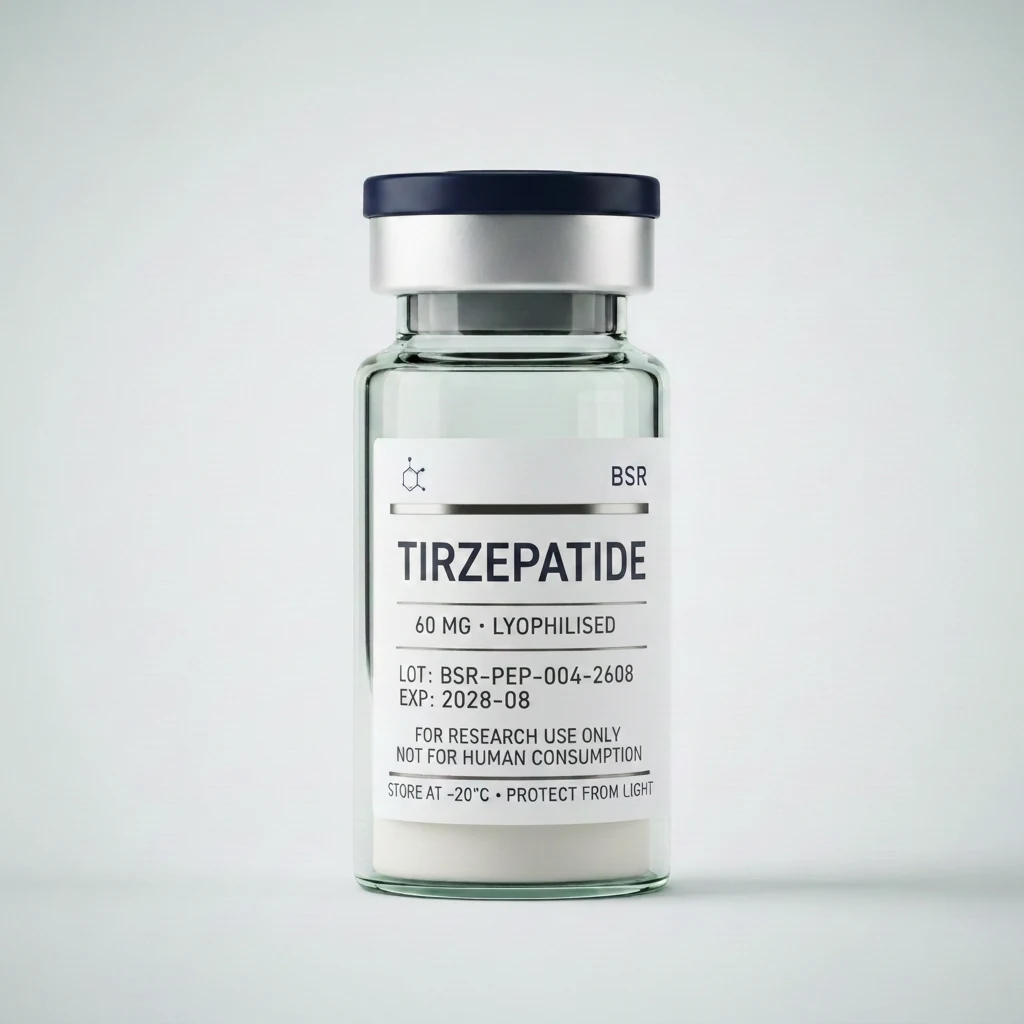
The FDA has proposed permanently barring 503B outsourcing facilities from bulk-compounding semaglutide, tirzepatide and liraglutide, finding no clinical need for their inclusion on the 503B Bulks List. With the public comment window closing on 29–30 June 2026, research procurement professionals should understand what the rule would foreclose, which legal pathways remain, and how the diverging US regulatory posture contrasts with the UK framework.
10 sources cited
Key takeaways
- On 30 April 2026, the FDA formally proposed excluding semaglutide, tirzepatide and liraglutide from the 503B Bulks List, citing an absence of clinical need for large-scale compounding of these substances.
- If finalised, the rule would permanently foreclose bulk-substance compounding by 503B outsourcing facilities for all three agents, even in the event of a future shortage.
- The public comment window closes on 29–30 June 2026 — eleven days from the date of this briefing. Stakeholders who wish to submit formal input should act immediately.
- The 503A patient-specific compounding pathway is not directly altered by this proposal, but remains independently constrained by the removal of semaglutide and tirzepatide from the drug shortage list in 2025.
- The MHRA framework for GLP-1 agents in the UK is separate and unchanged; UK research-use-only supply chains are unaffected, though domestic enforcement of mis-marketed products is intensifying.
Background: how the compounded GLP-1 market arose
Demand-driven shortages beginning in 2022 enabled widespread compounding at approximately $150 to $300 per month versus brand-name pricing exceeding $1,000, until the FDA declared shortages resolved and imposed wind-down enforcement deadlines. At peak in 2024, compounded versions were estimated to represent roughly 30% of total US GLP-1 supply, according to On Healthcare Tech.
Both semaglutide and tirzepatide were added to the FDA's drug shortage list in 2022 due to surging demand, triggering statutory provisions permitting 503A pharmacies and 503B outsourcing facilities to compound those products. As supply began to normalise, the FDA resolved the tirzepatide shortage in December 2024 and the semaglutide shortage in February 2025, providing phased enforcement grace periods for compounders to wind down operations.
Legal challenges by the Outsourcing Facilities Association failed to secure preliminary injunctions, solidifying that "essentially a copy" compounding of semaglutide or tirzepatide is impermissible for 503A and 503B facilities alike.
The 30 April 2026 proposal: what the FDA is actually proposing
The FDA announced on 30 April 2026 that it is proposing to exclude semaglutide, tirzepatide and liraglutide from the 503B Bulks List. The 503B Bulks List identifies bulk drug substances that outsourcing facilities may use in compounding under Section 503B of the Federal Food, Drug, and Cosmetic Act. In most cases, outsourcing facilities cannot compound drugs using bulk drug substances unless the substance appears on the Bulks List or the compounded drug is on the FDA's drug shortage list at the time of compounding. After evaluating nominations for all three substances, the FDA did not identify a clinical need for outsourcing facilities to compound them from bulk drug substances.
The proposal would formally exclude semaglutide (Ozempic, Wegovy; Novo Nordisk), tirzepatide (Mounjaro, Zepbound; Eli Lilly), and liraglutide (Victoza, Saxenda; Novo Nordisk) from the 503B outsourcing facility bulk drug substances list. If finalised, the rule would prohibit 503B outsourcing facilities from compounding these agents from bulk substances under any circumstances, regardless of future market conditions.
This "under any circumstances" formulation is the rule's most consequential feature. Under the 503B framework, outsourcing facilities may only use bulk drug substances if the substance is on the Bulks List or the compounded drug is on the shortage list. With neither condition met for these three agents, a formal exclusion would foreclose any future pathway for bulk compounding, even in the event of a new shortage designation. A public comment period is open through 29 June 2026 via the federal docket.
The Federal Register docket (2026-08552) lists the comment deadline as 30 June 2026 for written submissions, though Pharmacy Times and other sources cite 29 June for electronic comments. Researchers and compounders should note that late comments will not be considered.
The 503A distinction: a narrower, but surviving, pathway
A widespread misreading of this proposal equates it to a blanket ban on all compounding. That is not what the FDA is proposing.
This proposal does not directly alter the legal framework for 503A compounding pharmacies. Section 503A pharmacies operate under a separate statutory provision and compound drugs pursuant to individual patient-specific prescriptions under state board of pharmacy oversight. They do not rely on the 503B Bulks List to authorise their compounding activities, and the proposed exclusion has no independent legal effect on their operations.
However, this does not mean that 503A pharmacies may freely compound these GLP-1 medications. The removal of semaglutide and tirzepatide from the FDA's drug shortage list in 2025 already eliminated the primary legal basis that had permitted 503A pharmacies to compound drugs that are "essentially a copy" of the commercially available branded products. Absent a shortage listing, 503A pharmacies are prohibited under Section 503A from regularly or in inordinate amounts compounding drugs that are essentially copies of commercially available products.
Most current compounded supply is produced through 503B outsourcing facilities, which would no longer be able to compound these agents in bulk under the proposal. There may still be limited use under 503A compounding rules, where a medication is prepared for an individual patient based on a specific clinical indication, but that pathway is much more restricted and not designed for widespread use.
Safety data underpinning the FDA's clinical-need determination
The FDA's rationale rests principally on a finding that approved products are available and adequate, rather than on adverse event data alone. Nevertheless, patient safety figures prominently in the regulatory record.
As of early 2025, the FDA had received more than 455 adverse event reports linked to compounded semaglutide and more than 320 reports associated with compounded tirzepatide, many involving dosing errors from patients self-administering incorrect doses from multi-dose vials — some of which required hospitalisation.
Litigation by Novo Nordisk alleges that some compounded semaglutide contained impurities as high as 86%, highlighting risks of contamination, variable potency and severe hypersensitivity reactions including anaphylaxis.
The Partnership for Safe Medicines notes that mass compounding of GLP-1 medications has been linked to hundreds of adverse events — including sepsis, liver injury and hospitalisations — as well as recalls involving thousands of contaminated or improperly dosed vials.
Major compounders have already begun to exit the market: following an April 2026 warning to 503B compounding facilities, many appear to have scaled back or exited GLP-1 production altogether, with ProRx and, reportedly, BPI Labs ceasing production in April, and Medisource stopping in March after its parent company, Hims, decided to cease sales of compounded semaglutide.
Liraglutide: an asymmetric position within the proposal
Liraglutide occupies a slightly different position. The FDA's current shortage database still includes liraglutide, meaning the shortage-list pathway may remain relevant while that status continues. However, a final decision excluding liraglutide from the 503B Bulks List would foreclose the separate clinical-need route once any shortage-based basis becomes unavailable. Compounders relying on the current shortage status of liraglutide should note that the proposed exclusion, if finalised, would close the Bulks List door permanently for all three agents regardless of future shortage designations.
Litigation risk and potential future challenges
Expect future court challenges. The FDA's evolving policy changes may be subject to legal challenge by compounding pharmacies or outsourcing facilities that find themselves the target of enforcement activities, particularly given the post–Loper Bright administrative law environment. The Outsourcing Facilities Association has a track record of challenging FDA shortage resolutions in federal court, though courts denied preliminary injunctions in both the tirzepatide and semaglutide cases.
UK context: a separate regulatory framework
The FDA's 503B Bulks List mechanism has no direct UK equivalent. In Great Britain, the Medicines and Healthcare products Regulatory Agency (MHRA) regulates specials and unlicensed medicines through a distinct legislative pathway under the Human Medicines Regulations 2012. There is no equivalent "shortage list" compounding carve-out in the UK framework.
Between January and October 2023, the MHRA seized 369 potentially fake Ozempic pens from online suppliers, and has since advised the public to refrain from buying weight-loss pens containing semaglutide or liraglutide without a prescription from online suppliers. UK enforcement of mis-marketed injectable peptides is increasing, as noted by the BSR March–May 2026 briefing.
For UK research laboratories procuring GLP-1 reference standards or analogues for in-vitro or mechanistic research, neither the 503B proposal nor the compounding constraints affect the fundamental research-use-only supply chain. However, procurement teams should be alert to the possibility that regulatory tightening in the United States could accelerate illicit online sales to the UK market as displaced compounded-product demand migrates.
What procurement professionals should monitor
- Comment deadline: The federal docket closes on 29–30 June 2026. UK-based academic institutions with US affiliates or collaborative research programmes involving GLP-1 peptides should confirm whether their US counterparts intend to submit comments.
- Final determination timing: The FDA will review all submitted comments before making a final ruling. No timeline has been published, but the proposal is widely interpreted as a formality given existing enforcement posture.
- 503A clinical-need compounding: Compounders operating under Section 503A should rigorously document medical necessity for any continued compounding of these ingredients and ensure that compounded products are meaningfully different from the commercially available versions.
- Supply disruption from illicit migration: Concerns about counterfeit products entering the market through online channels have further reinforced the FDA's enforcement focus. UK labs sourcing GLP-1 peptide standards should insist on full certificates of analysis from FDA-registered or MHRA-compliant manufacturers.
- Liraglutide shortage status: Procurement teams relying on liraglutide reference material from compounding sources should monitor the FDA's shortage database for any change to its current listed status.
All compounds discussed in this briefing are referenced for research and regulatory context only. BSR supplies research-grade peptides for laboratory and in-vitro use exclusively.
Research-grade material, HPLC verified, certificate of analysis with every order.
The week's Intelligence in one email, every Friday morning.
Regulatory moves, trial readouts, supply-chain news. No product pitches. Unsubscribe in one click.
More in Regulatory & Policy
One Amino Acid, Three High Stakes: What the Seventh Circuit's Pending Retatrutide Ruling Means for Exclusivity, Medicare Pricing, and Compounding Access
12 Oct 2026
FDA Career Scientists Formally Oppose Administration's Interim Peptide Dispensing Plan — and What the Internal Split Means for Research Procurement
11 Oct 2026
HHS Stopgap Plan for Restricted Peptides: What the Reported Enforcement-Discretion Proposal Means for Research Procurement
09 Oct 2026