Reputational Risks · 02 Jun 2026
MHRA Turns Its Attention to UK Peptide Clinics: What the April 2026 Investigation Means for Legitimate Research Labs
The MHRA has opened investigations into UK clinics making therapeutic claims about unregulated peptide products, following a Guardian exposé and an earlier Criminal Enforcement Unit raid in Lincolnshire. For research-procurement professionals, the enforcement shift clarifies where regulatory tolerance ends — and why robust research-use-only labelling and sourcing discipline matter more than ever.
9 sources cited
Key takeaways
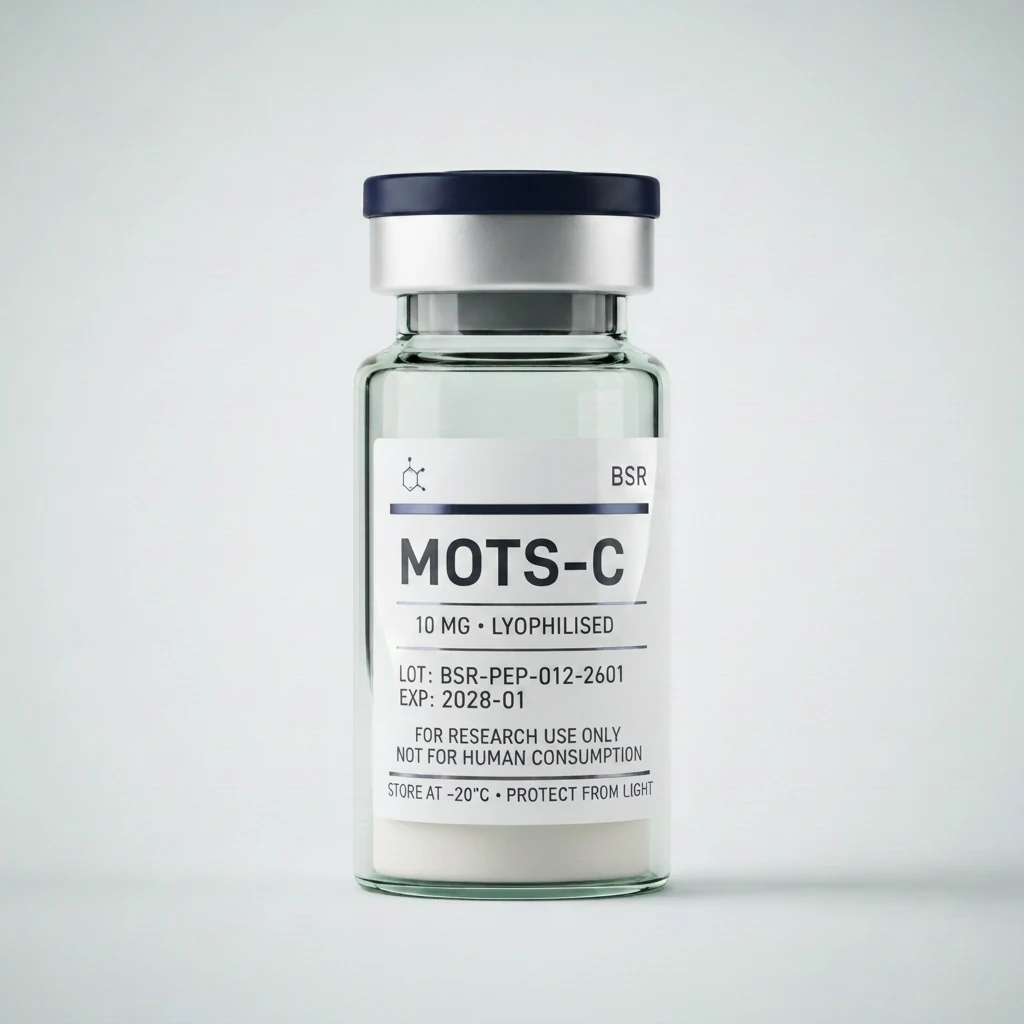
- The MHRA opened formal investigations in April 2026 into UK clinics promoting unregulated peptides — including BPC-157, MOTS-c, and Cortexin — with therapeutic claims, following a Guardian investigation.
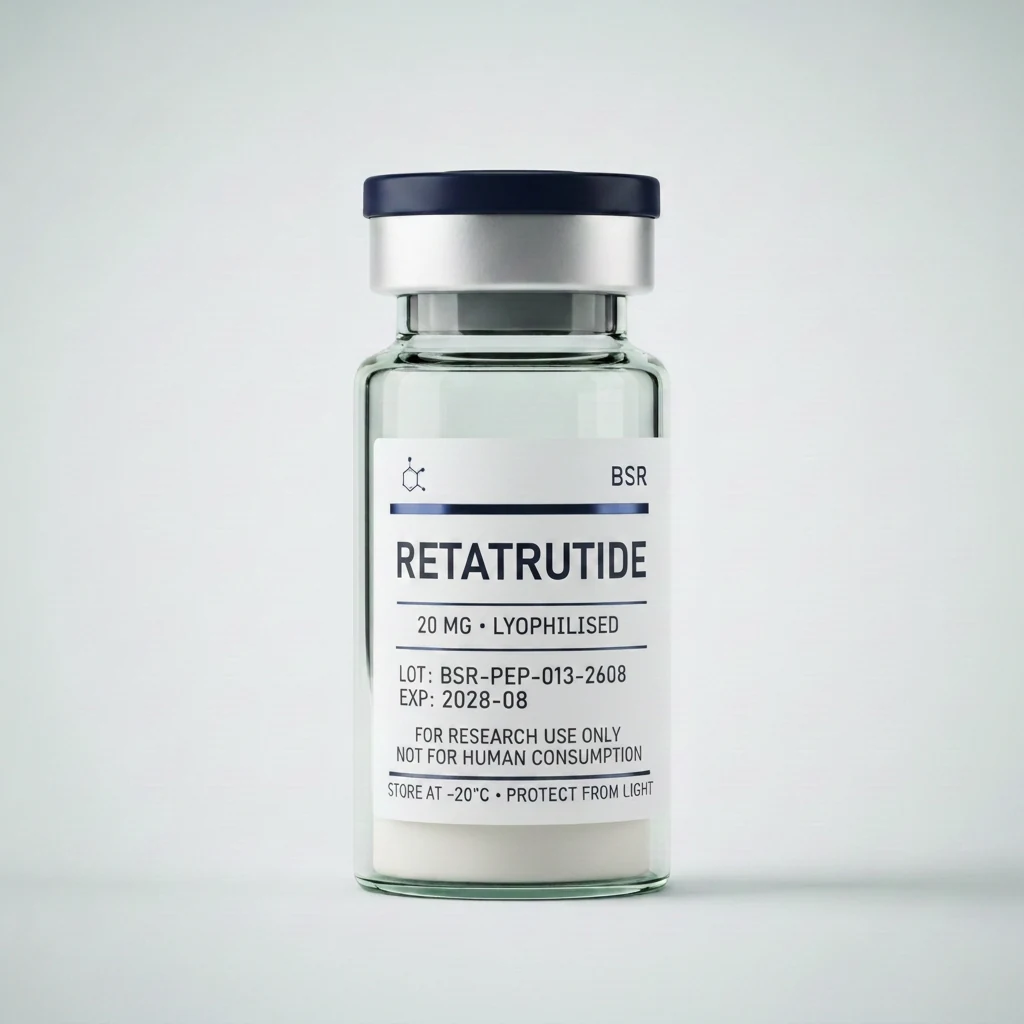
- A separate MHRA Criminal Enforcement Unit raid in February 2026 seized nearly 2,000 doses of unlicensed weight-loss medicines, including retatrutide and tirzepatide, from two Lincolnshire premises.
- The MHRA has confirmed that a "research purposes" label does not shield suppliers or clinics if the broader promotional context implies human medicinal use.
- For legitimate research laboratories, these actions underscore the legal importance of sourcing peptides from suppliers with credible research-use-only documentation and batch-specific analytical certification.
- The Human Medicines Regulations 2012 remain the operative framework: any product carrying a medicinal claim for a human indication is a medicine, regardless of how the supplier labels it.
What triggered the MHRA investigation
Global Cosmetics News reported in early April 2026 that the MHRA had initiated an investigation into UK peptide clinics following a Guardian inquiry. The Guardian's journalists identified multiple clinics promoting experimental peptide treatments with explicit claims linked to anti-ageing, injury recovery, and cognitive enhancement, despite limited human clinical evidence. BritBrief confirmed the investigation had been triggered specifically by clinics making potentially unlawful assertions about substances including BPC-157, MOTS-c, and Cortexin.
The MHRA's position was clearly stated: if a clinic makes medicinal claims for peptide injections, the products are classified as medicines under the Human Medicines Regulations 2012 and become subject to full regulatory oversight. Pharmacy Business reported that MHRA official Lynda Scammell told the Guardian that the agency would disregard "research purposes" labelling where it was apparent the label was being used as an attempt to circumvent medicines regulations. If promotional material implied the products were intended for human therapeutic use, she indicated, enforcement action would follow.
At least one clinic removed the relevant claims from its website after being approached by a Guardian reporter, according to Global Cosmetics News.
The February 2026 criminal raid: a harder enforcement signal
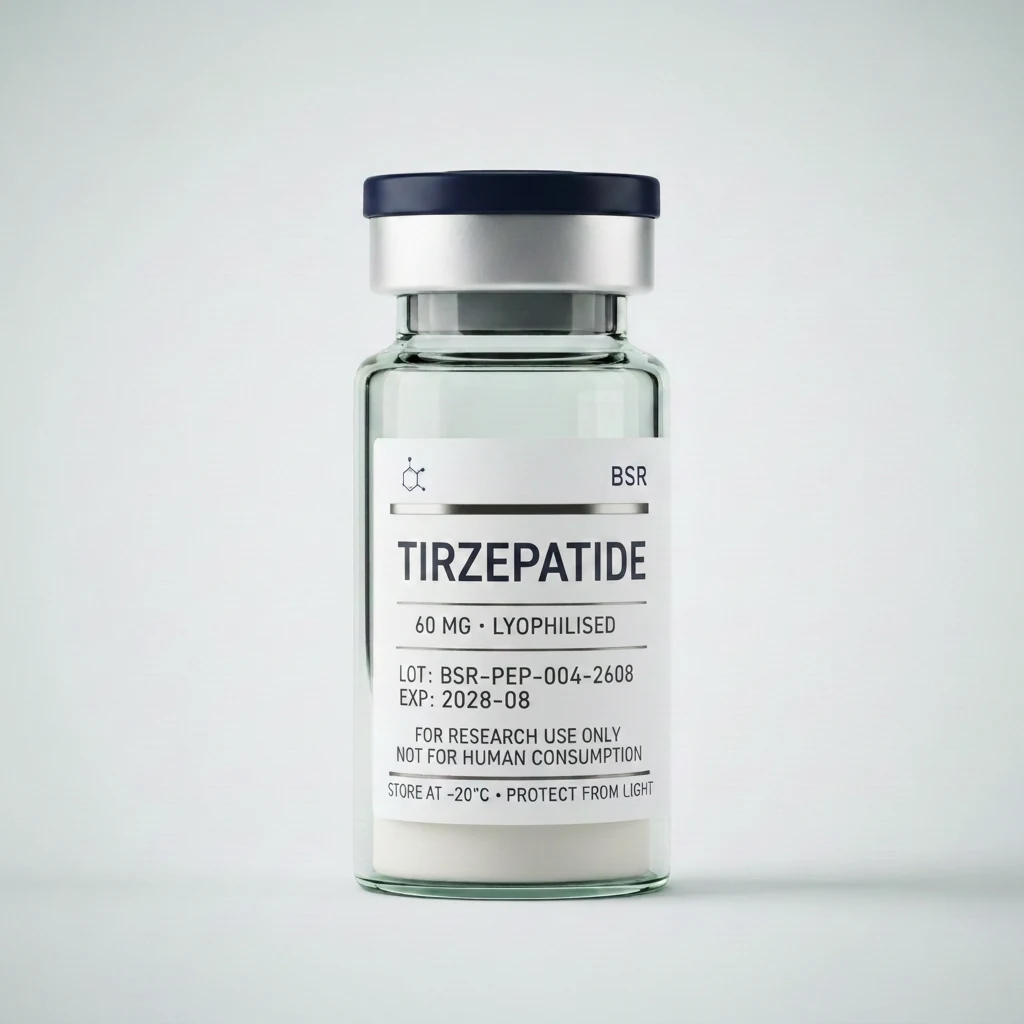
The April investigation did not emerge from a vacuum. In February 2026, the MHRA's Criminal Enforcement Unit carried out raids on two premises in Lincolnshire and Nottinghamshire as part of an investigation into an organised criminal network involved in the manufacture and sale of unlicensed weight-loss medicines. GOV.UK reported that officers — supported by Lincolnshire Police, Immigration Enforcement, and Lincolnshire Trading Standards — seized almost 2,000 doses of unauthorised weight-loss medicines awaiting dispatch to customers, alongside manufacturing equipment, packaging, and commercial vehicles. The two premises — a farm near Sleaford and a residential address in Grantham — were believed to have been used for the manufacture and distribution of unlicensed medicines including retatrutide and tirzepatide, as well as peptide products.
The health innovation and patient safety minister described the operation as removing "dangerous, unregulated products" from supply, noting that such medicines are produced "with no regard for safety." The involvement of the MHRA's Accredited Financial Investigators, authorised under the Proceeds of Crime Act 2002, signals that enforcement in this space extends to asset recovery — not merely product seizure.
The legal framework UK research labs must understand
The regulatory boundary in England, Scotland, and Wales is defined by the Human Medicines Regulations 2012. A product becomes a medicine under UK law when it meets one of two criteria: it is presented as having properties for treating or preventing disease in human beings, or it may be used in or administered to human beings with a view to restoring, correcting, or modifying physiological functions by exerting a pharmacological, immunological, or metabolic action. The presentation limb is particularly relevant here — it is the basis on which the MHRA is acting against clinics, because the claim made in the marketing materials, not the inherent chemistry of the compound, is what triggers the definition.
Peptides Lab UK notes that most research peptides sold in the UK as research-use-only reference compounds are not regulated by the MHRA as medicines precisely because they are not marketed for human use. The distinction matters enormously for procurement teams. A supplier that maintains genuine research-use-only positioning — without human-use claims anywhere in its marketing, packaging, or sales documentation — is operating in a materially different legal position from a clinic offering the same molecule as an anti-ageing injection.
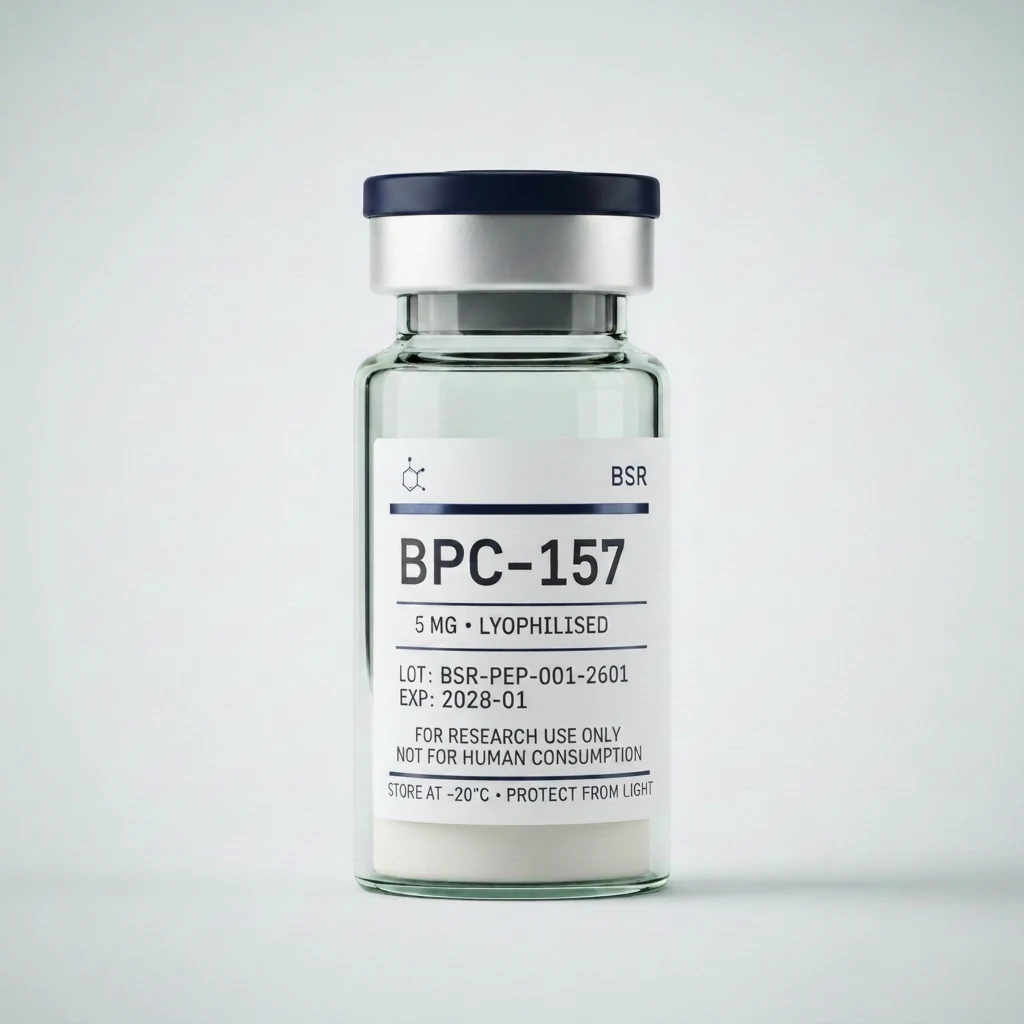
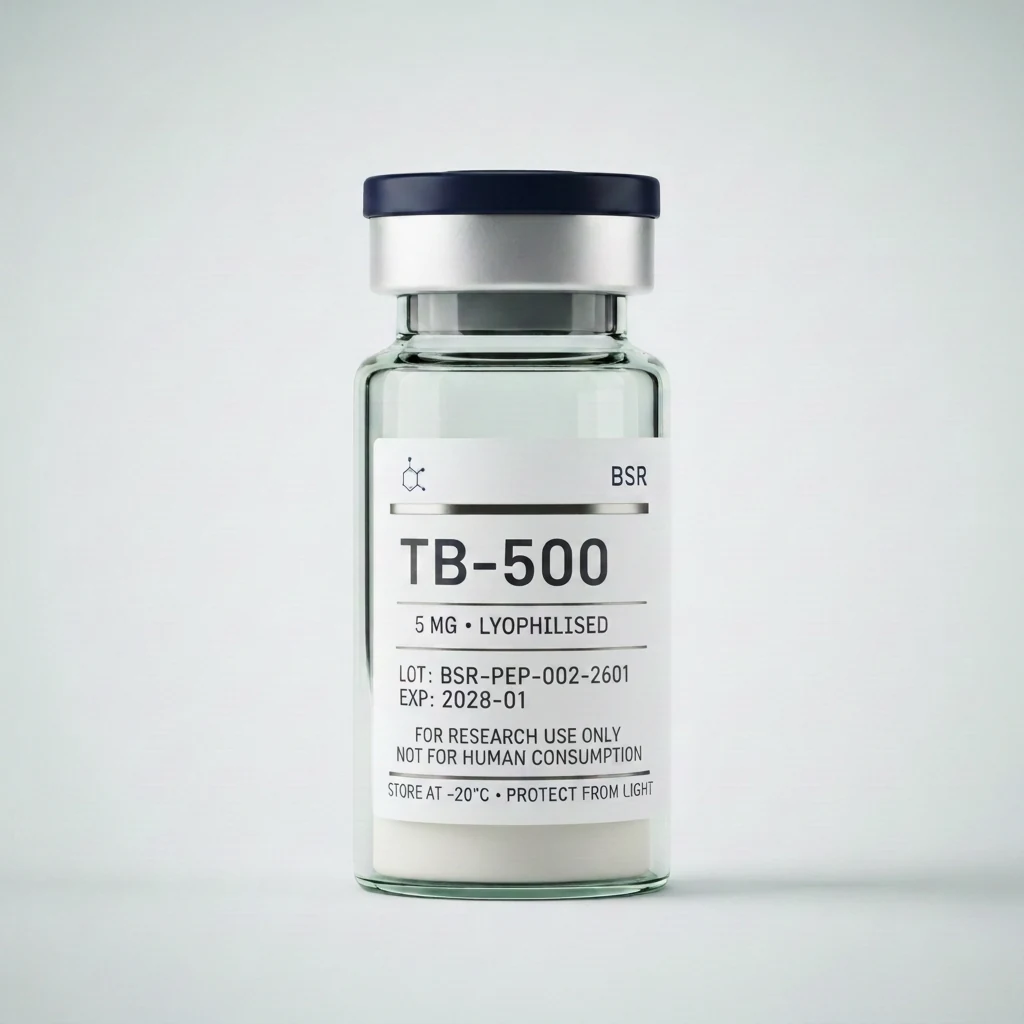
Common research peptides including BPC-157, TB-500, and GHK-Cu remain unscheduled under the Misuse of Drugs Act 1971 as of early 2026, meaning they are not controlled substances. However, this does not grant them any form of clinical legitimacy for human administration. MHRA has issued warnings about unlicensed peptide products sold online, citing concerns about quality, safety, contamination, and lack of regulatory oversight.
GHK-Cu: a case study in the cosmetics–medicine boundary
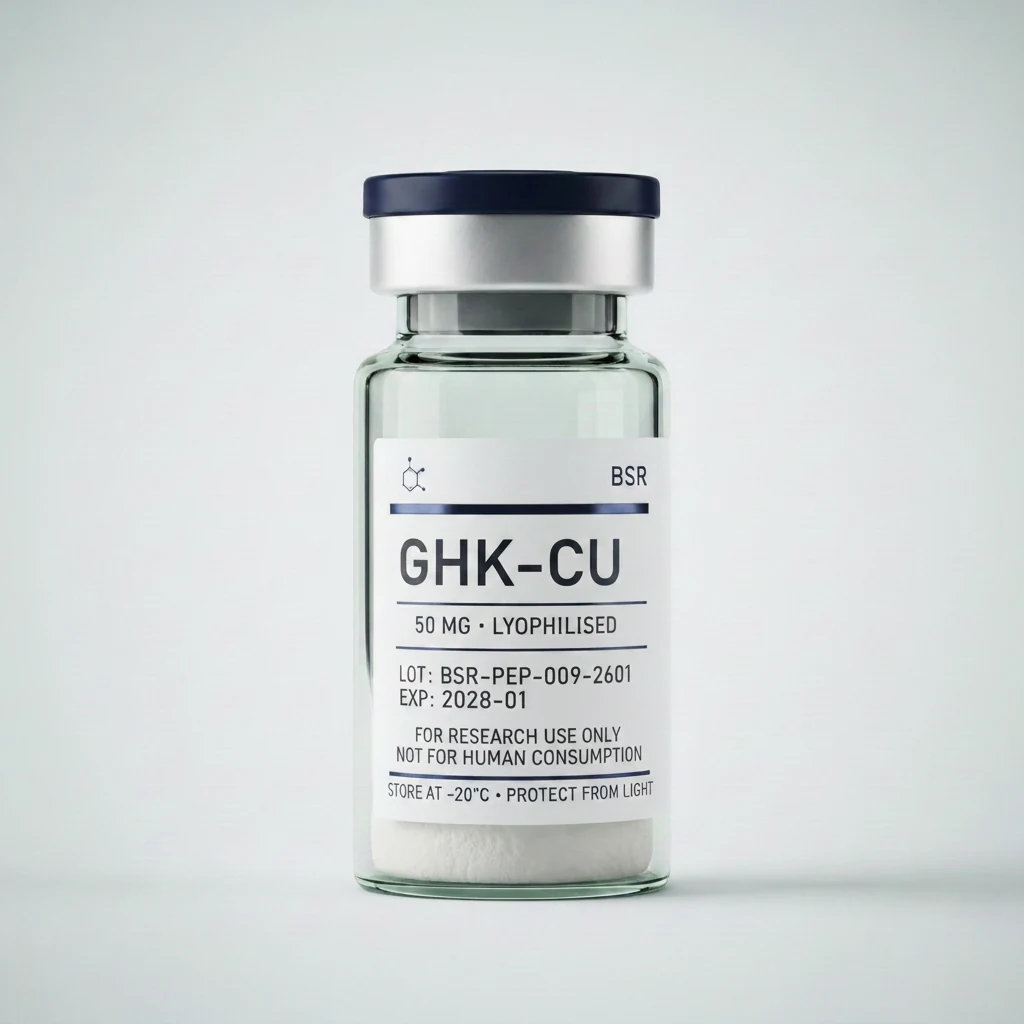
GHK-Cu (glycyl-L-histidyl-L-lysine copper chelate) illustrates the boundary particularly clearly. Peptides Lab UK describes GHK-Cu as a chelated copper-tripeptide with one of the longest research records in the published peptide literature, with origins in its identification in human plasma in the 1970s. It carries no MHRA marketing authorisation as a systemic medicine.
Topical cosmetic products containing GHK-Cu at low concentrations are regulated separately under cosmetics law, where only cosmetic claims are permissible. Injectable formulations carrying therapeutic claims — tissue repair, anti-ageing reversal, immune modulation — cross into the medicine definition under the Human Medicines Regulations 2012, and the MHRA has confirmed it will act on such claims. In the US context, Orrick notes that GHK-Cu was removed from FDA Category 1 in April 2026 — with PCAC consultation planned before the end of February 2027 — reflecting a parallel regulatory reconsideration of its compounding status.
What the enforcement shift means for procurement teams
For research-procurement professionals at UK laboratories, the April 2026 MHRA investigation carries two practical implications.
Supplier due diligence has become more critical. A supplier marketing peptides with any human therapeutic language — even hedged phrases such as "supports recovery" or "promotes healthy ageing" — is operating in a manner the MHRA has signalled it will investigate. Procurement teams should ensure their suppliers' websites, catalogues, and product inserts contain no such claims, and that research-use-only labelling is consistent across all customer-facing materials. Batch-specific Certificates of Analysis (CoA) with HPLC purity data and mass-spectrometry identity confirmation remain the minimum analytical standard for defensible procurement.
The reputational environment is tightening. The convergence of the Guardian investigation, the April MHRA probe, and the February criminal raid means the UK peptide supply market is under closer scrutiny than at any point in recent years. Procurement teams that can demonstrate a documented audit trail — supplier identity, CoA records, intended research use, institutional oversight — are best positioned if questions arise. The MHRA's stated approach of looking through "research purposes" labels to the actual intent of a supply relationship means that intent must be both genuine and evidenced.
The broader US regulatory context — the FDA's parallel removal of twelve peptides from Category 2 following withdrawn nominations, and the scheduled July 2026 PCAC meetings — does not directly alter UK law. However, it indicates that globally, regulators are revisiting the evidentiary basis for peptide restrictions, and that a more structured framework for research-grade compounds may emerge over the next 12 to 24 months. Until that framework exists, the MHRA's current enforcement posture represents the operative risk environment for UK research labs.
Summary
The MHRA investigation opened in April 2026 represents a material tightening of enforcement against UK clinics making therapeutic claims about unregulated peptides. For research laboratories, the operative lesson is that the "research-use-only" designation is a legally significant distinction — but only when it is applied consistently and in good faith throughout the supply chain. Procurement teams sourcing peptides for legitimate laboratory research should review their supplier documentation, confirm the absence of therapeutic claims in all relevant marketing materials, and maintain clear institutional records of intended use.
Research-grade material, HPLC verified, certificate of analysis with every order.
The week's Intelligence in one email, every Friday morning.
Regulatory moves, trial readouts, supply-chain news. No product pitches. Unsubscribe in one click.
More in Reputational Risks
Black Mould, Falsified Records, and Import Alert 66-40: What FDA Inspection Reports Reveal About Chinese GLP-1 API Suppliers
16 Oct 2026
Supplement-Grade API in Injectable Vials: The Glutathione Contamination Cluster That Illuminates a Systemic Compounding Risk
15 Oct 2026
The FDA's Enforcement Paradox: Warning Letters, Import Bans, and China Supply Chain Scrutiny as Deregulation Signals Grow
10 Oct 2026