Research Pipeline · 04 Jul 2026
MOTS-c: The Mitochondrial Peptide at the Centre of the July 2026 PCAC Review
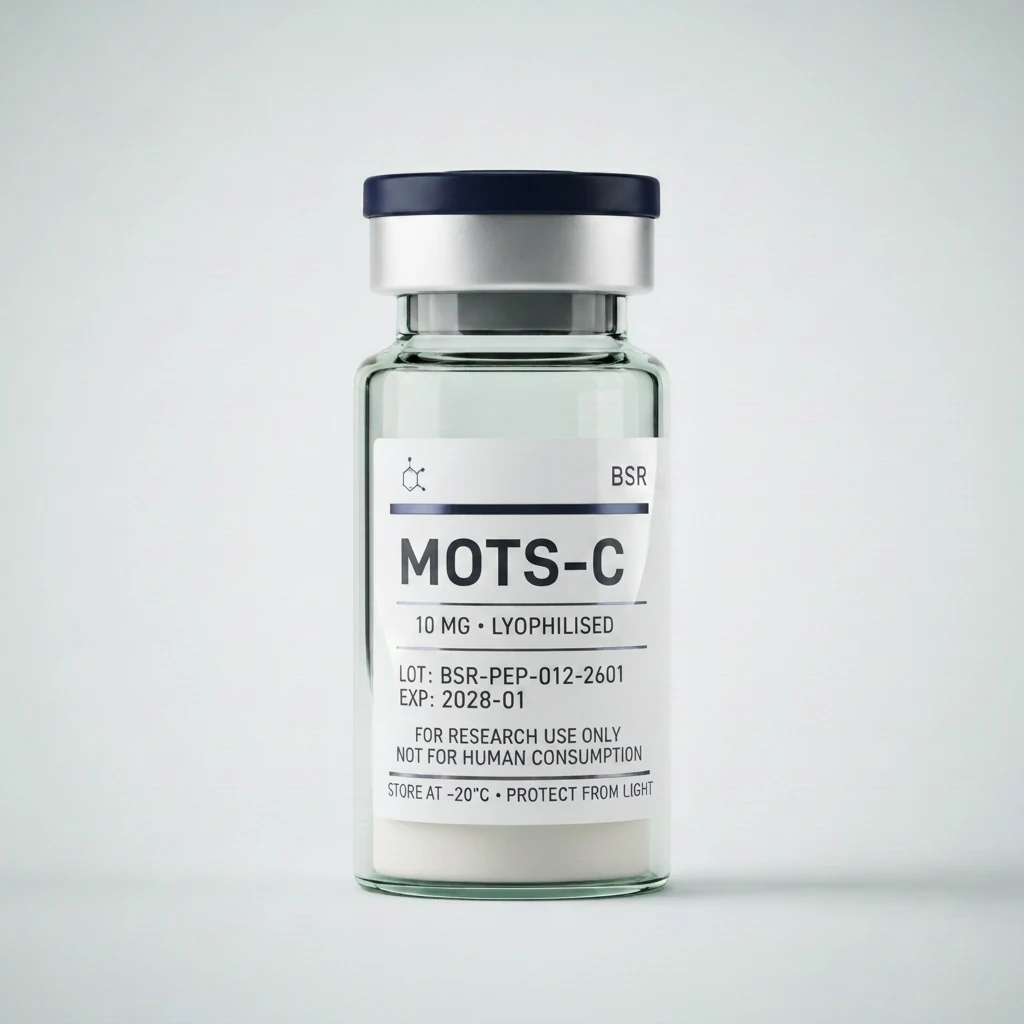
MOTS-c, a 16-amino-acid peptide encoded by mitochondrial DNA, is one of four compounds scheduled for discussion on Day 1 of the FDA's Pharmacy Compounding Advisory Committee meeting on 23 July 2026. With the deadline for oral testimony registration falling on 30 June, UK research-procurement professionals have a narrow window to understand what the evidence base actually shows — and what a favourable committee recommendation would and would not mean.
14 sources cited
Key takeaways
- MOTS-c is a 16-amino-acid, mitochondrially encoded peptide with preclinical evidence spanning insulin resistance, obesity, muscle atrophy, and ageing biology.
- It is one of four compounds slated for Day 1 discussion at the FDA's Pharmacy Compounding Advisory Committee (PCAC) meeting on 23 July 2026, under docket FDA-2025-N-6895.
- The deadline to register for oral testimony at that meeting is 30 June 2026 — two weeks from today.
- Human clinical data remain sparse: the only completed controlled trial used CB4211, an analogue, and no active Phase 2 or Phase 3 programme for native MOTS-c currently exists, though a Phase 2a prediabetes study has reportedly been registered.
- A positive PCAC recommendation would permit compounding pharmacies to prepare MOTS-c under Section 503A of the US Federal Food, Drug and Cosmetic Act; it would not constitute FDA approval, and it would have no direct bearing on MHRA enforcement in the UK.
What is MOTS-c?
MOTS-c (Mitochondrial ORF of the 12S rRNA Type-C) occupies an unusual position among research peptides: it is encoded by a short open reading frame within the mitochondrial 12S rRNA gene, comprising 16 amino acids, and regulates insulin sensitivity and metabolic homeostasis. Because most human peptides are encoded by nuclear DNA, the mitochondrial origin of MOTS-c has drawn sustained interest from researchers studying cellular energy regulation.
MOTS-c expression is age-dependent and detected in multiple tissues, including skeletal muscle and in circulation, leading researchers to describe it as a "mitochondrial hormone" or "mitokine." Circulating levels measurably decline with chronological ageing, a pattern that has informed its investigation in longevity and metabolic-disease contexts.
Mechanism of action
MOTS-c is significantly expressed in response to stress or exercise and translocates to the nucleus, where it regulates the expression of stress adaptation-related genes containing antioxidant response elements. It mainly acts through the Folate-AICAR-AMPK pathway, thereby influencing energy metabolism, insulin resistance, inflammatory response, exercise adaptation, ageing, and ageing-related pathologies.
Its primary target organ appears to be skeletal muscle, and its cellular actions inhibit the folate cycle and its tethered de novo purine biosynthesis, leading to AMPK activation. This mechanism distinguishes MOTS-c from GLP-1 receptor agonists and growth hormone secretagogues, which act through entirely separate receptor systems. In practical terms, the AMPK axis places MOTS-c conceptually alongside compounds studied for metabolic flexibility and glucose disposal rather than appetite suppression or anabolism.
Plasma MOTS-c rises acutely with exercise in both rodents and humans, suggesting it functions as a primary mediator linking mitochondrial stress to systemic metabolic adaptation.
Preclinical evidence: breadth without depth
The breadth of MOTS-c's preclinical literature is notable. In mouse models, MOTS-c treatment prevented age-dependent and high-fat-diet-induced insulin resistance, as well as diet-induced obesity. More recently, a 2025 study published in Experimental & Molecular Medicine showed that MOTS-c levels decrease with ageing and senescence in pancreatic islet cells, and that treating aged mouse pancreatic islets with MOTS-c reduced islet senescence by modulating nuclear gene expression and metabolites involved in β-cell senescence.
Muscle physiology represents a second active strand. Recent evidence has shown that MOTS-c can attenuate disuse-induced muscle atrophy in rodent models involving hindlimb unloading or denervation, suggesting it is a promising therapeutic candidate for various muscle wasting conditions — though its precise mechanism for opposing glucocorticoid-induced muscle atrophy in human cells remains unexplored. A February 2026 cell-biology study from UCLouvain and Aspetar examined MOTS-c and humanin against dexamethasone-induced atrophy in human skeletal muscle cells, published in Physiological Reports, adding to a growing body of in vitro human-cell data even as in vivo human trial data lag behind.
Ageing research has also noted a hormonal interaction: in ovariectomised mouse models mimicking postmenopausal metabolic decline, MOTS-c partially reversed obesity and insulin resistance associated with oestrogen withdrawal, a finding relevant to researchers working in menopause biology.
Human clinical evidence: the CB4211 gap
The honest assessment of the human evidence base is that it is thin. Common searches for MOTS-c clinical trials in 2025–2026 all point to the same evidence base: CB4211 Phase 1a/1b results, no active Phase 2 or Phase 3 MOTS-c programme, and no FDA-approved MOTS-c drug.
CB4211, developed by CohBar, is a synthetic analogue of MOTS-c, not the native peptide itself. A double-blind, placebo-controlled Phase 1 trial using single and multiple ascending doses found CB4211 to be "safe and well tolerated" in a controlled setting. The Phase 1b portion included 20 obese participants with at least 10% liver fat, with 11 participants treated with 25 mg CB4211 subcutaneously once daily and nine treated with placebo for 28 days; topline results were released by CohBar in 2021. The programme was subsequently discontinued, leaving the clinical pipeline for MOTS-c analogues effectively stalled.
One source reports that a Phase 2a randomised, double-blind, placebo-controlled study of investigational MOTS-c in adults with prediabetes and overweight or obesity — listed as NCT07505745 — has been registered, with the primary efficacy endpoint being change from baseline in an oral glucose tolerance measure. If confirmed, this would represent the first controlled human study of native MOTS-c, but it does not alter the evidentiary picture ahead of the July PCAC meeting.
This represents one of the major frustrations for researchers following MOTS-c: a compound with strong preclinical data and promising early human safety results that has not yet found a development partner to advance it through the regulatory pipeline.
The July 2026 PCAC process: what it means and what it does not
On 15 April 2026, the FDA updated its Section 503A bulk drug substances list, removing MOTS-c and 11 other peptides from Category 2 — the tier reserved for substances the agency had flagged as presenting significant safety risks — following withdrawal of their nominations. The removal was triggered by withdrawal of their nominations from the 503A list; the "significant safety risks" designation had previously formed the basis for FDA enforcement action against compounders distributing these peptides.
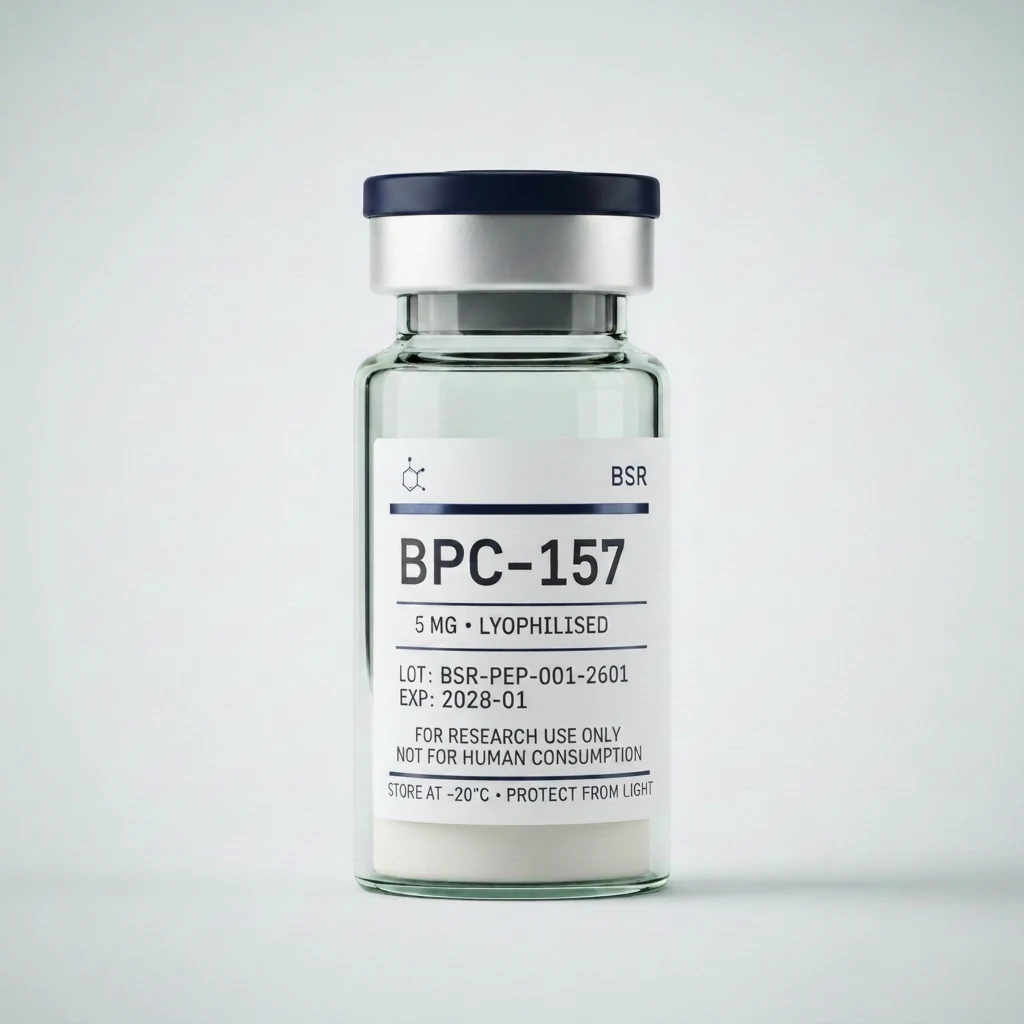
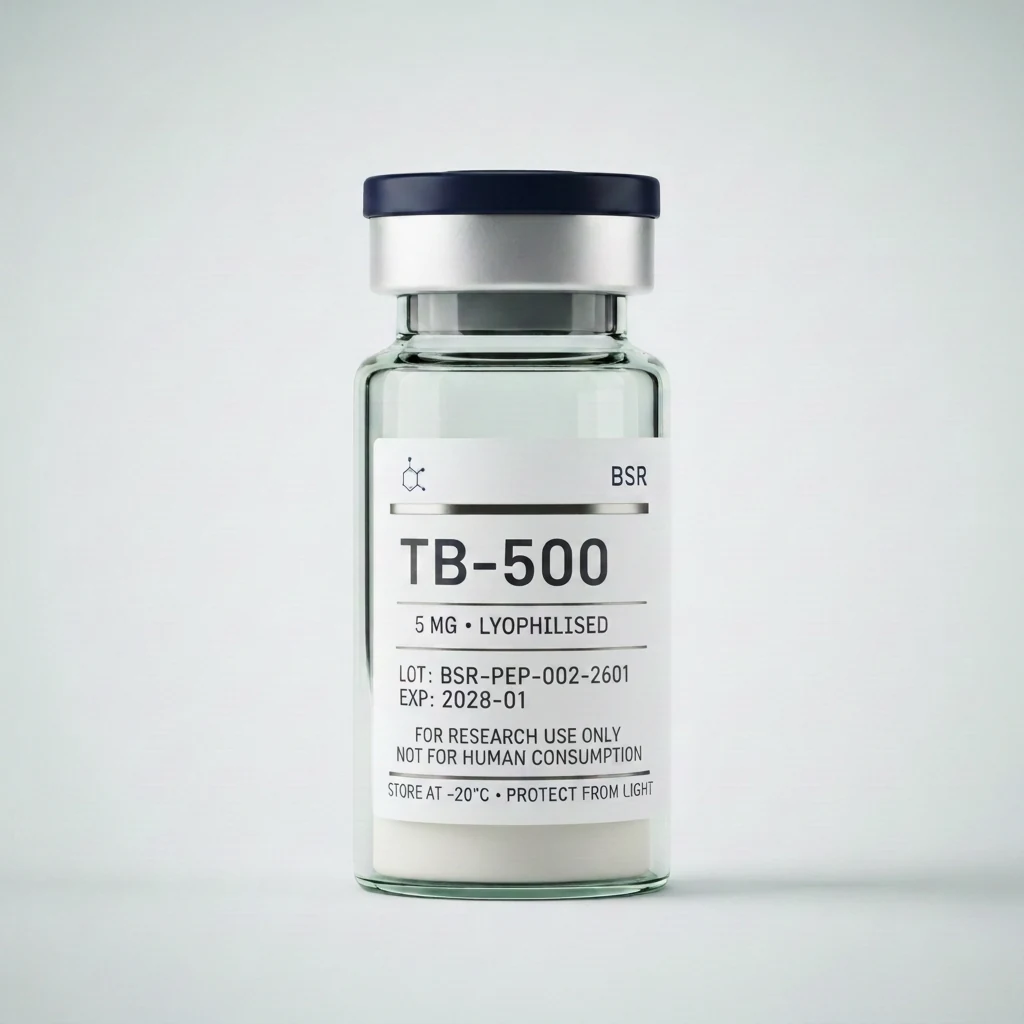
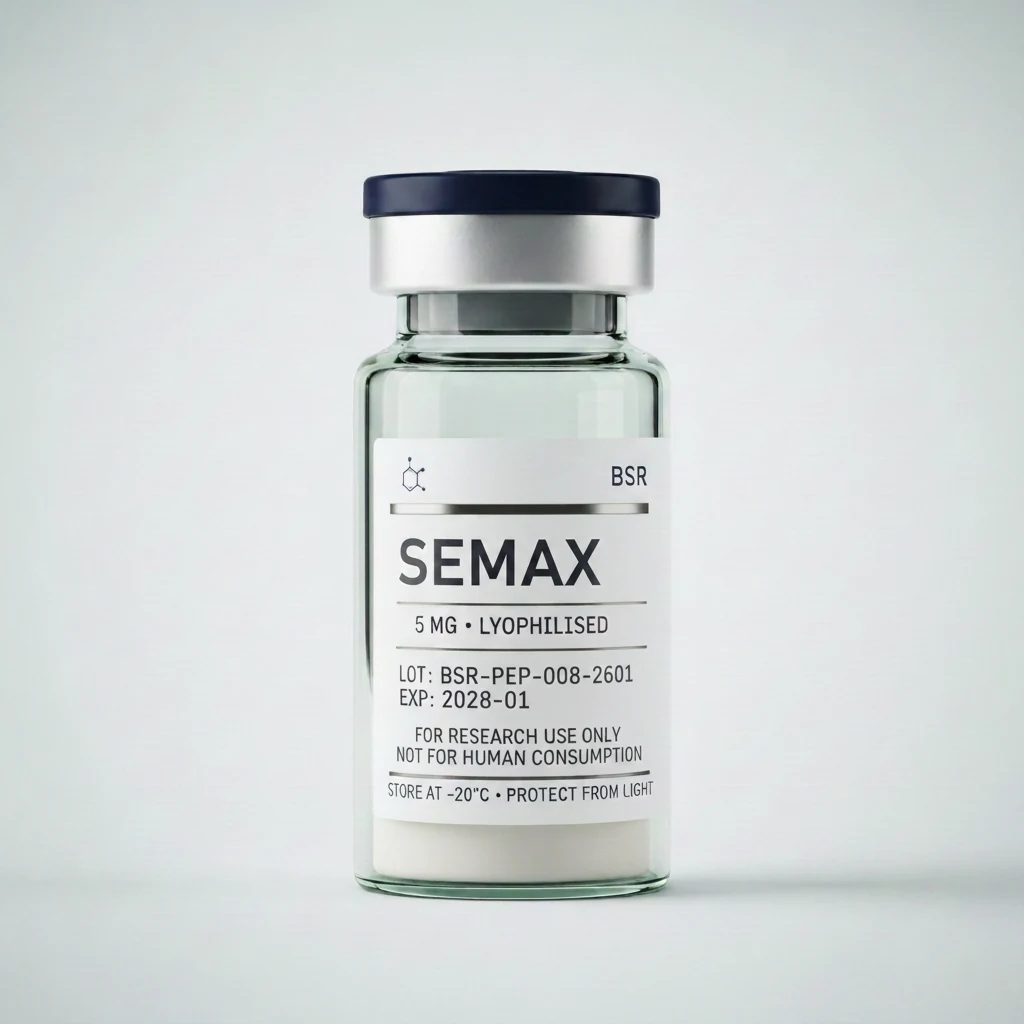
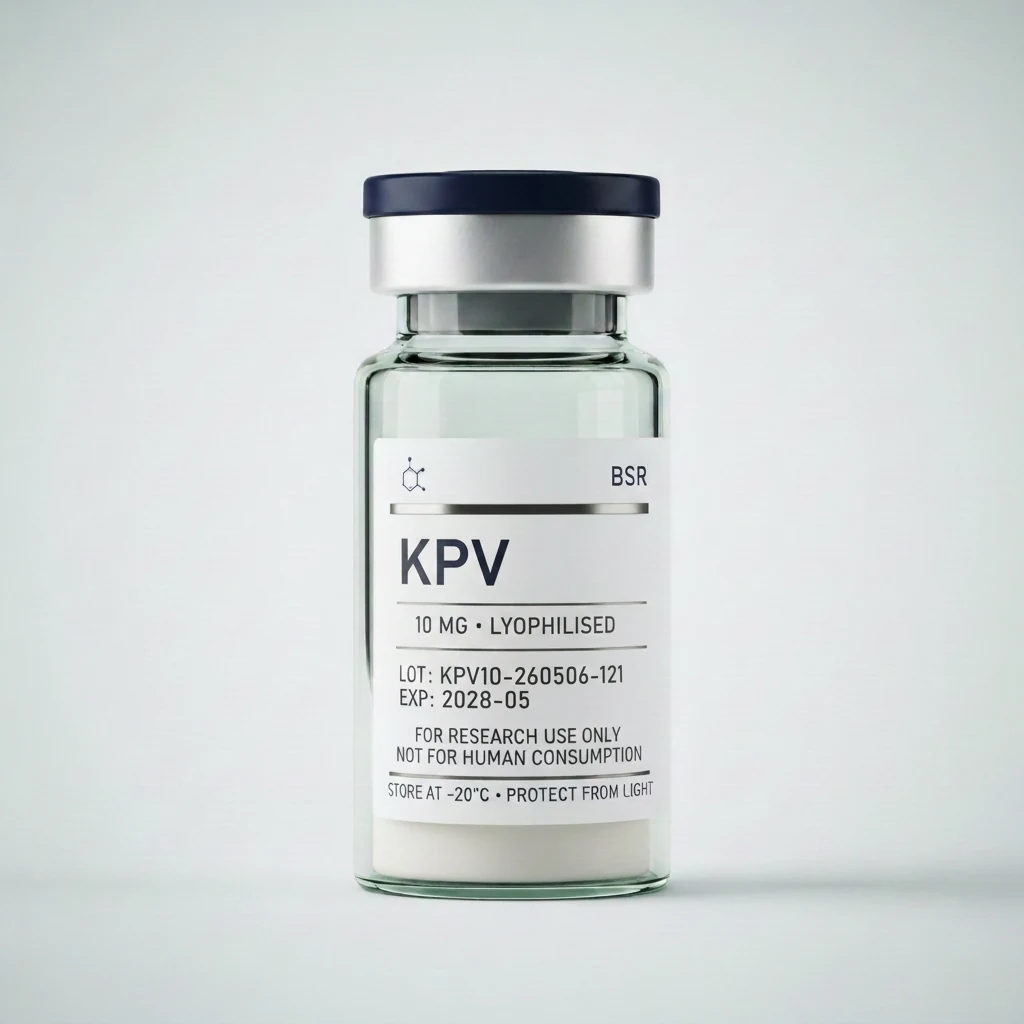
On 23 July 2026, the PCAC Committee will discuss MOTS-c-related bulk drug substances (MOTS-c free base and MOTS-c acetate) alongside BPC-157, KPV, and TB-500, all being considered for inclusion on the 503A Bulks List. On Day 2, the focus shifts to Emideltide (DSIP), Semax, and Epitalon.
Key procedural deadlines for stakeholders:
- 30 June 2026: deadline for individuals or organisations wishing to give a formal oral presentation at the meeting to notify the FDA.
- 9 July 2026: comments submitted by this date will be formally provided to PCAC members ahead of the meeting. Comments submitted after 9 July but before the docket closure on 22 July will still be considered by the FDA, but will not go directly to the Committee.
- 23 July 2026: Day 1 deliberations on MOTS-c, BPC-157, KPV, and TB-500 at FDA's White Oak Campus, Silver Spring, Maryland.
Critically, the PCAC's role is advisory: it provides recommendations to FDA but does not make binding decisions. A recommendation to include MOTS-c on the 503A Bulks List would be followed by formal rulemaking. A positive outcome would not mean MOTS-c is an FDA-approved drug; the compound would still lack formal clinical indication approval, large-scale Phase 3 trials, and standardised dosing guidelines. Compounding eligibility is not the same as FDA approval.
Regulatory position in the UK
MOTS-c has no approved indication in the United Kingdom and is not listed by the MHRA as an authorised medicine. As with the other peptides under PCAC review, it falls outside the scope of the Medicines and Healthcare products Regulatory Agency's marketing authorisation framework unless and until a manufacturer submits a formal application.
UK research-procurement professionals should note that the FDA PCAC process — even if it results in 503A listing — affects only US-licensed compounding pharmacies operating under Section 503A prescriptions. MHRA enforcement under the Human Medicines Regulations 2012 operates under a separate legal framework, and a US compounding ruling carries no automatic regulatory weight in Great Britain or Northern Ireland.
For research-use purposes, MOTS-c sourced by UK laboratories must be obtained from suppliers whose products are manufactured to appropriate analytical standards, with a Certificate of Analysis confirming identity by mass spectrometry and purity by HPLC. The peptide's short sequence (16 amino acids) means synthesis is relatively straightforward, but the same characteristic makes verification important, as truncated or oxidised variants can be difficult to distinguish without instrument confirmation.
Stability and handling considerations
Stability analyses of exogenous MOTS-c peptides conducted using high-resolution mass spectrometry assessed oxidation of the methionine residue as a measure of degradation; MOTS-c reconstituted in water was found to be stable, with no significant degradation for at least 30 days when stored at 4°C. MOTS-c is expected to have a short half-life in vivo, though the biological half-life of exogenous MOTS-c in humans has not yet been established.
The presence of a methionine residue makes MOTS-c susceptible to oxidative degradation if reconstituted solutions are exposed to air or light for prolonged periods. Procurement teams specifying MOTS-c for research use should request lot-specific mass spectrometry data confirming the intact molecular weight and the absence of the +16 Da oxidation adduct that indicates methionine sulphoxide formation.
Outlook for procurement professionals
MOTS-c enters the PCAC process with a scientifically compelling mechanistic rationale, a reasonable rodent dataset, but a narrow human evidence base and no active commercial clinical programme for the native peptide. The committee will weigh these factors against the FDA's standard criteria for 503A nomination: clinical use, safety, and whether the substance serves a genuine unmet patient need.
For UK labs procuring MOTS-c as a research chemical, the immediate practical implication of the July meeting is reputational rather than directly legal: a PCAC recommendation in favour of inclusion would lend further institutional legitimacy to the compound's investigation and may increase supplier activity. An unfavourable recommendation — or a deferred decision — would signal that the FDA's advisory experts share concerns about the thin clinical evidence base, which should inform internal risk assessments when characterising MOTS-c in grant applications or ethics submissions.
The oral testimony registration deadline of 30 June is the nearest actionable date for any UK organisation wishing to contribute formally to this process.
Research-grade material, HPLC verified, certificate of analysis with every order.
The week's Intelligence in one email, every Friday morning.
Regulatory moves, trial readouts, supply-chain news. No product pitches. Unsubscribe in one click.
More in Research Pipeline
GHK-Cu: What a Fresh Diabetic Wound Study and a Recruiting Phase 2 Trial Mean for the Copper Peptide's Research Standing
03 Oct 2026
EASD Milan 2026: Three Datasets That Reframe the Next Wave of Peptide-Based Obesity Treatments
02 Oct 2026
Kailera Therapeutics and the Ribupatide Franchise: Inside the GLP-1 Challenger That Went Public With $719 Million and a Four-Asset Obesity Pipeline
29 Sep 2026