Research Pipeline · 29 May 2026
Oral Peptide Therapeutics Reach an Inflection Point: ICOTYDE's Approval, Pinnacle's $89M Raise, and What the Delivery Revolution Means for Research Labs
The FDA approval of icotrokinra (ICOTYDE) as the first targeted oral peptide to block the IL-23 receptor marks a structural shift in peptide drug delivery. Combined with a wave of investment in oral-peptide platforms and an upcoming PCAC advisory meeting, the field is entering a period of rapid technical and regulatory change that procurement teams need to understand.
14 sources cited
Key takeaways
- The FDA approved icotrokinra (ICOTYDE, Johnson & Johnson / Protagonist Therapeutics) on 18 March 2026 as the first targeted oral peptide blocking the IL-23 receptor — the first approval of its kind in autoimmune disease.
- Oral peptide specialist Pinnacle Medicines closed an $89 million Series B in March 2026 to advance its AI-driven oral peptide platform, reflecting sustained investor confidence in the delivery challenge.
- Macrocyclic peptide company Syneron Bio closed a $150 million Series B in April 2026, with its AI-integrated Synova platform supported by AstraZeneca and Abu Dhabi sovereign wealth.
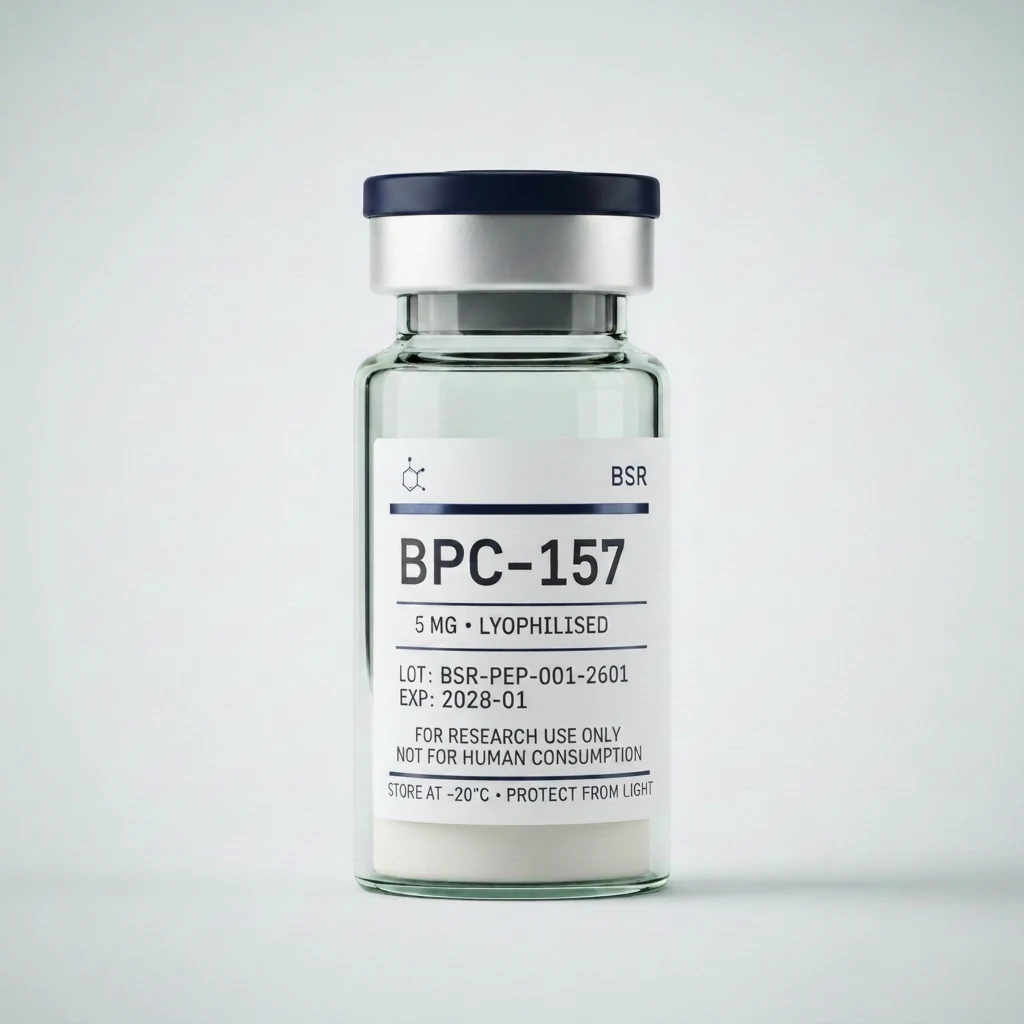
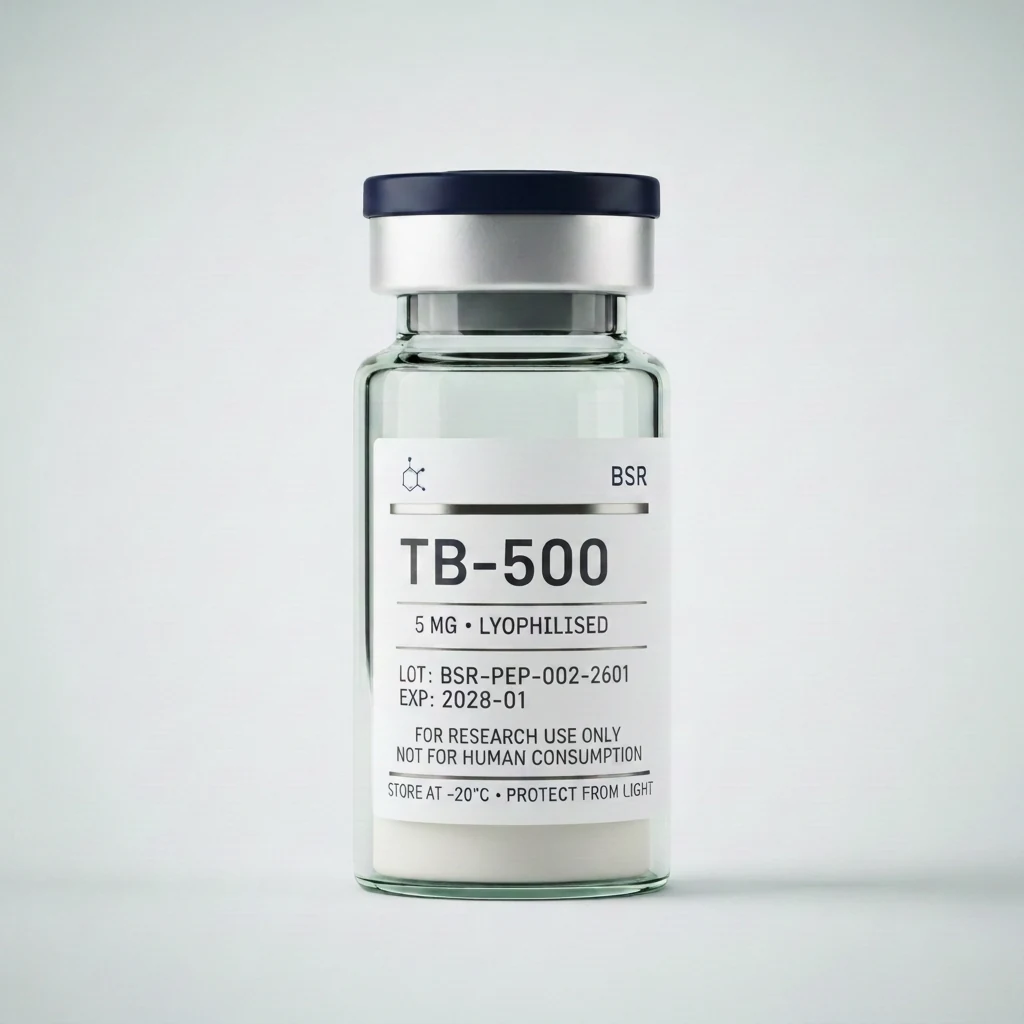
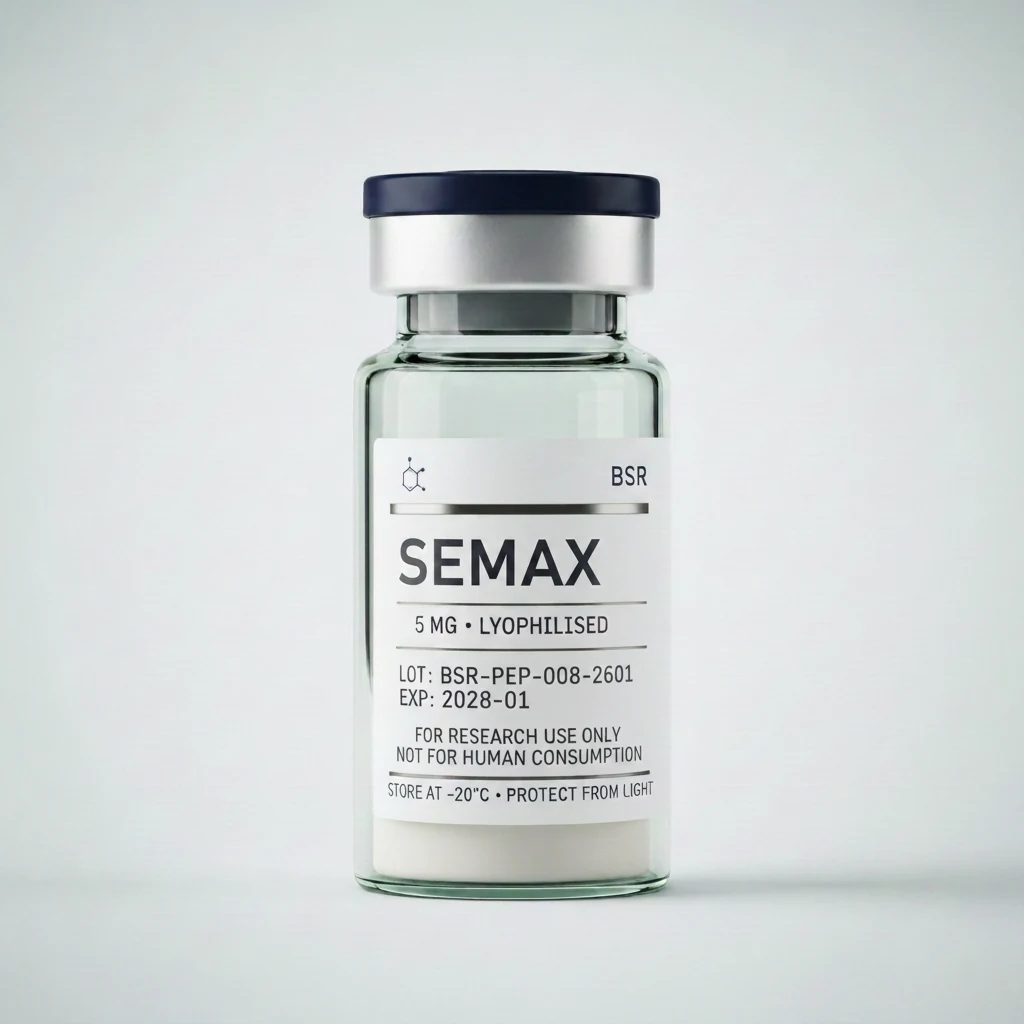
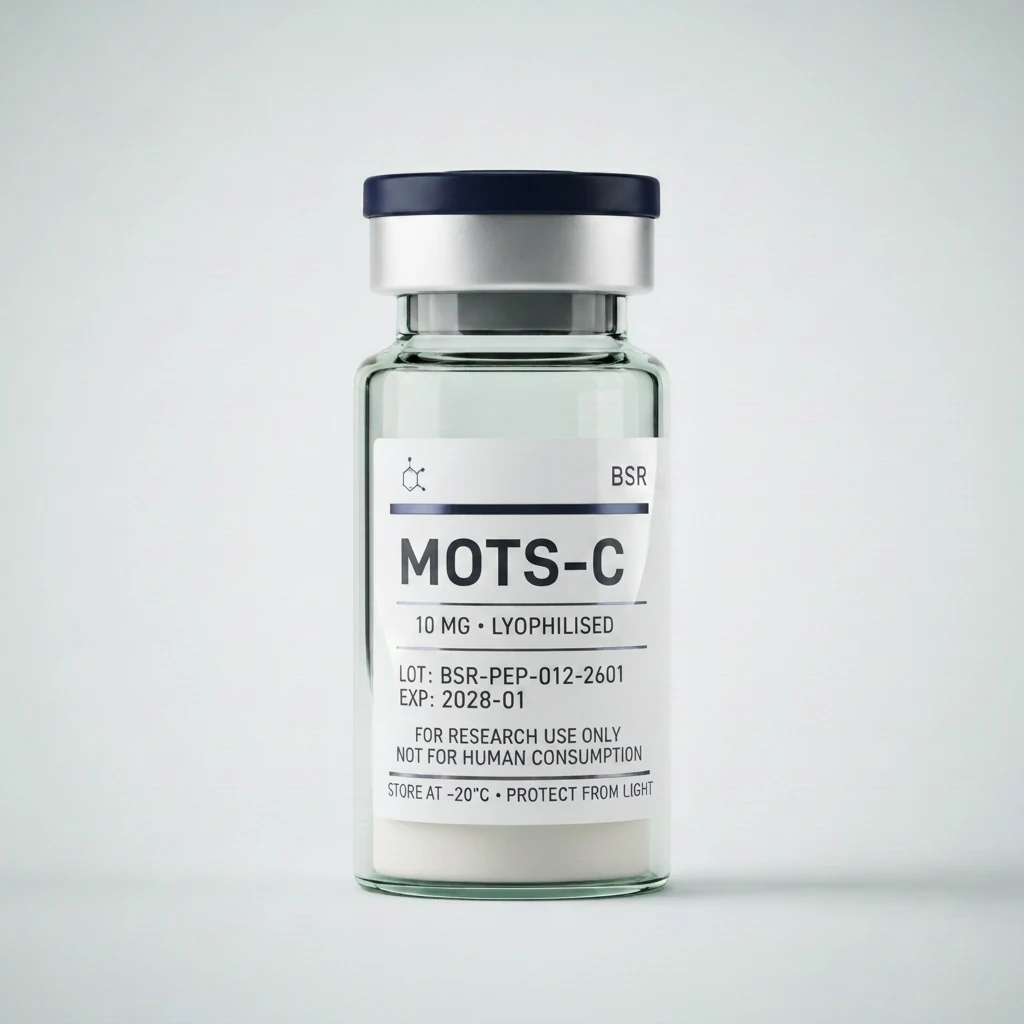
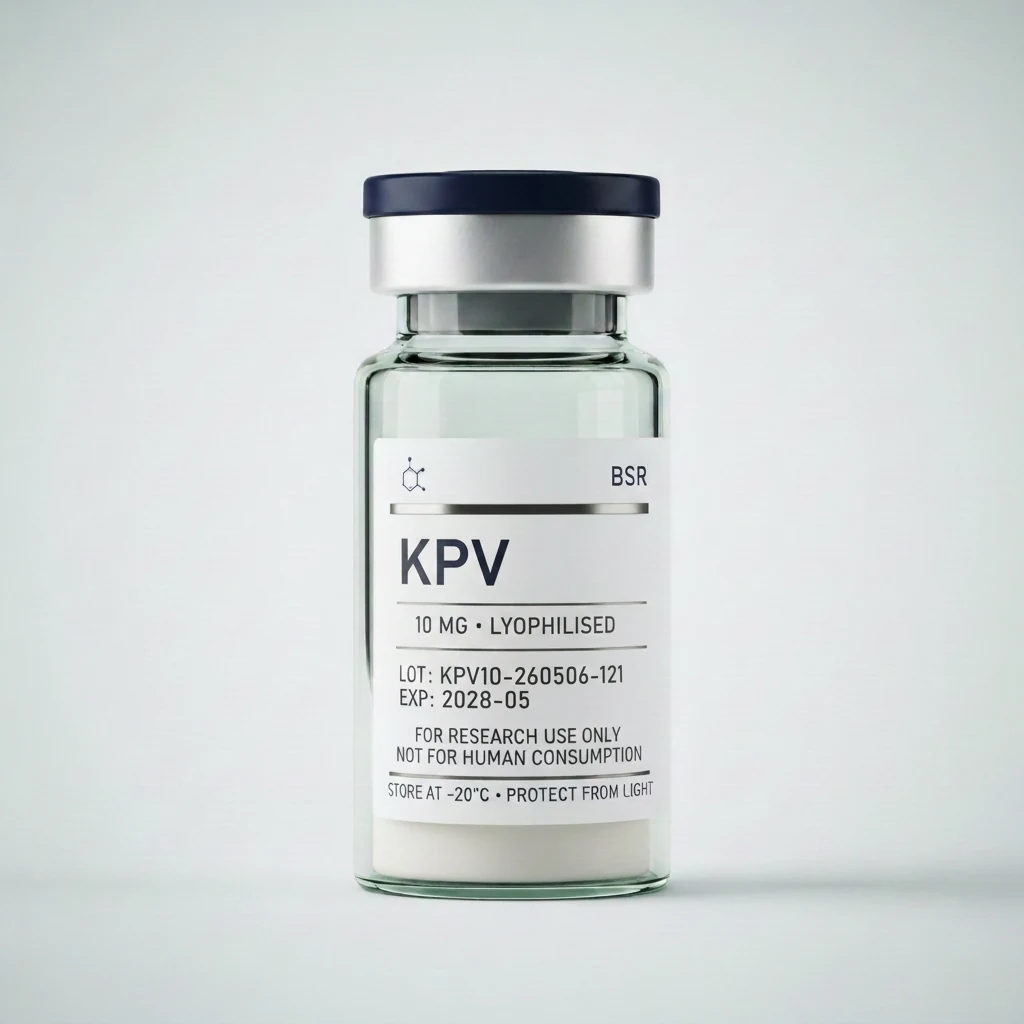
- The FDA's Pharmacy Compounding Advisory Committee (PCAC) convenes on 23–24 July 2026 to review seven Category 2 peptides — including BPC-157, TB-500, KPV, MOTS-c, Semax, Epitalon, and Emideltide (DSIP) — for potential re-admission to the 503A Bulks List.
- For UK procurement professionals, these developments are relevant to understanding peptide purity standards, the evolving regulatory bar for oral formulations, and procurement lead times for research-grade material.
The ICOTYDE approval: what it establishes for the field
On 18 March 2026, Johnson & Johnson announced FDA approval of ICOTYDE (icotrokinra), an IL-23 receptor antagonist for the treatment of moderate-to-severe plaque psoriasis in adults and paediatric patients aged 12 years and older. According to the Johnson & Johnson press release, ICOTYDE is the first and only targeted oral peptide that precisely blocks the IL-23 receptor.
The mechanistic distinction matters for research procurement professionals. Dermatology Times noted that "icotrokinra uses a unique cyclic peptide structure to tightly bind at picomolar affinity the IL-23 receptor and shut down a key signalling pathway driving plaque psoriasis." Unlike small-molecule oral agents such as deucravacitinib, which targets intracellular TYK2, icotrokinra employs a peptide-based mechanism that — according to Pharmacy Times — "mimics the receptor-blocking activity of injectable IL-23 biologics while offering the convenience of oral administration."
The approval was supported by data from four Phase 3 trials enrolling approximately 2,500 patients. AJMC confirmed that the ICONIC clinical development programme demonstrated icotrokinra as "the first and only targeted oral peptide that precisely blocks the interleukin-23 receptor to achieve skin clearance." Phase 3 week-16 data showed approximately 70% of patients achieving clear or near-clear skin (IGA 0/1), and 55% achieving PASI 90 response, according to Dermatology Times. At 52 weeks, approximately 50% of adult patients achieved total skin clearance (IGA 0), Dermatology Times reported.
ICOTYDE was developed using Protagonist Therapeutics' proprietary peptide technology platform and is licensed to Janssen Biotech (Johnson & Johnson). Protagonist (Nasdaq: PTGX) received a $50 million milestone payment on approval. The drug was launched in the US in March 2026 and is in Phase 3 development for psoriatic arthritis, ulcerative colitis, and Crohn's disease.
The significance is structural: cyclic peptides have long been considered too large and too polar to survive the gastric environment and achieve systemic absorption orally. ICOTYDE's approval, built on four positive Phase 3 trials, demonstrates that these barriers can be engineered around at clinical scale — a proof point with broad implications for the field.
Investment follows proof: Pinnacle Medicines and the oral delivery race
The ICOTYDE milestone has reinforced capital allocation into oral peptide delivery. Fierce Biotech reported that oral peptide specialist Pinnacle Medicines closed an $89 million Series B on 26 March 2026, bringing total fundraising to $134 million. The round was led by returning investor OrbiMed alongside LAV, Foresite Capital, Quan Capital, Hankang Capital, RA Capital Management, and Logos Capital.
Pinnacle, a China- and Pennsylvania-based company founded in 2024, uses a platform integrating AI technologies with physics-based simulations to design and optimise peptide therapeutics, per Fierce Biotech. Its initial focus is on immunology and cardiometabolic indications. The company intends to use the Series B funds to power its preclinical pipeline through early clinical testing while continuing platform discovery work.
Separately, Syneron Bio — a Beijing-based AI-driven peptide discovery company with a particular focus on macrocyclic peptides — closed a $150 million Series B on 3 April 2026, just four months after raising nearly $100 million in a combined Series A and A+ round. The round included the Abu Dhabi Investment Authority, AstraZeneca (an existing investor and platform partner), Decheng Capital, Qiming Venture Partners, and others. Syneron had previously entered a partnership with AstraZeneca in March 2025 worth $75 million upfront plus up to $3.4 billion in potential milestones, according to Fierce Biotech.
These funding events sit within a broader investment pattern. According to a Peptide-Based Therapeutics Summit briefing, recent headline deals include Unnatural Products' $1.7 billion agreement with Novartis and Vivtex's $2.1 billion partnership with Novo Nordisk for oral obesity drugs — a signal that large pharma is actively seeking to own oral peptide delivery chemistry, not merely license it.
The chemistry behind oral peptide delivery: what labs need to understand
The distinction between injectable and oral peptide formulations has direct relevance for how research-grade material is characterised, stored, and evaluated in a laboratory context.
The principal barriers to oral bioavailability for peptides are enzymatic degradation in the gastrointestinal tract, limited membrane permeability due to molecular size and polarity, and first-pass hepatic metabolism. Cyclic and macrocyclic peptide chemistries — the structural class underpinning both icotrokinra and many of the macrocyclic platform plays funded this year — address these barriers through conformational constraint, which reduces the number of freely rotating bonds and limits recognition by proteases.
For research procurement, this means that oral-format peptides demand different analytical verification than standard injectable-format material. Where HPLC purity testing and mass spectrometry confirmation are standard for injectable peptide reference compounds, oral-formulation candidates additionally require characterisation of cyclisation state, stereochemical integrity, and — where salt forms are used — confirmation of the specific counterion, given that different salt forms can have materially different solubility and absorption profiles. The FDA has previously flagged the risk of unapproved salt forms in GLP-1 compounding; the same principle applies to research-grade cyclic peptide material.
Regulatory context: the July PCAC meeting and the broader 2026 landscape
The research-peptide regulatory environment is simultaneously moving on two tracks in 2026, and it is important for procurement teams not to conflate them.
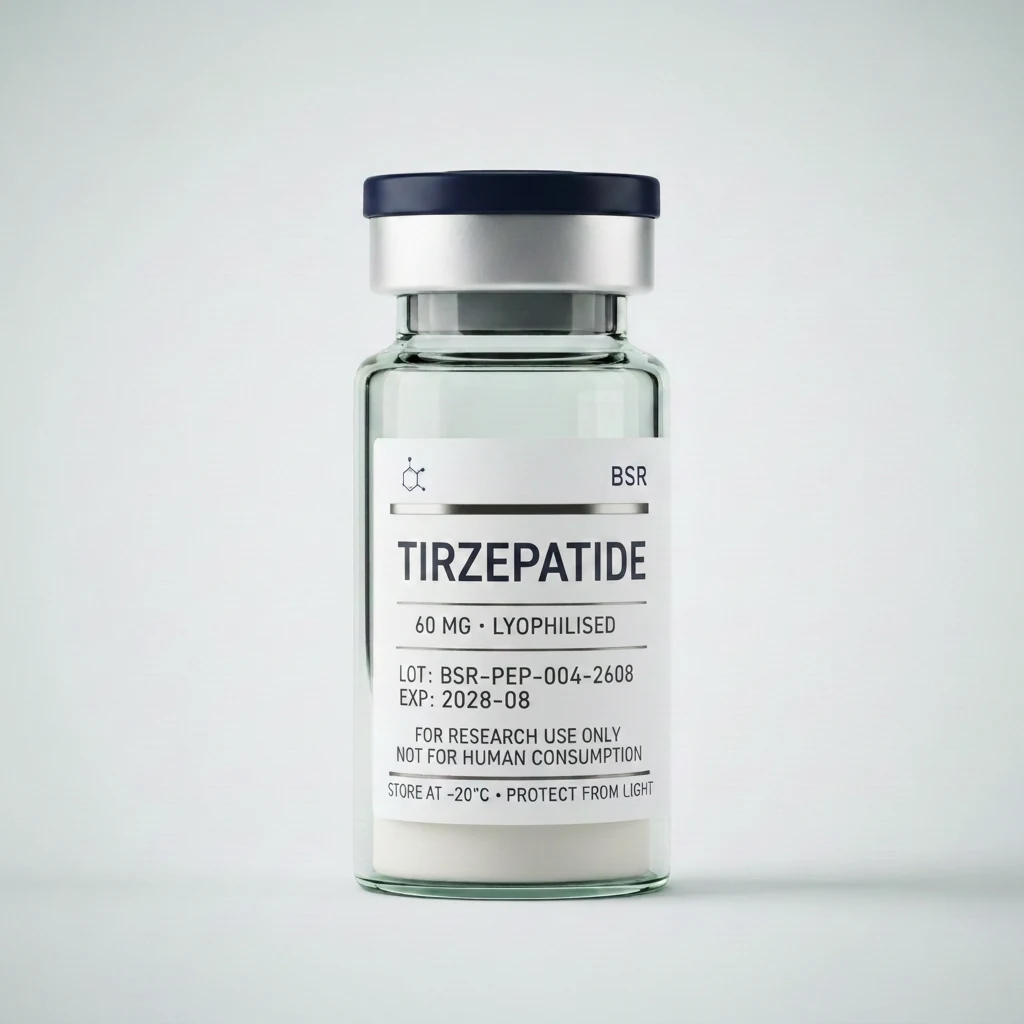
On one track, the FDA is moving to close large-scale compounding access for approved GLP-1 agents. As confirmed by Pharmacy Times, the FDA proposed on 30 April 2026 to formally exclude semaglutide, tirzepatide, and liraglutide from the 503B outsourcing facility Bulks List. A public comment period is open until 29 June 2026. If finalised, the rule would prohibit 503B outsourcing facilities from bulk-compounding these agents under any circumstances. The FDA cited more than 455 adverse event reports linked to compounded semaglutide and more than 320 linked to compounded tirzepatide, many involving dosing errors from multidose vials, some requiring hospitalisation.
On a separate track, the FDA's Pharmacy Compounding Advisory Committee (PCAC) is scheduled to convene on 23–24 July 2026 to evaluate seven peptides — removed from Category 2 status in April 2026 — for possible inclusion on the 503A Bulks List. According to the Federal Register notice, Day 1 (23 July) will cover BPC-157, KPV, TB-500, and MOTS-c; Day 2 (24 July) will address Emideltide (DSIP), Semax, and Epitalon. The meeting is held at FDA's White Oak Campus in Silver Spring, Maryland, with a virtual attendance option. The formal docket number is FDA-2025-N-6895.
Written comments submitted by 9 July 2026 will be provided to PCAC members in advance of the meeting, as noted by HealingMaps. Comments received after 9 July but before the 22 July docket closure will be considered by FDA but will not go directly to the committee. Those wishing to register for oral testimony must notify the FDA by 30 June 2026, per Lengea Law.
It is important to note, as Loti Labs and others have emphasised, that PCAC recommendations are advisory and non-binding. Formal reclassification to Category 1 requires subsequent FDA rulemaking. Category 1 status also does not confer FDA approval: it would permit 503A pharmacies to compound a substance under interim policy while it remains under evaluation, but does not establish proven safety, efficacy, or standardised dosing through the NDA process.
For UK laboratories, the practical significance is limited to supply-chain dynamics: if multiple peptides currently sitting in a regulatory grey area gain Category 1 status in the US, some suppliers may redirect inventory toward the newly legitimised clinical compounding market, potentially affecting research-grade availability and pricing.
Implications for procurement
Three near-term considerations stand out for UK research-procurement professionals.
Analytical standards are tightening. The trajectory from ICOTYDE's cyclic peptide chemistry through the macrocyclic platform investments and on to the PCAC review process for BPC-157 and MOTS-c illustrates that the field is moving toward more rigorously characterised material across the board. Certificates of Analysis for research peptides should increasingly be expected to specify cyclisation state, salt form, counterion identity, and residual solvent profiles alongside standard HPLC purity and mass spectrometry data.
Salt form matters. The FDA's concerns about non-standard salt forms in compounded GLP-1 products are directly relevant to research procurement. Where a peptide is available in both free-base and acetate forms — all seven compounds under PCAC review exist in both forms, as the Federal Register notice confirms — buyers should specify the exact form required, verify it against the Certificate of Analysis, and ensure that the form used is consistent across experimental lots.
The July PCAC outcome is worth monitoring. A positive PCAC recommendation for one or more of the seven compounds under review could shift the commercial landscape for those materials within 12–18 months. Labs holding substantial inventory of BPC-157, TB-500, KPV, or MOTS-c research reagents should factor potential supply-chain changes into planning cycles ahead of the July meeting.
Research-grade material, HPLC verified, certificate of analysis with every order.
The week's Intelligence in one email, every Friday morning.
Regulatory moves, trial readouts, supply-chain news. No product pitches. Unsubscribe in one click.
More in Research Pipeline
Thymosin Alpha-1: What 35 Countries of Clinical Use and a Lopsided PCAC Vote Mean for Research Access in 2026
07 Oct 2026
Viking Therapeutics Initiates Oral Maintenance Dosing Study for VK2735: What the GLP-1/GIP Dual Agonist's Two-Part Programme Tells Researchers About the Weight-Regain Problem
06 Oct 2026
GHK-Cu: What a Fresh Diabetic Wound Study and a Recruiting Phase 2 Trial Mean for the Copper Peptide's Research Standing
03 Oct 2026