Research Pipeline · 01 Jun 2026
Semax: The Russian-Approved Neuropeptide Now at the Centre of the FDA's July 2026 Compounding Review
Semax, a synthetic ACTH-derived heptapeptide approved in Russia for stroke recovery and cognitive impairment, was removed from the FDA's Category 2 restricted compounding list in April 2026 and is now scheduled for formal PCAC review on 24 July 2026. For UK research-procurement teams, its regulatory trajectory — and the evidentiary questions the advisory panel must resolve — make it one of the more consequential peptides to monitor this summer.
14 sources cited
Key takeaways
- Semax, a synthetic ACTH(4-10) heptapeptide, was removed from the FDA's Category 2 restricted compounding list on 23 April 2026 and is formally scheduled for Pharmacy Compounding Advisory Committee (PCAC) review on 24 July 2026.
- It is one of seven peptides under PCAC consideration; a positive recommendation would permit licensed 503A compounding pharmacies to prepare it for individual patients — but would not constitute FDA approval.
- The public comment deadline for the PCAC docket is 9 July 2026, meaning research organisations wishing to submit evidence have approximately five weeks.
- In the UK, Semax holds no MHRA or EMA marketing authorisation and is unscheduled under the Misuse of Drugs Act 1971; supply for laboratory research purposes is lawful provided no medicinal claims are made.
- The compound's evidence base is substantive for a research peptide, but the bulk of human clinical data originates from Russian-language journals and Russian regulatory studies — a distinction that will bear directly on the PCAC's deliberations.
What is Semax?
Semax is a synthetic peptide analog of ACTH(4-10), specifically comprising the amino acid sequence Met-Glu-His-Phe-Arg-Trp-Gly — a seven-residue fragment of the adrenocorticotropic hormone. It was developed at the Institute of Molecular Genetics of the Russian Academy of Sciences, with origins tracing to the 1980s, and has been in clinical use across Russia and several Commonwealth of Independent States countries since the early 2000s.
Crucially, Semax is not simply a research curiosity. It is approved in Russia and some CIS countries as a nootropic and neuroprotective agent for conditions including stroke recovery, cognitive impairment, and optic nerve disease, and is listed on the Russian List of Vital and Essential Drugs. It is commercially available in Russia as intranasal drops in two concentrations: a 0.1% solution for cognitive and neurological indications and a 1% solution indicated for acute stroke protocols.
Mechanism of action
Semax operates through several overlapping pathways. The compound is proposed to act through melanocortin receptor modulation as an ACTH fragment, BDNF upregulation, and dopaminergic and serotonergic system modulation, with neuroprotective effects potentially mediated by NGF and BDNF-mediated neuroplasticity pathways.
More specifically, Semax appears to act through multiple overlapping mechanisms including neurotrophin signalling via BDNF/TrkB, gene-expression changes following ischaemia or stress, and neuromodulatory effects on monoaminergic systems in animal models. The BDNF upregulation angle is regarded by researchers as the most mechanistically credible strand of its pharmacology: the compound has been described as having "more mechanistic evidence than almost any Western-marketed nootropic" in this specific domain, though the comparison set is admittedly modest.
The intranasal delivery route is central to its pharmacological profile. Unlike many research peptides administered by subcutaneous injection, Semax is most commonly studied and used as a nasal spray — a feature that has contributed to its relative popularity among researchers but also introduces questions about bioavailability consistency across formulation batches.
State of the clinical evidence
The evidence landscape for Semax is genuinely unusual within the research peptide category: it is simultaneously more substantive and more opaque than most Western researchers are accustomed to evaluating.
On the substantive side, Semax holds regulatory approval within a major national healthcare system and has decades of clinical use data. Published studies report a range of potential benefits including improved cognitive function, neuroprotection against inflammation and oxidative stress, and increases in BDNF and NGF. One imaging study reported volumetric changes in the rostral subcomponent of the default mode network in treated subjects compared with controls, a finding of interest for neuroplasticity research.
On the opacity side, the research is primarily published in Russian-language journals, and the FDA and Russian regulatory authorities use different frameworks for evaluating drug safety and efficacy, meaning studies conducted under Russian standards may not meet all FDA requirements for clinical trial design and reporting. US-based clinical trials are limited, and long-term safety data outside Russian clinical experience is essentially unavailable.
The safety profile reported in the published literature appears clean — no major adverse effects, no known addiction potential, and no reported withdrawal syndrome — but the limitations of a primarily single-country evidence base must be noted clearly.
The FDA regulatory trajectory
The present regulatory moment for Semax is defined by two events that occurred in April 2026.
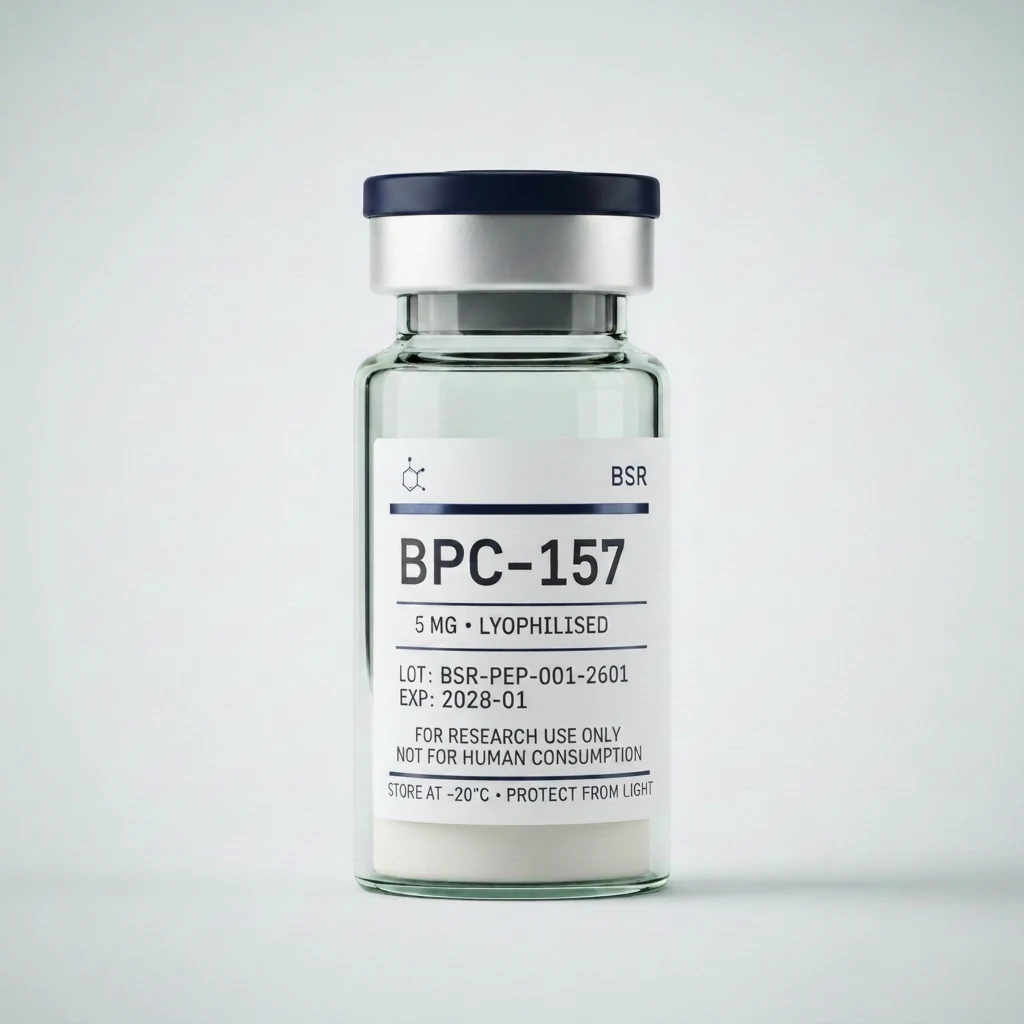
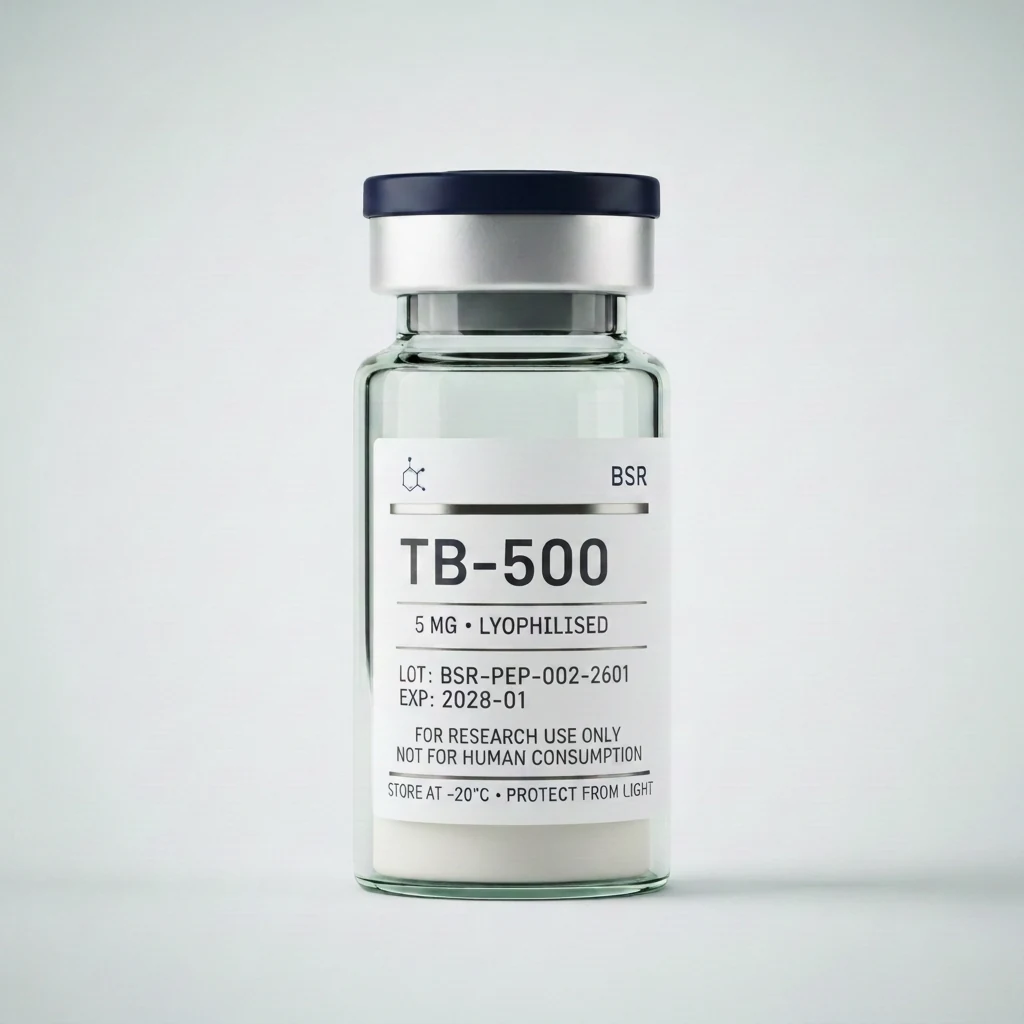
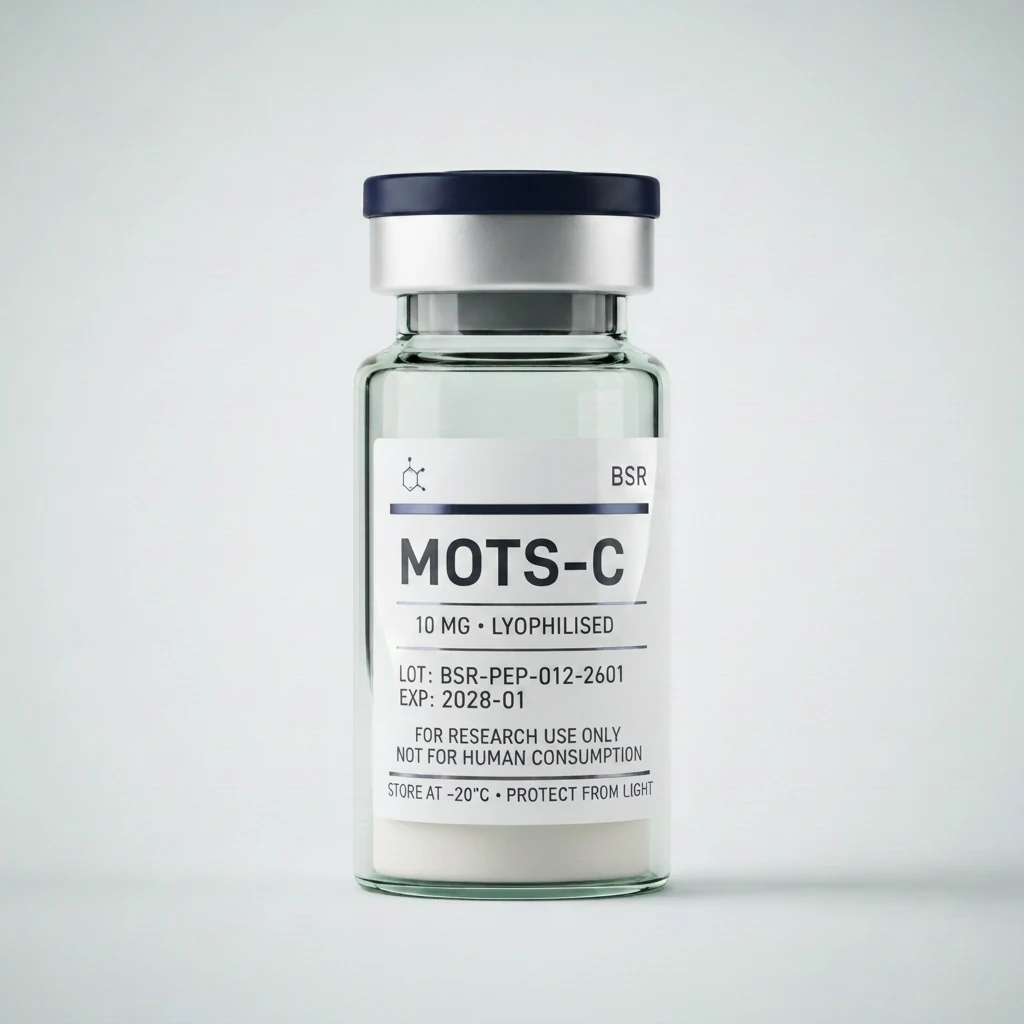
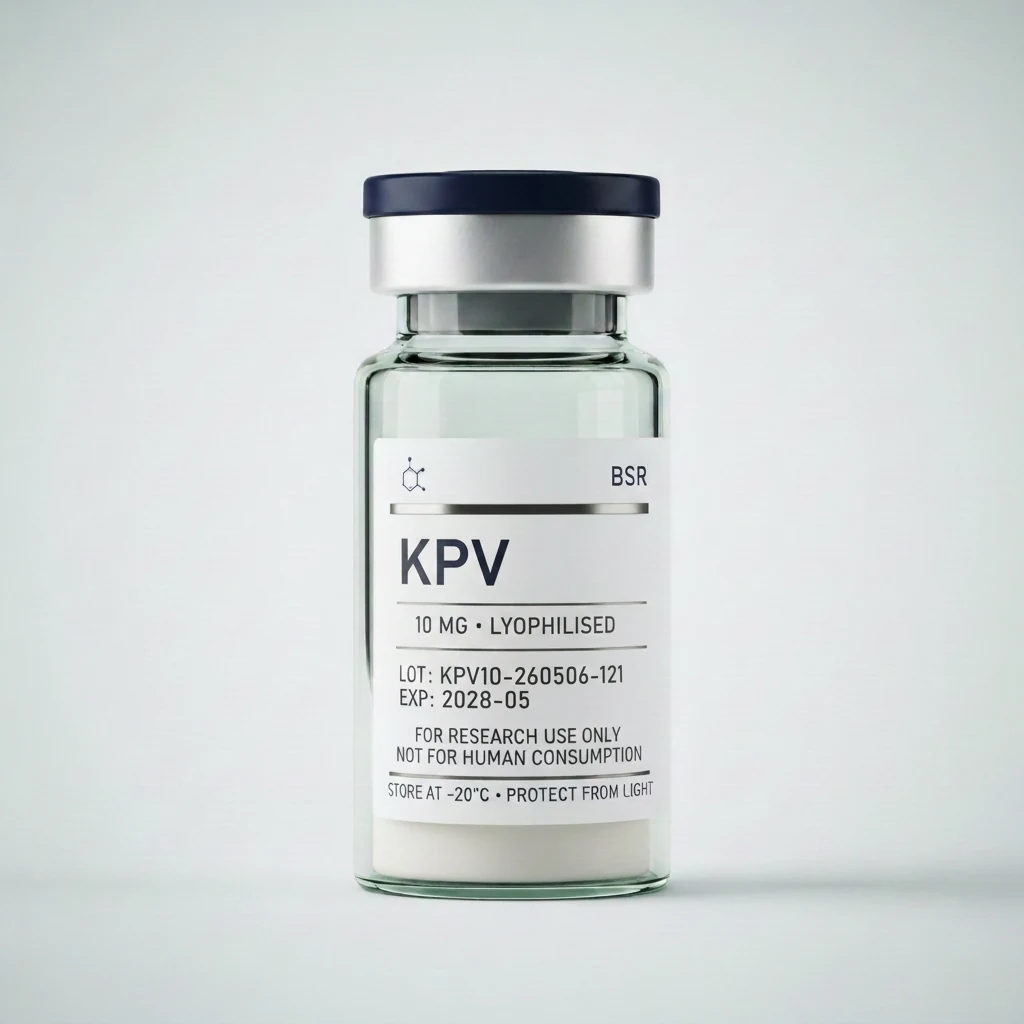
First, on April 15, 2026, the FDA published a Federal Register notice announcing a PCAC meeting scheduled for 23–24 July 2026 at FDA's White Oak Campus in Silver Spring, Maryland, to consider whether seven peptides should be included on the 503A Bulks List. The seven substances are: BPC-157, KPV, TB-500, MOTs-C, Emideltide (DSIP), Semax, and Epitalon.
Second, the FDA updated its 503A bulk substance categories to reflect that these peptides under consideration would be removed from Category 2 within seven calendar days — a procedural step that lifted the explicit prohibition on compounding but did not add them to any positive list.
According to the FDA advisory committee calendar, Semax is specifically scheduled for discussion on 24 July, alongside Emideltide and Epitalon. BPC-157, KPV, TB-500, and MOTS-c are reviewed the preceding day.
Several caveats are essential for research-procurement teams interpreting this development:
- Removal from Category 2 is not approval. The April 2026 action merely removed the explicit prohibition on compounding, transitioning the substance back into an evaluative state pending formal advisory committee recommendations and a final, published FDA decision.
- The PCAC recommendation is non-binding. PCAC's recommendation is non-binding, and formal rulemaking is what comes next. Even if PCAC recommends adding peptides to Category 1, notice-and-comment rulemaking is still required — a process that, under standard timelines, can take more than a year.
- 503A inclusion is not FDA approval. If certain peptides were moved from Category 2 to Category 1, licensed 503A pharmacies could compound them pursuant to a valid prescription. However, this would not mean the substances are FDA-approved drugs.
- Evidentiary concerns may weigh on the committee. The FDA previously highlighted concerns about neuroactive compounds that directly affect brain neurochemistry, and the broad off-label use of Semax in the nootropic community may raise concerns about unsupervised use.
The broader political context is not irrelevant. The FDA's decision to hold an advisory committee meeting followed HHS Secretary Robert F. Kennedy Jr.'s public support for expanded peptide access, and the proposed reclassification has been characterised as a response to a drive within the "Make America Healthy Again" movement. Regulatory oversight advocates have noted that the PCAC currently has several vacancies, which Kennedy could fill with new appointments before the July meeting — a detail that may colour how the committee's recommendations are received.
UK and European status
For research procurement teams based in the UK, the FDA process has no direct regulatory effect, but it does matter indirectly: it may influence supply-chain dynamics, research interest, and ultimately whether Semax ever seeks a formal development pathway in Western jurisdictions.
The current UK position is clear and stable. Semax is not licensed as a pharmaceutical product by the MHRA, and it is not classified as a controlled substance under UK drug legislation. It has not been approved by the MHRA or EMA for human therapeutic use in the UK, although it holds clinical approval in Russia for specific medical indications.
Supply of Semax for laboratory research purposes is lawful provided regulatory requirements are met. Under the Human Medicines Regulations 2012, a product cannot be sold for medical use unless it holds a Marketing Authorisation from the MHRA. Vendors making therapeutic claims — describing Semax as treating conditions, advising on dosage for human administration, or using language implying medicinal intent — are at risk of MHRA enforcement action regardless of whether the product itself is scheduled.
UK researchers considering clinical translation must navigate standard regulatory pathways including an Investigational Medicinal Product Dossier, IMP Classification, and MHRA consultation — a process materially distinct from the US compounding debate, which concerns pharmacy preparation rather than drug development.
Procurement implications for UK labs
Research teams procuring Semax for legitimate laboratory investigation should note several practical considerations.
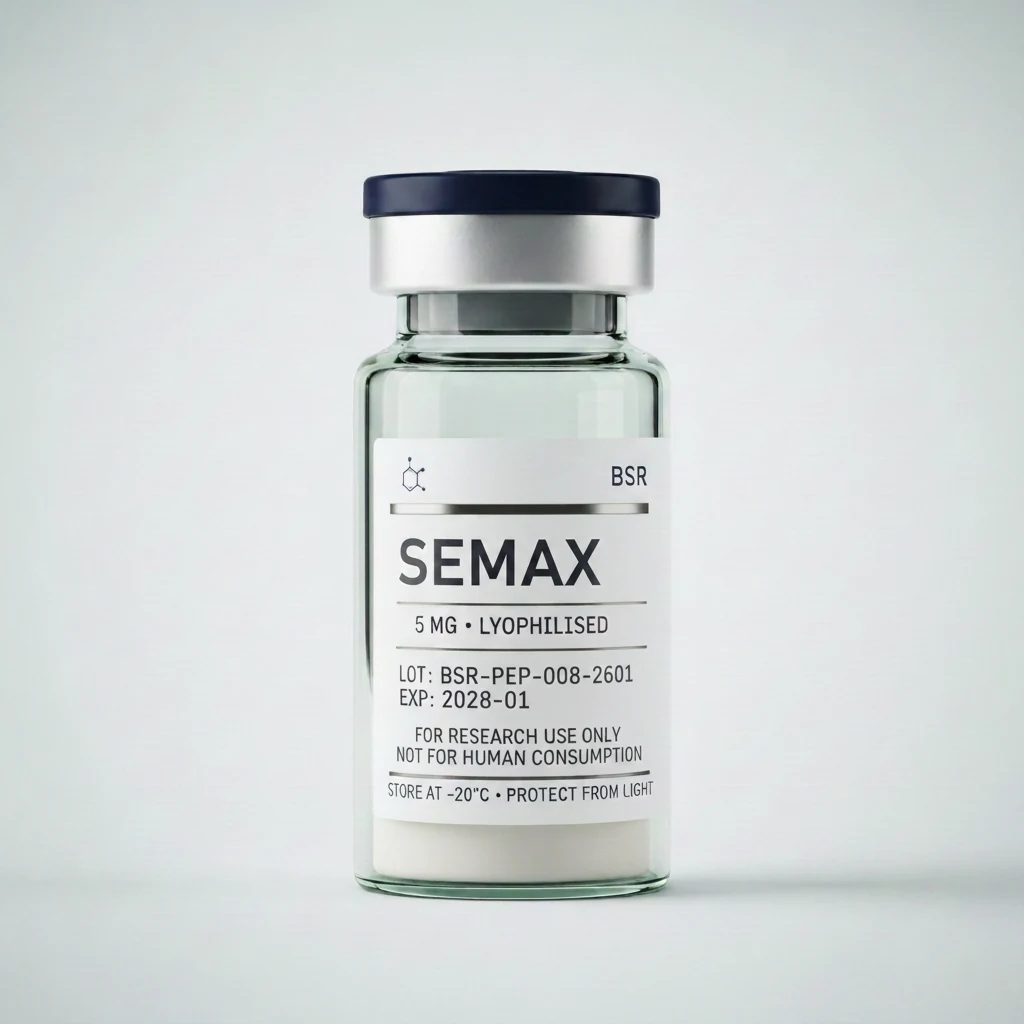
Formulation and form. Semax is typically available as a lyophilised peptide for reconstitution or, where imported from Russian sources, as a pre-formulated intranasal solution. For controlled research settings, lyophilised material with a verified Certificate of Analysis (CoA) is generally preferable, as it allows independent purity verification and controlled reconstitution.
Purity standards. Given that Semax research involves intranasal or injectable administration in animal models, purity requirements are high. Researchers should request HPLC purity data of at minimum 98%, mass spectrometry confirmation of molecular weight (Met-Glu-His-Phe-Arg-Trp-Gly; MW ~887 Da for the free base), and endotoxin testing results.
Regulatory horizon watch. The July 9, 2026 public comment deadline for FDA Docket No. FDA-2025-N-6895 is worth monitoring for any new safety data submitted by academic institutions or commercial nominators. Should the PCAC recommend 503A inclusion in July, this would mark the beginning — not the end — of a rulemaking process likely to extend into 2027 or beyond. UK sourcing decisions and research protocols are unlikely to need revision on account of the US process in the near term.
Research context. Future clinical development of Semax should focus on establishing standardised dosing protocols and conducting large-scale efficacy trials to support broader regulatory approval and clinical implementation — a view reflected in the PCAC's own mandate to weigh safety, efficacy, and historical use data before recommending compounding eligibility. Until such trials emerge, Semax's evidence base remains credible within its Russian clinical tradition but insufficiently replicated for Western regulatory acceptance.
Research-grade material, HPLC verified, certificate of analysis with every order.
The week's Intelligence in one email, every Friday morning.
Regulatory moves, trial readouts, supply-chain news. No product pitches. Unsubscribe in one click.
More in Research Pipeline
Thymosin Alpha-1: What 35 Countries of Clinical Use and a Lopsided PCAC Vote Mean for Research Access in 2026
07 Oct 2026
Viking Therapeutics Initiates Oral Maintenance Dosing Study for VK2735: What the GLP-1/GIP Dual Agonist's Two-Part Programme Tells Researchers About the Weight-Regain Problem
06 Oct 2026
GHK-Cu: What a Fresh Diabetic Wound Study and a Recruiting Phase 2 Trial Mean for the Copper Peptide's Research Standing
03 Oct 2026