Pharma & GLP-1 · 24 Oct 2026
Novo Nordisk Bets €1.165 Billion on Atomic Layer Deposition: What the Nanexa PharmaShell Deal Means for Long-Acting Peptide Formulation
Novo Nordisk has licensed Swedish delivery specialist Nanexa's PharmaShell atomic layer deposition platform for up to five peptide programmes targeting obesity and cardiometabolic disease, with monthly and quarterly dosing as target profiles. The deal, worth up to €1.165 billion, signals that the GLP-1 leaders view reduced injection frequency — not simply new molecules — as a critical next competitive frontier.
10 sources cited
Key takeaways
- Novo Nordisk and Swedish biotech Nanexa have agreed a global exclusive licence for the PharmaShell® atomic layer deposition (ALD) drug delivery platform, covering up to five development programmes for therapeutic peptides in obesity, type 2 diabetes and other cardiometabolic diseases.
- The deal, announced 24–25 September 2026, carries a maximum value of €1.165 billion: up to €615 million in upfront payment and development/regulatory milestones, plus up to €550 million in sales milestones and low single-digit royalties on future net sales.
- Target dosing profiles are monthly and quarterly, a step-change from the weekly injection cycles that characterise all major approved GLP-1 receptor agonists today.
- Novo leads global development and commercialisation across all programmes; Nanexa receives separate payments for work conducted at its Uppsala facilities.
- The strategic rationale mirrors the same competitive pressure that drove Novo's earlier deal with Kallyope: if the molecule race narrows, differentiation through formulation — reduced patient burden, improved adherence, stronger label — becomes the next battleground.
The technology: what PharmaShell actually does
PharmaShell uses atomic layer deposition, a technique borrowed from the semiconductor industry, to apply an ultra-thin inorganic coating to individual drug particles. Nanexa's own announcement describes the platform as designed to provide controlled and sustained release of active pharmaceutical ingredients, while also enabling high drug loading in injectable formulations.
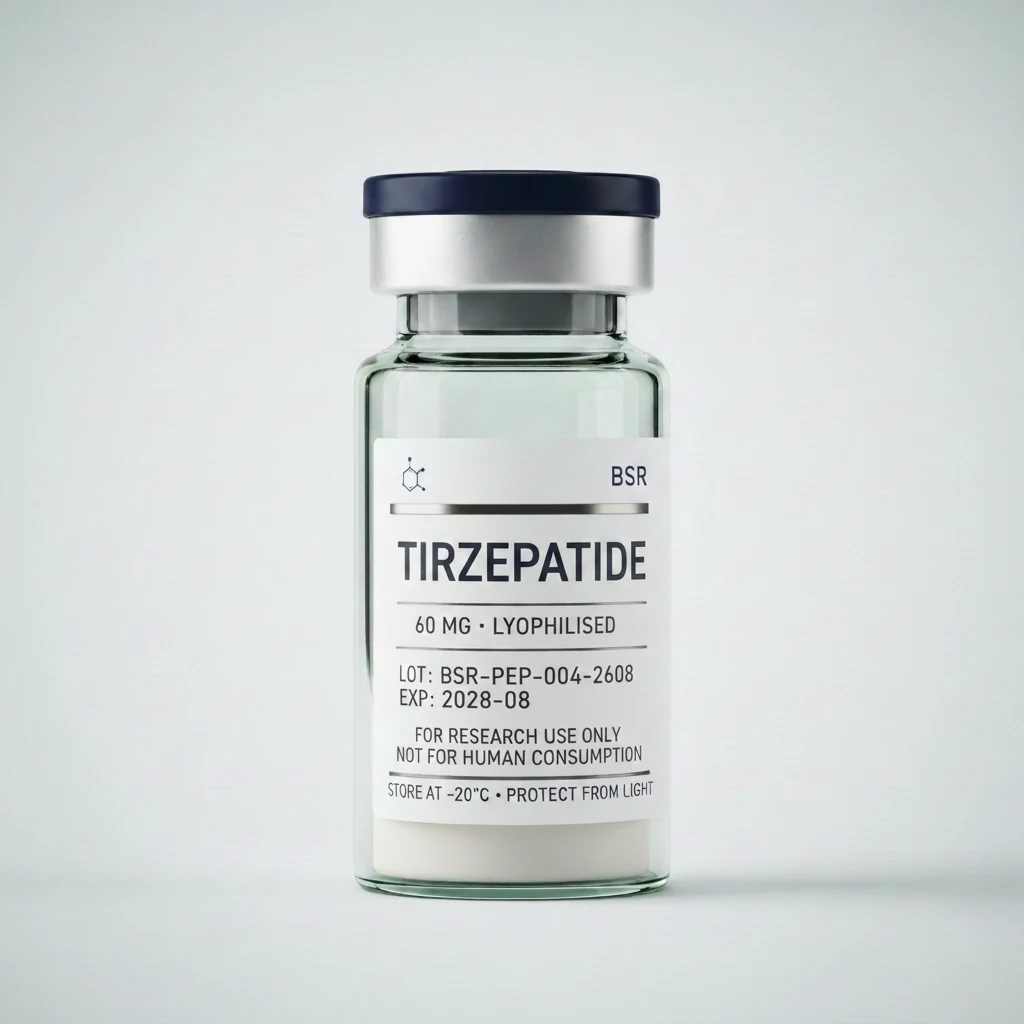
The ALD process deposits the coating one atomic layer at a time, giving manufacturers precise control over shell thickness and, by extension, over the rate at which the API diffuses out after injection. European Pharmaceutical Review notes that the platform targets monthly and quarterly administration frequencies, with Novo set to lead all development and commercialisation work. For context, every major approved GLP-1 agonist — semaglutide (Wegovy/Ozempic), tirzepatide (Mounjaro/Zepbound) and liraglutide (Victoza/Saxenda) — is currently dosed weekly or daily. A credible once-monthly or once-quarterly injectable formulation would represent a meaningful reduction in treatment burden and could influence prescribing preference independently of efficacy data.
Nanexa's own internal pipeline includes NEX-22, a sustained-release formulation of liraglutide targeting a one-month release profile, according to Manufacturing Chemist, which provides an indication of how the underlying platform is expected to perform with GLP-1-class molecules.
Deal structure and what the numbers do and do not confirm
BioSpace reports that the €1.165 billion headline comprises €615 million in upfront payment and development and regulatory milestones, with a further €550 million in sales milestones. The low single-digit royalty applies to future global net sales of products developed under the collaboration.
One important caveat: Nanexa has publicly stated it is contractually prohibited from disclosing the size of the initial cash payment within the €615 million tranche. Biostock's analysis observes that this restriction has generated significant investor speculation, but cautions that focusing on the undisclosed upfront figure misses the programme scope and the longer-term royalty exposure. As with most milestone-structured deals, the full figure is contingent on clinical and regulatory success across all five programmes — it is not a committed payment.
Nanexa shares rose more than 100% in Stockholm on the day of announcement, according to IBTimes, before partially retracing as investors assessed the milestone-contingent structure.
Strategic context: why Novo is pursuing formulation rather than new molecules alone
Novo's pipeline already contains semaglutide in multiple presentations (subcutaneous weekly, oral daily, and longer-acting formats in development), and the company faces competitive pressure from Eli Lilly's tirzepatide, which in August 2026 received FDA approval to reduce the risk of major adverse cardiovascular events (MACE) in adults with type 2 diabetes, based on the SURPASS-CVOT outcomes trial — as reported by Pharmacy Times. A sub-analysis published in the European Journal of Preventive Cardiology on 15 October 2026 reported by AJMC found that tirzepatide was associated with a 17% lower risk of all-cause death or hospitalisation for heart failure compared with dulaglutide in patients with concurrent type 2 diabetes and heart failure — extending the clinical narrative around the compound's cardiovascular profile.
In that competitive environment, Novo's Nanexa deal reflects a deliberate pivot: if both companies are fielding incretin-class molecules with broadly similar efficacy profiles, the product that demands the fewest injections per year may enjoy a prescribing advantage. Endpoints News characterised it as part of a pattern of "small development pacts" rather than a transformative acquisition, suggesting investor expectations for a larger M&A move remain unfulfilled — but the strategic logic is nonetheless coherent.
The Novo/Nanexa collaboration also reflects a broader pattern in the peptide CDMO and supply landscape, where investment is increasingly directed not only at manufacturing capacity for existing weekly-dosed molecules but at formulation platforms capable of handling sustained-release injectable APIs. That shift has implications for contract manufacturers, analytical laboratories and ultimately for procurement teams sourcing peptide reference materials or APIs for pre-clinical work.
What this means for research procurement professionals
For UK research laboratories and procurement teams, several practical points follow from this transaction:
API characterisation requirements will evolve. Sustained-release injectable formulations require more rigorous characterisation of peptide-particle interactions than standard lyophilised vials. Analytical teams working with GLP-1-class peptides should anticipate that ALD-coated particle formats will require different reference standards and dissolution-profile methodologies compared with conventional API lots.
Supply chain implications are medium-term, not immediate. No PharmaShell-formatted peptide therapeutic has yet entered clinical trials under the Novo agreement; the programmes are at an early development stage. Procurement teams do not need to adjust near-term sourcing strategies, but should track regulatory submissions from this collaboration as a signal of which peptide APIs will see accelerated demand for reference-grade materials.
The formulation race matters for compounding boundaries. If long-acting injectable formats achieve marketing authorisation, the regulatory logic for compounding analogues of the same molecule shifts: the existence of a sophisticated approved formulation strengthens the FDA's position that there is no unmet clinical need justifying compounding. Research-use-only procurement of semaglutide or related analogues in sustained-release formats would face an even more constrained legal environment than currently exists for standard weekly injectables.
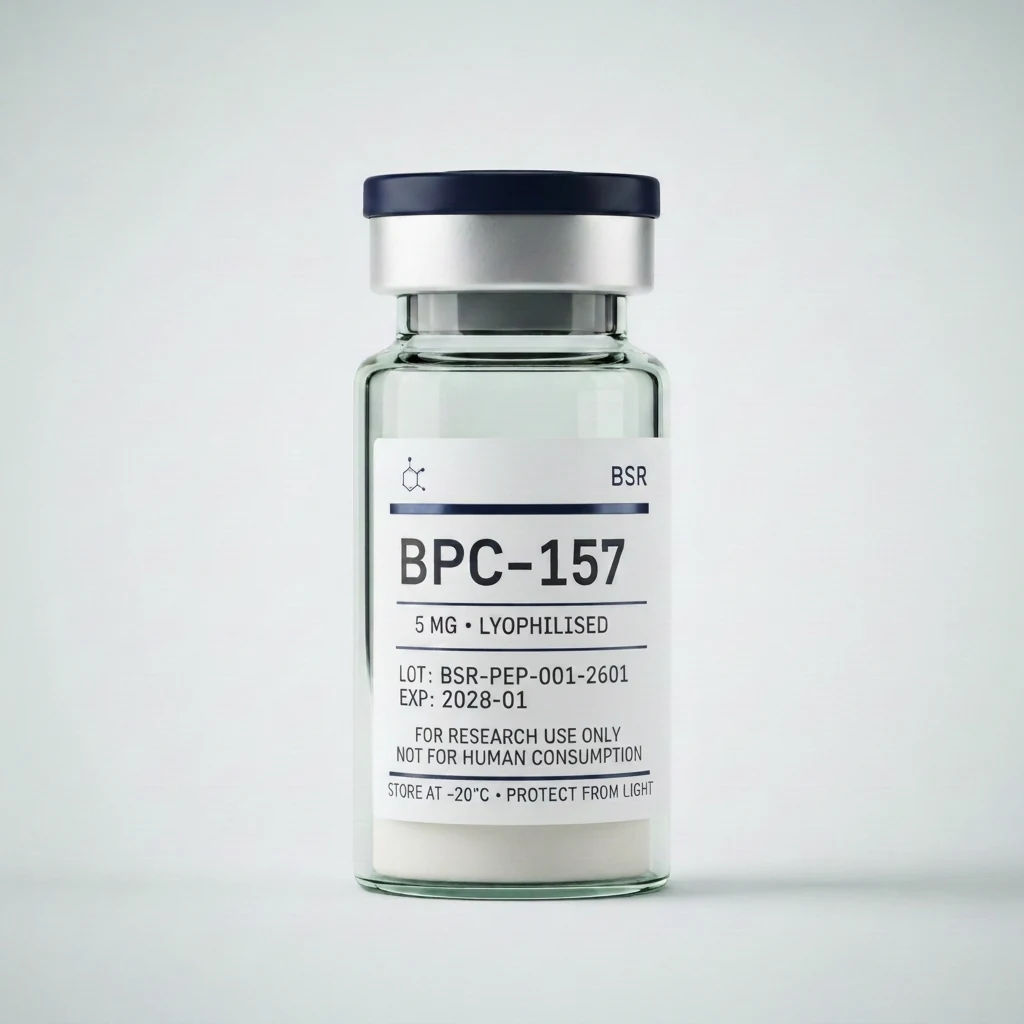
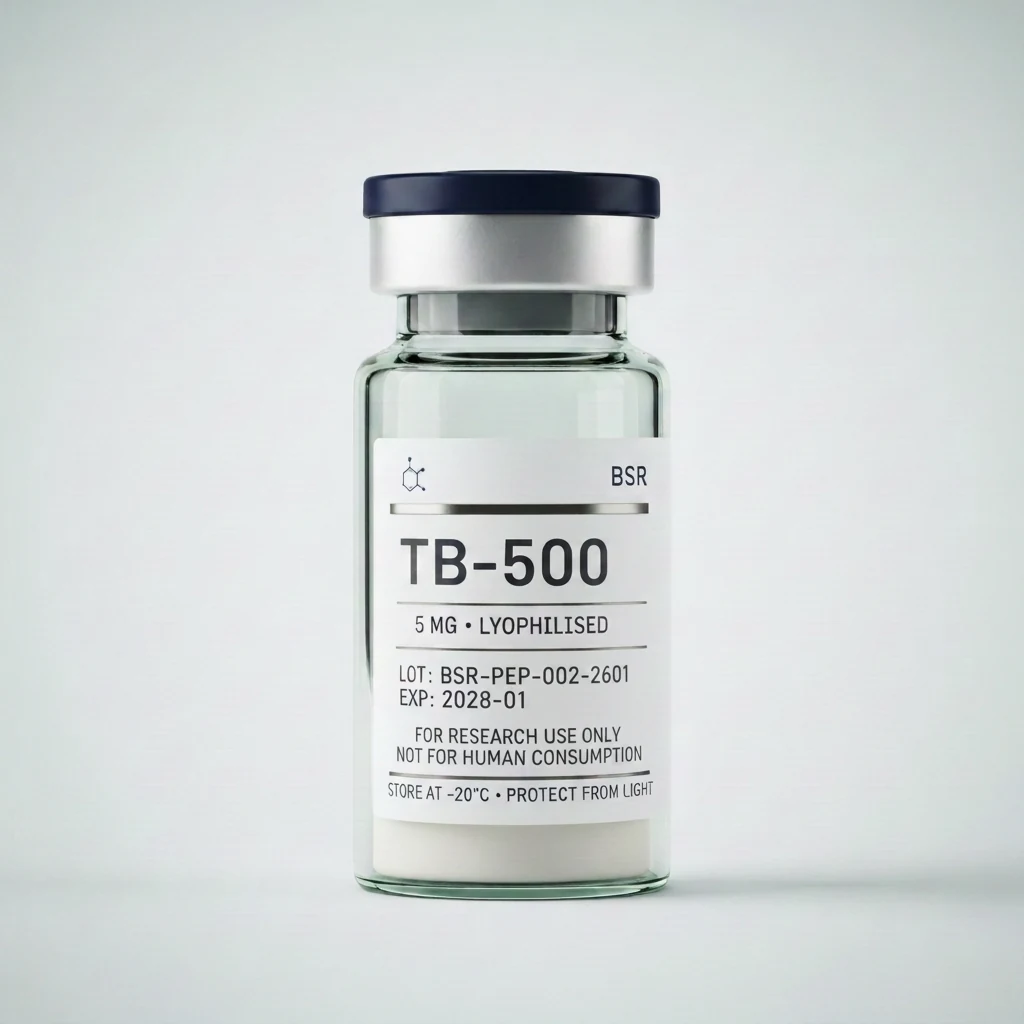
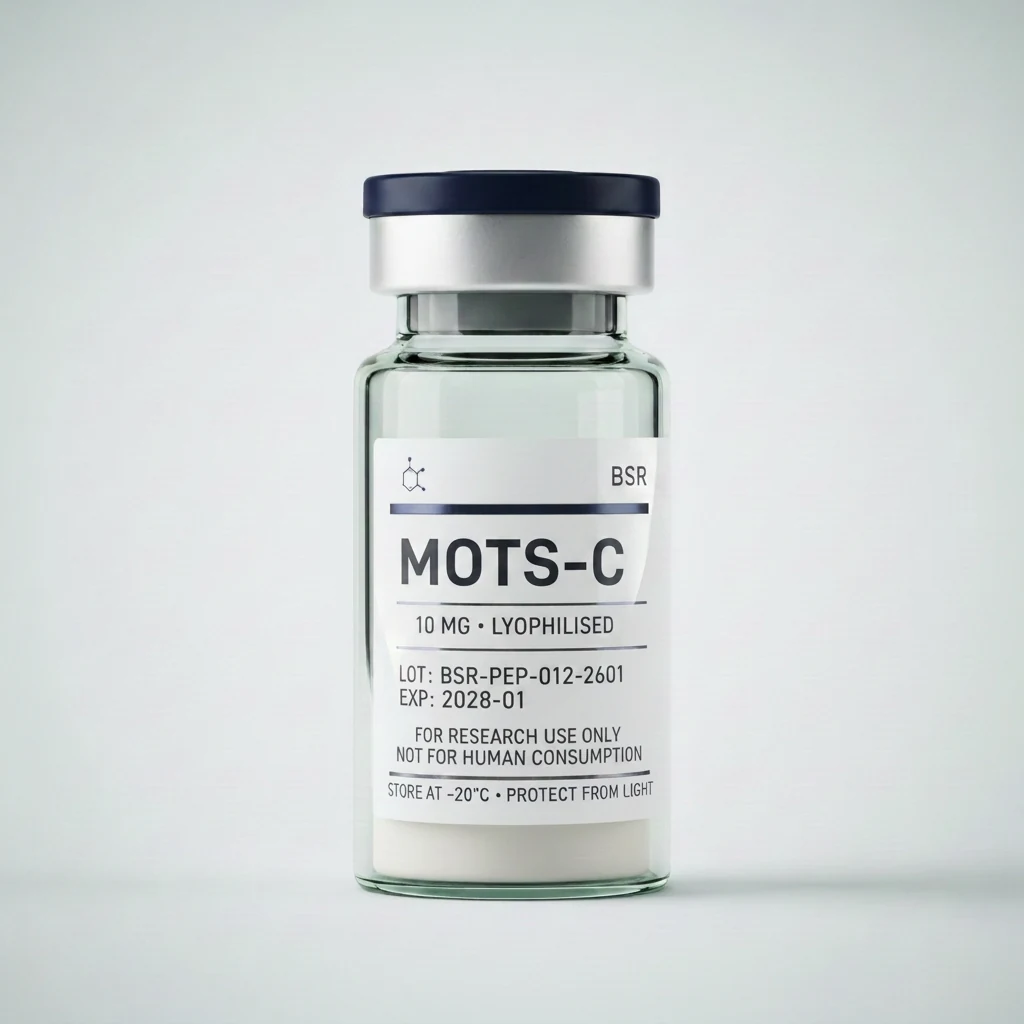
Long-acting delivery is not restricted to GLP-1s. The PharmaShell platform is, in principle, peptide-agnostic. If the Novo collaboration produces validated ALD coating processes for GLP-1-class molecules, there is no technical barrier to applying similar approaches to other therapeutic peptides — including those currently under PCAC review in the United States. Research teams working with peptides such as BPC-157, TB-500 or MOTS-c at the pre-clinical stage may eventually need to engage with sustained-release formulation questions that are, at present, entirely academic.
Regulatory position in the UK and EU
PharmaShell-formatted peptide candidates would be subject to standard MHRA and EMA review pathways as novel medicinal products. No application has been submitted for any Novo/Nanexa programme; the collaboration is pre-IND. Under current MHRA guidance, any injectable product relying on a novel drug delivery mechanism requires a full quality, safety and efficacy dossier regardless of whether the active peptide has prior regulatory history in other presentations. Research-use-only importation of ALD-coated peptide particles into the UK would fall outside any existing regulatory carve-out and would not be authorised under current frameworks.
Sources: Nanexa AB announcement, European Pharmaceutical Review, Manufacturing Chemist, Endpoints News, BioSpace, Biostock, IBTimes, Pharmacy Times SURPASS-CVOT recap, AJMC heart failure sub-analysis, Drug Discovery World
Research-grade material, HPLC verified, certificate of analysis with every order.
The week's Intelligence in one email, every Friday morning.
Regulatory moves, trial readouts, supply-chain news. No product pitches. Unsubscribe in one click.
More in Pharma & GLP-1
EMA's CHMP Backs Orforglipron for the EU: What the Non-Peptide GLP-1 Opinion Means for the Research Landscape
17 Oct 2026
Novo Nordisk Bets €1.165 Billion on Atomic-Layer Deposition to Convert Semaglutide Into a Once-Quarterly Injectable
08 Oct 2026
Lilly at EASD 2026: Retatrutide's TRIUMPH-2 Phase 3 Readout, Foundayo's Lancet Cardiovascular Data, and What eloraTZP Signals for the Next Generation of Incretin Combinations
01 Oct 2026