Industry & Community · 18 Oct 2026
Samsung Biologics Clears the PolyPeptide Threshold: What the Tender Offer Result Means for Peptide API Supply Chains
Samsung Biologics has secured 87.88% of PolyPeptide Group shares — well above the two-thirds minimum — and opened a second acceptance period through 30 October, with the CHF 1.46 billion acquisition on track to close by end-November. For research procurement teams, the deal reshapes who controls a significant share of global peptide API capacity.
12 sources cited
Key takeaways
- Samsung Biologics received tenders for 87.88% of PolyPeptide Group shares during the main offer period (15 September–12 October 2026), substantially exceeding the 66⅔% minimum acceptance condition.
- A supplementary acceptance period runs from 19 to 30 October 2026, after which Samsung Biologics intends to pursue a squeeze-out of remaining minority shareholders and delist PolyPeptide from the SIX Swiss Exchange.
- The transaction, valued at approximately CHF 1.46 billion (roughly USD 1.8 billion), is South Korea's largest pharmaceutical and biotechnology M&A deal on record, according to multiple financial sources.
- Closure is conditional on regulatory clearances in Europe, India, Australia, and Brazil, with completion targeted by end of November 2026.
- The deal adds a specialised peptide CDMO platform — with 41.6% year-on-year revenue growth in H1 2026 — to Samsung Biologics' existing large-molecule CDMO business, creating a multi-modality manufacturing group with direct exposure to GLP-1 peptide API demand.
From announcement to near-certain close
When Samsung Biologics and PolyPeptide Group announced their transaction agreement on 20 July 2026, the decisive question was whether Draupnir Holding B.V. — PolyPeptide's controlling shareholder with roughly 55.65% of shares outstanding — would honour its irrevocable commitment to tender. It did. Preliminary interim results published on 13 October confirmed that 29,014,418 shares were tendered, including Draupnir's entire stake of 18,375,000 shares, representing 87.59% of total shares outstanding.
Samsung Biologics plans to run an additional acceptance period from 19 to 30 October, then complete the acquisition by end-November following regulatory approvals in Europe, India, Australia, and Brazil. The offer was conducted through Samsung Peptide AG, a special purpose company established as a subsidiary specifically for the acquisition.
The offer price of CHF 44.31 per share represented a 40% premium to PolyPeptide's unaffected share price on 10 April 2026, the last trading day before media speculation emerged about a potential acquisition. An independent fairness opinion from IFBC AG supported the board's unanimous recommendation to accept.
Why PolyPeptide, and why now
PolyPeptide Group is one of a small number of pure-play peptide CDMOs capable of manufacturing GLP-1 active pharmaceutical ingredients (APIs) at commercial scale using solid-phase peptide synthesis (SPPS). Its H1 2026 revenue grew 41.6% year-on-year to approximately EUR 236.6 million, driven largely by obesity and diabetes drug demand, with an EBITDA margin of 20.7%. Its Phase III development pipeline expanded from 30 programmes at full-year 2025 to 37 by mid-2026, reflecting deepening customer commitments across both established and next-generation peptide therapeutics.
The strategic logic for Samsung Biologics is structural. The transaction enables the company to expand its CDMO capabilities to include peptide therapeutics, particularly for treatments targeting obesity and type 2 diabetes, diversifying from its existing large-molecule biologics base. The combination creates a differentiated, multi-modality CDMO platform that pairs Samsung's manufacturing scale and customer relationships with PolyPeptide's specialised chemistry and regulatory track record in peptide API manufacture.
The timing reflects a structural bottleneck. Announced peptide CDMO investments crossed USD 2.4 billion year-to-date in 2026, driven by GLP-1 demand, yet lead times for large-scale SPPS capacity additions remain 18–36 months. Acquiring established capacity outright is the only way to accelerate access to the bottleneck input in the GLP-1 supply chain. The deal is Korea's largest-ever biopharma M&A transaction and a direct bet on the scarcity of peptide API capacity, which cannot be replicated on a short timeline through greenfield investment alone.
Market context: consolidation accelerating
The Samsung–PolyPeptide transaction does not stand in isolation. Earlier in 2026, CordenPharma completed its acquisition of AmbioPharm, another dedicated peptide CDMO, adding to a consolidation wave across the sector. Meanwhile, Novo Nordisk — whose semaglutide products represent a core part of the demand base sustaining peptide CDMO revenues — signed a USD 1.4 billion discovery and licensing collaboration with Copenhagen-based Orbis Medicines on 17 September 2026, focused on AI-designed oral macrocycles as a potential longer-term alternative to injectable peptide delivery. That collaboration is at the discovery stage: no molecule has entered the clinic, and the headline USD 1.4 billion figure represents the sum of contingent milestones rather than committed capital. Injectable peptide API demand is unlikely to be displaced on any near-term horizon relevant to current CDMO capacity planning.
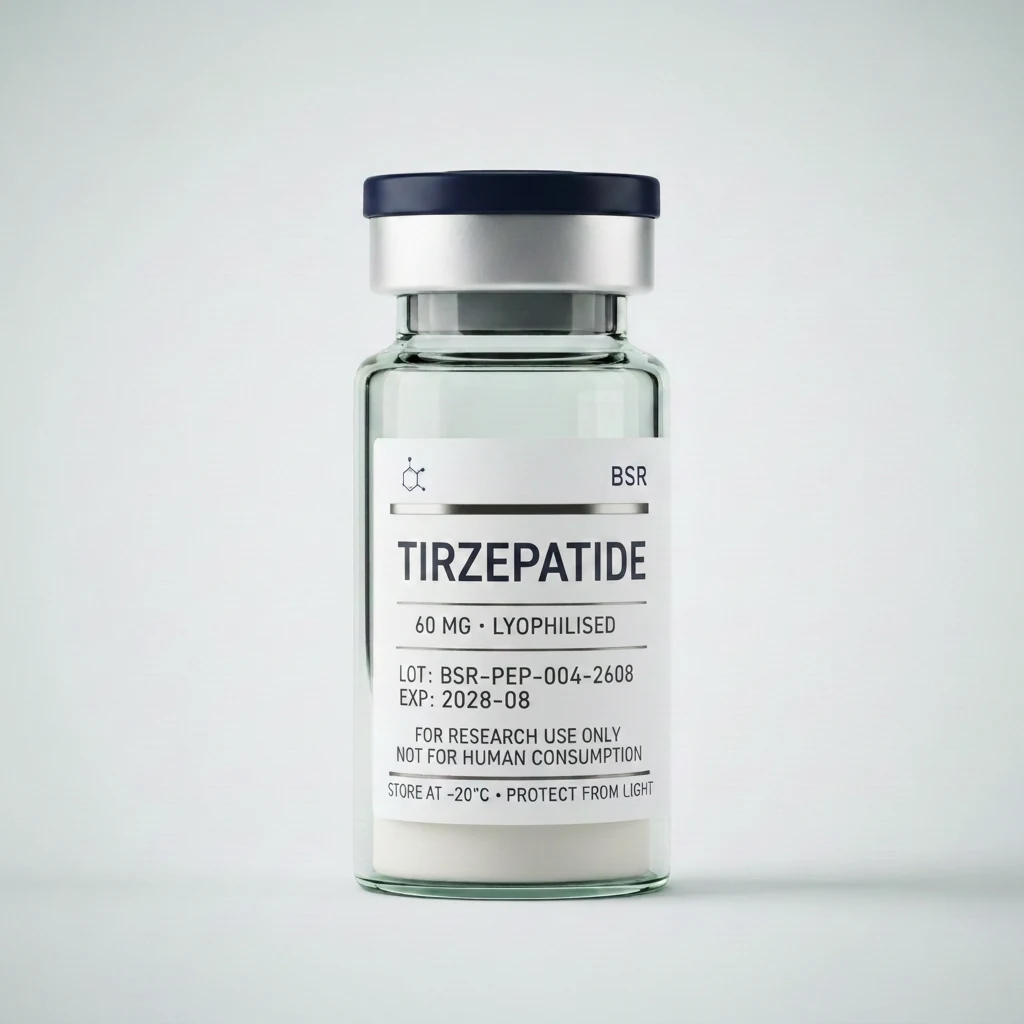
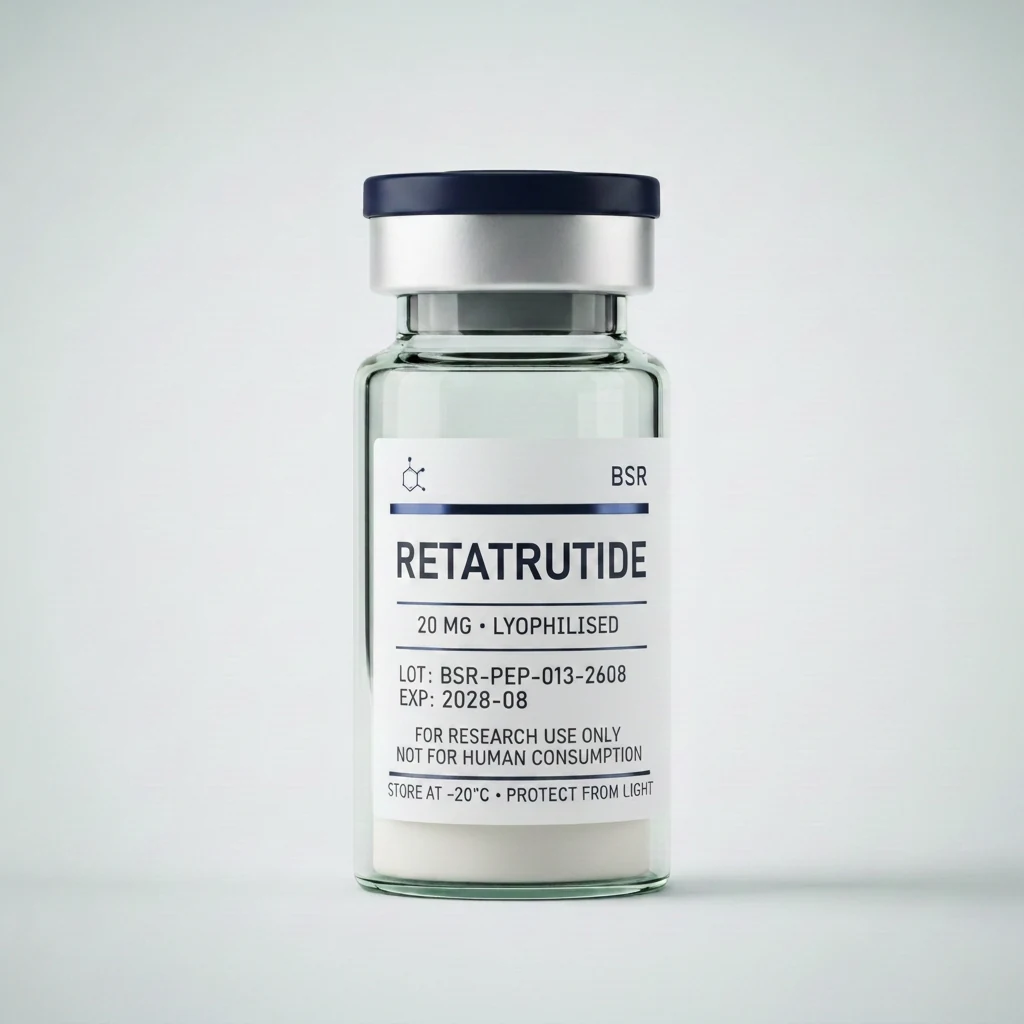
In parallel, tirzepatide (Eli Lilly) is projected to generate more than USD 45 billion in global sales in 2026, and semaglutide (Novo Nordisk) is forecast to reach approximately USD 39.5 billion, confirming that the commercial rationale underpinning CDMO consolidation remains intact. Eli Lilly's retatrutide, a triple GIP/GLP-1/glucagon agonist, remains investigational with a US Biologics License Application submission planned for Q1 2027, which will extend demand further if approved.
Implications for research procurement
For UK and European research-procurement professionals, several practical considerations follow from the transaction:
Supplier continuity in the near term. During the supplementary acceptance period and until regulatory close, PolyPeptide continues to operate as an independent Swiss company listed on the SIX. Existing supply agreements, quality systems, and supplier accreditation documentation remain in effect. Research teams should monitor any post-close integration communications for changes to quality management system certifications, site registration status with MHRA or EMA, and documentation of origin for research-grade materials sourced through PolyPeptide-linked channels.
Concentration risk in GLP-1 peptide API. The consolidation of PolyPeptide, AmbioPharm, and other capacity into a smaller number of large CDMO groups reduces the number of independent qualified suppliers for GLP-1 peptide APIs and related research intermediates. Procurement teams with second-sourcing strategies should review whether their backup suppliers remain independent or have themselves been absorbed into consolidated groups.
Post-close squeeze-out and delisting. Following settlement of the offer, Samsung Biologics intends to pursue a squeeze-out of remaining minority shareholders and delist PolyPeptide's shares from the SIX Swiss Exchange. Once delisted, public financial disclosures for PolyPeptide as a standalone entity will cease, reducing the external transparency available to customers and counterparties conducting supplier due diligence.
Strategic investment signals. The decision by Samsung Biologics to buy scaled peptide manufacturing outright rather than build it underscores the industry's view that peptide API capacity will remain constrained through at least the remainder of the decade. That supply tightness, if it persists, has direct consequences for research-grade material pricing and lead times even for non-clinical quantities.
What remains to be confirmed
The transaction remains subject to regulatory clearances in four jurisdictions. No antitrust objections have been publicly reported, and the parties have targeted end-November 2026 for completion. Once closed, Samsung Biologics is expected to integrate PolyPeptide into a broadened CDMO offering spanning biologics, peptides, and, through earlier business units, small molecules — positioning the combined group as one of the few CDMOs capable of manufacturing across all three modalities at commercial scale.
BSR Intelligence will report on any material developments in the regulatory clearance process and on post-close integration disclosures as they become available.
Research-grade material, HPLC verified, certificate of analysis with every order.
The week's Intelligence in one email, every Friday morning.
Regulatory moves, trial readouts, supply-chain news. No product pitches. Unsubscribe in one click.
More in Industry & Community
REX Peptide ETF Launches on Nasdaq: What the First Dedicated Peptide Equity Vehicle Signals About Sector Capital and Research-Supply Dynamics
14 Oct 2026
Multiplexed LC-HRMS for Nine GLP-1 Receptor Agonists: What a New Validated Method Means for Peptide Quality Control in Research Labs
13 Oct 2026
Samsung Biologics / PolyPeptide: What the Tender Close on 12 October Means for Peptide API Supply Chains
04 Oct 2026