Research Pipeline · 07 Jun 2026
Thymosin Alpha-1: The Most Clinically Validated Research Peptide in the July 2026 PCAC Review
Thymosin alpha-1 (Tα1) holds a distinction no other research peptide can claim: it is approved as a prescription medicine in over 35 countries and has been evaluated in more than 11,000 human subjects across clinical trials. Yet it remains unapproved in the US and UK. With the FDA's Pharmacy Compounding Advisory Committee due to formally review the compound in July 2026, procurement teams need to understand what the evidence base actually shows — and what the regulatory inflection point means…
9 sources cited
Key takeaways
- Thymosin alpha-1 (Tα1) is a 28-amino acid thymic peptide approved in over 35 countries under the brand name Zadaxin (thymalfasin), with the broadest human clinical dataset of any compound in the research peptide catalogue.
- Its mechanism centres on toll-like receptor activation in dendritic cells, driving T-cell maturation — immunomodulation rather than blunt immune stimulation.
- The strongest evidence covers chronic hepatitis B, where sustained virologic response rates of 25–40% are reported in randomised controlled trials.
- A large placebo-controlled sepsis trial published in early 2025 found no statistically significant reduction in 28-day all-cause mortality, adding an important qualification to earlier positive signals from systematic reviews.
- In the US, Tα1 was among the peptides removed from the FDA's Category 2 restricted compounding list in April 2026, following HHS Secretary Kennedy's February announcement; the Pharmacy Compounding Advisory Committee (PCAC) is scheduled to formally review a cohort of seven peptides on 23–24 July 2026, with a second wave — including some remaining Category 2 compounds — expected before the end of February 2027.
- In the UK, Tα1 has no MHRA marketing authorisation as a systemic medicine and is supplied for laboratory use only under research-use-only terms.
What Thymosin Alpha-1 Is
Thymosin alpha-1 is a 28-amino acid peptide originally isolated from bovine thymic tissue by Allan Goldstein at George Washington University in 1977. Its synthetic form, thymalfasin, is commercially available as Zadaxin and has been approved as a prescription drug in over 35 countries, including China, India, and across much of Southeast Asia, for hepatitis B, hepatitis C, and as an immune adjuvant in oncology settings.
The thymus gland — Tα1's biological origin — undergoes progressive involution from puberty onwards. By age 60, the thymus has lost approximately 80% of its functional tissue, a decline that correlates with reduced adaptive immune competence in older adults. This age-related context has driven research interest in thymic peptides as potential immune-restorative agents.
Mechanism of Action
Tα1 does not stimulate the immune system in a non-specific manner. It activates toll-like receptors TLR-2 and TLR-9 on dendritic cells, driving maturation and subsequent T-cell differentiation into CD4+ Th1 and CD8+ cytotoxic effector populations. The mechanism is immune priming rather than direct pathogen killing, which is why combination protocols with checkpoint inhibitors or antiviral agents have been the focus of recent oncology research.
Critically, published data demonstrate that the peptide normalises dysregulated immune responses rather than simply amplifying them — a property that distinguishes it mechanistically from adjuvants that indiscriminately amplify immune activity. A safety review of more than 11,000 subjects across more than 30 trials found no reports of autoimmune flares or immune overstimulation, according to a 2024 analysis cited by The Peptide Catalog.
Clinical Evidence: Where It Is Strongest
Chronic Hepatitis B
Multiple randomised controlled trials established a protocol of 1.6 mg subcutaneous twice weekly as an effective treatment for chronic hepatitis B. According to PeptideDeck, Tα1 monotherapy or combination with interferon-alpha produces sustained virologic response in 25–40% of treated patients, comparable to first-line therapy in some populations. This represents the most consistently replicated signal in the human Tα1 literature.
Oncology Adjuvant Use
Current 2026 trials in non-small-cell lung cancer are combining Tα1 at 1.6 mg subcutaneous twice weekly with checkpoint inhibitors, targeting progression-free survival improvement over monotherapy based on Phase II data showing a 52% response in combination arms. The rationale is mechanistic: because Tα1 promotes T-cell effector differentiation, it may potentiate programmed death pathway blockade rather than act redundantly with it. These trials remain ongoing and have not yet produced Phase III readouts.
Sepsis — A Significant Qualification
This is where researchers should apply the most caution. Earlier systematic reviews, including two published in 2015 and 2016, reported that Tα1 was associated with reduced mortality in septic patients. However, both reviews noted that findings should be interpreted with care due to small sample sizes. More consequentially, a placebo-controlled trial from early 2025 with over 1,000 subjects found no clear evidence that Tα1 decreased 28-day all-cause mortality in adults with sepsis. That large-scale null result has not invalidated the sepsis hypothesis, but it substantially weakens the case for routine ICU use and demands larger, better-stratified trials before definitive conclusions can be drawn.
Vaccine Enhancement and Immunodeficiency
Tα1's potential as a vaccine adjuvant — particularly in immunocompromised populations — remains an active area of preclinical and early-clinical investigation. Post-pandemic interest accelerated this work: the 2024–2026 research that followed COVID-19 has positioned Tα1 as one of the most clinically validated immune-modulating peptides under active investigation. Evidence in primary immunodeficiency disorders and HIV adjunct therapy exists but is less mature than the hepatitis B dataset.
Regulatory Status: US
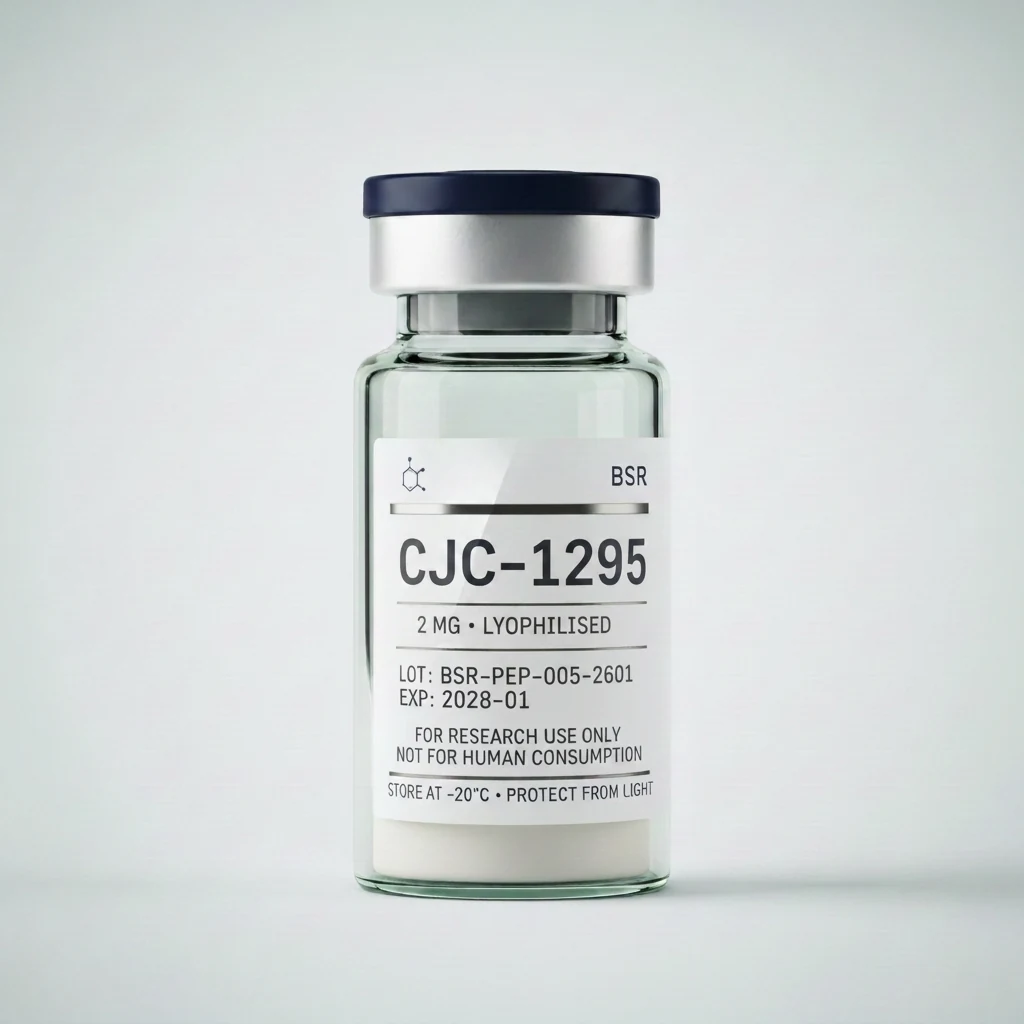
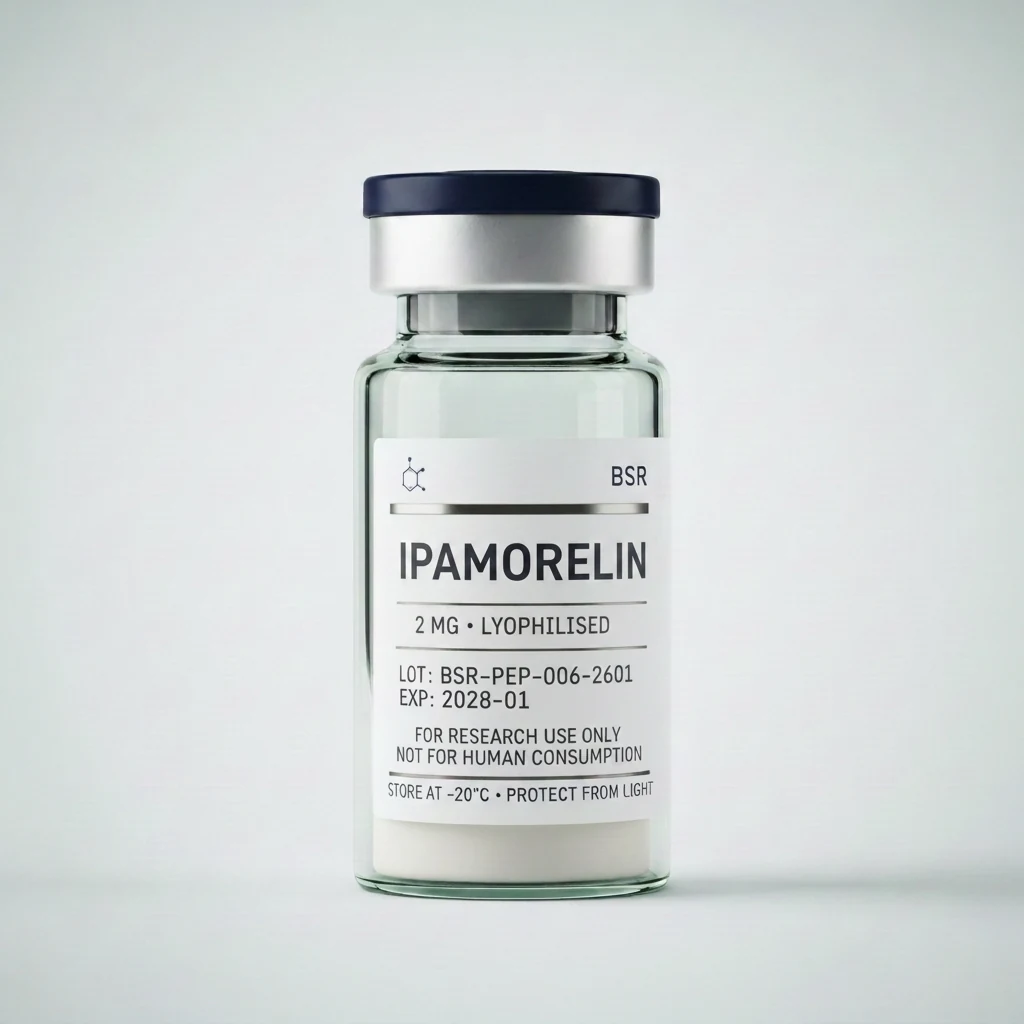
Tα1 was among the peptides caught in the Biden administration's 2023 decision to place 19 compounds on the FDA's Category 2 list, effectively ending the ability of licensed compounding pharmacies to prepare them. A lawsuit filed by Evexias and Farmakeio in Texas specifically named Thymosin Alpha-1 (alongside AOD-9604, CJC-1295, and Ipamorelin) as compounds for which the FDA had acted without adequate transparency, according to The FDA Law Blog.
Following HHS Secretary Kennedy's February 2026 announcement, Tα1 was among the peptides removed from Category 2 effective April 23, 2026. This returns it to Category 1 status under Section 503A, meaning licensed compounding pharmacies may, in principle, prepare it pursuant to a valid prescription. However, the FDA's Pharmacy Compounding Advisory Committee is scheduled to formally review the compound at its July 23–24, 2026 meeting at the White Oak Campus, and its Section 503A placement is not finalised until that process concludes.
It is important to note the distinction that a peptide moving from Category 2 to Category 1 governs whether licensed compounding pharmacies may legally prepare it — it does not constitute FDA drug approval. FDA drug approval requires formal Phase 1–3 clinical trials, safety and efficacy review, labelling approval, and manufacturing validation under a New Drug Application. None of the peptides under discussion have completed that process.
Regulatory Status: UK
Thymosin alpha-1 has no MHRA marketing authorisation as a systemic medicine in the United Kingdom. Topical cosmetic products containing peptides at low concentrations are governed separately under cosmetics regulation, but injectable or systemic Tα1 preparations fall outside any approved product framework. Most research peptides, including Tα1, remain unscheduled under the Misuse of Drugs Act 1971 and are lawful to supply for research use only, provided no therapeutic claims are made and products are correctly labelled. The MHRA's April 2026 investigations into UK clinics making therapeutic claims about unregulated peptide products are a reminder that the legal line between research supply and unlicensed medical product is actively enforced.
Why Tα1 Stands Apart From Other Research Peptides
The distinction that matters for procurement decisions is the depth of the human evidence base. Thymosin alpha-1 has been evaluated in over 4,400 patients across more than 80 clinical trials spanning hepatitis B, hepatitis C, HIV adjunct therapy, cancer immunotherapy, sepsis, vaccine enhancement, and primary immunodeficiency disorders. The 2025 sepsis null result is significant precisely because it is the product of a well-powered trial — most research peptides do not yet have evidence of that quality at all, positive or negative.
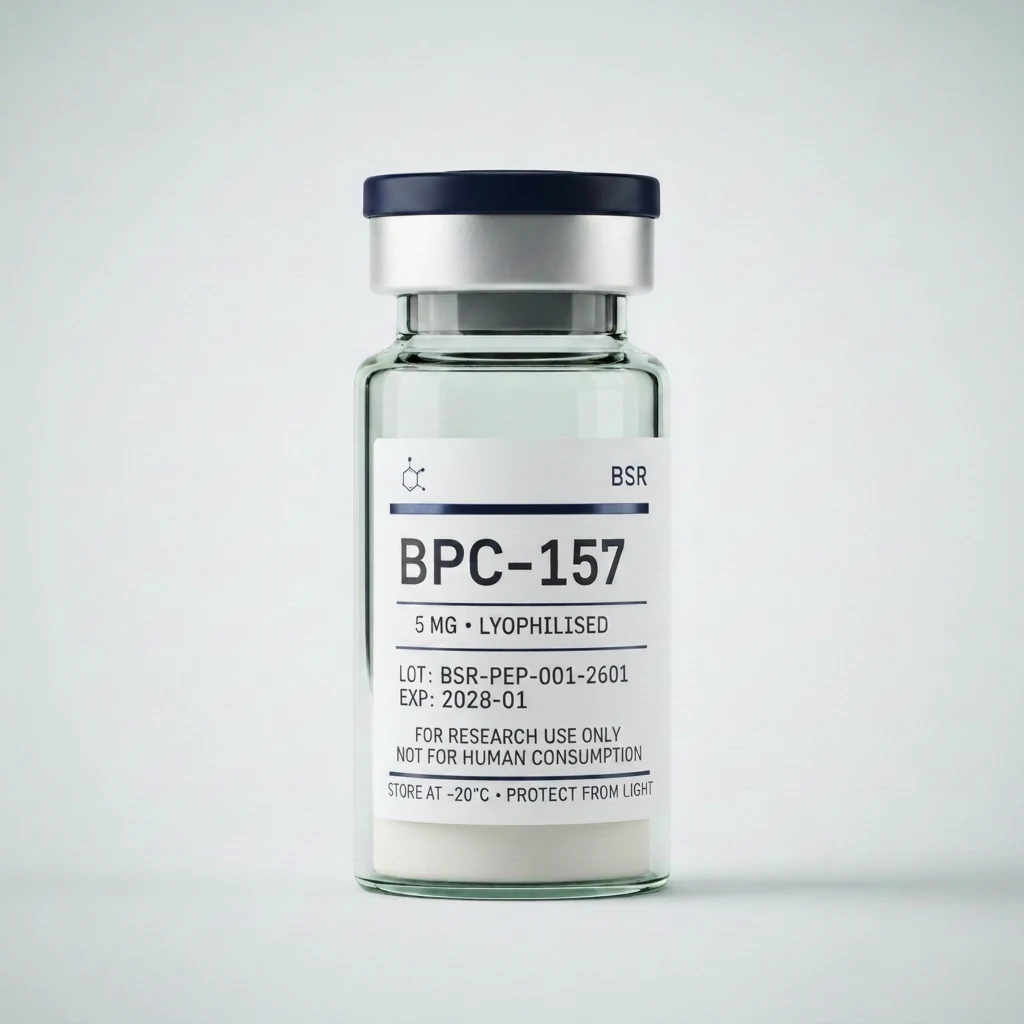
Over 40 randomised controlled trials have been conducted across hepatitis, oncology, and immunodeficiency applications, making Tα1 categorically different from compounds like BPC-157, where almost all data derives from a single research group in animal models. For labs designing immune-focused peptide research protocols, Tα1's evidence architecture — and the scrutiny it will receive at the July PCAC meeting — makes it one of the more consequential compounds to monitor in the second half of 2026.
This briefing is provided for research-procurement professionals and does not constitute medical or regulatory advice. Thymosin alpha-1 is supplied by BSR as a research-use-only compound. Regulatory status should be verified against current FDA, MHRA, and EMA guidance before procurement decisions are made.
Research-grade material, HPLC verified, certificate of analysis with every order.
The week's Intelligence in one email, every Friday morning.
Regulatory moves, trial readouts, supply-chain news. No product pitches. Unsubscribe in one click.
More in Research Pipeline
Thymosin Alpha-1: What 35 Countries of Clinical Use and a Lopsided PCAC Vote Mean for Research Access in 2026
07 Oct 2026
Viking Therapeutics Initiates Oral Maintenance Dosing Study for VK2735: What the GLP-1/GIP Dual Agonist's Two-Part Programme Tells Researchers About the Weight-Regain Problem
06 Oct 2026
GHK-Cu: What a Fresh Diabetic Wound Study and a Recruiting Phase 2 Trial Mean for the Copper Peptide's Research Standing
03 Oct 2026