Research Pipeline · 28 May 2026
What the 2026 Orthopaedic Literature Says About Research Peptides — and Why It Matters for Procurement
A peer-reviewed review in JAAOS: Global Research & Reviews has systematically mapped the mechanism and evidence base for BPC-157, TB-500, GHK-Cu, Ipamorelin, CJC-1295 and related compounds in musculoskeletal medicine. The findings underscore a persistent gap between preclinical promise and human trial data — a distinction that carries direct implications for research-procurement professionals sourcing these compounds and for how suppliers should frame their documentation.
8 sources cited
Key takeaways
- A January 2026 review published in JAAOS: Global Research & Reviews systematically categorises wound-healing, growth-hormone, recovery, and neuroactive peptides by molecular pathway and current evidence tier.
- Across all compound classes reviewed, the authors note a consistent absence of robust clinical trials in humans — preclinical data dominate, and the few human datasets that exist are characterised by small samples and methodological limitations.
- BPC-157, TB-500, GHK-Cu, Ipamorelin, CJC-1295, Epitalon, Selank, and Semax all feature in the review; four of these compounds (BPC-157, TB-500, MOTS-c) are scheduled for PCAC review on 23–24 July 2026 as part of the US 503A reclassification process.
- For UK research-procurement professionals, the review provides a useful framework for understanding what mechanistic claims are supportable in supplier documentation, and where therapeutic language creates regulatory risk.
The Review and Its Scope
A peer-reviewed narrative review published in JAAOS: Global Research & Reviews in January 2026 offers one of the more structured clinical appraisals of research peptides to appear in a mainstream surgical journal. The authors — drawn from Pacific Coast Sports Medicine, Lenox Hill Hospital, and the Redox Medical Group — categorise therapeutic peptides across four functional classes relevant to musculoskeletal practice: wound healing, muscle and cartilage repair, sleep and recovery optimisation, and neuroactive support.
The framing is significant not because it breaks new scientific ground, but because a review appearing in an orthopaedic surgical journal signals that these compounds are now a subject of active clinical interest beyond the peptide-specialist community. Understanding what the review confirms — and, equally, what it declines to confirm — is useful context for any laboratory sourcing these materials.
Wound-Healing Peptides: BPC-157, TB-500, GHK-Cu
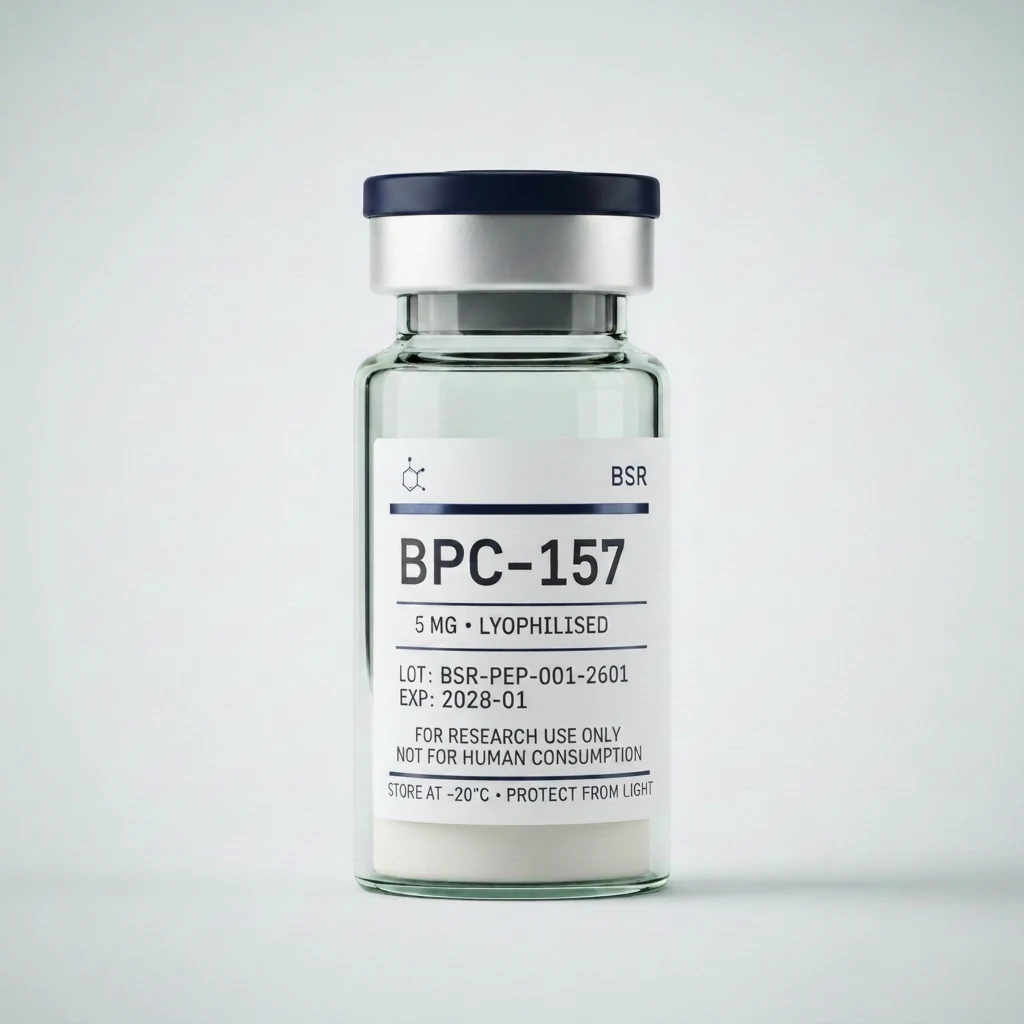
The review positions BPC-157, TB-500, and GHK-Cu as wound-healing agents that promote angiogenesis, integrin-mediated extracellular matrix remodelling, and fibroblast activation through pathways including PI3K/Akt, MAPK, TGF-β, and VEGF signalling. These mechanistic descriptions are consistent with the existing preclinical literature, the bulk of which remains concentrated in rodent models.
A separate review published in The American Journal of Sports Medicine and covered by Sage Journals in 2026 assessed injectable peptide therapy specifically for orthopaedic and sports medicine physicians. Its findings on BPC-157 are instructive: the compound showed potential benefits in tendon and muscle repair, but those findings are "largely unvalidated in human trials." A single human case series reported pain improvements after intra-articular knee injections — but the authors flagged significant methodological flaws and the absence of controls as limiting its applicability.
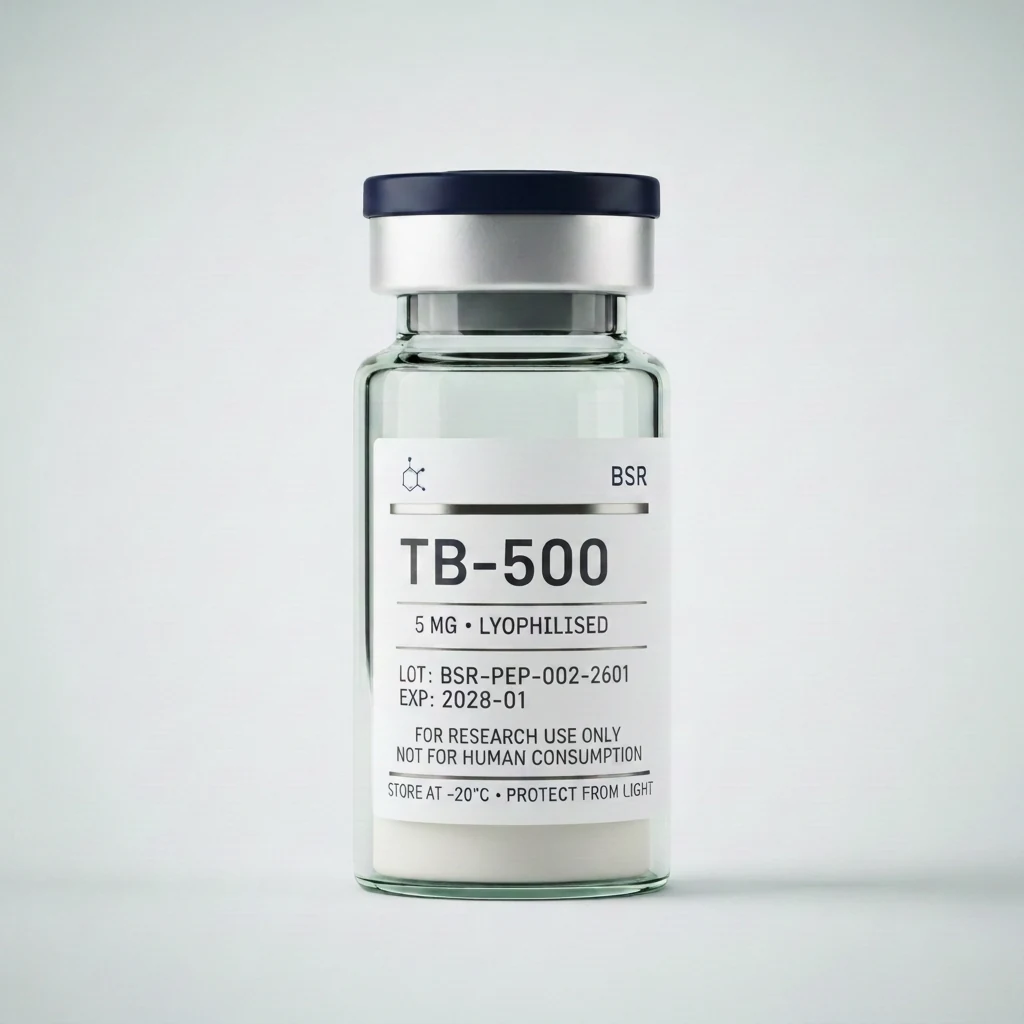
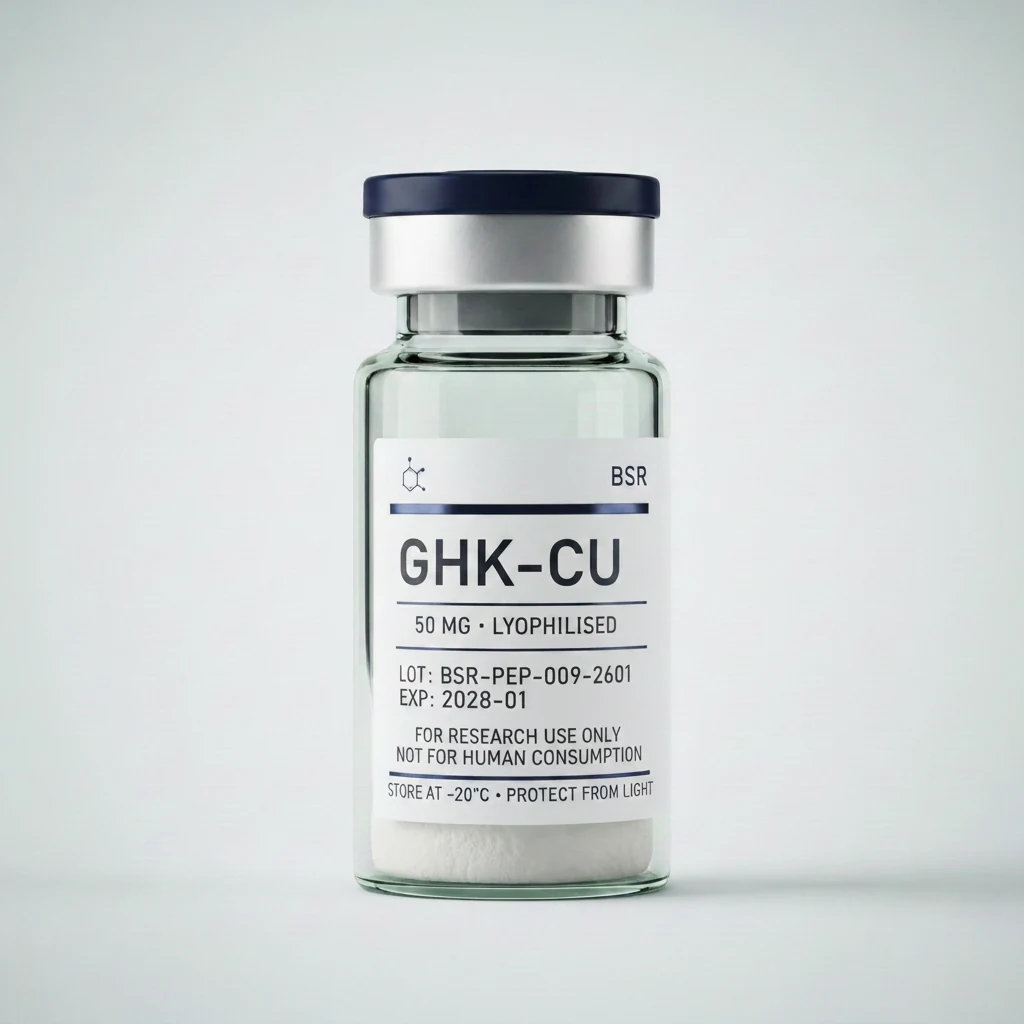
TB-500 (a synthetic fragment of thymosin beta-4) promoted angiogenesis and tissue repair in preclinical models; according to the Sage review, human orthopaedic data are lacking, and both TB-4 and TB-500 remain banned substances under WADA rules, a point relevant for any research institution whose work intersects with sports science. GHK-Cu supports collagen turnover and matrix regeneration, also based principally on preclinical data, though its established cosmeceutical applications provide a somewhat broader published foundation.
Regulatory context for these three compounds
All three peptides — BPC-157, TB-500, and GHK-Cu — are currently unscheduled in the UK under the Misuse of Drugs Act 1971, lawful to supply for research purposes without therapeutic claims. In the US, BPC-157 and TB-500 are among the compounds removed from the FDA's Category 2 restricted list effective April 2026 and scheduled for PCAC review on 23 July 2026, specifically for potential inclusion on the 503A Bulk Drug Substances List. GHK-Cu is scheduled for a second PCAC session before February 2027. It bears emphasis that removal from Category 2 is not equivalent to FDA approval; even a positive PCAC recommendation would require subsequent notice-and-comment rulemaking before compounding could legally resume at scale.
Growth Hormone Secretagogues: Ipamorelin, CJC-1295, Tesamorelin, AOD-9604
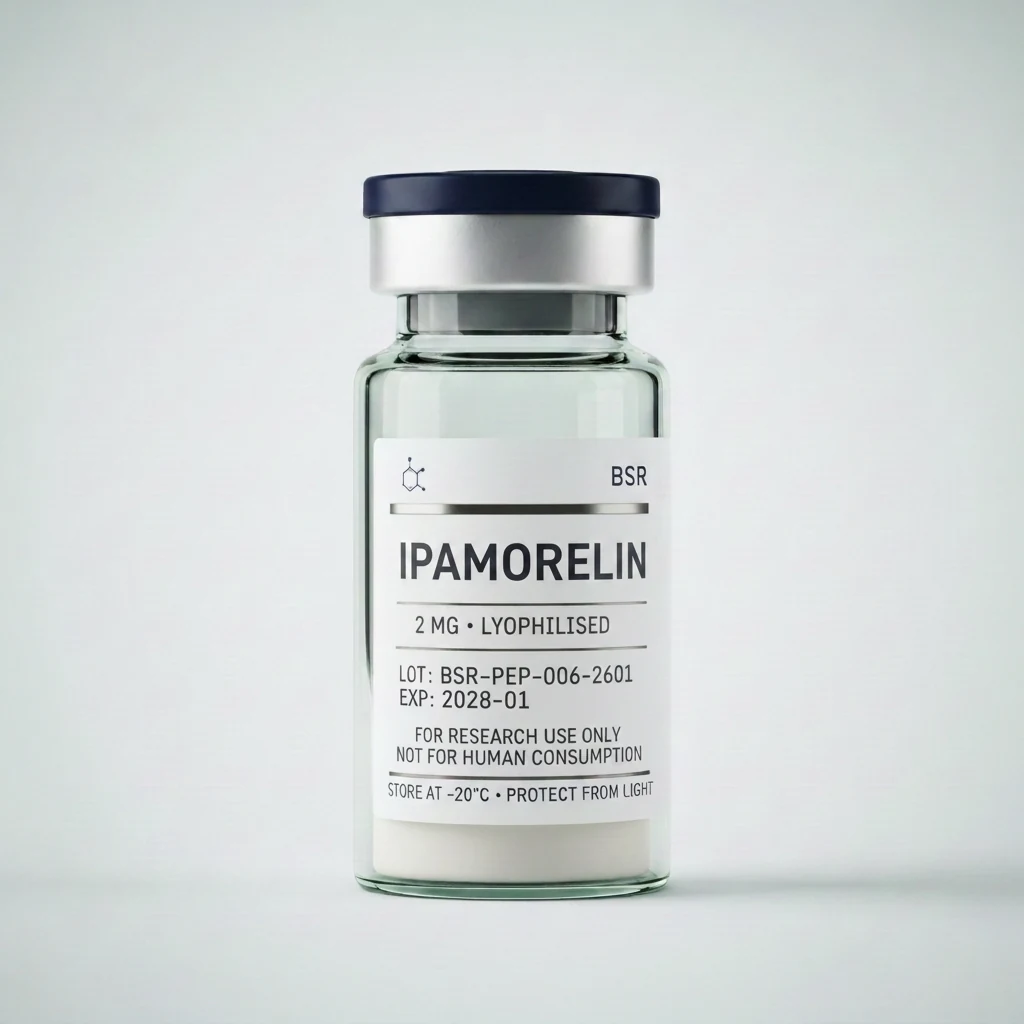
The JAAOS review situates growth hormone secretagogues — including ipamorelin, CJC-1295, tesamorelin, sermorelin, and AOD-9604 — within the muscle and cartilage repair category, noting they activate IGF-1 signalling and satellite cell repair through the PI3K/Akt/mTOR axis.
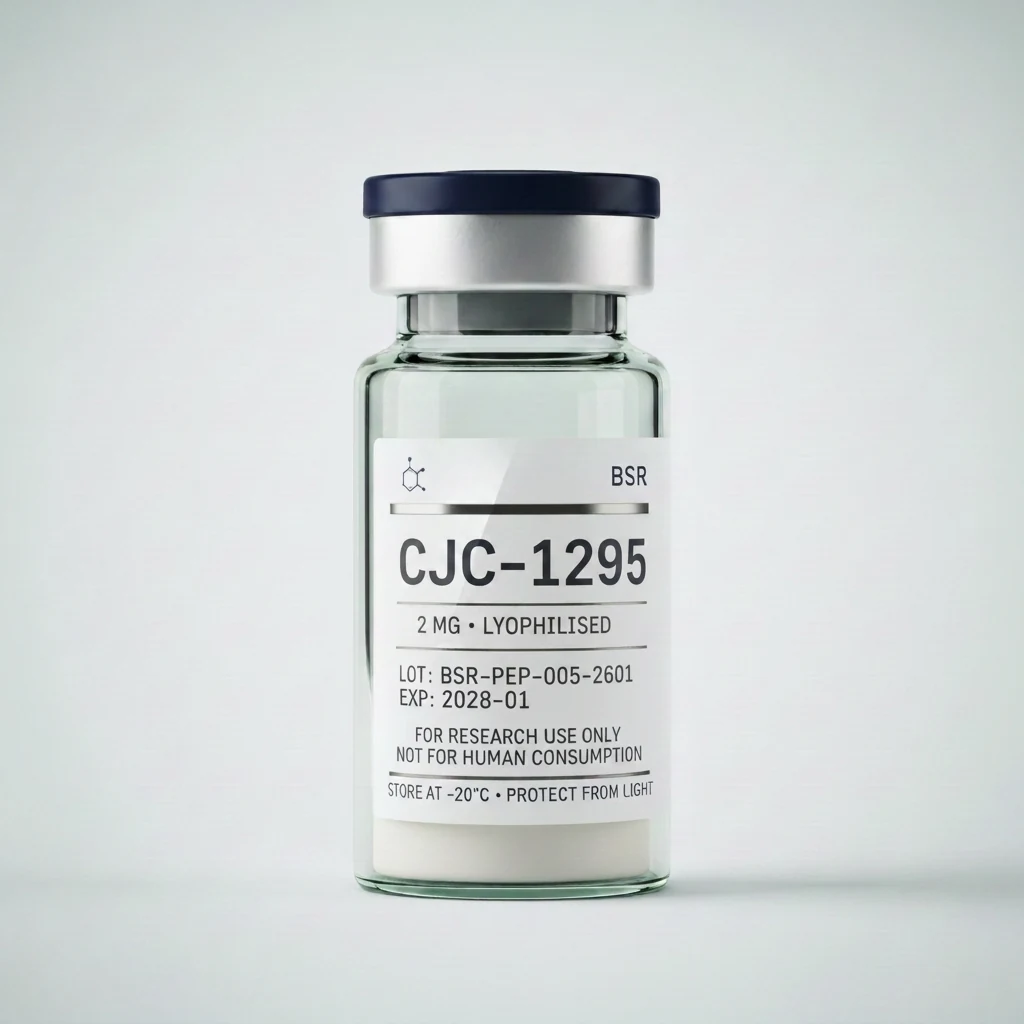
The Sage orthopaedics review provides additional granularity: CJC-1295 combined with ipamorelin showed significantly improved maximum tetanic tension in murine models with glucocorticoid-induced muscle loss, but those findings are limited to animal studies. Tesamorelin holds the distinction of being FDA-approved for HIV-associated lipodystrophy — the only compound in this secretagogue cluster with a substantive human regulatory record — which is relevant when procurement teams are evaluating documentation requirements for a given compound.
From a UK procurement standpoint, these peptides require the same research-use-only framing as wound-healing agents: no therapeutic claims, accurate labelling, and a current certificate of analysis. Ipamorelin and CJC-1295 are not controlled substances in the UK; AOD-9604 remains in a regulatory grey zone pending further MHRA guidance.
Neuroactive Peptides: Selank, Semax, Epitalon
The JAAOS review's fourth category covers neuroactive peptides, noting that selank, semax, and dihexa enhance brain-derived neurotrophic factor (BDNF) and HGF/c-Met pathways critical to neuroplasticity. Epitalon is grouped under recovery-enhancing agents, alongside delta sleep-inducing peptide, with mechanisms attributed to circadian and mitochondrial regulation.
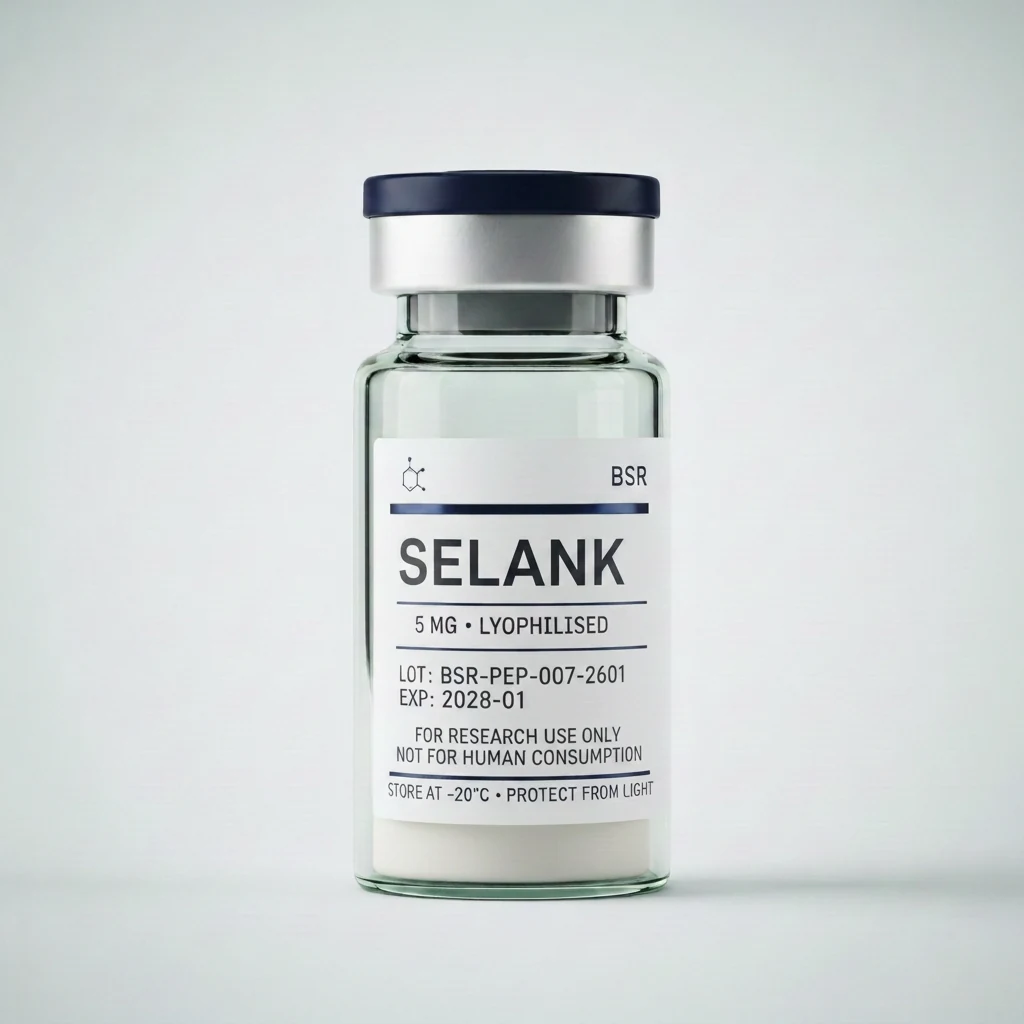
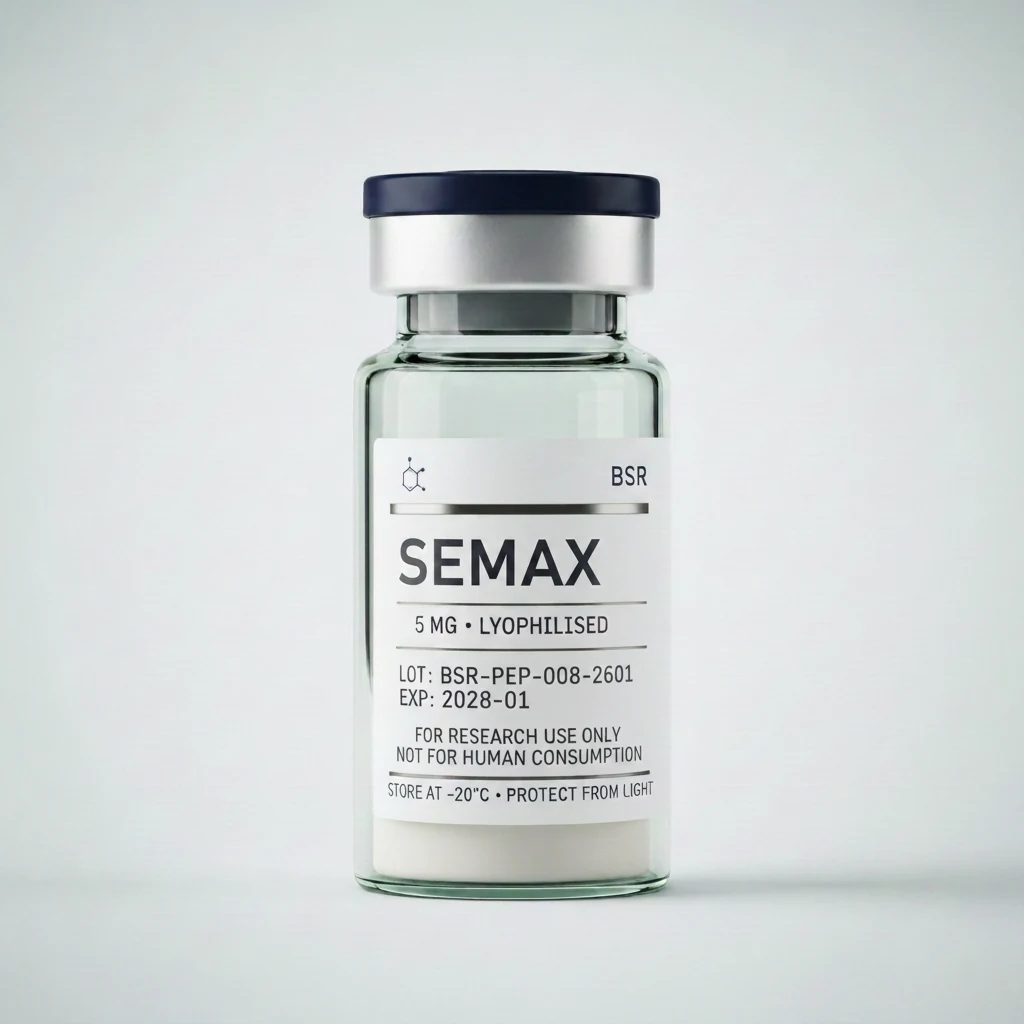
Both Selank and Semax are approved medicines in Russia, with decades of clinical use — making them unusual within the broader research peptide landscape, where human trial data are sparse. Selank is a synthetic analogue of the immunomodulatory peptide tuftsin, studied for GABAergic modulation and serotonin metabolism; Semax is a synthetic fragment of ACTH (residues 4–10), studied for neuroprotection and cerebral ischaemia. Epitalon, a tetrapeptide derived from the pineal peptide epithalamin, is under investigation for circadian regulation and potential telomerase activation.
Semax and Epitalon are both scheduled for PCAC review on 24 July 2026, where the advisory committee will consider their suitability for inclusion on the 503A Bulk Drug Substances List for indications including cerebral ischaemia, migraine, and insomnia. This is the first time either compound will be formally reviewed by an FDA advisory panel — a meaningful procedural step, though not one that alters their current legal status in the US or UK in the near term.
The Evidence Gap and What It Means for Procurement
The JAAOS review's overarching finding — that preclinical studies are promising, but robust clinical trial data are lacking across the compound classes reviewed — has direct practical implications for how research-procurement professionals should evaluate supplier documentation and frame in-house use.
Several considerations follow:
Certificate of analysis requirements. The evidentiary thin-ness of human trial data means that analytical purity standards carry greater relative weight. A compound with limited clinical validation should, if anything, prompt more rigorous purity verification, not less. Third-party HPLC purity results and mass spectrometry confirmation are the minimum standard for responsible procurement.
Research-use framing. For UK laboratories, MHRA enforcement of mis-marketed products is increasing. The review's careful distinction between mechanistic descriptions (acceptable in scientific documentation) and therapeutic claims (not acceptable in research-use-only contexts) is a useful template for supplier and internal communications alike.
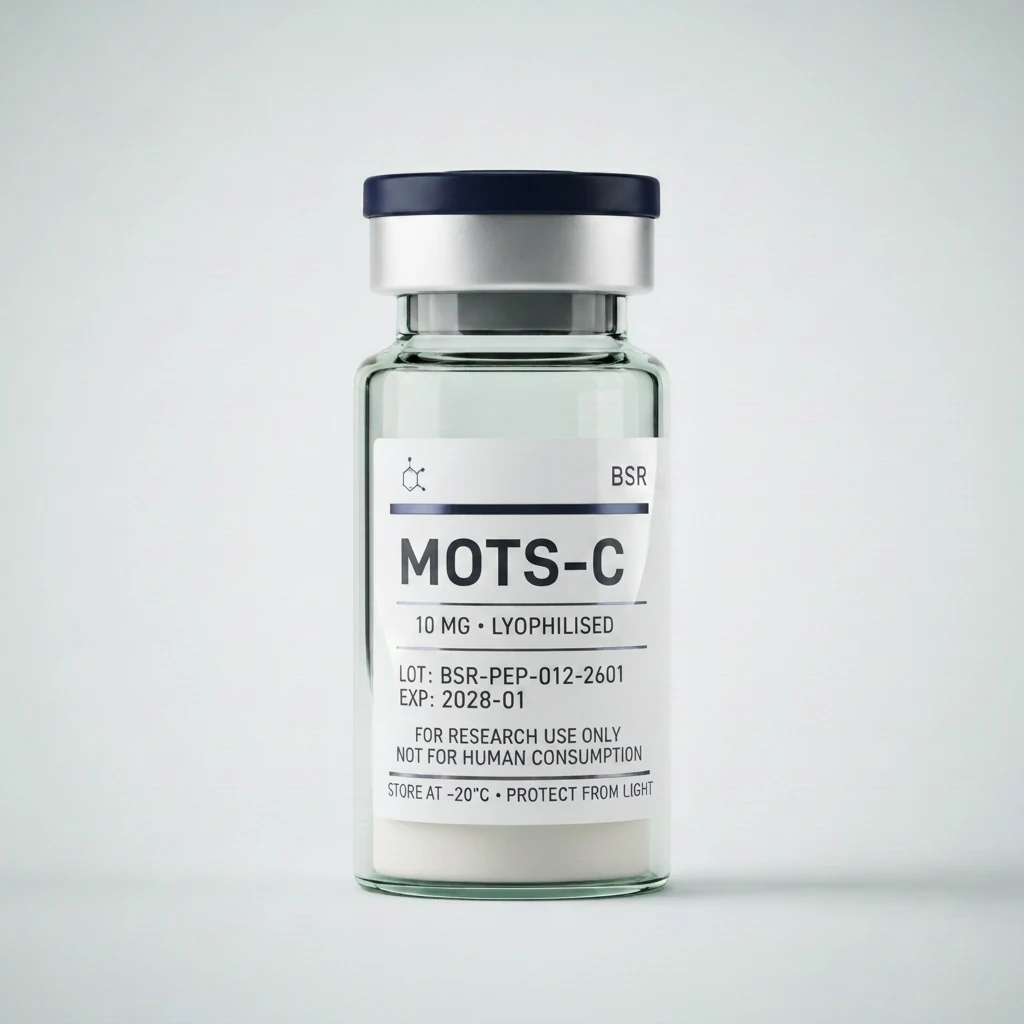
Regulatory trajectory. The July 2026 PCAC meeting introduces genuine regulatory optionality for BPC-157, TB-500, MOTS-c, Semax, and Epitalon in the US compounding market. However, as the FDA Law Blog has noted, even a positive PCAC recommendation does not permit compounding without subsequent formal rulemaking — a process that may take more than a year under standard timelines. Procurement decisions made on the assumption that US regulatory status will change imminently carry execution risk.
Clinical pipeline implications. The orthopaedic surgical community's engagement with these compounds — reflected in two peer-reviewed reviews appearing in major surgical journals in early 2026 — is a signal that demand for better-characterised materials will intensify. Labs engaged in mechanistic or translational research will benefit from suppliers who can demonstrate lot-to-lot consistency and provide detailed analytical documentation.
Summary
The 2026 orthopaedic literature provides a useful, peer-reviewed map of where research peptides currently stand: compelling molecular mechanisms, encouraging preclinical results, and a persistent deficit of controlled human data. The July PCAC review will add regulatory colour to several of these compounds in the US market, but the UK framework remains unchanged in the near term. For procurement professionals, the practical priority is rigorous analytical verification and careful research-use framing — both of which matter more, not less, in a period of heightened institutional and regulatory scrutiny.
Research-grade material, HPLC verified, certificate of analysis with every order.
The week's Intelligence in one email, every Friday morning.
Regulatory moves, trial readouts, supply-chain news. No product pitches. Unsubscribe in one click.
More in Research Pipeline
Thymosin Alpha-1: What 35 Countries of Clinical Use and a Lopsided PCAC Vote Mean for Research Access in 2026
07 Oct 2026
Viking Therapeutics Initiates Oral Maintenance Dosing Study for VK2735: What the GLP-1/GIP Dual Agonist's Two-Part Programme Tells Researchers About the Weight-Regain Problem
06 Oct 2026
GHK-Cu: What a Fresh Diabetic Wound Study and a Recruiting Phase 2 Trial Mean for the Copper Peptide's Research Standing
03 Oct 2026