Reputational Risks · 23 Oct 2026
Filthy Warehouse, 12,000 Counterfeit Pens, and a Clinic Inquiry: What the MHRA's October Enforcement Blitz Means for UK Research Procurement
A joint MHRA and West Midlands Police raid on 14 October seized more than 12,000 counterfeit retatrutide and tirzepatide pens — worth an estimated £2 million — from a Birmingham industrial unit. Paired with an ongoing MHRA inquiry into private clinics making unsubstantiated peptide claims, the month illustrates how UK enforcement against illicit GLP-1 and research-peptide supply chains is escalating well beyond symbolic warnings.
10 sources cited
Key takeaways
- On 14 October 2026, the MHRA's Criminal Enforcement Unit (CEU), working with West Midlands Police, seized more than 12,000 counterfeit retatrutide and tirzepatide injection pens from a Birmingham industrial unit, with an estimated street value of approximately £2 million.
- Packaging sufficient for around 30,000 further products was also recovered, indicating the operation was near the start of a much larger distribution cycle.
- Retatrutide is not authorised for any use in the UK outside of legitimate clinical trials; tirzepatide is approved (as Mounjaro and Zepbound) but only when dispensed against a valid prescription from a registered pharmacy.
- The raid is the fourth in a series of MHRA CEU operations targeting illicit GLP-1 and peptide supply chains since October 2025, none of which has yet resulted in a confirmed prosecution publicly disclosed at the time of writing.
- Separately, the MHRA is examining private clinics that market unregulated peptide injections for wellness or anti-ageing indications, on the basis that such promotion may constitute making medicinal claims for unlicensed products under the Human Medicines Regulations 2012.
The 14 October Birmingham raid: what is known
The MHRA and West Midlands Police raided an industrial unit in Birmingham on the evening of 14 October, recovering more than 12,000 counterfeit retatrutide and tirzepatide pens, together with packaging for around 30,000 additional products. The agency described the premises as a "filthy warehouse" and warned publicly that the seized products had not been assessed for safety, quality, or effectiveness.
Tim Duffield, head of intelligence at the MHRA's Criminal Enforcement Unit, stated that there is "no guarantee of what they contain or whether they have been contaminated with harmful substances." He added that products sold as retatrutide outside legitimate clinical trials "are being supplied illegally and could pose serious risks to public health."
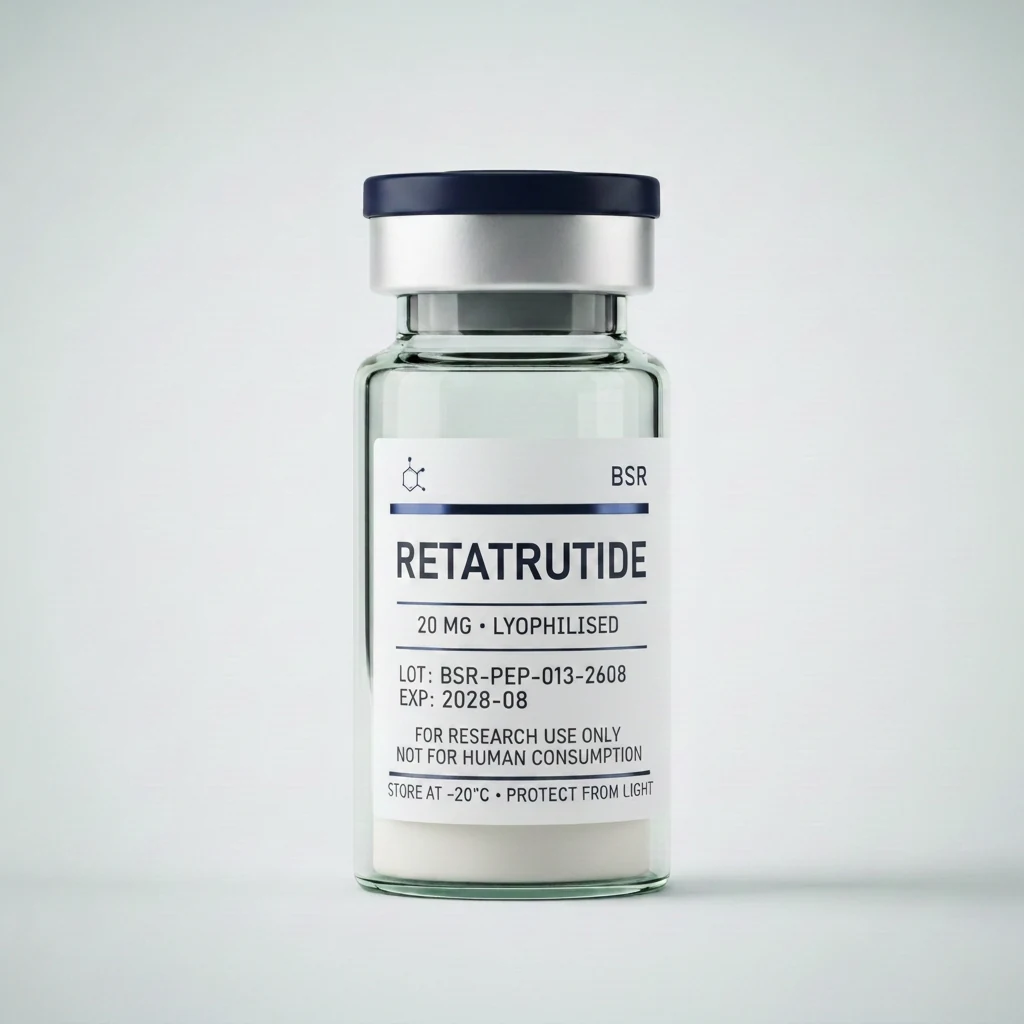
The products were labelled as pre-filled injection pens, a format consistent with branded GLP-1 delivery devices. Among them were items labelled as retatrutide, an experimental triple-agonist (GIP/GLP-1/glucagon receptor) currently in Phase III development by Eli Lilly and not authorised for use anywhere in the world outside of clinical trials. No laboratory analysis of the actual contents of the seized pens has been published.
No arrests have been announced in connection with the 14 October operation.
A pattern of escalation: four operations in twelve months
The Birmingham raid is not an isolated event. It is the latest in a series of MHRA CEU operations that have removed tens of thousands of doses of unauthorised GLP-1 medicines from circulation.
The known sequence runs as follows:
- October 2025: The MHRA dismantled what it described as the first illicit weight-loss medicine production facility discovered in the UK, seizing 5,000 unauthorised retatrutide and tirzepatide pens alongside raw chemical ingredients and empty pen casings, at a Northampton warehouse.
- February 2026: A further operation recovered approximately 2,000 doses awaiting dispatch, together with manufacturing equipment, suspected pharmaceutical ingredients, and commercial vehicles. The premises — a farm near Sleaford and a residential address in Grantham — were believed to be used for unlicensed manufacture and distribution, according to MHRA press materials.
- May 2026: Two people were arrested following a raid on a country estate suspected of being used to manufacture, assemble and distribute unlicensed weight-loss treatments; around 12,000 doses were recovered together with packaging materials.
- October 2026 (Birmingham): The operation described above.
The accumulated seizure total across these four operations exceeds 31,000 units of finished product, plus packaging capacity for tens of thousands more. The MHRA's Criminal Enforcement Unit has framed the activity as targeting organised criminal gangs, rather than individual unlicensed vendors.
The clinic inquiry: a different enforcement track
Running in parallel with physical seizure operations is an MHRA inquiry into private clinics promoting peptide injections for wellness, recovery, and anti-ageing indications. The MHRA is examining whether clinics have crossed a legal threshold by promoting peptides as therapeutic treatments without appropriate product authorisation.
The legal framework that applies is the Human Medicines Regulations 2012. Under that framework, a product is classified as a medicine if its presentation implies that it treats or prevents disease in human beings — regardless of whether the substance itself has pharmacological activity. The corollary is that a supplier or clinic making such claims without a marketing authorisation commits a criminal offence.
Some clinics under scrutiny reportedly used "research use only" labelling on peptide products while simultaneously listing specific medical benefits and treatment plans on their websites. The MHRA's position is clear: such disclaimers do not remove regulatory obligations if marketing materials imply health outcomes. An MHRA spokesperson has stated that "if clinics offering peptide injections make medicinal claims for those treatments, the products will be considered medicines and subject to regulation under the Human Medicines Regulations 2012," and that the regulator "will take action against clinics which are identified as breaching the legal requirements."
Enforcement options include warning letters, product seizures, and referral for prosecution. No clinic names or outcomes have been made public at the time of writing.
Why this matters for legitimate research procurement
Research-procurement professionals at UK institutions operate in a different legal lane from the targets of these operations — but the heightened enforcement environment has practical knock-on effects worth tracking.
Supply-chain contamination risk. The Birmingham warehouse pens have not been analytically characterised in published reports. However, prior MHRA seizures have uncovered raw chemical ingredients alongside finished product, consistent with in-house formulation rather than diversion of pharmaceutical-grade material. Institutions that inadvertently source peptide reference standards from suppliers connected to illicit networks face the risk of acquiring material with unknown purity, unknown sequence fidelity, and unknown sterility status — none of which any Certificate of Analysis from such a supplier could reliably certify.
The "research use only" defence is not absolute. The clinic inquiry underlines that UK law applies a presentation test: if a peptide product is marketed in a way that implies human therapeutic use — including through dosing guides, cycle advice, or before-and-after testimonials — the product is a medicine in law, regardless of any "RUO" label. Legitimate research suppliers should therefore ensure that all marketing materials, website copy, and communications are strictly confined to laboratory research contexts and carry no implication of clinical or personal use.
Retatrutide specifically carries elevated risk. Because retatrutide is not approved anywhere for general use, any product labelled as such and sold outside an Eli Lilly clinical programme has no established reference standard for identity verification. Packaging for an additional 30,000 units was recovered alongside the seized pens — which means a substantial volume of product bearing retatrutide labels may already have entered the distribution chain before the Birmingham operation.
MHRA enforcement capacity appears to have expanded. The pace of operations — four in twelve months, each involving multi-agency coordination — suggests that the CEU is operating with greater resource and intelligence capacity than in prior years. The MHRA's Enforcement Group received additional funding in the 2025 Spending Review, and border seizures of unlicensed peptide products have also increased significantly over the same period.
Regulatory context: what is actually authorised in the UK
For procurement reference, the following positions apply as of October 2026:
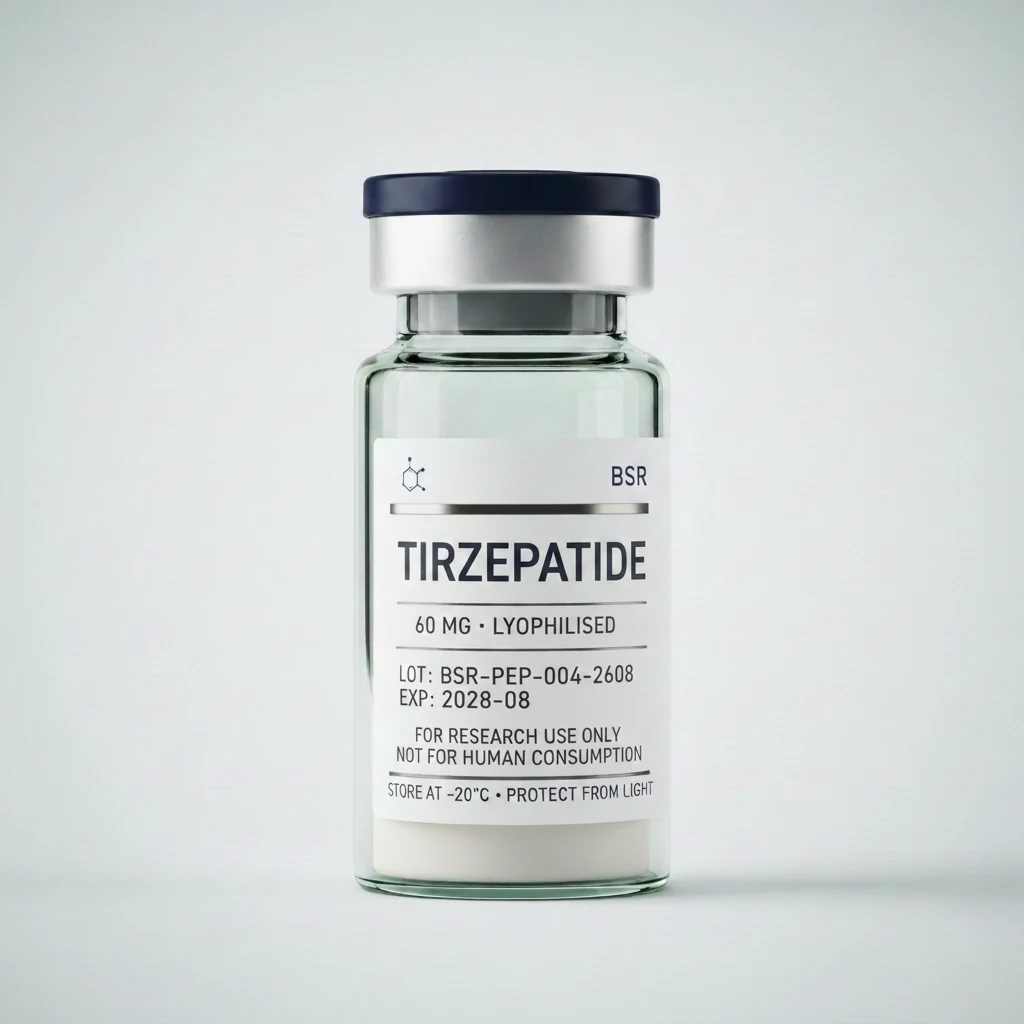
- Tirzepatide (Mounjaro, Zepbound — Eli Lilly) is authorised in the UK for type 2 diabetes and obesity management. It may be lawfully supplied only by a registered pharmacy against a valid prescription. Compounding or bulk supply outside this framework is unlicensed.
- Retatrutide has no marketing authorisation in the UK or any other jurisdiction. It remains in Phase III clinical development. Possession for personal use is a legal grey area; supply for human use is unlawful.
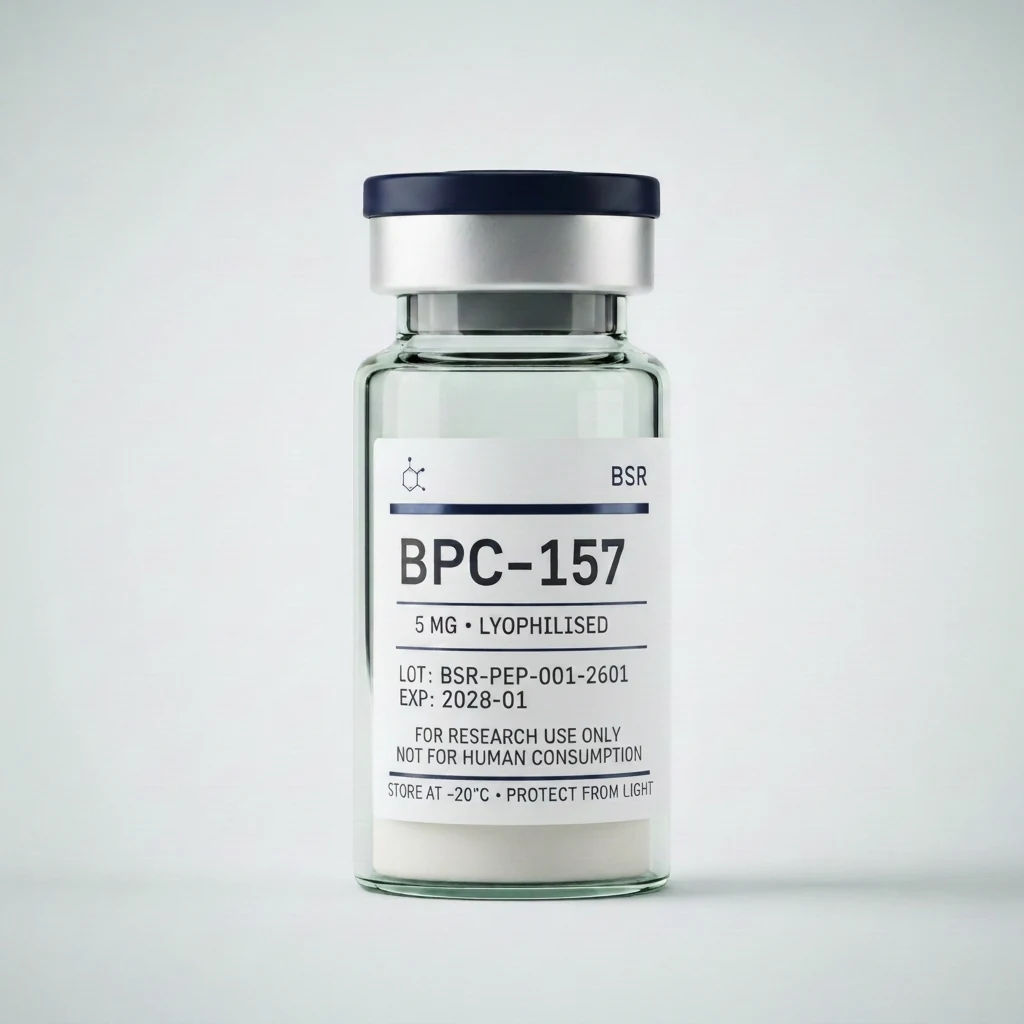
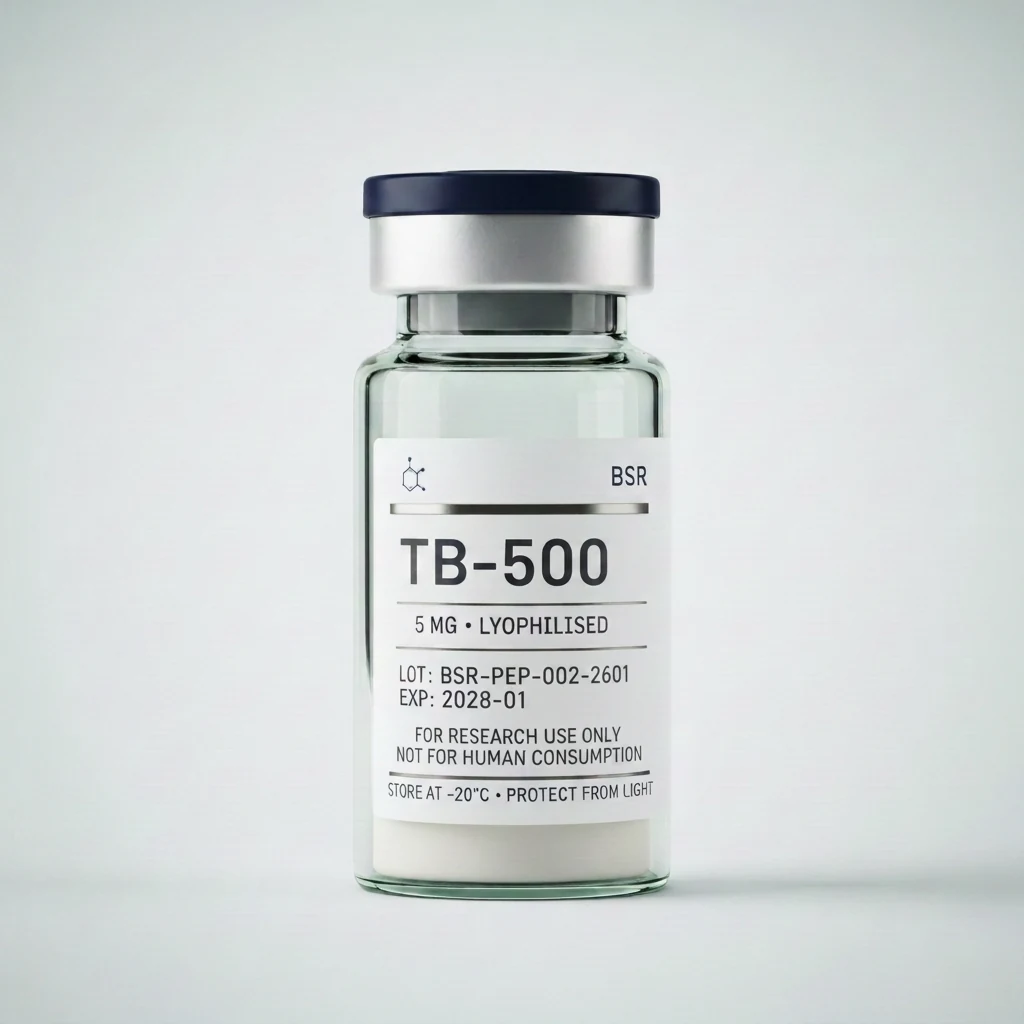
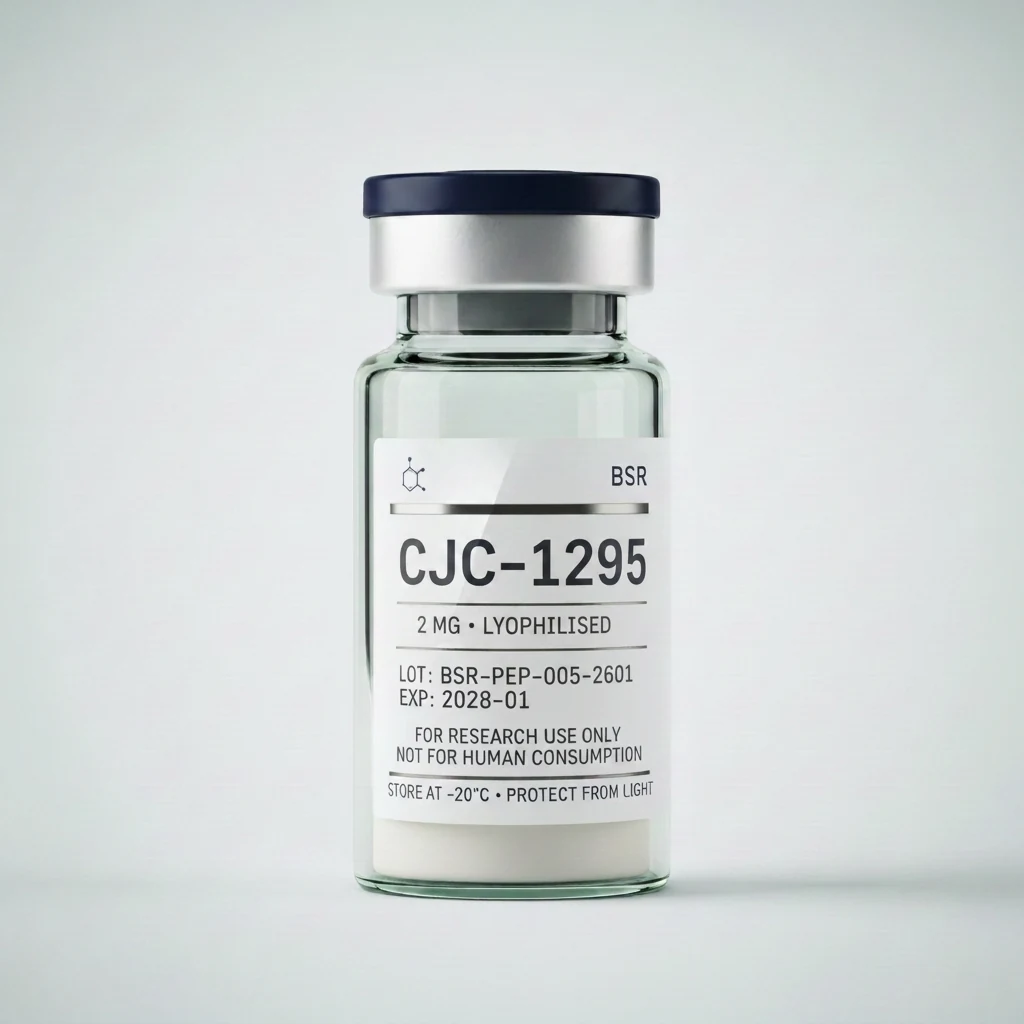
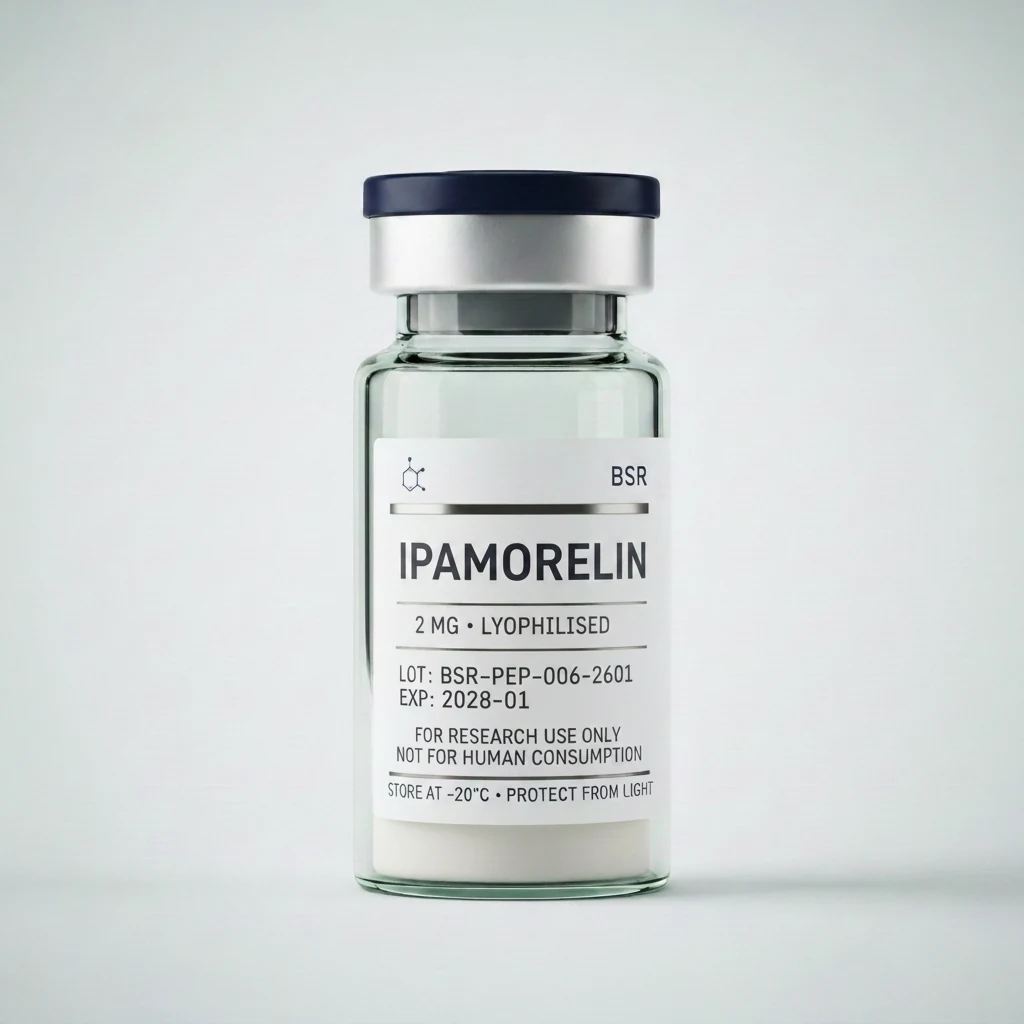
- Research peptides including BPC-157, TB-500, CJC-1295, and Ipamorelin are not scheduled under the Misuse of Drugs Act 1971. Suppliers who sell these strictly as reference standards or laboratory research compounds — without medicinal claims and to researchers and institutions — operate in a permissible space under UK law. The MHRA's enforcement focus is on suppliers who make therapeutic claims or supply material clearly intended for human self-administration.
The distinction between permissible research supply and unlicensed medicine supply rests primarily on presentation and intent. For procurement teams, the practical implication is that supplier due diligence should verify not only Certificate of Analysis quality but also that the supplier's marketing and communications are restricted to laboratory research contexts — and that no evidence exists of parallel consumer supply or clinical advice.
BSR Intelligence monitors MHRA, FDA, and EMA enforcement actions affecting the research-peptide sector. This briefing is for informational purposes; it does not constitute legal advice.
Research-grade material, HPLC verified, certificate of analysis with every order.
The week's Intelligence in one email, every Friday morning.
Regulatory moves, trial readouts, supply-chain news. No product pitches. Unsubscribe in one click.
More in Reputational Risks
Two Deaths, Eleven Lawsuits, and a Congressional Letter: The Mounting Enforcement Response to Illicit Retatrutide
21 Oct 2026
Sterility Failure at a Forewarned Compounder: What the Apothecary Pharma Tirzepatide Recall Reveals About Persistent Quality Gaps
20 Oct 2026
Black Mould, Falsified Records, and Import Alert 66-40: What FDA Inspection Reports Reveal About Chinese GLP-1 API Suppliers
16 Oct 2026