Industry & Community · 10 Jul 2026
Macrocyclic Peptides: How a $1.8bn Novartis Deal and a String of Venture Rounds Signalled the Modality's Arrival in 2026
Macrocyclic peptides — ring-shaped molecules that sit between small molecules and biologics — have attracted more than $500 million in venture funding and several billion dollars in licensing deals in the first half of 2026. The capital surge reflects growing conviction that AI-assisted platform chemistry can now reliably produce oral macrocycles against targets that have resisted conventional drug design. Research procurement teams sourcing peptide compounds should understand what is driving…
14 sources cited
Key takeaways
- Novartis signed a deal worth up to $1.8 billion with California biotech Unnatural Products in February 2026 to develop oral macrocyclic peptide therapies for an undisclosed cardiovascular programme — among the largest platform-licensing agreements in the peptide sector to date.
- Beijing-based Syneron Bio raised $150 million in a Series B round in April 2026, just four months after closing nearly $100 million across its Series A and A+ rounds, bringing total disclosed funding to approximately $251 million.
- Parabilis Medicines, whose lead asset zolucatetide is an investigational peptide produced through an AI-assisted design platform, opened 2026 with a $305 million Series F raise — one of the five largest venture rounds in biotech in the first half of the year, according to BioSpace.
- Macrocyclic peptides are distinct from the compounded research peptides currently under FDA advisory review; procurement teams should treat them as separate modalities with different regulatory trajectories and supply chains.
What a macrocyclic peptide is — and why it is not the same as a linear research peptide
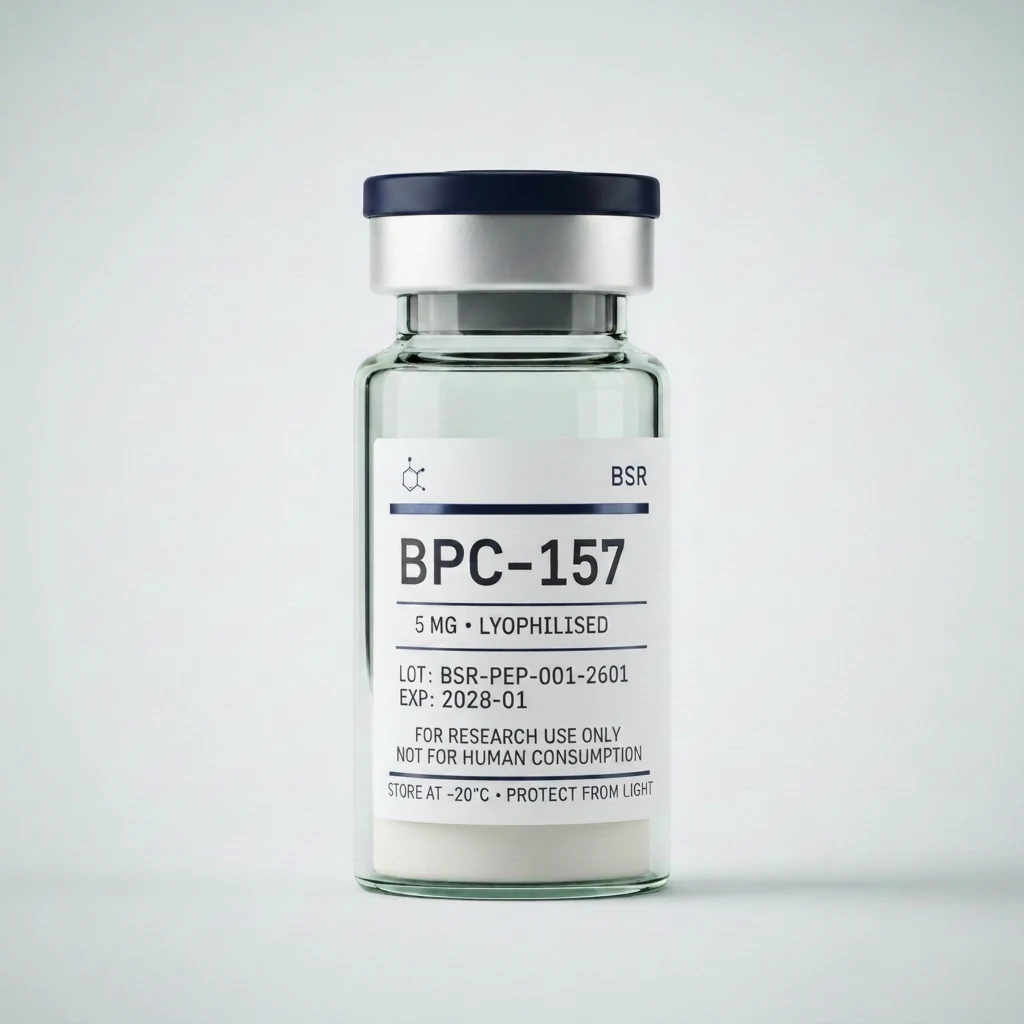
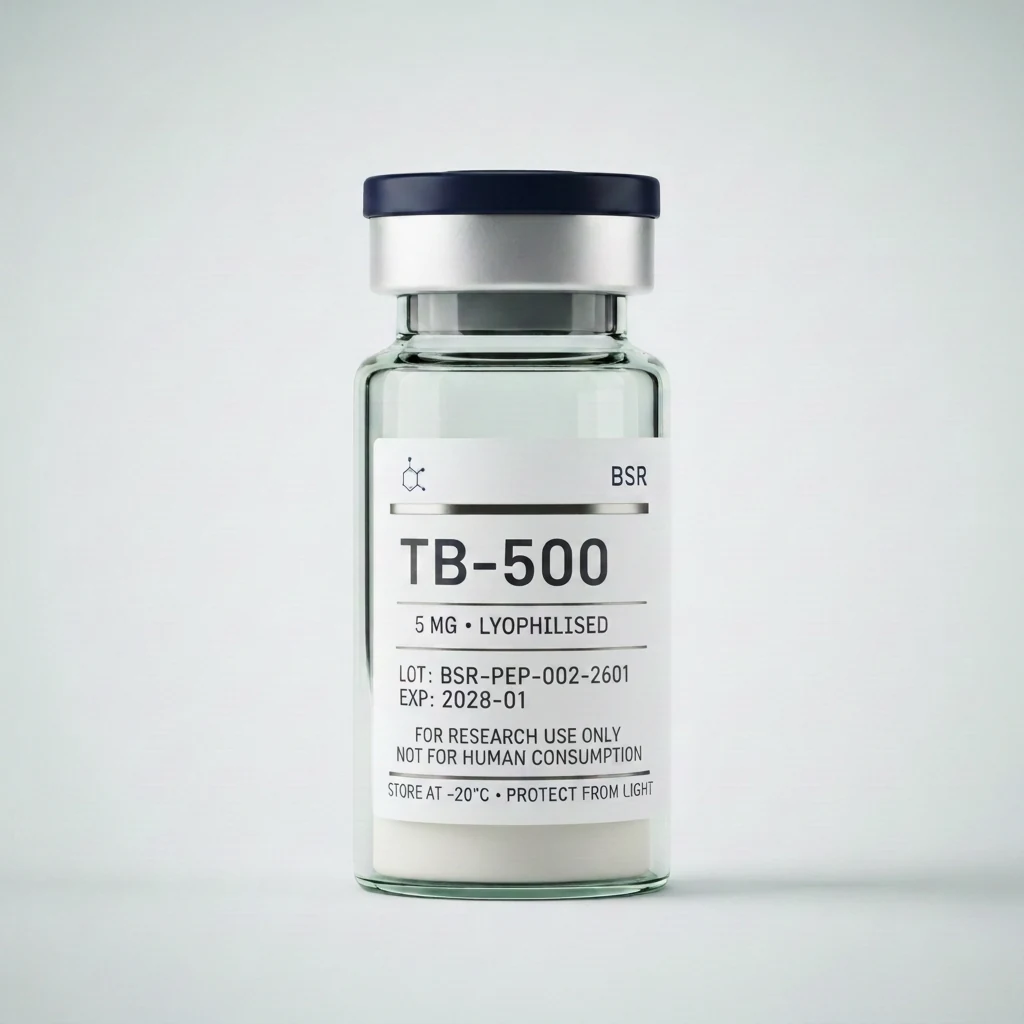
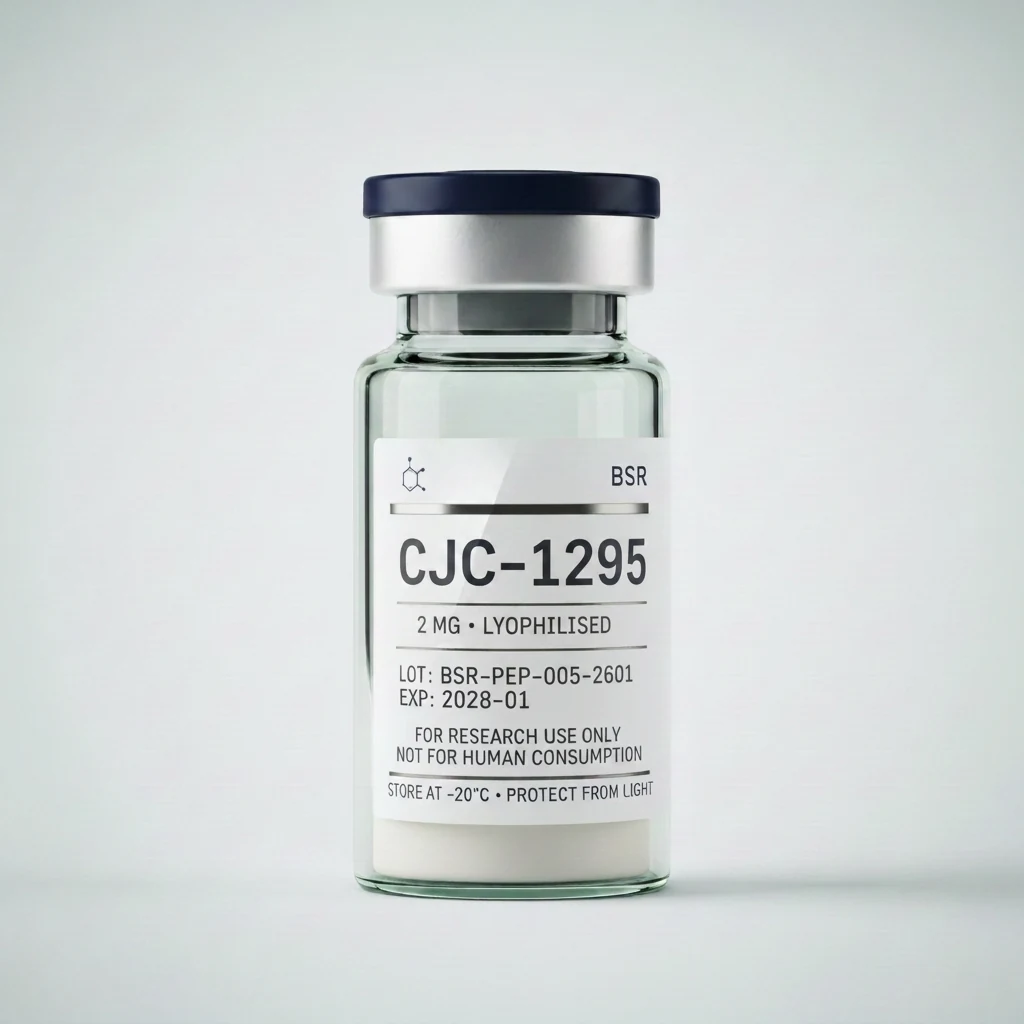
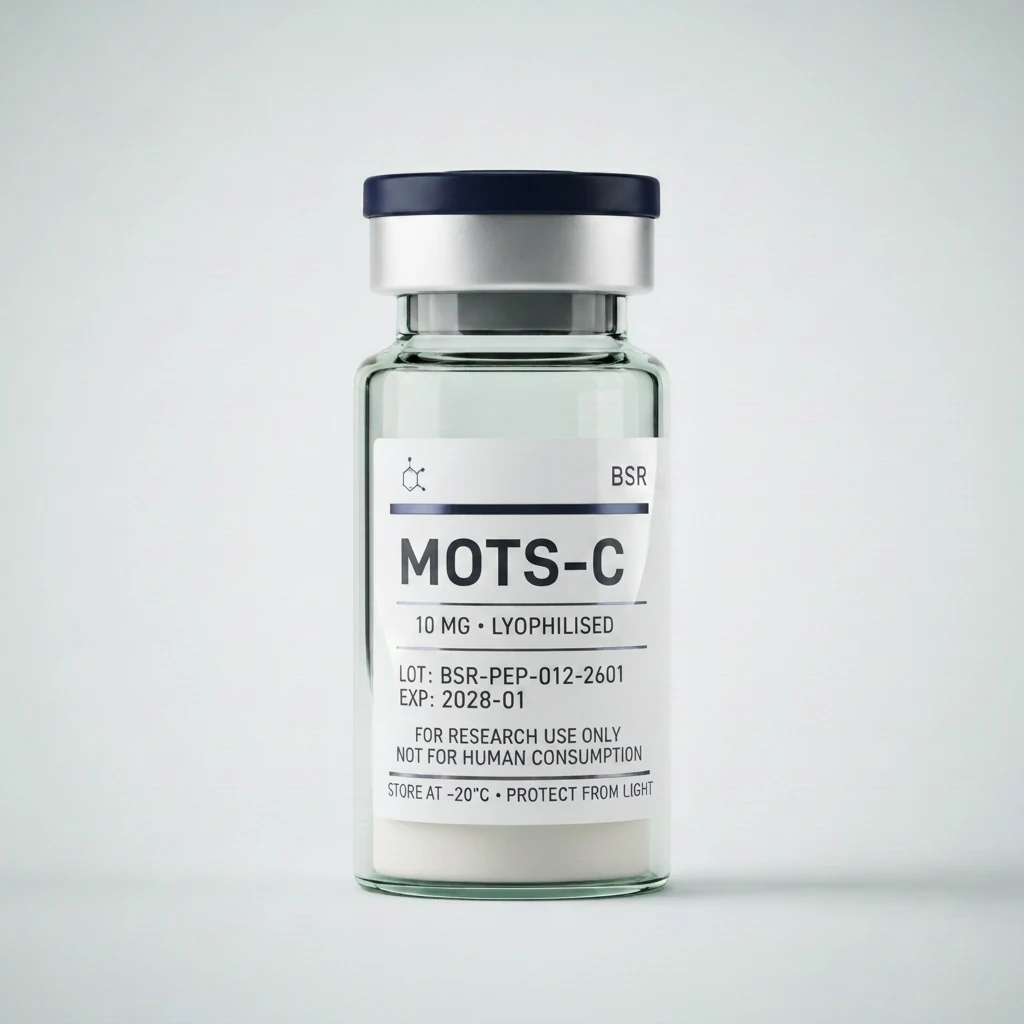
Most peptides familiar to UK research procurement professionals — BPC-157, TB-500, CJC-1295, MOTS-c — are linear chains of amino acids. Macrocyclic peptides differ structurally: the backbone is closed into a ring, which changes both the molecule's shape and its behaviour in biological systems.
European Biotechnology Magazine describes macrocyclic peptides as "ring-shaped molecules that bridge the gap between small molecules and biologics." Their cyclic structure makes them more resistant to enzymatic degradation in the gut, which is the central property that has historically made peptide oral delivery difficult. As Unnatural Products noted in its February 2026 announcement, macrocyclic peptides "merge the selectivity and potency of biologics with the flexibility and drug-like properties of small molecules, enabling access to previously undruggable targets."
For procurement purposes, macrocycles are not bulk drug substances subject to the FDA 503A/503B compounding framework that governs the research-peptide market. They are development-stage pharmaceutical assets being advanced through conventional Investigational New Drug pathways. The investment activity discussed below therefore represents a parallel track to the compounding debate — but one that will affect how the broader peptide sector is perceived by regulators, funders, and pharma counterparties over the next five years.
The Novartis–Unnatural Products deal: platform chemistry meets Big Pharma pipelines
The most consequential deal of early 2026 for the macrocycle sector was announced on 18 February. Unnatural Products Inc. (UNP), a Santa Cruz, California biotech, signed a research collaboration and licensing agreement with Novartis for a cardiovascular programme. Under the terms, Novartis will take responsibility for IND-enabling studies and all subsequent clinical development, manufacturing, and global commercialisation of any resulting products.
Financially, UNP will receive up to $100 million in upfront and pre-IND milestone payments, with up to $1.7 billion in development, regulatory, and commercial milestones, plus tiered royalties from mid-single to low double-digits on annual net sales.
According to FierceBiotech, Novartis is not UNP's first major partner. The California biotech had already signed a deal worth up to $220 million with Merck & Co. in 2024, and more recently secured a deal with argenx worth up to $1.5 billion in potential milestone payments, aimed at generating orally available macrocyclic peptide drugs against undisclosed "undruggable" targets. Following the Novartis deal, UNP then raised a $45 million Series B in March 2026, according to its GlobeNewswire announcement.
The platform underlying these deals combines AI-guided molecular design, large-scale parallel synthesis, and rapid biological screening, according to European Biotechnology Magazine. The competitive advantage being licensed is not a specific molecule but an engine that can repeatedly produce macrocycle candidates against selected targets at a pace that internal Big Pharma chemistry organisations have historically been unable to match.
Syneron Bio: $250m raised in four months for an AI macrocycle platform
The most active fundraiser in the macrocyclic peptide space in 2026 has been Beijing-based Syneron Bio. Founded in 2022, the company closed nearly $100 million across its Series A and A+ rounds in December 2025, with AstraZeneca, Pfizer's Biotech Development Investment Fund, and several Chinese and global venture firms participating.
Syneron then closed a $150 million Series B on 31 March 2026, bringing total disclosed funding to approximately $251 million across rounds completed in less than four years. The Series B was co-led by an unnamed international life sciences fund, Decheng Capital, and CDH VGC. Additional investors included a wholly owned subsidiary of the Abu Dhabi Investment Authority, True Light Capital — an independent subsidiary of Temasek — Qiming Venture Partners, and BioTrack Capital. AstraZeneca continued its participation as an existing shareholder.
The proceeds are earmarked for advancing the company's Synova platform — described as an "intelligent, high-throughput" AI-driven discovery engine — and for accelerating pipeline programmes in oncology, autoimmune, metabolic, and rare disease indications towards clinical development. As Pharmaphorum noted, all programmes remain in preclinical development; the new capital is intended to move the most advanced assets towards IND filings.
Syneron's partnership with AstraZeneca, signed in March 2025, structured access to the Synova platform for chronic disease research at up to $3.4 billion in potential development and commercial milestones, according to AllSci.
Parabilis and zolucatetide: the peptide Helicon platform
A third data point in the macrocycle investment story is Parabilis Medicines, which secured $305 million in a Series F raise in January 2026 — one of the largest venture raises in the sector in recent years. According to BioSpace, Parabilis' lead asset is zolucatetide, an investigational peptide therapy produced through the company's Helicon platform, which uses AI- and physics-based modelling to design drug candidates. Investors in the round included RA Capital, Fidelity, Janus Henderson, Frazier Life Sciences, Cormorant, ARCH Venture Partners, and GV, among others.
The Helicon platform is conceptually adjacent to macrocyclic chemistry: it uses computational design to generate constrained peptide structures with improved stability and target engagement relative to linear equivalents. The breadth of institutional participation in the Parabilis round reflects the same investor thesis seen in Syneron and Unnatural Products deals — that AI-enabled peptide design platforms are de-risked sufficiently to warrant sizeable early-stage commitments.
What is driving the capital surge
Several factors have converged to make macrocyclic peptides an attractive investment target in 2026:
AI-assisted design has shortened cycle times. Earlier platform chemistry produced macrocycles slowly and at high cost, limiting their commercial viability. The integration of machine learning with high-throughput synthesis and screening has changed that economics picture, according to multiple company disclosures cited above.
Oral bioavailability unlocks large market opportunities. The GLP-1 drug class has demonstrated that patients and prescribers strongly prefer oral over injectable delivery wherever efficacy is comparable. As Drug Discovery News noted, oral formulations are now a defining competitive battleground across metabolic medicine. Macrocyclic peptides, with their improved gut stability, offer a path to oral delivery for biological-scale targets.
"Undruggable" targets have become tractable. Large protein-protein interaction surfaces, intracellular targets like KRAS, and other high-value sites that have resisted small-molecule attack are now being approached via macrocycles. This widens the commercial universe considerably beyond what linear peptides or conventional small molecules could address.
Big Pharma patent cliffs are accelerating dealmaking. As STAT News reported in June 2026, pharmaceutical companies had spent approximately $134 billion on biotech acquisitions in the first half of 2026 — ahead of the full-year 2025 total of $112 billion — driven partly by the need to replace revenues from drugs approaching patent expiry. Platform licensing deals with companies such as UNP are one mechanism by which large companies can access early-stage innovation without outright acquisition.
Implications for research procurement
For UK research laboratories procuring peptide compounds, the macrocyclic investment wave has several indirect implications:
Supply and API sourcing. Macrocyclic peptides under development by Syneron, UNP, or Parabilis are not commercially available as research-use compounds and are unlikely to become so in the near term. The research peptides on laboratory procurement lists remain predominantly linear, and their regulatory status in the UK and US is governed by separate frameworks — notably the MHRA's medicines enforcement regime and, in the US, the ongoing FDA 503A compounding review of compounds such as MOTS-c, TB-500, and BPC-157, which the PCAC is scheduled to examine on 23–24 July 2026.
Quality and characterisation standards. The analytical rigour being applied to macrocyclic development programmes — including structural characterisation to confirm ring closure and stereochemistry — sets a benchmark against which certificate of analysis data for linear research peptides should also be assessed. Procurement teams requesting HPLC purity data should additionally ask suppliers whether mass spectrometry confirmation is available, since both methods are standard in the pharmaceutical development work underlying the deals described above.
Long-term modality competition. If oral macrocyclic peptides advance to approved drug status in metabolic disease, cardiovascular, or oncology indications, they will compete with injectable peptide approaches in clinical settings. For research supply houses, that dynamic is several years away, but it warrants monitoring as part of any forward-looking procurement strategy.
This briefing draws on company press releases, FDA Federal Register filings, and coverage from FierceBiotech, BioSpace, Pharmaphorum, European Biotechnology Magazine, STAT News, Drug Discovery News, DealForma, AllSci, and GlobeNewswire. It is intended for informational purposes and does not constitute investment or regulatory advice.
Research-grade material, HPLC verified, certificate of analysis with every order.
The week's Intelligence in one email, every Friday morning.
Regulatory moves, trial readouts, supply-chain news. No product pitches. Unsubscribe in one click.
More in Industry & Community
REX Peptide ETF Launches on Nasdaq: What the First Dedicated Peptide Equity Vehicle Signals About Sector Capital and Research-Supply Dynamics
14 Oct 2026
Multiplexed LC-HRMS for Nine GLP-1 Receptor Agonists: What a New Validated Method Means for Peptide Quality Control in Research Labs
13 Oct 2026
Samsung Biologics / PolyPeptide: What the Tender Close on 12 October Means for Peptide API Supply Chains
04 Oct 2026