Research Pipeline · 30 Oct 2026
Retatrutide Beats Semaglutide 2 mg on Every Primary Endpoint in First Phase 3 Head-to-Head Trial: What the TRANSCEND-T2D-2 Results Mean for Research Procurement
Eli Lilly's triple GIP/GLP-1/glucagon receptor agonist retatrutide produced more than double the weight loss of Ozempic's highest approved dose at 80 weeks in adults with type 2 diabetes, according to topline Phase 3 TRANSCEND-T2D-2 data released on 28 October 2026. The readout — the sixth consecutive positive Phase 3 trial for the compound — solidifies retatrutide's clinical profile and accelerates the timeline toward a potential regulatory filing, with direct implications for how research…
8 sources cited
Key takeaways
- Eli Lilly's retatrutide reduced HbA1c by 2.2 percentage points and produced 19.5–20.9% mean body-weight loss at 80 weeks, compared with 1.8 percentage points and 9.4% for semaglutide 2 mg in the first Phase 3 head-to-head incretin trial.
- TRANSCEND-T2D-2 is the sixth consecutive Phase 3 trial in which retatrutide has met its primary endpoint, materially de-risking the compound ahead of a regulatory submission.
- A parallel Lilly programme — the tirzepatide-plus-eloralintide combination EloraTZP — reported Phase 2 data at the European Association for the Study of Diabetes (EASD) meeting in September 2026, signalling that the next tier of peptide polypharmacy is already in clinical development.
- Samsung Biologics' pending acquisition of Swiss peptide CDMO PolyPeptide Group (expected to close by end of 2026) is reshaping the contract manufacturing landscape that research-grade GLP-1 peptide APIs depend on.
- For UK research procurement teams, the convergence of maturing Phase 3 data on next-generation incretins and consolidating CDMO capacity is likely to tighten availability and widen price differentials between research-use-only and GMP-grade material over the next 12–18 months.
What TRANSCEND-T2D-2 showed
Eli Lilly announced topline results from the TRANSCEND-T2D-2 trial (NCT06260722) on 28 October 2026. The open-label study enrolled 1,298 adults with type 2 diabetes inadequately controlled on metformin, with or without an SGLT2 inhibitor, and compared once-weekly retatrutide (9 mg or 12 mg) against Ozempic (semaglutide) 2 mg — the highest approved dose for type 2 diabetes.
Topline results showed that participants taking retatrutide lost an average of 44.3 lb (19.5%; 9 mg dose) and 47.4 lb (20.9%; 12 mg dose), compared with 20.9 lb (9.4%) among participants taking Ozempic over 80 weeks.
At week 80, both retatrutide doses also reduced mean HbA1c by 2.2 percentage points, compared with 1.8 percentage points with semaglutide. Both comparisons achieved statistical superiority with family-wise error control (p<0.001).
TRANSCEND-T2D-2 is, according to Lilly, the first head-to-head comparison of retatrutide against an approved incretin therapy, enrolling 1,298 participants in an open-label design.
Retatrutide also showed greater improvements in non-HDL cholesterol, triglycerides, and systolic blood pressure, though no numerical values were reported in the topline release.
On safety, gastrointestinal events were the most common adverse events and were described by Lilly as predominantly mild-to-moderate. The incidence of dysesthesia with retatrutide (9 mg and 12 mg) versus Ozempic was 4.8% and 6.5% versus 2.7%, respectively, and the majority of events were mild to moderate and resolved during treatment.
TRANSCEND-T2D-2 also includes an extension period in which approximately 650 participants continue treatment with retatrutide for an additional 24 weeks to evaluate long-term efficacy and safety.
Why this is the sixth consecutive Phase 3 success
TRANSCEND-T2D-2 marks the sixth Phase 3 trial in which retatrutide has delivered positive efficacy, reinforcing its potential in cardiometabolic care. Lilly, the maker of Mounjaro (tirzepatide) and Foundayo (orforglipron), framed the result as the first Phase 3 trial comparing retatrutide directly with an injectable incretin medicine.
The results fall in line with the weight reductions reported in TRIUMPH-2, in which adults with type 2 diabetes and obesity taking the highest retatrutide dose lost an average of 20.8%.
Retatrutide is a once-weekly single molecule that simultaneously activates receptors for glucose-dependent insulinotropic polypeptide (GIP), glucagon-like peptide-1 (GLP-1), and glucagon — a triple-agonist mechanism that distinguishes it structurally from approved dual-agonist tirzepatide and mono-agonist semaglutide. Lilly also disclosed at its Q3 2026 earnings call that TRANSCEND-T2D-2 results had been shared as topline data the prior day.
A separate, ongoing Phase 3 programme — TRIUMPH-5 — continues to compare retatrutide against tirzepatide directly. Results from that trial, when reported, will be material to any regulatory filing strategy.
EloraTZP: the next layer of peptide combination science
At the European Association for the Study of Diabetes (EASD) meeting in September 2026, Lilly presented Phase 2 data for EloraTZP, a combination of its selective amylin receptor agonist eloralintide and its GIP/GLP-1 dual agonist tirzepatide. The compound represents an emerging strategy of co-dosing mechanistically complementary peptides in a single formulation, a category distinct from the triple-agonist retatrutide approach.
For research procurement teams, EloraTZP is relevant as an early signal of where the sponsored research demand for amylin-class peptides may migrate over the next two to three years. Eloralintide reference material is currently circulating only in early Phase 2 quantities; procurement teams tracking the pipeline should note the compound in forward-planning inventories.
What the Samsung–PolyPeptide deal means for GLP-1 API supply
The TRANSCEND-T2D-2 readout lands against a backdrop of significant CDMO consolidation. South Korean CDMO Samsung Biologics announced an all-cash public tender offer to acquire Switzerland-headquartered PolyPeptide Group AG, in what was described as the largest takeover in the history of South Korea's biopharmaceutical industry, driven by surging demand for peptide-based therapeutics including GLP-1 therapies for diabetes and obesity.
Samsung Biologics described PolyPeptide as a "top-tier peptide CDMO" with more than 70 years of experience manufacturing peptide- and oligonucleotide-based APIs and producing over 1,000 therapeutic peptides to date.
Under the terms of the offer, PolyPeptide shareholders will receive CHF 44.31 per share — an implied equity value of approximately CHF 1.46 billion ($1.8 billion) — and the transaction is expected to be completed towards the end of 2026, subject to a minimum acceptance threshold of 66⅔%, applicable regulatory approvals, and other conditions.
Samsung Biologics is a CDMO that specialises in biologic medicines such as antibodies and antibody-drug conjugates and works with 17 of the top 20 global pharmaceutical firms. Adding PolyPeptide's dedicated peptide synthesis lines would give Samsung an end-to-end, multi-modality manufacturing platform spanning biologics, ADCs, and small peptides — precisely the capabilities needed to supply clinical-phase programmes such as retatrutide and next-generation incretins at scale.
PolyPeptide reported H1 2026 revenue of approximately US$271 million, up 41.6% year on year, a growth rate that reflects the commercial pull-through of GLP-1 demand on specialist peptide synthesis capacity. When the transaction closes, the combined entity will compete directly with established European peptide CDMOs for late-stage commercial supply contracts.
For UK research procurement teams, CDMO consolidation at this tier tends to concentrate quality-assured API supply among fewer suppliers, can affect lead times for research-grade reference standards, and may alter pricing dynamics for smaller-volume orders. Laboratories that currently source GLP-1 and triple-agonist reference peptides from PolyPeptide-affiliated supply chains should track the ownership transition and verify that certificates of analysis, quality agreements, and supplier qualification documentation remain current through any change-of-control period.
Regulatory trajectory and procurement considerations
Retatrutide remains investigational in both the US and UK. No regulatory submission has been announced; however, six positive Phase 3 datasets substantially lower the technical risk associated with a future filing, and Lilly's disclosure of the extension cohort in TRANSCEND-T2D-2 indicates it is building a long-term safety dossier in parallel. Under current MHRA conventions, the compound would require a separate UK marketing authorisation independent of any FDA approval.
For research-use-only (RUO) procurement in UK laboratories, retatrutide peptide reference material is currently available from multiple specialist suppliers, none of which are supplying pharmaceutical-grade product. Procurement teams should verify that any material purchased meets the laboratory's analytical requirements (typically confirmed by HPLC purity and mass spectrometry), that suppliers hold appropriate licensing, and that the material is labelled and used exclusively for non-clinical research under established chain-of-custody protocols.
The strength of TRANSCEND-T2D-2's data is likely to increase research interest in the triple-agonist mechanism more broadly — including in academic programmes exploring GIP, GLP-1, and glucagon receptor biology. Demand for reference-standard retatrutide and structurally related analogues may rise in the 12–18 months prior to any regulatory submission, a period when supply constraints tend to be most acute.
Sources: Eli Lilly investor release, 28 October 2026; HCPLive, 28 October 2026; AJMC, 28 October 2026; Medscape, 30 October 2026; BioPharma International, 29 October 2026; Pharmacally, 28 October 2026; Pharma Manufacturing / Samsung–PolyPeptide, 20 July 2026; Investing.com Eli Lilly Q3 2026 earnings call
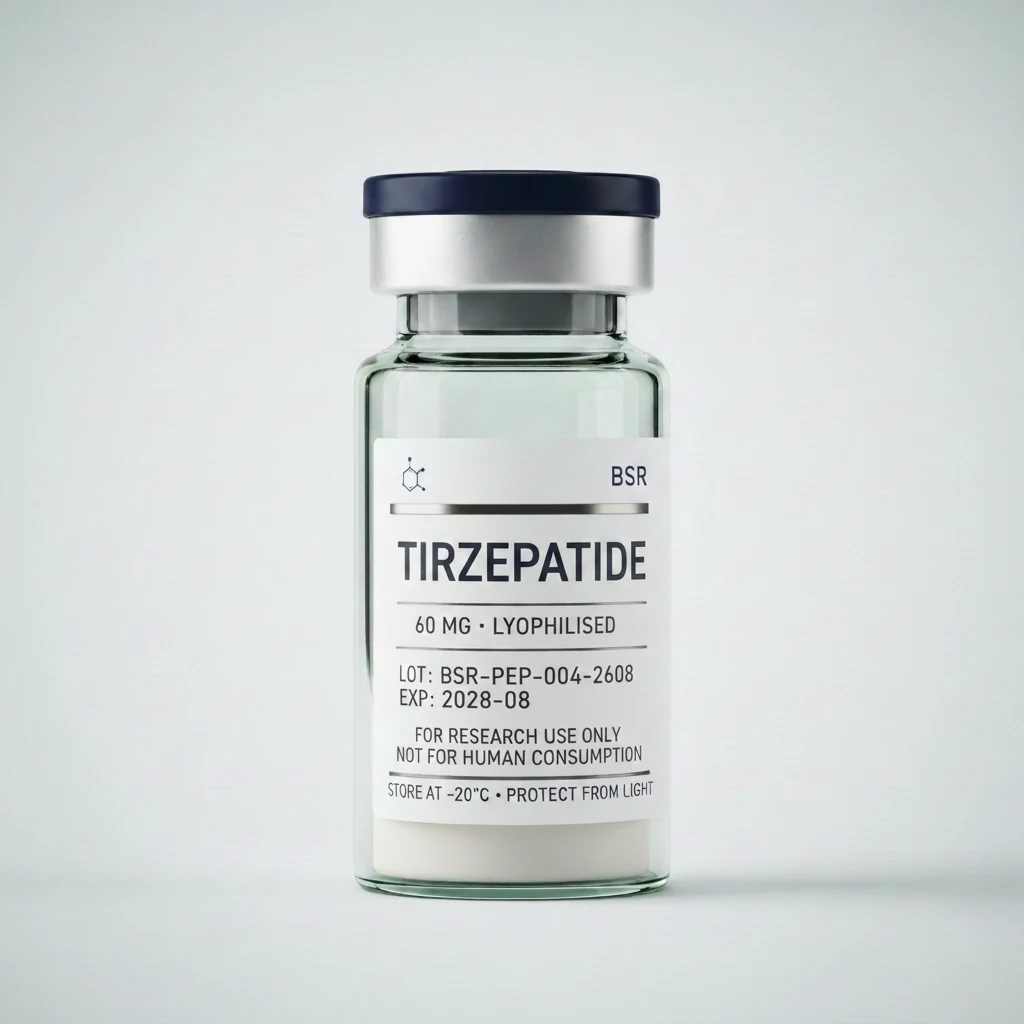
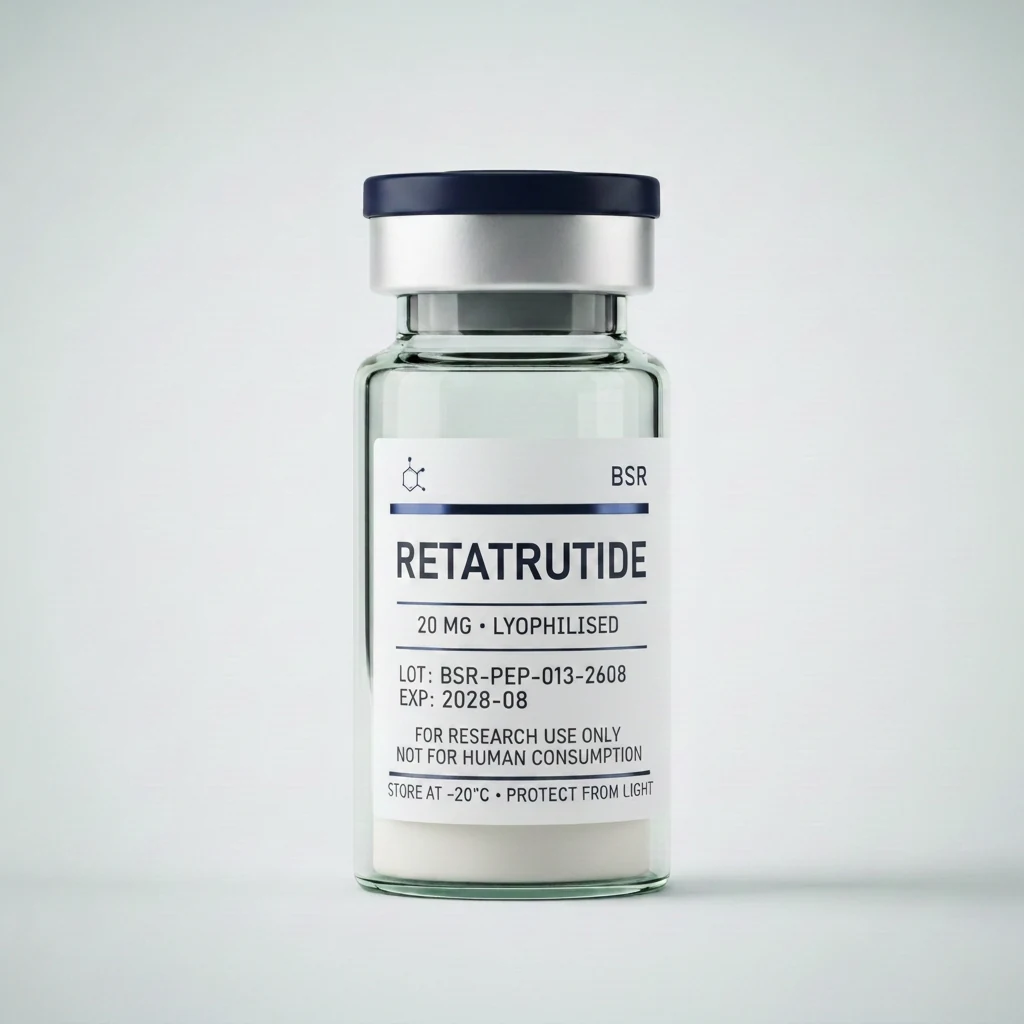
Research-grade material, HPLC verified, certificate of analysis with every order.
The week's Intelligence in one email, every Friday morning.
Regulatory moves, trial readouts, supply-chain news. No product pitches. Unsubscribe in one click.
More in Research Pipeline
GHK-Cu: Evidence Base, Regulatory Status, and Procurement Considerations for UK Research Laboratories
01 Nov 2026
MOTS-c: What the July 2026 PCAC Vote and the October Interim Policy Mean for Research Procurement
28 Oct 2026
Beyond the GLP-1 Duopoly: Three October Developments That Signal a Broadening Obesity Pipeline
22 Oct 2026