Research Pipeline · 28 Oct 2026
MOTS-c: What the July 2026 PCAC Vote and the October Interim Policy Mean for Research Procurement
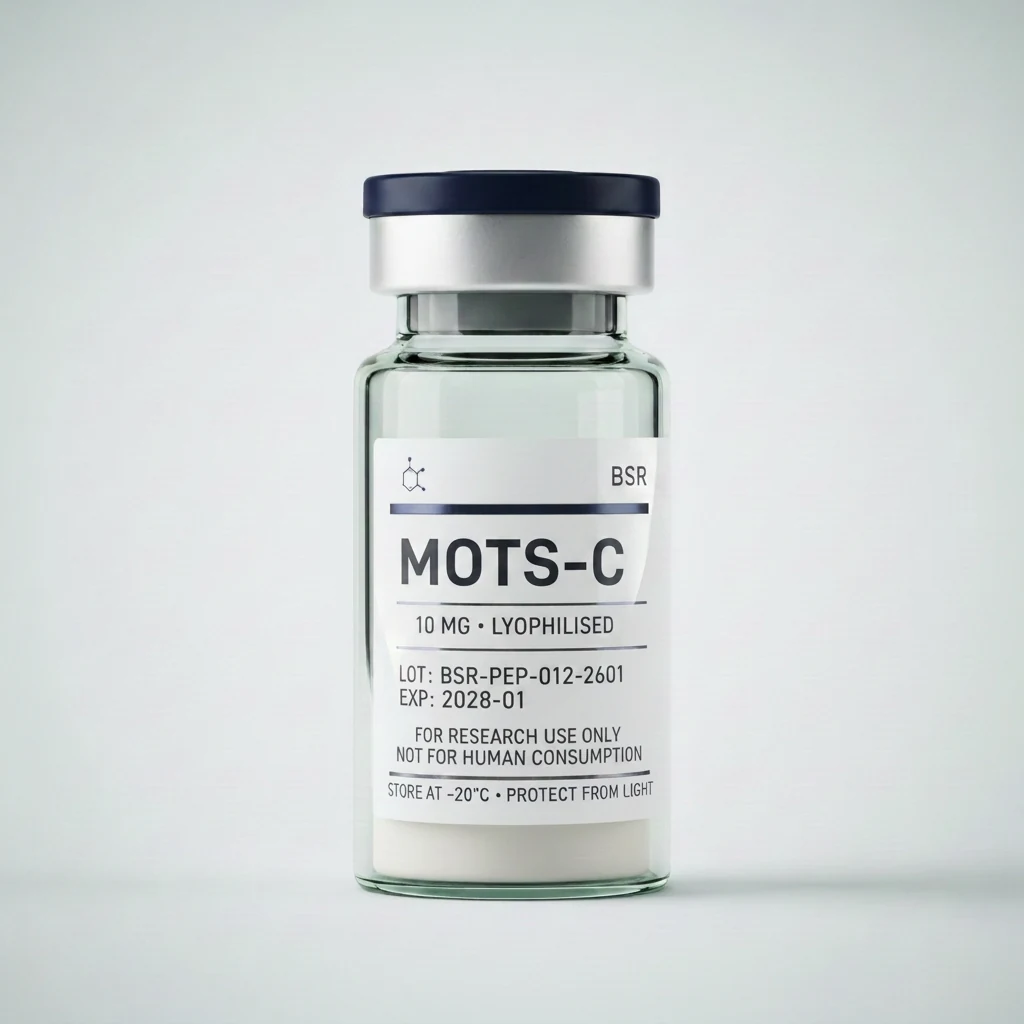
The FDA's Pharmacy Compounding Advisory Committee voted 7–5 in July 2026 to recommend MOTS-c for the 503A Bulks List, overruling its own staff. Three months on, formal rulemaking has not begun and MOTS-c remains unlisted. This briefing sets out what MOTS-c is, where the evidence stands, and what the unresolved regulatory picture means for UK research procurement.
14 sources cited
Key takeaways
- MOTS-c is a 16-amino-acid mitochondrial-derived peptide that activates AMPK; most evidence of metabolic benefit comes from rodent and cell studies.
- On 23 July 2026, FDA's Pharmacy Compounding Advisory Committee (PCAC) voted 7–5, with two abstentions, to recommend MOTS-c for the Section 503A Bulks List, overruling its own career scientists who had recommended against all seven peptides on the docket.
- The vote is advisory and non-binding; formal rulemaking to add MOTS-c to the list has not commenced, and the legal position for compounding pharmacies is unchanged.
- An "Interim Access Policy for Compounding Using Certain Peptides" submitted by FDA and HHS to the Office of Information and Regulatory Affairs on 14 October 2026 remains under White House review; the substances it covers have not been made public.
- No completed human randomised controlled trial of native MOTS-c exists. A Phase 1 trial of a synthetic analog, CB4211, was completed but development was subsequently discontinued.
- MOTS-c appears on the WADA 2026 Prohibited List. Research-use material procured in the UK sits under a "research chemicals" framework; no MHRA-authorised medicinal product containing MOTS-c exists.
What is MOTS-c?
MOTS-c (Mitochondrial Open Reading Frame of the Twelve S rRNA-c) is a peptide encoded not in the nuclear genome but in the 12S ribosomal RNA region of mitochondrial DNA. Peptide Front describes it as a "16-amino-acid mitochondrial-derived peptide that activates AMPK — the same metabolic sensor exercise and metformin work through." Endogenous MOTS-c levels rise with acute exercise and fall with ageing.
Its principal signalling pathway runs through the Folate-AICAR-AMPK axis. MOTS-c.com summarises the mechanism as: activation via AMPK, enhancement of mitochondrial energy production, and modulation of stress-response and inflammation pathways. Under metabolic stress, MOTS-c also translocates from the mitochondria to the cell nucleus, where it influences gene expression relevant to energy regulation, according to Rite Aid's peptide reference page.
Research areas of interest include insulin sensitivity, glucose metabolism, body composition, exercise capacity, and age-related physical decline. The FDA reviewed MOTS-c specifically for its nominated indications of obesity and osteoporosis when the PCAC considered it in July 2026, according to Evergreen Telehealth.
What does the evidence actually show?
The bulk of published mechanistic data derives from animal and cell research. Peptide Stack characterises the picture as "extraordinary preclinical promise in mice paired with limited — and now stalled — human trial data." In mice, MOTS-c has been reported to improve insulin sensitivity, prevent diet-induced obesity, and boost exercise capacity; these are consistent findings across multiple laboratories, but they remain preclinical.
In humans, the evidence is observational rather than interventional. A 2026 cohort study found circulating MOTS-c was actually higher in 32 adults with obesity than in 22 lean controls, and unchanged in ten patients six months after bariatric surgery despite significant reductions in BMI, according to Remy Research. A separate 2026 one-legged exercise study detected elevated interstitial MOTS-c during exercise, but arterio-venous measurements did not confirm that skeletal muscle was the source of raised plasma MOTS-c.
A 2026 laboratory study by Tsui et al., published online on 19 October 2026 in Reproduction and Fertility, found that MOTS-c increased mitochondrial energy production in a cell-line model of ageing human granulosa cells, and that eggs from aged mice treated with MOTS-c in culture reached a key maturation step more often than untreated aged controls. Remy Research characterises this as a laboratory-model finding rather than a clinical result.
The nearest human safety dataset comes from a synthetic analog, CB4211, which completed a Phase 1a/1b trial and was reported as safe and well tolerated. Peptide Dosing Protocols notes that "this safety signal does not transfer fully to native MOTS-c." CB4211's developer, CohBar, subsequently discontinued development owing to financial and operational challenges, and Peptide Stack reports that as of early 2026, no other company had publicly announced plans to advance a MOTS-c analog into Phase 2 testing.
The MOTS-MET trial, which plans to investigate subcutaneous MOTS-c against placebo for insulin sensitivity in adults with prediabetes and overweight or obesity, was listed as recruiting as of 6 October 2026 with no posted results, according to Peptide Dosages.
The July 2026 PCAC vote: a committee divided
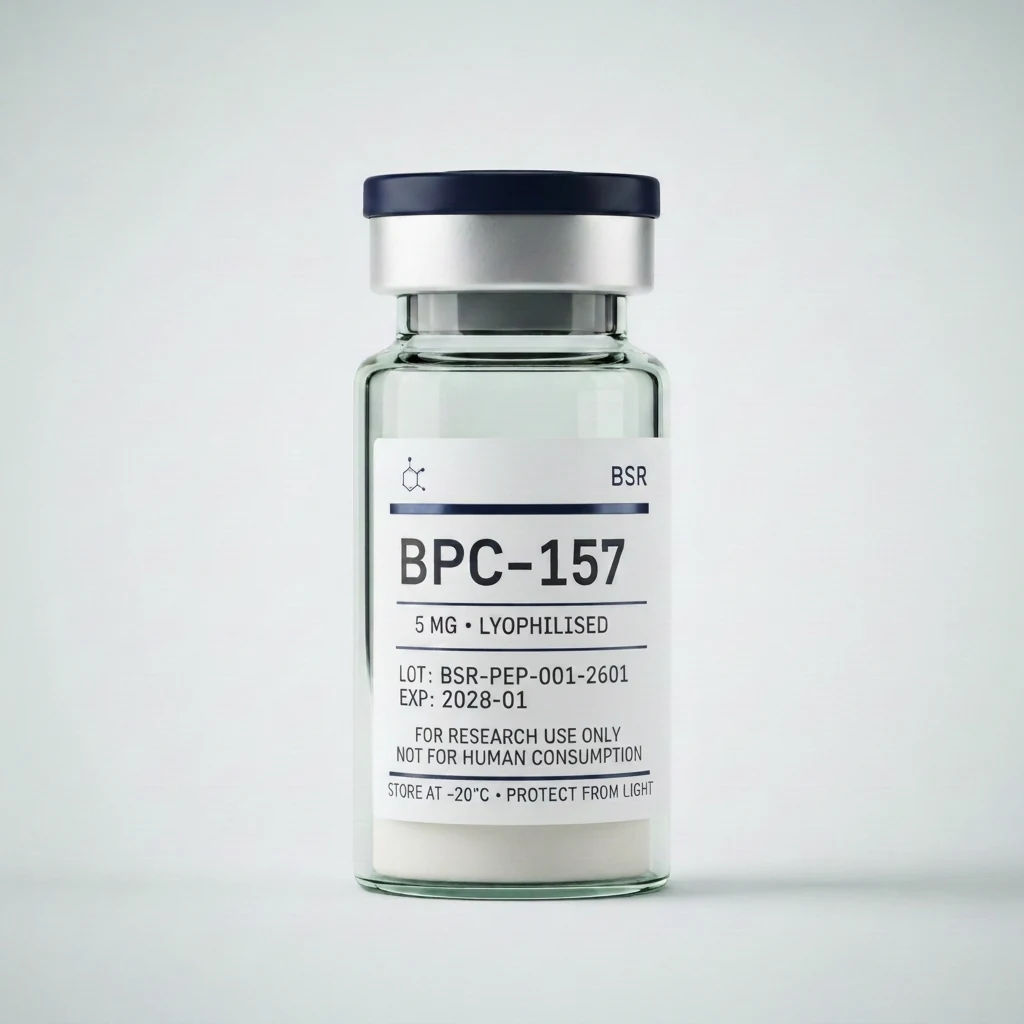
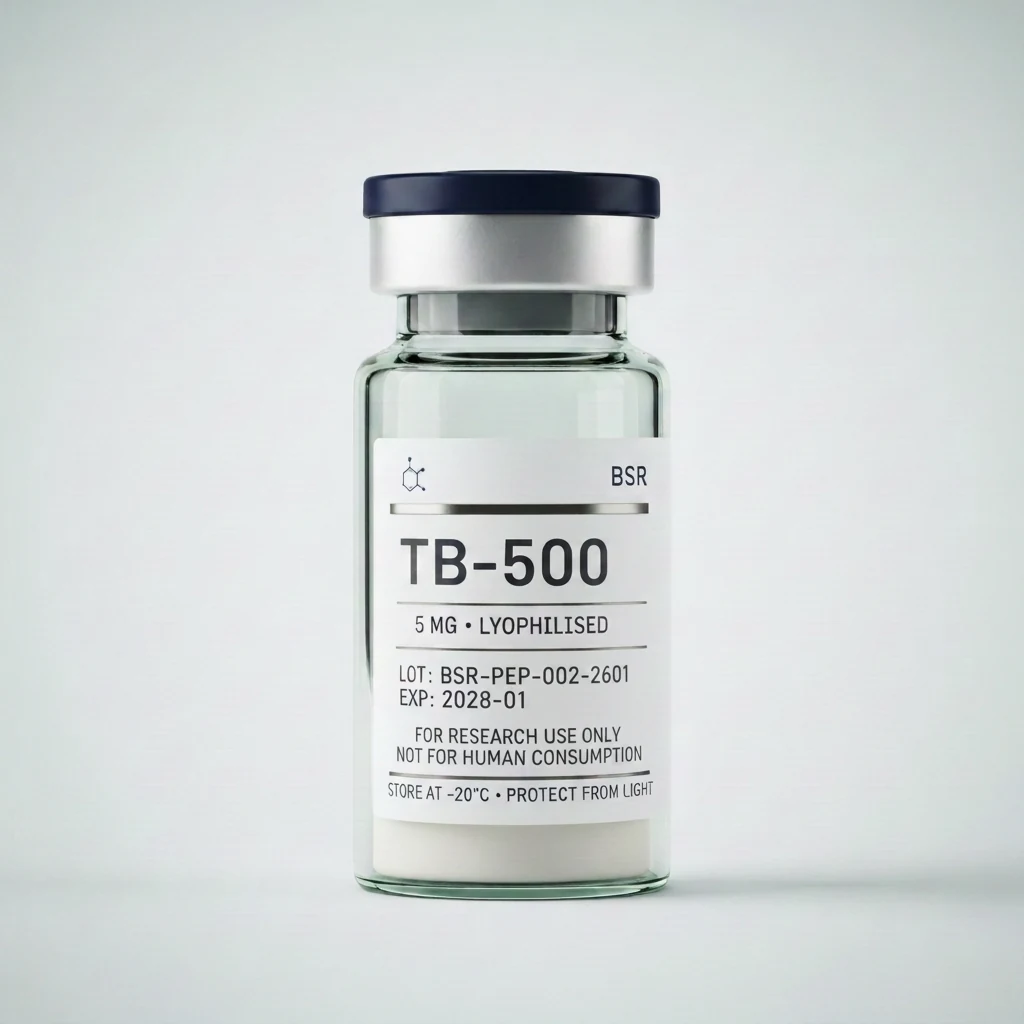
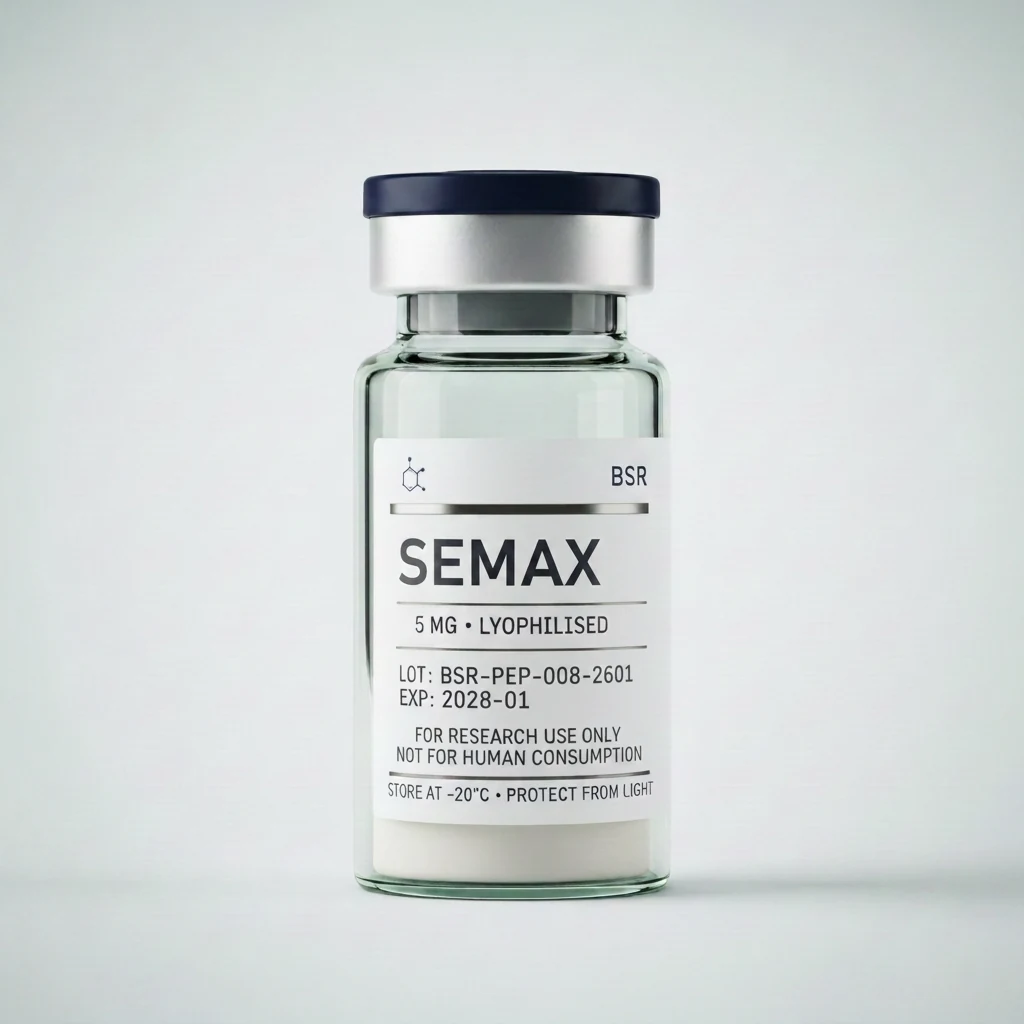
On 23–24 July 2026, the FDA's Pharmacy Compounding Advisory Committee convened a two-day session to evaluate seven peptide bulk substances nominated for the 503A Bulks List. NCPA reports that the committee voted to recommend BPC-157, KPV, TB-500, MOTS-c, Epitalon, and Semax for inclusion, while voting against emideltide (DSIP).
MOTS-c's vote on Day 1 was the closest of the day: 7 in favour, 5 against, with 2 abstentions, according to McDermott Will & Emery. This compares with 8–6 margins for BPC-157, KPV, and TB-500.
The committee's recommendations ran directly counter to the written position of FDA career scientists. Grey Peptides notes that in briefing documents released on 29 June 2026, FDA staff proposed not adding any of the fourteen formulations — all seven peptides in both free base and acetate form — to the 503A Bulks List. For MOTS-c specifically, Newtropin summarises the staff view: "FDA acknowledged nonclinical studies suggesting MOTS-c, acting via AMPK-dependent mechanisms, could improve glucose handling and other metabolic endpoints in rodent models," but concluded there was a lack of evidence to evaluate effectiveness in humans, and flagged that FDA-approved therapies already exist for some nominated indications.
FDA's own technical review of MOTS-c also raised safety concerns. Peptide Dosages notes that the FDA 2026 staff review "identified gaps in human administration data and raised concerns about immune reactions, peptide aggregation and impurities."
Despite this, the committee voted to recommend. Clinical Peptide describes the outcome as "the largest bloc of favourable peptide recommendations in a single PCAC session to date."
Where regulation stands now
Three months after the PCAC vote, the legal position has not changed. Grey Peptides is unambiguous: PCAC recommendations are non-binding, and "FDA would have to add a substance to the list by rulemaking — or, in the interim, place it in Category 1 — before its legal position changed." That rulemaking process typically spans eight to 24 months, according to Clinical Peptide. Newtropin adds that formal rulemaking for MOTS-c "is expected to run into 2027, and FDA can still decline to list it."
A separate route may open through the interim access policy. On 14 October 2026, the White House Office of Information and Regulatory Affairs (OIRA) received FDA's submission titled "Interim Access Policy for Compounding Using Certain Peptides," GoodRx confirms. The policy is expected to outline circumstances in which the FDA would temporarily permit compounding of certain peptides while formal rulemaking proceeds. As of 23 October 2026, the policy remained listed as pending review with no text made public, according to Jesse Morse / Substack. The substances covered, and any purity or adverse-event reporting requirements, remain undisclosed.
Mondaq notes the practical dilemma for compounders: "the policy's scope, covered substances, and operational requirements remain undisclosed, leaving compounding pharmacies to navigate uncertainty about which peptides will qualify and under what conditions they may be prepared."
MOTS-c also appears on the WADA 2026 Prohibited List, according to Rite Aid's peptide reference page. Separately, the Peptide Association confirms that as of October 2026, FDA has not finalised the Category 2 reclassification announced by HHS Secretary Kennedy in February 2026.
Implications for UK research procurement
No MHRA-authorised medicinal product containing MOTS-c exists. Material imported into the UK for bona fide research purposes operates under a research-chemicals framework and must not be represented as fit for human administration. Labs sourcing MOTS-c should request a current Certificate of Analysis confirming identity by mass spectrometry and sequence verification, HPLC purity of no less than 98%, and endotoxin testing results. Peptide aggregation — one of the specific concerns raised in FDA's staff review — can be assessed by appearance and dynamic light scattering where available.
From a procurement-risk perspective, the unresolved US regulatory position increases the likelihood that material sold under the label of MOTS-c may originate from supply chains with limited quality oversight. The Bloomberg investigation published on 15 October 2026 documenting black mould, documentation fraud, and product tampering at Chinese plants producing GLP-1 compounding ingredients is a reminder that supply-chain diligence is not optional even for peptides that are not themselves GLP-1 compounds.
The forthcoming PCAC session scheduled for February 2027, confirmed by GoodRx as planned to review a further five peptides, means the US regulatory docket will remain active. Researchers and procurement teams should monitor the OIRA listing (RIN 0910-ZD94) for any change in the status of the interim access policy, which represents the fastest plausible route to a clearer legal position on MOTS-c compounding — though that would affect US compounders, not UK import regulation.
Research-grade material, HPLC verified, certificate of analysis with every order.
The week's Intelligence in one email, every Friday morning.
Regulatory moves, trial readouts, supply-chain news. No product pitches. Unsubscribe in one click.
More in Research Pipeline
Beyond the GLP-1 Duopoly: Three October Developments That Signal a Broadening Obesity Pipeline
22 Oct 2026
Thymosin Alpha-1: What 35 Countries of Clinical Use and a Lopsided PCAC Vote Mean for Research Access in 2026
07 Oct 2026
Viking Therapeutics Initiates Oral Maintenance Dosing Study for VK2735: What the GLP-1/GIP Dual Agonist's Two-Part Programme Tells Researchers About the Weight-Regain Problem
06 Oct 2026