Research Pipeline · 08 Sep 2026
Thymosin Alpha-1: The 28-Amino-Acid Immune Modulator With Approval in 35 Countries, an Unsettled US Compounding Status, and Active 2026 Clinical Trials
Thymosin alpha-1 (Tα1, thymalfasin) occupies an unusual position in the peptide landscape: it is approved as Zadaxin in more than 35 countries for chronic hepatitis B, yet holds no FDA approval and has navigated a turbulent US compounding regulatory path since 2023. With a 2026 NIH-registered trial now under way and a PCAC determination still pending, procurement teams need a clear account of where this compound stands.
10 sources cited
Key takeaways
- Thymosin alpha-1 (Tα1) is a 28-amino-acid endogenous peptide approved as Zadaxin (thymalfasin) in more than 35 countries for chronic hepatitis B, hepatitis C, and immune-adjunct oncology use — but has never received FDA approval for any indication.
- Its US 503A compounding status has shifted repeatedly since 2023: placed in Category 2 (September 2023), removed from Category 2 after nominators withdrew (September 2024), reviewed by the PCAC in December 2024, and still awaiting a final FDA determination as of September 2026.
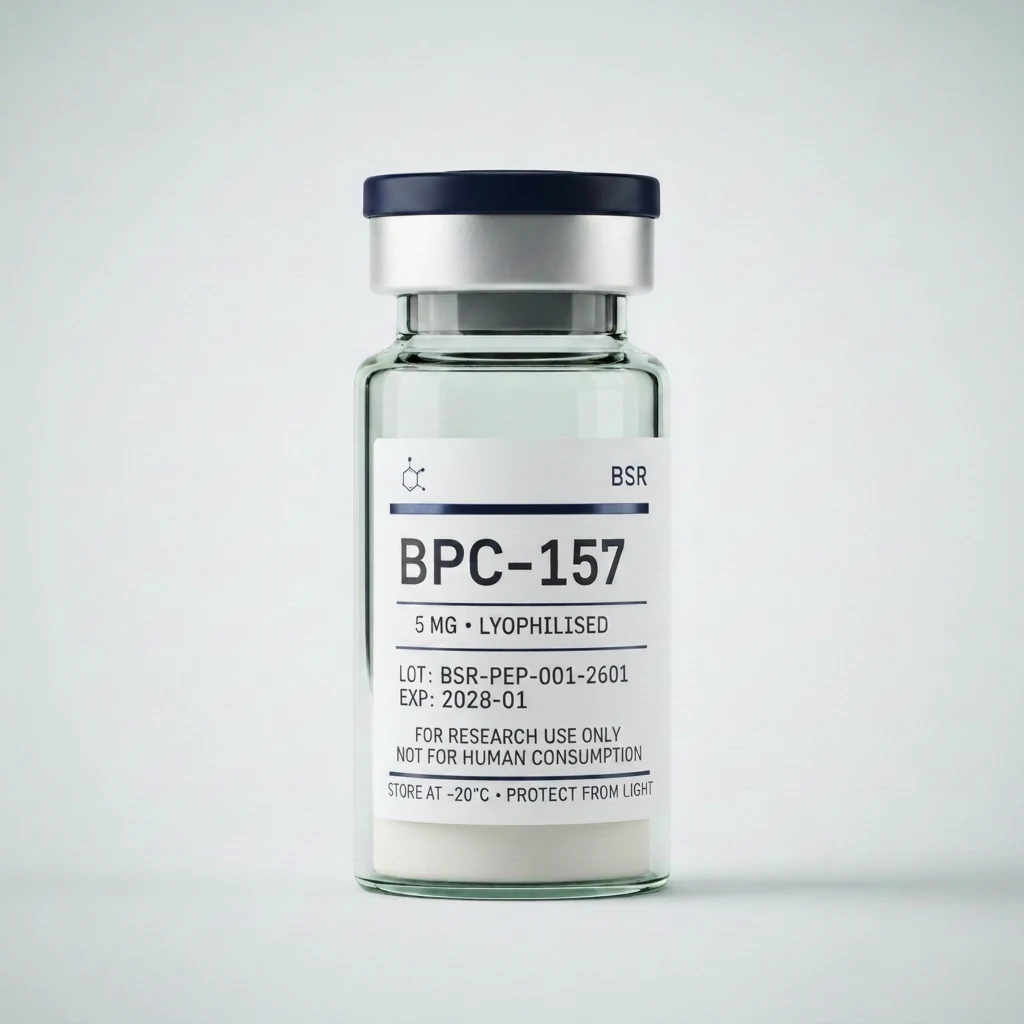
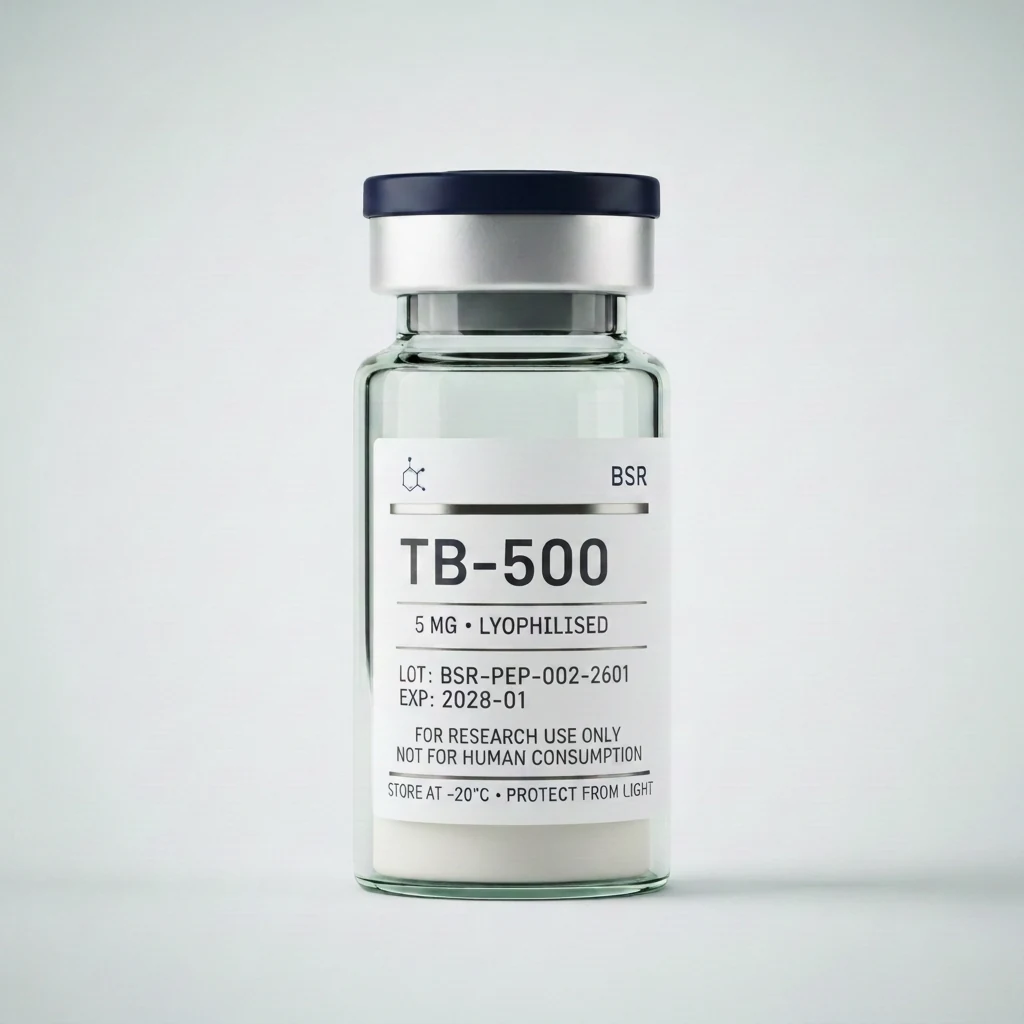
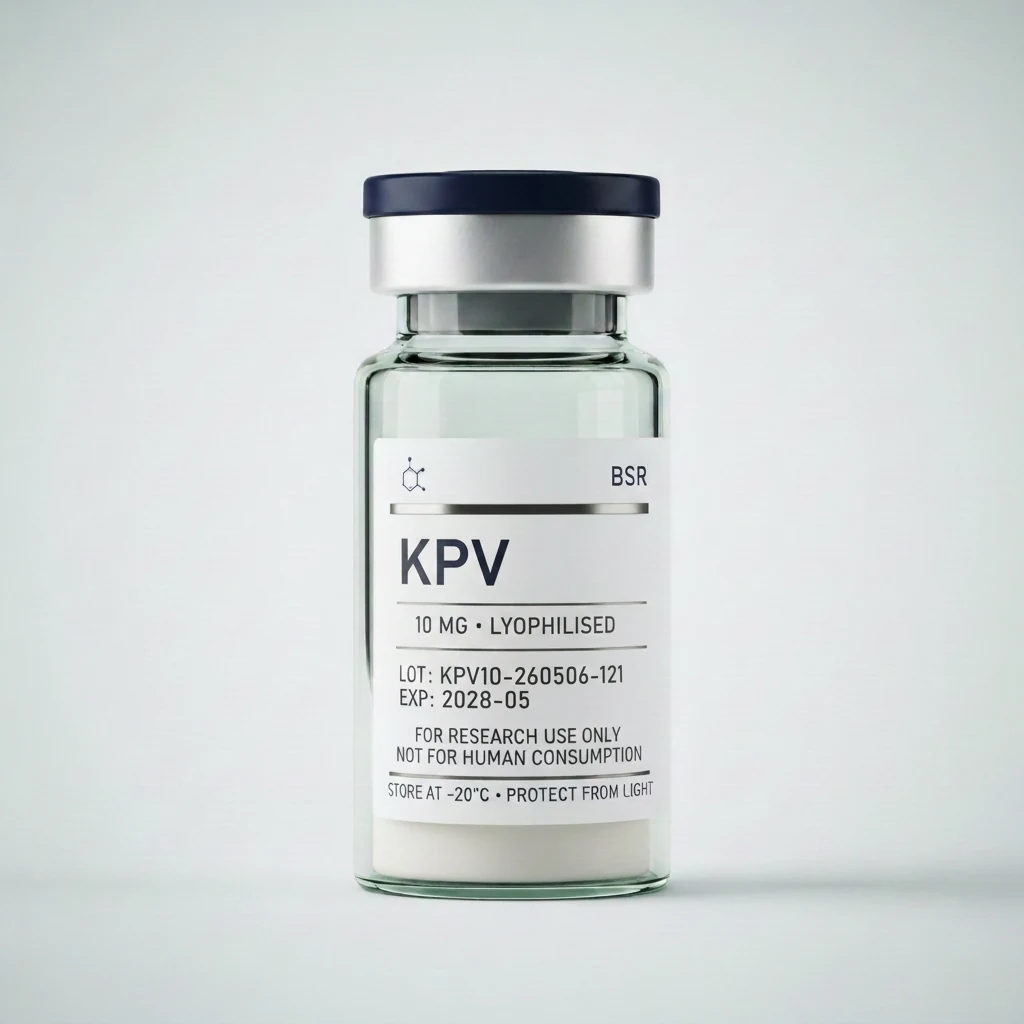
- Unlike BPC-157, TB-500, and KPV — reclassified as part of the February 2026 HHS/FDA action — Tα1 was not subject to that batch reclassification; its route to any settled compounding status runs through a separate PCAC track.
- The compound has accumulated data across more than 11,000 human subjects in international clinical trials, making it one of the most clinically tested peptides in this category, though a large 2025 placebo-controlled sepsis trial (TESTS, n = 1,106) returned a non-significant primary endpoint.
- An NIH-registered trial (NCT06821100) is evaluating thymalfasin as an enhancer of COVID-19 vaccine response in older adults, confirming ongoing academic interest in 2026.
What thymosin alpha-1 is
Tα1 is an endogenous, highly conserved 28-amino-acid peptide originally isolated from bovine thymus tissue and first characterised in the 1970s by Dr Allan Goldstein and colleagues. [SciClone / Zadaxin prescribing history; see US Peptide Science review] It is a derivative of prothymosin alpha and is produced by thymic epithelial cells, where it plays a role in T-cell maturation and peripheral immune regulation.
Superpower describes the primary mechanism as activation of toll-like receptor 9 (TLR-9) signalling on dendritic cells, driving Th1 polarisation — a shift in immune balance that tends to favour antiviral and anti-tumour responses. According to US Peptide Science, Tα1's distinctive property is its ability to act as an "immune rheostat": upregulating responses in immunocompromised states while simultaneously dampening hyper-inflammatory responses in others. This pleiotropic profile is the basis for its study across a range of disease contexts that superficially appear unrelated.
Clinical evidence: breadth and limits
The scale of the clinical literature distinguishes Tα1 from most research peptides. A 2024 comprehensive review published on PubMed examined outcomes in over 11,000 human subjects across conditions including COVID-19, autoimmune disorders, and cancer, and concluded that Tα1 is a well-tolerated and effective immune modulator based on that body of evidence. The same review noted that the FDA's prior restrictions appeared inconsistent with the accumulated data — though the review's conclusions remain contested at the agency level.
The largest single disease area represented in that literature is viral hepatitis. According to Biostra Research, Tα1 has been studied since the 1970s, has accumulated human clinical trial data across multiple disease contexts, and has received regulatory approval in over 35 countries. It is that hepatitis B data that drove approval of Zadaxin in Asia, Italy, and elsewhere; SciClone Pharmaceuticals advanced Tα1 through US phase 3 hepatitis trials in the 1990s and 2000s but did not secure FDA approval.
Sepsis is the area where more recent large-scale data has been less encouraging. A 2025 placebo-controlled trial (the TESTS trial), enrolling 1,106 adults with sepsis at 22 Chinese centres, reported a 28-day all-cause mortality hazard ratio of 0.94 (95% CI 0.76–1.16, p = 0.54) — a non-significant result that contradicts two earlier systematic reviews associating Tα1 with reduced sepsis mortality. As Innerbody notes, those earlier reviews should be interpreted with caution owing to small sample sizes, and the TESTS result means that more well-designed large-scale trials are needed before conclusions can be drawn for this indication.
Other active research areas in 2026 include immune ageing and thymic involution. A 2026 review in Science Advances confirmed that thymic involution is directly linked to reduced immune resilience and that targeting thymic function represents a promising frontier in longevity research — a framing that has attracted growing interest in academic and commercial settings. Tα1's capacity to improve vaccine responses in elderly models is specifically noted as a measure of immune vitality in this context.
Research has also been conducted on Tα1 as an immune adjunct during chemotherapy, with the focus on T-cell recovery, vaccination response, and immune reconstitution following chemotherapy-induced immunosuppression. Some clinical trials have evaluated whether Tα1 can improve quality-of-life and survival outcomes in patients with non-small cell lung cancer and hepatocellular carcinoma, though results remain heterogeneous and require further validation in large-scale Phase III trials.
Active 2026 trial
An NIH-registered trial, NCT06821100, is currently testing thymalfasin as an enhancer of COVID-19 vaccine response among older adults, using the standard 1.6 mg subcutaneous dosage twice weekly — confirming that investigator interest in Tα1 continues in the current environment rather than having peaked during the pandemic.
Regulatory status: US
Tα1's US regulatory history is notably complicated. According to Peptide Dosing Protocols, the compound has never been FDA-approved for any indication. Its 503A compounding status has shifted multiple times:
- September 2023: FDA placed Tα1 in Category 2 of the interim 503A bulks list, citing significant safety concerns — a classification that effectively prevents licensed 503A pharmacies from compounding the substance.
- September 2024: Tα1 was removed from Category 2 after nominators withdrew their submissions, creating a period of regulatory ambiguity.
- 4 December 2024: The PCAC reviewed Tα1. According to Meto, the FDA's position at that meeting was that Tα1 should not be included on the 503A Bulks List; the agency's reasoning centred on immunogenicity risk, compounding quality concerns around peptide characterisation, and the absence of an approved US indication.
- 2026 status: As of September 2026, a final determination remains pending. The compound was not included in the February 2026 batch reclassification that moved BPC-157, KPV, and others off Category 2 status, because its regulatory track diverged after the 2024 nominator withdrawals.
Crucially, sources conflict on the current practical access position. One source (Superpower) characterises the current state as Category 2 following a February 2026 reclassification. Another (The Peptide Toolkit) states that Tα1 was not part of that reclassification and has remained available through 503A compounding pharmacies under prescription throughout the 2023–2026 period, because it was never repositioned into the restricted Category 2 bucket in the same way as BPC-157 and TB-500. Procurement professionals should verify the current 503A status directly with a compliant compounding pharmacy or regulatory counsel before sourcing, as the position has changed more than once and may not be uniformly reported across secondary sources.
What is unambiguous is that the FDA's own staff position at the December 2024 PCAC meeting was against inclusion on the Bulks List, and that no final rule has yet followed that meeting.
International approvals
Outside the United States, the picture is substantially clearer. Tα1 is approved or authorised under the brand name Zadaxin (thymalfasin) in more than 35 countries — including Italy, China, and several Southeast Asian nations — for applications including chronic hepatitis B, adjunctive cancer therapy, and COVID-19-related immune support. SciClone Pharmaceuticals is the original manufacturer. These international approvals constitute a substantial precedent, though they do not translate into an approved indication for US compounding purposes under the FDA's current framework.
MHRA and UK position
Thymalfasin does not hold MHRA marketing authorisation in Great Britain or Northern Ireland. UK researchers procuring Tα1 as a research-grade compound do so under research-use-only terms; it is not licensed for administration to humans in the UK outside a clinical trial with appropriate ethical and regulatory oversight. Researchers should consult the MHRA's guidelines on unlicensed medicines and ensure that any Certificate of Analysis from a supplier confirms identity, purity (minimum 98% by HPLC), and the absence of endotoxin at levels compliant with USP or EP standards.
Procurement considerations for research labs
Given the compound's status as a 28-amino-acid linear peptide with no unusual structural complexity, solid-phase synthesis routes are well-established and commercially scalable. Key quality parameters for procurement teams evaluating research-grade Tα1 include:
- Purity: ≥98% by reversed-phase HPLC, confirmed by mass spectrometry (ESI-MS or MALDI-TOF) to verify the correct molecular weight.
- Endotoxin: LAL testing to below 1.0 EU/mg is standard for any peptide intended for in vitro or in vivo research.
- Sequence confirmation: The 28-amino-acid sequence is well-characterised; amino acid analysis or sequencing data on the Certificate of Analysis provides a useful secondary verification.
- Storage: Lyophilised Tα1 is stable at −20 °C; reconstituted solutions should be used promptly or stored at 4 °C for no more than 24–48 hours to limit degradation.
The compound's relatively long clinical history means that reference standards and characterisation data are available from multiple jurisdictions, which simplifies analytical benchmarking compared with less-studied research peptides.
This briefing is prepared for research-procurement professionals and reflects publicly available information as of 8 September 2026. It does not constitute legal, regulatory, or medical advice. Regulatory status can change; verify current classifications with the FDA, MHRA, or qualified regulatory counsel before procurement decisions are made.
Research-grade material, HPLC verified, certificate of analysis with every order.
The week's Intelligence in one email, every Friday morning.
Regulatory moves, trial readouts, supply-chain news. No product pitches. Unsubscribe in one click.
More in Research Pipeline
Beyond the GLP-1 Duopoly: Three October Developments That Signal a Broadening Obesity Pipeline
22 Oct 2026
Thymosin Alpha-1: What 35 Countries of Clinical Use and a Lopsided PCAC Vote Mean for Research Access in 2026
07 Oct 2026
Viking Therapeutics Initiates Oral Maintenance Dosing Study for VK2735: What the GLP-1/GIP Dual Agonist's Two-Part Programme Tells Researchers About the Weight-Regain Problem
06 Oct 2026