Research Pipeline · 06 Sep 2026
TB-500: The Thymosin Beta-4 Fragment With an 8-6 PCAC Vote, a Scoping Review Confirming the Evidence Gap, and a Rulemaking Clock Now Ticking
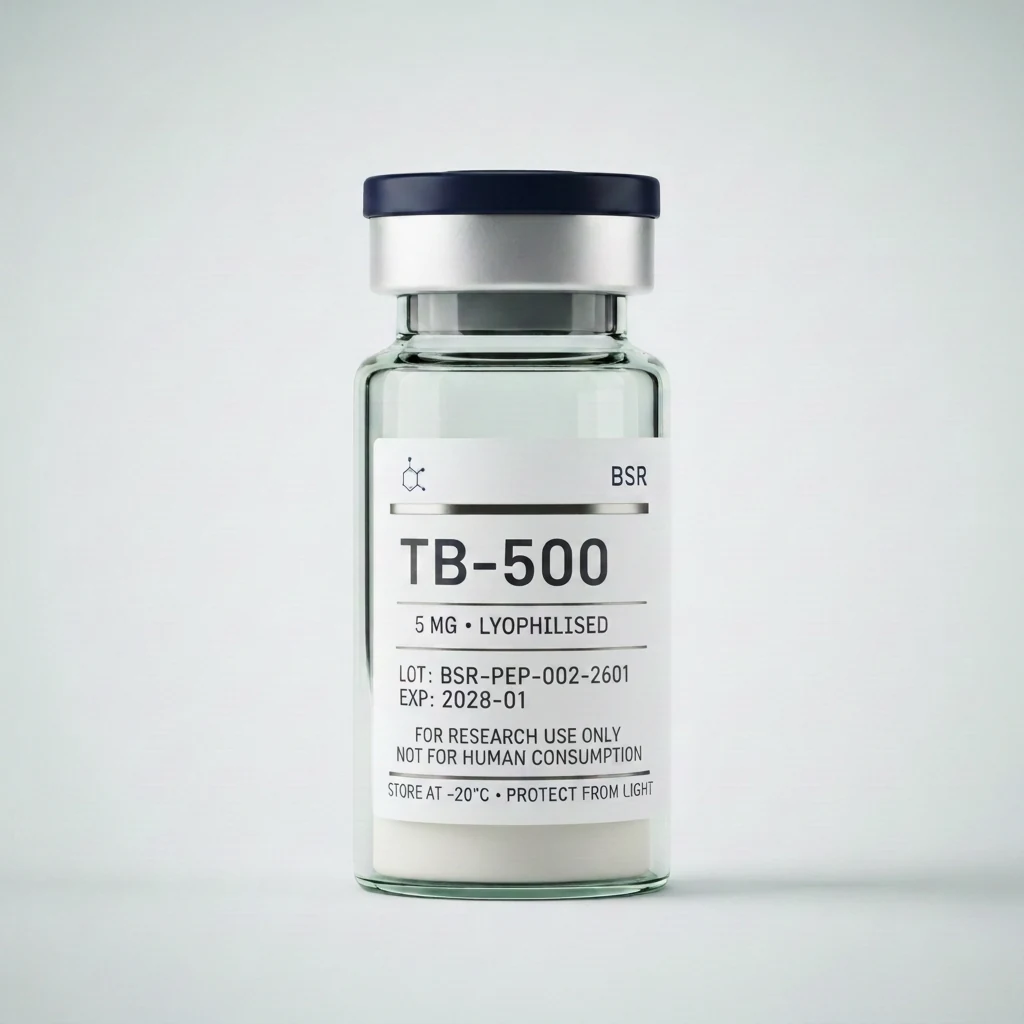
TB-500, a synthetic fragment of thymosin beta-4, received a favourable 8-6 advisory vote at the FDA's July 2026 PCAC meeting, placing it on the path toward potential 503A compounding inclusion. A peer-reviewed scoping review published the same month confirms that almost all supporting evidence derives from the full-length parent protein rather than TB-500 itself — a distinction that will matter considerably during rulemaking.
10 sources cited
Key takeaways
- The FDA's Pharmacy Compounding Advisory Committee (PCAC) voted 8-6 with one abstention on 23 July 2026 to recommend TB-500 (free base and acetate) for the 503A Bulks List — overruling FDA staff who had recommended against inclusion of all seven peptides on the docket.
- The vote is advisory and non-binding; formal notice-and-comment rulemaking, expected to take between six and twenty-four months, must be completed before any compounding pharmacy may lawfully use TB-500 under Section 503A.
- A scoping review published in Applied Sciences (MDPI) in June 2026 found that of 1,772 records screened, direct TB-500 evidence was limited to a single included study; the evidence base is overwhelmingly derived from the full-length thymosin beta-4 (Tβ4) parent protein.
- TB-500 is prohibited at all times under the 2026 WADA Prohibited List and remains a Category 2 bulk drug substance under US compounding law pending the outcome of rulemaking.
- In the UK, TB-500 is not approved by the MHRA and may only be supplied as a research-use-only material under appropriate laboratory conditions.
What TB-500 is
TB-500 is a synthetic peptide corresponding to the actin-binding domain of thymosin beta-4, a naturally occurring 43-amino-acid protein present at high concentrations in platelets and distributed broadly across tissues involved in repair. According to a peer-reviewed scoping review published in MDPI's Applied Sciences in June 2026, TB-500 is "widely discussed in tissue healing and musculoskeletal medicine" but the scope and nature of its supporting literature had remained unclear — the motivation for the review itself.
The fragment sold as TB-500 typically corresponds to a 17-amino-acid sequence — sometimes described as the LKKTETQ region — of the larger Tβ4 molecule, and is not the full-length protein. This structural distinction is fundamental to interpreting the available evidence, and was a point of focus in the FDA's July 2026 briefing materials.
Proposed mechanism
TB-500's proposed mechanism centres on actin sequestration, cell motility, and angiogenesis through the actin-binding domain. In tissue biology, thymosin beta-4 is understood to regulate actin dynamics — facilitating the movement of repair cells toward sites of damage — and to influence vascular remodelling and inflammatory signalling. In thymosin beta-4 research, actin regulation is thought to help repair cells migrate toward damaged tissue, with related laboratory work also examining angiogenesis and inflammatory signalling.
It is worth noting, however, that the majority of published mechanistic work uses the full Tβ4 protein rather than the TB-500 fragment specifically. Effects attributed to TB-500 in non-peer-reviewed settings are frequently extrapolated from Tβ4 research — which involves a different molecular structure.
State of the clinical evidence
A scoping review covering PubMed, Europe PMC, and ClinicalTrials.gov through March 2026, published in Applied Sciences on 19 June 2026, identified 1,772 records and included 80 studies. The findings illuminate the evidentiary asymmetry that underpins regulatory caution:
- The evidence base was weighted toward mixed and in vitro designs, with most studies evaluating Tβ4 rather than TB-500 specifically.
- The most common tissue categories were wound/skin/soft tissue, vascular/endothelial, ocular/cornea, and bone. Direct musculoskeletal tissue categories — tendon, ligament, muscle, cartilage, and spine — were comparatively sparse.
- Human evidence was concentrated in ocular/cornea and wound/skin/soft tissue settings, whereas direct TB-500 evidence was limited to a single included study.
The parent protein, Tβ4, has progressed further in human trials. In dermal and ophthalmic trials, Tβ4 was described as safe and well-tolerated, with no serious drug-related adverse events reported. In two Phase 2 clinical trials in patients with venous stasis and pressure ulcers, topical Tβ4 accelerated healing by nearly a month in patients who healed. Separately, a 2025 study published in Cardiovascular Research provided what has been described as the first human clinical evidence for recombinant human Tβ4 in ischaemic cardiac dysfunction following STEMI reperfusion.
None of these trials tested TB-500 the fragment directly. The FDA's 2026 review found that studies submitted for wound healing used the full protein, while no human study had administered TB-500 itself — a finding that shaped the agency staff's recommendation against 503A listing, even as the PCAC reached a different conclusion.
The July 2026 PCAC vote
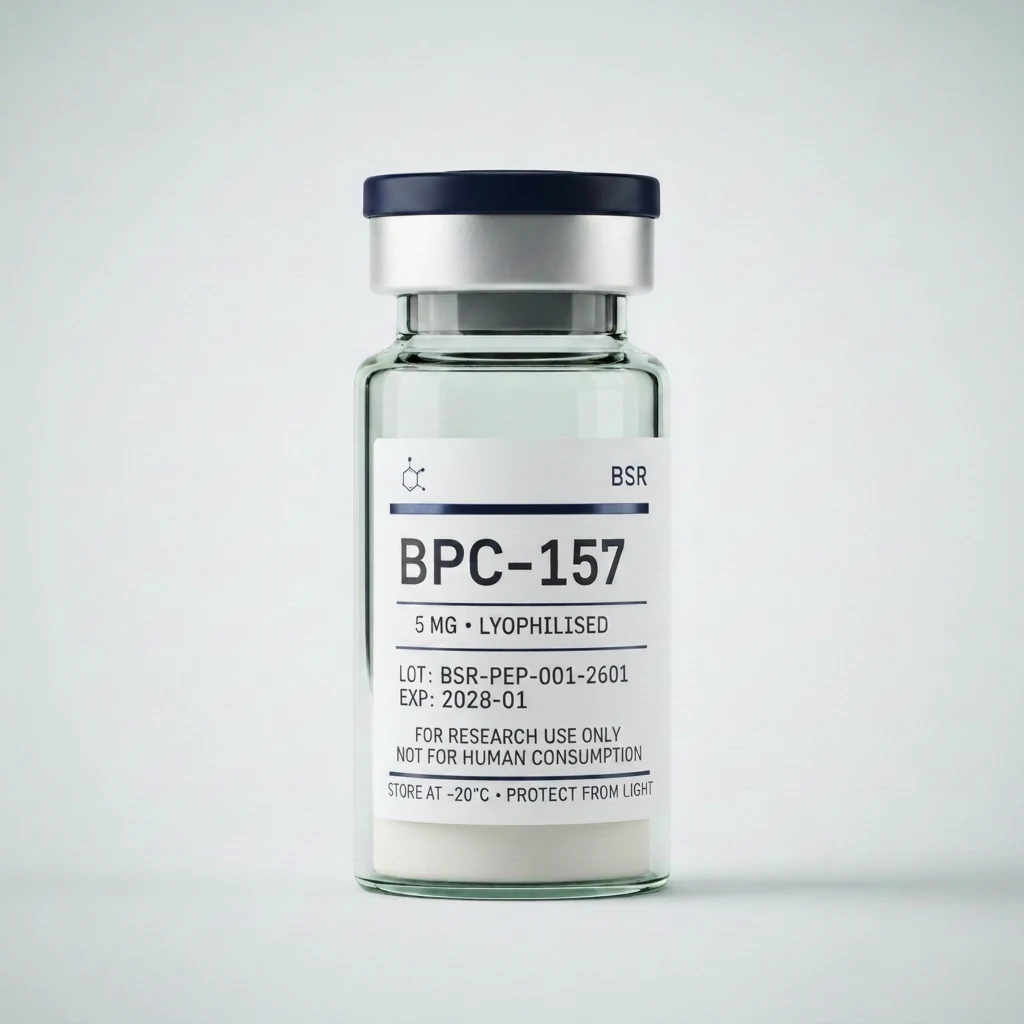
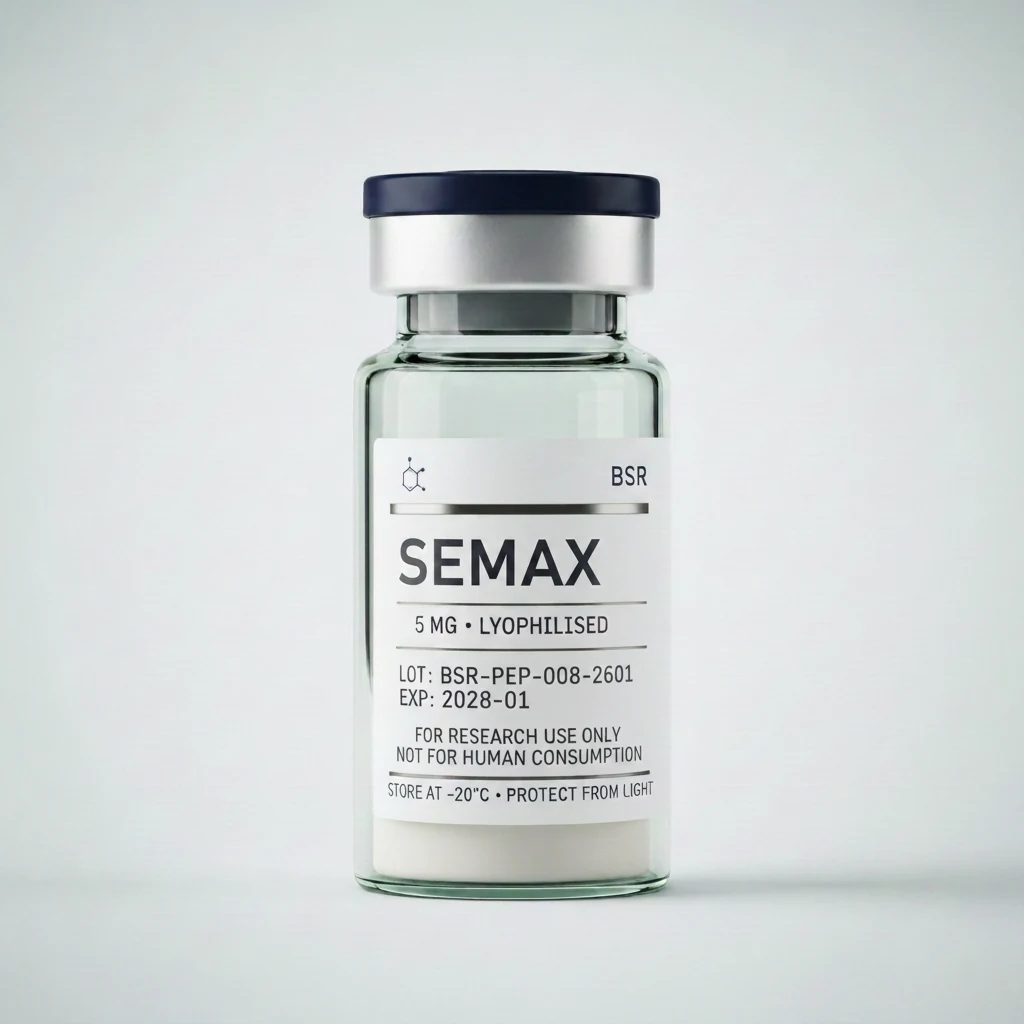
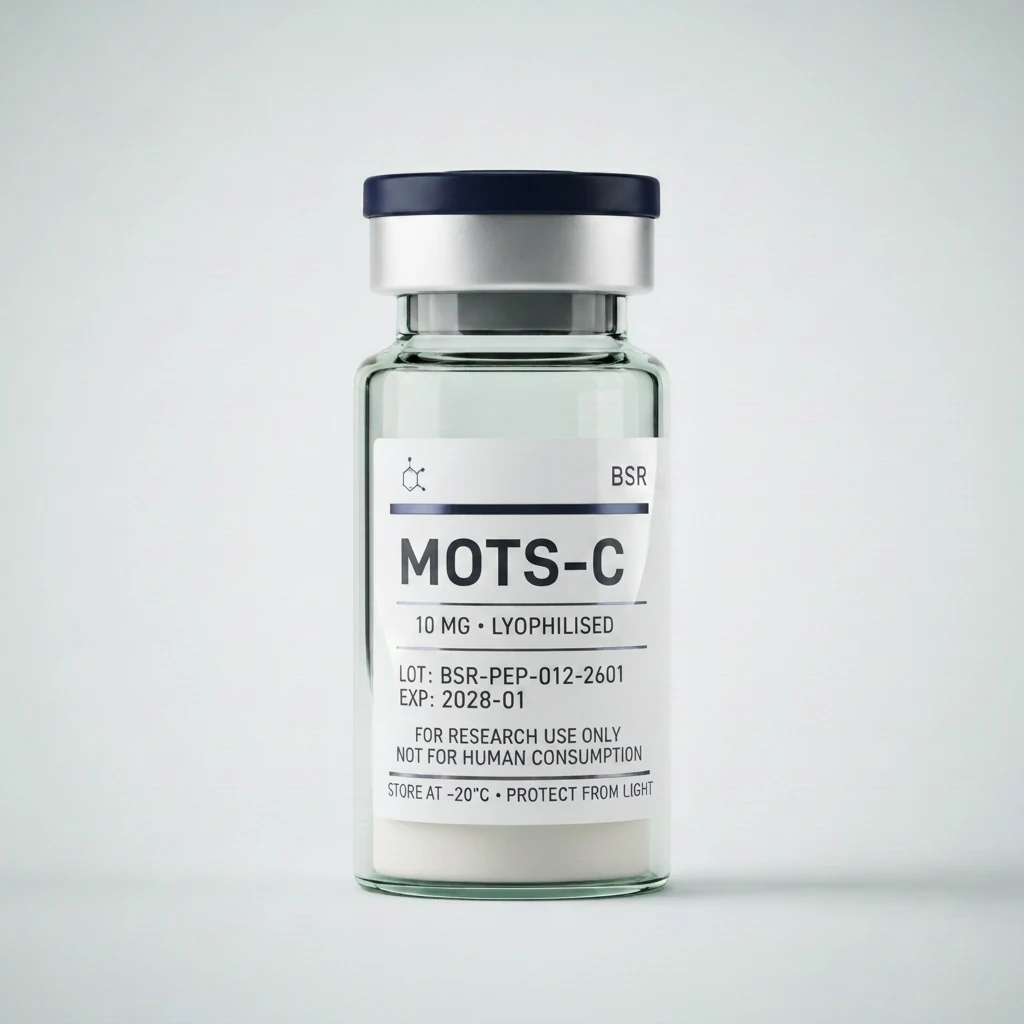
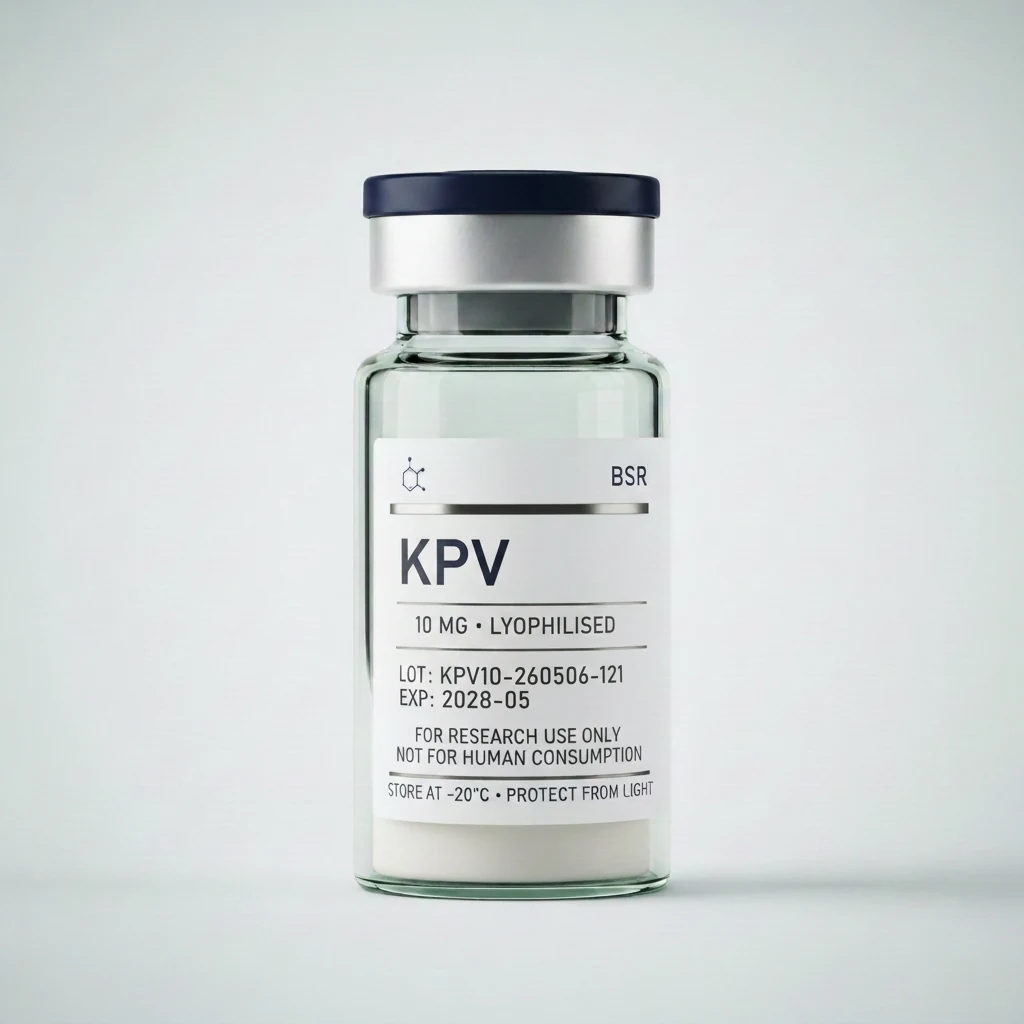
On 23 and 24 July 2026, the FDA's Pharmacy Compounding Advisory Committee met at the agency's White Oak Campus in Silver Spring, Maryland to consider seven peptide nominations for potential inclusion on the 503A Bulks List. PCAC voted in favour of including the free-base and acetate forms of BPC-157, KPV, TB-500, MOTS-c, Epitalon, and Semax, while voting against inclusion of Emideltide (DSIP).
The margin matters. An 8-6 result with one abstention reflects a divided committee — the same split recorded for BPC-157 and KPV — and is notably less decisive than votes on some other peptides reviewed in the same session. For each of the six peptides receiving favourable votes, PCAC's recommendation differed from FDA's position presented in the briefing materials; FDA had proposed that none of the fourteen peptide forms under consideration be included on the 503A Bulks List.
What the vote does — and does not — change
PCAC serves an advisory role, and FDA retains the authority to ultimately decide whether a substance is placed on the 503A Bulks List. A favourable committee recommendation initiates, rather than concludes, the formal process:
- Notice-and-comment rulemaking. FDA will initiate notice-and-comment rulemaking to consider formal addition to the 503A Bulk Drugs List; the agency is expected to exercise some form of informal enforcement discretion in the interim, at least for those peptides recommended by the PCAC, though no such change had been announced as of the close of the July meeting.
- Rulemaking timeline. A favourable PCAC vote is a recommendation, not a rule change; compounding pharmacies cannot legally use these substances under 503A until FDA completes formal rulemaking, a process that typically runs eight to twenty-four months.
- FDA discretion. FDA is not legally required to adopt every recommendation made by its advisory committee, and that distinction is especially important following the July 2026 meeting because FDA staff and PCAC reached different conclusions concerning six peptides.
Procurement professionals should note that pharmacies should not interpret the favourable votes as authorisation to begin compounding BPC-157, KPV, TB-500, MOTS-c, Epitalon, or Semax.
Regulatory status: US and UK
United States. TB-500 was removed from FDA 503A Category 2 in April 2026, alongside BPC-157, CJC-1295, and others, after the original nominators withdrew their nominations, which cleared the path for PCAC review. Removal from Category 2 is not the same as approval, and with rulemaking now initiated, TB-500 occupies an interim status: no longer explicitly prohibited for compounding nomination purposes, but not yet listed as permitted.
Anti-doping. TB-500 is prohibited at all times under Section S2 of the 2026 WADA Prohibited List (Peptide Hormones, Growth Factors, Related Substances and Mimetics). This prohibition applies irrespective of any future changes to US compounding regulations.
United Kingdom. TB-500 holds no MHRA marketing authorisation and is not the subject of any announced MHRA regulatory review pathway. It may be procured and handled in the UK only as a research-use-only material in appropriate laboratory settings, subject to standard supplier due diligence requirements including Certificate of Analysis review, HPLC purity confirmation, and endotoxin testing.
Key consideration for research procurement
The fragment-versus-full-protein distinction is the central analytical challenge for any lab evaluating TB-500 literature. Much of the published in vitro and animal work uses recombinant Tβ4, not the TB-500 fragment. This review provides clinicians and researchers with a structured map of the TB4 and TB-500 literature, helping distinguish biological plausibility and preclinical signal from direct human clinical evidence — and the June 2026 scoping review's finding that direct TB-500 human evidence amounts to a single study should inform how procurement teams assess supplier-facing claims.
As rulemaking proceeds, the FDA will almost certainly revisit the fragment-versus-protein evidence question in formal dockets. The PCAC's willingness to vote in favour despite staff objections signals political momentum; whether it translates into a final listing will depend on what the agency concludes during the subsequent rulemaking process, which is now formally underway.
Research-grade material, HPLC verified, certificate of analysis with every order.
The week's Intelligence in one email, every Friday morning.
Regulatory moves, trial readouts, supply-chain news. No product pitches. Unsubscribe in one click.
More in Research Pipeline
Thymosin Alpha-1: What 35 Countries of Clinical Use and a Lopsided PCAC Vote Mean for Research Access in 2026
07 Oct 2026
Viking Therapeutics Initiates Oral Maintenance Dosing Study for VK2735: What the GLP-1/GIP Dual Agonist's Two-Part Programme Tells Researchers About the Weight-Regain Problem
06 Oct 2026
GHK-Cu: What a Fresh Diabetic Wound Study and a Recruiting Phase 2 Trial Mean for the Copper Peptide's Research Standing
03 Oct 2026