Pharma & GLP-1 · 22 Aug 2026
Samsung Biologics' $1.8 Billion Bid for PolyPeptide: What the Largest Peptide CDMO Acquisition of 2026 Means for the Supply Chain
Samsung Biologics has launched a CHF 1.46 billion all-cash tender offer to acquire Swiss peptide CDMO PolyPeptide Group, with the formal prospectus due by end of August 2026. The deal — the largest peptide manufacturing acquisition of the year — reflects structural demand for GLP-1 API capacity and signals a further consolidation of the CDMO landscape that research-procurement teams should factor into sourcing strategy.
14 sources cited
Key takeaways
- Samsung Biologics has announced an all-cash tender offer of CHF 44.31 per share for Swiss peptide CDMO PolyPeptide Group AG, implying an equity value of approximately CHF 1.46 billion (roughly US$1.81 billion).
- The formal offer prospectus is expected to be published by end of August 2026 — within days — with the offer remaining open for a minimum of twenty trading days on the SIX Swiss Exchange.
- PolyPeptide's board has unanimously recommended acceptance; the majority shareholder, holding approximately 55.65% of shares, has irrevocably committed to tender, making the two-thirds acceptance threshold appear straightforward to clear.
- The deal accelerates Samsung's move beyond biologics and antibody-drug conjugates into peptide API manufacturing, driven primarily by structural demand for GLP-1 drugs.
- It is the most prominent example of a broader CDMO consolidation wave in which Bachem, CordenPharma, Lonza, and Thermo Fisher are simultaneously expanding capacity — raising total peptide output while reducing the number of independent operators managing it.
The deal in detail
Samsung Biologics announced in mid-July 2026 that it would launch an all-cash public tender offer to acquire 100% of PolyPeptide Group AG, a global contract development and manufacturing organisation specialising in peptide-based active pharmaceutical ingredients (APIs). The offer is structured at CHF 44.31 in cash per share, representing an implied equity value of approximately CHF 1.46 billion.
The offer price represents a 40% premium to PolyPeptide's undisturbed share price of CHF 31.65 — the last closing price on the SIX Swiss Exchange as of 10 April 2026, the final trading day prior to the emergence of market rumours regarding a potential acquisition.
The transaction is conditioned upon at least two-thirds of all PolyPeptide shares on a fully diluted basis being tendered. The tender offer is expected to be launched by the end of August 2026 by publication of the formal offer prospectus, and will remain open for a minimum of twenty trading days on the SIX Swiss Exchange, following a ten trading-day cooling-off period under Swiss takeover law.
With 55.65% already committed, the threshold requires that only approximately 12% of remaining outstanding shares be tendered — a low bar given the unanimous board recommendation and the 40% premium relative to pre-rumour pricing. The transaction is expected to be completed towards the end of 2026, subject to customary offer conditions including a minimum acceptance threshold of 66⅔%, applicable regulatory approvals, and other conditions.
Why Samsung is buying rather than building
The deal expands Samsung Biologics beyond antibodies and ADCs into peptide therapeutics, one of biopharma's fastest-growing segments amid surging demand for obesity treatments such as GLP-1 therapies.
Through the acquisition, Samsung gains six GMP-certified plants that produce active drug ingredients for GLP-1 obesity treatments including Ozempic and Wegovy.
The strategic logic for acquisition over greenfield construction is straightforward. Building a new sterile fill-finish facility takes three to five years from groundbreaking to regulatory validation, and even ordering a new high-speed filling line carried a lead time of 18–24 months in 2025 due to backlogs at equipment manufacturers. Samsung's entry via acquisition, rather than greenfield construction, is the fastest possible on-ramp into this competition.
Samsung paid a 40% premium above PolyPeptide's pre-rumour share price, supported by strong H1 2026 results showing 41.6% revenue growth and a 20.7% EBITDA margin — with 68% of that revenue now coming from the metabolic therapeutics segment that includes GLP-1 drugs.
Samsung Biologics CEO John Rim described the acquisition as reinforcing the company's "long-term growth strategy by not only broadening our service portfolio with modality expansion into peptides including GLP-1, but by also boosting our geographic reach and proximity further within the US, Europe, and India."
The broader consolidation context
The Samsung–PolyPeptide deal does not stand alone. The blockbuster success of the GLP-1 receptor agonists for treating obesity and type 2 diabetes has been a major impetus in driving peptide-based drug development overall, and in 2026, peptides were again a focal point of several moves by CDMOs.
Bachem announced plans to build a new large-scale production facility in Sisslerfeld (Eiken, Switzerland) with an investment of more than CHF 500 million as part of a strategic customer collaboration following the signing of an agreement to supply large volumes of peptides. Start of commercial production at the new site is expected in 2030. Bachem operates a global network of manufacturing sites in Bubendorf, Sisslerfeld, and Vionnaz in Switzerland, Vista and Torrance in California, and St Helens in the UK.
CordenPharma has invested nearly EUR 1 billion in peptide expansion, including a major facility in the Basel region. Lonza has been expanding solid-phase capacity at its US sites. Thermo Fisher has built out peptide API capabilities as well.
Capital expenditure commitments by the top ten North American peptide CDMOs reached approximately $4.2 billion cumulatively through Q1 2026 against 2024–2026 project timelines.
The market context is significant. According to Mordor Intelligence, the global GLP-1 agonists market is valued at USD 52.30 billion in 2026 and is projected to reach USD 97.45 billion by 2031, growing at a CAGR of 13.26%. Despite massive internal investments by branded manufacturers, approximately 45% of all GLP-1 commercial fill-finish volume in 2025 was still handled by CDMOs, highlighting the industry's dependence on outsourcing.
Manufacturing concentration: a supply-chain risk to monitor
When a small number of large CDMO operators control the majority of validated GMP solid-phase peptide synthesis (SPPS) capacity for drugs that millions of patients depend on, a quality failure, a regulatory enforcement action, or operational disruption at any one of them has fewer independent backups to absorb the impact. The current consolidation wave — Samsung, Bachem, CordenPharma, Lonza, and Thermo Fisher all expanding — increases total capacity but reduces the number of independent decision-makers managing that capacity. The net effect on supply-chain resilience depends on whether expansion outpaces concentration, which will take years to assess.
Separately, the technical complexity of peptide API production remains a structural constraint. Achieving the high levels of purity required for human injection involves complex chromatography steps that are difficult to scale without significant loss of product. CDMOs that have invested in advanced purification technologies and automated process controls are finding themselves in high demand, as they can offer the reliability and consistency that drug sponsors require to satisfy regulatory bodies such as the FDA and EMA.
The supply chain remains tight and structurally fragile, with intermittent backorders and demand still running far above historical levels. Resolution of earlier shortages reflected an enormous, ongoing investment rather than a return to slack capacity.
Implications for research-procurement teams
For UK and European research laboratories sourcing peptide APIs or finished research-grade peptides, several practical points follow from this transaction.
Supplier consolidation reduces optionality. PolyPeptide's integration into Samsung Biologics will, over time, alter existing commercial relationships, quality-system contacts, and contract terms. Procurement teams with existing PolyPeptide supply agreements should monitor communications regarding continuity of service during the transition period, which the companies expect to complete by year-end 2026.
Capacity is expanding, but lead times remain long. Peptide manufacturing capacity expansion entered a high-investment cycle beginning in late 2023, accelerated by sustained commercial demand for GLP-1 agonists that exceeded every pre-2022 supply projection, the US government policy push for domestic pharmaceutical manufacturing capability, and the recognition that excessive concentration of peptide API supply in Asia-Pacific created unacceptable supply chain risk. The result is a wave of CDMO capital projects — new facility constructions, large-scale reactor additions, SPPS capacity expansions, and purification infrastructure buildouts — that is now moving from planning to construction to commissioning. However, commissioning timelines mean much of this new capacity will not be fully available until 2027–2030.
The read-across to research-grade supply is indirect but real. GMP-grade API demand from major pharma sponsors drives CDMO investment decisions and capacity allocation. Research-grade suppliers typically source upstream from or alongside the same CDMO tier; tightness in GMP capacity can propagate into longer lead times and higher input costs for research-use suppliers over a multi-quarter horizon.
Regulatory footprint matters. By splitting capacity across Switzerland, the United States, and the United Kingdom, leading CDMOs are building manufacturing footprints that are resilient to single-jurisdiction regulatory or trade disruption. Research procurement teams should assess whether their own peptide suppliers have comparable geographic diversification or are exposed to single-site concentration risk.
What to watch next
The formal Samsung Biologics tender offer prospectus is expected to be published on the SIX Swiss Exchange before the end of August 2026. Regulatory clearances in relevant jurisdictions will follow; completion is anticipated towards the end of 2026, contingent on meeting the minimum acceptance threshold of nearly 67%, as well as obtaining required regulatory approvals and satisfying other conditions under Swiss takeover law.
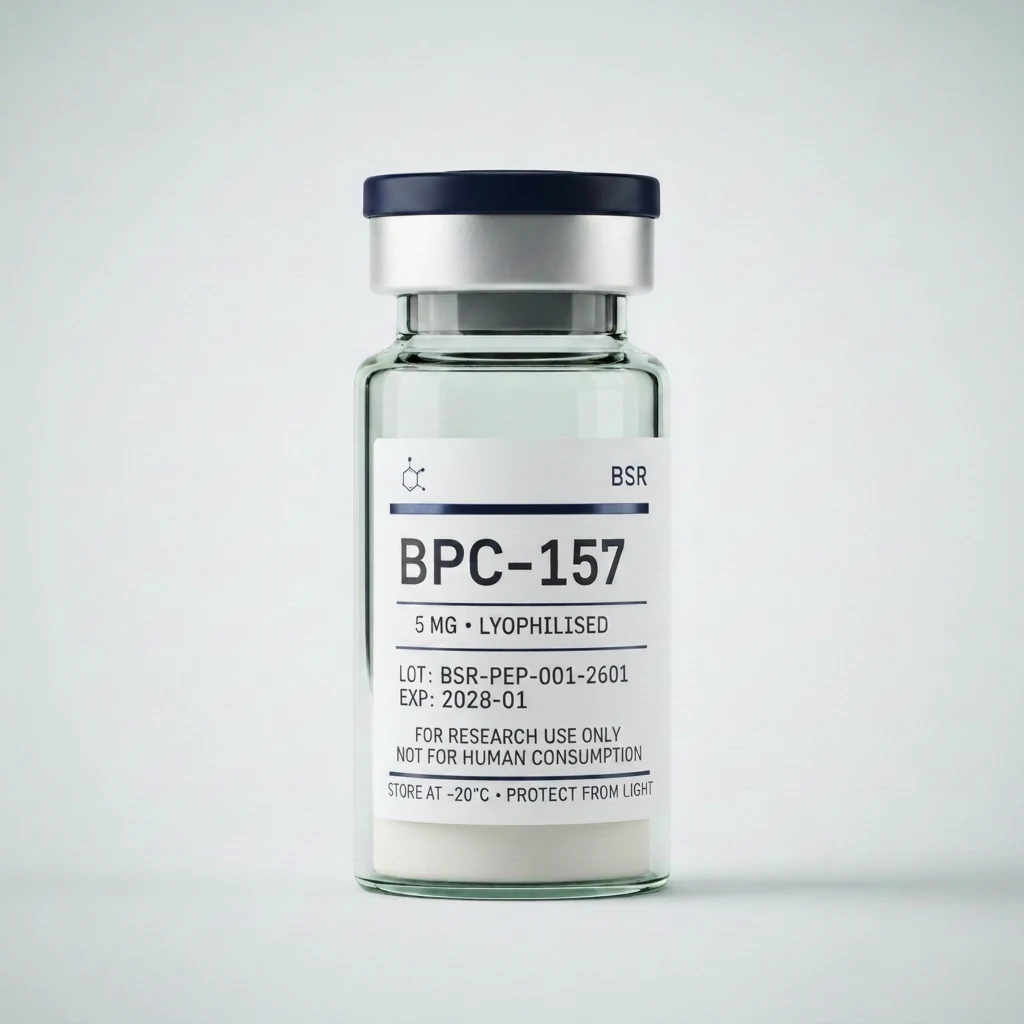
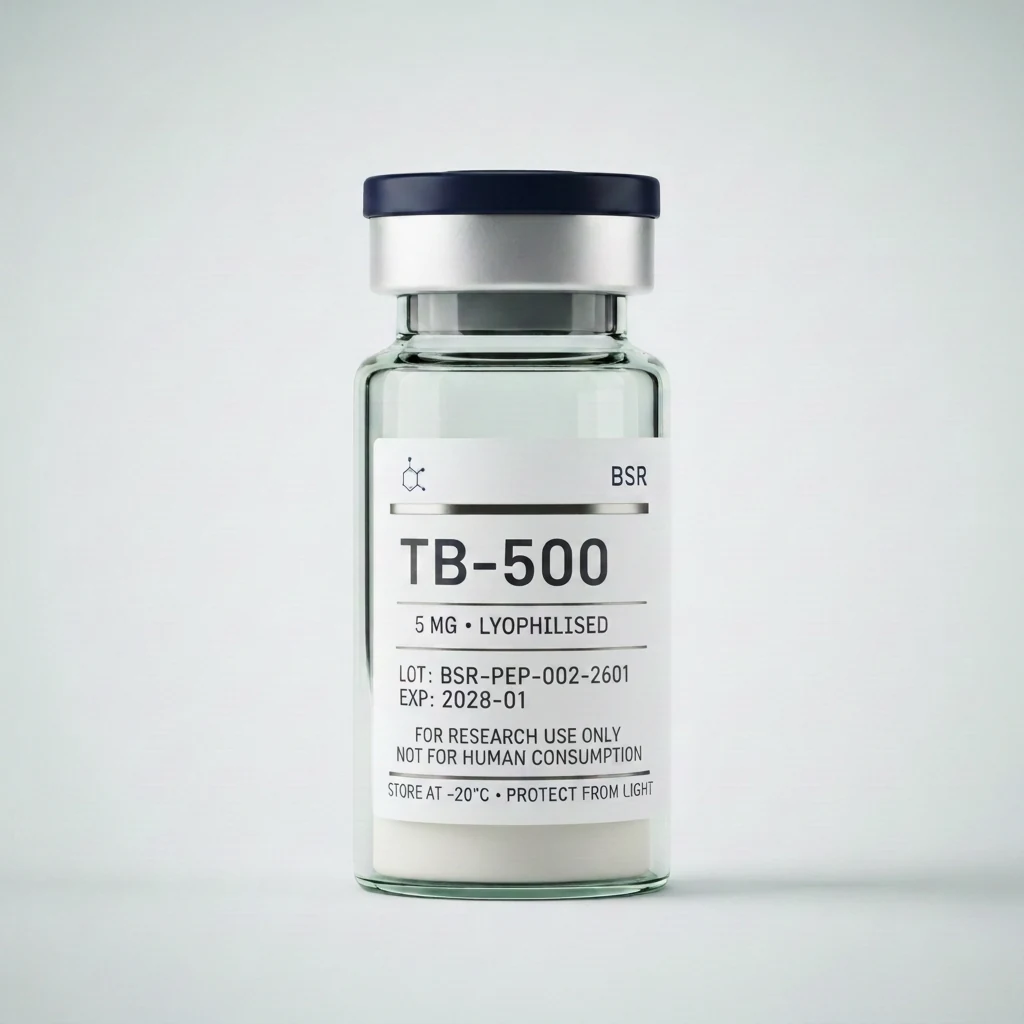
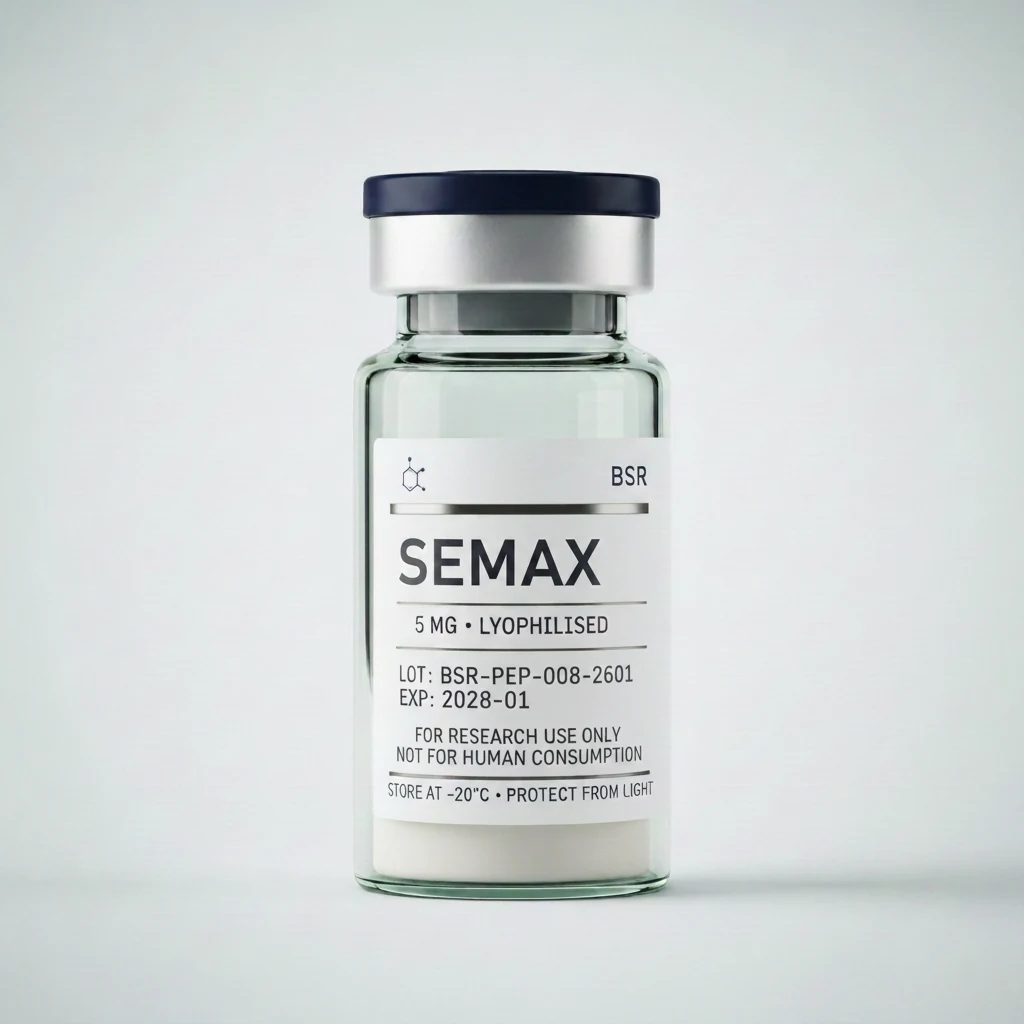
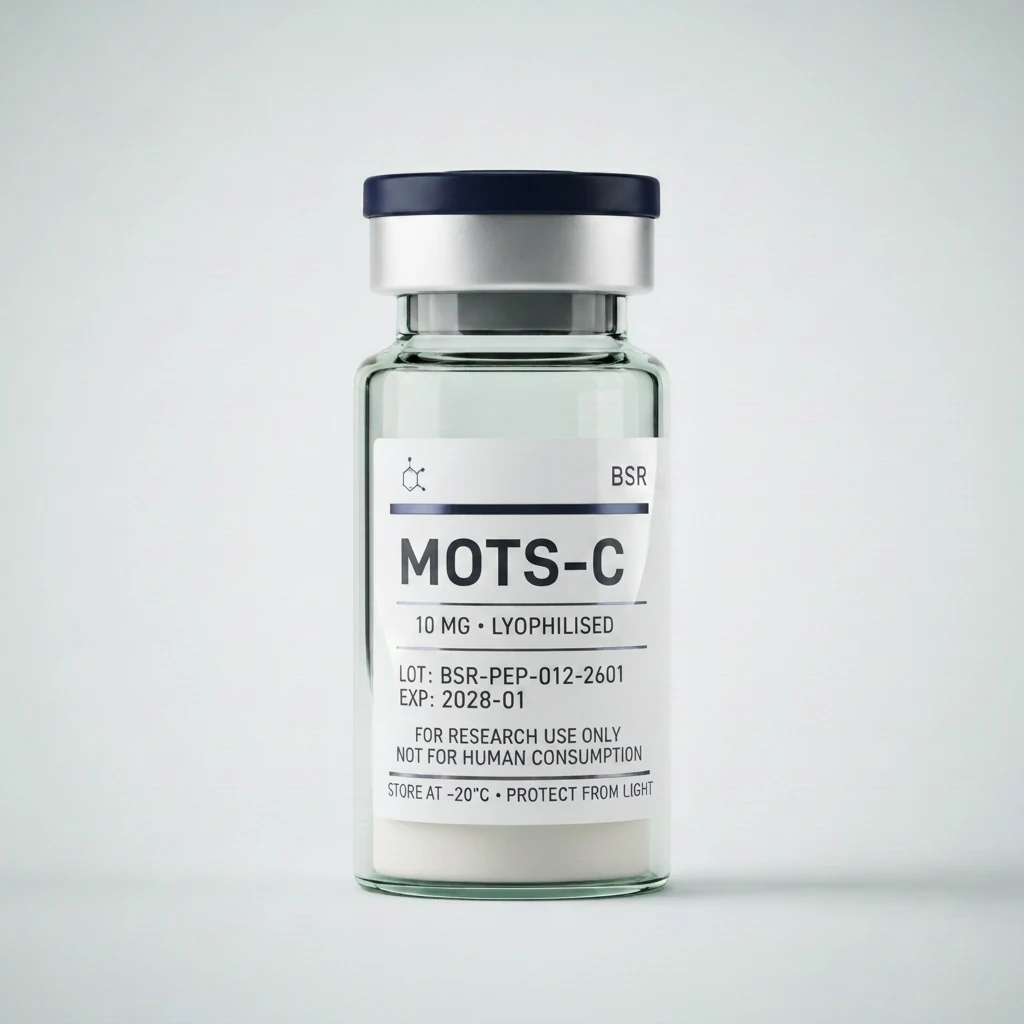
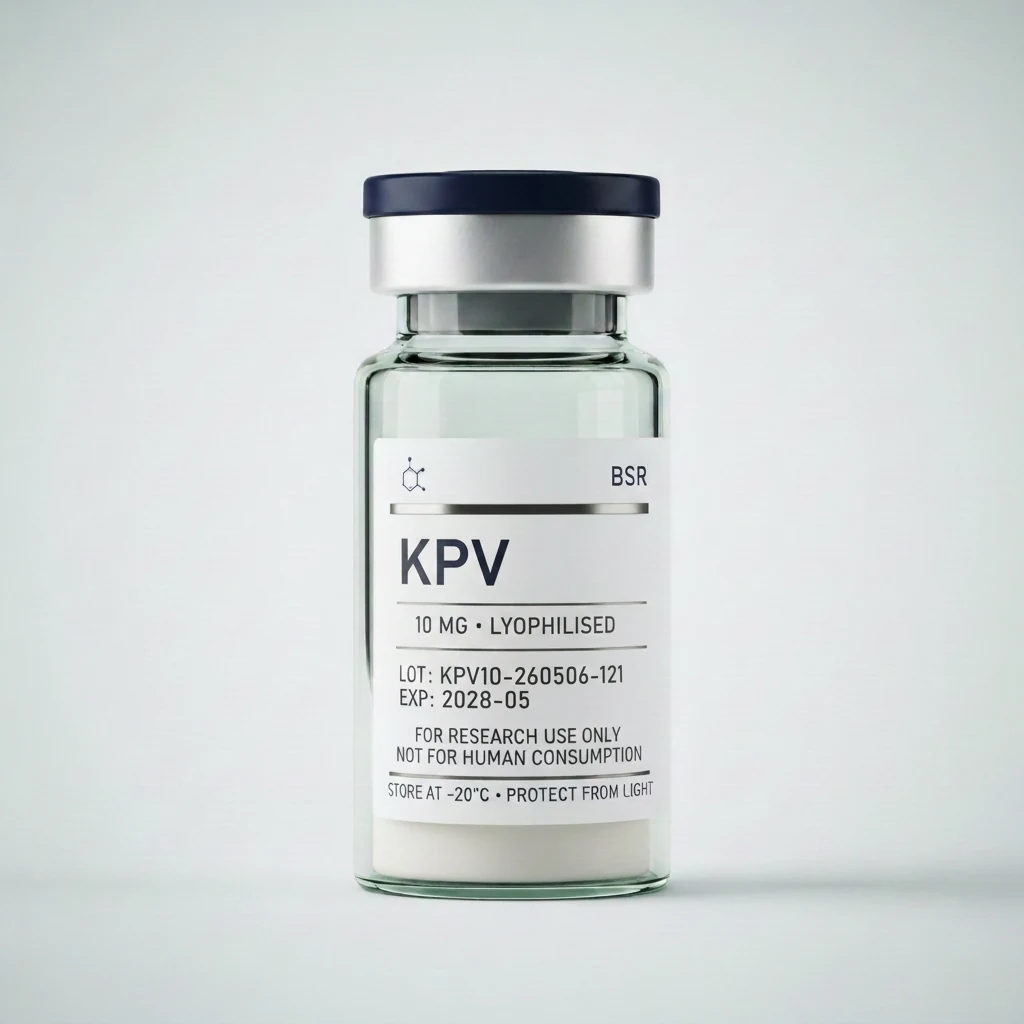
Separately, the PCAC process initiated at the July 2026 PCAC meeting — covering seven peptides including BPC-157, KPV, TB-500, MOTS-c, Emideltide, Semax, and Epitalon — continues its rulemaking path. The PCAC's vote does not automatically change which peptides can be compounded. Before deciding whether to add any peptides to the 503A Bulks List, the FDA will continue reviewing comments and documentation submitted to the public docket, then publish a proposed rule describing which peptides it plans to add or not add. After another public comment period, the FDA will issue a final rule. A further PCAC meeting covering additional peptides is scheduled before February 2027.
Research-grade material, HPLC verified, certificate of analysis with every order.
The week's Intelligence in one email, every Friday morning.
Regulatory moves, trial readouts, supply-chain news. No product pitches. Unsubscribe in one click.
More in Pharma & GLP-1
Novo Nordisk Bets €1.165 Billion on Atomic-Layer Deposition to Convert Semaglutide Into a Once-Quarterly Injectable
08 Oct 2026
Lilly at EASD 2026: Retatrutide's TRIUMPH-2 Phase 3 Readout, Foundayo's Lancet Cardiovascular Data, and What eloraTZP Signals for the Next Generation of Incretin Combinations
01 Oct 2026
Novo Nordisk Licenses Hengrui's Once-Weekly Oral GLP-1/GIP Dual Agonist HRS-1596 in a Deal Worth Up to $2.6 Billion
30 Sep 2026