Research Pipeline · 21 Nov 2026
Avexitide Phase 3 LUCIDITY Results and the FDA's Class-Wide NAION Warning: What GLP-1 Receptor Pharmacology Looks Like in Both Directions
Phase 3 LUCIDITY data for avexitide, a first-in-class GLP-1 receptor antagonist, showed a 55% reduction in dangerous hypoglycaemic events in post-bariatric patients — establishing the receptor as a therapeutic target from both sides. Meanwhile, the FDA has mandated class-wide label warnings on all GLP-1 agonists for a rare but serious optic neuropathy, adding a new safety variable for research procurement teams to track.
12 sources cited
Key takeaways
- Amylyx Pharmaceuticals presented positive Phase 3 LUCIDITY data for avexitide — a subcutaneous GLP-1 receptor antagonist peptide — at ObesityWeek 2026 on 15 November, meeting its primary endpoint with a 55% reduction in severe hypoglycaemic events versus placebo (p=0.0000034).
- The trial enrolled adults with post-bariatric hypoglycaemia (PBH) following Roux-en-Y gastric bypass and represents the first Phase 3 evidence for pharmacological GLP-1 receptor blockade as a treatment strategy.
- Separately, the FDA issued a Drug Safety Communication on 9 November 2026 requiring all GLP-1 receptor agonist application holders to add a warning about nonarteritic anterior ischemic optic neuropathy (NAION) to the Warnings and Precautions section of their labels.
- Together, these two developments underscore that GLP-1 receptor signalling is now a target of active clinical interest in both directions — agonism for metabolic disease and antagonism for iatrogenic post-surgical hypoglycaemia.
Background: GLP-1 receptor pharmacology in a clinical context
The glucagon-like peptide-1 (GLP-1) receptor has become one of the most commercially and scientifically active targets in contemporary drug development. The receptor's well-characterised role in potentiating glucose-dependent insulin secretion is the basis for the entire GLP-1 agonist class — from injectable semaglutide and tirzepatide to orally bioavailable small molecules such as orforglipron. What has received comparatively little attention until recently is the therapeutic case for going in the opposite direction: blocking, rather than activating, the same receptor.
Avexitide (developed by Amylyx Pharmaceuticals) is a competitive GLP-1 receptor antagonist administered by subcutaneous injection. In post-bariatric hypoglycaemia, an exaggerated GLP-1 response leads to excessive insulin secretion, resulting in recurrent hypoglycaemic events; avexitide is designed to bind to the GLP-1 receptor on pancreatic islet beta cells and inhibit this exaggerated GLP-1-driven insulin response, reducing inappropriate insulin secretion and stabilising blood glucose levels.
PBH is not a rare edge case. Symptomatic post-bariatric hypoglycaemia affects approximately 8% of people who have undergone bariatric surgery, or approximately 160,000 people, in the United States. As the global bariatric surgery volume continues to grow in parallel with the obesity epidemic, the clinical population at risk expands accordingly.
Phase 3 LUCIDITY trial design and primary result
In the LUCIDITY trial, 78 adults with PBH following Roux-en-Y gastric bypass surgery, despite dietary management, were randomly assigned 3:2 to once-daily subcutaneous avexitide (n=47) or placebo (n=31) for 16 weeks after a 3-week run-in period; both groups continued dietary management.
The primary endpoint was a composite of self-monitoring of blood glucose (SMBG)-confirmed Level 2 and Event Adjudication Committee-adjudicated Level 3 hypoglycaemic events per week. LUCIDITY met its prespecified primary endpoint; avexitide reduced the composite Level 2/3 hypoglycaemic event rate by 55% compared to placebo (p=0.000003).
Avexitide reduced the primary endpoint to 0.55 mean weekly events, compared with 1.24 in the placebo group (rate ratio 0.45; p=0.0000034). The percentage change from baseline in the composite Level 2/3 event rate was a reduction of 72.9% with avexitide versus 37.8% with placebo.
LUCIDITY also met all prespecified, multiplicity-controlled secondary event-rate endpoints, reducing SMBG-confirmed Level 2 hypoglycaemic events by 63% (p=0.0000032), EAC-adjudicated Level 3 hypoglycaemic events by 47% (p=0.0016).
Safety and tolerability
Avexitide was generally well tolerated; while there were slightly more drug-related treatment-emergent adverse effects in the avexitide group compared with placebo, the discontinuation rates were low and were the same in both groups. There were no serious drug-related adverse events and no deaths; there were no significant changes in body weight or fasting plasma glucose at week 16.
Diarrhoea was the most common adverse event, reported in 34% of the avexitide arm versus 10% with placebo, followed by injection-site erythema, 19% versus 7% respectively.
The absence of weight or fasting glucose changes is an important signal from a research perspective: it confirms that GLP-1 receptor blockade at this dose and in this population did not produce the counter-metabolic effects that might be anticipated from antagonising a receptor whose agonism is associated with weight loss and glycaemic control in other settings.
Regulatory pathway and NDA timing
Avexitide has FDA Breakthrough Therapy Designation for the treatment of post-bariatric hypoglycaemia and Orphan Drug Designation. Phase 3 findings build on positive results from earlier avexitide studies and establish a stronger clinical evidence base for targeting GLP-1-mediated insulin secretion in PBH, with Amylyx targeting an NDA submission by year-end 2026. Regulatory review and longer-term safety and efficacy data will determine whether these results translate into the first approved pharmacological treatment for the condition.
If avexitide secures approval, it would represent a genuinely novel category of approved peptide-based medicine — not an agonist designed to extend or amplify receptor signalling, but a blocker correcting an iatrogenic over-activation of the same pathway.
FDA's class-wide NAION labelling requirement
Against this backdrop of expanding GLP-1 receptor pharmacology, the FDA issued a parallel safety signal on 9 November 2026. The FDA is requiring application holders for all GLP-1 receptor agonist medications to add information about a potential increased risk of nonarteritic anterior ischemic optic neuropathy (NAION) to the Warnings and Precautions section of labelling. NAION is a rare condition that can cause acute, painless, decreased vision in one eye, including permanent vision loss.
In the FDA's meta-analysis of 126 clinical trials — including a total of 134,253 participants, of whom 78,217 received a GLP-1 medication — a total of 15 probable NAION events were identified. Incidence was 6.4 per 100,000 person-years on GLP-1 receptor agonists versus 3.8 per 100,000 person-years in comparators.
The FDA directed all application holders to add the NAION risk language to the Warnings and Precautions section of labelling, covering semaglutide, tirzepatide, and orforglipron irrespective of diabetes or obesity indication.
Cases of NAION have been reported for all currently marketed GLP-1 drugs, though FDA scientists were not able to identify a mechanism for how the drugs could increase the risk of the eye condition. One proposed mechanism under investigation relates to vascular dysregulation at the optic nerve head, activation of GLP-1 receptors in retinal ganglion cells, and rapid glycaemic or weight changes that influence perfusion.
The FDA advised clinicians to instruct patients to immediately report sudden onset of acute, painless, decreased vision or visual field deficits, and to consider discontinuing the GLP-1 agent in patients who develop NAION, unless the benefits of treatment clearly outweigh the risk.
NAION joins a growing list of side effects linked to GLP-1s, adding a second eye warning to several labels; labels for Ozempic, Rybelsus, Trulicity, Mounjaro, and Zepbound already warn about diabetic retinopathy, a diabetes-related eye disease. The two conditions affect different parts of the eye.
Implications for research procurement
For UK laboratories and research organisations procuring GLP-1 receptor ligands — agonist or otherwise — these two developments have distinct but related practical implications.
For GLP-1 agonist procurement: The NAION warning strengthens the case for rigorous adverse event monitoring protocols in any in vivo or translational research setting using approved GLP-1 agonists as comparators or reference standards. Research teams designing assays that involve prolonged or high-dose GLP-1 agonist exposure in model systems with vascular components may need to consider the optic vasculature as a readout. The FDA's instruction to report NAION events via MedWatch also signals that the agency's post-marketing surveillance on this signal remains open and active.
For GLP-1 antagonist research: The LUCIDITY data for avexitide represent the most rigorous Phase 3 evidence to date that the GLP-1 receptor is tractable from the antagonist side. For research teams working on GLP-1 receptor binding assays, competitive inhibition studies, or in vitro models of exaggerated incretin responses, avexitide's approval candidacy (if the NDA proceeds as anticipated) would represent the emergence of a clinical reference compound in this previously underserved category.
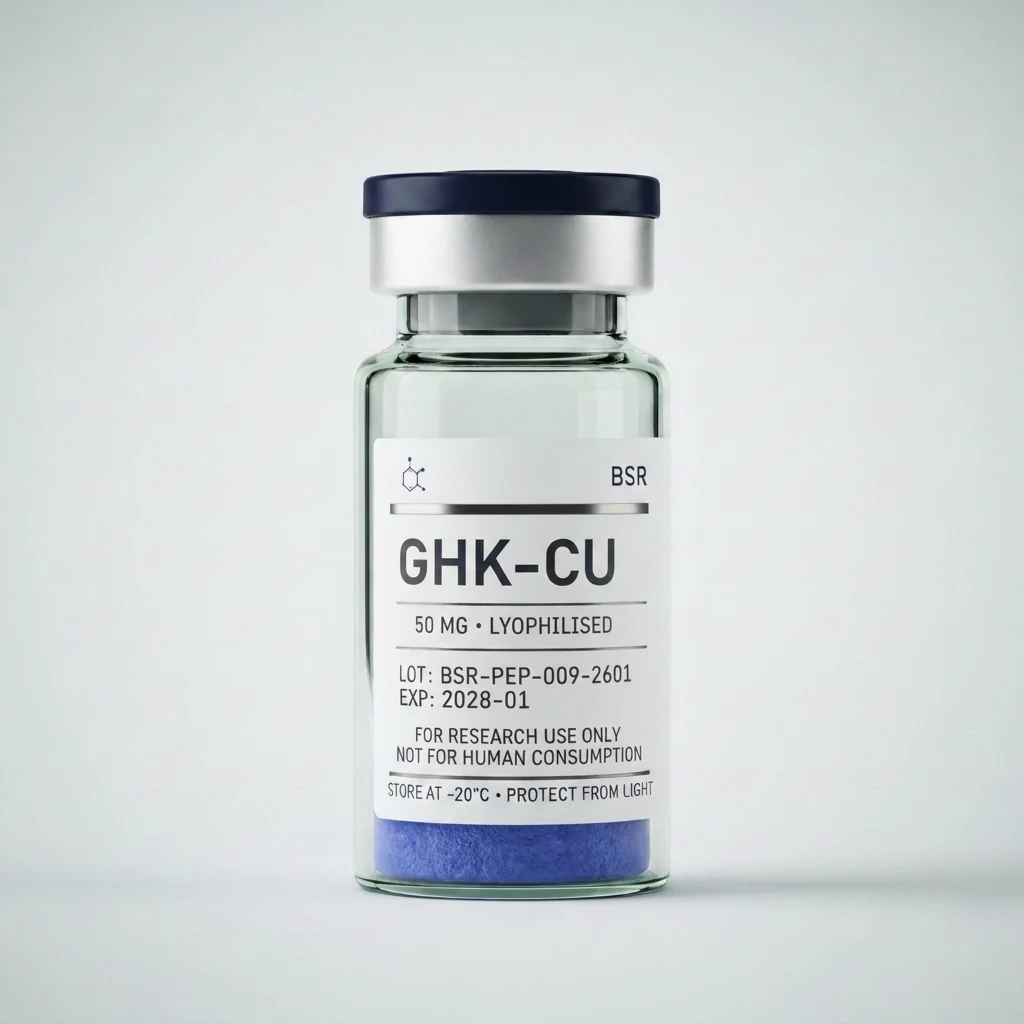
An FDA advisory panel is also expected to review five additional peptides — LL-37, GHK-Cu, dihexa acetate, melanotan II, and PEG-MGF — before the end of February 2027, meaning the broader peptide regulatory landscape will continue to shift materially over the next three months. Research procurement teams should monitor the scheduling of that PCAC meeting, as the five compounds under consideration span antimicrobial, dermatological, and nootropic research areas with distinct procurement risk profiles.
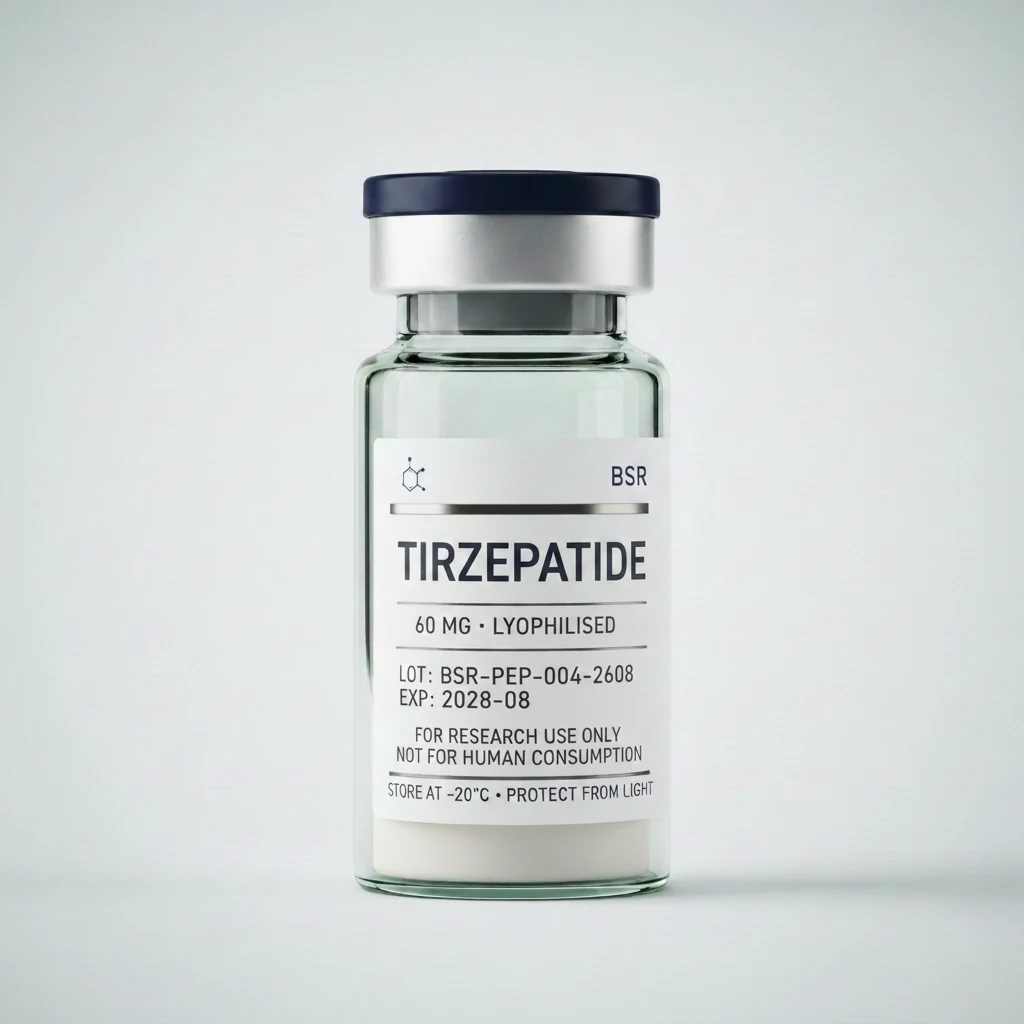
Research-grade material, HPLC verified, certificate of analysis with every order.
The week's Intelligence in one email, every Friday morning.
Regulatory moves, trial readouts, supply-chain news. No product pitches. Unsubscribe in one click.
More in Research Pipeline
CagriSema REDEFINE 9 Phase 3 Results: What Lower-Dose Efficacy Data Mean for the Semaglutide-Amylin Combination Programme
16 Nov 2026
ObesityWeek 2026: EloraTZP Phase 2 Data and Orforglipron's China Approval Signal Lilly's Next Phase in the GLP-1 Pipeline
15 Nov 2026
GLP1R Pharmacogenomics: What New Evidence on Rare Receptor Variants Means for Semaglutide and Tirzepatide Research
14 Nov 2026