Reputational Risks · 11 Sep 2026
FDA's September 2026 Peptide Vendor Sweep: Five Warning Letters, One Clear Doctrine on "Research Use Only" Claims
On 1 September 2026, the FDA posted five coordinated warning letters to online peptide vendors — Peak Performance Peptides, Royal Peptides LLC, NuScience Peptides LLC, Peptide Partners LLC, and TXP Innovations LLC — each cited for marketing unapproved drugs under the guise of research-use-only labelling. The sweep reinforces a doctrine the agency has applied with increasing consistency: website context, bundled reconstitution guides, and dosing calculators can establish human-use intent…
12 sources cited
Key takeaways
- On 1 September 2026, the FDA posted five warning letters — all dated 24 August 2026 — to online peptide vendors, citing violations of sections 301(d) and 505(a) of the Federal Food, Drug, and Cosmetic Act.
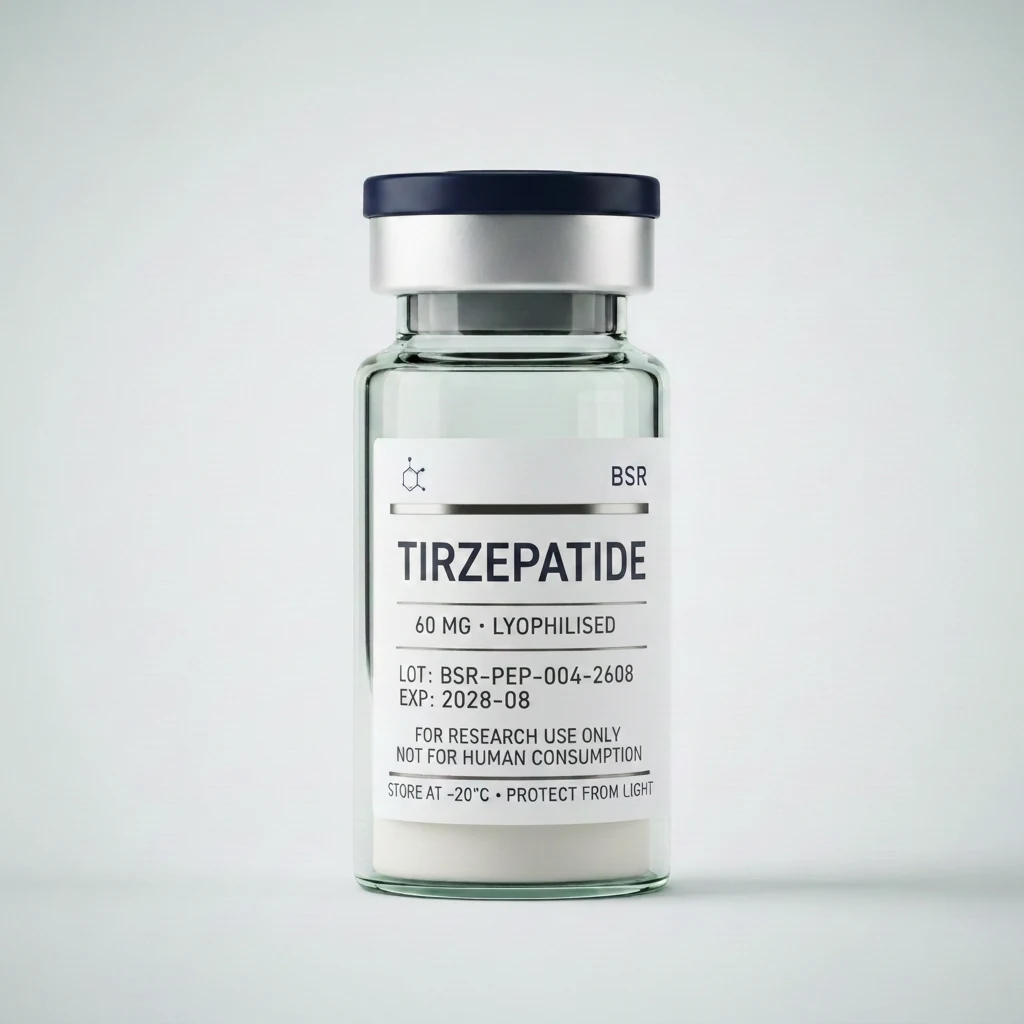
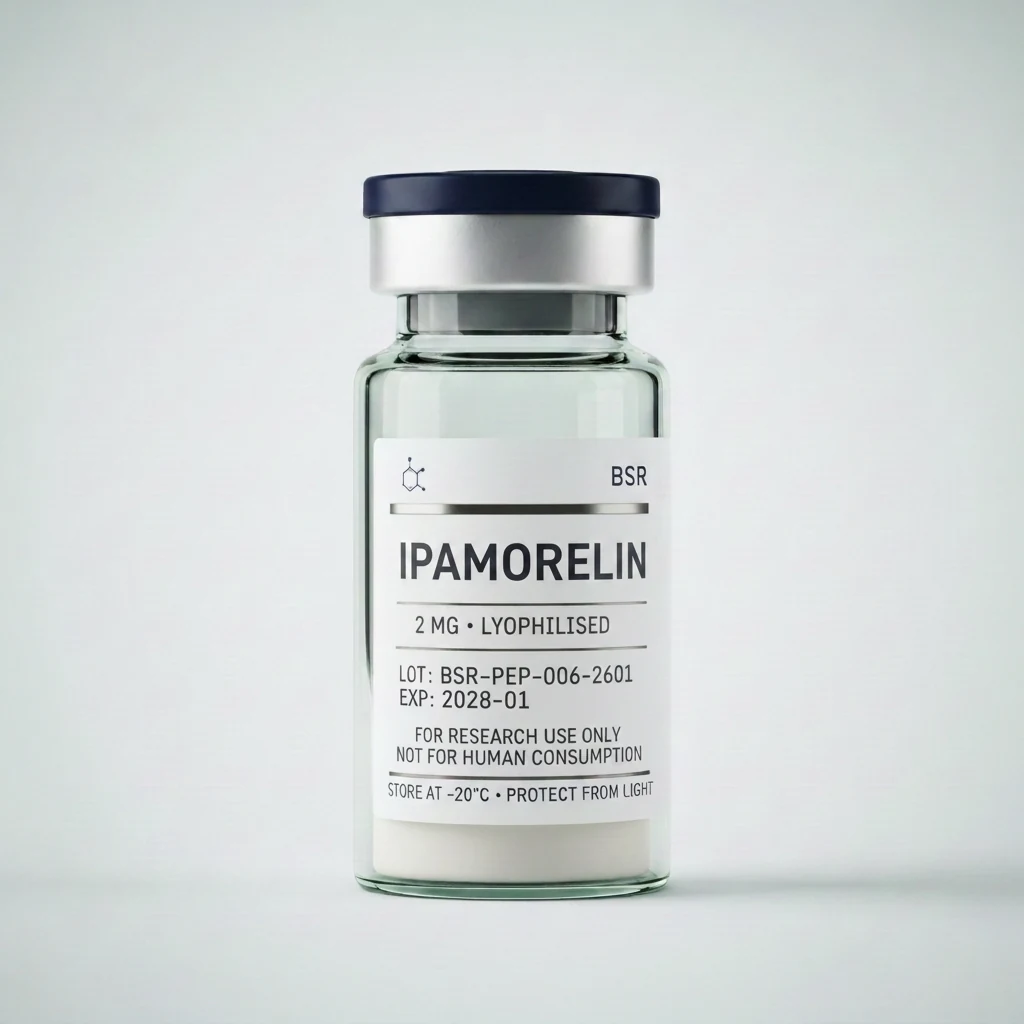
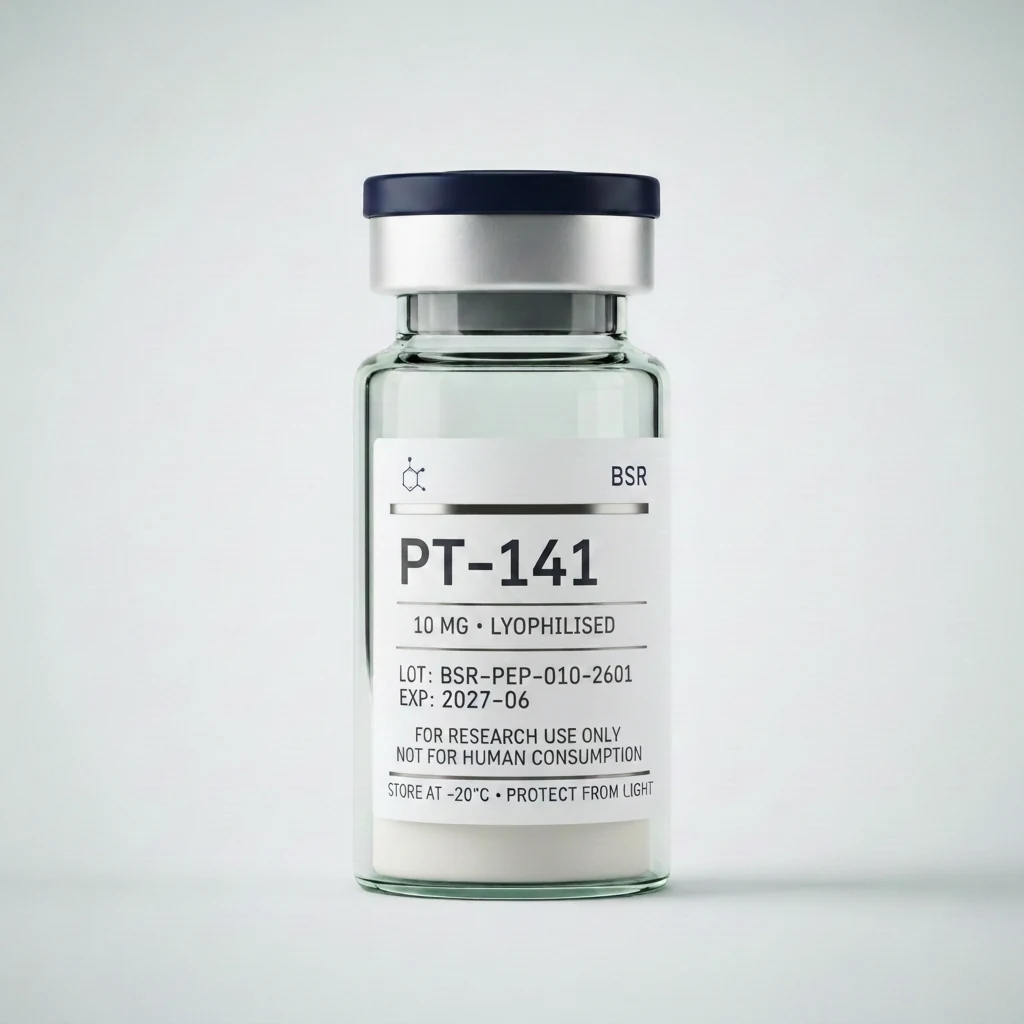
- Products named across the letters include semaglutide, tirzepatide, retatrutide, survodutide, mazdutide, SS-31 (elamipretide), PT-141 (bremelanotide), tesamorelin, ipamorelin blends, and bacteriostatic water sold for reconstitution.
- Each letter states that "research use only" and "not for human consumption" disclaimers do not insulate a vendor if website context — including dosing guides, peptide calculators, and reconstitution tutorials — establishes that the products are intended as drugs for human use.
- The sweep follows a pattern of escalating FDA enforcement going back to 2025 and carries explicit escalation language: failure to comply may result in seizure or injunction without further notice.
- For UK research procurement teams, the episode is a reminder that sourcing from vendors whose marketing signals human-use intent — wherever they are domiciled — carries both supply-chain and reputational risk.
The five letters and what they cited
Letters were sent by email to the proprietors of Peak Performance Peptides, Royal Peptides LLC, NuScience Peptides LLC, Peptide Partners LLC, and TXP Innovations LLC, doing business as Tex Peptides. The FDA posted the cluster on 1 September 2026; the letters themselves carry an issue date of 24 August 2026.
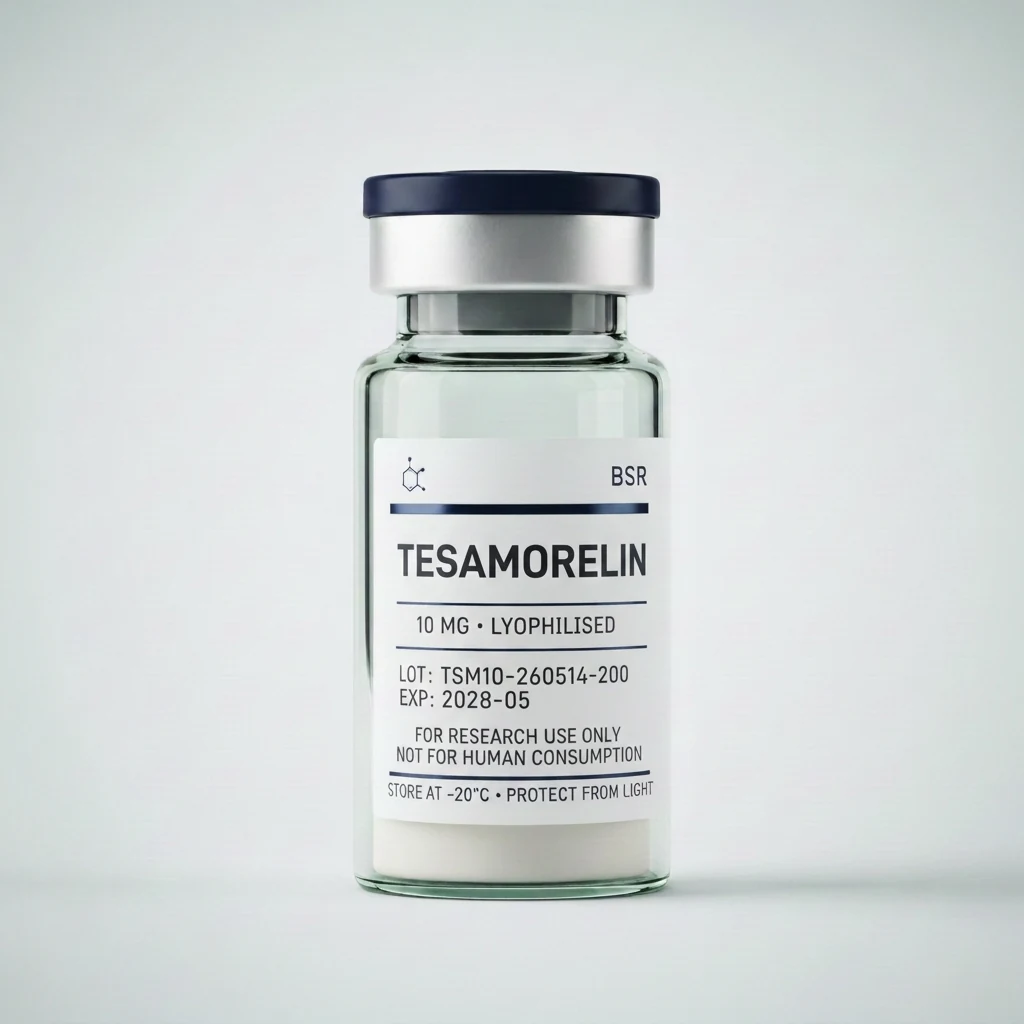
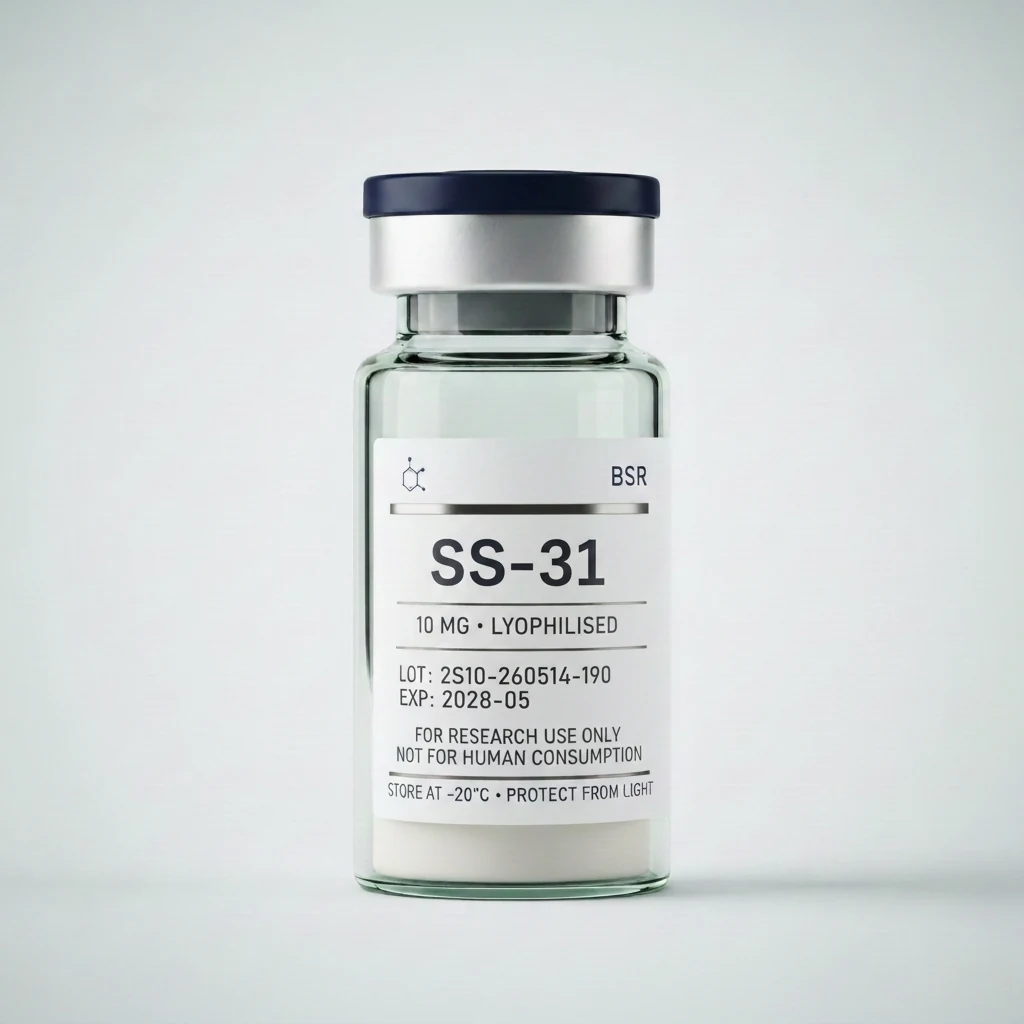
Individual letters cite products including semaglutide, tirzepatide, retatrutide, survodutide, mazdutide, SS-31, PT-141, tesamorelin, ipamorelin blends, and bacteriostatic water sold for reconstitution.
The FDA's published subject line across all five is "Unapproved New Drugs/Misbranded." The agency's Office of Unapproved Drugs and Labeling Compliance within the Centre for Drug Evaluation and Research (CDER) issued the letters under the signature of its director, Tina Smith.
The Peptide Partners LLC letter on FDA.gov states that products marketed as "GLP-1 S (Semaglutide)", "GLP-2 T (Tirzepatide)", "GLP-3 Reta (Retatrutide)", "SS-31 (Elamipretide)", "Tesa Peptide (Tesamorelin)", "PT-141 (Bremelanotide)", and a reconstitution solution are unapproved new drugs under section 505(a) of the Federal Food, Drug, and Cosmetic Act (FD&C Act), 21 U.S.C.
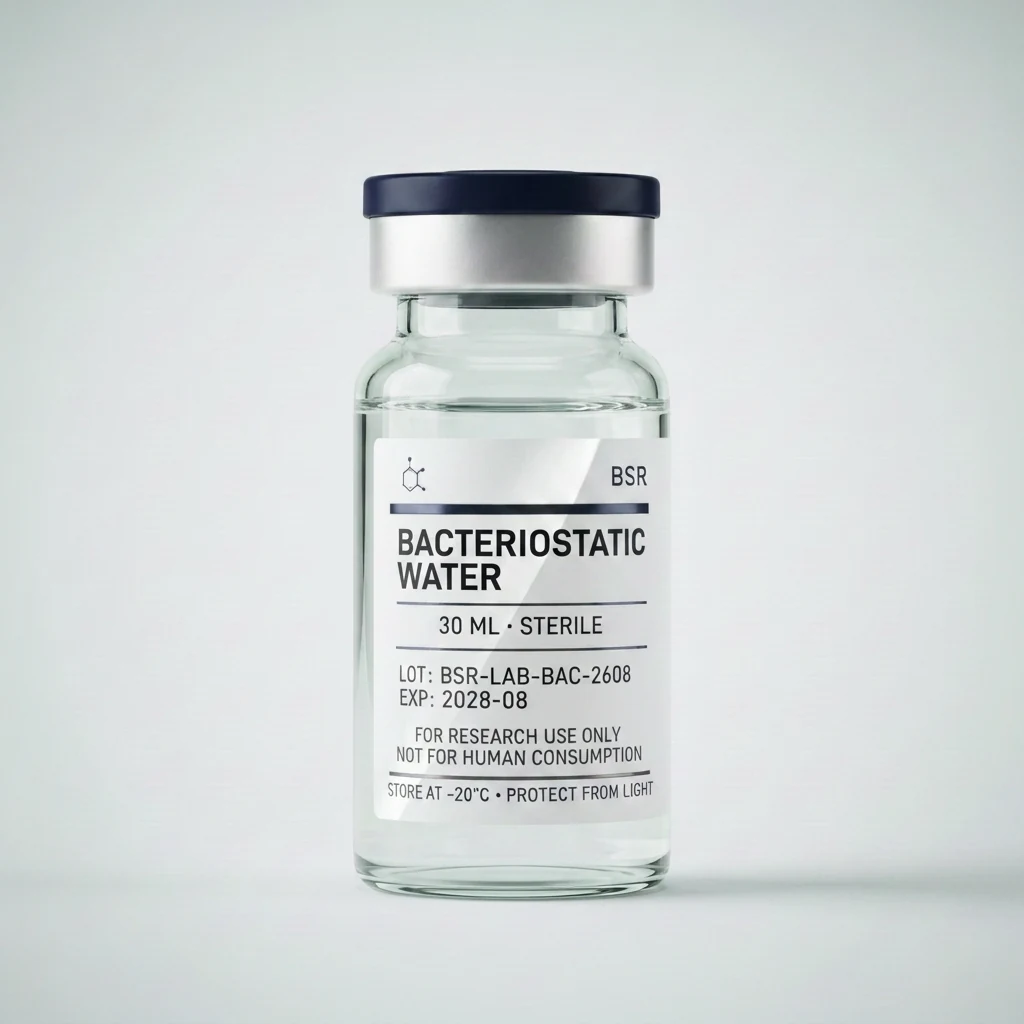
The Royal Peptides LLC letter similarly names tirzepatide, semaglutide, retatrutide, SS-31, PT-141, tesamorelin, and a compound described as "BIMORELIN" as unapproved new drugs, and further notes that bacteriostatic water was marketed alongside a "peptide guide" and "peptide calculator" — resources that collectively provide the means to prepare an injectable drug for human administration.
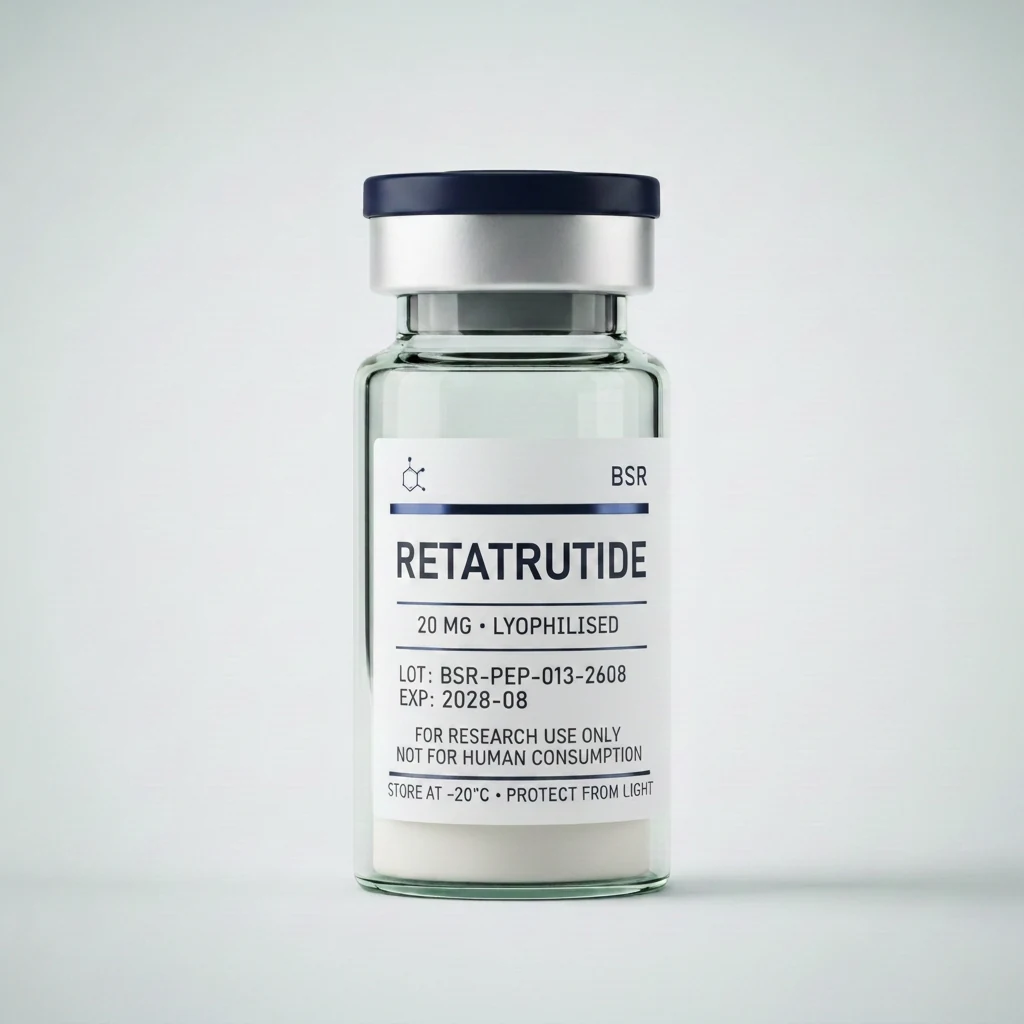
The FDA's concerns primarily centre on each company's attempts to sell weight-loss products, with all five websites flagged in the crackdown advertising their own versions of Eli Lilly's obesity candidate retatrutide — a drug that is yet to secure approval within any global market.
The "research use only" doctrine: why disclaimers do not suffice
Each warning letter addresses the disclaimer defence head-on. Despite statements on product labelling marketing products "for research use only" and "not for human or veterinary use," evidence obtained from the websites establishes that the products are intended to be drugs for human use.
This is not a novel position. Products sold as "research peptides" are not kept outside drug law merely by that label; the FDA evaluates intended use using the claims, context, directions, accompanying products, and other evidence around the sale.
The bundling of bacteriostatic water with peptide reconstitution guides is a particularly significant factor in the Royal Peptides letter. A vendor that supplies everything required to prepare and administer an injectable compound — together with instructions on how to do so — has, in the agency's view, established the product's intended use regardless of any printed caveat.
The message is consistent across every letter: marketing unapproved peptides for human use violates federal law, regardless of disclaimers; compounding pharmacies must meet GMP standards and compound only authorised substances; advertising claims must be truthful and adequately supported; and the FDA is willing to pursue seizure, injunction, and criminal prosecution when corrective action is not taken.
The warning letters themselves include escalation language to that effect: "Failure to adequately address violations may result in regulatory or legal action without further notice including, without limitation, seizure, and injunction."
Context: an accelerating enforcement programme
The September 2026 sweep sits within a broader escalation that has been building since 2024. Between December 2024 and early 2026, the agency issued an unprecedented wave of enforcement actions targeting peptide vendors, compounding pharmacies, telehealth platforms, and even brand-name pharmaceutical manufacturers.
Paradigm Peptides ceased operations in December 2025 after its founders pleaded guilty to federal charges for distributing unapproved new drugs, including peptides and SARMs. Other vendors — including Royal Research, Peptide Tech Labs, American Research Labs, and Unchained Compounds — also disappeared or closed during 2025, reflecting industry-wide pressures from warning letters, legal proceedings, and regulatory risks.
The FDA's page on unapproved GLP-1 drugs, current as of 1 September 2026, reports 990 adverse-event reports for compounded semaglutide and more than 730 for compounded tirzepatide as of 31 May 2026. That accumulating adverse-event record provides the evidentiary basis for the agency's increasingly assertive posture.
It is worth noting that the September sweep is enforcement against online vendors operating outside the compounding framework altogether — it is distinct from the separate PCAC advisory process evaluating whether specific peptides should be permitted for compounding under section 503A. In July 2026, the FDA's Pharmacy Compounding Advisory Committee voted to recommend that six of seven peptides it considered be added to the list of bulk drug substances that may be used in compounding under section 503A of the FD&C Act; that recommendation is advisory and non-binding on the FDA, and is not a final agency action.
Implications for research procurement in the UK
For UK laboratories procuring peptide reference standards or research compounds from US-based vendors, the September sweep carries three practical considerations.
Vendor due diligence. The FDA's warning-letter database, available at FDA.gov, is a free tool for checking whether a company has been flagged. A vendor appearing on that list has received formal notice of violations, which may signal supply-chain disruption risk irrespective of the legal jurisdiction in which the UK purchaser operates.
Marketing context as a quality signal. A vendor whose website includes reconstitution guides, dosing calculators, and before-and-after testimonials is signalling an intended-use profile that is inconsistent with legitimate research-use supply. This matters for procurement because it also raises questions about whether the vendor operates any form of audited quality management — two characteristics that tend to co-occur.
Retatrutide specifically. The letters highlight that multiple vendors were marketing retatrutide — a compound still in Phase 3 clinical development and not approved in any jurisdiction — for apparent consumer use. The FDA has stated that retatrutide cannot be compounded under federal law at all. UK researchers seeking retatrutide as a reference standard should source from analytical chemistry suppliers with documented GMP or ISO 17025 accreditation and explicit research-only sales controls, rather than from consumer-facing peptide websites.
The broader regulatory signal. The September 2026 sweep confirms that the FDA's accommodation of the online peptide grey market — never a formal policy, but long an operational reality — has ended. By closing regulatory gaps, the FDA aims to ensure that peptide-based treatments, many of which remain unapproved or untested, meet the same standards as traditional pharmaceuticals. For procurement teams, this is a structural shift rather than a cyclical crackdown: the vendors most likely to remain in business and maintain consistent supply are those operating within clearly defined legal frameworks.
Research-grade material, HPLC verified, certificate of analysis with every order.
The week's Intelligence in one email, every Friday morning.
Regulatory moves, trial readouts, supply-chain news. No product pitches. Unsubscribe in one click.
More in Reputational Risks
Filthy Warehouse, 12,000 Counterfeit Pens, and a Clinic Inquiry: What the MHRA's October Enforcement Blitz Means for UK Research Procurement
23 Oct 2026
Two Deaths, Eleven Lawsuits, and a Congressional Letter: The Mounting Enforcement Response to Illicit Retatrutide
21 Oct 2026
Sterility Failure at a Forewarned Compounder: What the Apothecary Pharma Tirzepatide Recall Reveals About Persistent Quality Gaps
20 Oct 2026