Reputational Risks · 31 Aug 2026
Paradigm Peptides Owner Sentenced to 70 Months: What the First Major Criminal Conviction in the Research-Use-Only Market Means for Research Procurement
A US federal judge sentenced Paradigm Peptides owner Matthew Kawa to 70 months in prison on 30 July 2026, after he admitted importing unapproved drugs from China and India and misrepresenting them as domestically manufactured, FDA-registered products. The case is widely regarded as the first significant criminal prosecution in the largely unregulated "research-use only" peptide marketplace, and it carries direct implications for research procurement officers assessing supplier risk.
8 sources cited
Key takeaways
- Matthew Kawa, owner of Paradigm Peptides, was sentenced on 30 July 2026 to 70 months in federal prison after pleading guilty to selling unapproved drugs and illegally importing them from China and India.
- His sister and primary employee, Jennifer Stechkober, received a concurrent 16-month sentence.
- The case involved more than 54,000 customers across all 50 US states and over 80 countries, with $5 million in proceeds subject to forfeiture.
- Products sold as "research-use only" and labelled as selective androgen receptor modulators (SARMs) were in fact found to contain testosterone — a direct adulteration risk to research integrity and end-user safety.
- The prosecution is described by legal analysts as the first major criminal case in the largely unregulated research-use-only peptide market, and it signals an intensification of Department of Justice and FDA enforcement activity in this sector.
Background: What Paradigm Peptides Was, and What the Charges Covered
Paradigm Peptides was a US-based vendor that sold peptides, SARMs, human chorionic gonadotropin (hCG), and related compounds through its website, marketing them as high-purity, American-manufactured research products registered with the FDA. According to the United States Attorney's Office for the Northern District of Indiana, none of these representations were accurate.
The business, operated by Kawa and Stechkober from 2019 to 2024, imported its products from Asia — primarily China and India — without conducting quality testing before sale. On its website and in customer communications, the company falsely claimed to be licensed and registered with the FDA, to manufacture at its own US laboratories, and to test products for pharmaceutical-grade quality.
It was later established that many of the SARMs sold by Paradigm Peptides were actually testosterone, not the compounds identified on product labels. Several customers, including those who inadvertently ingested testosterone believing it to be a SARM, reported severe adverse effects on their physical, psychological, and mental health.
Kawa received two formal warning letters from the FDA — one in 2020 and one in 2022 — notifying him that he was marketing and selling unapproved drugs in violation of the Federal Food, Drug and Cosmetic Act. He continued selling regardless.
The Sentencing
Both defendants entered guilty pleas in December 2025. On 30 July 2026, US District Court Judge Cristal Brisco sentenced Kawa to 70 months in federal prison, plus one year of supervised release. Judge Brisco stated that Kawa had ignored "numerous warnings" from regulators and left "an incredible trail of harm." Stechkober received a 16-month sentence, followed by one year of supervised release. Both were ordered to pay $78,317.52 in restitution, and a money judgment of $5 million was entered against Kawa representing the proceeds of the illegal sales.
The prosecution drew particular attention because the Paradigm case is regarded as one of the first major criminal prosecutions in the largely unregulated research-use-only peptide market, a sector in which "for research use only" labelling has historically functioned as a significant barrier to enforcement even when products were clearly purchased for human self-administration.
Why the "Research-Use Only" Label Did Not Provide a Legal Shield
The Paradigm case makes explicit what regulators and legal commentators have long asserted: the "for research use only" (RUO) label on a product does not confer legal immunity when the seller's conduct demonstrates intent to supply substances for human use. Kawa's business openly described products in terms of human health benefits, used before-and-after testimonials, and accepted orders from individual consumers across the US and internationally.
The prosecution also exposed a pattern of conduct that recurs across the grey-market peptide sector: products imported from China and India, sold with forged laboratory certificates, and falsely described as domestically produced and tested. This pattern is directly relevant to UK-based research procurement, since a significant proportion of research-grade peptides sold into European markets originates from the same supplier networks Paradigm used.
Adulteration: The Core Risk for Research Integrity
The finding that Paradigm's SARM products contained undisclosed testosterone rather than the labelled compound illustrates the most serious practical risk to laboratory researchers: identity substitution. A researcher who administers what they believe to be a specific SARM in a cellular assay or animal model, but is actually administering testosterone, will generate results that are not reproducible, not attributable to the correct mechanism, and potentially publishable under a false assumption.
This risk exists independently of any question about human safety. It affects the validity of in vitro and in vivo data and, in any regulatory-submission context, could constitute research fraud if the error goes undetected and unpublished.
Identity substitution and undisclosed adulterants are distinct from — though often co-present with — purity shortfalls. FDA reviewers and enforcement officials have raised concerns about the quality and purity of bulk drug substances sourced by suppliers outside the regulated compounding framework, and the Paradigm case provides the most fully documented public example of how those concerns materialise in practice.
Implications for Research Procurement in the UK and Europe
UK-based academic and private research laboratories are not subject to FDA jurisdiction directly, but they face the same supply-chain risks. The MHRA does not currently approve BPC-157, TB-500, or the other peptides reviewed at the July 2026 PCAC meeting for any indication, and none carries a marketing authorisation in the UK. Research procurement of these compounds therefore occurs outside any regulated product-approval framework, placing the burden of quality assurance squarely on the purchasing institution.
The minimum standard that the Paradigm case implies for responsible procurement includes:
- Third-party analytical testing — Certificates of Analysis issued by the supplier should be validated against independent mass spectrometry or HPLC results. A COA that the vendor produces internally is not an independent verification; in the Paradigm case, court records showed the company used forged laboratory certificates to deceive customers.
- Supply chain provenance — Verification that the API manufacturer is a registered facility in the country of stated origin, not a relabelling intermediary.
- Ongoing batch testing — Single lot verification at point of first purchase is insufficient where compounds are used across extended research programmes. Lot-to-lot consistency requires repeat testing.
- Institutional procurement policies — Supplier qualification processes at university and private research settings should treat research-use peptide vendors with the same scrutiny applied to any unregulated reagent supplier.
The Broader Enforcement Context
The Paradigm sentencing does not stand alone. In July 2026, the same month sentencing occurred, Peptide Sciences — described as the largest grey-market research peptide vendor in the US — voluntarily shut down, reportedly in anticipation of regulatory pressure. The sector has contracted significantly under increased scrutiny.
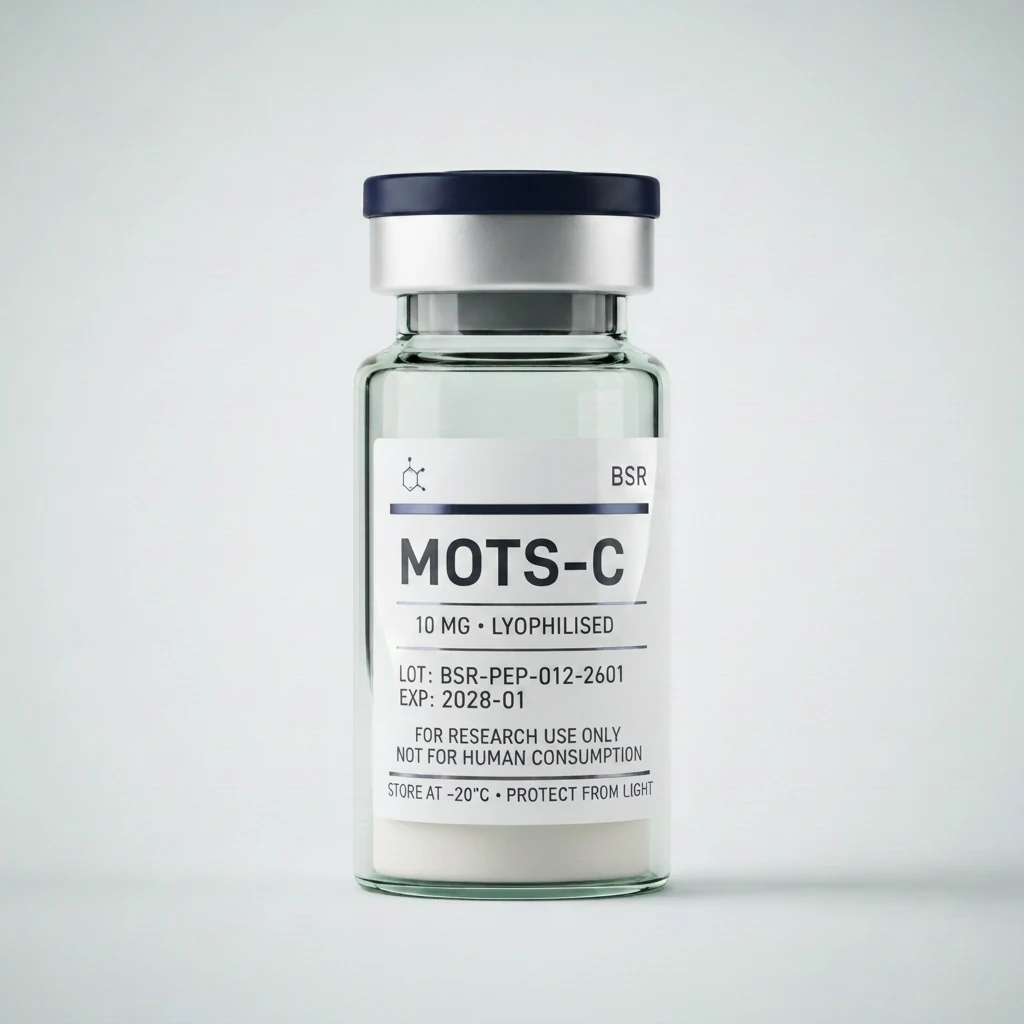
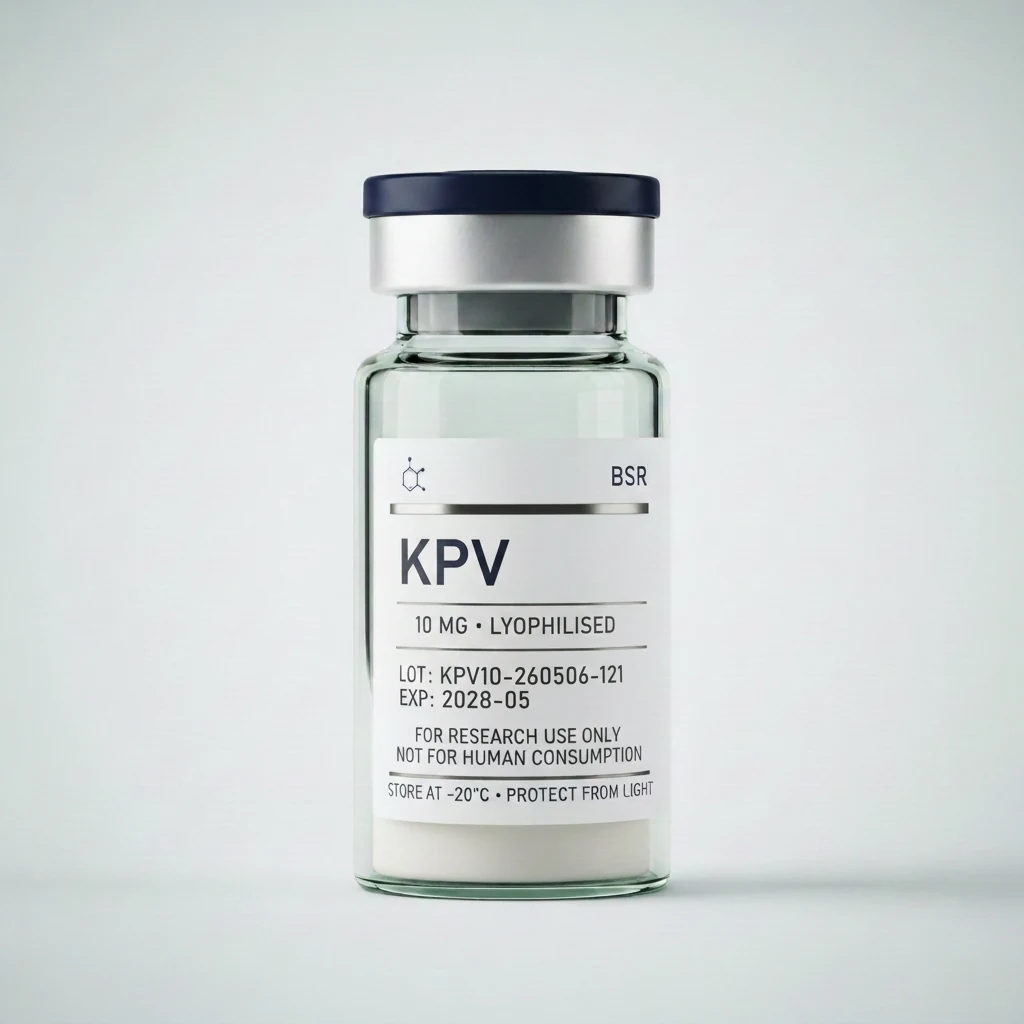
At the same time, the FDA's PCAC voted on 23–24 July 2026 to recommend six peptides — BPC-157, KPV, TB-500, MOTS-c, Epitalon, and Semax — for inclusion on the 503A Bulk Drug Substances List, a recommendation the FDA is not obligated to adopt and which would, in any case, trigger a further notice-and-comment rulemaking process estimated to take twelve months or more before compounding pharmacies could lawfully prepare these substances. A second PCAC meeting, scheduled before the end of February 2027, will consider GHK-Cu, LL-37 (cathelicidin), Dihexa acetate, Melanotan II, and PEG-MGF.
The coexistence of these two developments — enforcement intensification and a movement toward regulated compounding access — reflects the structural tension in the current US peptide landscape. For UK procurement teams, the practical takeaway is that the regulatory environment in the US is tightening in ways that will continue to affect grey-market supply chains used by UK researchers. The Paradigm case is the most visible demonstration to date of where that enforcement pressure leads.
Summary
The 70-month sentence handed to Matthew Kawa on 30 July 2026 is the most consequential enforcement action yet taken in the research-use-only peptide sector. It establishes that the RUO label does not protect vendors who market compounds for human use, that product adulteration carries criminal liability, and that continued operation after FDA warning letters constitutes aggravating conduct. For research procurement professionals in the UK, the case is a practical argument for independent batch testing, documented supply-chain provenance, and supplier qualification standards that go beyond accepting vendor-issued certificates of analysis at face value.
Research-grade material, HPLC verified, certificate of analysis with every order.
The week's Intelligence in one email, every Friday morning.
Regulatory moves, trial readouts, supply-chain news. No product pitches. Unsubscribe in one click.
More in Reputational Risks
Supplement-Grade API in Injectable Vials: The Glutathione Contamination Cluster That Illuminates a Systemic Compounding Risk
15 Oct 2026
The FDA's Enforcement Paradox: Warning Letters, Import Bans, and China Supply Chain Scrutiny as Deregulation Signals Grow
10 Oct 2026
FDA's September 2026 Peptide Vendor Sweep: Five Warning Letters, the "Research-Use Only" Labelling Test, and What It Means for Legitimate Suppliers
22 Sep 2026