Reputational Risks · 22 Sep 2026
FDA's September 2026 Peptide Vendor Sweep: Five Warning Letters, the "Research-Use Only" Labelling Test, and What It Means for Legitimate Suppliers
On 1 September 2026, the FDA published five simultaneous warning letters to online peptide sellers, citing the illegal marketing of injectable semaglutide, tirzepatide, retatrutide, tesamorelin and other unapproved compounds. The sweep expands an established enforcement pattern and clarifies how regulators assess "research-use only" claims — with direct implications for compliant research-grade suppliers in the UK and US.
7 sources cited
Key takeaways
- On 1 September 2026, the FDA made public five warning letters — all dated 24 August — targeting Peak Performance Peptides, Royal Peptides, NuScience Peptides, Peptide Partners LLC, and TXP Innovations (trading as Tex Peptides) for selling injectable peptides as unapproved new drugs.
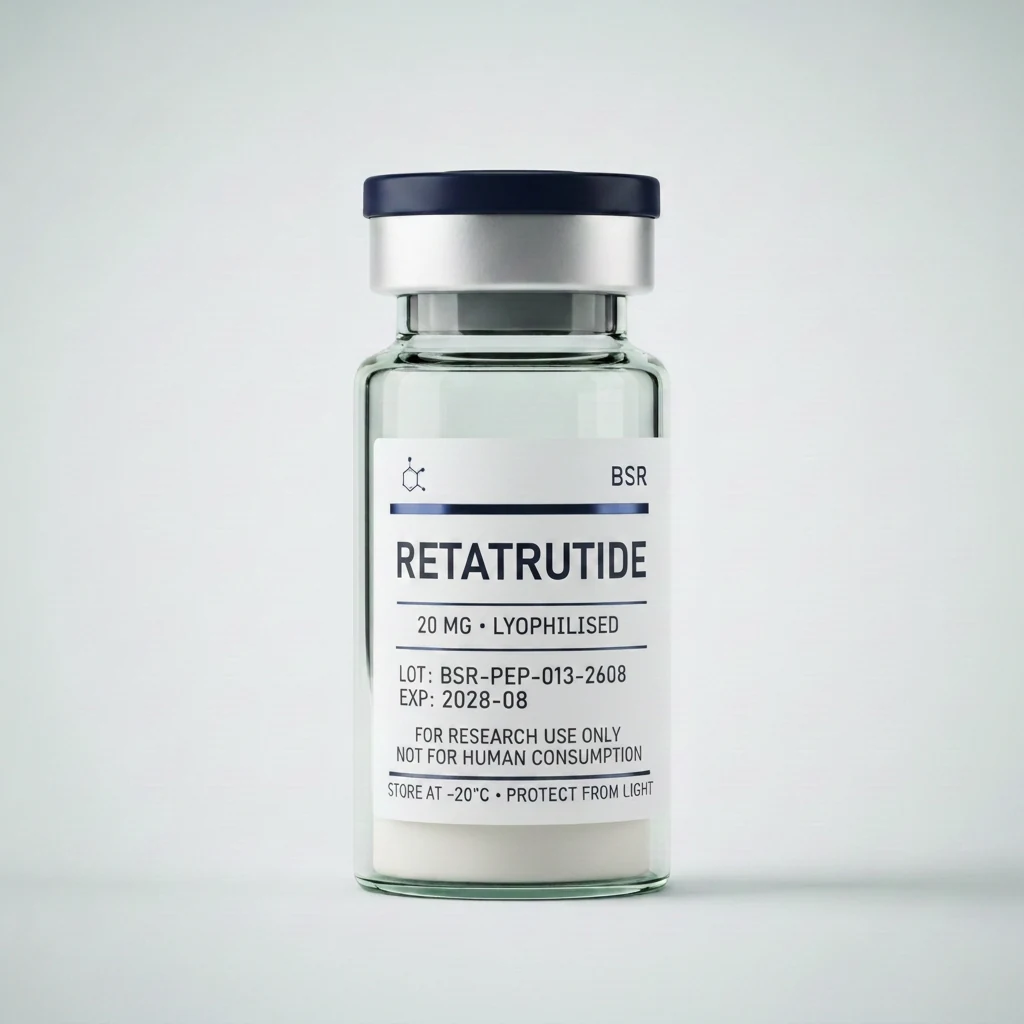
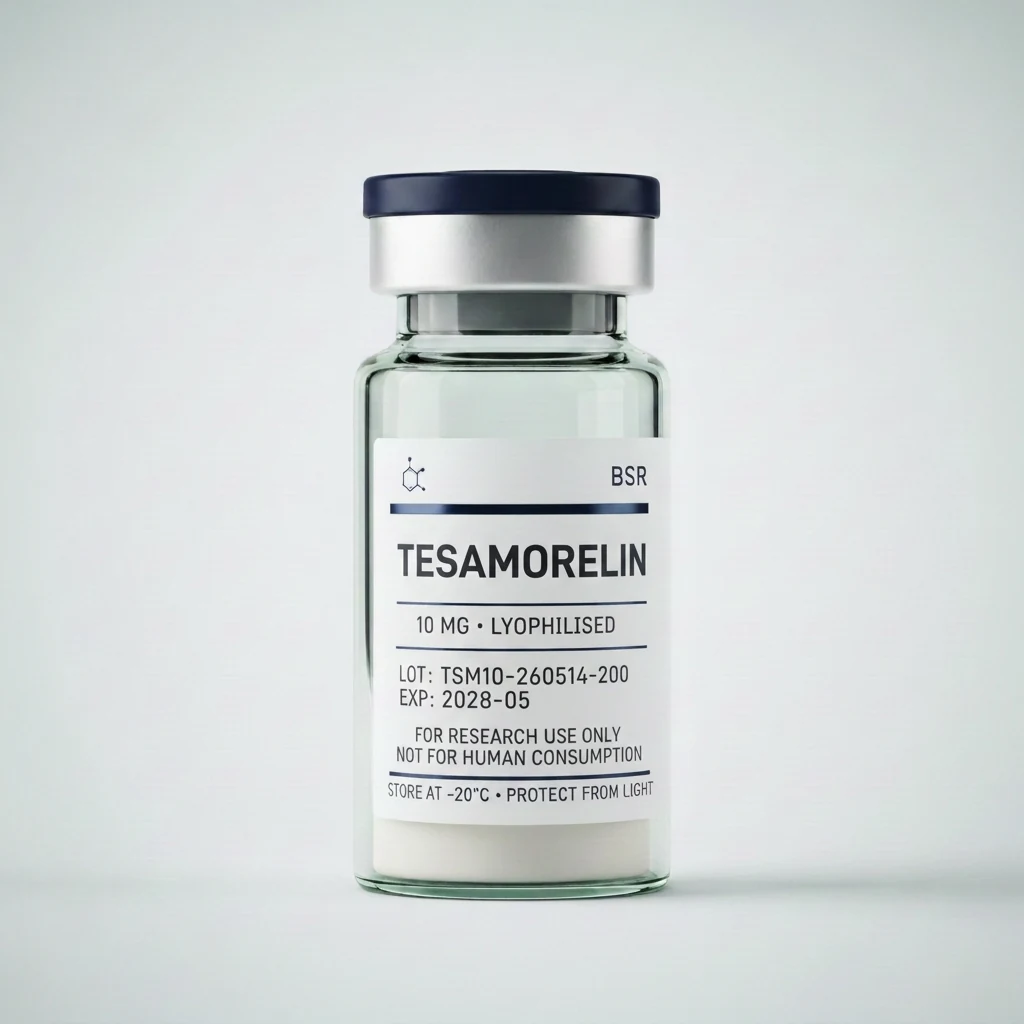
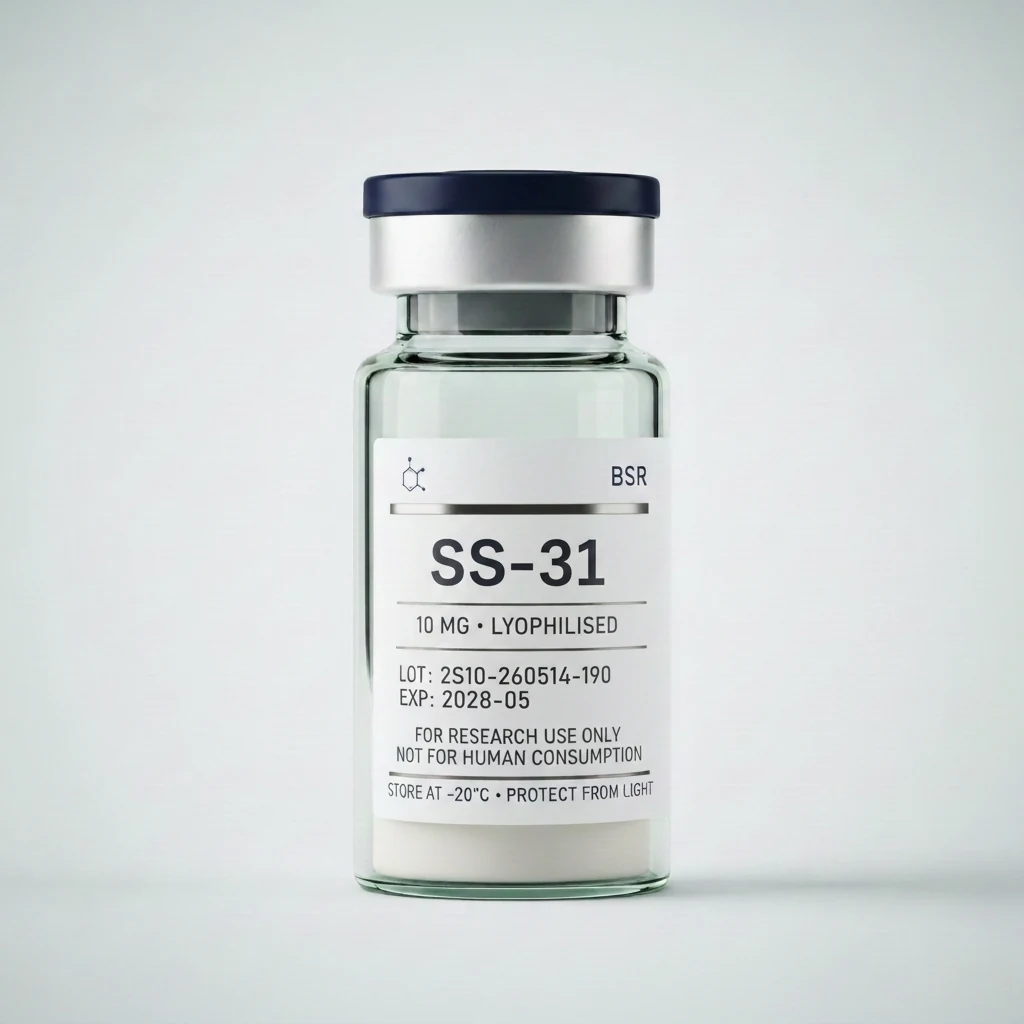
- Compounds named across the letters include semaglutide, tirzepatide, retatrutide, tesamorelin, elamipretide (SS-31), PT-141, ipamorelin blends, and bacteriostatic water sold for home reconstitution.
- The FDA's enforcement rationale rests on a "totality of commercial presentation" test that can override a "research-use only" label when website copy, bundled accessories, and dosing instructions collectively indicate a human-use intent.
- Selling bacteriostatic water alongside injectable peptides was treated as evidence of combined intended use — a detail of direct relevance to how research suppliers structure their product pages and order fulfilment.
- This sweep follows a structurally identical round of letters issued in December 2024 and reaffirms that the agency is monitoring the sector with regularity rather than issuing isolated one-off actions.
What the letters said
According to the FDA's published warning letter to Peptide Partners LLC, violations were identified during a website review conducted in July 2026. Products cited included "GLP-1 S (Semaglutide)," "GLP-2 T (Tirzepatide)," "GLP-3 Reta (Retatrutide)," "SS-31 (Elamipretide)," "Tesa Peptide (Tesamorelin)," "PT-141 (Bremelanotide)," and "Reconstitution Solution (BAC)," all characterised as unapproved new drugs under section 505(a) of the Federal Food, Drug, and Cosmetic Act.
The FDA stated that injectable products are "especially concerning from a public health perspective" because they bypass the body's defences against toxins and microorganisms, creating the potential for serious and life-threatening conditions.
In letters dated 24 August 2026 and made public on 1 September 2026, the FDA warned five online sellers for illegally selling injectable peptides as unapproved new drugs. The letters named a broad list of compounds across the five companies — including survodutide and mazdutide in addition to the more widely recognised GLP-1 agents — underscoring that the agency is tracking a wide spectrum of peptide chemistry, not only the high-profile obesity drugs.
The "research-use only" label: why it does not confer automatic protection
The most consequential aspect of the September sweep is its elaboration of the intended-use doctrine. The core of the FDA's action is a rejection of the labelling workaround these companies relied on. Regulators evaluate a product's actual intended use by examining the full market presentation, not the label text alone.
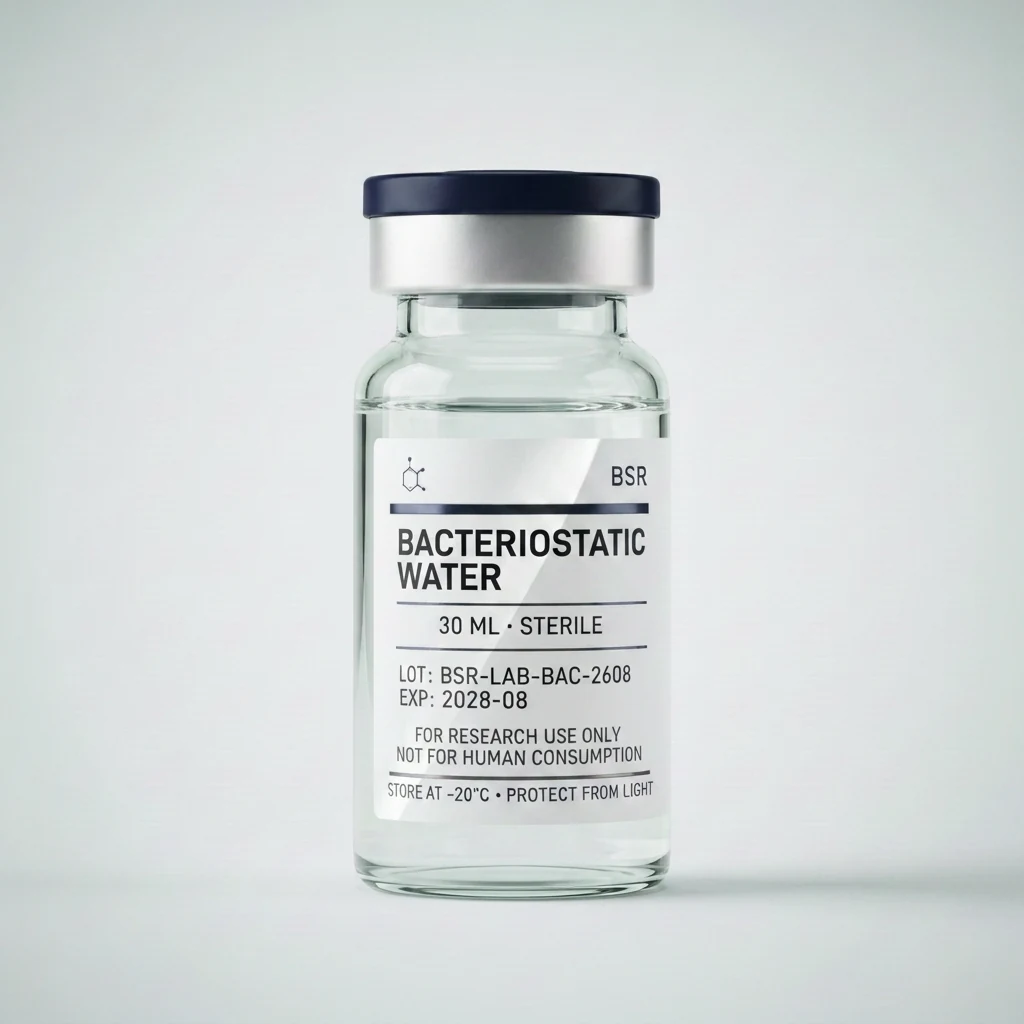
A vial may carry little text, but web copy, bundled products, reconstitution instructions, testimonials, and dosing guides can collectively demonstrate how the seller expects customers to use it. The letters explicitly named bacteriostatic water sold alongside peptide vials as contributing evidence of intended injectable human use. The FDA's position is that offering reconstitution water together with products intended for injection demonstrates a combined intended use, and the water is therefore not treated as an unrelated accessory.
For research-procurement professionals and their suppliers, this creates a practical compliance signal: the totality of commercial presentation — across product listings, kit bundles, FAQ pages, and marketing copy — determines regulatory characterisation, not any single piece of labelling language.
Enforcement pattern and scale
The September 2026 sweep follows a similar round of FDA warning letters sent in December 2024 to a different set of online sellers — Prime Peptides, Summit Research Peptides, Swisschems, and Xcel Research — for marketing unlicensed semaglutide and tirzepatide products labelled "research use only" while being advertised for human use. The repetition is instructive: the agency is conducting periodic, structured enforcement reviews of the online peptide vendor space rather than responding solely to complaints.
A broader count published by the Partnership for Safe Medicines in early September 2026 placed the aggregate figure at 160 FDA warning letters to telehealth companies and compounders, alongside 50 state pharmacy board actions against unsafe compounders, giving a sense of the enforcement volume that has accumulated since the compounding crackdown intensified in late 2024.
The FDA also issued five warning letters to peptide sellers listing retatrutide, semaglutide, tirzepatide, elamipretide, and tesamorelin — and bacteriostatic water to reconstitute them, with some companies having sold these under "research chemicals" designations. All were cited for selling unapproved drugs.
Regulatory context: compounded GLP-1s and the 503B proposal
The September letters arrive in a well-established enforcement context. Tirzepatide came off the FDA's official drug shortage list in December 2024, and semaglutide followed in February 2025, eliminating the legal pathway that had allowed compounding pharmacies to produce copies of the drugs. That closure applied to the pharmacy compounding sector; the September letters signal that it applies with equal force to online vendors operating under a research-chemical framing.
Separately, on 30 April 2026, the FDA proposed to permanently exclude semaglutide, tirzepatide, and liraglutide from the "503B Bulks List" — the inventory of ingredients that large-scale outsourcing facilities are legally permitted to use. That proposal had not been finalised as of the date of the September letters, meaning the agency is maintaining enforcement pressure through warning actions while formal rulemaking proceeds.
A further regulatory nuance concerns product chemistry. Some vendors use chemically distinct salt forms — for example, semaglutide sodium rather than semaglutide — which have not been proven safe and effective in humans or approved by the FDA. The warning letters do not appear to turn on this distinction; the more fundamental objection is that the products are unapproved new drugs regardless of which chemical form is used.
UK and European dimensions
The September letters are US enforcement actions and carry no direct MHRA or EMA legal weight. However, UK-based research-procurement teams sourcing peptides from vendors that also supply the US market should be aware that:
- Vendors who have received FDA warning letters may have impaired supply chains or interrupted operations, affecting the continuity of research programmes.
- No current UK marketing authorisation exists for thymalfasin (thymosin alpha-1) or for compounded semaglutide or tirzepatide products in the MHRA Products register, as verified in August 2026, illustrating the broad absence of formal approvals for many compounds circulating in the research market.
- MHRA's own enforcement programme covers the importation and marketing of unlicensed medicines, and products seized at customs may be traced to the same vendor networks now under US scrutiny.
UK laboratories procuring peptides for legitimate in-vitro or preclinical use should, as a matter of standard practice, request from their supplier a current certificate of analysis, a statement confirming the product is not labelled or marketed for human use, and evidence of independent third-party analytical testing — at minimum, high-performance liquid chromatography purity and mass spectrometry identity confirmation.
Summary
The FDA's 1 September 2026 warning letters represent the most recent instalment in a sustained enforcement programme against online peptide vendors. Their significance extends beyond the five named companies: by articulating that bacteriostatic water bundled with injectable products constitutes evidence of intended human use, the agency has clarified the intended-use doctrine in a way that affects how any vendor — including those supplying the research sector — should structure their commercial presentation. For procurement professionals, the sweep reinforces the value of supplier due diligence that goes beyond label text and into the full evidentiary picture regulators will examine.
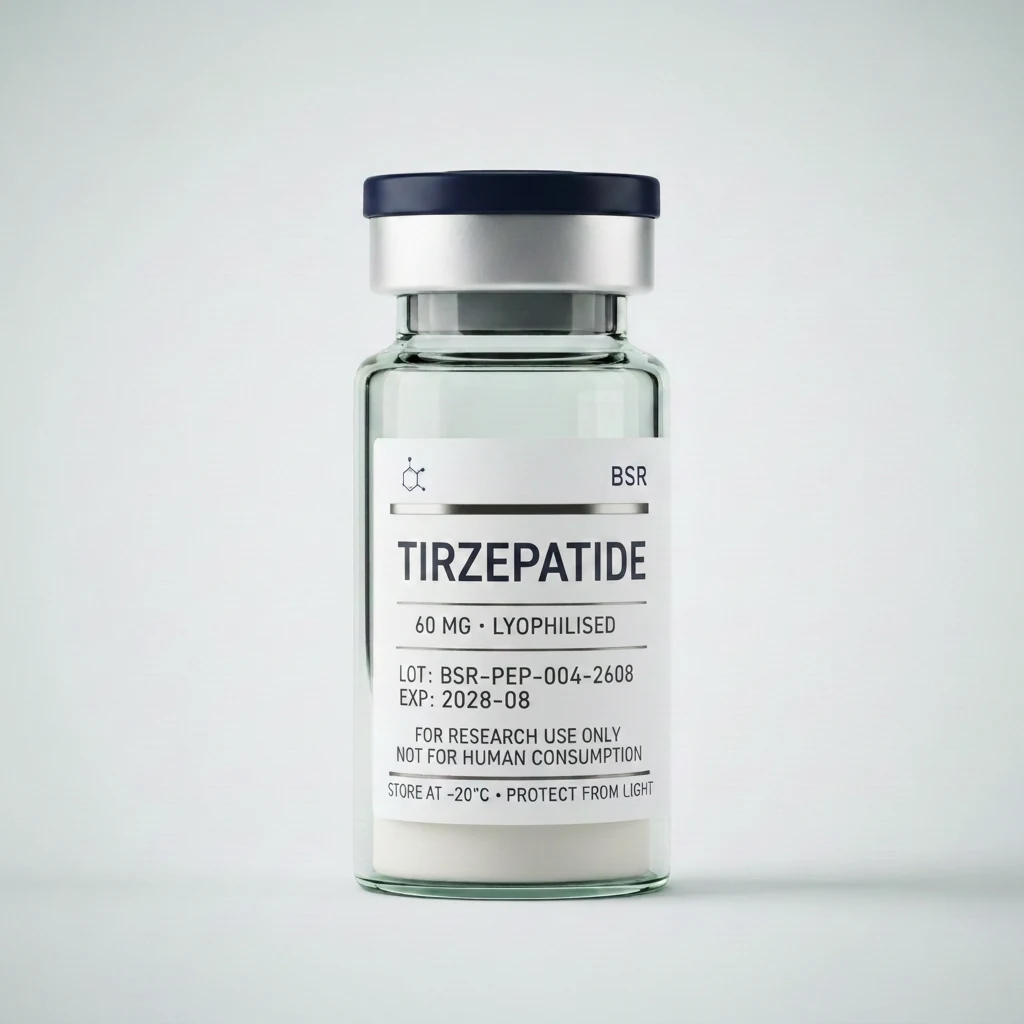
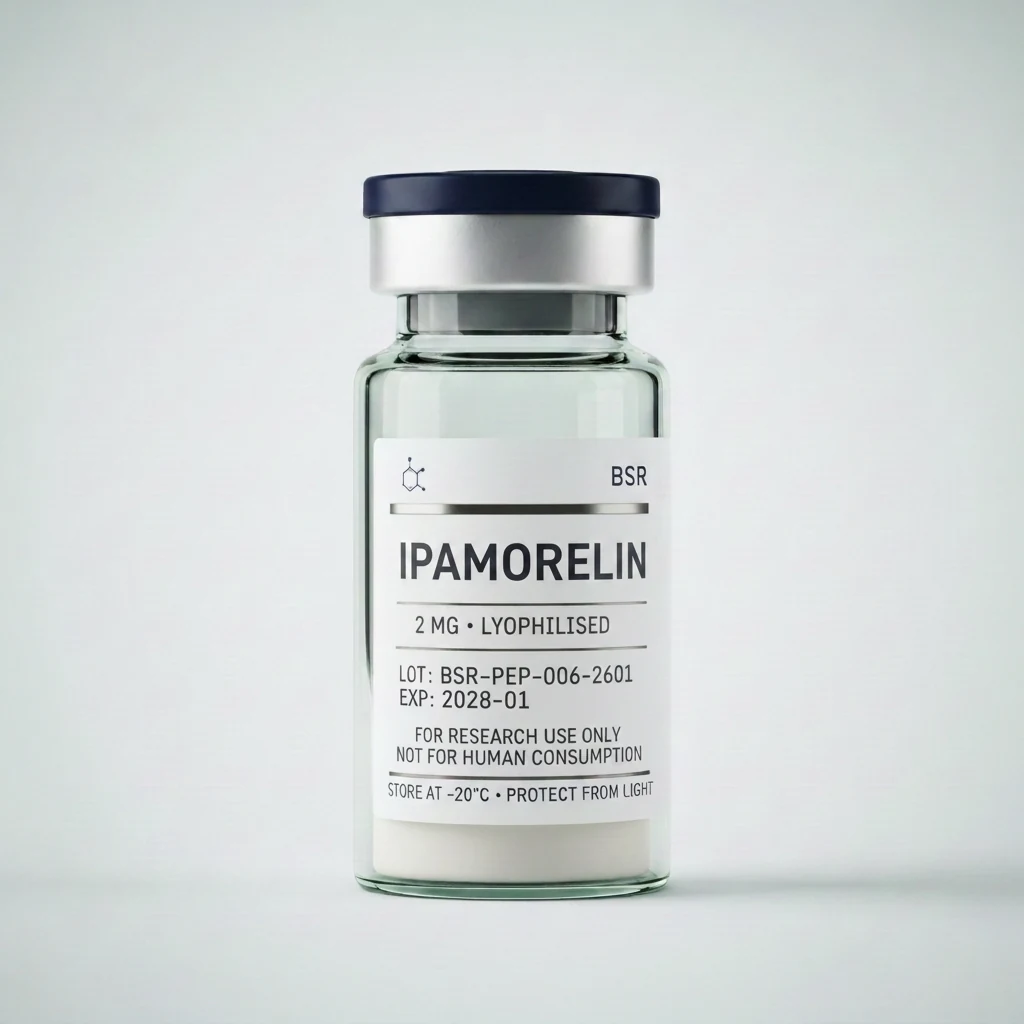
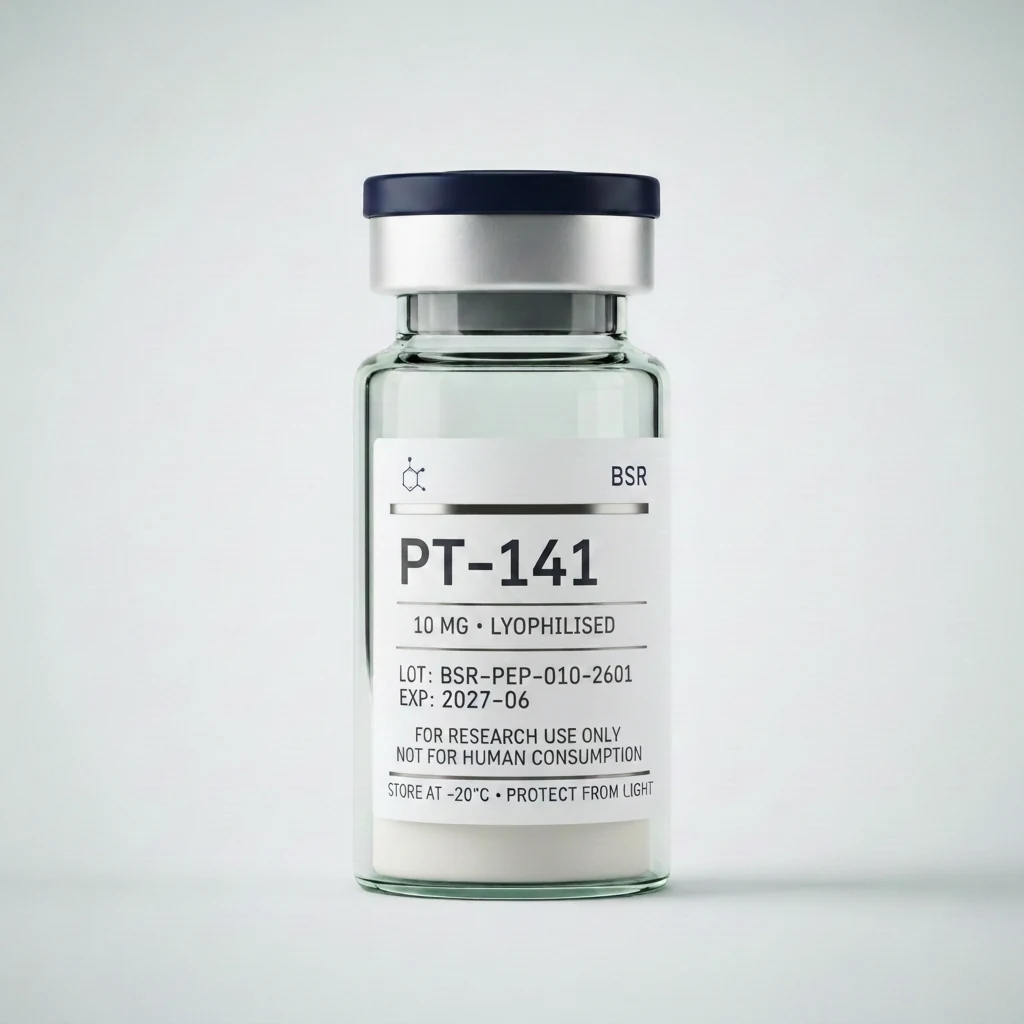
Research-grade material, HPLC verified, certificate of analysis with every order.
The week's Intelligence in one email, every Friday morning.
Regulatory moves, trial readouts, supply-chain news. No product pitches. Unsubscribe in one click.
More in Reputational Risks
Three Texas Recalls in Six Weeks: How Dietary-Grade Glutathione API Triggered a Compounding Safety Crisis — and What State Boards Are Now Saying About Research-Grade Peptides
17 Sep 2026
FDA's September 2026 Peptide Vendor Sweep: Five Warning Letters, One Clear Doctrine on "Research Use Only" Claims
11 Sep 2026
Paradigm Peptides Owner Sentenced to 70 Months: What the First Major Criminal Conviction in the Research-Use-Only Market Means for Research Procurement
31 Aug 2026