Industry & Community · 20 Nov 2026
HHS Enforcement Discretion in Action: Hims & Hers Launches Peptides+, argenx Bets $1.15 Billion on Oral Macrocyclics
Three weeks after the HHS enforcement discretion policy took effect, the first large commercial platform has entered the compounded peptide market. Separately, argenx's $1.15 billion acquisition of Unnatural Products signals where serious capital is moving in oral peptide drug development — with implications for how procurement professionals should read the current landscape.
12 sources cited
Key takeaways
- Hims & Hers launched its Peptides+ platform on 18 November 2026 — the first large-scale commercial move made possible by the October HHS enforcement discretion policy on six unapproved peptides.
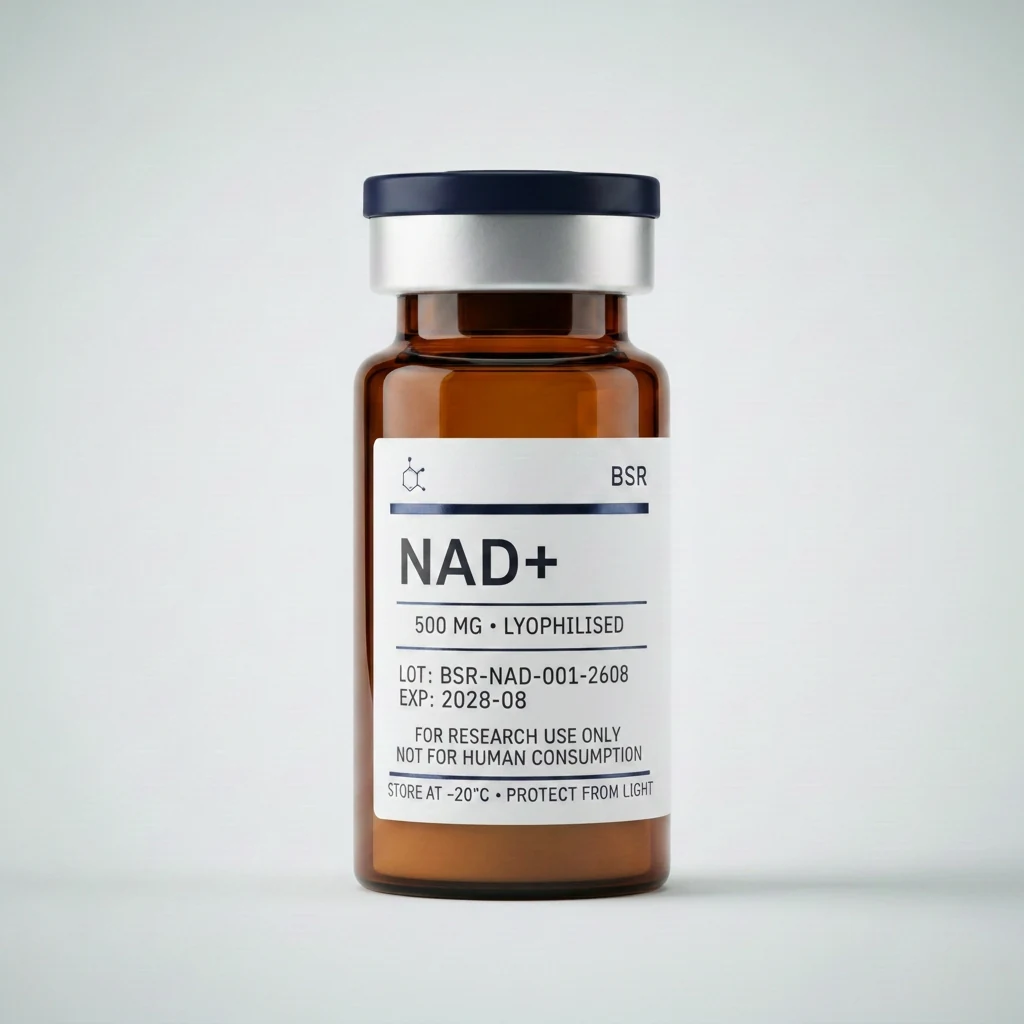
- The initial five products (sermorelin, glutathione, NAD+, vitamin B-12 and L-carnitine) are compounded, unapproved, and do not benefit from regulatory clearance — the HHS policy is an enforcement pause, not an approval.
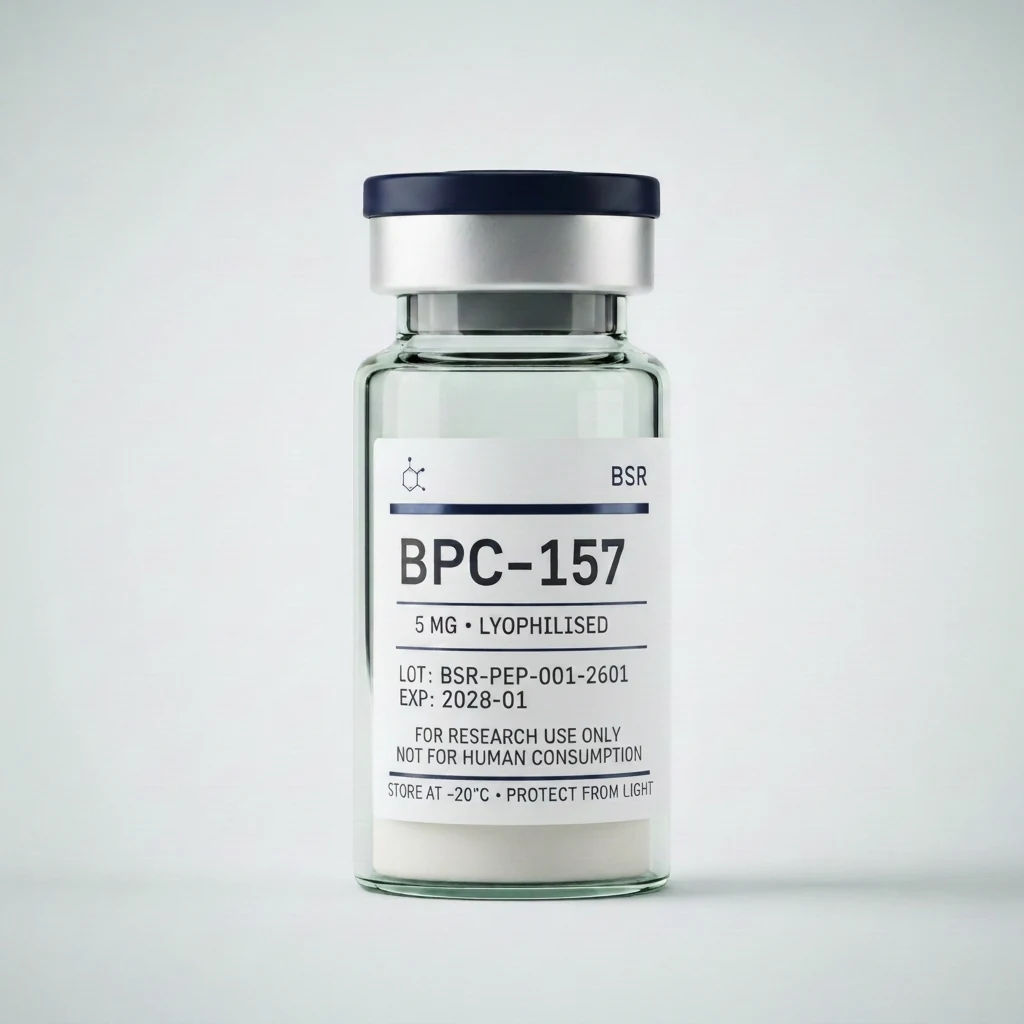
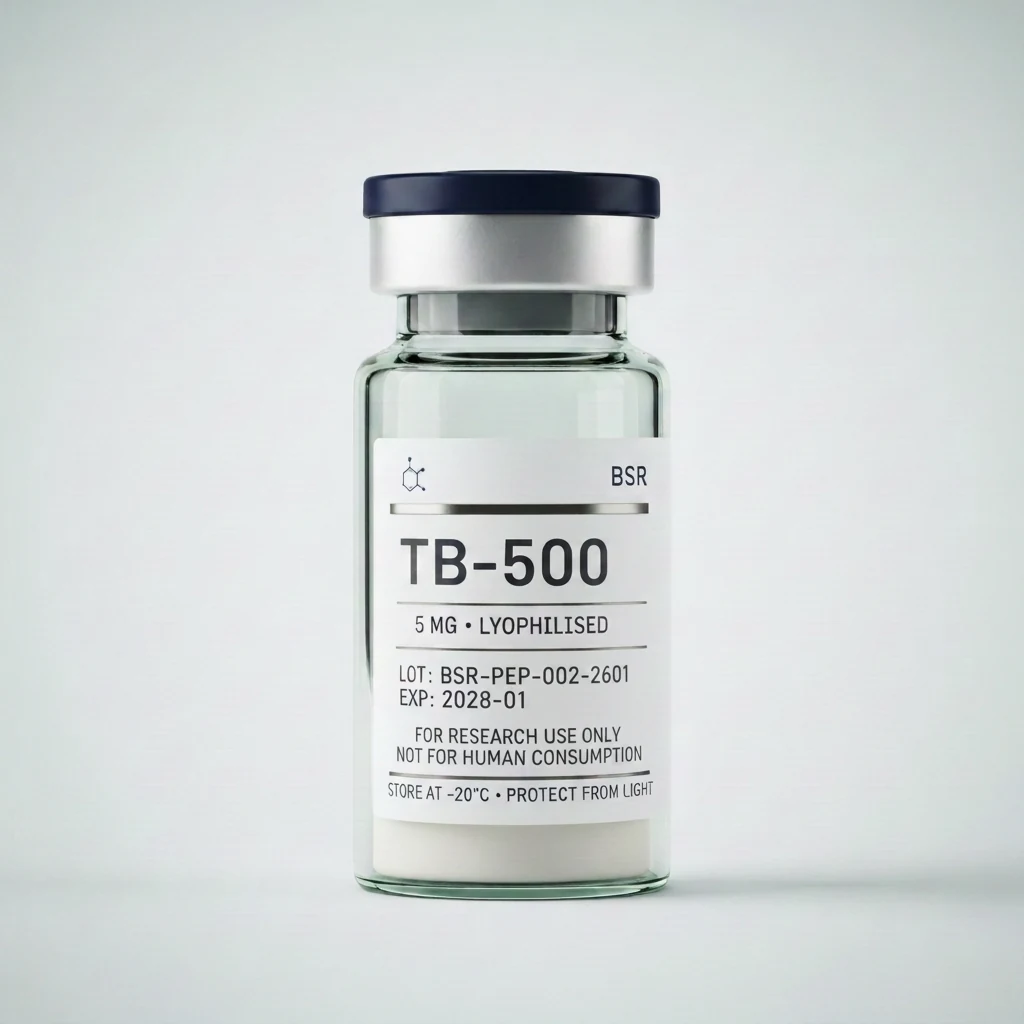
- BPC-157 and TB-500 are planned for Peptides+ once regulatory conditions permit, according to the company.
- argenx agreed on 9 November to acquire oral macrocyclic peptide specialist Unnatural Products for up to $1.15 billion, signalling that institutional capital views oral peptide delivery as a credible next modality in immunology.
- Procurement professionals should distinguish between the compounded peptide market opened by the HHS policy and the separate, well-capitalised effort to bring formally characterised oral macrocyclic peptides through clinical development.
Hims & Hers enters the compounded peptide market
Hims & Hers Health launched Peptides+ on Wednesday 18 November 2026, offering five compounded peptide and longevity treatments through its telehealth platform. The five formulations available at launch are sermorelin, glutathione, NAD+, vitamin B-12 and L-carnitine. According to Stock Analysis reporting on the launch, the service prescribes these treatments following a visit with a licensed provider, and products are dispensed by licensed US pharmacies subject to state board oversight.
The legal basis is the October HHS enforcement discretion policy, under which the FDA will refrain from enforcement action against pharmacies compounding six specified unapproved peptides while it proceeds to write formal rules. The policy is interim: as the law firm Mintz noted in its November 2026 FDA newsletter, the HHS policy will cease to apply to any given peptide once the FDA acts to include or exclude it from the 503A affirmative ingredient list.
Critically, as CNBC reported, none of the specific compounded products has FDA approval, and the FDA had, as of August 2026, received reports of at least 30 patients who experienced adverse events after receiving compounded intravenous glutathione — one of the substances now being offered through Peptides+.
Hims & Hers is not limiting its ambitions to the initial five. According to Quartz coverage of the launch, the company said it plans to add BPC-157 and TB-500 to Peptides+ "consistent with regulatory standards." Neither peptide is approved, and the available clinical evidence base for both remains predominantly preclinical. The company reported that more than 10,000 people joined an early-access list within 15 days of announcing the initiative in late October.
The move reflects a corporate trajectory that has included Hims & Hers acquiring a peptide manufacturing plant in California in February 2025 and vertically integrating its compounding supply chain. On its 9 November earnings call, the company had indicated that sermorelin and NAD+ would launch in November, with BPC-157 and TB-500 to follow when regulatory conditions permit.
What this means for research procurement
For UK research organisations procuring peptides for laboratory use, the Hims & Hers launch is relevant on several levels. First, it accelerates the blurring of the boundary between clinical compounding and research supply in the United States. As the HHS policy takes commercial form, the volume of compounded peptide batches entering the US supply chain will increase — which raises the probability of mislabelled or cross-contaminated material appearing in research channels. Second, independent researchers have questioned whether available evidence adequately supports broader consumer access to compounded peptides; this remains the central concern for any procurement officer evaluating supplier claims about product pedigree.
Third, as the Mintz newsletter makes clear, claims about "FDA compliance" or the outright legality of unapproved peptides should be avoided by any party in the supply chain. Research buyers should be similarly cautious about supplier documentation that implies regulatory approval where none exists. The HHS policy is an enforcement pause, not an endorsement.
argenx acquires Unnatural Products: a different tier of peptide investment
On 9 November 2026, immunology company argenx announced a definitive agreement to acquire Unnatural Products (UNP), a Santa Cruz, California-based developer of oral macrocyclic peptides. argenx will pay $550 million upfront from cash on hand, with contingent value rights worth up to $595 million tied to development and regulatory milestones — a total potential consideration of approximately $1.15 billion.
The acquisition builds on a research collaboration begun in mid-2025, during which argenx took a minority stake in UNP. According to MedCity News, the deal brings a new modality to argenx, whose immunology research and development had previously centred on antibodies.
The strategic rationale is built around macrocyclic peptides' unusual pharmacological profile. As Bioxconomy noted, macrocyclic peptides pair the target-binding precision of biologics with potential oral bioavailability, and can reach intracellular targets that conventional small molecules and antibodies struggle to access. UNP's platform combines parallel experimental synthesis with machine-learning-guided design to navigate otherwise intractable chemical space — what UNP's co-founder and CEO Cameron Pye has described as taking "smart shots on goal" to find development candidates.
UNP's team of more than 50 employees will continue operating from its Santa Cruz site, which becomes argenx's dedicated macrocyclic peptide discovery hub. Closing is targeted for the end of 2026, subject to customary conditions.
The deal sits in context. In July 2026, the FDA approved Merck's cholesterol-lowering macrocyclic peptide Lipfendra, which set a regulatory precedent for the class. A Leerink Partners analyst wrote that the acquisition "represents potential for longer-term strategic value," reflecting broad demand from both big pharma and the immunology research community for oral, long-acting therapeutics that can compete with or complement conventional biologics.
This is the second significant acquisition argenx has made in 2026. The UNP deal follows argenx's $2.2 billion purchase of Forte Biosciences earlier in the year, which added the anti-CD122 antibody FB102 to its pipeline.
Distinguishing commercial compounding from clinical-stage peptide research
The two developments this week occupy different positions on the peptide development spectrum, and procurement professionals should not conflate them. The Hims & Hers Peptides+ launch operates entirely within the compounded drug market, where products are made to order for individual patients, lack batch-validated clinical evidence at the product level, and depend on the continued HHS enforcement pause for their legal basis. The argenx/UNP acquisition, by contrast, represents investment in a discovery platform intended to generate characterised, GMP-manufactured candidates designed to clear the standard regulatory pathway.
For UK research labs, the practical point is straightforward: the HHS enforcement discretion has created a large and fast-growing compounded peptide sector in the United States, which will increase the volume of material available through informal channels. That same increase in volume does not constitute an increase in characterisation, stability data, or analytical documentation. Procurement criteria — certificate of analysis requirements, independent HPLC purity confirmation, batch traceability — remain as important as ever, and the current regulatory environment in both the US and the UK offers no basis for relaxing them.
The MHRA has not issued any equivalent enforcement discretion for unapproved peptides in the UK. Research buyers sourcing peptides for laboratory programmes should continue to treat regulatory status in the jurisdiction of supply as one factor among many, and to require full analytical documentation regardless of market positioning claims.
Research-grade material, HPLC verified, certificate of analysis with every order.
The week's Intelligence in one email, every Friday morning.
Regulatory moves, trial readouts, supply-chain news. No product pitches. Unsubscribe in one click.
More in Industry & Community
Samsung Biologics Secures PolyPeptide Group in $1.8 Billion Deal: What the Largest Korean Pharma Acquisition Means for Global Peptide CDMO Supply
12 Nov 2026
Shilpa CDMO's $50 Million Expansion: What India's Latest Peptide Manufacturing Investment Means for UK Research Supply Chains
08 Nov 2026
Samsung Biologics Clears the Tender Threshold: What PolyPeptide's Imminent Delisting Means for Peptide API Supply
31 Oct 2026