Research Pipeline · 25 Jul 2026
TB-500: The Thymosin Beta-4 Fragment Facing a Hostile FDA Briefing Document Four Days Before Its First Compounding Vote
TB-500, a synthetic seven-amino-acid fragment of thymosin beta-4, is scheduled for review by the FDA's Pharmacy Compounding Advisory Committee on 23 July 2026. The agency's pre-published briefing document proposes that neither the free base nor the acetate form be added to the 503A Bulk Drug Substances List, citing failures of chemical characterisation and an absence of adequate human clinical evidence for wound healing.
9 sources cited
Key takeaways
- TB-500 (Thymosin Beta-4 fragment, Ac-LKKTETQ) is scheduled for review by the FDA's Pharmacy Compounding Advisory Committee (PCAC) at the White Oak Campus on 23 July 2026 — four days from publication of this briefing.
- The FDA's pre-published briefing document proposes that both TB-500 free base and TB-500 acetate not be added to the Section 503A Bulk Drug Substances List, on grounds that neither form is adequately physically and chemically characterised and that no adequate evidence of effectiveness or safety exists for the nominated indication of wound healing.
- TB-500 was removed from FDA Category 2 in April 2026 on a procedural basis, after original nominators withdrew their submissions; that removal does not authorise compounding and should not be read as regulatory clearance.
- The PCAC makes recommendations to the FDA rather than issuing binding decisions; the agency is not obliged to follow committee advice.
- TB-500 is permanently banned by the World Anti-Doping Agency (WADA) under the 2026 Prohibited List.
What is TB-500?
TB-500 is a 17-residue synthetic peptide derived from the actin-binding region of thymosin β-4. The commercially circulated description is sometimes given as a seven-amino-acid sequence — reflecting the core active fragment Ac-Leu-Lys-Lys-Thr-Glu-Thr-Gln-OH — though thymosin β-4 (Tβ4) itself is the full 43-amino-acid parent protein, and some clinical and commercial preparations interchange the terminology, which has caused ongoing confusion in patient-facing materials.
TB-500 is a synthetic fragment of Thymosin Beta-4, a naturally occurring peptide involved in actin regulation and cellular repair. It has been studied — primarily in animal models — for wound healing, tissue repair, reduction of inflammation, and recovery from cardiac injury.
This lab-created peptide retains the active region responsible for regulating cell migration, angiogenesis, and inflammation. The proposed molecular weight is approximately 1.9 kDa. Sublingual and oral formulations exist, but bioavailability is significantly lower than injection; injection is the reference standard.
TB-500 is distinct from, and should not be confused with, thymosin alpha-1 — a separate immune-modulating peptide approved as a pharmaceutical in several countries. TB-500, BPC-157, thymosin beta-4, and thymosin alpha-1 are distinct compounds and are not interchangeable.
Regulatory history
The FDA placed TB-500 in 503A Category 2 in 2023 (significant safety concerns for compounding), then announced on 15 April 2026 that 12 peptides — including TB-500 — would be removed from Category 2 effective seven days later because the original nominations were withdrawn.
That procedural removal should not be read as a go-ahead to compound these peptides. Under FDA's current policy, removal of a bulk drug substance from Category 2 does not, on its own, authorise use of that substance in compounding or bring it within FDA's interim enforcement discretion policy for substances in Category 1.
The FDA confirmed in the same notice that TB-500 (free base and acetate forms) will be reviewed by the Pharmacy Compounding Advisory Committee on 23 July 2026 for possible inclusion on the 503A Bulks List.
The committee makes recommendations to the FDA rather than approving the peptides itself.
Prior to the 2023 restrictions, TB-500 was available through compounding pharmacies under the 503A framework, prescribed by healthcare providers for injury recovery, chronic pain, and tissue repair. The FDA took formal action in late 2023, placing approximately 17 to 19 peptides in the Category 2 classification. The agency cited safety risks including potential carcinogenicity, immunogenicity, and concerns about impurities — and noted that most of these substances had never undergone rigorous human clinical trials.
The FDA's briefing document: what the agency proposes and why
The FDA is proposing that TB-500, along with all six other peptides on the July agenda, not be added to the 503A Bulks List. The agency has posted all seven scientific briefing documents for the July 23–24, 2026 PCAC meeting — an unusually clear window into its current thinking on peptide safety, efficacy, and characterisation.
For TB-500 specifically, the FDA's objections fall across three areas:
Characterisation. FDA concluded both the free base and acetate forms are not physically and chemically well-characterised, citing inconsistent naming conventions (INN, USAN, IUPAC) and missing critical characterisation data specific to each form. The free base is reported stable below −20°C and the acetate below −15°C under specific storage conditions, but the quality data needed to establish identity and purity were incomplete.
Effectiveness. The nomination (later withdrawn, with FDA proceeding) sought TB-500 for wound healing. FDA found no adequate effectiveness or safety evidence for that use. Animal studies indicate potential roles in wound healing, cardiac tissue recovery, and angiogenesis; human data are very limited. Research suggests meaningful effects in preclinical models, but human RCT evidence has not been established.
Safety. Published safety data on TB-500 in humans is limited. Reported side effects include temporary fatigue, mild injection site reactions, and occasional headaches. The peptide affects cell proliferation and angiogenesis, which raises theoretical concerns. The FDA's earlier Category 2 placement reflected concern about impurities and the compound's capacity to influence cell proliferation — a standing consideration given TB-500's angiogenic mechanism.
Scientific evidence base
The preclinical literature on TB-500 is the more substantial body of work. Tissue repair, anti-fibrotic, and cellular mobilisation properties have been documented in animal models. The compound is also used clinically in veterinary medicine.
TB-500 is banned by WADA and most professional sports leagues. Human clinical trial data remains sparse, and the compound shares much of BPC-157's regulatory history: popular before 2023, restricted under Biden-era FDA action, and now under consideration for reinstatement.
One point of nomenclature confusion relevant to interpreting the literature: TB-500 refers to the synthetic peptide fragment, while thymosin β-4 (Tβ4) refers to the full 43-amino-acid parent protein. Some clinical and commercial preparations interchange the terminology, which has caused ongoing confusion in patient-facing materials. Studies on full-length Tβ4 — including a topical formulation evaluated in a human wound-healing trial — are not directly extrapolable to the shorter synthetic TB-500 fragment used in compounding contexts.
WADA prohibited status
The World Anti-Doping Agency lists "Thymosin-β4 and its derivatives e.g. TB-500" under section S2.3 (Growth Factors) of the 2026 Prohibited List, prohibited at all times for athletes under WADA jurisdiction. This applies regardless of the outcome of the PCAC vote and regardless of any future FDA compounding decision. UK Anti-Doping (UKAD) enforces the WADA Code; any research institution working with TB-500 and engaged with elite sport should note this prohibition explicitly in ethics frameworks.
Implications for research-procurement professionals
The PCAC vote is advisory, not final. A negative committee recommendation would increase the probability of TB-500 remaining outside any authorised compounding framework, but the FDA retains discretion over the ultimate listing decision.
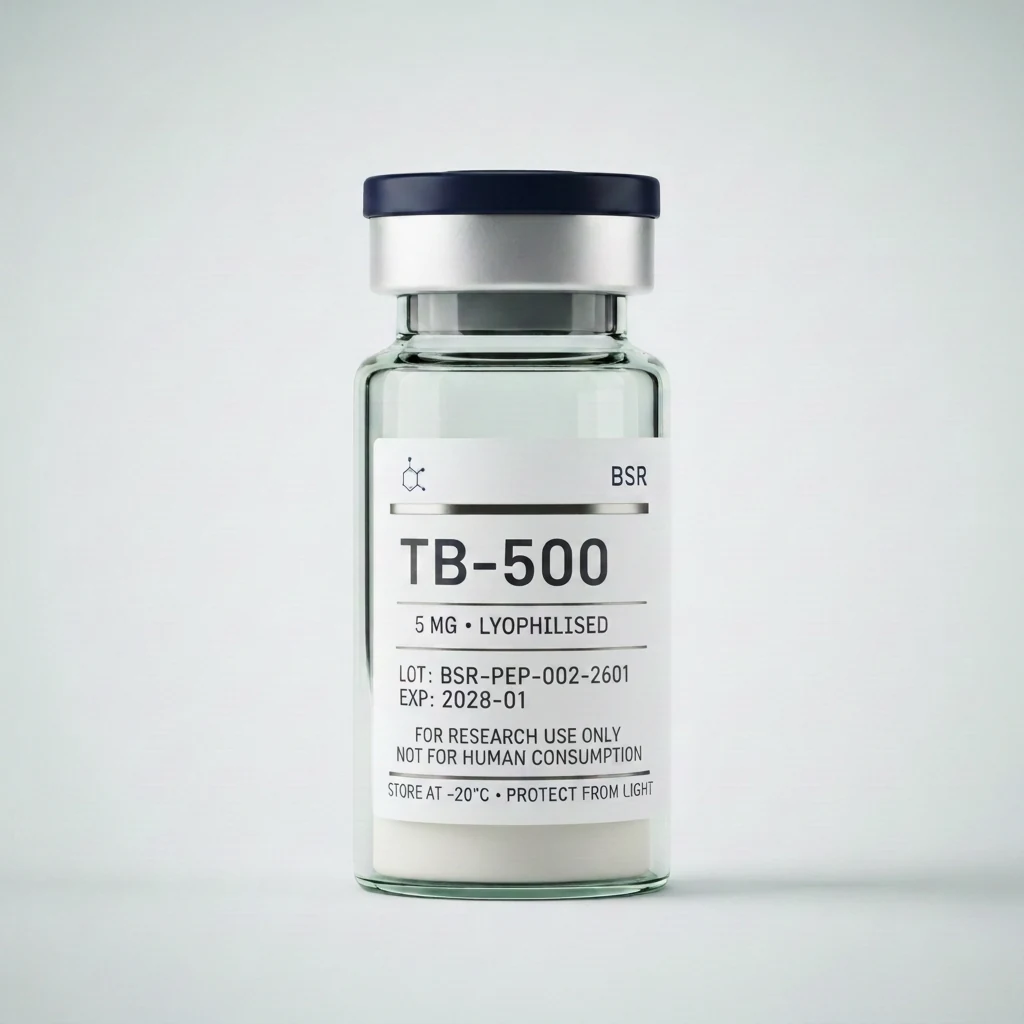
Current supply is research-use only. For any future compounding of these peptides, FDA has emphasised compounders' knowledge of bulk suppliers, testing, and quality. Bulk drug substances marketed as "research grade" or "research use only" may present heightened regulatory and quality risk.
The characterisation finding matters for QA. The FDA's specific objection — that TB-500 free base and acetate are insufficiently characterised by standard nomenclature — carries a direct implication for laboratories procuring the compound. Certificate of Analysis documents should be evaluated against both INN and IUPAC naming standards; discrepancies between supplier documentation and regulatory nomenclature may indicate underlying identity or purity ambiguity.
Storage and stability. The free base is reported stable below −20°C and the acetate below −15°C under specific storage conditions. Procurement teams should ensure cold-chain compliance is audited against the specific form ordered, as the two differ in stability requirements.
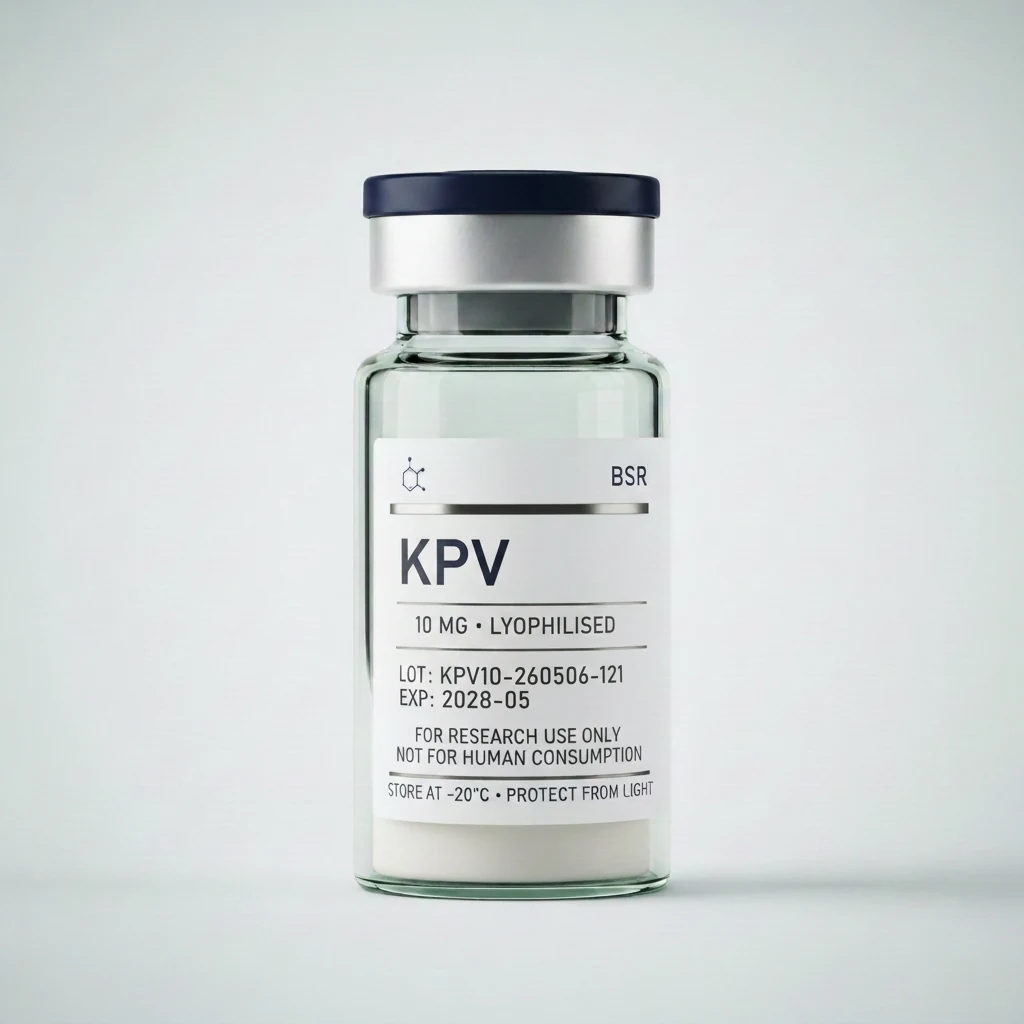
The broader PCAC context. TB-500 sits alongside BPC-157, KPV, and MOTS-c on the 23 July 2026 agenda. FDA is proposing that all seven peptides reviewed across both days — BPC-157, KPV, TB-500, MOTS-c, Emideltide, Epitalon, and Semax — not be added to the 503A Bulks List. A pattern of negative staff recommendations across all seven substances would represent a significant signal about FDA's overall posture toward novel peptides in the compounding framework, regardless of the political context in which the review was convened.
BSR Intelligence will report on the PCAC outcome following the 23–24 July meeting.
BSR Intelligence covers the peptide research supply and regulatory landscape for procurement professionals at UK laboratories. Nothing in this briefing constitutes medical, legal, or investment advice.
Research-grade material, HPLC verified, certificate of analysis with every order.
The week's Intelligence in one email, every Friday morning.
Regulatory moves, trial readouts, supply-chain news. No product pitches. Unsubscribe in one click.
More in Research Pipeline
Beyond the GLP-1 Duopoly: Three October Developments That Signal a Broadening Obesity Pipeline
22 Oct 2026
Thymosin Alpha-1: What 35 Countries of Clinical Use and a Lopsided PCAC Vote Mean for Research Access in 2026
07 Oct 2026
Viking Therapeutics Initiates Oral Maintenance Dosing Study for VK2735: What the GLP-1/GIP Dual Agonist's Two-Part Programme Tells Researchers About the Weight-Regain Problem
06 Oct 2026