Research Pipeline · 24 Jun 2026
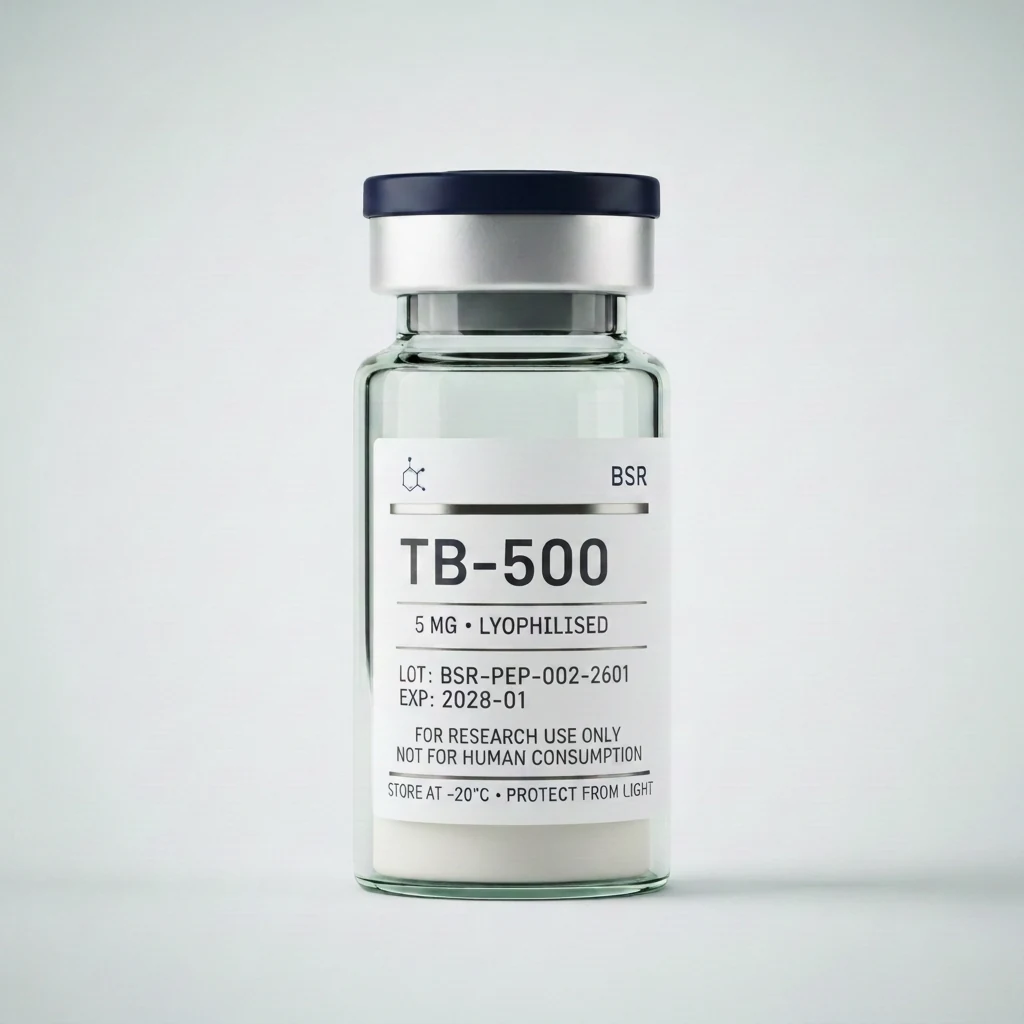
TB-500: What a June 2026 Scoping Review and the July PCAC Agenda Mean for Research Procurement
A peer-reviewed scoping review published on 19 June 2026 maps the TB-500 and thymosin beta-4 evidence base and finds the human clinical literature remains sparse. Combined with the peptide's inclusion on the FDA PCAC Day 1 agenda for 23 July 2026 and its continued prohibition under the 2026 WADA Prohibited List, procurement teams face a layered due-diligence picture that is more complex than the compound's popularity suggests.
12 sources cited
Key takeaways
- A scoping review of thymosin beta-4 (TB4) and TB-500 — published in Applied Sciences on 19 June 2026 — searched PubMed, Europe PMC, and ClinicalTrials.gov through March 2026 and found the evidence base is dominated by preclinical work, with full-length TB4 accounting for the large majority of included interventions and direct TB-500 studies representing a fraction of the reviewed literature.
- TB-500 is on the FDA Pharmacy Compounding Advisory Committee (PCAC) Day 1 agenda for 23 July 2026; the committee will evaluate it for potential inclusion on the 503A Bulks List under a wound-healing indication.
- TB-500 holds no marketing authorisation from the MHRA, EMA, or FDA. It is classified as a prohibited substance under Section S2 of the 2026 WADA Prohibited List, covering peptide hormones, growth factors, related substances, and mimetics.
- Written comments to the FDA docket (FDA-2025-N-6895) that will be provided directly to the PCAC committee must be submitted by 9 July 2026; public comments are accepted through 22 July 2026.
What TB-500 is and how it relates to thymosin beta-4
Thymosin beta-4 (Tβ4) is an endogenous 43-amino-acid peptide found in virtually every mammalian cell. TB-500 is a synthetic 7-amino-acid acetylated fragment — specifically Ac-LKKTETQ — corresponding to residues 17 through 23 of the full Tβ4 sequence, which is the actin-binding domain. The fragment retains pro-angiogenic and cell-migratory activity because it preserves the mechanistically active core of the parent molecule.
The distinction matters for procurement and compliance purposes. No completed human efficacy trials for TB-500 (the 17-amino-acid fragment) had been published as of April 2026, and clinical data involving full-length Tβ4 does not transfer directly to TB-500. The two compounds are routinely conflated in the wellness and biohacker literature, but they occupy different evidence and regulatory positions.
The June 2026 scoping review: what it found
Thymosin beta-4 and TB-500 are widely discussed in tissue healing and musculoskeletal medicine, but the scope and nature of the supporting literature remained unclear — a gap addressed by a scoping review accepted by the journal Applied Sciences in June 2026. Searches were conducted in PubMed, Europe PMC, and ClinicalTrials.gov using controlled vocabulary and keyword terms related to thymosin beta-4/TB-500 and tissue healing, regeneration, or musculoskeletal repair, with the final search executed on 26 March 2026.
TB4 accounted for most included interventions (87.5% of studies), with four studies categorised as derivative or fragment studies and only one as a direct TB-500 study. The review was not designed to estimate treatment effectiveness through quantitative pooling; its objective was to characterise the extent, range, and nature of the evidence, including study designs, tissues studied, proposed mechanisms of action, and major evidence gaps.
The review provides clinicians and researchers with a structured map of the TB4 and TB-500 literature, helping distinguish biological plausibility and preclinical signal from direct human clinical evidence. For research-procurement professionals, the key conclusion is that the compound's mechanistic rationale rests on a well-characterised biological substrate, but that the human trial record for TB-500 itself — as opposed to full-length Tβ4 — remains effectively absent.
The clinical development track: full-length Tβ4 versus TB-500
The most advanced clinical programme associated with the thymosin beta-4 family involves full-length Tβ4 in ophthalmology. RegeneRx Biopharmaceuticals developed RGN-259, a pharmaceutical-grade Tβ4 formulation, primarily for ophthalmology. The ARISE-1 and ARISE-2 Phase 3 trials examined RGN-259 for dry eye disease; results were mixed across endpoints, with some improvements in ocular surface measures but without fully meeting the primary endpoints required for FDA approval.
RGN-259 (0.1% Tβ4 ophthalmic solution) completed Phase III clinical trials for neurotrophic keratopathy and holds orphan drug designation, but has not received FDA marketing approval.
Systemic injectable TB-500 has not been submitted through any IND pathway that has reached approval. For systemic injectable TB-500 in musculoskeletal indications, there are no completed Phase 2 or Phase 3 RCTs. The scoping review's findings are consistent with this picture: strong preclinical and mechanistic biology for the TB4 family, but no human efficacy data for the specific fragment sold as TB-500.
Regulatory status: FDA, MHRA, and WADA
FDA
The FDA currently lists the TB4 fragment (LKKTETQ) among bulk drug substances that may present significant safety risks in compounding, citing limited human exposure and safety data. TB-500 was among the twelve peptides removed from the FDA's Category 2 list effective approximately 22 April 2026 following withdrawal of the original safety-concern nominations. However, these substances currently exist in a regulatory grey zone: they are no longer designated as posing a "significant safety risk," but they have not been affirmatively authorised for compounding under Section 503A or FDA guidance.
The formal scientific hearing is scheduled as the next step. On 23 July 2026, the PCAC will discuss TB-500-related bulk drug substances (TB-500 (free base) / TB-500 acetate) as part of its consideration of substances for inclusion on the 503A Bulks List. According to the published agenda, TB-500 is being reviewed under a wound-healing indication.
Procurement teams should note the multi-stage nature of the process. PCAC's recommendation is non-binding, and formal notice-and-comment rulemaking is required even if PCAC recommends adding a substance to the 503A Category 1 list — a process that, under standard timelines, can take more than a year. A favourable PCAC vote does not place a substance on the 503A Bulks List; it only initiates the formal rulemaking pipeline that could add it.
MHRA and UK position
TB-500 is not licensed by the MHRA for human or veterinary use in the United Kingdom. It is supplied to the laboratory market as a research-use-only reference compound. The MHRA opened investigations in April 2026 into UK clinics making therapeutic claims about unregulated peptide products. Research organisations procuring TB-500 for legitimate in vitro or in vivo preclinical work should ensure that supplier documentation, intended-use declarations, and internal governance records are consistent with research-use-only status.
WADA
The World Anti-Doping Agency classifies TB4 and its derivatives, including TB-500, as prohibited substances under the 2026 Prohibited List. The prohibition falls under Section S2 (Peptide Hormones, Growth Factors, Related Substances and Mimetics) and applies both in competition and out of competition. WADA-accredited laboratories run targeted assays for TB-500; anyone competing under WADA, UK Anti-Doping (UKAD), professional federation rules, or military testing should treat TB-500 as a detectable banned substance.
What "research-use only" means in practice
For UK research-procurement professionals, "research-use only" has a specific and narrow meaning. Peptides supplied under this designation may be used in legitimate laboratory work — characterisation assays, in vitro cell models, rodent-model protocols — but must not be represented as suitable for human administration, dispensed via a pharmacy, or supplied in a form designed for patient use. This is not merely a labelling convention; it reflects the absence of any UK or EU marketing authorisation for the compound and the MHRA's active monitoring of non-compliant suppliers.
When procuring TB-500 for preclinical research, the minimum documentation standard should include a batch-specific Certificate of Analysis showing HPLC purity of at least 98% and mass spectrometry identity confirmation, the supplier's intended-use declaration, and an internal record of the scientific rationale for the purchase. Given the MHRA's April 2026 enforcement activity targeting therapeutic claims, procurement teams at UK institutions should review their supplier due-diligence processes to confirm that research-grade peptide suppliers do not cross-market products for clinical or wellness applications — a practice that may expose both supplier and customer to regulatory scrutiny.
The PCAC docket: timeline and participation
Stakeholders wishing to place formal comment on the TB-500 review should note the following dates confirmed in Federal Register Docket No. FDA-2025-N-6895:
- 9 July 2026 — deadline for written comments to be provided directly to the PCAC committee members
- 22 July 2026 — public comment period closes (comments after 9 July will be considered by FDA but not necessarily reviewed by the committee before the vote)
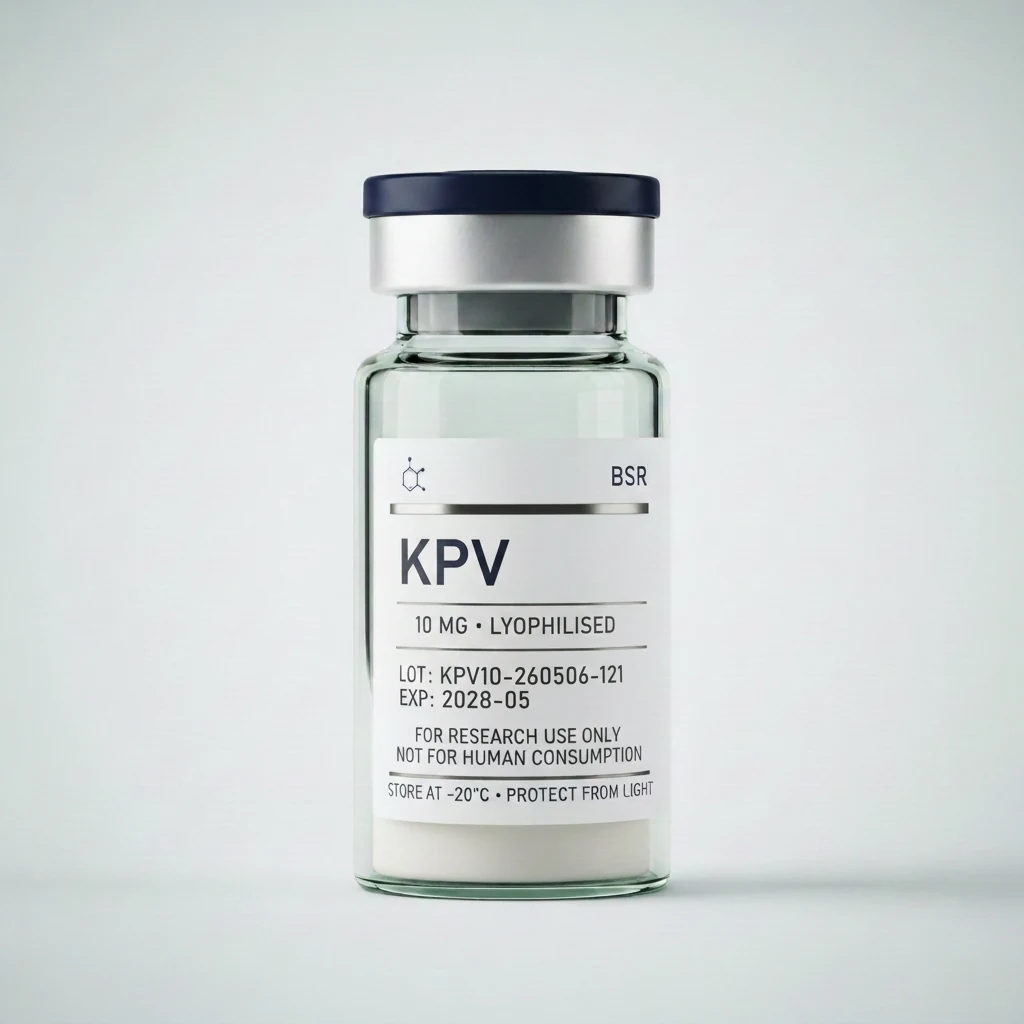
- 23 July 2026 — PCAC Day 1; TB-500, BPC-157, KPV, and MOTS-C reviewed
- 24 July 2026 — PCAC Day 2; Emideltide, Semax, and Epitalon reviewed
The FDA's briefing documents for each substance are released approximately two business days before the meeting — around 21 July for Day 1 items. These documents are the most operationally significant materials for procurement professionals: they contain the FDA's safety review, covering CGMP concerns, impurity profiles, immunogenicity signals, adverse event reports, and any documented cases from animal or human exposure.
UK labs and research institutions that rely on TB-500 for approved preclinical programmes should monitor the PCAC outcome closely. A favourable recommendation will not immediately change UK or MHRA status — the FDA and MHRA are separate regulators — but the US regulatory trajectory often informs risk appetite and supplier behaviour in the global research-grade peptide market.
Summary for procurement
TB-500 sits at an unusual intersection of mature preclinical biology, thin human clinical data, and imminent regulatory review. The June 2026 scoping review in Applied Sciences confirms that the compound's evidence base is predominantly preclinical and that full-length Tβ4 — not TB-500 itself — underpins most of the clinical literature. The July 2026 PCAC hearing may initiate a formal rulemaking pathway in the US, but even an optimistic outcome would take 12 to 24 months to yield a change in legal compounding status. In the UK, MHRA licensing status remains unchanged, WADA prohibition is in force, and MHRA enforcement activity has increased. Procurement decisions should be grounded in this full picture, not in the political momentum around the Category 2 removals.
Research-grade material, HPLC verified, certificate of analysis with every order.
The week's Intelligence in one email, every Friday morning.
Regulatory moves, trial readouts, supply-chain news. No product pitches. Unsubscribe in one click.
More in Research Pipeline
Thymosin Alpha-1: What 35 Countries of Clinical Use and a Lopsided PCAC Vote Mean for Research Access in 2026
07 Oct 2026
Viking Therapeutics Initiates Oral Maintenance Dosing Study for VK2735: What the GLP-1/GIP Dual Agonist's Two-Part Programme Tells Researchers About the Weight-Regain Problem
06 Oct 2026
GHK-Cu: What a Fresh Diabetic Wound Study and a Recruiting Phase 2 Trial Mean for the Copper Peptide's Research Standing
03 Oct 2026