Pharma & GLP-1 · 05 Nov 2026
AstraZeneca's $10 Billion Offer for Rhythm Pharmaceuticals: What a Cyclic Peptide Acquisition Signals for the Obesity Drug Race
AstraZeneca has made a reported non-binding offer of approximately $10 billion to acquire Rhythm Pharmaceuticals, the maker of setmelanotide (Imcivree) — an FDA-approved cyclic octapeptide that targets the melanocortin-4 receptor in rare genetic obesity. The proposed deal, which would be executed through AstraZeneca's rare-disease unit Alexion, positions the British pharma group for a commercial foothold in the fast-growing obesity market and underscores how peptide-based mechanisms are…
19 sources cited
Key takeaways
- AstraZeneca has reportedly made a non-binding offer of approximately $10 billion for Rhythm Pharmaceuticals, maker of setmelanotide (Imcivree), an FDA-approved cyclic octapeptide for rare genetic obesity.
- The deal, if confirmed, would be executed through Alexion, AstraZeneca's rare-disease subsidiary.
- Setmelanotide is a melanocortin-4 receptor (MC4R) agonist that bypasses upstream genetic defects in the leptin–melanocortin pathway to restore satiety signalling.
- Rhythm expanded its bivamelagon licence with LG Chem to as much as $855 million days before the offer emerged, further strengthening the pipeline that AstraZeneca is seeking to acquire.
- The proposed acquisition is the latest in a string of large-cap deals centred on peptide or peptide-adjacent mechanisms, reinforcing a structural trend BSR has tracked throughout 2026.
The offer and its terms
AstraZeneca made a non-binding offer of about $10 billion to acquire Rhythm Pharmaceuticals, according to three people familiar with the matter cited by Reuters on 4 November 2026. The proposal values Rhythm at up to $134 per share including milestone payments; the Wall Street Journal had earlier reported a $124-per-share offer.
Rhythm's shares jumped 28% to $110.68 on the news, lifting its market capitalisation to around $7.64 billion. Neither company had formally confirmed or commented on the offer as of publication.
The acquisition would be pursued through AstraZeneca's rare-disease business Alexion, which the company acquired for $39 billion in 2021 to expand beyond its core oncology and biopharmaceutical franchises.
It is worth noting that this remains a reported, non-binding proposal. The offer is a reported offer, not a signed, board-approved agreement, and whether Rhythm's board has accepted anything is not confirmed.
What AstraZeneca would be acquiring
Setmelanotide is not a GLP-1 compound. It operates through an entirely distinct peptide mechanism that is worth understanding precisely, because it illustrates why peptide-based drugs continue to attract premium valuations.
Setmelanotide is a synthetic, cyclic octapeptide (8-amino-acid-containing peptide) that functions as a potent MC4R agonist. It binds with high affinity to the human MC4R and is efficient in activating it, with a 50% effective concentration of 0.27 nM.
Setmelanotide is a cyclic high-affinity peptide with a G-protein signalling profile biased towards Gq/11 (phospholipase C activation) and a 20-fold receptor subtype selectivity towards MC4R compared to natural α-MSH. In contrast to other MC4R agonists, setmelanotide does not cause common Gs signalling-related adverse effects, such as tachycardia or hypertension.
For patients with obesity caused by incomplete activation of MC4R due to POMC, PCSK1, or LEPR deficiency, setmelanotide can restore the MC4R pathway, thereby reducing appetite and increasing energy expenditure. This bypass mechanism is clinically relevant precisely because GLP-1 agonists do not correct defects at the level of the melanocortin pathway; the two drug classes address different aetiologies and are therefore not straightforwardly competitive.
Rhythm's commercial asset, Imcivree, received initial FDA approval in 2020 for POMC, PCSK1, and LEPR deficiency. In March 2026 the FDA expanded its use to obesity caused by brain damage (hypothalamic obesity).
The strategic logic for AstraZeneca
AstraZeneca CEO Pascal Soriot is seeking to shift investors' focus back to growth after a turbulent few months. The company, which has a $292 billion market value, faced some clinical trial setbacks, and reports of a potentially transformative deal with US rival Bristol Myers Squibb had weighed on the shares.
For AstraZeneca, a deal would bolster its rare-disease and specialty-medicines portfolio after a period of clinical setbacks, as chief executive Pascal Soriot looks to refocus investors on growth.
While Rhythm's therapies target rare genetic forms of obesity rather than the broader weight-loss market, an acquisition would give AstraZeneca an established commercial presence in the fast-growing field while expanding its rare-disease portfolio.
The obesity drug market has become one of the pharmaceutical industry's most coveted sectors, driven by strong demand for treatments from Novo Nordisk and Eli Lilly, with expectations that sales could exceed $100 billion annually over the next decade.
The pipeline reinforcement is also notable. Just this week, on November 3, Rhythm expanded its bivamelagon licence with LG Chem to as much as $855 million and paired it with a $750 million financing. Bivamelagon is a next-generation MC4R agonist in Rhythm's pipeline, and its expanded licence adds prospective value to whatever AstraZeneca would inherit in a confirmed deal.
Setmelanotide in context: a peptide drug among peptide drugs
The Rhythm offer arrives amid a broader pattern of large-cap acquisitions centred on peptide or peptide-adjacent molecules. Earlier in 2026, Gilead Sciences paid $1.275 billion for PepStar Therapeutics and its oral macrocyclic peptide platform. The Samsung Biologics / PolyPeptide Group deal — in which Samsung Biologics secured a 97.98% acceptance rate in its tender offer for PolyPeptide Group, a global peptide contract development and manufacturing organisation, with the definitive result published today — reflects parallel consolidation on the manufacturing side of the same supply chain.
With the FDA's recent expansion of the indication for Rhythm's therapy, Imcivree, this acquisition could position AstraZeneca as a leader in a market projected to exceed $100 billion in annual sales over the next decade.
For UK research procurement teams, the relevance is structural rather than immediate. Setmelanotide is an approved drug, not a research-use-only compound, so it does not appear in the standard peptide catalogue used by academic and CRO labs. However, its rising commercial profile is driving demand for reference standards, assay reagents, and receptor-binding research tools linked to the melanocortin pathway. Setmelanotide was developed from structure–activity relationship studies on the His-D-Phe-Arg-Trp melanocortin pharmacophore, with flanking residues and macrocyclic constraints optimised to achieve high MC4R selectivity. Analogues and pharmacophore fragments derived from that SAR work are regularly used in academic receptor-binding assays, and demand for related compounds tends to track commercial interest in the target.
Procurement considerations
Three points merit attention for procurement professionals monitoring the peptide supply landscape:
Reference material sourcing. An AstraZeneca acquisition would not change the existing supply of setmelanotide API, which is manufactured under GMP for Imcivree. Research-grade setmelanotide analogues and MC4R-active fragments sourced from non-GMP suppliers for in vitro assay work are unaffected by corporate ownership changes. Nonetheless, procurement teams should verify that any research-grade MC4R-active peptide is sourced from an accredited manufacturer with a verifiable Certificate of Analysis, particularly as commercial interest in the target increases and the risk of substandard product entering the market rises.
Pipeline implications. Rhythm is also developing treatments for additional rare neuroendocrine and metabolic diseases. AstraZeneca's backing, if the deal completes, would accelerate those programmes and broaden the range of peptide targets requiring research tools.
Deal certainty. This remains a reported, non-binding offer. Procurement teams should not adjust supplier relationships or research plans on the basis of an unconfirmed transaction. BSR will monitor for a definitive agreement announcement.
Context: the broader HHS peptide policy dispute
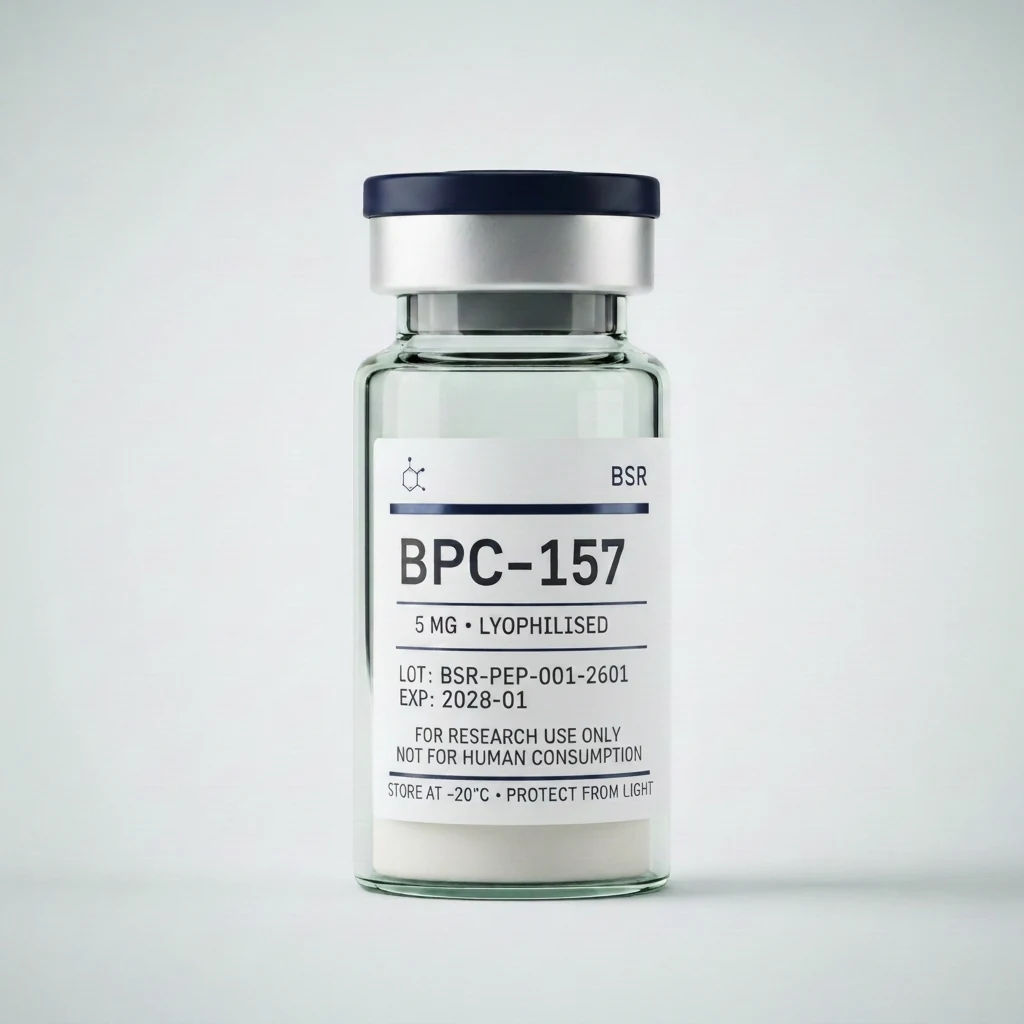
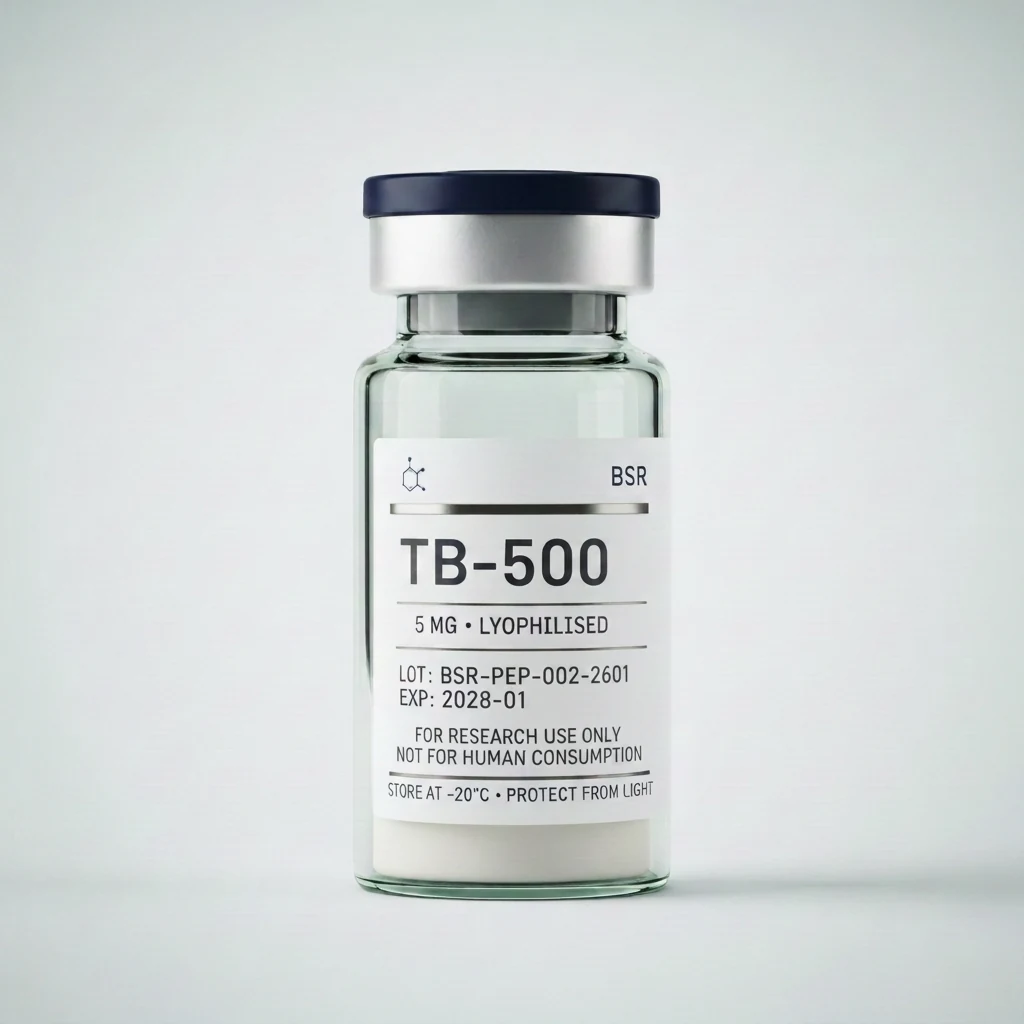
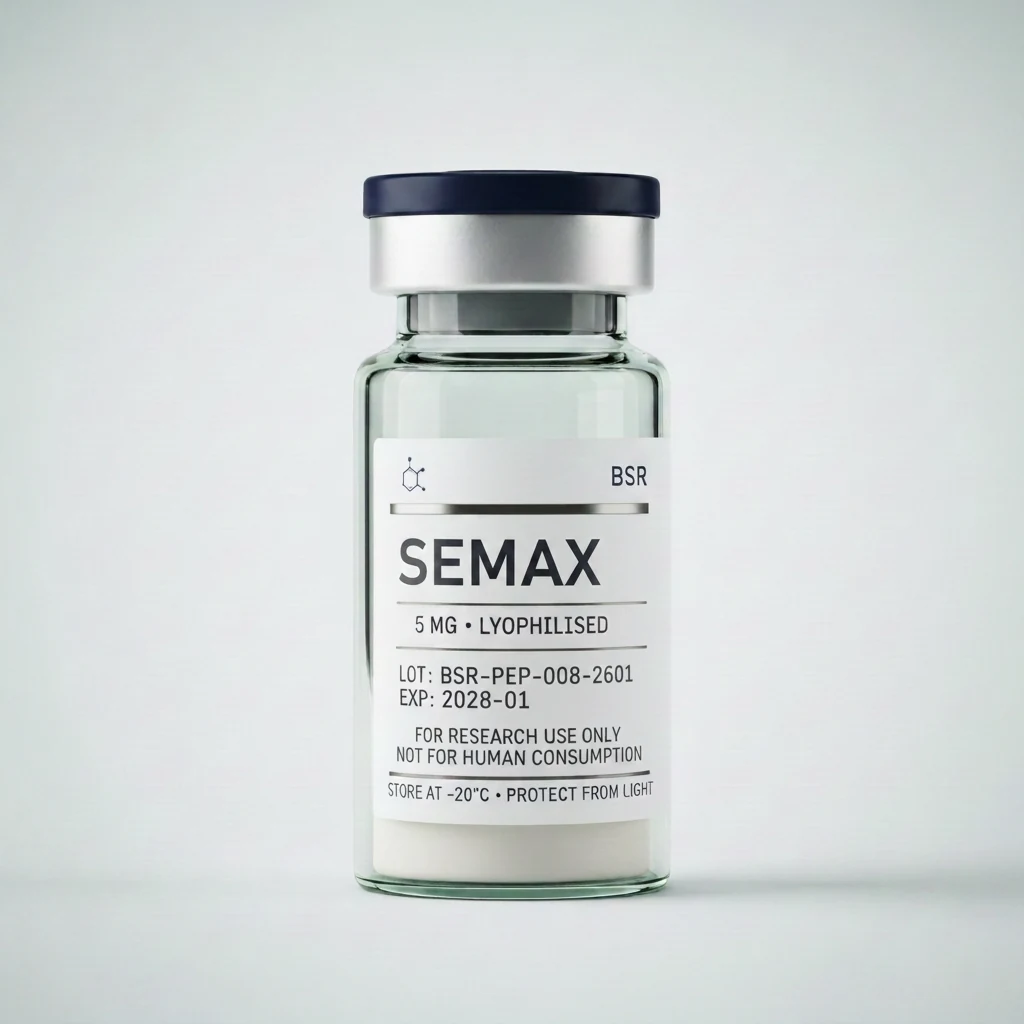
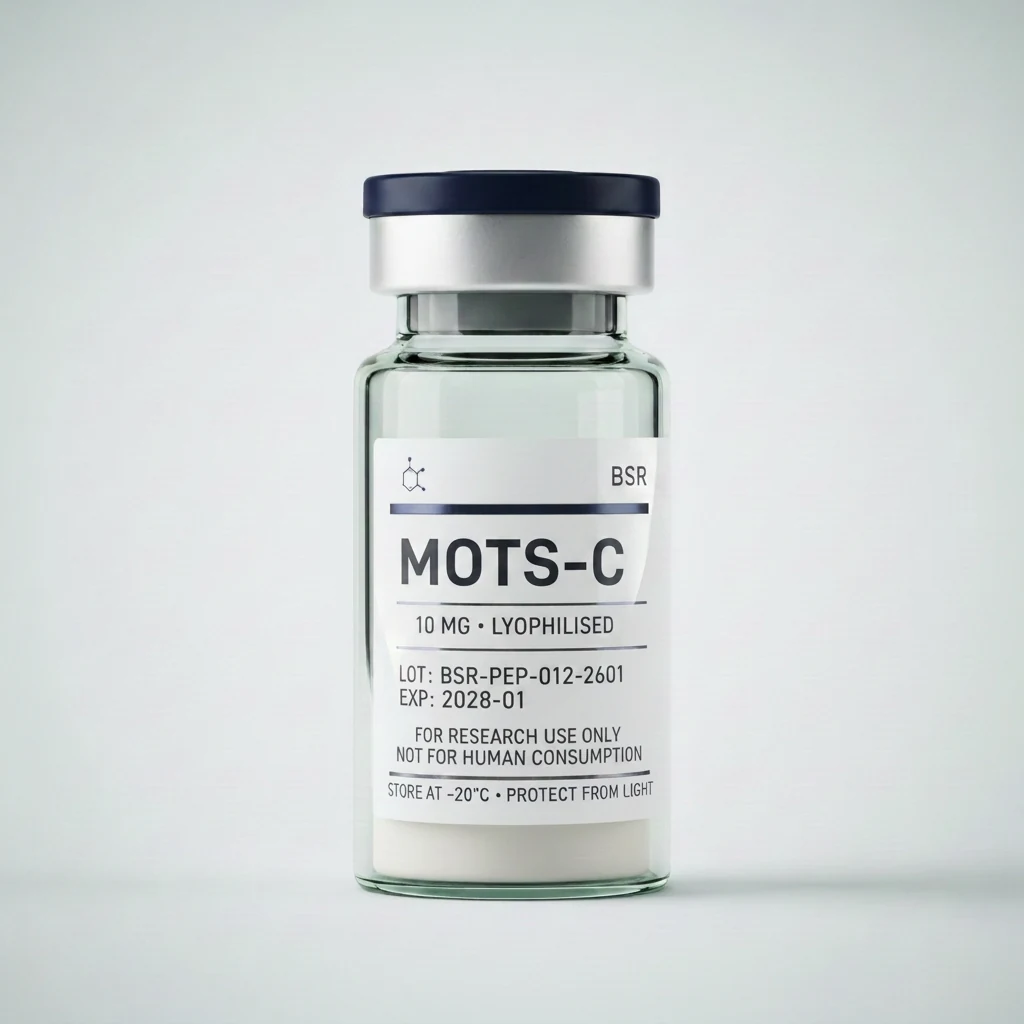
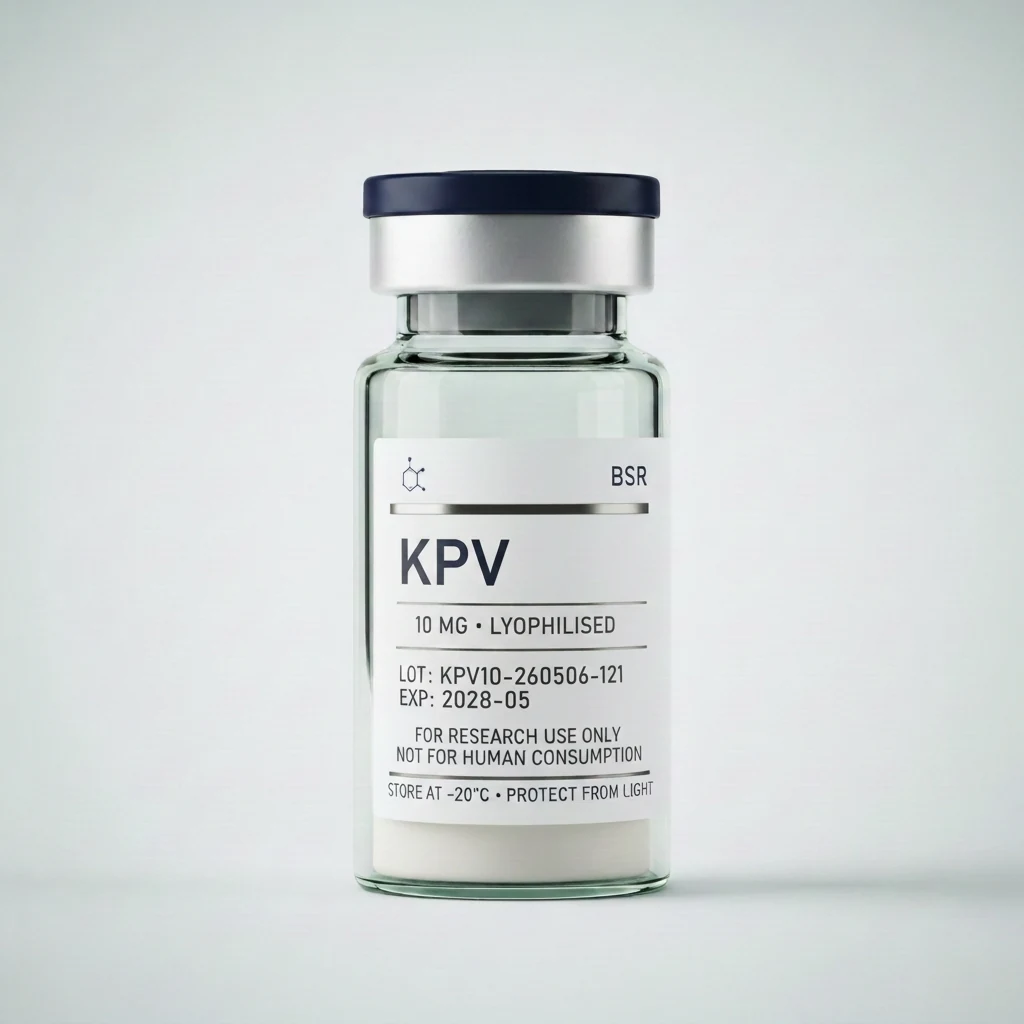
Separately, the US regulatory environment for unscheduled research peptides remains contested. The enforcement discretion plan for six unapproved peptides (BPC-157, TB-500, KPV, MOTS-c, Semax, and Epitalon) comes from HHS rather than FDA. FDA scientists had little say in the latest draft policy and largely oppose it, according to the Associated Press, citing six people familiar with the process. STAT reported that FDA's own career scientists objected to the policy, citing scant evidence the six are safe or effective. Infectious disease physician Céline Gounder characterised it as "permission without proof."
Comments on the HHS policy remain open through 13 November 2026, on docket HHS-OASH-2026-0496 at regulations.gov. This is distinct from the setmelanotide / AstraZeneca story, but both developments illustrate the same underlying dynamic: peptide-based mechanisms — whether approved, pipeline, or unapproved — are under greater scrutiny and generating greater commercial interest simultaneously.
Research-grade material, HPLC verified, certificate of analysis with every order.
The week's Intelligence in one email, every Friday morning.
Regulatory moves, trial readouts, supply-chain news. No product pitches. Unsubscribe in one click.
More in Pharma & GLP-1
Gilead Pays $1.275 Billion for an Oral Macrocyclic Peptide: What the PepStar Deal Signals for the Next Wave of Peptide Drug Development
26 Oct 2026
Novo Nordisk Bets €1.165 Billion on Atomic Layer Deposition: What the Nanexa PharmaShell Deal Means for Long-Acting Peptide Formulation
24 Oct 2026
EMA's CHMP Backs Orforglipron for the EU: What the Non-Peptide GLP-1 Opinion Means for the Research Landscape
17 Oct 2026