Reputational Risks · 04 Nov 2026
Australia's First Confirmed Peptide Fatality: What the CJC-1295 and Ipamorelin Coroner's Findings Mean for Research Procurement
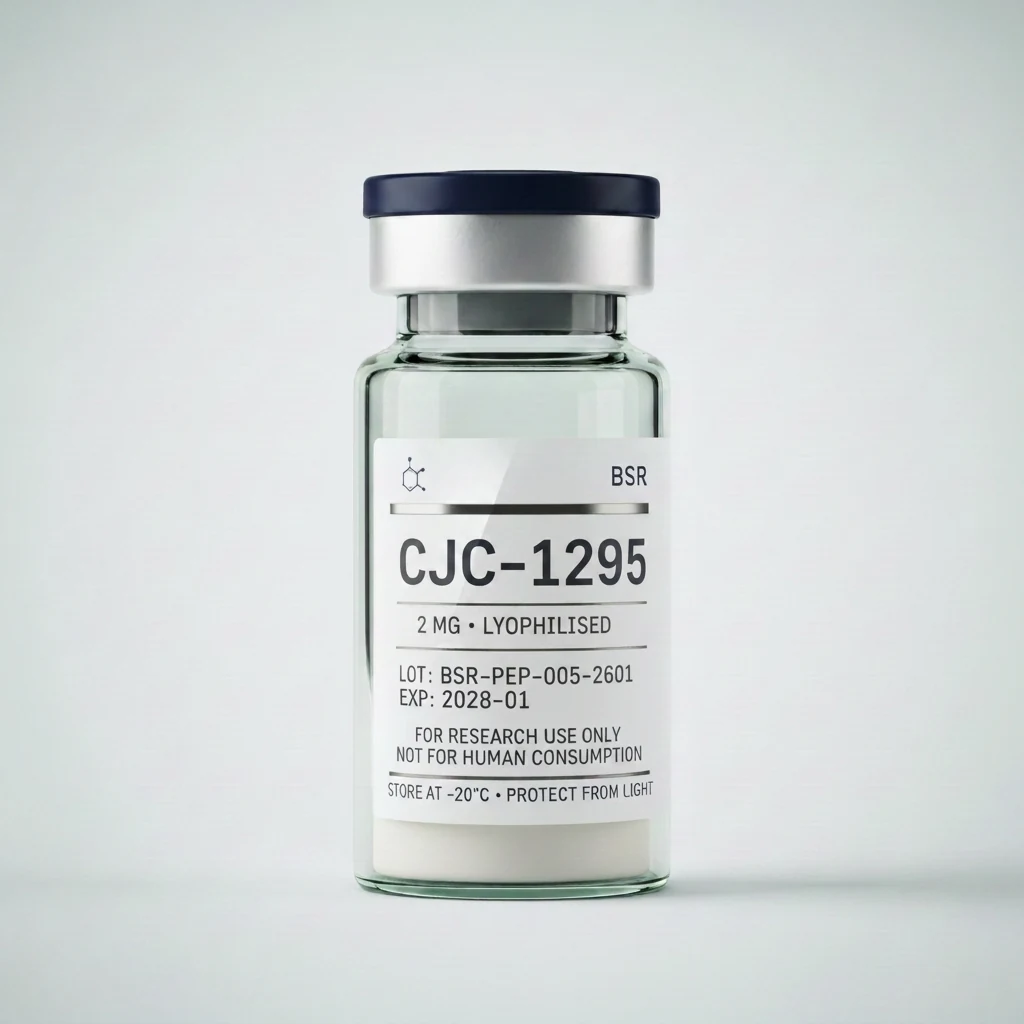
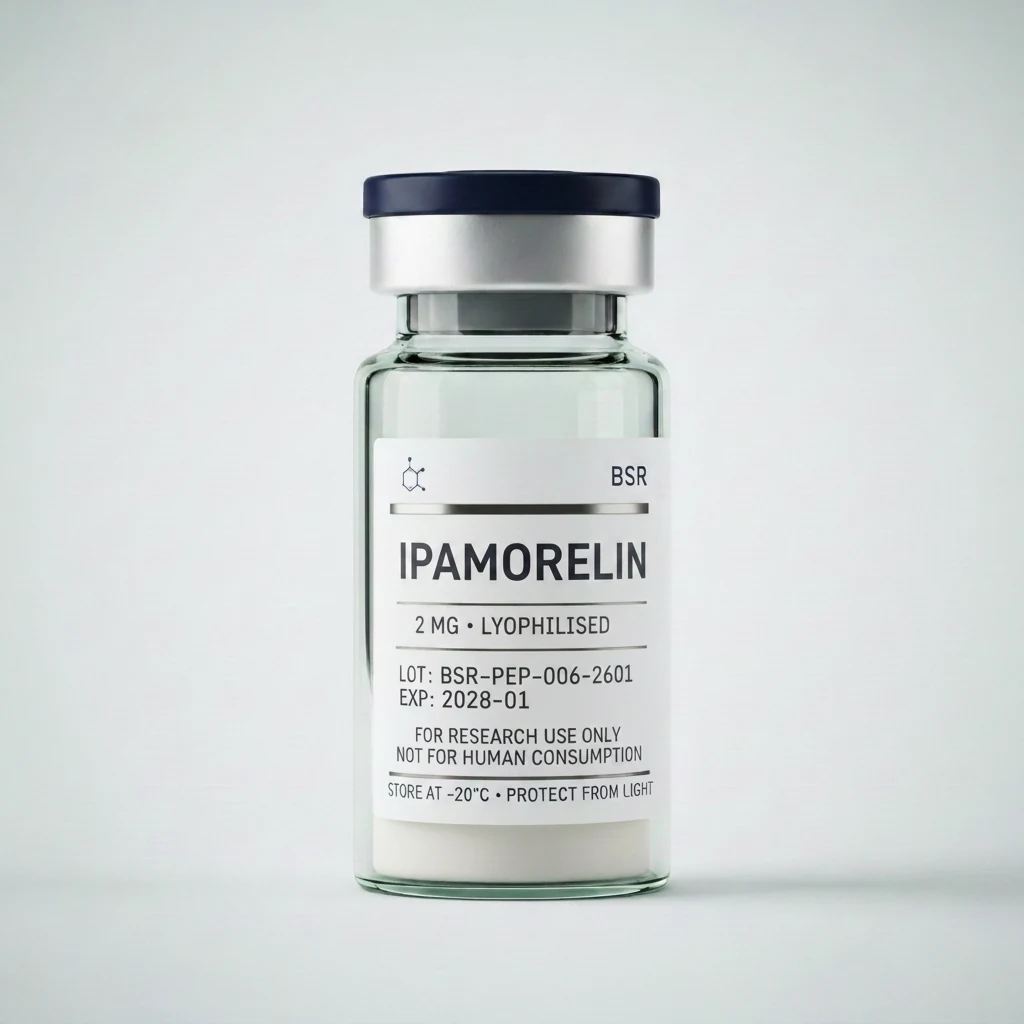
A Victorian coroner has found that the March 2025 death of Australian actor Richard Norton was triggered by injections of unapproved peptides CJC-1295 and Ipamorelin, recommending the TGA consider reclassifying both substances to restrict their use to clinical trials. The case — believed to be Australia's first confirmed peptide fatality — has heightened regulatory scrutiny internationally and carries direct implications for research institutions handling growth-hormone-releasing peptides.
12 sources cited
Key takeaways
- Victorian Coroner David Ryan ruled on 28 October 2026 that the death of Australian actor Richard Norton was "triggered by" injections of unapproved peptides CJC-1295 and Ipamorelin.
- The case is believed to be the first confirmed fatality in Australia linked to unapproved peptide use.
- The coroner recommended Australia's Therapeutic Goods Administration (TGA) review whether both substances should be reclassified from Schedule 4 (prescription-only) to Schedule 10, which would restrict their use to clinical trials and experimental settings.
- Neither CJC-1295 nor Ipamorelin is included in the six peptides covered by the October 2026 HHS enforcement discretion policy, nor were they among the substances considered at the July 2026 FDA Pharmacy Compounding Advisory Committee meeting.
- The case reinforces the importance of sourcing peptides for legitimate research use only, with robust documentation of institutional oversight.
Background: the coroner's findings
Coroner David Ryan found that the death of Australian actor Richard Norton was "triggered by" his injection of unapproved peptides, specifically CJC-1295 and Ipamorelin, following a coronial inquest into his March 2025 death. Norton's death is believed to be the first in Australia known to have been triggered by unapproved peptide use.
The coroner concluded that an injection of CJC-1295 and Ipamorelin caused anaphylaxis — a severe allergic reaction — which led to his collapse, while asthma and hypertrophic cardiomyopathy also contributed. In the days prior to his collapse, Norton had disclosed to a nurse that he had been injecting double the prescribed dose.
A doctor had prescribed CJC-1295 and Ipamorelin in injectable form, and the products were made by a licensed compounding pharmacy in Queensland. During initial consultations, the prescribing doctor and Norton discussed the experimental nature of the treatment, the potential risks, and the lack of TGA-approved alternatives.
The coroner's report noted that the Australian Health Practitioner Regulation Agency received a notification raising concerns about the treating doctor's care of Norton. A review of the practice identified concerns about clinical record-keeping, and the Medical Board of Australia issued a caution and imposed conditions on the practitioner. Norton's doctor subsequently advised the Medical Board that he will no longer prescribe peptides.
Coroner's regulatory recommendations
The coroner recommended that the TGA review the therapeutic benefits and safety risks of peptides such as CJC-1295 and Ipamorelin, and "consider whether further restrictions ought to be imposed on their use."
The recommendation was notably specific in its proposed mechanism. The coroner suggested the regulator consider shifting these substances from Schedule 4 prescription-only medications to Schedule 10, which would restrict their use exclusively to clinical trials or experimental settings. Schedule 10 is the most restrictive category in the Australian Therapeutic Goods Act, reserved for substances considered too dangerous for general prescribing and permissible only in formally approved research contexts.
An independent clinical assessment cited in the investigation stated: "There is insufficient evidence that CJC1295/Ipamorelin is safe, effective or beneficial for human use."
Following the coroner's findings, Independent MP Dr Monique Ryan renewed her call for a parliamentary inquiry into Australia's online healthcare market.
What are CJC-1295 and Ipamorelin?
CJC-1295 and Ipamorelin are laboratory-synthesised peptides designed to prompt the body to release more growth hormone. They stimulate the body's natural production of growth hormone and are typically promoted for muscle growth, weight loss, and recovery enhancement. The two compounds are frequently co-administered as a stack — CJC-1295 acting as a growth-hormone-releasing hormone (GHRH) analogue with an extended half-life, and Ipamorelin functioning as a selective ghrelin-receptor agonist.
Early human studies showed that a single dose of CJC-1295 raised growth hormone and IGF-1 levels for several days, but it never completed development as an approved drug. Ipamorelin raises growth hormone short term but did not show clear benefit in its principal surgical trial, and no trial has tested the combination for health outcomes.
Under the 2026 World Anti-Doping Agency Prohibited List, both CJC-1295 and Ipamorelin are prohibited in competition under Section S2 (Peptide Hormones, Growth Factors, Related Substances, and Mimetics).
Regulatory status: US and UK
The Australian case has international resonance because neither compound holds approved status in any major jurisdiction.
In the United States, both CJC-1295 and Ipamorelin were on FDA's 503A Category 2 list until April 2026, when FDA removed both from Category 2 after the nominations were withdrawn. As of September 2026, neither CJC-1295 nor Ipamorelin is eligible for 503A compounding, so neither can be legally compounded under Section 503A, and neither has an FDA-approved indication.
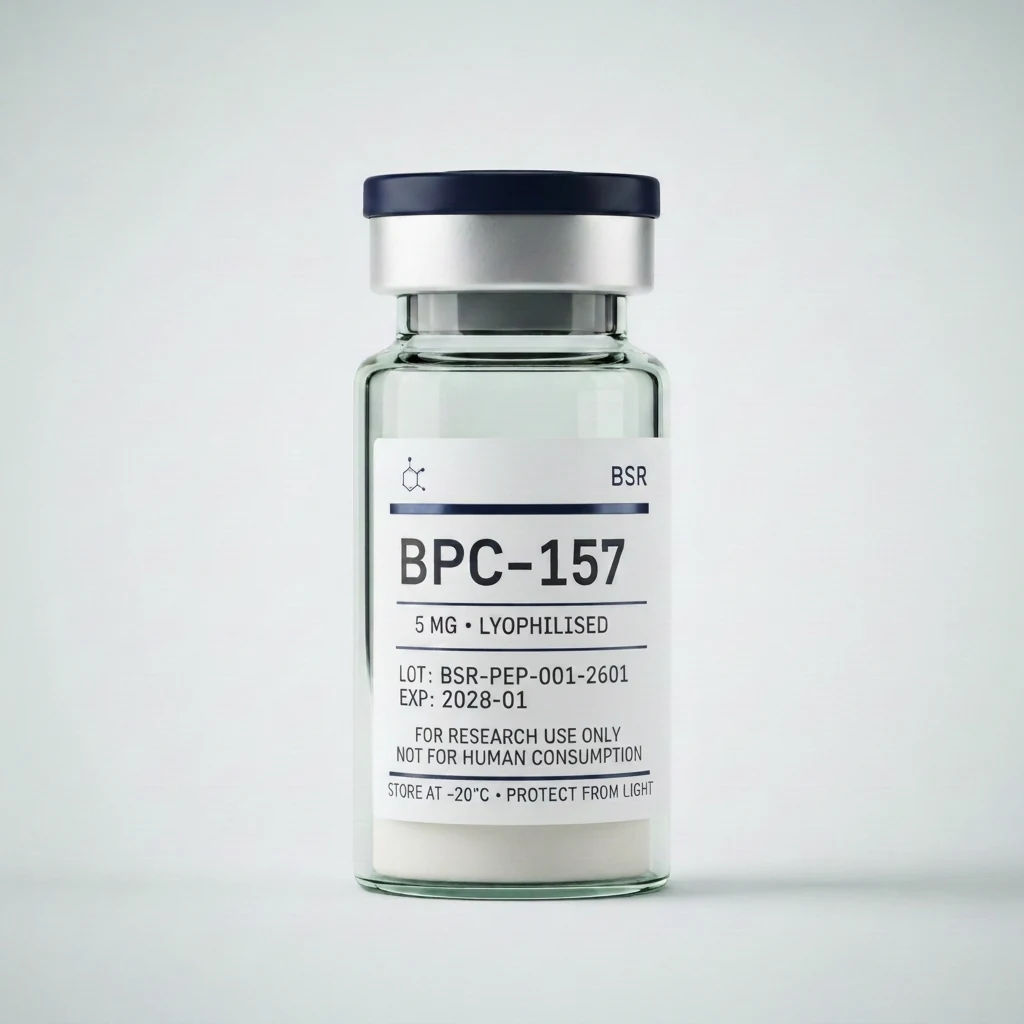
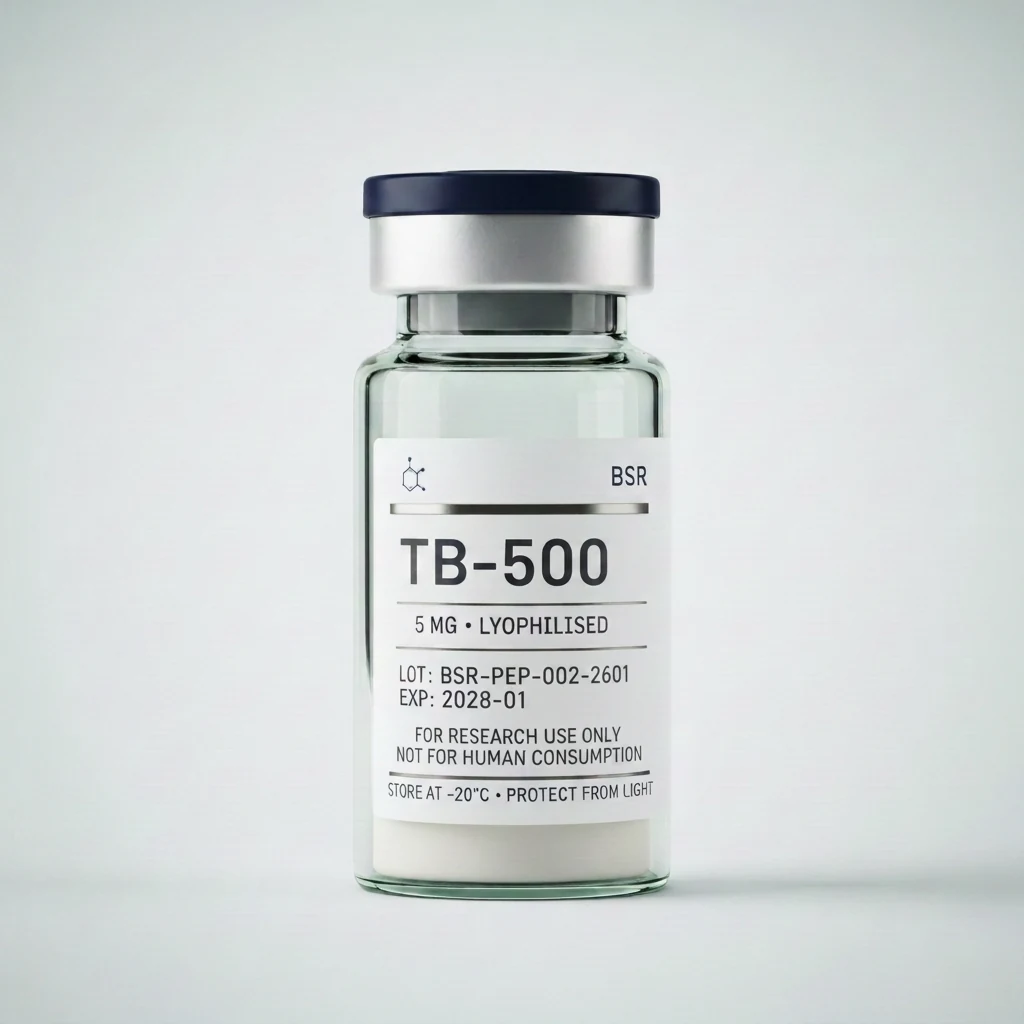
Critically, CJC-1295 and Ipamorelin are not among the six peptides covered by HHS's October 2026 enforcement discretion policy. That policy — covering BPC-157, Epitalon, KPV, MOTS-c, Semax, and TB-500 — does not extend to growth-hormone-secretagogue peptides. Neither was on the July 2026 Pharmacy Compounding Advisory Committee agenda.
In the United Kingdom, neither CJC-1295 nor Ipamorelin is authorised as a medicinal product by the MHRA, and no licensed compounded preparation exists for either compound. Both fall within the category of unapproved active substances under the Human Medicines Regulations 2012. Supply for human use without a valid marketing authorisation or appropriate clinical trial authorisation would constitute a regulatory breach.
For research purposes in the UK, peptides such as CJC-1295 and Ipamorelin may be procured for in vitro or preclinical animal studies under the banner of research-use-only materials, subject to the institution holding appropriate Home Office project licences where animal work is involved and to full documentation of the research purpose. The Australian case illustrates with particular force the consequences of that research-only designation being disregarded.
Implications for research procurement
Three procurement-level lessons emerge from the coroner's findings and the broader regulatory picture:
Documentation of intended use. The Australian compounding pharmacy supplied a prescription-only product for clinical administration to a patient. Research institutions procuring CJC-1295 or Ipamorelin for legitimate in vitro work face a different framework, but the case will almost certainly invite greater scrutiny of supply chains, end-use declarations, and institutional oversight documentation. Procurement officers should ensure that purchase orders reference the specific research protocol, the responsible named scientist, and the institutional ethics or project licence under which the work proceeds.
Quality and purity records. FDA staff have written safety provisions into the new 503A compounding framework for the six approved peptides, requiring pharmacies to buy peptide ingredients from FDA-registered factories, test their purity, and track side effects. Although this framework does not cover CJC-1295 or Ipamorelin, it sets a standard of expectation for purity verification that research suppliers should be held to as well. Certificates of Analysis should include third-party HPLC and mass spectrometry confirmation.
Oversight of supply to non-research settings. The coroner's recommendation places renewed focus on the TGA's oversight of unapproved peptides, with regulatory changes contingent on the regulator's assessment and any subsequent decisions. If the TGA moves towards Schedule 10 reclassification, it could restrict importation into Australia and prompt analogous reviews by other regulators. MHRA and EMA have both indicated ongoing vigilance regarding unlicensed peptide products entering clinical settings without appropriate authorisation.
What to watch
The TGA has not yet responded publicly to the coroner's recommendation. A formal TGA review under the Australian Therapeutic Goods Act could take several months; any reclassification to Schedule 10 would require a separate legislative instrument and a consultation period. Research institutions with Australian partnerships, or those exporting research materials to Australian collaborators, should monitor TGA communications closely.
In the UK, the MHRA has not issued specific guidance on CJC-1295 or Ipamorelin following the Australian findings, but the case may feature in broader conversations about peptide oversight as debate in Westminster continues around the rapidly evolving landscape of GLP-1 and growth-hormone compounds.
This briefing is for research information purposes only. It does not constitute legal, regulatory, or medical advice. Procurement decisions should be made in consultation with institutional compliance officers and relevant regulatory guidance.
Research-grade material, HPLC verified, certificate of analysis with every order.
The week's Intelligence in one email, every Friday morning.
Regulatory moves, trial readouts, supply-chain news. No product pitches. Unsubscribe in one click.
More in Reputational Risks
Filthy Warehouse, 12,000 Counterfeit Pens, and a Clinic Inquiry: What the MHRA's October Enforcement Blitz Means for UK Research Procurement
23 Oct 2026
Two Deaths, Eleven Lawsuits, and a Congressional Letter: The Mounting Enforcement Response to Illicit Retatrutide
21 Oct 2026
Sterility Failure at a Forewarned Compounder: What the Apothecary Pharma Tirzepatide Recall Reveals About Persistent Quality Gaps
20 Oct 2026