Research Pipeline · 20 Aug 2026
BPC-157 After the PCAC Vote: What the 8-6 Decision Means, Where the Evidence Stands, and What Comes Next
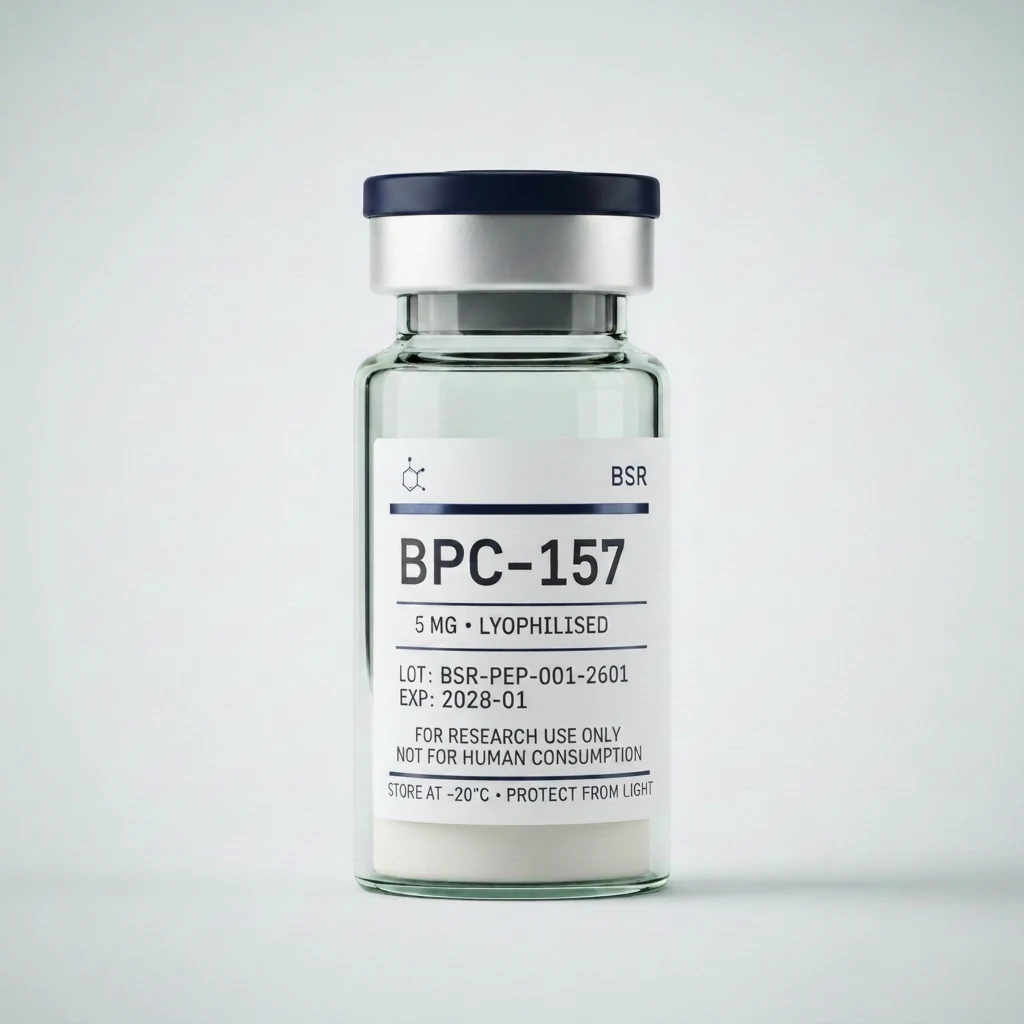
The FDA's Pharmacy Compounding Advisory Committee voted 8-6 on 23 July 2026 to recommend BPC-157 for the 503A Bulk Drug Substances List — overruling its own career scientists. The vote is non-binding, formal rulemaking will take at least 12 months, and the human evidence base remains extremely thin. This briefing sets out what the decision means in practice for research procurement teams.
12 sources cited
Key takeaways
- The FDA Pharmacy Compounding Advisory Committee (PCAC) voted 8-6 on 23 July 2026 to recommend BPC-157 for potential inclusion on the Section 503A Bulk Drug Substances List — against the written recommendation of FDA career scientists.
- The vote is non-binding. Legally compounded BPC-157 cannot reach a pharmacy counter until the FDA completes formal notice-and-comment rulemaking, a process legal analysts estimate will take a minimum of 12 to 24 months.
- As of mid-2026, no large-scale peer-reviewed Phase I–III clinical trials of BPC-157 in humans have been published in major medical journals.
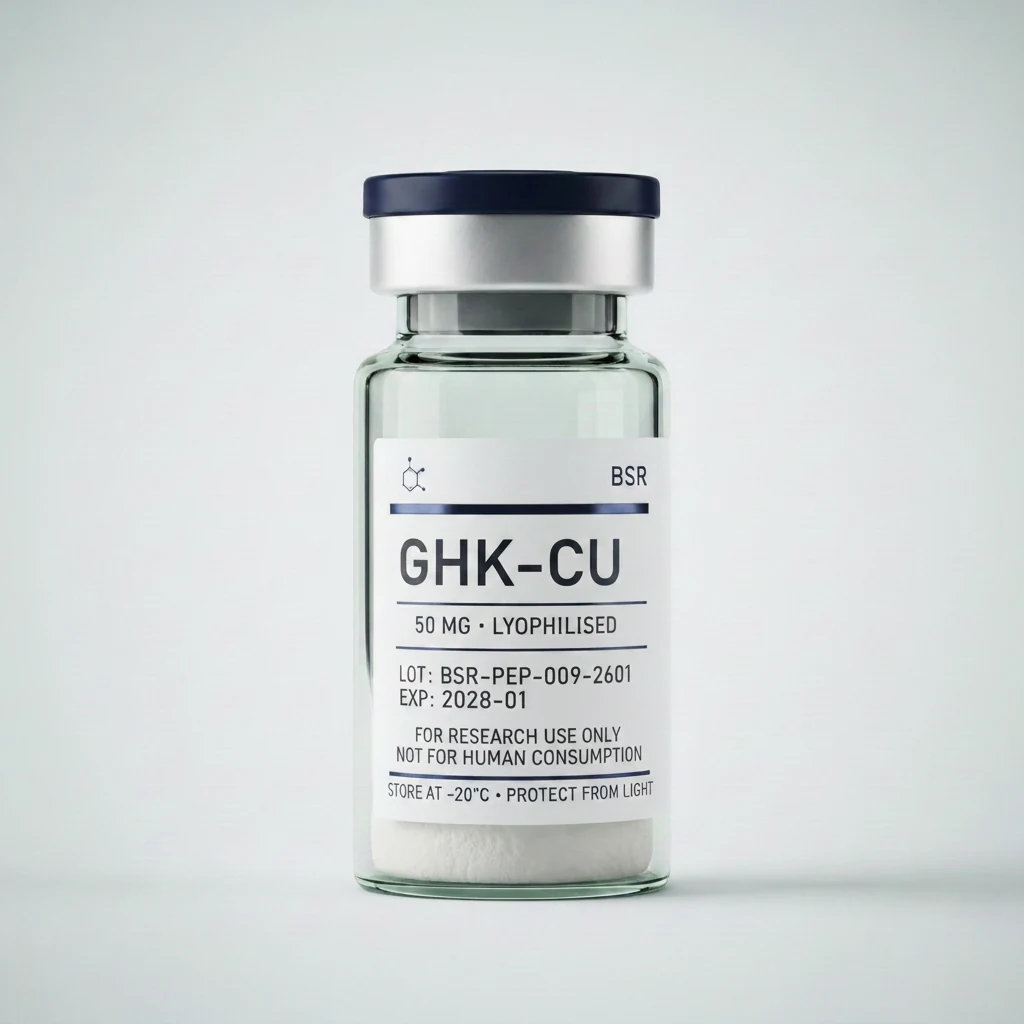
- A second PCAC meeting is scheduled before the end of February 2027 to evaluate five additional peptides, including GHK-Cu and Melanotan II, signalling a continuing wave of regulatory review.
- For UK research procurement teams, the compound remains unapproved in both the US and UK; access for legitimate research purposes continues to require careful supplier vetting, rigorous chain-of-custody documentation, and compliance with "research use only" supply frameworks.
What happened at the July 2026 PCAC meeting
The FDA's Pharmacy Compounding Advisory Committee met at the agency's White Oak campus in Silver Spring, Maryland, on 23 and 24 July 2026 to review seven peptides for potential inclusion on the Section 503A Bulk Drug Substances List. The two-day session was described by observers as the most contested regulatory moment in the modern peptide industry.
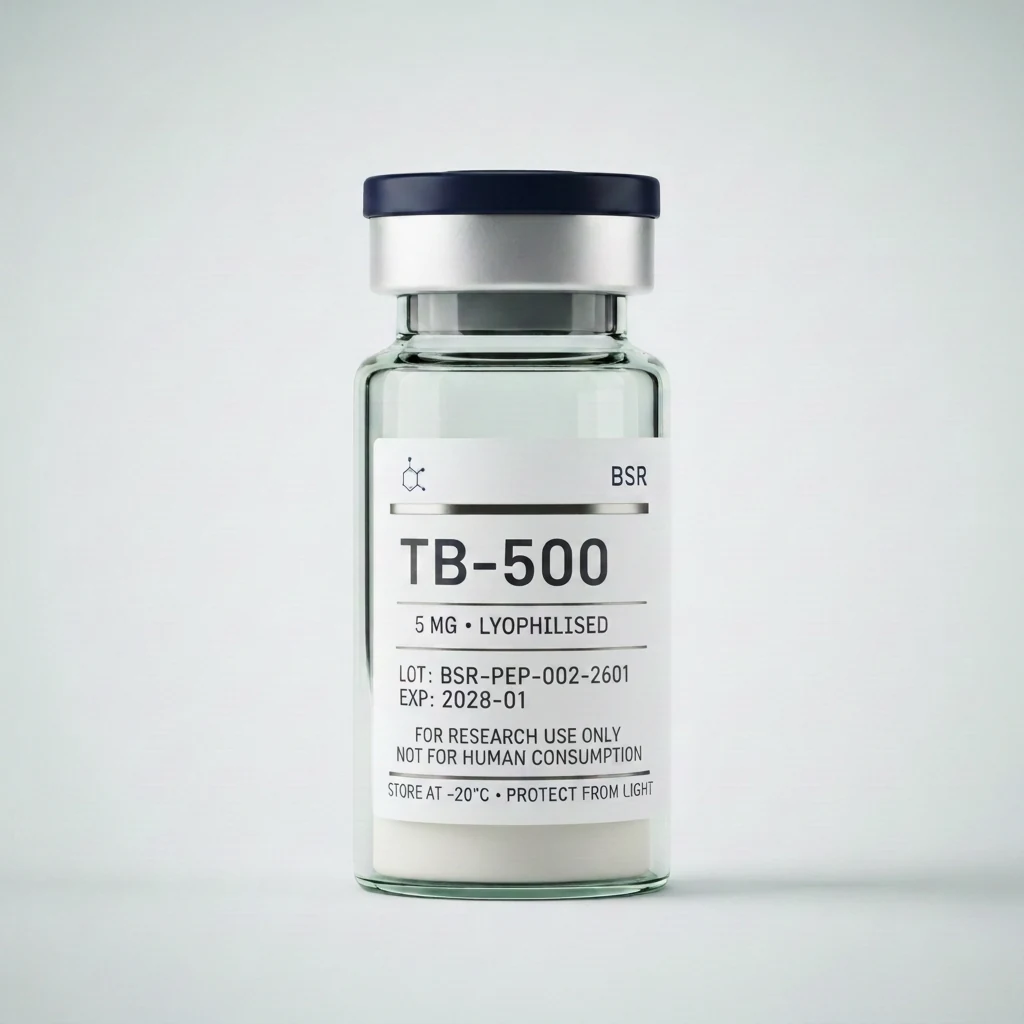
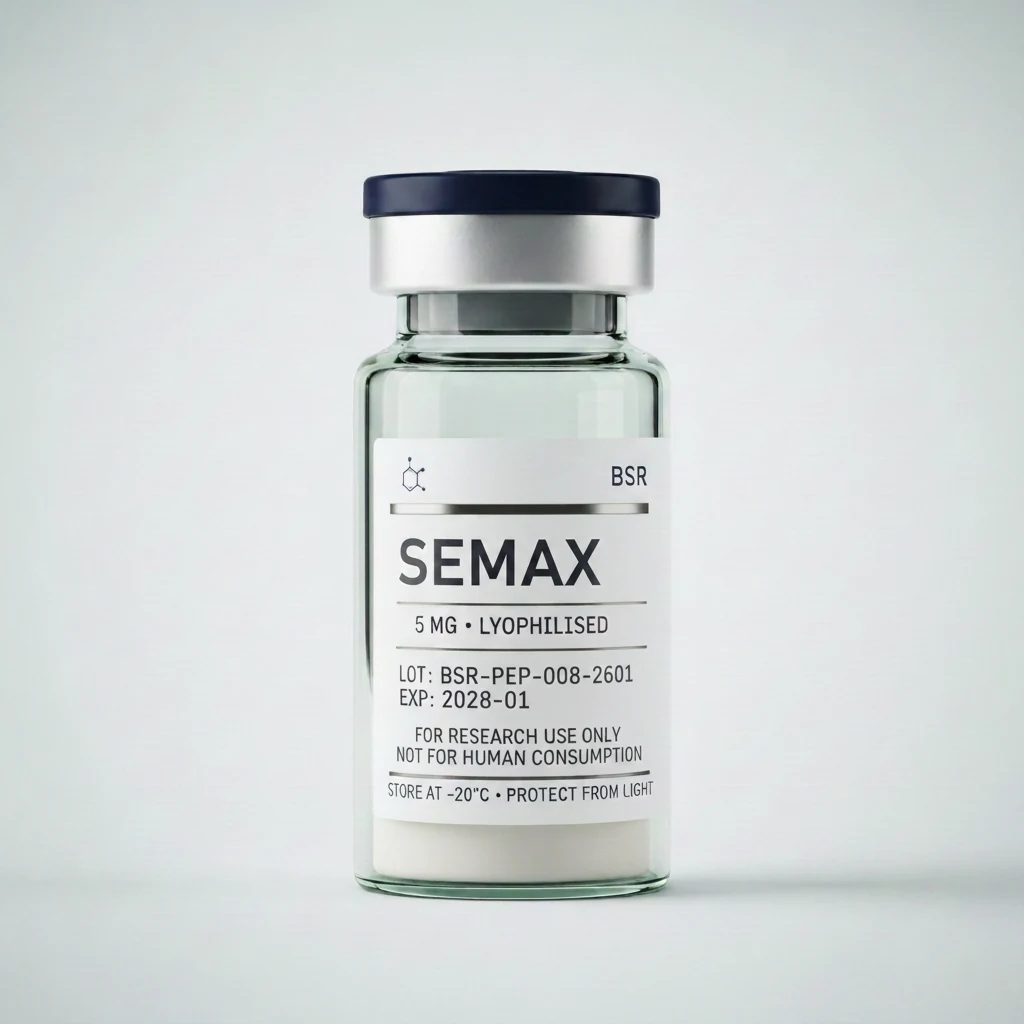
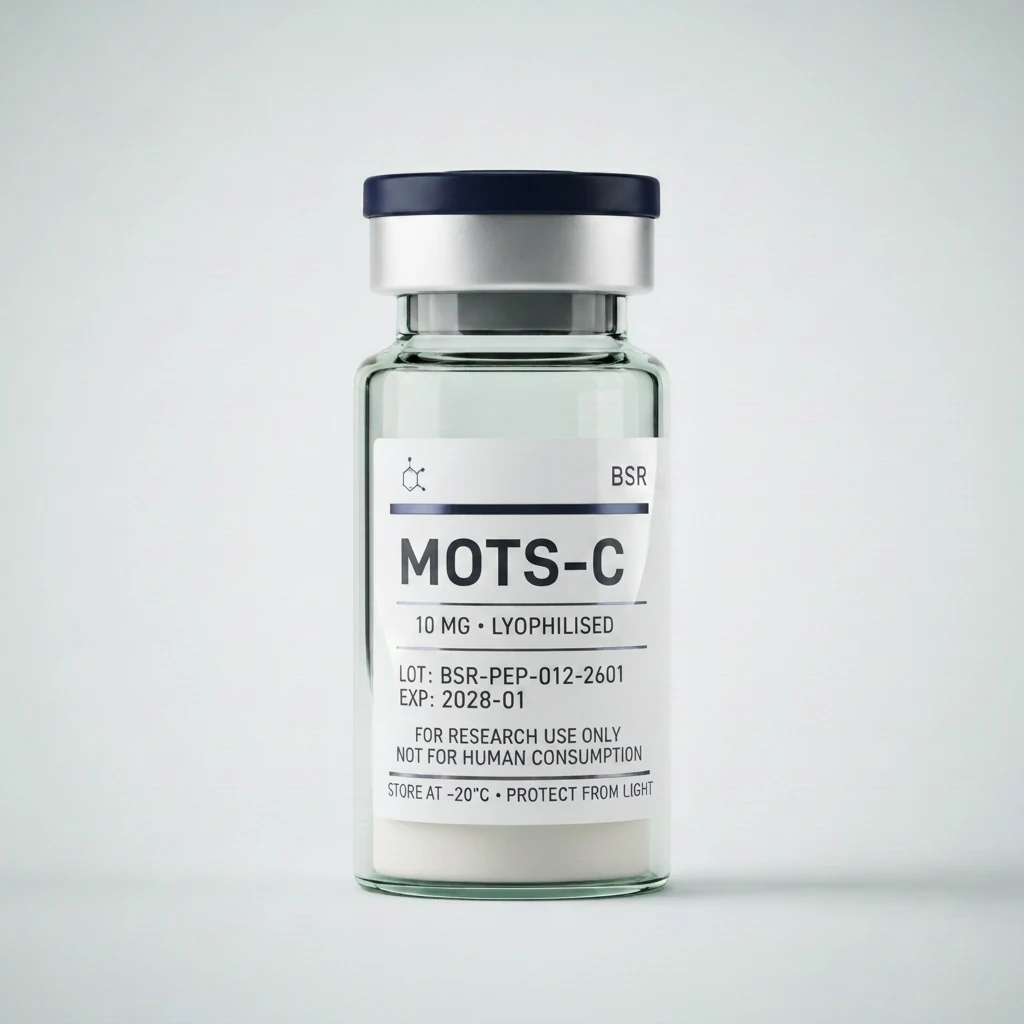
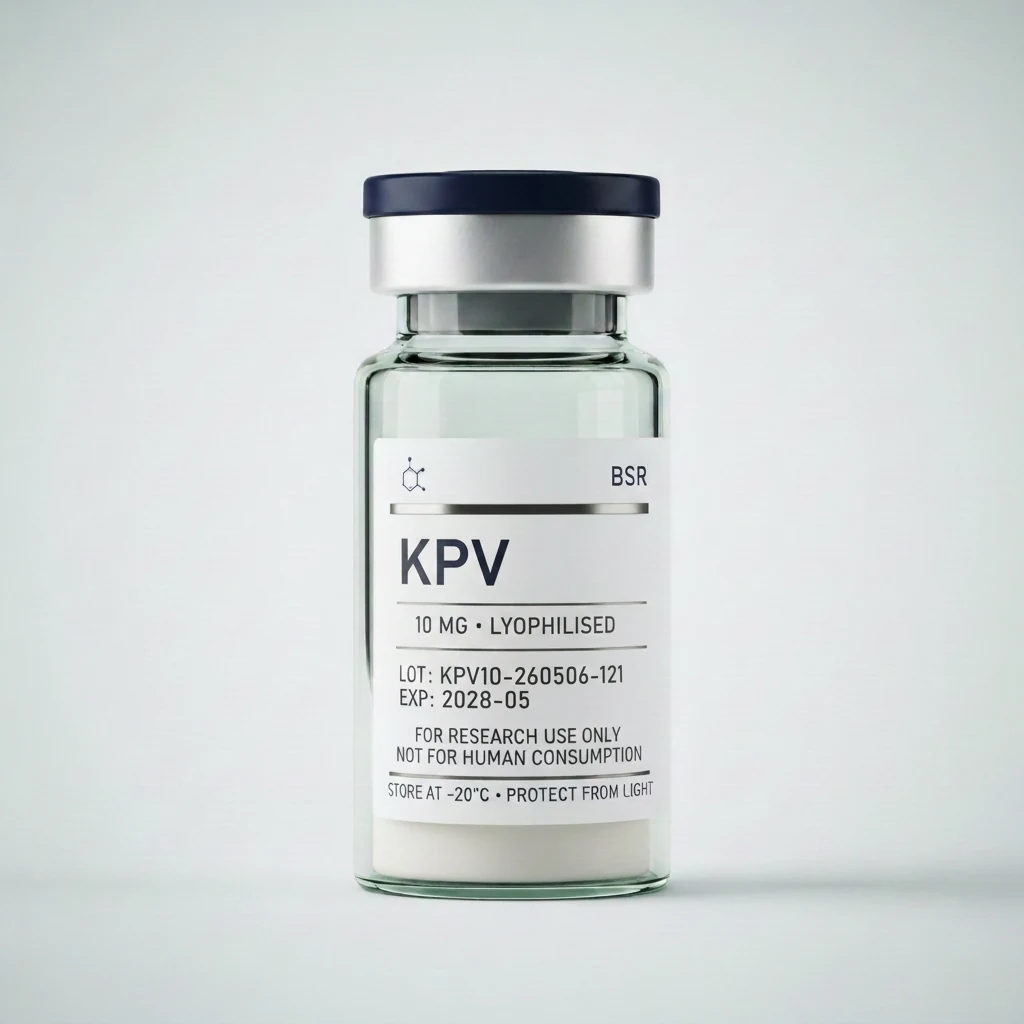
BPC-157 was among six peptides that received favourable recommendations. According to reporting by TechTimes, the committee voted 8-6 to recommend the peptide for compounding eligibility. AJMC noted that the committee voted 8-6 with one abstention for BPC-157, KPV, and TB-500; MOTS-c passed 7-5 with two abstentions; Semax and Epitalon were cleared on 24 July by similarly tight margins. Only emideltide — also known as delta sleep-inducing peptide — was rejected, on a 6-7 vote.
In every case where the committee voted in favour, it did so against the written recommendation of FDA career staff, who had concluded that the evidence was insufficient to support compounding eligibility. AJMC reported that observers in the room described an audible gasp when the first tally was announced, noting that a PCAC panel had rarely, if ever, voted against FDA staff's written recommendation.
The committee's composition itself became a point of scrutiny. According to Quartz, of the 14 total committee members, seven who joined the panel in advance of the hearing work for or operate businesses and clinics that offer peptide therapies. A Department of Health and Human Services spokesperson stated that all members underwent the standard ethics review and vetting process.
Supporters on the panel cast their affirmative votes as a public health measure, contending that legitimising access through licensed pharmacies would draw patients away from a largely unmonitored online marketplace that operates without medical supervision or manufacturing safeguards. Dissenters, by contrast, warned the public may misinterpret a favourable vote as an efficacy endorsement amid placebo effects and opaque product characterisation.
The rulemaking pathway: what must happen before compounding is legal
The PCAC vote is a procedural step, not a legal authorisation. The PCAC is an advisory body, not a regulatory authority. A favourable vote does not legalise compounding and does not place BPC-157 on the 503A Bulks List.
What the vote does is initiate a formal rulemaking process under the Federal Food, Drug, and Cosmetic Act, in which the FDA must publish a proposed rule, accept public comment — typically for 60 to 90 days — and issue a final determination. Legal experts estimate this will take at least 12 to 24 months before any legally compounded BPC-157 could reach a pharmacy counter.
An additional complicating factor is political. Health and Human Services Secretary Robert F. Kennedy Jr. — who has publicly described himself as a supporter of peptides — could theoretically expedite the process, according to food and drug law experts at Hyman, Phelps & McNamara. However, any unilateral acceleration would face scrutiny given the procedural requirements embedded in the Federal Food, Drug, and Cosmetic Act.
It is also worth noting that the PCAC recommendations are non-binding, and the substances' regulatory status will depend entirely on FDA's subsequent actions.
In summary, the regulatory cascade for BPC-157 runs: removal from Category 2 (completed, April 2026) → PCAC favourable recommendation (completed, July 2026) → FDA internal review → Notice of Proposed Rulemaking → 60-to-90-day public comment period → final rule → effective date. Under standard timelines, this process alone commonly requires 8 to 12 months for unambiguous legality — and given that final rulemaking under Section 503A has occurred for only approximately ten substances to date, could extend considerably further.
The human evidence base: a persistent gap
Regardless of the committee vote, the scientific picture for BPC-157 has not changed. As of 2026, no large-scale, peer-reviewed Phase I–III clinical trials of BPC-157 in humans have been published in major medical journals.
The preclinical literature, by contrast, is substantial. The vast majority of published studies — estimated at over 100 peer-reviewed papers — originate from a single research group at the University of Zagreb, Croatia. While this body of work is internally consistent, the lack of independent replication from other laboratories is a significant limitation the scientific community has noted repeatedly. BPC-157's amino acid sequence (GEPPPGKPADDAGLV) is a 15-amino-acid fragment derived from a larger protein naturally present in human gastric juice, and it exhibits notable stability in gastric fluid — an unusual property with implications for potential oral bioavailability — but these properties remain to be validated in formal human pharmacokinetic studies.
The most frequently cited human data point — a Phase 2 trial for inflammatory bowel disease — has not had results published in peer-reviewed literature as of mid-2026. A 2025 systematic review published in the American Journal of Sports Medicine screened 544 articles and identified only one human clinical study meeting inclusion criteria for orthopaedic sports medicine applications — illustrating the depth of the evidence gap.
A 2025 IV safety pilot study (PMID: 40131143) represents a small but meaningful step toward human safety data, but was conducted by a single research group without independent replication. A separate narrative review (PMC12446177, 2025, PubMed) concluded that despite extensive preclinical evidence, the human evidence base remains inadequate to support clinical recommendations and emphasised the need for properly powered randomised controlled trials.
The next wave: five more peptides queued for February 2027
The July 2026 meeting did not resolve the regulatory status of every peptide in the compounding ecosystem. The FDA has announced a follow-on PCAC meeting to be held before the end of February 2027, to review GHK-Cu, Melanotan II, Cathelicidin (LL-37), Dihexa acetate, and Mechano Growth Factor, Pegylated (PEG-MGF). An exact date has not yet been posted; the FDA states that additional details and a public comment docket will be published in due course.
Several of these substances — including LL-37, Dihexa, Melanotan II, and PEG-MGF — were previously in a withdrawn, no-active-review state, and are now being reconsidered. Their inclusion in a formal PCAC review is a meaningful procedural shift, though it carries all of the same non-binding caveats as the July meeting.
Practical implications for UK research procurement
For research procurement professionals in the United Kingdom, the July 2026 PCAC vote has no immediate legal effect on supply or use. BPC-157 remains an unapproved compound under both FDA frameworks and MHRA oversight. It is not licensed for any human therapeutic indication in the UK, EU, or US.
The vote is, however, a signal worth tracking for several reasons. First, a completed US rulemaking process — should it proceed — would likely increase the volume of pharmaceutical-grade BPC-157 produced under GMP conditions, which could over time improve the quality and traceability of bulk material available to legitimate research buyers globally. Second, the February 2027 PCAC meeting will extend the same regulatory scrutiny to GHK-Cu and other compounds used in UK research programmes, meaning procurement teams should monitor those proceedings for parallel supply-chain implications.
In the interim, the core procurement disciplines remain unchanged: insist on Certificates of Analysis from accredited third-party laboratories; require HPLC purity data and mass spectrometry confirmation of identity; source only from suppliers who can document chain of custody and GMP-equivalent manufacturing provenance; and ensure that all internal use is documented under a valid research-use-only framework consistent with institutional compliance requirements.
The PCAC vote marks a genuine inflection point in US peptide regulation — but it is the beginning of a process, not its conclusion.
Research-grade material, HPLC verified, certificate of analysis with every order.
The week's Intelligence in one email, every Friday morning.
Regulatory moves, trial readouts, supply-chain news. No product pitches. Unsubscribe in one click.
More in Research Pipeline
Thymosin Alpha-1: What 35 Countries of Clinical Use and a Lopsided PCAC Vote Mean for Research Access in 2026
07 Oct 2026
Viking Therapeutics Initiates Oral Maintenance Dosing Study for VK2735: What the GLP-1/GIP Dual Agonist's Two-Part Programme Tells Researchers About the Weight-Regain Problem
06 Oct 2026
GHK-Cu: What a Fresh Diabetic Wound Study and a Recruiting Phase 2 Trial Mean for the Copper Peptide's Research Standing
03 Oct 2026