Research Pipeline · 03 Jun 2026
BPC-157's Evidence Problem: What the New Investigation Means for Labs Ahead of the July PCAC Hearing
A joint Undark/STAT News investigation published this week laid out the thin and largely single-source evidentiary base behind BPC-157 — the peptide at the centre of the FDA's July 2026 compounding review. With the public comment window closing 9 July, research procurement teams need to understand what the science does and does not yet support.
8 sources cited
Key takeaways
- A joint Undark/STAT News investigation published 29 May–1 June 2026 examines the scientific record underpinning BPC-157, finding that the majority of published data originates from a single research group at the University of Zagreb.
- BPC-157 is one of seven peptides the FDA's Pharmacy Compounding Advisory Committee (PCAC) will consider on 23 July 2026 for potential inclusion on the Section 503A Bulk Drug Substances List.
- No controlled human clinical trials have demonstrated its safety or efficacy; the regulatory debate therefore turns on how much weight an advisory committee should assign to animal-model data from a concentrated body of literature.
- The public comment period for the PCAC review closes 9 July 2026 under FDA docket FDA-2025-N-6895. Oral presentation requests must be submitted by 30 June 2026.
- For UK-based research labs, BPC-157 currently sits in the research-use-only (RUO) market; its regulatory trajectory in the US is relevant because it will shape global supply standards, pricing, and purity expectations.
What BPC-157 is and where it came from
BPC-157 (Body Protection Compound-157) is a synthetic pentadecapeptide — a fifteen-amino-acid sequence — first described by researchers at the University of Zagreb in Croatia as a stable fragment derived from a human gastric juice protein. The peptide has been studied primarily in rodent and other animal models, with proposed mechanisms including modulation of nitric oxide signalling, promotion of angiogenesis, and influences on growth hormone receptor expression.
According to the Undark investigation, the lead researcher, Predrag Sikiric, has spent more than four decades studying the compound. His position is that BPC-157 works partly by reversing damage to blood vessels and by helping regulate nitric oxide, a molecule that relaxes blood vessels. The University of Zagreb team estimates that over 100 current and former PhD students have contributed to the project — a body of work that is, however, largely confined to that single institution.
The evidentiary problem
The investigative findings are directly relevant to any procurement team seeking to understand what research with BPC-157 can and cannot demonstrate.
STAT News reported on 1 June 2026 that "a decades-old peptide beloved by biohackers has become a lightning rod in a battle over FDA regulation." The concern among independent scientists is more fundamental than typical drug-development lag: critics have raised questions about whether BPC-157's parent protein is actually produced in the human body at all, suggesting the Zagreb team may have — in their words — "accidentally yielded a sequence of amino acids that's not actually produced in the body."
The Undark report notes that many medical researchers warn there is scant published data showing whether or how the peptide works in human beings, and that "in the case of BPC-157, the majority of evidence comes out of Sikiric's lab in Zagreb." That concentration of authorship is a recognised limitation in systematic evidence assessment; when a single group generates the preponderance of preclinical data, independent replication — a prerequisite for regulatory confidence — is absent.
Flynn McGuire, a chief medical resident at University of Utah Health who conducted a formal literature review, told Undark he found the existing data to be "a decidedly mixed bag." Anna Mapp, a chemist at the University of Michigan and current president of the American Peptide Society, reviewed BPC-157-related documents at Undark's request, including the Croatian team's patent for isolating BPC-157's parent protein.
A regenerative medicine physician at the Johns Hopkins University School of Medicine, Christopher Robinson, told Undark that he is applying for funding from ARPA-H to run clinical trials testing BPC-157 and other peptides as treatments for chronic pain — a direct acknowledgement that no such trials currently exist. His guidance to prospective users in the interim was to "proceed cautiously."
One physician quoted in the investigation was more categorical, stating that without robust clinical trial data, BPC-157 "should not be used by humans."
What the PCAC will actually evaluate
The evidentiary scrutiny matters because it frames exactly the challenge the PCAC faces on 23 July. Under the Federal Register notice published 16 April 2026, the committee will consider whether BPC-157 should be added to the 503A Bulk Drug Substances List, enabling state-licensed compounding pharmacies to prepare patient-specific formulations. The indications under review include wound healing and other conditions.
Legal analysts at Foley & Lardner have noted that "although these peptides have been used, companies have not studied them for safety or efficacy, and FDA has not conducted a rigorous assessment of their use" — a formulation that closely mirrors the STAT/Undark findings.
Crucially, as the FDA Law Blog has explained, a PCAC recommendation is non-binding. Even a positive vote would not place BPC-157 on pharmacy shelves immediately; formal notice-and-comment rulemaking would still be required — a process that under standard timelines can take more than a year. The PCAC meeting is therefore better characterised as a necessary procedural step than as a regulatory finish line.
Orrick's regulatory commentary confirms that removal from Category 2 (which occurred on or around 22 April 2026, after nominations were withdrawn) does not by itself place BPC-157 on the Category 1 list or confer enforcement discretion. The peptide currently exists in what analysts have described as a regulatory grey area.
Procurement implications for UK research labs
For research procurement professionals in the United Kingdom, the US regulatory process is a leading indicator of global quality standards, even though MHRA oversight operates under a distinct framework.
Purity and documentation. The FDA's Orrick analysis highlights that if BPC-157 is ultimately included on the 503A list, compounding pharmacies will need to source pharmaceutical-grade API from FDA-registered manufacturers accompanied by valid certificates of analysis. Labs procuring BPC-157 for research use should apply an equivalent standard now: third-party HPLC purity confirmation and, where feasible, mass spectrometry identification. The concentration of scientific literature from a single source makes independent analytical verification of each batch more — not less — important.
Research use only. BPC-157 is not approved for human use in any jurisdiction that employs a systematic marketing authorisation process. In the UK, it is available strictly for laboratory and in vitro or in vivo research purposes. Labs should ensure that internal documentation clearly reflects this status and that procurement is accompanied by institutional oversight.
The immunogenicity question. The FDA's original concerns when placing BPC-157 in Category 2 included immunogenicity risk — the potential to trigger anti-drug antibody responses. For in vivo animal studies, this remains a relevant variable that should be accounted for in experimental design and in the interpretation of any inflammatory or systemic endpoints.
Supply chain awareness. Regulatory analysts have noted that, until the PCAC process resolves and rulemaking is completed, grey-market sourcing channels remain active. Labs should source exclusively from vendors who can provide registered-facility documentation, batch-specific certificates of analysis, and clear chain-of-custody records.
Upcoming dates
| Date | Event |
|---|---|
| 30 June 2026 | Deadline to request oral presentation at PCAC |
| 9 July 2026 | Written public comment deadline (FDA docket FDA-2025-N-6895) |
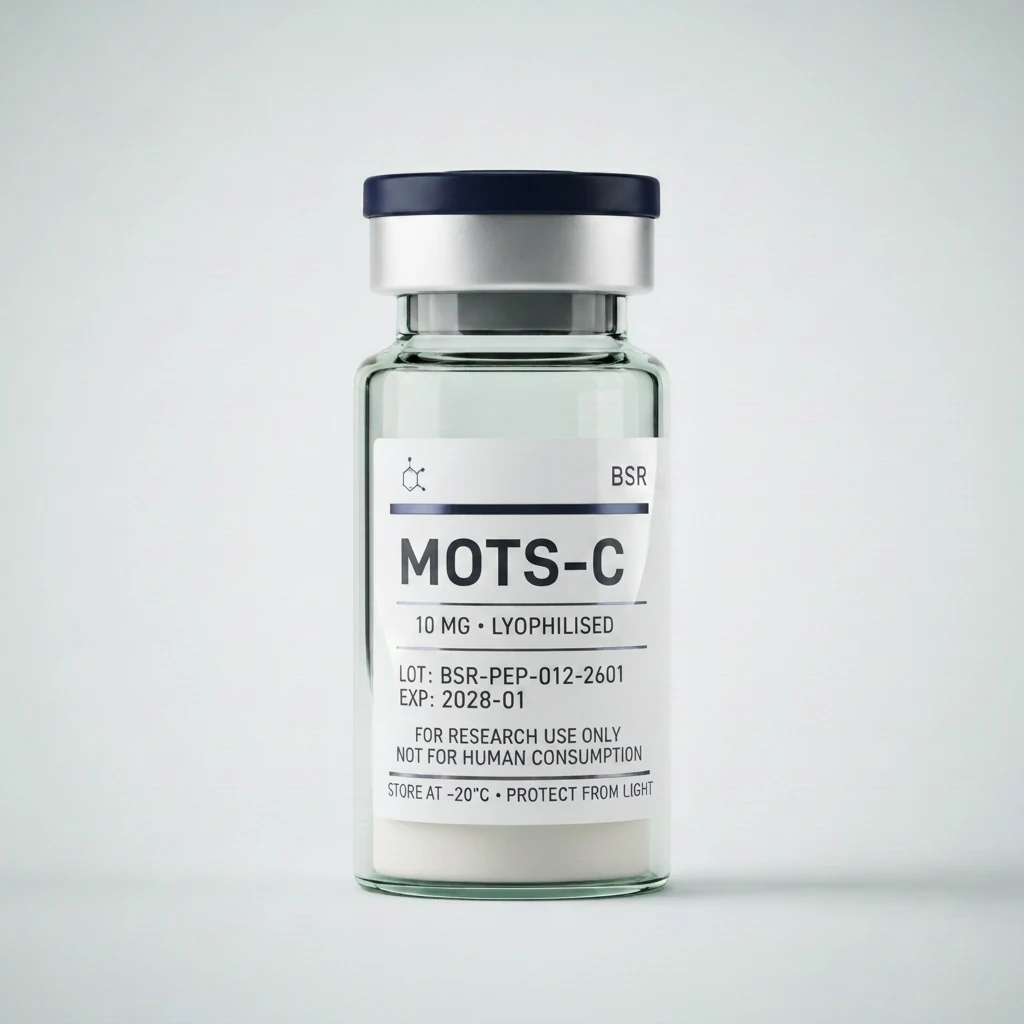
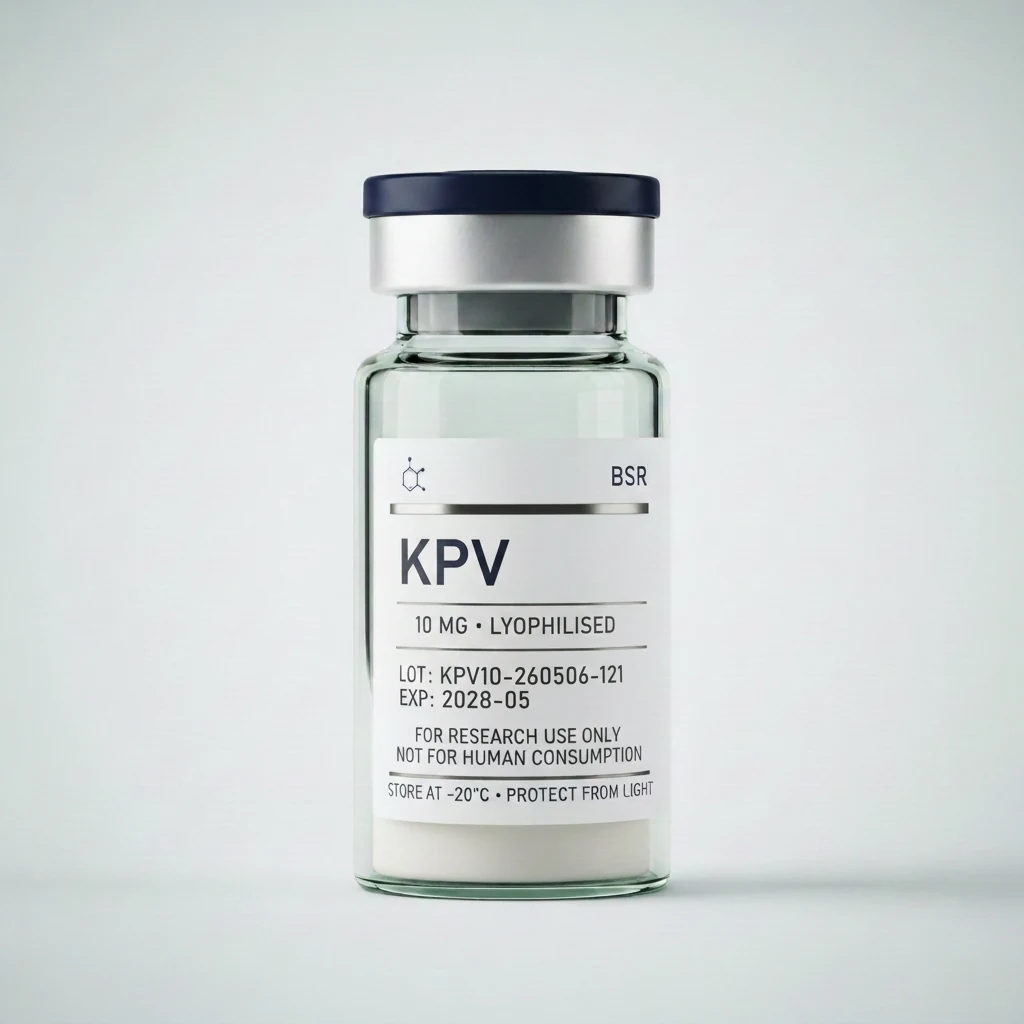
| 23 July 2026 | PCAC reviews BPC-157, KPV, TB-500, MOTS-c |
| 24 July 2026 | PCAC reviews Emideltide (DSIP), Semax, Epitalon |
| By end Feb 2027 | Second PCAC session for GHK-Cu, Melanotan II, LL-37, Dihexa, PEG-MGF |
Summary
The Undark/STAT News investigation published this week provides the most detailed public account to date of why BPC-157's evidence base presents a genuine challenge for the PCAC — not because the compound is without animal-model data, but because that data is heavily concentrated in a single research group and has not been subjected to independent human clinical validation. The committee will need to weigh how much regulatory weight preclinical data from a single institution can bear when compounding access for patient populations is at stake. For research labs, the immediate takeaway is simpler: BPC-157 remains a legitimate subject of scientific enquiry, but procurement should be accompanied by rigorous analytical documentation and clear institutional governance around its research-use-only status.
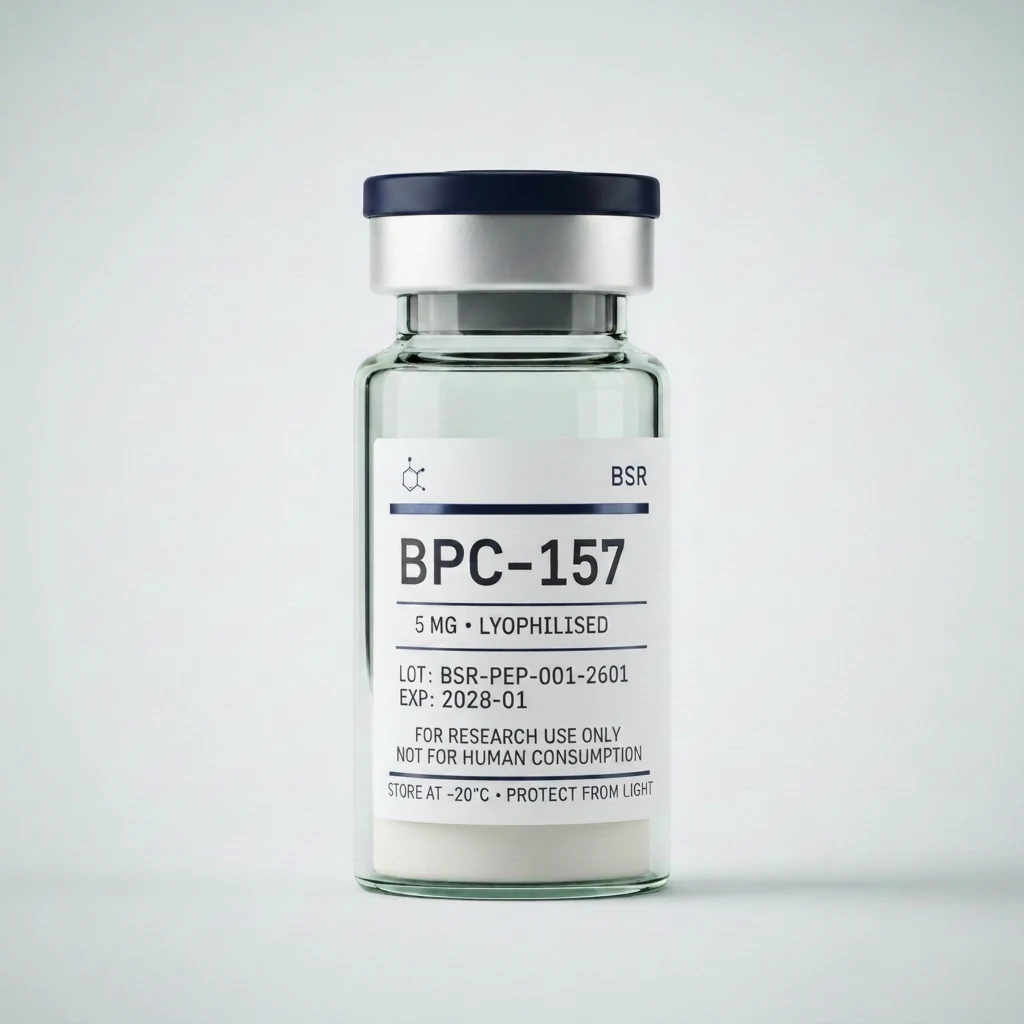
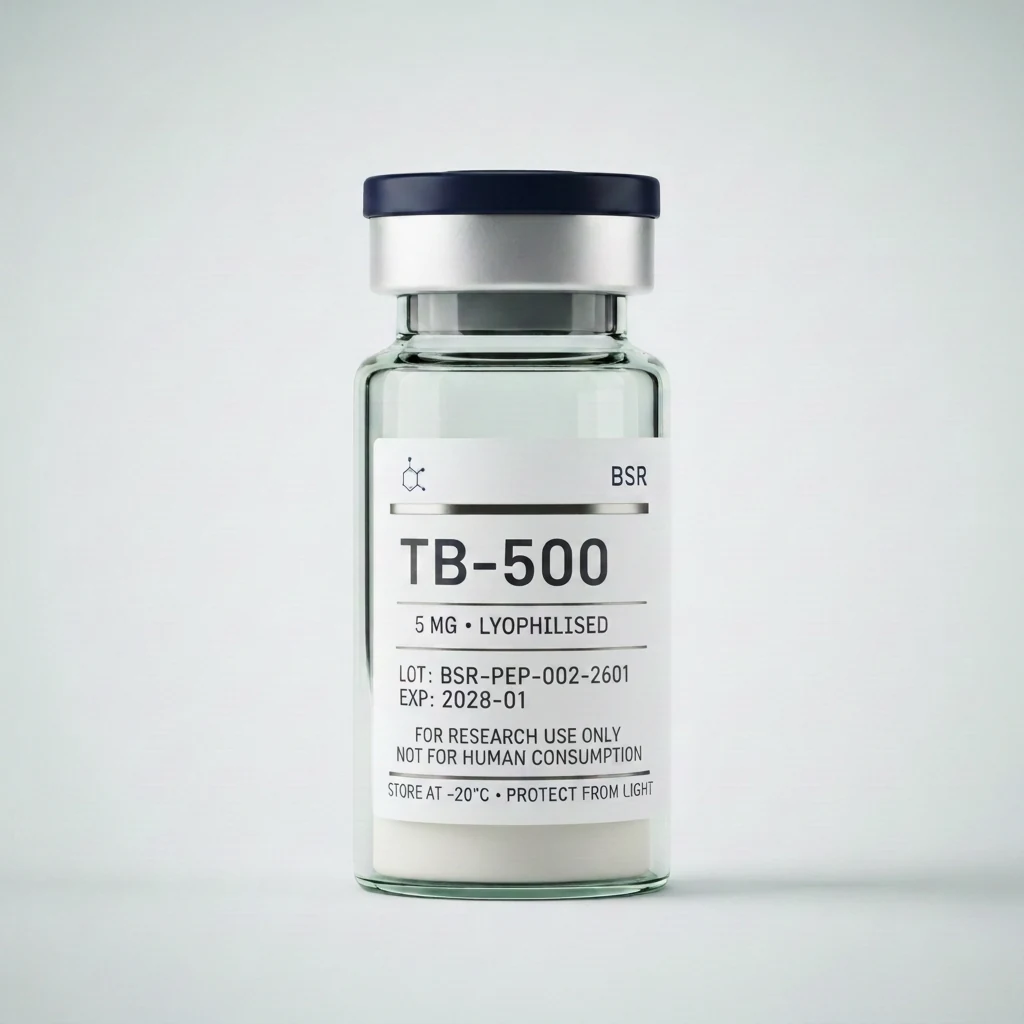
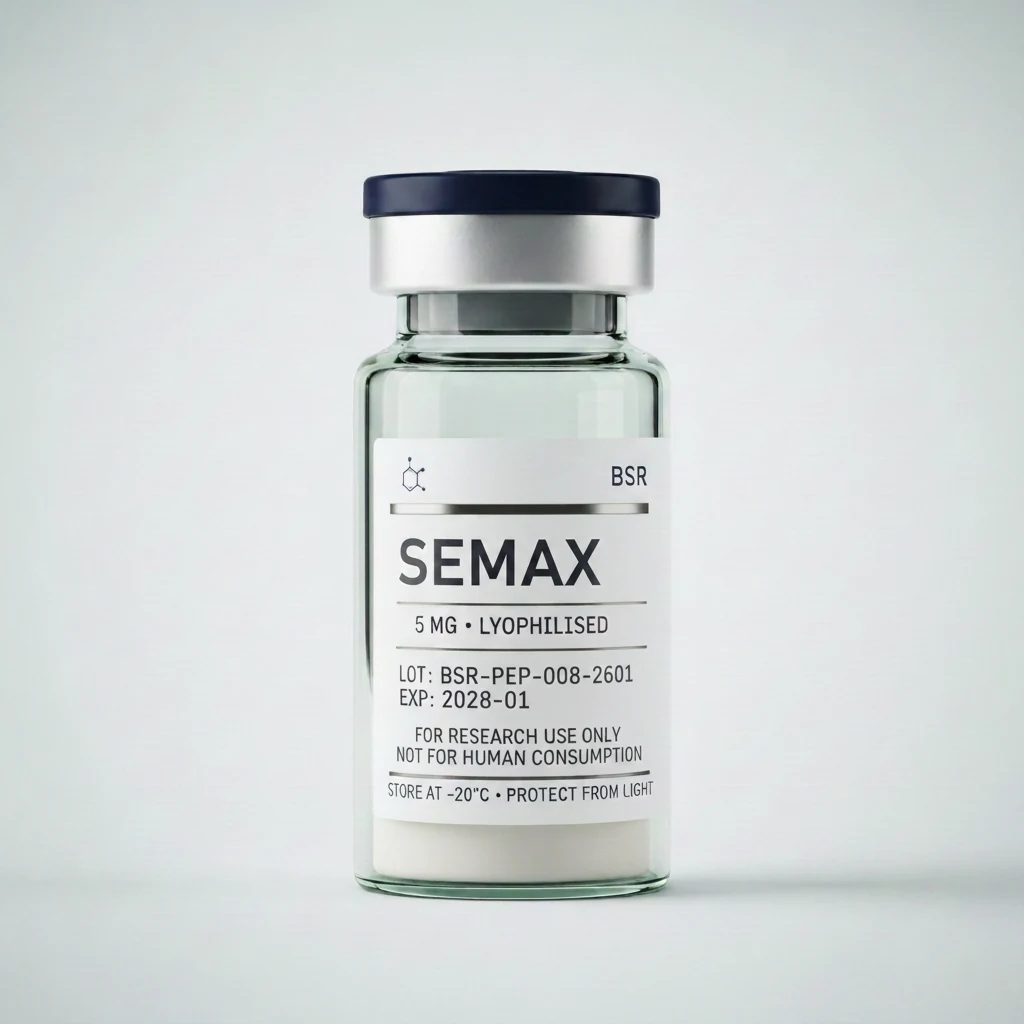
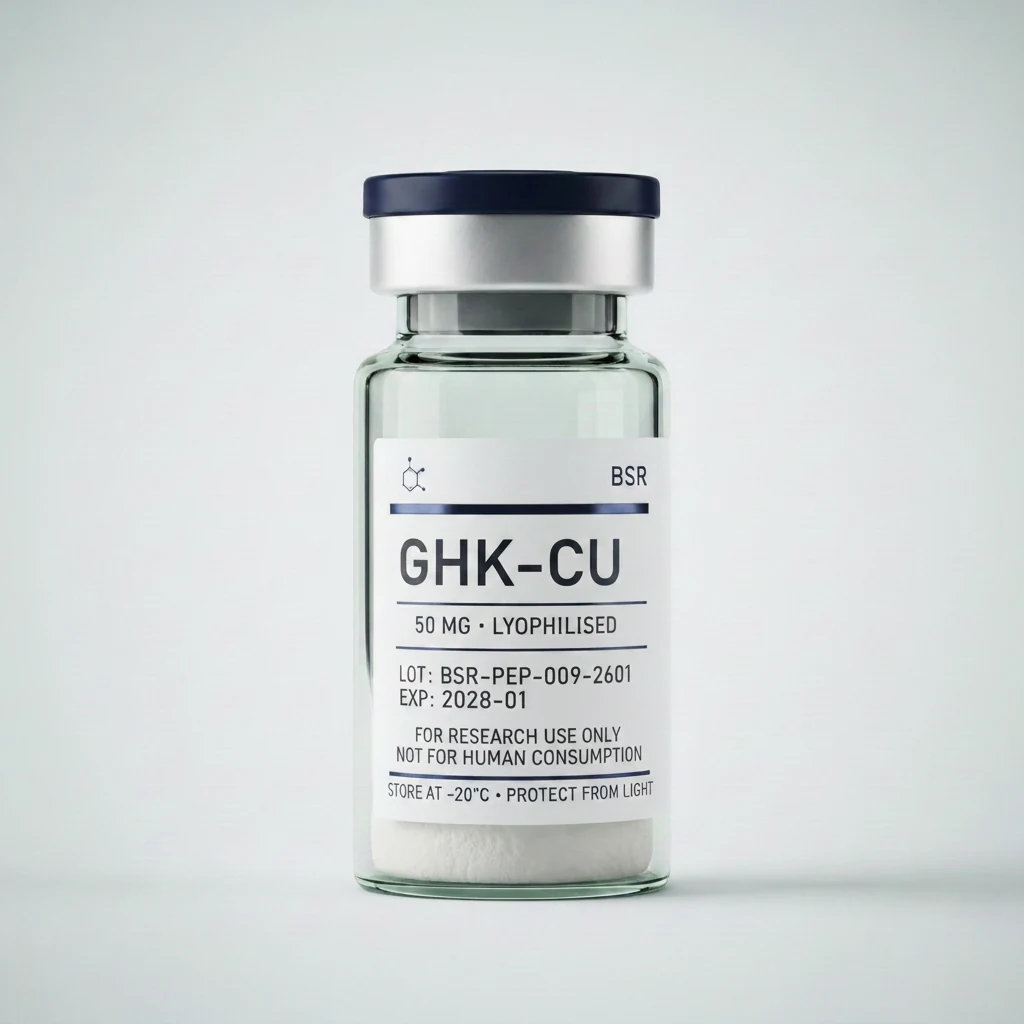
Research-grade material, HPLC verified, certificate of analysis with every order.
The week's Intelligence in one email, every Friday morning.
Regulatory moves, trial readouts, supply-chain news. No product pitches. Unsubscribe in one click.
More in Research Pipeline
Thymosin Alpha-1: What 35 Countries of Clinical Use and a Lopsided PCAC Vote Mean for Research Access in 2026
07 Oct 2026
Viking Therapeutics Initiates Oral Maintenance Dosing Study for VK2735: What the GLP-1/GIP Dual Agonist's Two-Part Programme Tells Researchers About the Weight-Regain Problem
06 Oct 2026
GHK-Cu: What a Fresh Diabetic Wound Study and a Recruiting Phase 2 Trial Mean for the Copper Peptide's Research Standing
03 Oct 2026