Research Pipeline · 21 Jun 2026
CJC-1295 and Ipamorelin: The Growth Hormone Pair Left Out of the July 2026 PCAC — What the Regulatory Limbo Means for Research Procurement
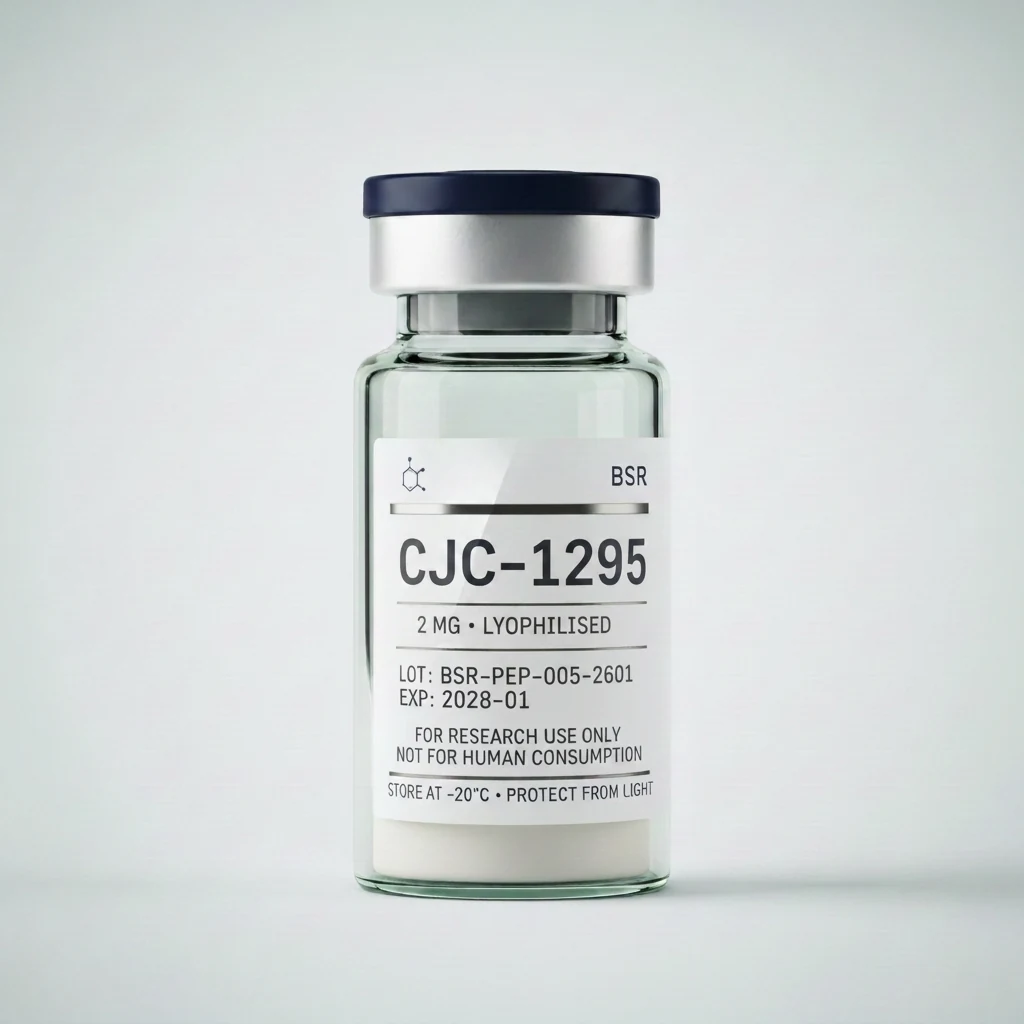
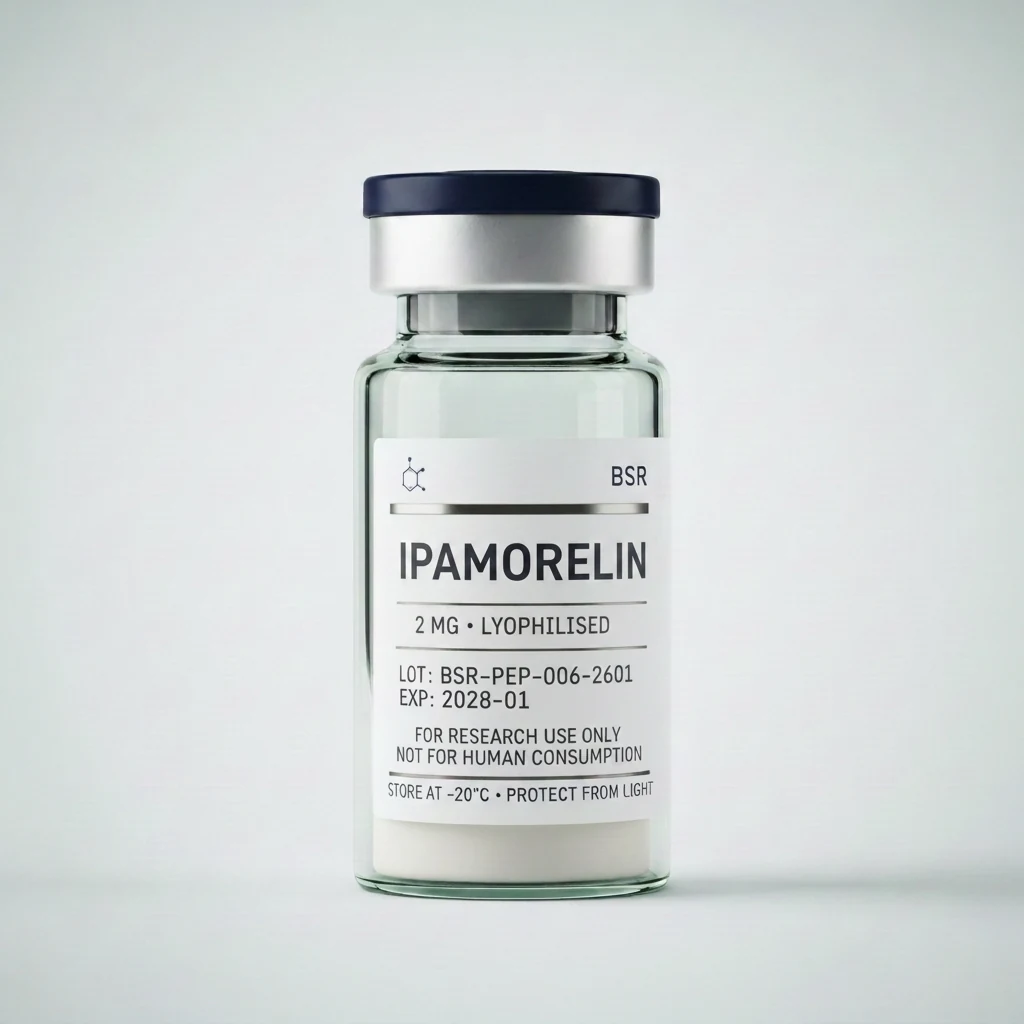
CJC-1295 and Ipamorelin are among the most widely studied growth hormone secretagogue peptides, yet they occupy a regulatory position distinct from the twelve substances currently heading for the July 2026 PCAC review. A 2024 advisory committee already voted against their inclusion on the 503A Bulks List, and neither compound appears on either scheduled PCAC agenda. Research procurement teams need to understand what that means for legitimate sourcing and laboratory use.
17 sources cited
Key takeaways
- CJC-1295 and Ipamorelin are GHRH and ghrelin-receptor agonists respectively; together they produce synergistic growth hormone pulses via two independent pituitary pathways.
- Both were placed on the FDA's Category 2 restricted list in September 2023 alongside 17 other peptides, effectively prohibiting compounding.
- Unusually, they were referred to the Pharmacy Compounding Advisory Committee (PCAC) in September 2024 — earlier than the main 2026 batch — and the PCAC voted against their inclusion on the 503A Bulks List at meetings in October and December 2024.
- When the FDA removed twelve peptides from Category 2 in April 2026 (effective 22 April), CJC-1295 and Ipamorelin were not among them; nor do they appear on either announced PCAC agenda for July 2026 or the February 2027 cohort.
- The pair therefore remain in an ambiguous status: no longer under active PCAC review, not on any 503A nomination list, and not formally re-designated as Category 1.
- For UK-based research laboratories, the compounds are unaffected by FDA scheduling but procurement teams should note MHRA's separate framework and the absence of any approved medicinal product in Great Britain.
Background: what these peptides are and how they work
CJC-1295 is a synthetic analogue of growth hormone-releasing hormone (GHRH), the hypothalamic peptide that signals the anterior pituitary to release growth hormone (GH). It is engineered to mimic and extend the action of endogenous GHRH, with a significantly longer half-life due to modifications that allow it to bind to albumin in the bloodstream. It is available in two principal research forms: CJC-1295 "no DAC" (modified GRF 1-29, half-life approximately 30 minutes) and CJC-1295 "with DAC" (drug affinity complex, half-life approximately eight days).
Ipamorelin is a structurally distinct compound. It is a pentapeptide that acts as a selective GHS-R1a agonist; its selectivity profile, established in a landmark 1998 pharmacological comparison study, distinguishes it from earlier growth hormone-releasing peptides including GHRP-2 and GHRP-6, which stimulate not only GH release but also cortisol, prolactin, and ACTH secretion at research doses.
The pharmacological rationale for combining them is straightforward. One peptide occupies the GHRH receptor, the other occupies the ghrelin receptor (GHS-R1a), and together they produce a synergistic GH release that neither achieves independently. Preclinical work has quantified this effect: combined CJC-1295 without DAC plus Ipamorelin produces GH pulse amplitudes averaging three to five times baseline in preclinical models, compared to roughly 1.5 to 2 times with either compound used alone, according to Raun et al. (1998) and Ionescu and Frohman (2006).
In a published human clinical study, CJC-1295 with DAC demonstrated measurable systemic effects: Walker et al. (2006, Journal of Clinical Endocrinology & Metabolism) reported sustained, dose-dependent increases in plasma GH and IGF-1 lasting several days from a single injection, with mean IGF-1 levels rising 1.5- to 3-fold above baseline in healthy adults. Ipamorelin's selectivity advantage over older GHRPs is also well-characterised: the Bowers et al. study (PMID: 9349622) demonstrated that Ipamorelin stimulated GH release from pituitary cells with high potency while showing dramatically reduced stimulation of ACTH and cortisol compared to GHRP-6 at equivalent doses.
The 2023 Category 2 designation and its rationale
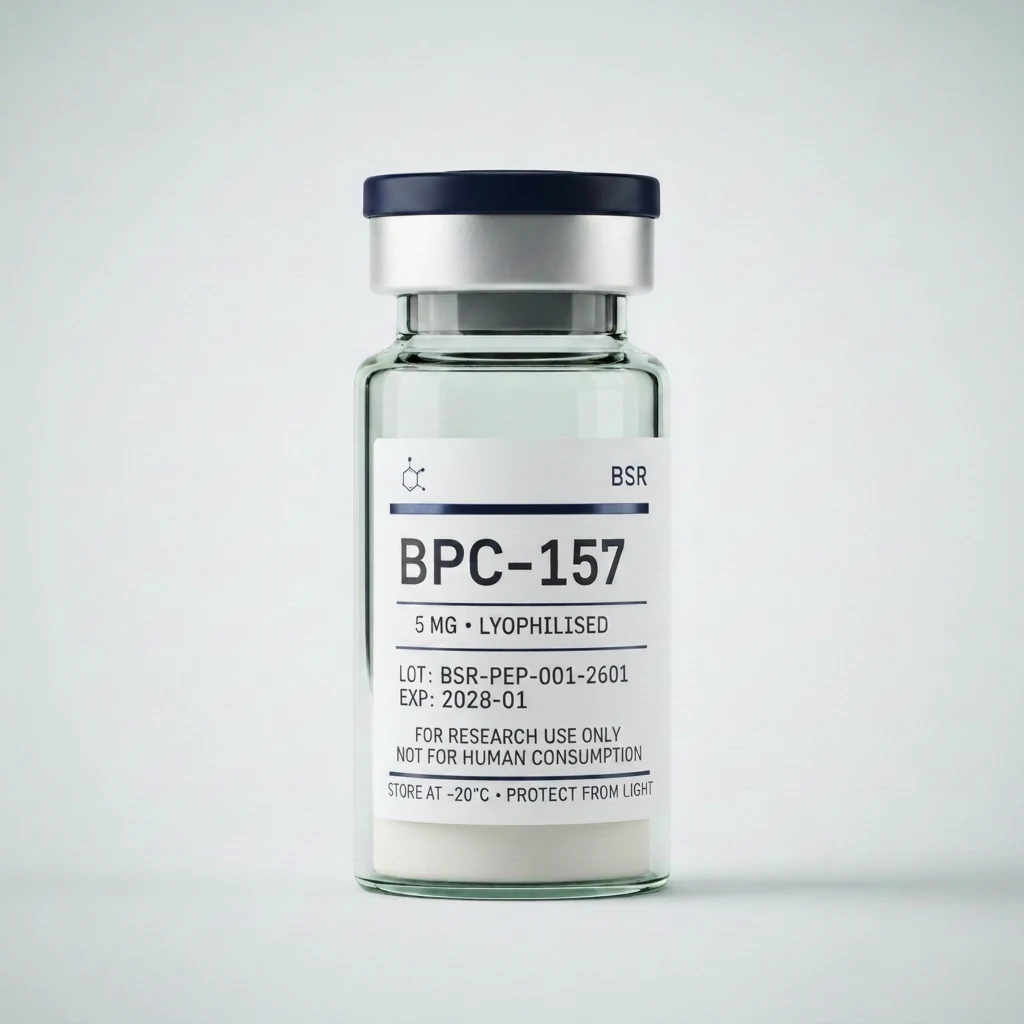
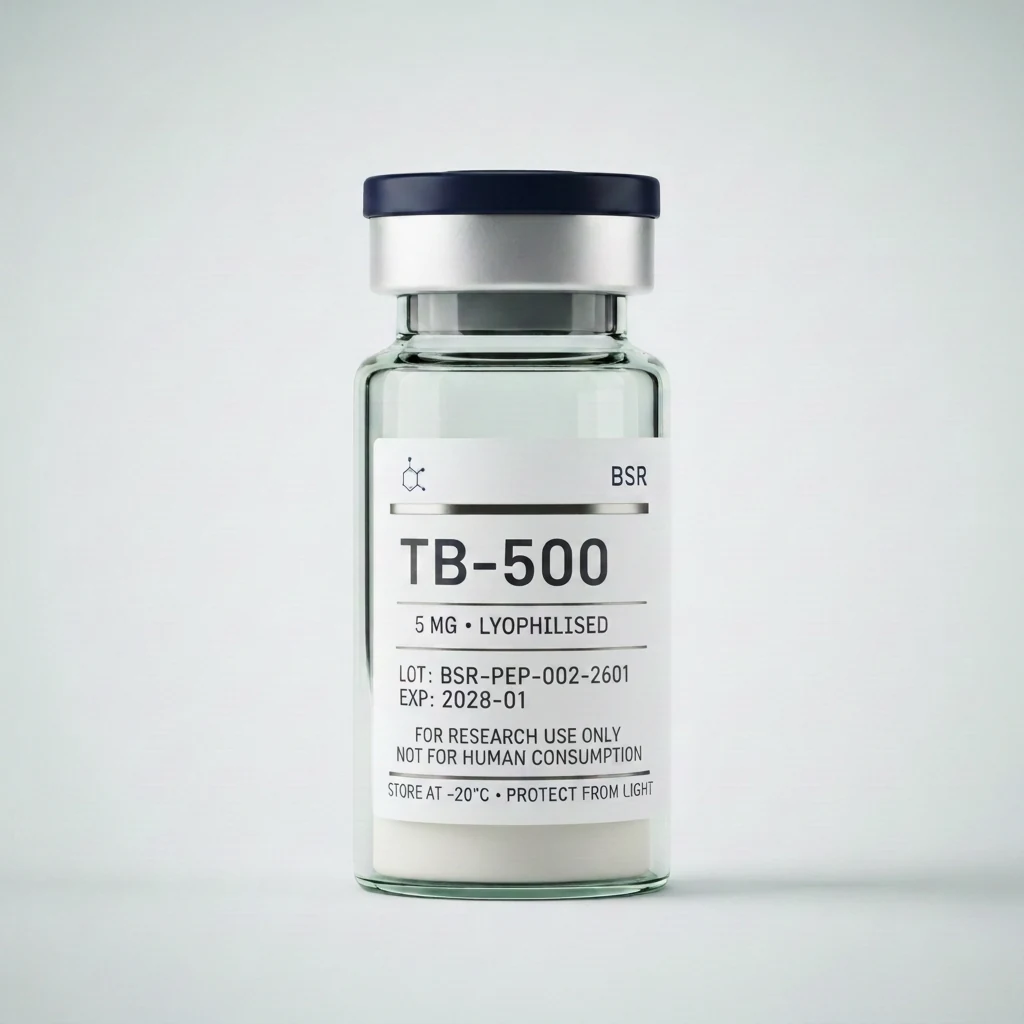
On 29 September 2023, the FDA placed nineteen peptides into Category 2 in a single regulatory action. Overnight, CJC-1295, Ipamorelin, and seventeen others — including BPC-157, TB-500, and Thymosin Alpha-1 — became effectively uncompoundable.
The FDA's stated rationale cited three recurring concerns: risk of immunogenicity from peptide-related impurities; inadequate active pharmaceutical ingredient characterisation; and limited or absent human safety data for proposed administration routes. For CJC-1295 specifically, the FDA cited concerns including potential heart-related adverse events in available safety data and the general Category 2 rationale of insufficient safety information for compounding.
What makes CJC-1295 and Ipamorelin different from the July 2026 PCAC batch
The twelve peptides heading to the July 2026 PCAC — including BPC-157, TB-500, MOTS-c, KPV, Semax, Epitalon, and others — were removed from Category 2 effective 22 April 2026 after their original nominators withdrew their nominations, clearing a path for PCAC review. The FDA updated its Bulk Drug Substances Nominated for Use in Compounding Under Section 503A list and provided notice that it would remove twelve peptide bulk drug substances from Category 2.
CJC-1295 and Ipamorelin were not part of that April 2026 action. Instead, these five peptides — CJC-1295, Ipamorelin, AOD-9604, Thymosin Alpha-1, and Selank — were referred to PCAC in September 2024, but PCAC voted against four of them (CJC-1295, Ipamorelin, AOD-9604, and Thymosin Alpha-1) at meetings in October and December 2024.
A key finding from the December 2024 FDA documentation specifically flagged a safety signal for CJC-1295: FDA documentation from December 2024 referenced adverse findings in nonclinical studies, including DNA damage in pituitary cells. That finding, combined with the limited human evidence base, appears to have driven the PCAC's negative vote.
The outcome has left CJC-1295 and Ipamorelin in a position more constrained than many of the peptides that are now moving through the PCAC pipeline. These substances currently exist in a regulatory grey zone: they are no longer formally under active advisory review, but they have not been affirmatively authorised for compounding under Section 503A or FDA guidance.
Nor do they appear on either of the two upcoming PCAC agendas. Seven peptides go before PCAC on 23–24 July 2026; the remaining five go to a second meeting before February 2027 — and CJC-1295 and Ipamorelin are on neither list.
The grey market risk
The regulatory ambiguity has practical consequences. Compounding pharmacies have faced pressure from patients and prescribers seeking these peptide drugs; legally, they cannot produce them. According to Scott Brunner, chief executive of the Alliance for Pharmacy Compounding, that is "stimulating the illicit, non-pharmacy actors in the gray market."
Compounders who interpret removal from Category 2 as implicit permission to compound do so at considerable enforcement risk — a caution that applies with even greater force to CJC-1295 and Ipamorelin, which were never removed from Category 2 and against which the PCAC has already voted.
Regulatory status in the United Kingdom
CJC-1295 and Ipamorelin are not licensed as finished medicinal products in Great Britain. The MHRA has not approved either compound as a human medicine. As unapproved active pharmaceutical ingredients, they may be handled in UK research laboratories under the "research use only" (RUO) designation — meaning supply and use is legally restricted to non-clinical, in vitro or pre-clinical research contexts, without any intent for human administration.
UK-based procurement teams should note that MHRA enforcement focuses on intent of use and the nature of labelling and supply chains. Importing unlicensed peptides for administration to humans — or purchasing material intended for that purpose — carries regulatory and legal exposure. The applicable framework is the Human Medicines Regulations 2012, which aligns broadly with the EU approach under Regulation (EC) No 726/2004 and Directive 2001/83/EC.
What this means for research procurement
Several practical points follow for UK laboratories:
Source qualification remains critical. To comply with applicable standards, pharmacies and research facilities should source pharmaceutical-grade API from FDA-registered manufacturers accompanied by valid certificates of analysis. For RUO purposes in the UK, equivalent documentation from accredited suppliers — including HPLC purity data, mass spectrometry confirmation, and endotoxin testing results — is the minimum standard for responsible procurement.
The DAC variant distinction matters. CJC-1295 with DAC and CJC-1295 without DAC are pharmacokinetically distinct compounds. The no-DAC form has a half-life of approximately 30 minutes, while the DAC-modified form achieves a half-life of approximately eight days. Certificates of Analysis and supplier documentation should explicitly state which variant is supplied, as the two are not interchangeable in experimental protocols.
No PCAC route is currently open. Unlike BPC-157 or Semax — which have live PCAC review dates and could, in principle, achieve 503A Bulks List inclusion following a positive recommendation and notice-and-comment rulemaking — there is no scheduled regulatory pathway for CJC-1295 or Ipamorelin in the US at present. The PCAC's recommendation is in any case non-binding, and even a positive vote would require notice-and-comment rulemaking — a process that, under standard timelines, can take more than a year.
Evidence gaps are substantive. The 2024 PCAC negative votes reflect genuine concerns about the evidence base, not merely procedural obstacles. Although these peptides have been used, companies have not studied them for safety or efficacy, and the FDA has not conducted a rigorous assessment of their use. Investigators designing studies involving CJC-1295 or Ipamorelin should factor the absence of a regulatory-grade clinical dossier into their ethics and institutional review frameworks.
Outlook
CJC-1295 and Ipamorelin are likely to remain in regulatory limbo for an extended period. With the PCAC having voted against them as recently as late 2024, and neither compound appearing on either of the two announced PCAC dockets, any pathway toward formal 503A Bulks List inclusion would require a fresh nomination, a new PCAC referral, and a favourable committee vote — followed by rulemaking. Under current timelines, that process would extend well beyond 2027.
For research-procurement professionals, the near-term practical position is clear: these are RUO-grade peptides in the UK, subject to standard quality-assurance requirements. Any procurement decision should be supported by fit-for-purpose documentation — including supplier accreditation, independent purity testing, and clear labelling confirming research-only designation.
Research-grade material, HPLC verified, certificate of analysis with every order.
The week's Intelligence in one email, every Friday morning.
Regulatory moves, trial readouts, supply-chain news. No product pitches. Unsubscribe in one click.
More in Research Pipeline
Thymosin Alpha-1: What 35 Countries of Clinical Use and a Lopsided PCAC Vote Mean for Research Access in 2026
07 Oct 2026
Viking Therapeutics Initiates Oral Maintenance Dosing Study for VK2735: What the GLP-1/GIP Dual Agonist's Two-Part Programme Tells Researchers About the Weight-Regain Problem
06 Oct 2026
GHK-Cu: What a Fresh Diabetic Wound Study and a Recruiting Phase 2 Trial Mean for the Copper Peptide's Research Standing
03 Oct 2026