Regulatory & Policy · 25 Jul 2026
FDA Advisory Panel Votes to Recommend BPC-157, KPV, TB-500 and MOTS-c for Compounding — Defying Its Own Scientists
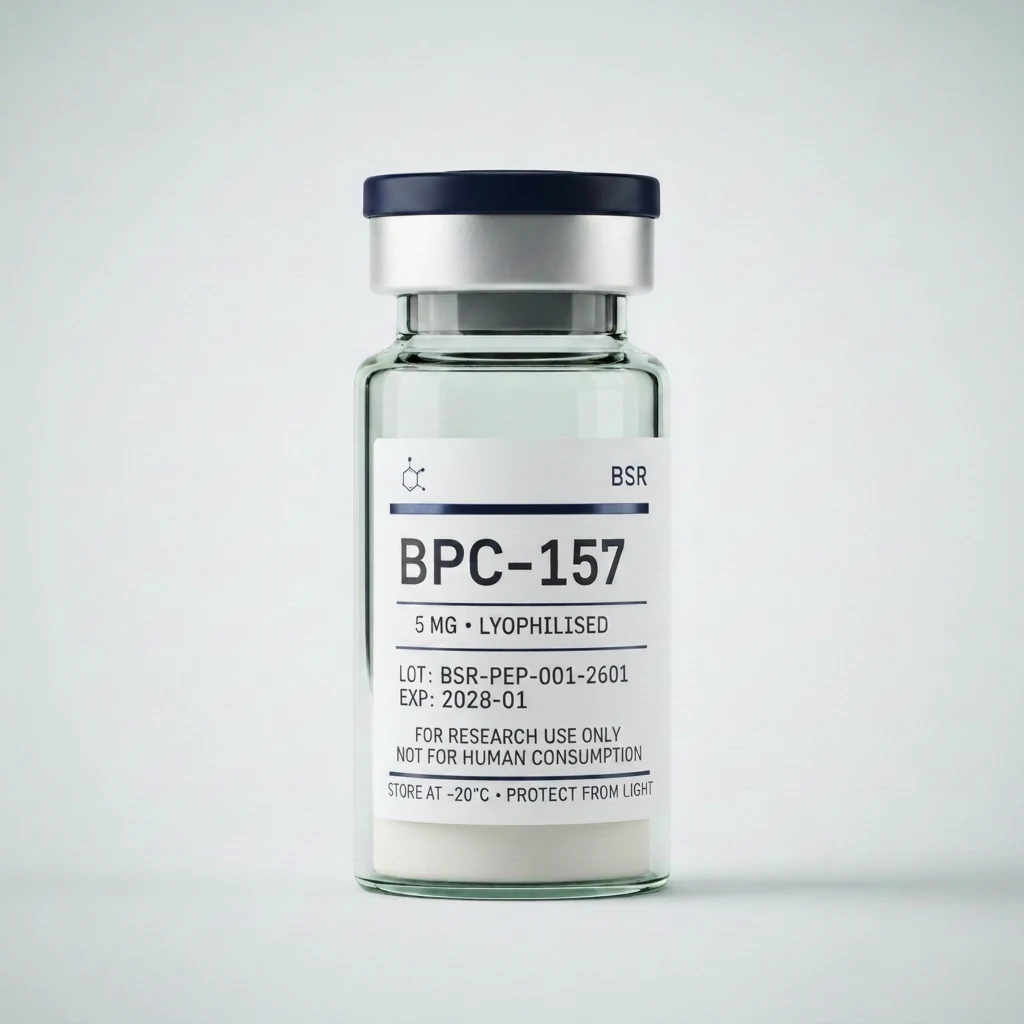
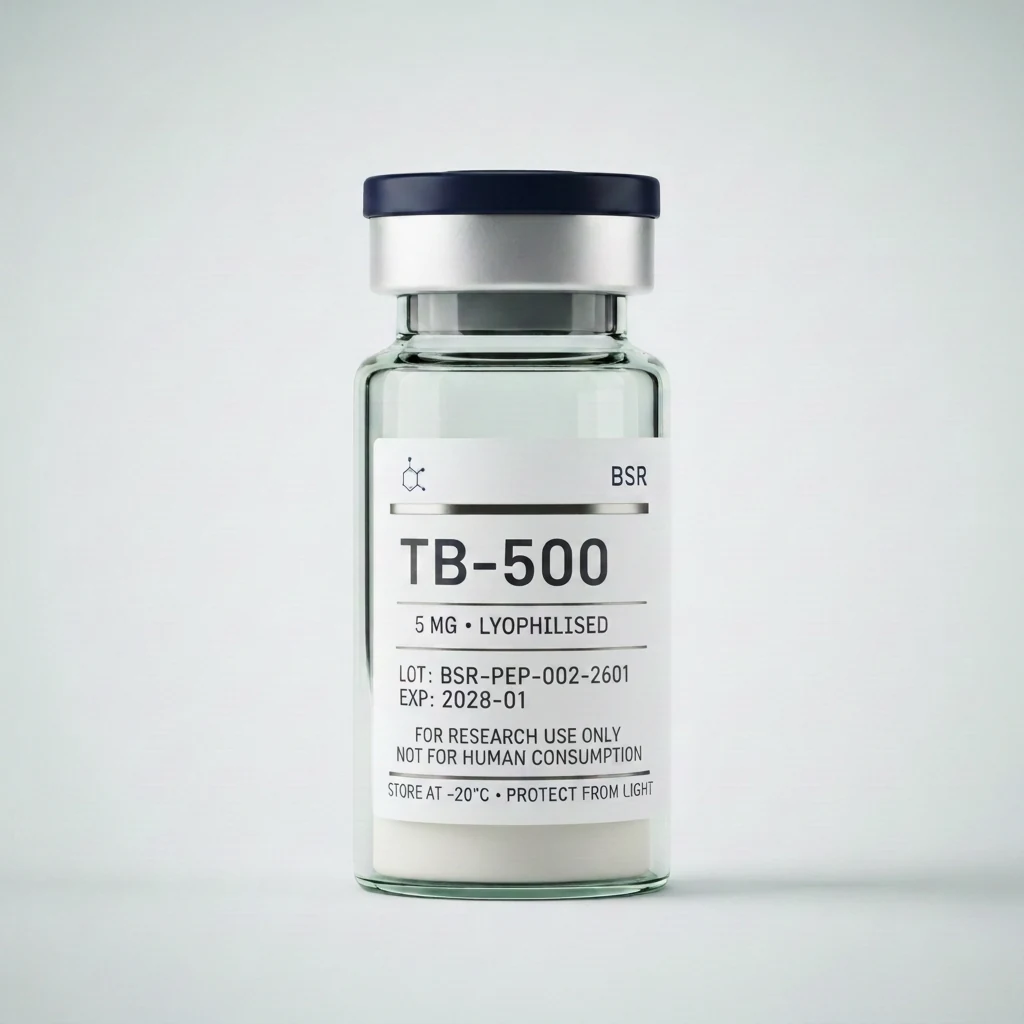
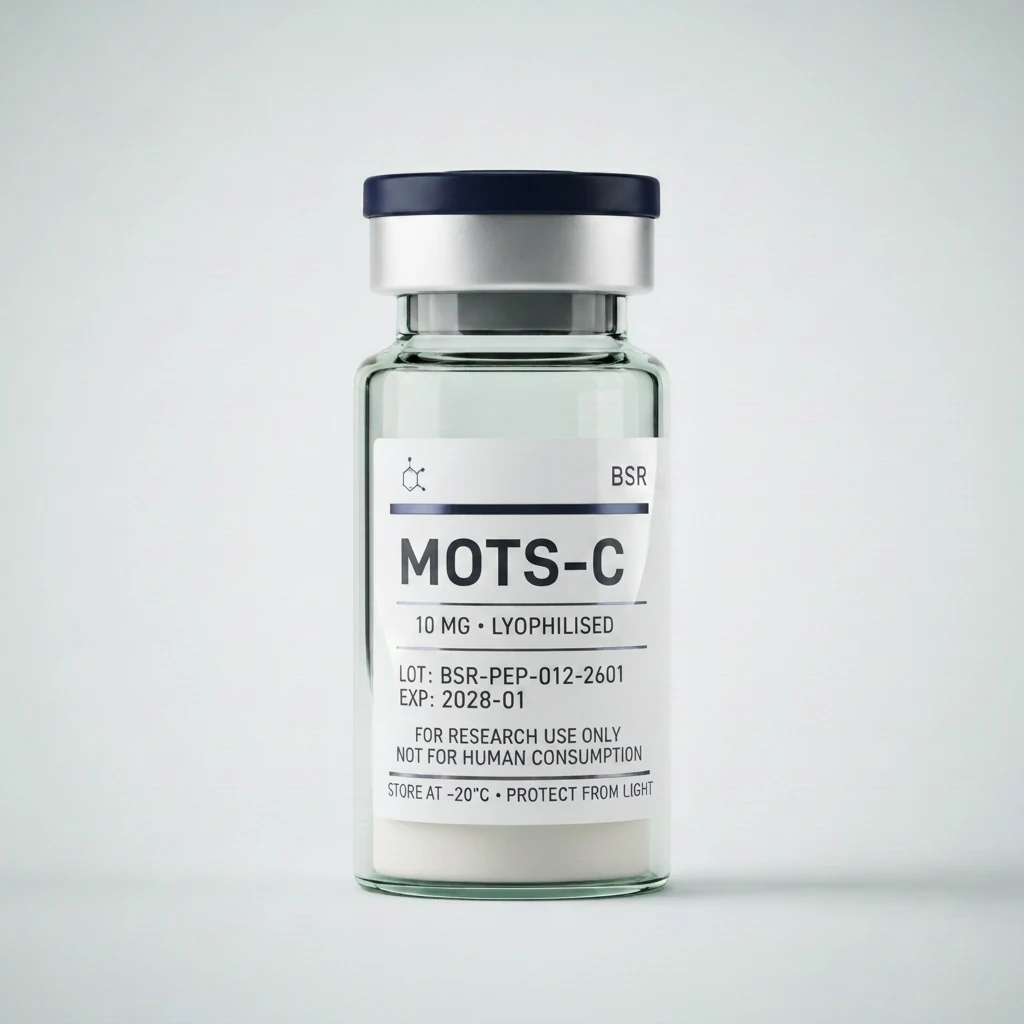
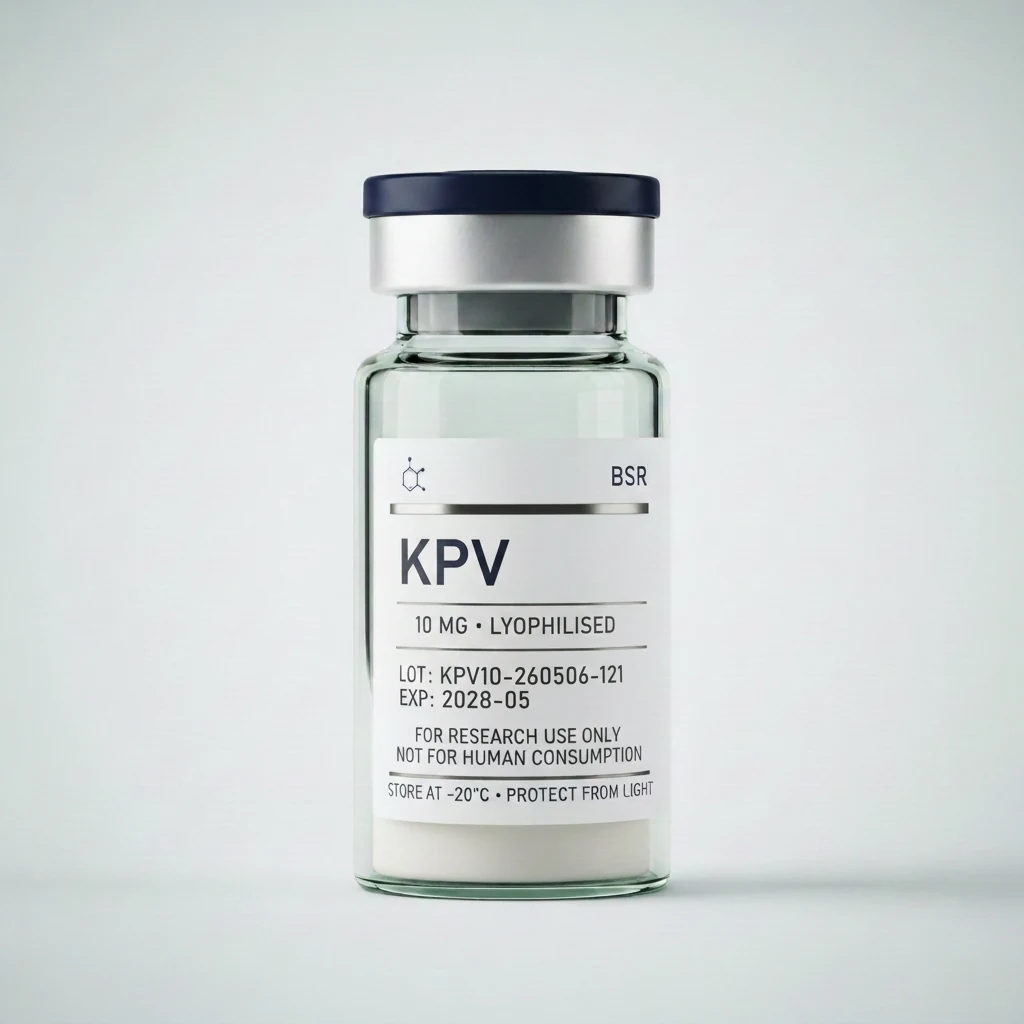
The FDA's Pharmacy Compounding Advisory Committee voted 8-6 on 23 July 2026 to recommend four peptides — BPC-157, KPV, TB-500, and MOTS-c — for inclusion on the 503A Bulk Drug Substances List, against the agency's own staff recommendations. Day 2 votes on Emideltide, Semax, and Epitalon conclude today. The panel's recommendations are non-binding, and formal rulemaking could take twelve months or more.
11 sources cited
Key takeaways
- The FDA's Pharmacy Compounding Advisory Committee (PCAC) voted 8-6 with one abstention on 23 July 2026 to recommend BPC-157, KPV, TB-500, and MOTS-c for inclusion on the Section 503A Bulk Drug Substances List.
- The result directly contradicts FDA career scientists, whose briefing documents recommended against listing all seven peptides under review.
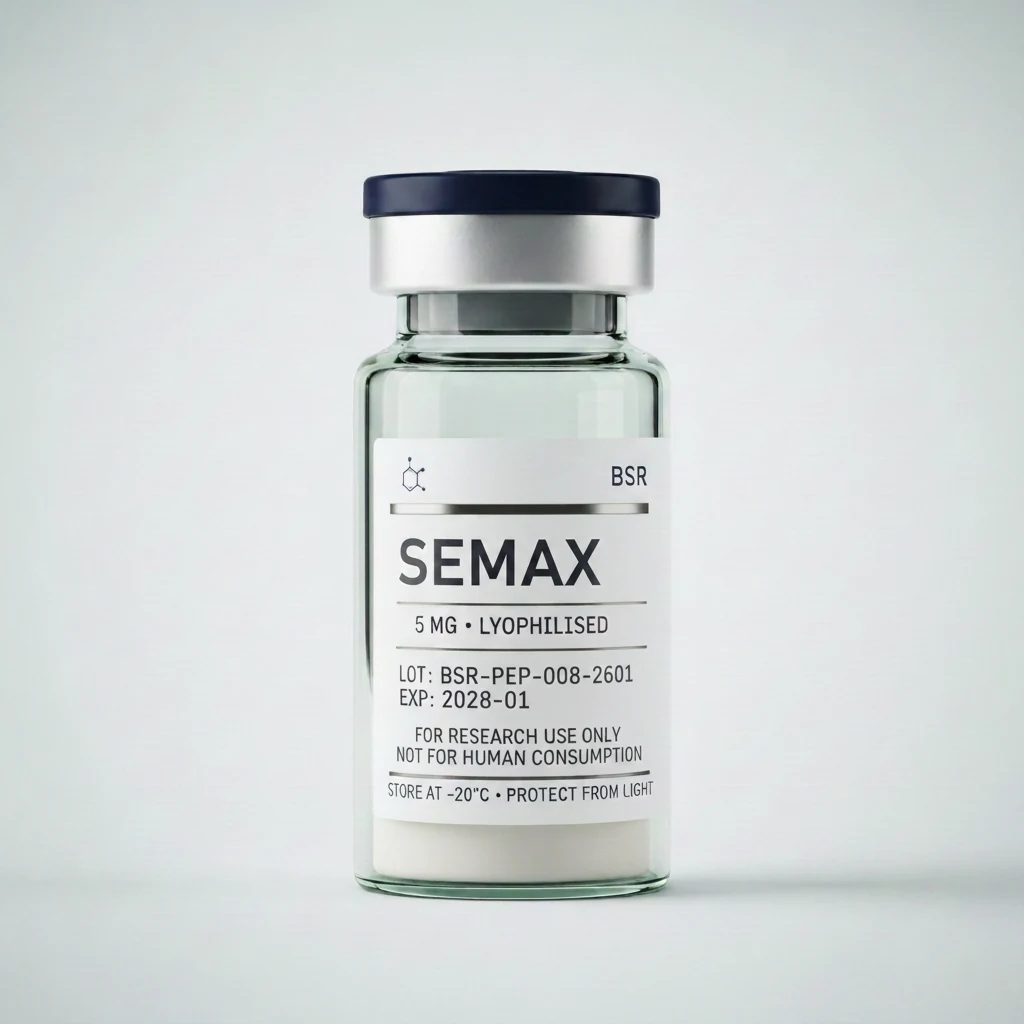
- Day 2 of the meeting, taking place today (24 July), reviews Emideltide (DSIP), Semax, and Epitalon.
- A positive PCAC recommendation does not alter the legal status of these substances immediately; formal notice-and-comment rulemaking must follow, typically taking twelve to twenty-four months.
- For UK research-procurement professionals, the US vote has no direct regulatory effect, but it may influence supply chain dynamics and future international regulatory debate.
What the PCAC decided on Day 1
In an outcome that STAT News described as a win for peptide proponents and for HHS Secretary Robert F. Kennedy Jr., the FDA's Pharmacy Compounding Advisory Committee recommended on 23 July 2026 that compounding pharmacies be allowed to manufacture BPC-157, KPV, TB-500, and MOTS-c.
According to NPR, the panel voted identically for BPC-157 and KPV: 8-6 in favour with one abstention. Those votes were conducted twice for each substance — once for the free base form and once for the acetate salt — reflecting the FDA's question structure, which asked separately about each chemical variant. NPR also reported that the advisers voted in favour of MOTS-c and TB-500 as well, though specific vote tallies for those substances had not been published at the time of writing.
The Hill reported that by approximately 7 p.m. EDT on Thursday, the committee had voted in favour of adding BPC-157, KPV, and TB-500 to the list, while deliberations on MOTS-c were still under way at that point.
The split vote reflects the contested nature of the evidence. According to The Hill, opponents argued there was insufficient data to establish safety and efficacy, while supporters contended there was equally insufficient data to disprove the compounds' benefit. One FDA staffer raised a structural concern about product characterisation, noting that the agency had encountered many products marketed as "BPC-157" that contained different active molecules, creating an inconsistent evidence base.
The tension with FDA's own scientists
The PCAC vote represents a notable departure from the agency's own staff analysis. According to Orrick's regulatory commentary, FDA's briefing documents proposed the same conclusion for all seven peptides: do not add them to the 503A Bulks List. The agency's career scientists applied the four-factor framework under 21 CFR 216.23(c) — covering physical and chemical characterisation, historical use in compounding, evidence of effectiveness, and safety — and concluded that none of the seven substances satisfied the applicable criteria for inclusion.
RAPS similarly reported that the 8-6 vote in favour covered BPC-157 and KPV for ulcerative colitis and wound treatment respectively, with inflammatory conditions as a secondary indication for KPV.
The docket for this meeting, FDA-2025-N-6895, attracted approximately 1,860 public comments, a signal of the level of commercial and patient-community interest in the outcome.
Conflict-of-interest concerns
The meeting did not proceed without controversy. Prior to the vote, the Associated Press reported — and coverage was carried by PBS NewsHour, ABC News, and NBC News, according to The Peptide Catalog — that at least three committee members had financial ties to the peptide industry, including two who currently sell peptides to patients. Pharmaceutical industry group PhRMA also argued ahead of the meeting that the PCAC may not be free of conflicts of interest and that the FDA's four-factor standard compelled exclusion. Orrick's analysis, published before the vote, assessed that given the reconstituted committee's composition, the most probable outcome was a recommendation for inclusion for some or all of the seven peptides — an outcome now confirmed for the Day 1 cohort.
What happens next: the rulemaking runway
It is important to distinguish between a PCAC recommendation and a change in legal status. As the FDA's own advisory committee process makes clear, the committee's role is advisory; the agency is not required to follow its guidance. According to STAT News, it is unusual — though not without precedent — for the FDA to act against a PCAC recommendation.
Should FDA accept the committee's advice, it must still publish a Notice of Proposed Rulemaking, hold a public comment period of typically sixty to ninety days, and issue a final rule. Orrick's analysis estimates this process takes twelve to twenty-four months. According to Pharmacy Times, operational resumption at compounding pharmacies would lag any announcement, pending raw-material sourcing and batch or sterility validation. Nothing changes immediately at 503A compounding pharmacies as a result of Thursday's vote.
It is also worth noting what Thursday's vote is not. All seven peptides already came off the FDA's Category 2 "may not be compounded" list on 23 April 2026, after their nominators withdrew submissions for that restricted list. A negative PCAC vote would not have reinstated that prohibition; it would simply have left no new legal compounding pathway open. The July vote is therefore an upside question for access, not a downside risk to current research-use supply.
Day 2: Emideltide, Semax, and Epitalon
On 24 July 2026 — today — the committee is scheduled to review the remaining three substances: Emideltide (also referred to as delta sleep-inducing peptide or DSIP), Semax, and Epitalon. Given the 8-6 vote pattern from Day 1, and the signals noted by Orrick, the committee may be expected to apply similar reasoning. However, the Day 2 cohort presents distinct evidentiary challenges.
According to Drug Topics, Emideltide's human study history dates to 1981 but trials were small and inconsistent, and FDA raised a concern that its mechanism — stimulating endorphin release — could carry addictive potential. Semax is approved in Russia for post-stroke cognitive recovery, but US-language clinical data is limited. Epitalon's longevity claims rely primarily on ageing cohort studies from a single research group, which represents a structural weakness in the evidence base. BSR will update coverage once Day 2 results are confirmed.
Implications for UK research procurement
The PCAC meeting has no direct bearing on the regulatory status of these peptides in the United Kingdom, where MHRA classifies unlicensed peptides under existing medicines legislation independent of FDA action. However, US regulatory outcomes can influence global supply chains. A clear FDA compounding pathway, if eventually formalised, would likely increase legitimate US demand for well-characterised bulk peptide APIs, with knock-on effects for CDMO capacity — a dynamic already in motion following Samsung Biologics' agreed acquisition of peptide CDMO PolyPeptide Group for approximately $1.8 billion, subject to customary closing conditions expected by end of 2026.
For UK laboratories procuring research-grade peptides, the key near-term implication is one of characterisation rigour. The FDA staffer's concern about inconsistent naming conventions and varying active molecules within products all marketed as "BPC-157" is directly relevant to Certificate of Analysis scrutiny. Procurement professionals should verify that supplier CoAs specify the exact chemical form — free base or acetate — matched to the batch tested, and confirm that HPLC purity data and mass spectrometry confirmation are provided for each lot.
BSR Intelligence monitors PCAC proceedings in real time. Day 2 vote outcomes for Emideltide, Semax, and Epitalon will be covered in a subsequent briefing once the official record is published.
Research-grade material, HPLC verified, certificate of analysis with every order.
The week's Intelligence in one email, every Friday morning.
Regulatory moves, trial readouts, supply-chain news. No product pitches. Unsubscribe in one click.
More in Regulatory & Policy
Peptide Interim Access Policy Enters White House Review: What the OIRA Submission and This Week's OMB Meeting Mean for Research Procurement
19 Oct 2026
One Amino Acid, Three High Stakes: What the Seventh Circuit's Pending Retatrutide Ruling Means for Exclusivity, Medicare Pricing, and Compounding Access
12 Oct 2026
FDA Career Scientists Formally Oppose Administration's Interim Peptide Dispensing Plan — and What the Internal Split Means for Research Procurement
11 Oct 2026