Regulatory & Policy · 02 Jul 2026
FDA Scientists Advise Against Peptide Compounding Access as PCAC Panel Composition Draws Scrutiny — What It Means for the July 23-24 Review
With three weeks to go before the FDA's Pharmacy Compounding Advisory Committee meets to review seven peptides including Semax, Emideltide, BPC-157, and MOTS-c, FDA career scientists have publicly recommended against easing compounding restrictions — placing agency staff in direct tension with HHS Secretary Kennedy's stated position. Simultaneously, scrutiny of the panel's composition has intensified after it emerged that several members have financial ties to the peptide industry.
10 sources cited
Key takeaways
- FDA career scientists posted briefing documents on 30 June 2026 recommending against easing compounding access to all seven peptides under PCAC review, citing insufficient evidence on efficacy and safety.
- The newly composed advisory panel departs from previous PCAC precedent: where earlier groups comprised academics and clinical researchers, the current panel predominantly includes health professionals who prescribe, produce, or promote peptides commercially.
- PCAC recommendations are non-binding; even a favourable vote would trigger a notice-and-comment rulemaking process that legal experts estimate could take more than a year.
- Semax — a synthetic ACTH analogue with approval in Russia and Ukraine — is on the Day 2 agenda (24 July) alongside Emideltide (DSIP) and Epitalon. Its evidence base is substantially preclinical outside the Russian literature.
- The public comment deadline for the PCAC docket is 22 July 2026; comments received by 9 July will be provided directly to the committee.
- UK and EU procurement professionals face no immediate change: the MHRA and EMA operate separate frameworks and neither body has indicated a corresponding review is imminent.
The core regulatory tension
Three weeks before the FDA's Pharmacy Compounding Advisory Committee (PCAC) convenes at the White Oak Campus in Silver Spring, Maryland, a significant internal disagreement has become public. FDA career scientists quietly posted briefing documents on 30 June 2026 advising against easing rules that would allow compounding pharmacies to produce seven peptides, covering indications ranging from ulcerative colitis to insomnia and obesity. The staff scientists determined there was insufficient evidence on the peptides' effectiveness and safety.
This recommendation places agency scientific staff in direct tension with HHS Secretary Robert F. Kennedy Jr., who has made no secret of his support for the substances, stating that he has used some of them himself and would like the FDA to allow compounding pharmacies to again offer the drugs.
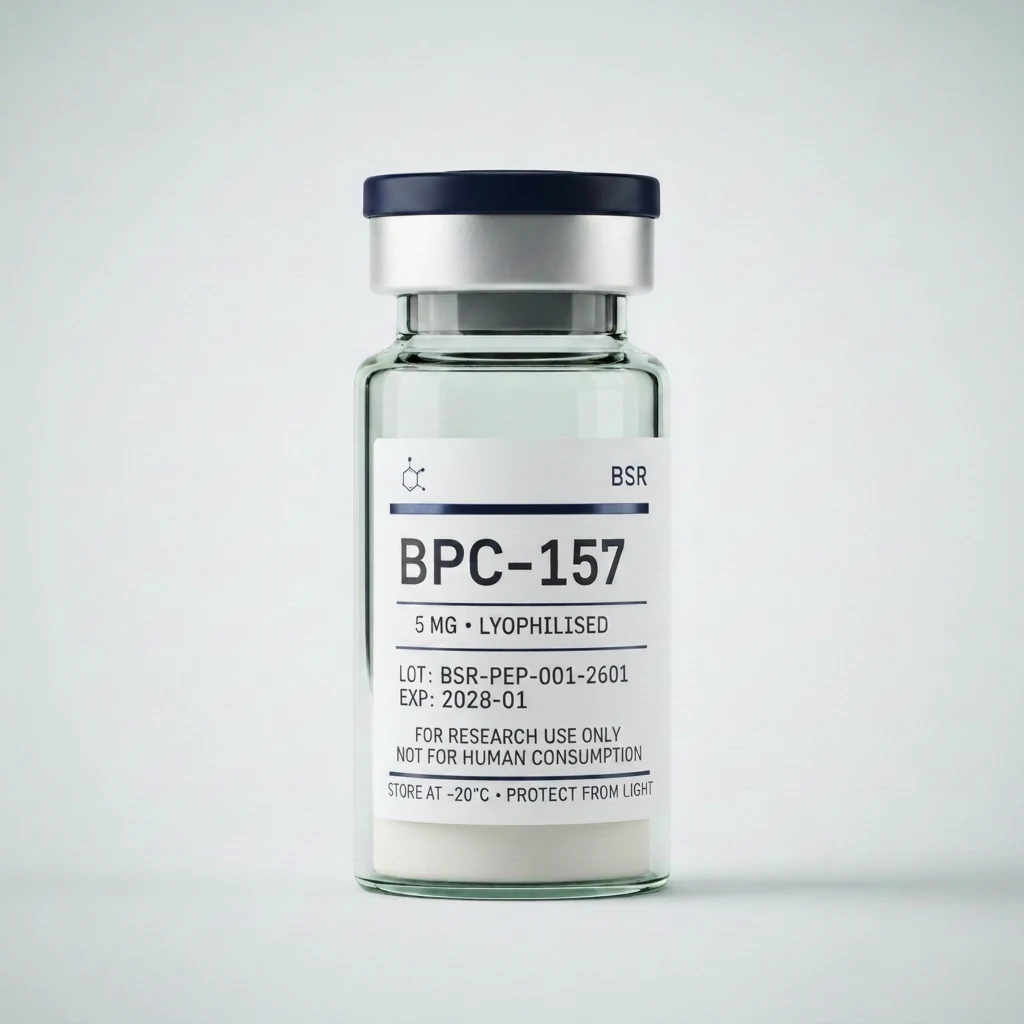
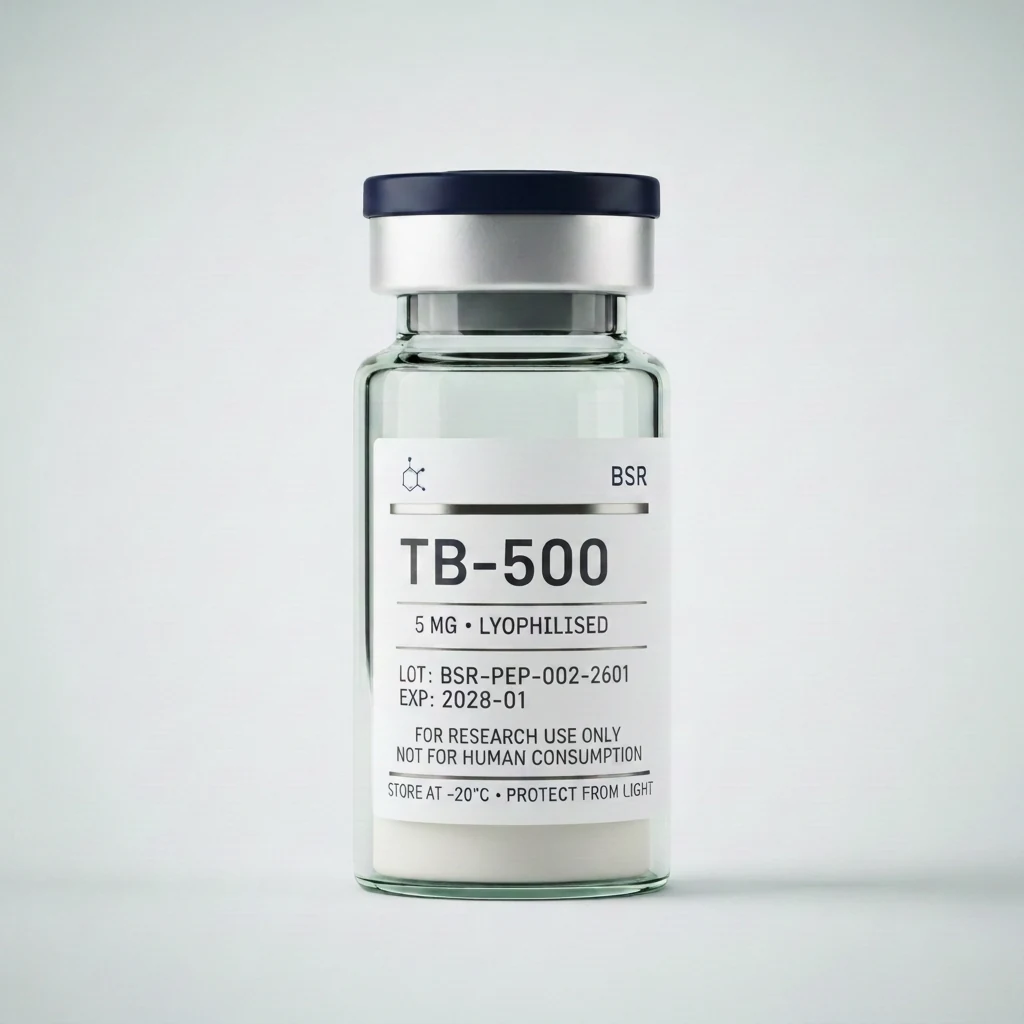
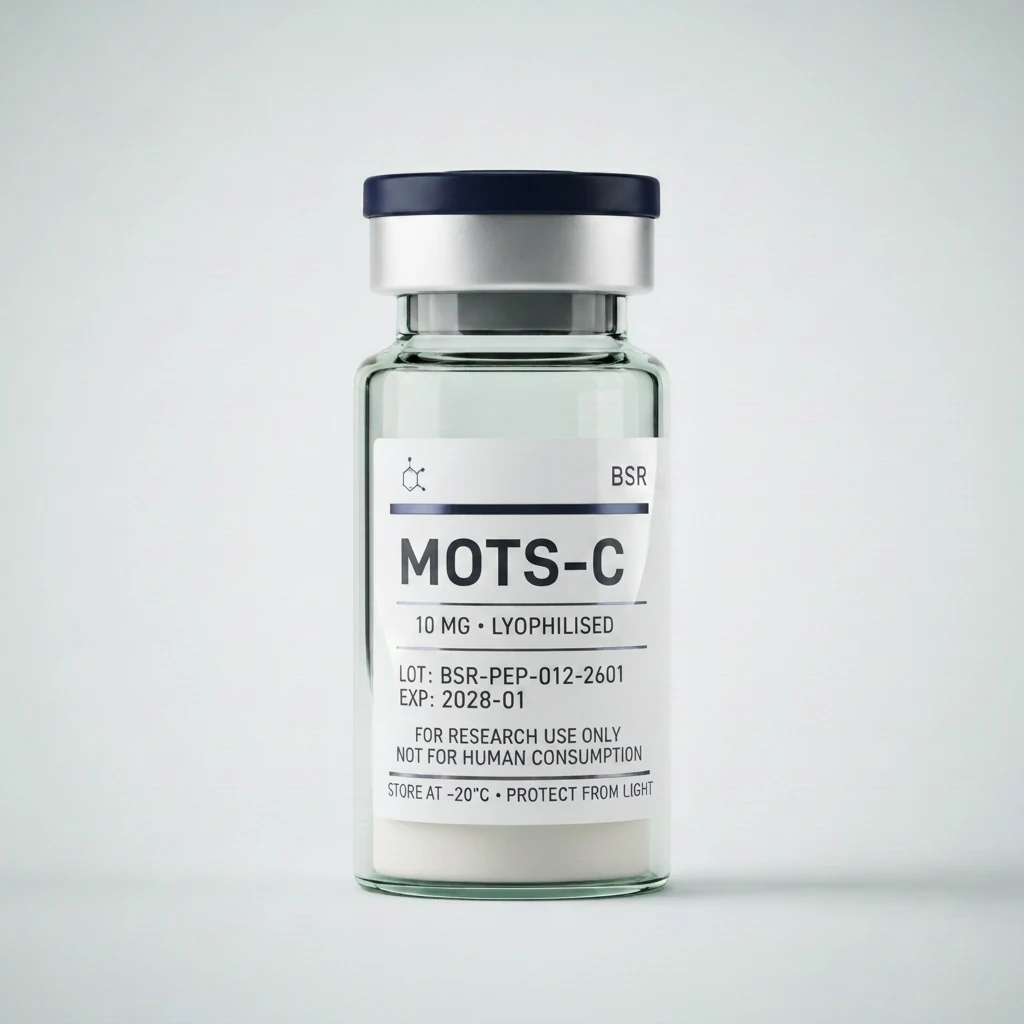
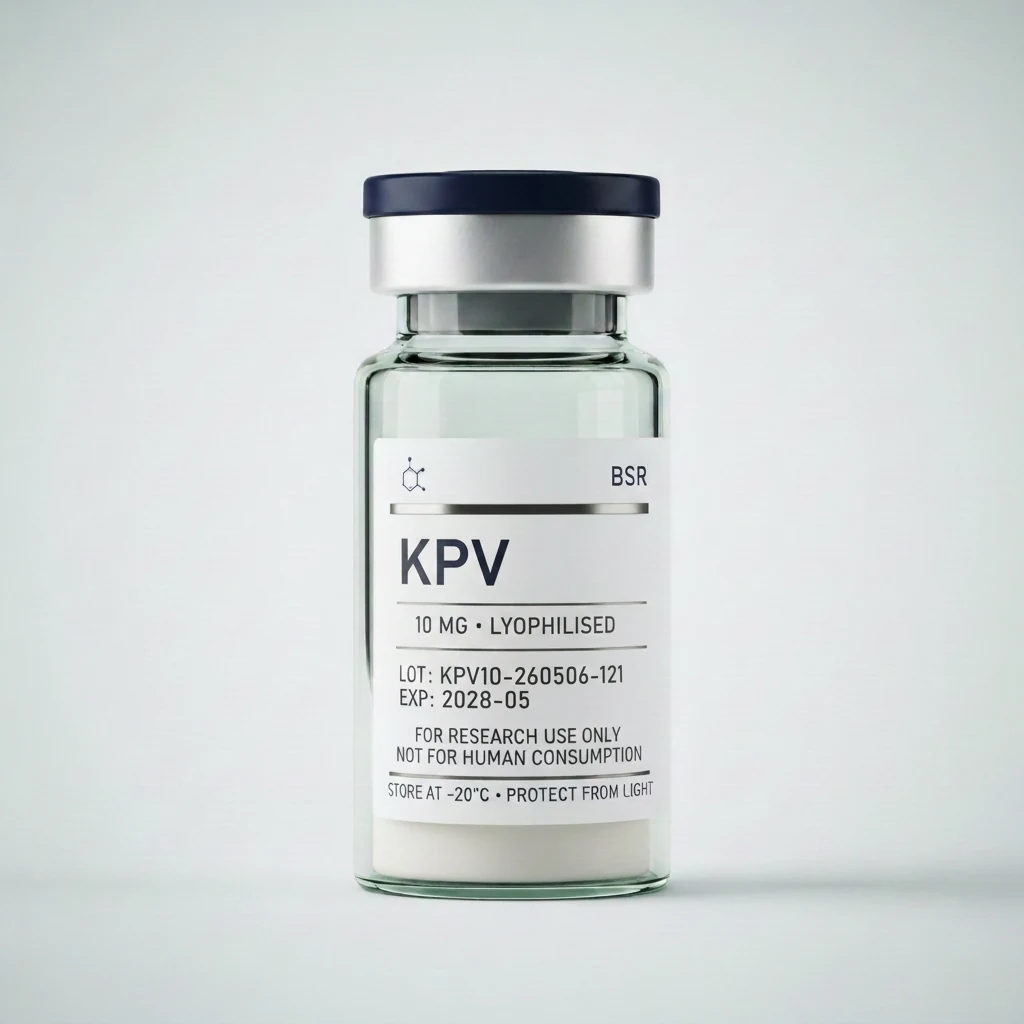
The peptides under review at the 23 July session are BPC-157, KPV, TB-500, and MOTS-c; on 24 July the committee will discuss Emideltide (also known as delta sleep-inducing peptide, DSIP), Semax, and Epitalon. All are being evaluated for potential inclusion on the Section 503A Bulk Drug Substances List. The panel will review the evidence supporting the use of these peptides for specific indications, including ulcerative colitis, wound healing, obesity, and migraines.
Panel composition raises procedural questions
The scrutiny extends beyond the scientific disagreement to the composition of the panel itself. The Food and Drug Administration released its list of participants for the upcoming meeting, and the agency's new group mainly includes health professionals who prescribe, produce, or promote peptides, which have become a wellness trend among athletes, influencers, and celebrities. Previous FDA panels on the topic had been composed of academics and researchers.
Under existing federal transparency rules, experts who have a financial stake in a company or industry are permitted to serve on advisory panels, but the relationship must be disclosed and regulators are required to explain why the person's expertise outweighs their potential conflict of interest. STAT News, which reported the panel composition on 29 June 2026, noted that many members have businesses tied to peptides.
What the PCAC process actually does — and does not do
Research procurement professionals should understand what a positive PCAC outcome would and would not achieve. PCAC's recommendation is non-binding, and formal rulemaking is what comes next. Even if the PCAC recommends adding these peptides to the 503A Category 1 list, and even if the FDA agrees, notice-and-comment rulemaking is still required — a process that, under standard timelines, can take more than a year.
There is also a structural point that has been widely mischaracterised in public reporting. A peptide moving from Category 2 to Category 1 is a regulatory designation governing whether licensed compounding pharmacies — operating under Sections 503A or 503B — may legally prepare it. It does not constitute FDA drug approval. None of the 14 peptides under current or planned discussion have undergone the formal Phase 1 through Phase 3 clinical trials, safety and efficacy review, labelling approval, and manufacturing validation required under a New Drug Application.
A further complication for 503B outsourcing facilities: the FDA has been notably silent concerning 503B outsourcing facilities' ability to compound using peptides — the agency has not indicated that these peptides will be reviewed for or otherwise moved to the separate 503B Category 1 list. Compounding pharmacies are therefore unlikely to resume production at scale until formal FDA guidance is published, raw materials are sourced, and batch validation is complete.
Semax: the Day 2 peptide in focus
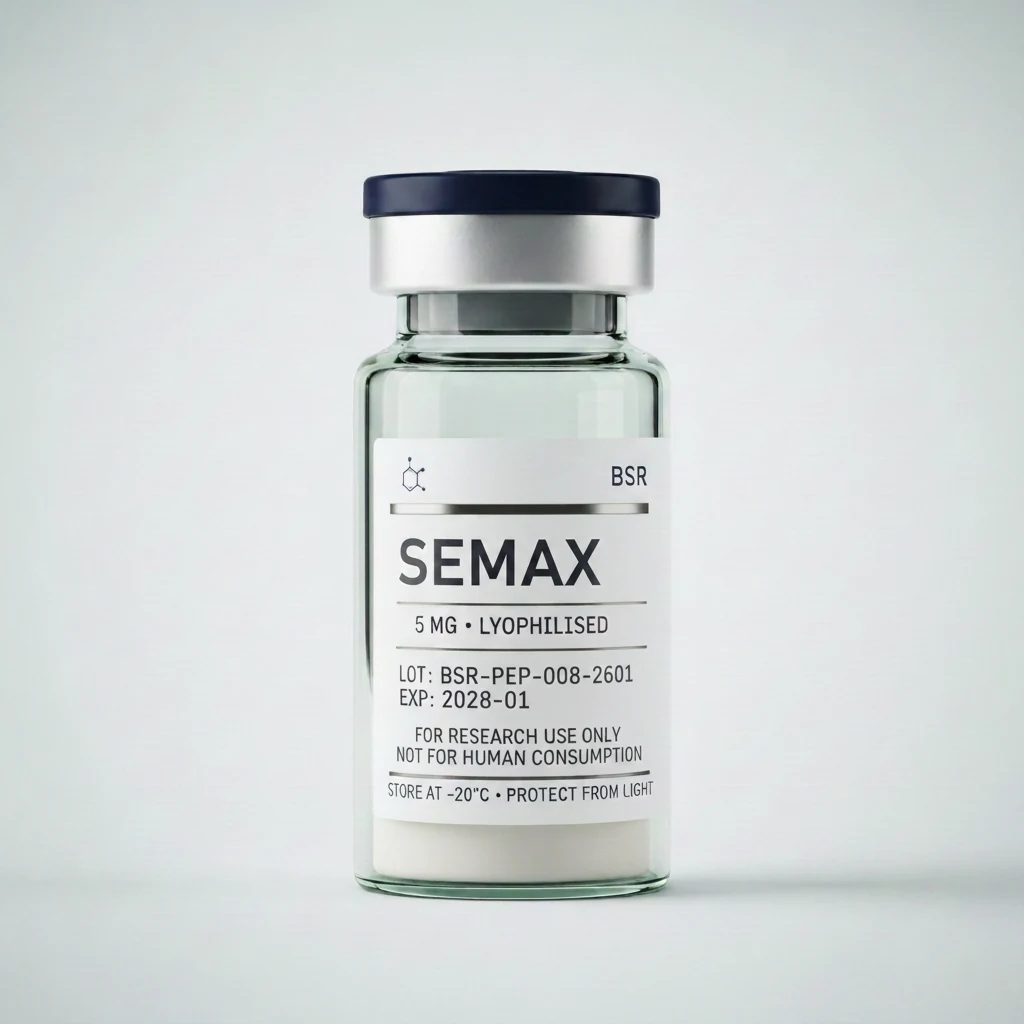
Semax is the most clinically documented of the three peptides on the 24 July agenda. It is a synthetic analog of the ACTH 4-10 fragment and has no hormonal or corticotropic activity — it does not affect the adrenal axis. In Russia and Ukraine, Semax is approved as a prescription medicine used for ischemic stroke, transient ischemic attack, cognitive and memory disorders, and optic nerve disease. Since its initial characterisation, it has accumulated over 100 peer-reviewed publications documenting its effects on brain-derived neurotrophic factor (BDNF) expression, monoaminergic neurotransmission, cognitive function, and neuroprotection following ischaemic injury.
However, the evidence base for Western regulators is materially thinner than the volume of publications suggests. Animal evidence for BDNF upregulation, neuroprotection, and dopaminergic activation is consistent and well-replicated; the strongest human data is for stroke recovery, based on Russian trials. While much of the evidence to date comes from basic research and animal models, the promising results have spurred interest in further clinical studies to evaluate Semax's efficacy and safety in human populations.
Recent preclinical work has added mechanistic depth. A 2025 study published in Acta Naturae tested Semax in transgenic Alzheimer's disease mouse models and found measurable improvements across open field, novel object recognition, and Barnes maze tests. A separate 2025 study in Bioinorganic Chemistry and Applications demonstrated that Semax reduced reactive oxygen species production associated with amyloid-beta/copper interactions — a mechanistically distinct neuroprotective pathway unrelated to BDNF activity. These findings extend the mechanistic rationale but do not constitute clinical evidence of efficacy in human neurodegenerative disease.
In the US, Semax has no FDA approval, no USP monograph, and is not part of any approved drug; it is sold for research use only. Its 503A compounding status is under active FDA review as of this writing, making the 24 July session a key moment for its US regulatory trajectory.
What the background documents mean for the PCAC vote
The publication of negative briefing documents by FDA staff scientists is not unprecedented, but the visibility of the disagreement — and the context in which it is occurring, given the Secretary's publicly stated preferences — is unusual. The FDA cited "significant safety concerns" when it moved peptides into Category 2 in September 2023, including risks related to immunogenicity, impurities, and availability of only limited human clinical data. Staff documents released ahead of the July meeting appear to reaffirm those concerns rather than revise them.
The PCAC briefing documents are available through the FDA's public docket (FDA-2025-N-6895). Comments received by 9 July 2026 will be provided to the committee; those received after that date but by 22 July will be taken into consideration by the FDA. Organisations with an interest in the outcome — including manufacturers, research institutions, and clinical suppliers — retain the option to submit public comments before the earlier deadline.
Procurement implications for UK research laboratories
No MHRA guidance equivalent to the current FDA review process is in effect. Peptides such as Semax, BPC-157, TB-500, MOTS-c, and Emideltide remain unregulated as medicines in the United Kingdom when purchased and used strictly for in vitro or preclinical research purposes, and must be labelled and used accordingly under "research use only" terms. Procurement teams should verify supplier Certificates of Analysis for purity (HPLC ≥98%), identity (mass spectrometry confirmation), and sterility where relevant.
The US PCAC process will not alter UK procurement legality directly, but a positive PCAC outcome followed by FDA rulemaking could influence international regulatory conversation over the medium term. Conversely, if FDA staff science prevails and the committee votes against inclusion, it may increase MHRA interest in the underlying evidence base — or provide grounds for tighter enforcement against grey-market supply into the UK. Procurement teams are advised to monitor both the 23-24 July proceedings and any subsequent FDA response to the PCAC recommendations.
Research-grade material, HPLC verified, certificate of analysis with every order.
The week's Intelligence in one email, every Friday morning.
Regulatory moves, trial readouts, supply-chain news. No product pitches. Unsubscribe in one click.
More in Regulatory & Policy
One Amino Acid, Three High Stakes: What the Seventh Circuit's Pending Retatrutide Ruling Means for Exclusivity, Medicare Pricing, and Compounding Access
12 Oct 2026
FDA Career Scientists Formally Oppose Administration's Interim Peptide Dispensing Plan — and What the Internal Split Means for Research Procurement
11 Oct 2026
HHS Stopgap Plan for Restricted Peptides: What the Reported Enforcement-Discretion Proposal Means for Research Procurement
09 Oct 2026