Regulatory & Policy · 30 Jul 2026
FDA's 503B Bulks List Comment Period Closes Today on GLP-1 Compounding Ban — What Comes Next
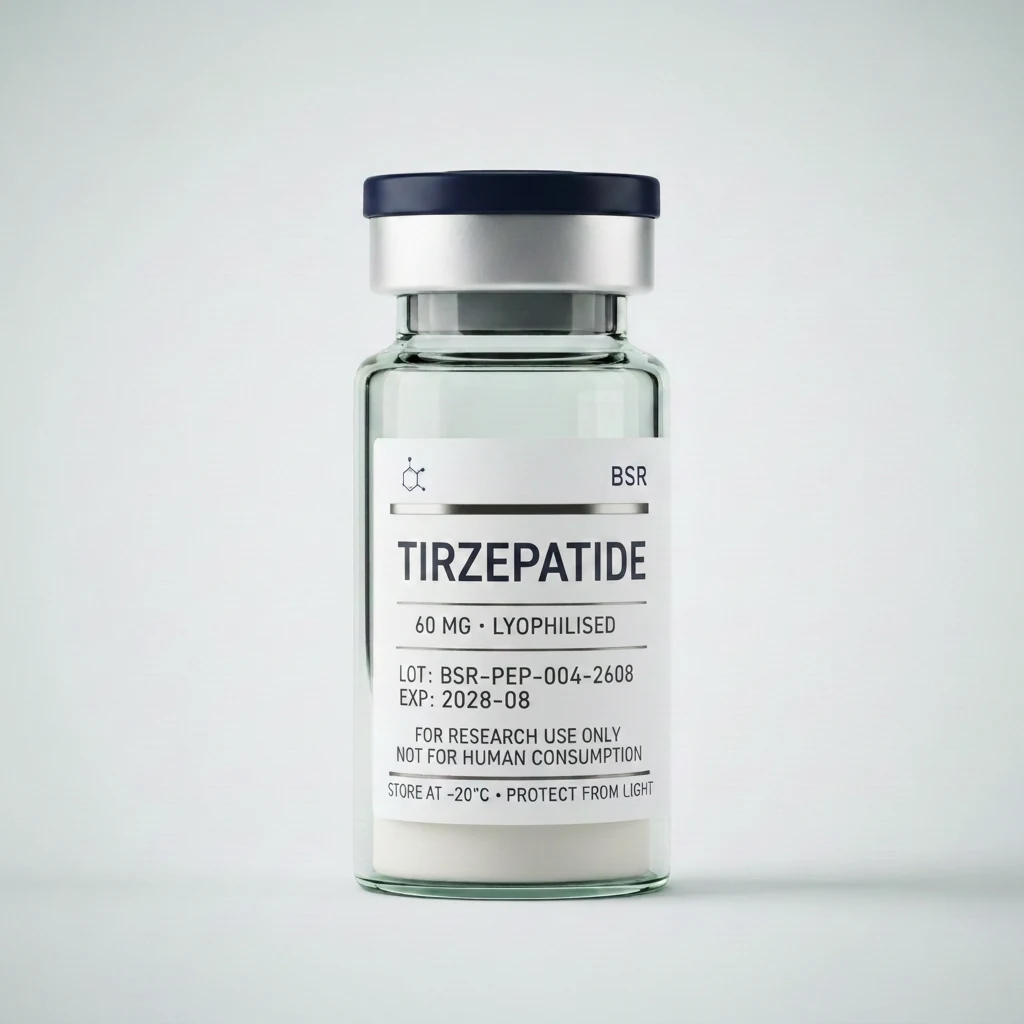
Today, 30 July 2026, marks the final day for public comments on the FDA's proposal to permanently exclude semaglutide, tirzepatide, and liraglutide from the 503B Bulks List. Once the docket closes, the agency will move toward a final determination that would strip 503B outsourcing facilities of the last legal pathway for large-scale GLP-1 compounding — with direct consequences for research procurement and the broader peptide supply chain.
9 sources cited
Key takeaways
- Today, 30 July 2026, is the final day to submit public comments on the FDA's proposal to exclude semaglutide, tirzepatide, and liraglutide from the 503B Bulks List (Federal Register docket 91 FR 23431).
- If finalised, 503B outsourcing facilities would be permanently barred from bulk compounding these three GLP-1 receptor agonists — closing the last large-scale legal pathway for compounded GLP-1 products.
- The 503A route for patient-specific compounding survives, but faces its own legal constraints under the "essentially a copy" prohibition.
- The Partnership for Safe Medicines submitted a supporting comment on 28 July, while compounding industry groups have argued the rule creates access and affordability problems.
- The FDA is expected to publish its final determination in Q3–Q4 2026; industry analysts had already anticipated this outcome following shortage resolutions in late 2024 and early 2025.
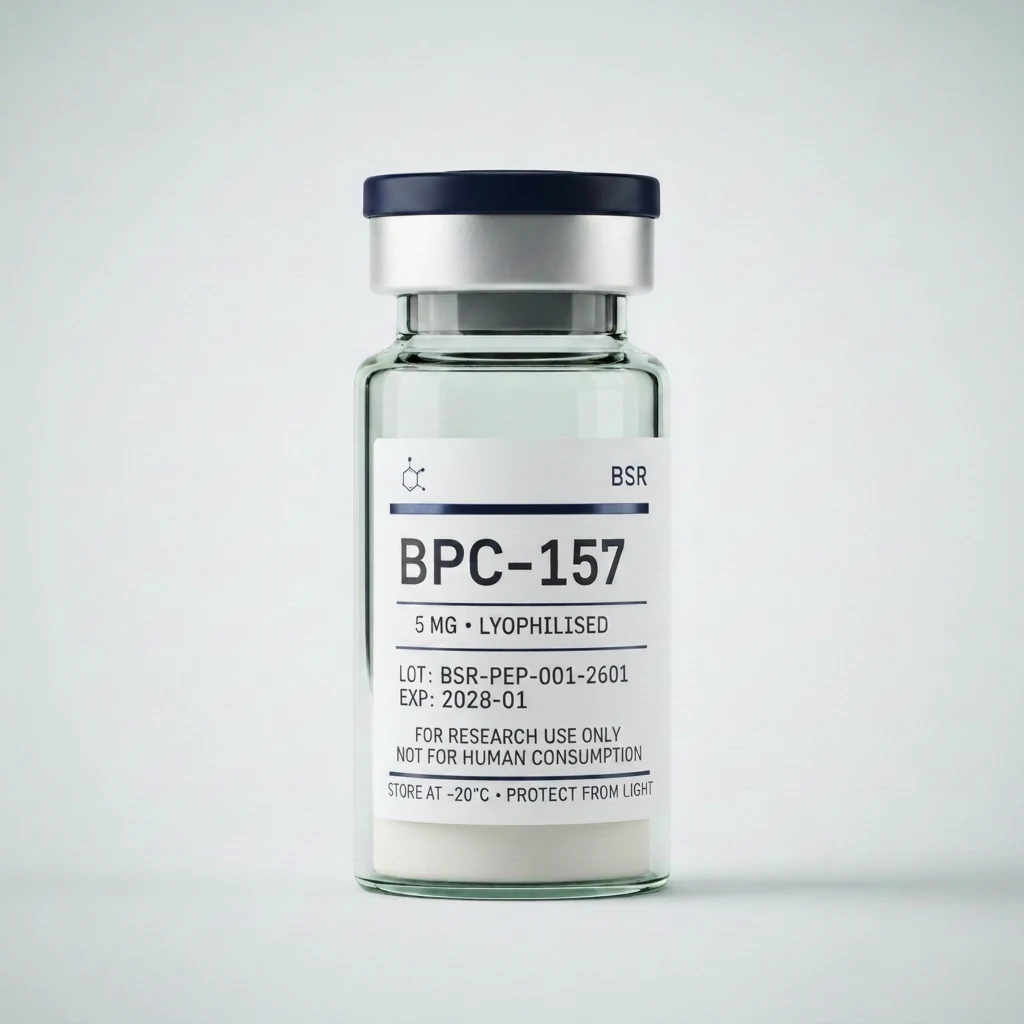
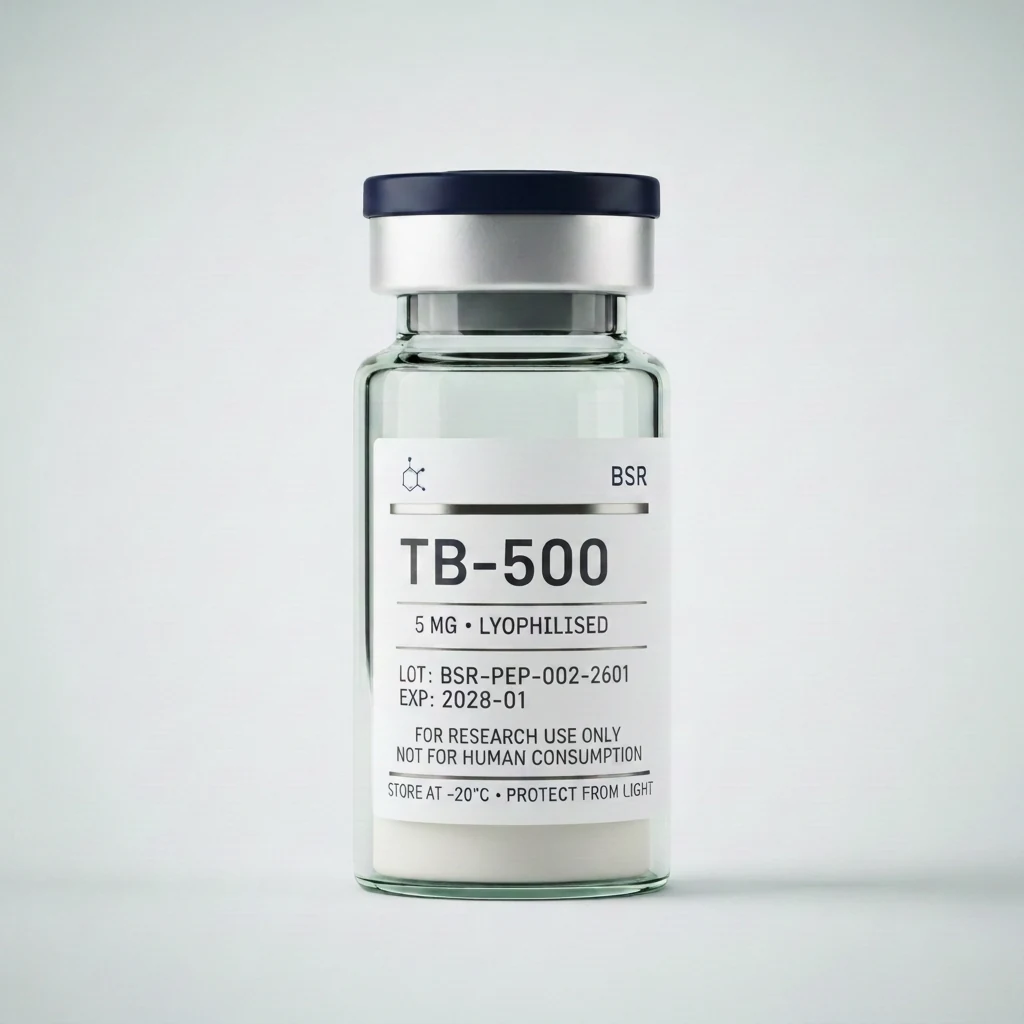
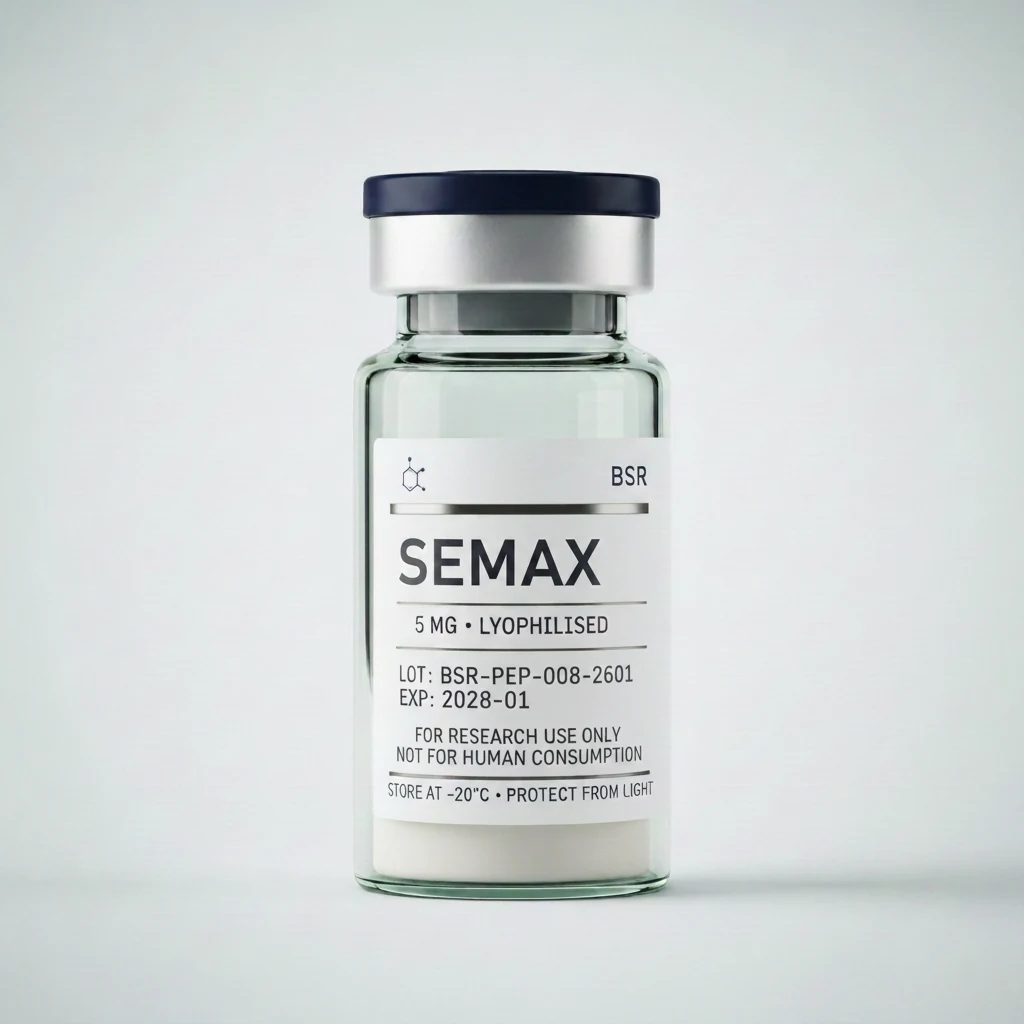
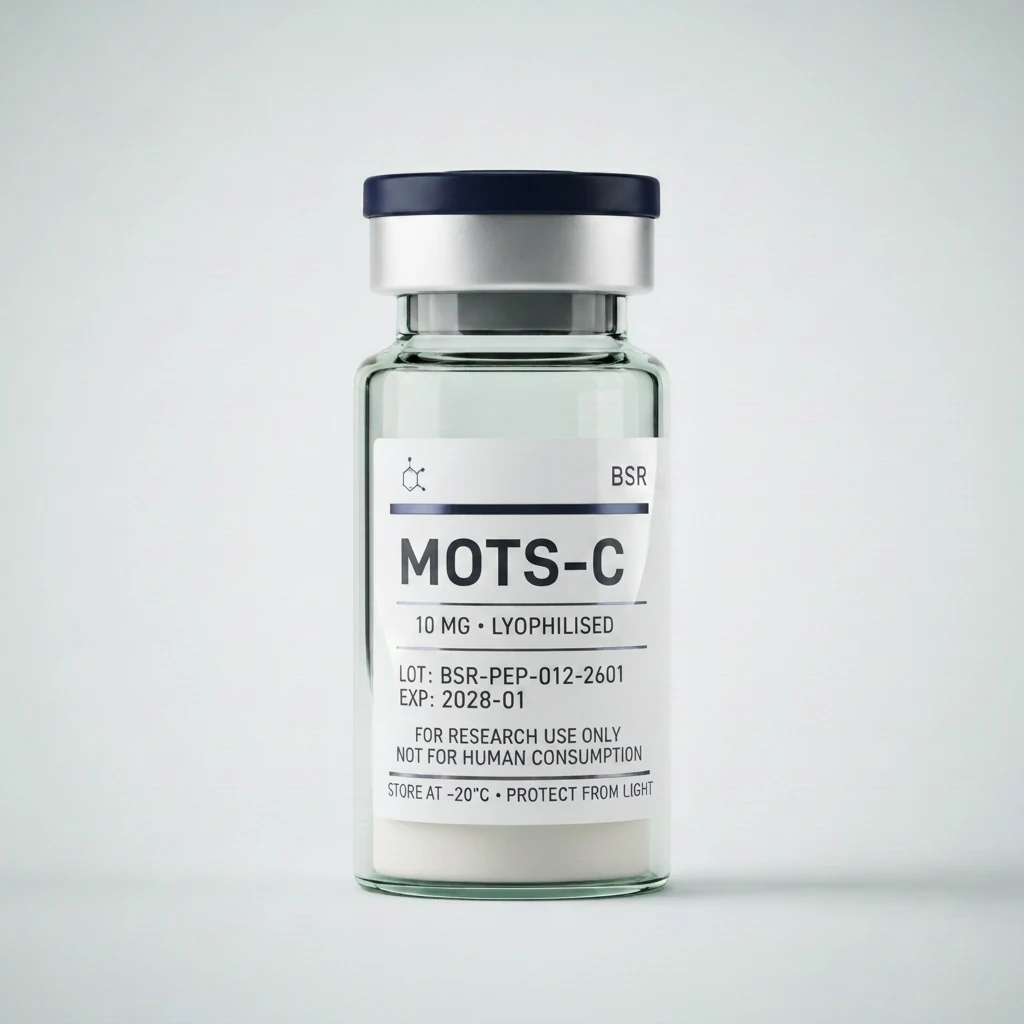
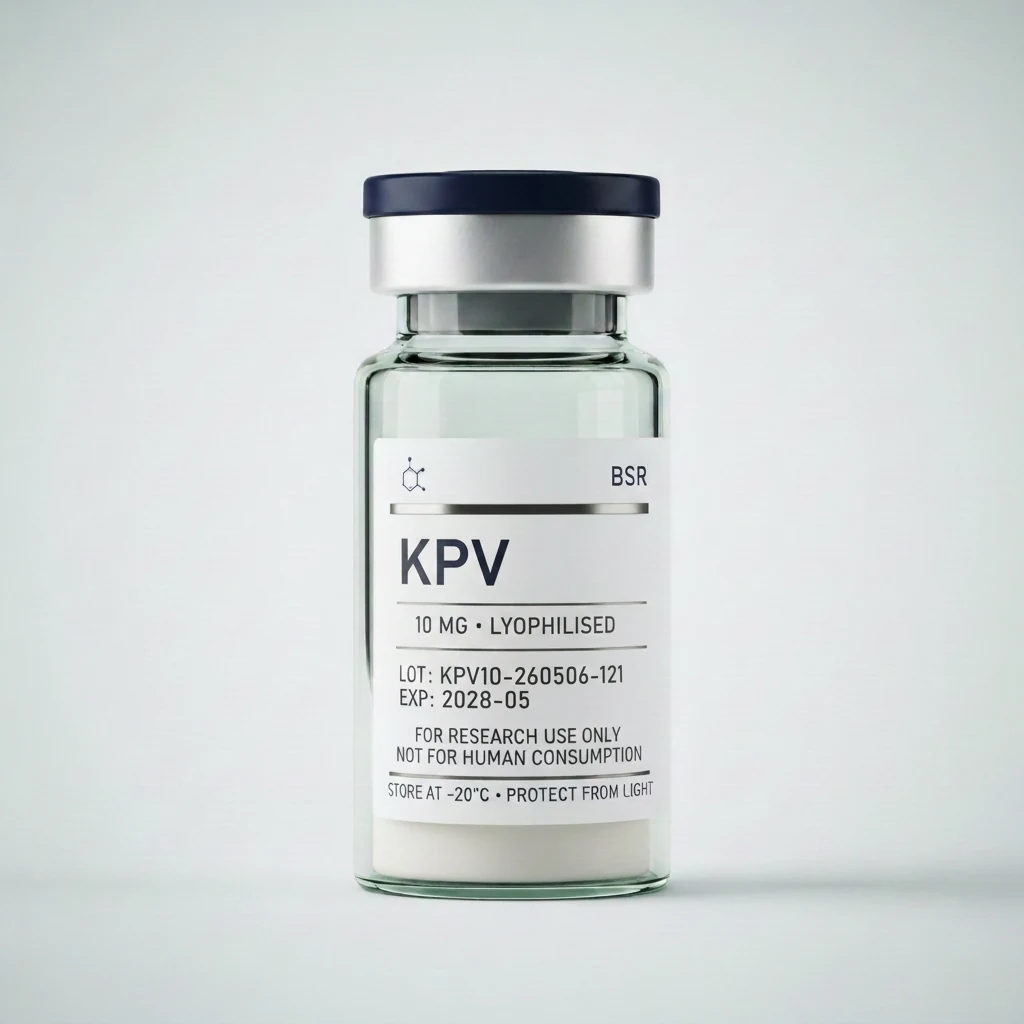
- The development runs in parallel — and in sharp contrast — to the PCAC process, which simultaneously expanded compounding access to BPC-157, TB-500, KPV, MOTS-c, Epitalon, Semax, and other research peptides.
Background: how the 503B pathway opened, and how it closes
The story begins with demand, not legislation. When the FDA declared semaglutide injections in shortage in 2022, followed by tirzepatide, the agency's existing framework under section 503B of the Federal Food, Drug, and Cosmetic Act effectively authorised large-scale compounding as a stopgap. 503B outsourcing facilities — FDA-registered entities that manufacture compounded batches without individual prescriptions — were legally permitted to use bulk active pharmaceutical ingredients (APIs) either when those substances appeared on the 503B Bulks List, or when the corresponding finished drug appeared on the FDA shortage list.
Compounded GLP-1 medications reached roughly 30% of US supply at peak in 2024, with telehealth platforms and cash-pay clinics offering semaglutide at approximately $150–$300 per month against branded pricing in excess of $1,000. That era effectively ended when the FDA declared the tirzepatide shortage resolved in October 2024 and the semaglutide shortage resolved in February 2025, removing the shortage-list pathway for both molecules.
The proposed exclusion from the 503B Bulks List, published in the Federal Register on 1 May 2026 (91 FR 23431), addresses the second remaining pathway. The FDA's stated rationale is that there is no clinical need for outsourcing facilities to compound these substances, given the availability of multiple approved formulations from Novo Nordisk and Eli Lilly.
Today's deadline: what the Federal Register says
The FDA extended its original 60-day comment period by a further 30 days, to 30 July 2026, following requests from stakeholders who argued the original window was insufficient to address complex clinical, public health, and legal issues. Comments submitted by the deadline will inform the FDA's final determination on whether to include or exclude these substances — meaning that today marks the close of the formal record.
On 28 July 2026, two days before the deadline, the Partnership for Safe Medicines submitted a comment supporting the FDA's proposal, citing patient safety risks associated with the current compounding environment and the need for strong FDA enforcement.
What the proposed rule would mean in practice
If finalised, the rule would prohibit 503B outsourcing facilities from compounding semaglutide, tirzepatide, and liraglutide from bulk substances under any circumstances, regardless of future market conditions — including any future shortage designation. This is the structural pivot: unlike the shortage-list pathway, a formal exclusion from the Bulks List creates a permanent barrier, not a conditional one.
Legal challenges by the Outsourcing Facilities Association failed to secure preliminary injunctions, solidifying that "essentially a copy" compounding of semaglutide or tirzepatide is impermissible for 503A and 503B facilities alike. The 503A patient-specific compounding route technically survives but 503A pharmacies face the "essentially a copy" provision, which prohibits them from regularly or in inordinate amounts compounding copies of commercially available drugs.
Patient safety data has been central to the FDA's public posture throughout this process. Litigation by Novo Nordisk alleged that some compounded semaglutide contained impurities of up to 86%, while the FDA reported 990 adverse events linked to compounded semaglutide and over 730 for compounded tirzepatide. Some compounders used chemically distinct salt forms — such as semaglutide sodium — that have not been proven safe and effective in humans and are not approved by the FDA, raising concerns about variable potency and efficacy.
The "clinical need" argument and its limits
The FDA's framework under 503B requires demonstrated clinical need beyond the availability of approved products. The agency has explicitly rejected affordability and insurance access as constituting clinical need for the purposes of the bulks list determination. Opponents of the exclusion have argued this interpretation leaves patients who cannot access brand-name pricing without a practical alternative; the FDA's position is that such access and cost issues are "a different problem with a different set of policy tools."
If the proposed exclusion is finalised, it would close the last legal pathway for most compounded GLP-1s, a process that is expected to take several months following today's comment deadline. Industry analysts expect the ban to be finalised by Q3 2026, though the formal rulemaking timeline has not been confirmed by the FDA.
The contrasting picture in research peptides
The GLP-1 compounding closure runs in direct contrast to the regulatory trajectory for research peptides reviewed by the Pharmacy Compounding Advisory Committee (PCAC) at its 23–24 July 2026 meeting. Where the FDA is moving to shut down large-scale compounding of approved GLP-1 drugs, the PCAC voted to recommend that unapproved compounds including BPC-157, TB-500, KPV, MOTS-c, Epitalon, and Semax be made available for compounding under section 503A — a decision that, if adopted through formal rulemaking, would expand the compoundable peptide formulary.
The divergence illustrates a principle that is worth recording for research-procurement purposes: reclassification of a peptide from Category 2 restores a regulated compounding pathway but does not constitute FDA approval, and does not mean the compound has passed large-scale clinical trials. Conversely, the closure of the 503B pathway for GLP-1s does not affect the approved branded products at all — Ozempic, Wegovy, Mounjaro, and Zepbound remain available by prescription, as does the newly approved oral orforglipron (Foundayo).
Implications for UK research labs
For UK procurement professionals, the immediate practical impact of today's deadline is limited — MHRA regulation governs UK compounding, and the 503B framework is a US-specific structure. However, the US regulatory environment does affect the global research peptide supply chain in two ways. First, a contraction in the US compounded GLP-1 market reduces demand pressure on peptide API manufacturers, potentially easing capacity constraints that have been felt across the board since 2022. Second, UK labs sourcing research-grade GLP-1 analogues should note that the regulatory and quality-control concerns documented in the US — including variable purity, unapproved salt forms, and inconsistent manufacturing standards — are not unique to the US market. Certificate of Analysis scrutiny and supplier due diligence remain essential for any GLP-1-related procurement regardless of jurisdiction.
The FDA's final determination, expected later in 2026, will represent a definitive close to the compounded GLP-1 chapter. Procurement teams should monitor the Federal Register docket (2026-08552) for notice of the final rule.
BSR Intelligence monitors FDA, MHRA, and EMA regulatory developments affecting the peptide research supply chain. This briefing is for informational purposes only and does not constitute legal or regulatory advice.
Research-grade material, HPLC verified, certificate of analysis with every order.
The week's Intelligence in one email, every Friday morning.
Regulatory moves, trial readouts, supply-chain news. No product pitches. Unsubscribe in one click.
More in Regulatory & Policy
One Amino Acid, Three High Stakes: What the Seventh Circuit's Pending Retatrutide Ruling Means for Exclusivity, Medicare Pricing, and Compounding Access
12 Oct 2026
FDA Career Scientists Formally Oppose Administration's Interim Peptide Dispensing Plan — and What the Internal Split Means for Research Procurement
11 Oct 2026
HHS Stopgap Plan for Restricted Peptides: What the Reported Enforcement-Discretion Proposal Means for Research Procurement
09 Oct 2026