Research Pipeline · 20 Jun 2026
GHK-Cu: The Copper Tripeptide Caught Between Two Regulatory Categories — and What It Means for Research Procurement
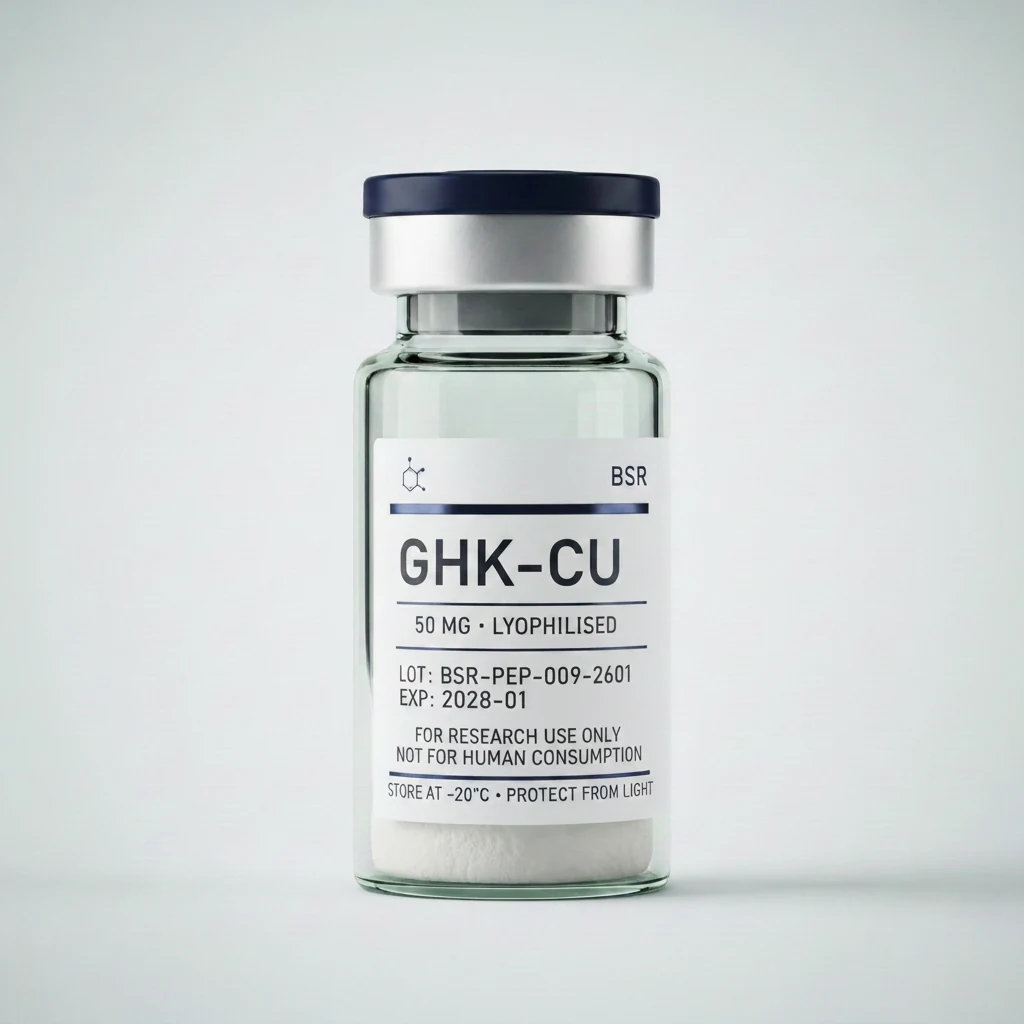
GHK-Cu (glycyl-L-histidyl-L-lysine copper complex) holds a singular position in the 2026 peptide regulatory landscape: it is the only compound among the twelve removed from FDA Category 2 that has simultaneously been withdrawn from Category 1, leaving it in a distinct limbo ahead of a scheduled PCAC review before February 2027. This briefing outlines the compound's biochemistry, the current state of clinical evidence, and the procurement implications for UK research laboratories.
13 sources cited
Key takeaways
- GHK-Cu (glycyl-L-histidyl-L-lysine copper complex) is an endogenous tripeptide that declines markedly with age; it has one of the longest research records in the published peptide literature.
- In April 2026 the FDA removed it from Category 2 of the 503A Bulk Drug Substances list, but simultaneously withdrew it from Category 1 — making it the only compound among the twelve affected peptides to lose both designations at once.
- A second PCAC meeting, scheduled before the end of February 2027, will determine whether GHK-Cu is added to the 503A bulks list and thereby formally authorised for compounding.
- Clinical evidence remains heavily concentrated in preclinical and small-scale dermatological studies; robust randomised controlled trials in systemic applications are absent.
- In the UK, GHK-Cu has no MHRA marketing authorisation; it is supplied to laboratories as a research-use-only reference compound, and MHRA enforcement activity against clinics making therapeutic claims intensified in April 2026.
What GHK-Cu is and why it attracts research interest
GHK-Cu is a chelated complex of the tripeptide glycyl-L-histidyl-L-lysine (GHK) bound to a copper(II) ion. Biochemical research dating to the 1970s identified the molecule in human plasma after Loren Pickart demonstrated in 1973 that plasma from young adults restored protein synthesis in ageing liver tissue. The copper ligand is integral to the compound's activity: GHK acts as a carrier vehicle, safely transporting the highly reactive copper ion directly to cellular receptor sites, where copper serves as a mandatory physiological catalyst for matrix metalloproteinases, angiogenesis, and elastin synthesis.
The compound is found in human plasma, saliva, and urine, and its plasma concentrations are well-documented to decline with age: levels run around 200 ng/mL at age 20, falling to roughly 80 ng/mL by age 60. This age-related decline has sustained decades of research interest in wound repair, dermal remodelling, and anti-inflammatory applications.
In topical skincare, GHK-Cu is regulated in both the US and UK as a cosmetic active ingredient, listed as copper tripeptide-1. It is also present in a smaller number of compounded prescription topicals. The compound that attracts more regulatory complexity is the injectable or systemic form, which commands different oversight on both sides of the Atlantic.
State of the clinical evidence
The majority of published evidence on GHK-Cu remains preclinical or is drawn from small dermatological studies. A 2025 review published in the Journal of Aging Science (Badenhorst et al., 2016) and a comprehensive review published in Medsci covering literature from 2016–2025 found that GHK-based formulations, including nanoparticle conjugates, hydrogels, and clinical derivatives such as TriHex and TriHex 2.0, enhance fibroblast migration, ECM remodelling, collagen and elastin synthesis, and wound closure while providing antimicrobial activity. A 2026 review drawing on PubMed, Embase, and the Cochrane Library confirmed these mechanistic findings: tripeptides can stimulate fibroblast migration, enhance collagen deposition, and support angiogenesis, with additional antimicrobial and anti-inflammatory properties.
In terms of potency benchmarking, one 2021 head-to-head study reported that GHK-Cu was superior to Matrixyl (palmitoyl pentapeptide-4) for collagen-I induction (2.1-fold vs 1.4-fold). However, the Cleveland Clinic has noted that while copper peptides like GHK-Cu appear in serums, efficacy claims lack robust RCTs, and purity varies (10–50% active in products). For systemic and injectable applications, the evidence base is materially weaker still, and no injectable or systemic formulations are FDA-approved for any indication.
Research procurement professionals should note the distinction clearly: the topical cosmetic evidence is substantial by peptide standards; systemic and injectable evidence sufficient to support clinical development is not.
The singular regulatory position in the US
The April 2026 FDA action created an unusual status for GHK-Cu. Under the FDA's interim compounding policy, nominated substances are assigned to one of three categories: Category 1 (no significant safety risks identified; enforcement discretion permits compounding pending formal review), Category 2 (significant safety risks identified; compounding not permitted), or Category 3 (inadequate supporting information).
On 15 April 2026, the FDA updated its 503A Bulk Drug Substances Nominated for Use in Compounding list and removed 12 peptide bulk drug substances from Category 2, lifting the "significant safety risks" designation that had underpinned enforcement action against compounders. However, with the exception of GHK-Cu, none of these twelve peptides were recategorised to Category 1. GHK-Cu was simultaneously removed from Category 1 as well — meaning it now sits outside both active enforcement designations.
Practically, this means that compounding pharmacies technically lose their federal safe harbour to mass-compound topical GHK-Cu using bulk substances. The FDA has indicated that it intends to convene the PCAC before the end of February 2027 to review five additional peptides, including GHK-Cu, Melanotan II, Cathelicidin (LL-37), Dihexa acetate, and PEG-MGF, for potential inclusion on the 503A Bulks Drug Substances List. A formal PCAC recommendation to add GHK-Cu to the 503A list would enable licensed 503A compounding pharmacies to prepare it on a patient-specific basis, but would not constitute FDA drug approval.
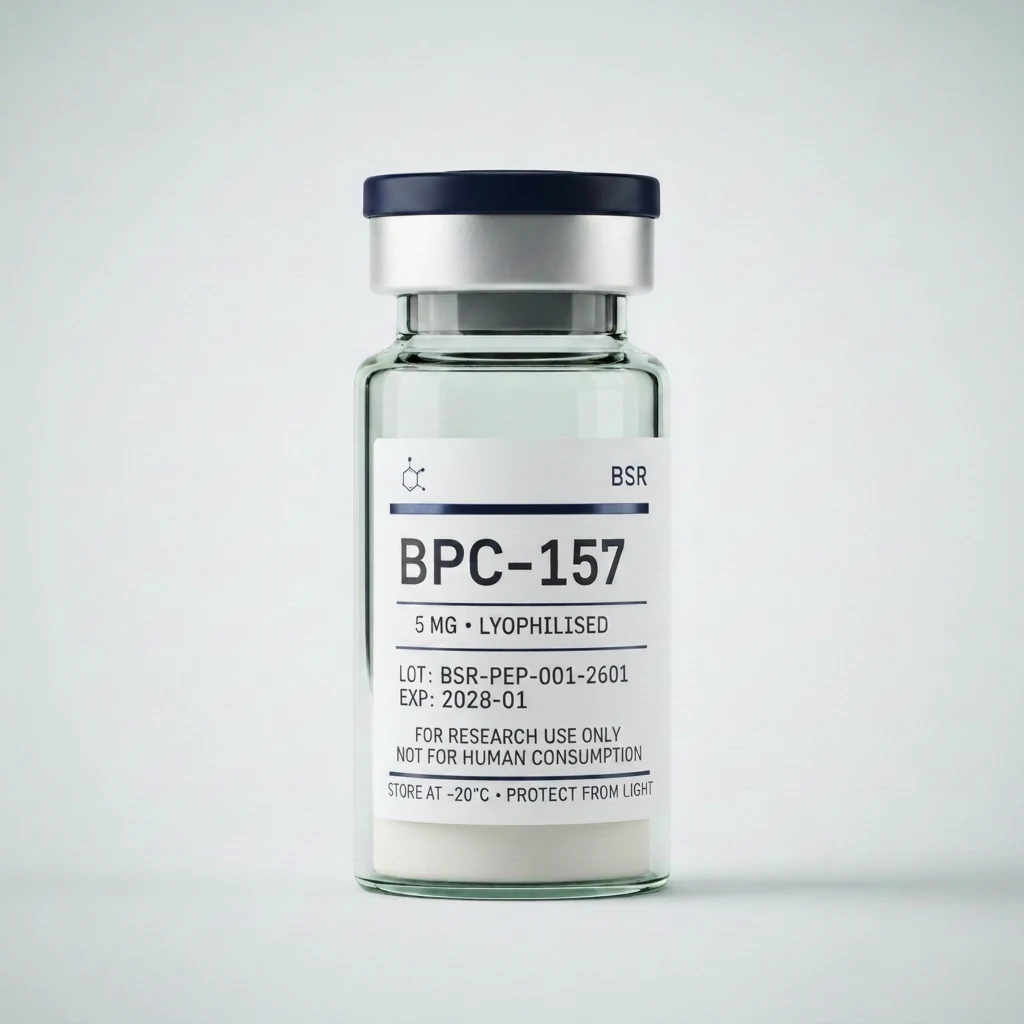
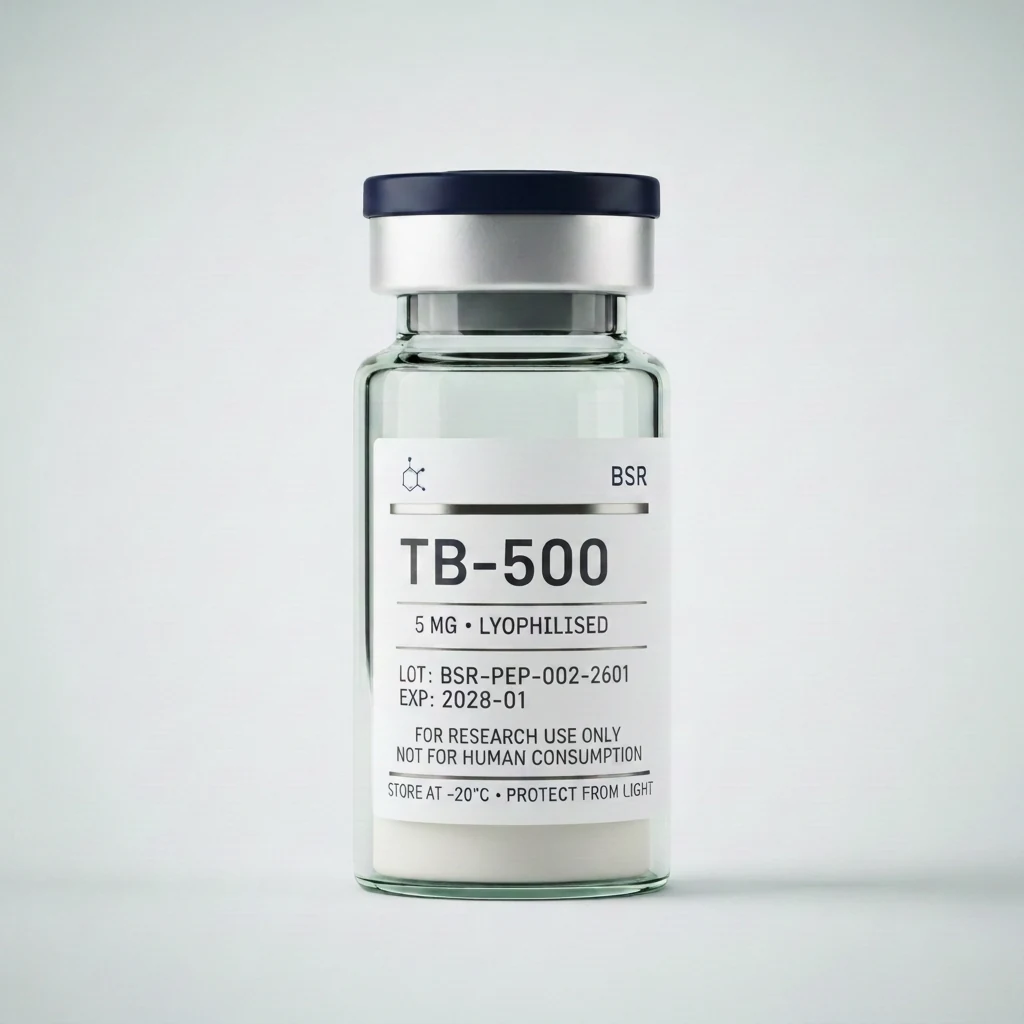
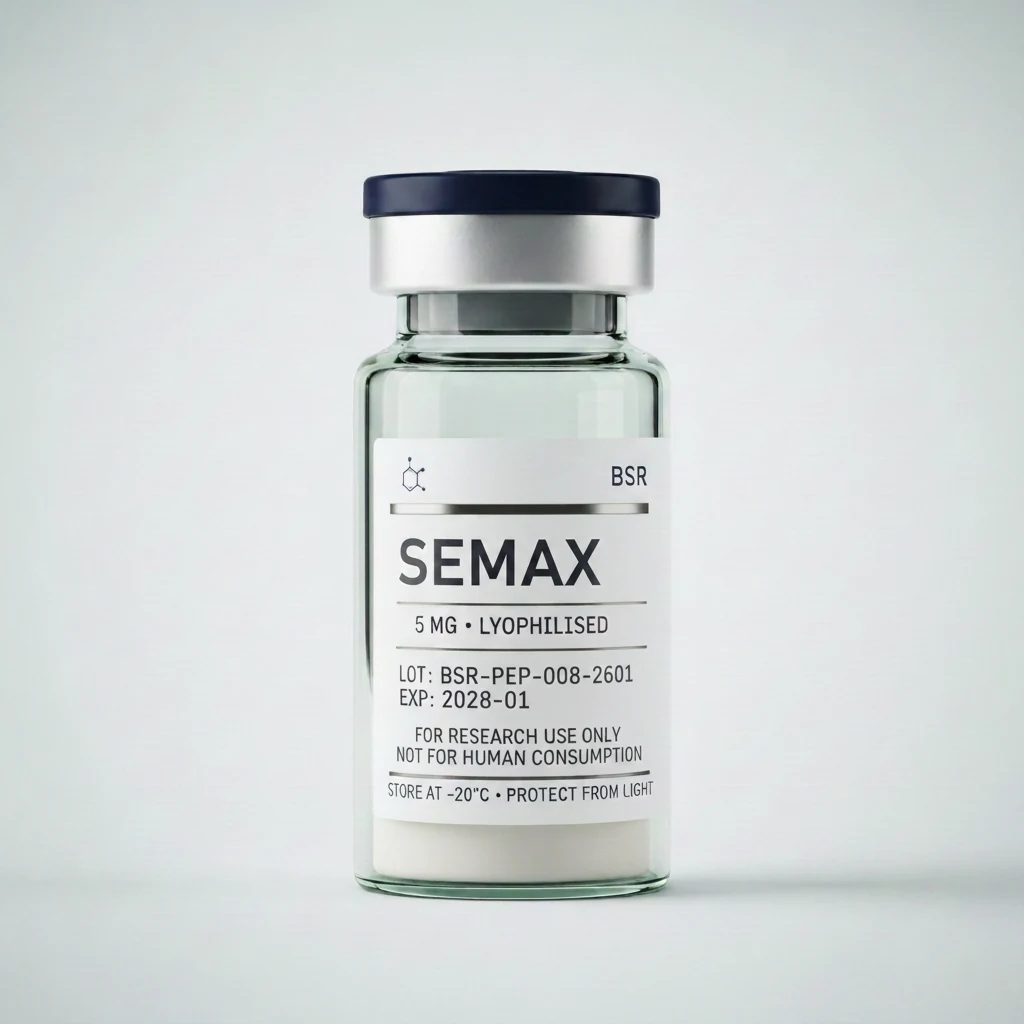
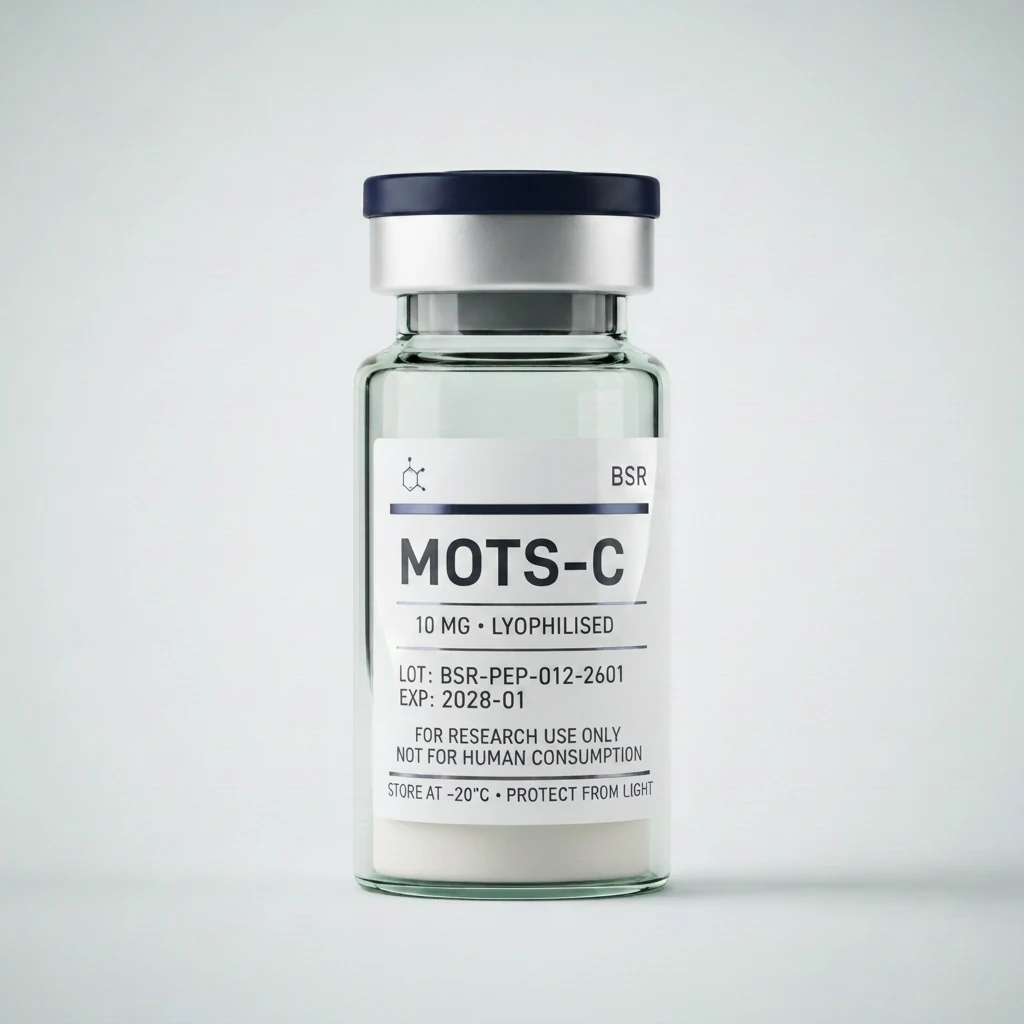
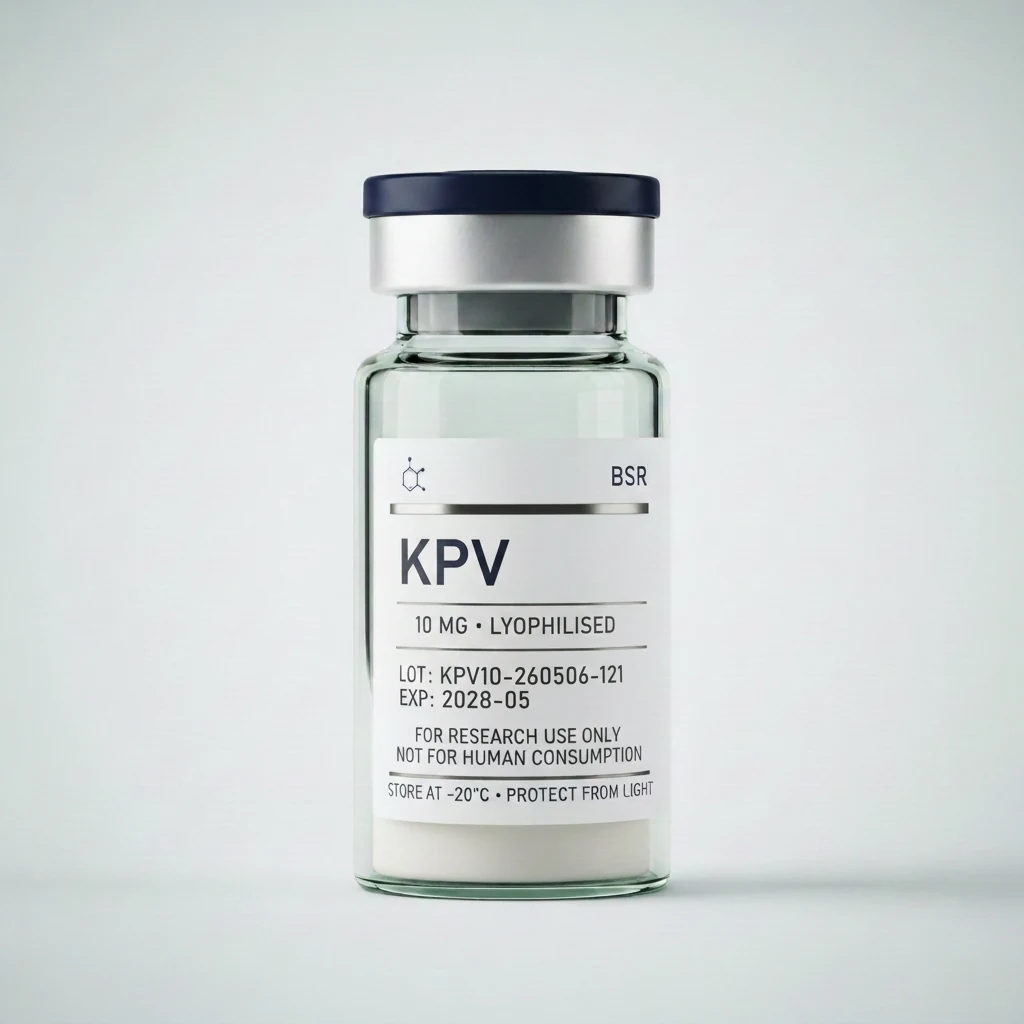
For context on the parallel July 2026 PCAC meeting: seven other peptides — BPC-157, KPV, TB-500, MOTS-c on Day 1; DSIP, Semax, and Epitalon on Day 2 — are scheduled before the committee on July 23–24, 2026. GHK-Cu's review falls in the second tranche.
The removal from Category 2 is not the same as authorisation to compound, and procurement professionals should apply caution to any vendor claim that regulatory changes in 2026 have normalised the supply of injectable GHK-Cu. Safety risks primarily arise from unverified sources and non-compliant injectable routes.
UK and MHRA regulatory position
GHK-Cu has no MHRA marketing authorisation as a systemic medicine in the United Kingdom. Topical cosmetic products containing GHK-Cu at low concentration are regulated separately under cosmetics law, where only cosmetic claims are permissible. Research-grade supply to registered UK laboratories as a reference compound is lawful, provided no therapeutic or personal-use claims are attached to the product.
Enforcement context has sharpened in 2026. The MHRA opened investigations in April 2026 into UK clinics making therapeutic claims about unregulated peptide products, with reporting attributed to The Guardian and the BBC. The regulatory standard is clear: personal-use or efficacy claims about GHK-Cu bring the marketing inside the Human Medicines Regulations 2012, regardless of any 'research-use-only' label. UK laboratories acquiring the compound as a reference standard must ensure supplier labelling, certificates of analysis, and internal use records accurately reflect research-only application.
State boards of pharmacy in the US also maintain independent authority over compounding practices, and several states have adopted positions on peptide compounding that are more restrictive than the federal framework — a structural complexity US-affiliated procurement teams should note when assessing cross-jurisdictional supply chains.
Procurement considerations for UK research laboratories
Several practical points follow from GHK-Cu's current regulatory and evidence status:
Sourcing and purity documentation. Given the evidence that purity varies widely in commercially available products, laboratories should require batch-specific HPLC certificates of analysis and mass-spectrometry identity confirmation from any supplier. Cosmetic-grade GHK-Cu serums and research-grade injectable-specification material are not interchangeable for laboratory work.
Supplier due diligence. The FDA's stated focus on "ethical suppliers" and the MHRA's April 2026 enforcement investigations both signal that supply-chain scrutiny is intensifying. Laboratories should verify that suppliers hold appropriate research-chemical registration, provide research-use-only labelling, and make no therapeutic claims in marketing materials.
Evidence base awareness. The compound's evidence profile is considerably stronger for topical dermatological applications than for systemic use. Procurement decisions should reflect the specific research application: well-characterised topical reference material is procurement-straightforward; injectable or systemic-specification material sits in a higher-scrutiny zone.
Regulatory horizon. The PCAC review before February 2027 represents the next formal inflection point for GHK-Cu's US compounding status. A positive PCAC recommendation would expand lawful compounding access in the US, potentially affecting global supply dynamics. UK researchers monitoring peptide supply costs and availability from US-based CDMOs should track the February 2027 timeline.
Contraindications relevant to study design. Published safety literature flags incompatibility with strong acids (glycolic acid, salicylic acid, L-ascorbic acid applied simultaneously, which disrupts the copper-peptide bond) and notes contraindications in active malignancies (given angiogenic properties) and Wilson's disease. These are relevant to in-vitro and in-vivo study design parameters.
Research-grade material, HPLC verified, certificate of analysis with every order.
The week's Intelligence in one email, every Friday morning.
Regulatory moves, trial readouts, supply-chain news. No product pitches. Unsubscribe in one click.
More in Research Pipeline
Thymosin Alpha-1: What 35 Countries of Clinical Use and a Lopsided PCAC Vote Mean for Research Access in 2026
07 Oct 2026
Viking Therapeutics Initiates Oral Maintenance Dosing Study for VK2735: What the GLP-1/GIP Dual Agonist's Two-Part Programme Tells Researchers About the Weight-Regain Problem
06 Oct 2026
GHK-Cu: What a Fresh Diabetic Wound Study and a Recruiting Phase 2 Trial Mean for the Copper Peptide's Research Standing
03 Oct 2026