Regulatory & Policy · 29 Oct 2026
HHS Issues Enforcement Discretion Policy for Six Peptides: What the 28 October Announcement Means for Research Procurement
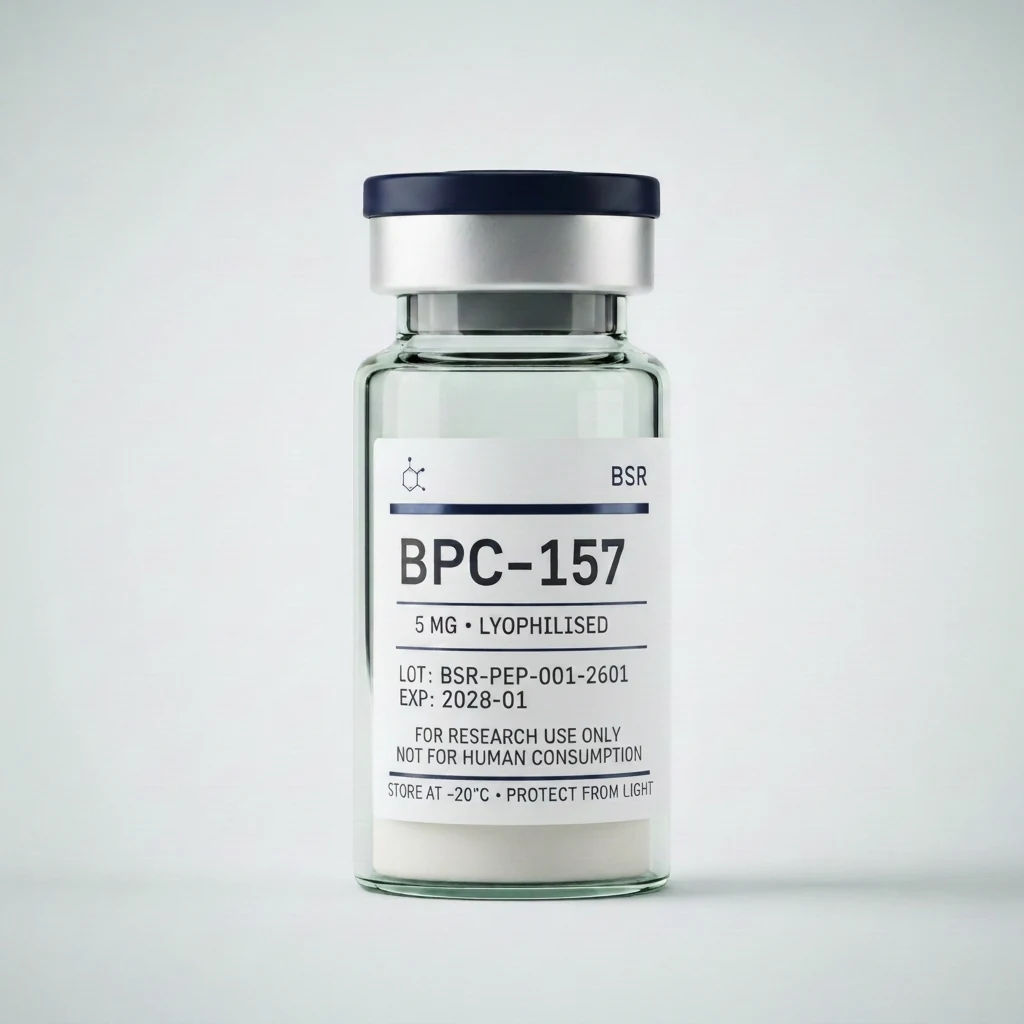
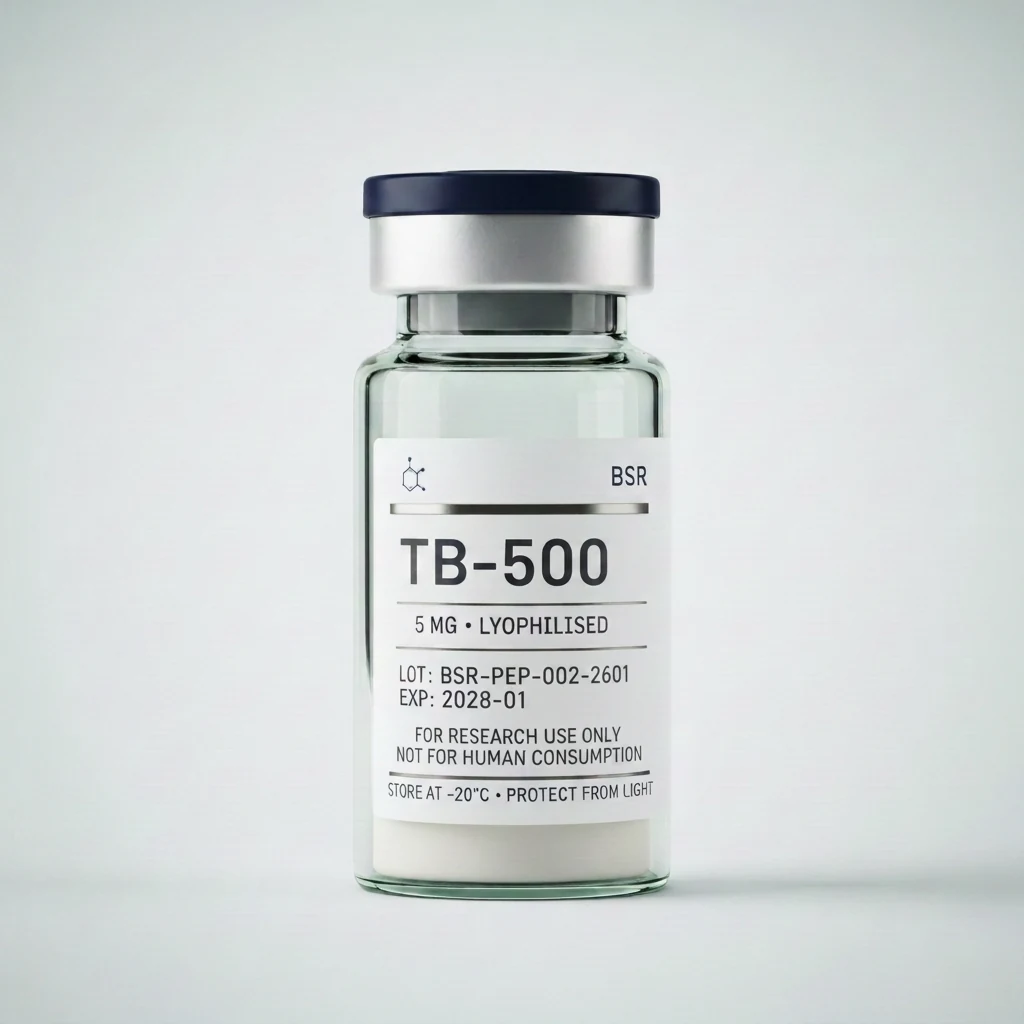
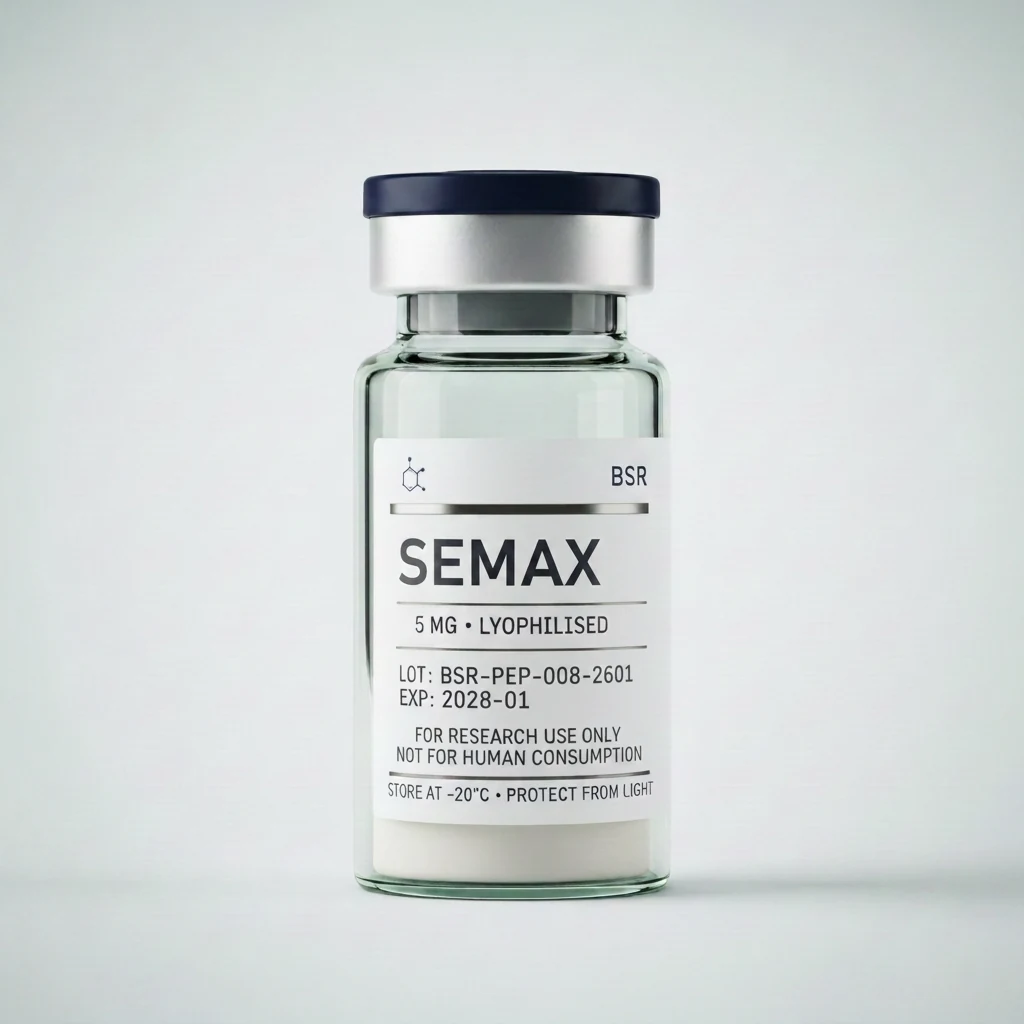
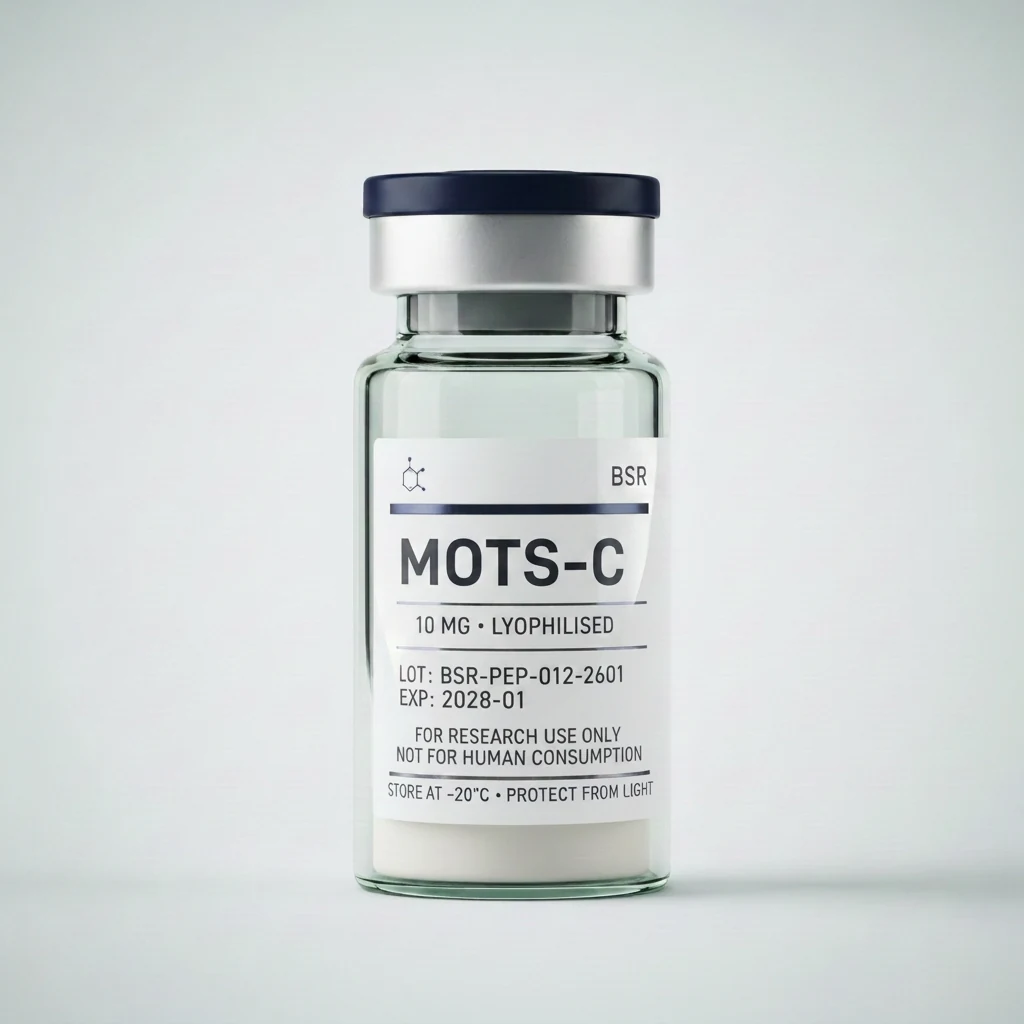
The US Department of Health and Human Services announced on 28 October 2026 that it will not pursue enforcement action against state-licensed 503A compounding pharmacies that compound BPC-157, Epitalon, KPV, MOTS-c, Semax, or TB-500, provided strict quality and reporting conditions are met. The policy does not constitute FDA approval, does not extend to research-use-only channels, and may be withdrawn at any time — distinctions that UK research-procurement teams must keep firmly in view.
12 sources cited
Key takeaways
- On 28 October 2026, HHS issued the Enforcement Discretion Policy Regarding 503A Compounding Using Certain Peptide Bulk Drug Substances, covering BPC-157, Epitalon, KPV, MOTS-c, Semax, and TB-500.
- The policy grants temporary non-enforcement against qualifying US 503A compounding pharmacies only — it does not extend to 503B outsourcing facilities, research-use-only suppliers, or supplement channels.
- Compounders must satisfy a detailed list of conditions: FDA-registered and current Good Manufacturing Practice (cGMP)-compliant API manufacturers, specific Certificates of Analysis, permitted routes of administration per substance, patient-specific prescriptions, and MedWatch adverse-event reporting.
- No peptide has been added to the FDA 503A Bulks List; formal notice-and-comment rulemaking has not begun. The policy may be revoked if safety signals or product-quality problems emerge.
- For UK laboratories, the policy creates no new legal pathway. MHRA enforcement posture is unaffected, and research-use-only procurement remains governed by existing UK and EU regulatory frameworks.
What happened and when
The policy's publication on 28 October 2026 is the conclusion of a process that began in February with a Kennedy administration announcement and continued through a July 2026 meeting of FDA's Pharmacy Compounding Advisory Committee (PCAC). On 28 October 2026, HHS announced an interim enforcement discretion policy covering six peptides: BPC-157, TB-500, KPV, MOTS-c, Epitalon, and Semax.
According to a notice filed on 28 October, the agency will use "enforcement discretion," meaning it will not take legal action against pharmacies compounding these peptides while a formal rule change is under consideration. The policy is scheduled for publication in the Federal Register on 30 October 2026, with a two-week public comment window opening at that point, according to reporting by Time.
The announcement follows the OIRA submission of 14 October 2026, in which HHS and FDA sent a draft interim access policy to the White House Office of Management and Budget for regulatory review. The advisory committee's July 2026 votes in favour of six peptides were recommendations only, and the formal rulemaking needed to act on them had not yet begun. This policy is intended to bridge that gap.
The six covered peptides and permitted routes
Compounders must meet detailed requirements involving peptide identity and permitted routes of administration, FDA-registered and cGMP-compliant manufacturers, certificates of analysis and testing, patient-specific prescriptions, adverse-event and product-quality reporting, labelling, and single-API formulations.
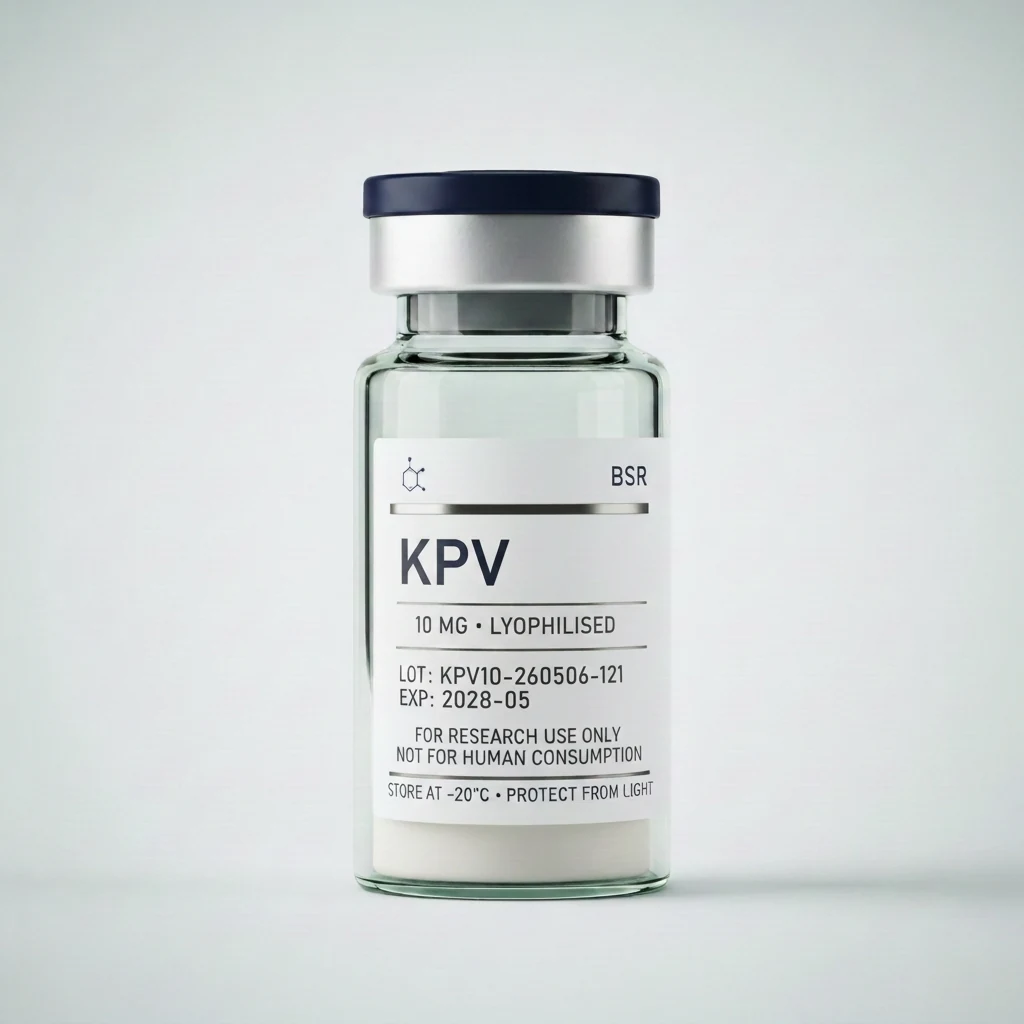
Appendix B of the policy specifies permitted routes of administration for each substance. BPC-157 acetate is permitted in subcutaneous, intramuscular, oral, and topical dosage forms; TB-500 acetate is permitted as subcutaneous or intramuscular injectable dosage forms; Epitalon acetate as subcutaneous or intramuscular injectable dosage forms dispensed in intermittent courses; Semax free base as intranasal use; and KPV acetate in topical and oral dosage forms. Routes not listed — injectable KPV, for example, or oral TB-500 — fall outside the policy's protection.
What the policy does not do
Several aspects of the policy's scope are as important as what it covers.
No peptide was approved, and no peptide was added to any list. The policy can be pulled at any time.
HHS said it may reconsider the interim policy if safety signals or product-quality problems emerge. The policy does not constitute FDA approval of the peptides or the compounded medicines made from them.
Critically for research-procurement professionals: any near-term access would come as a temporary FDA decision not to enforce certain rules against state-licensed 503A compounding pharmacies. That approach would not approve any product, would not cover research-use-only, supplement, or 503B outsourcing facility channels, and could be withdrawn without formal rulemaking.
The FDA's own scientific staff had recommended against adding any of the seven reviewed peptides to the bulks list. FDA agency staff recommended against adding any of the seven peptides to the bulks list, citing incomplete chemical characterisation, limited or missing human data, and specific preclinical safety questions. The advisory committee overruled that recommendation, and HHS followed the committee.
Quality and traceability conditions: what they mean in practice
The policy's technical requirements are more demanding than what many compounders currently practise. The certificate of analysis must characterise and identify the substance and include testing consistent with Appendix B, which is more onerous than what compounders currently rely on. Where a peptide bulk drug substance is obtained through an FDA-registered repacker, relabeller, or reseller, that entity must have performed and documented appropriate vendor validation of the BDS manufacturer and validation of the manufacturer's certificate of analysis.
The policy also calls for reporting compounded products, serious adverse events, and product quality issues to FDA and to states where the products are compounded and sent. Adverse-event and quality reports must be submitted to FDA's MedWatch programme.
For UK laboratories sourcing any of these peptides, these US requirements are instructive regardless of applicable jurisdiction: they represent a minimum standard of documentation — amino acid sequence, chemical structure, molecular weight, molecular formula, and route-specific purity testing — that responsible procurement teams should already be demanding from suppliers.
How scientific opinion is divided
The announcement has drawn both support and criticism. Robert Steinbrook, director of Public Citizen's Health Research Group, criticised the move, saying Kennedy had acted "recklessly and unilaterally." Steinbrook said the policy could expose patients to risks such as contamination, impurities, and unknown side effects, and argued that peptide substances should undergo the standard FDA drug approval process before being manufactured and prescribed.
Robert F. Kennedy Jr. said he uses some of the peptides and called himself a "big fan," while FDA scientists continued to say there is insufficient evidence to show if they are effective and potentially dangerous.
The Associated Press reported that FDA scientific staffers had little input into the decision and opposed the changes, while the government said it would take comments on the measure for two weeks.
Implications for UK research procurement
The enforcement discretion policy is a US federal instrument and has no direct legal effect in the United Kingdom. The MHRA's classification of these peptides under the Human Medicines Regulations 2012 and its enforcement posture towards research-use-only suppliers remain unchanged. Laboratories in Great Britain procuring BPC-157, TB-500, or the other four covered peptides for legitimate in-vitro or preclinical research should continue to verify supplier documentation against existing MHRA guidelines rather than assuming any equivalence with the new US framework.
The policy is, however, relevant in at least two indirect ways. First, it may prompt some US-based suppliers to invest in the cGMP and CoA standards now required for 503A compounding, which could raise the baseline quality of material reaching the wider research market over time. Second, the explicit exclusion of research-use-only channels from the policy's protection suggests that US enforcement against non-pharmacy research suppliers has not been relaxed — a reminder that UK labs importing from US research-use-only vendors continue to operate in a legally distinct setting.
Since August 2026, FDA has stepped up enforcement against research-use-only peptide sellers and high-volume compounders. That posture is unaffected by yesterday's announcement.
What comes next
The FDA's PCAC is scheduled to meet again in February 2027 to vote on whether to add five additional peptides to the 503A Bulks List. Procurement teams should note that the formal rulemaking process — notice, public comment, and final rule — has yet to begin even for the six peptides now covered by enforcement discretion. Until a final rule is adopted, the legal footing for 503A compounding of these substances remains contingent on the continued goodwill of HHS leadership.
The BSR Intelligence desk will continue to track the Federal Register publication on 30 October, public comments received during the two-week window, and any signal from FDA on when formal rulemaking will commence.
Research-grade material, HPLC verified, certificate of analysis with every order.
The week's Intelligence in one email, every Friday morning.
Regulatory moves, trial readouts, supply-chain news. No product pitches. Unsubscribe in one click.
More in Regulatory & Policy
Safety Group Challenges PCAC Integrity as Peptide Access Policy Sits at the White House: What the PSM Citizen Petition Means for the Regulatory Outlook
25 Oct 2026
Peptide Interim Access Policy Enters White House Review: What the OIRA Submission and This Week's OMB Meeting Mean for Research Procurement
19 Oct 2026
One Amino Acid, Three High Stakes: What the Seventh Circuit's Pending Retatrutide Ruling Means for Exclusivity, Medicare Pricing, and Compounding Access
12 Oct 2026